Why grow plants from seed when there are easier ways?
Sowing & growing
Contents:
- 1. Introduction: Why sow at all?
- 2. Diversity instead of clones: the power of seeds
- 3. Spring flowers from seed? Absolutely!
- 4. Berry bushes: from wild seed to garden love
- 5. Peonies, wild roses & co: plants with depth
- 6. What can go wrong when sowing, and how you can master it
- 7. Infobox: germination types & special features at a glance
- 8. Conclusion: whoever sows, sows not just plants but the future
A love letter to sowing, for everyone who wants to think about their garden differently
1. Introduction: Why sow at all?
Admittedly, it sounds unreasonable at first. Why grow a juneberry from seed when it spreads so easily by suckers? Why sow crocuses when you can simply plant bulbs? And who on earth would wait seven years for a peony of their own free will?
Quite simply: Because sowing is more than reproduction.
It is a gift to diversity, an invitation to slowness, and sometimes even a little adventure.
2. Diversity instead of clones: the power of seeds
Many plants can be propagated vegetatively: by cuttings, root suckers, division or bulbs. That is convenient and quick, but it produces genetically identical copies of the mother plant.
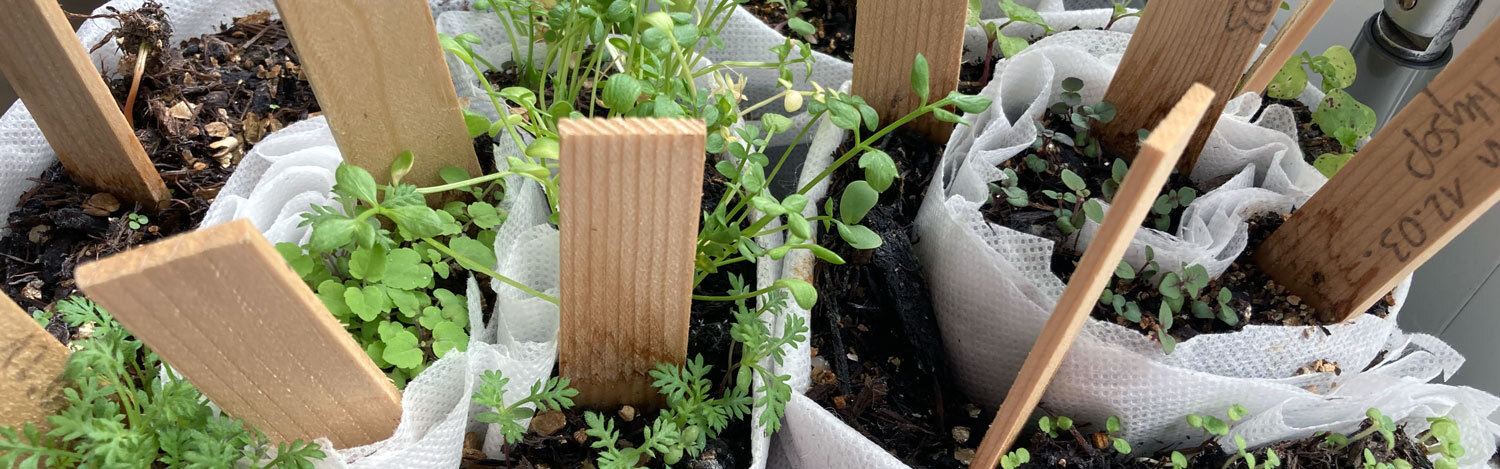
Only sowing creates truly new individuals. Every seed carries a unique combination of traits. That way you develop plants that are better adapted to your site: hardier, more interesting, more alive.
Example: The juneberry (Amelanchier) spreads by suckers. But grown from seed, it shows a wide range: in growth habit, amount of fruit, flowering time. The same goes for elder, a shrub that can turn out surprisingly varied when raised from seed.
Infobox: vegetative vs. generative propagation, briefly explained
| Type of propagation | What happens? | Typical method | Example plants |
|---|---|---|---|
| Vegetative propagation | The plant produces clones: genetically identical offspring. | Cuttings, division, root suckers, bulbs | Elder, tulip, strawberry, mint |
| Generative propagation | The plant forms seeds, from which new, unique individuals grow. | Sowing, often with dormancy or a cold period | Juneberry, wild rose, blueberry, crocus |
In short:
- Vegetative = fast & uniform.
- Generative = slow, but full of surprises, diversity and adaptation.
3. Spring flowers from seed? Absolutely!
Tulips, crocuses and narcissi are prime examples of bulb propagation: quick, tried and tested, uncomplicated.
But if you grow them from seed, you discover a whole new world:
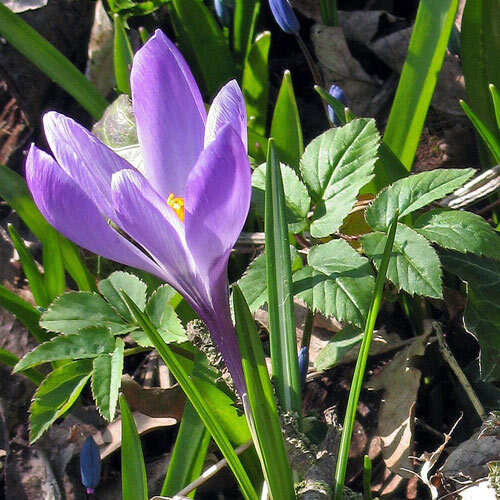
- Crocuses and wild tulips often self-seed. The seedlings surprise with play of colour, shapes and flowering times.
- The plants develop more slowly but become hardier: they find their own place, root more deeply, adapt.
And yes, a crocus grown from seed flowers in its 2nd to 3rd year at the earliest. But when that day comes, it is not just the plant that blooms, but also the gardener's heart.
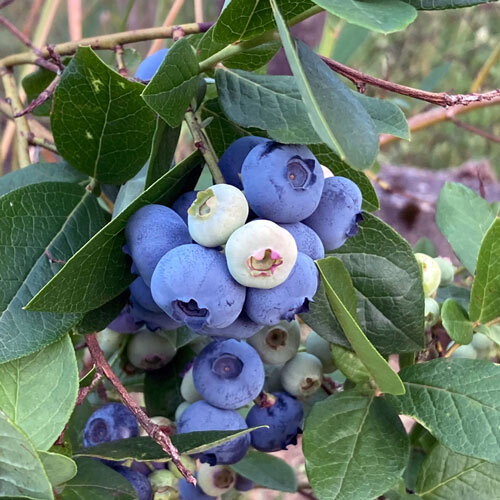
4. Berry bushes: from wild seed to garden love
With blueberries and cowberries, sowing brings particularly exciting results: seedlings show differences in growth, flavour and climate tolerance. Some grow more compactly, others are more resistant to drought or fungi.
That way you develop a berry diversity that suits your garden perfectly, and that is often more stable than cloned varieties from the shops.
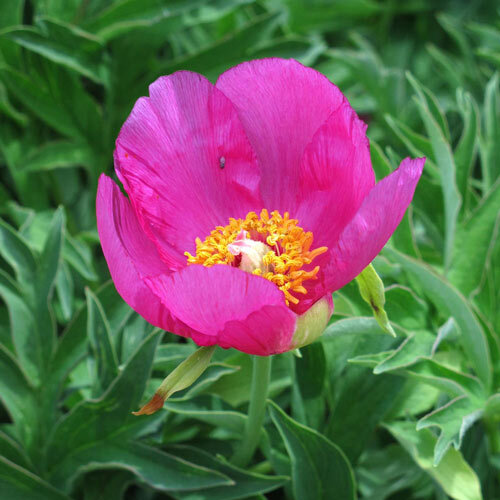
5. Peonies, wild roses & co: plants with depth
The peony is probably the epitome of slow gardening happiness. Grown from seed, it can take up to eight years to flower. Some species even need several germination cycles.
Wild roses are among the slow ones too. But they give you hardy, natural plants with a deep fragrance, insect friendliness and beautiful rosehip formation.
Whoever raises these plants themselves understands: A garden is not production, but a relationship.
6. What can go wrong when sowing, and how you can master it
Of course, not everything happens by itself. Many perennial plants are cold germinators, so they need a period of low temperatures. Others germinate slowly or unevenly, so-called slow germinators.
- Cold germinators: e.g. juneberry, wild rose, crocus, which need 4 to 12 weeks below 0 to 5 °C.
- Slow germinators: e.g. peony, which needs two germination phases over several years.
- Hard seed coats: e.g. wild roses, which need scarification (nicking, hot water).
Tip: With a little patience, good labelling and a moist pot in the fridge, theory quickly turns into the joy of practice!
7. Infobox: germination types & special features at a glance
| Plant / group | Germination type | Special feature | What helps? |
|---|---|---|---|
| Peony | Double germinator | Often only germinates after 2 winters | Cold-warm-cold phases, patience |
| Wild rose | Cold germinator | Very hard seeds, germination often delayed | Stratification, scarification |
| Juneberry | Cold germinator | Needs cold to break dormancy | Autumn sowing or fridge |
| Elder | Light germinator / slow | Hesitant germination, sensitive | Sow shallowly, keep moist |
| Blueberry / cowberry | Cold germinator + acid-loving | Fine seeds, like acidic soil & cold | Ericaceous compost, fridge |
| Tulip | Slow germinator | Only germinates after 1 to 2 years | Do not disturb the bed, patience |
| Crocus | Cold germinator | Flowering possible from the 2nd to 3rd year | Autumn sowing, do not forget the label |
8. Conclusion: whoever sows, sows not just plants but the future
You are welcome to take cuttings, divide bulbs or prick out suckers. But if you really want to understand what plants can do, then sow them.
The decision to grow a juneberry, an elder or a peony from seed is not a detour but a statement:
💚 For diversity.
💚 For patience.
💚 For real garden life.
Go on, give it a try.
In our shop you will find over 1000 open-pollinated varieties, from hardy classics to botanical rarities.
💬 And you?
Have you ever grown woody plants or spring flowers from seed?
What is your patience plant? What surprised you?
Tell us in the comments, or share the post with other garden people who would like to embark on the adventure of sowing.
Related products