
Fruit seeds: grow your own fruits, berries and nuts
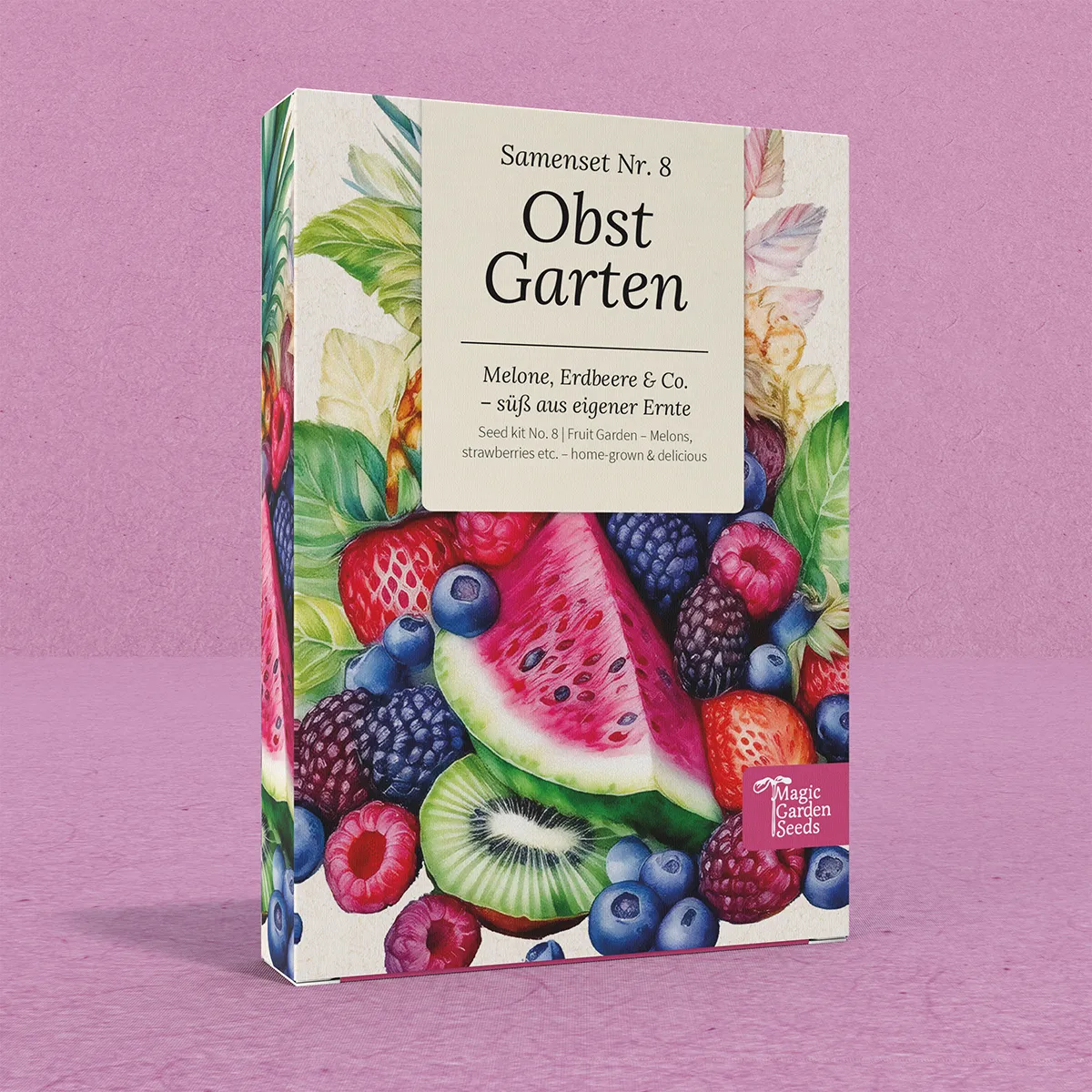
Growing fruit from seed is a special kind of gardening: sometimes quick and uncomplicated, sometimes slow, surprising and full of patience. In this category you will find seeds for edible fruits, berries, melons, wild fruit, fruit trees and shrubs, and selected nut species - for everyone who wants to turn their garden into a living edible and productive space.
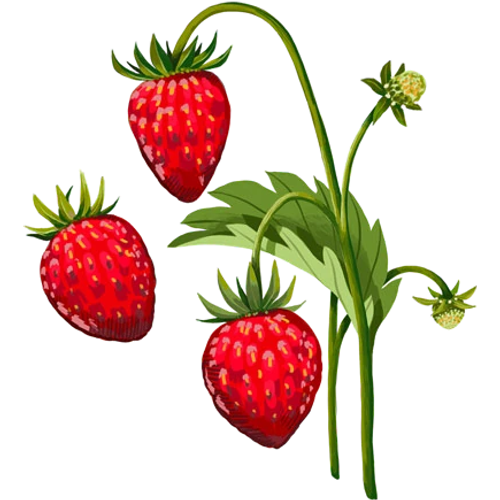
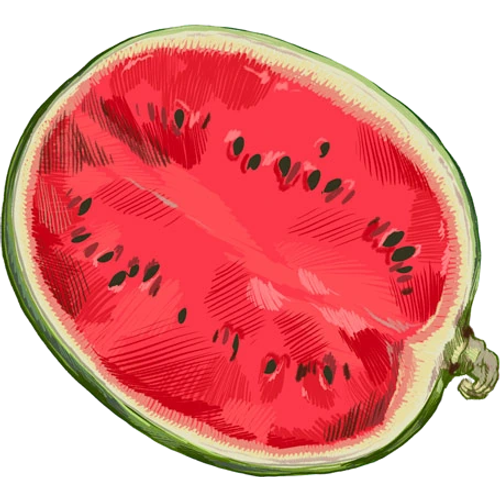
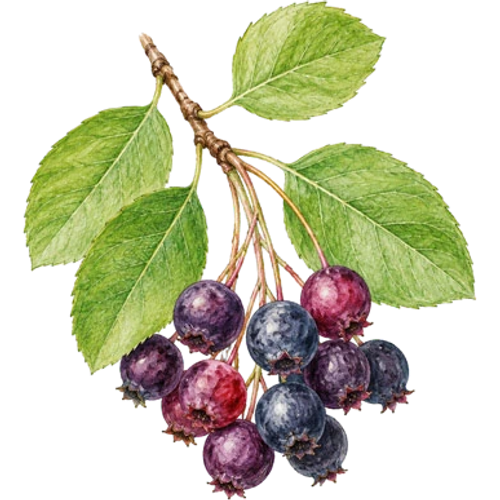
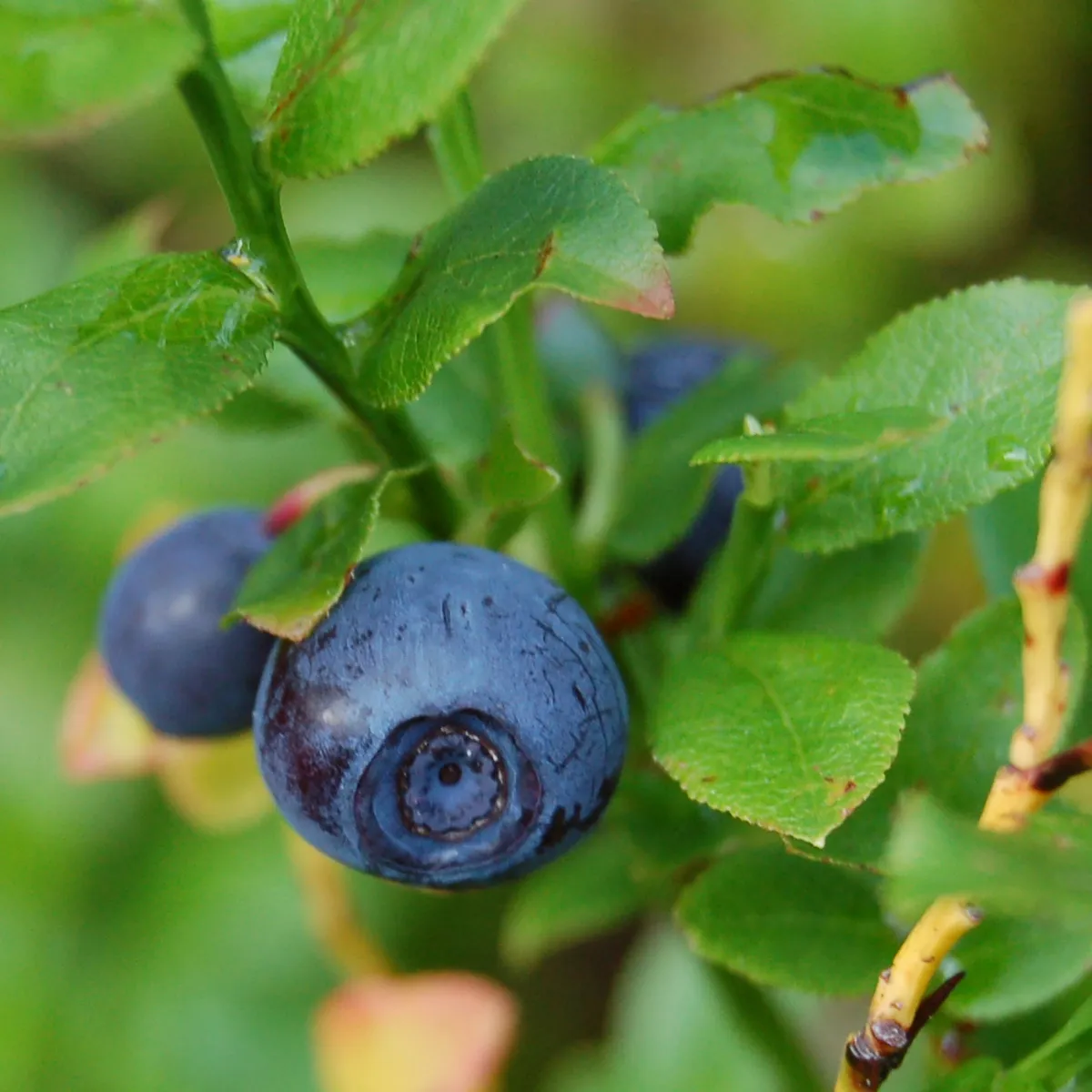
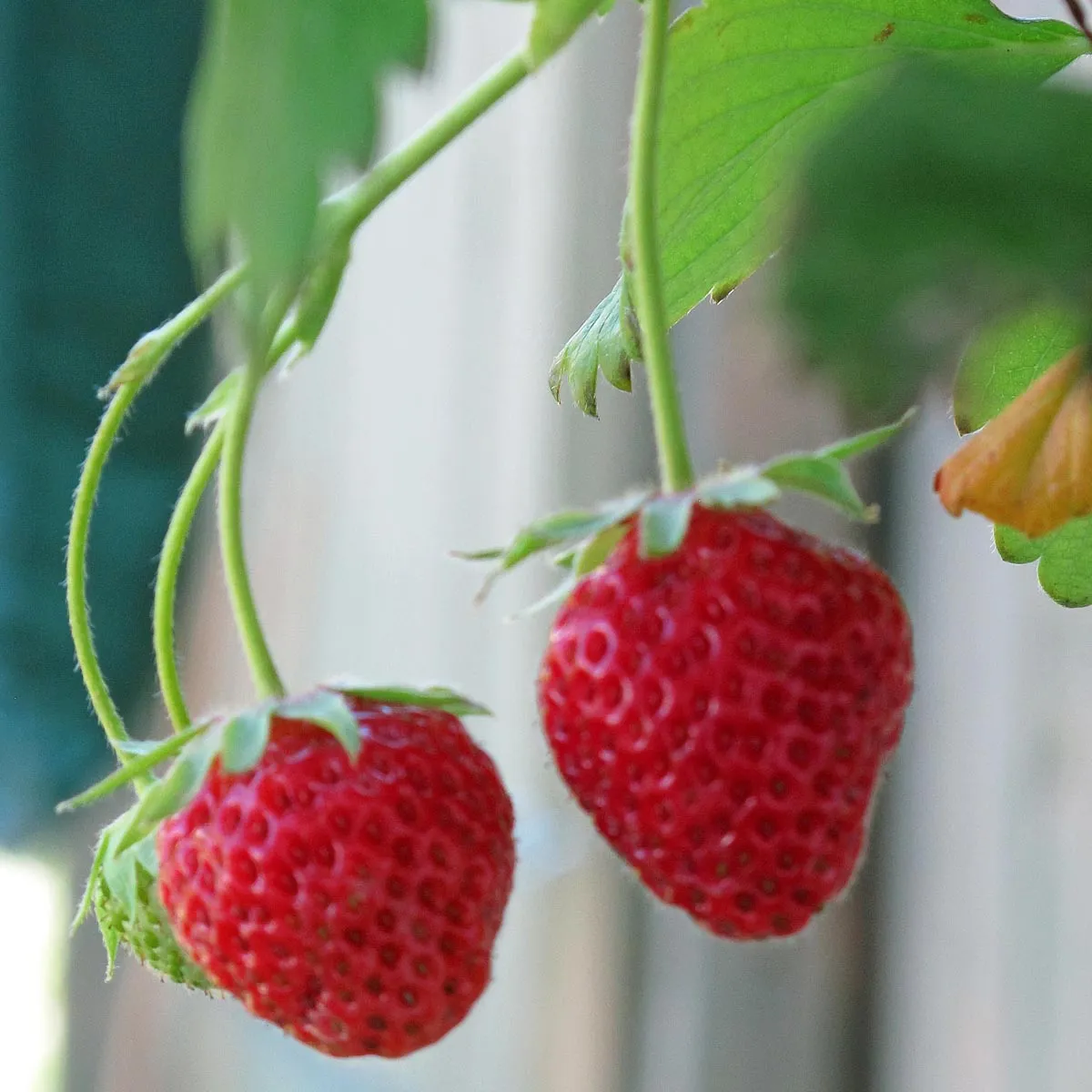
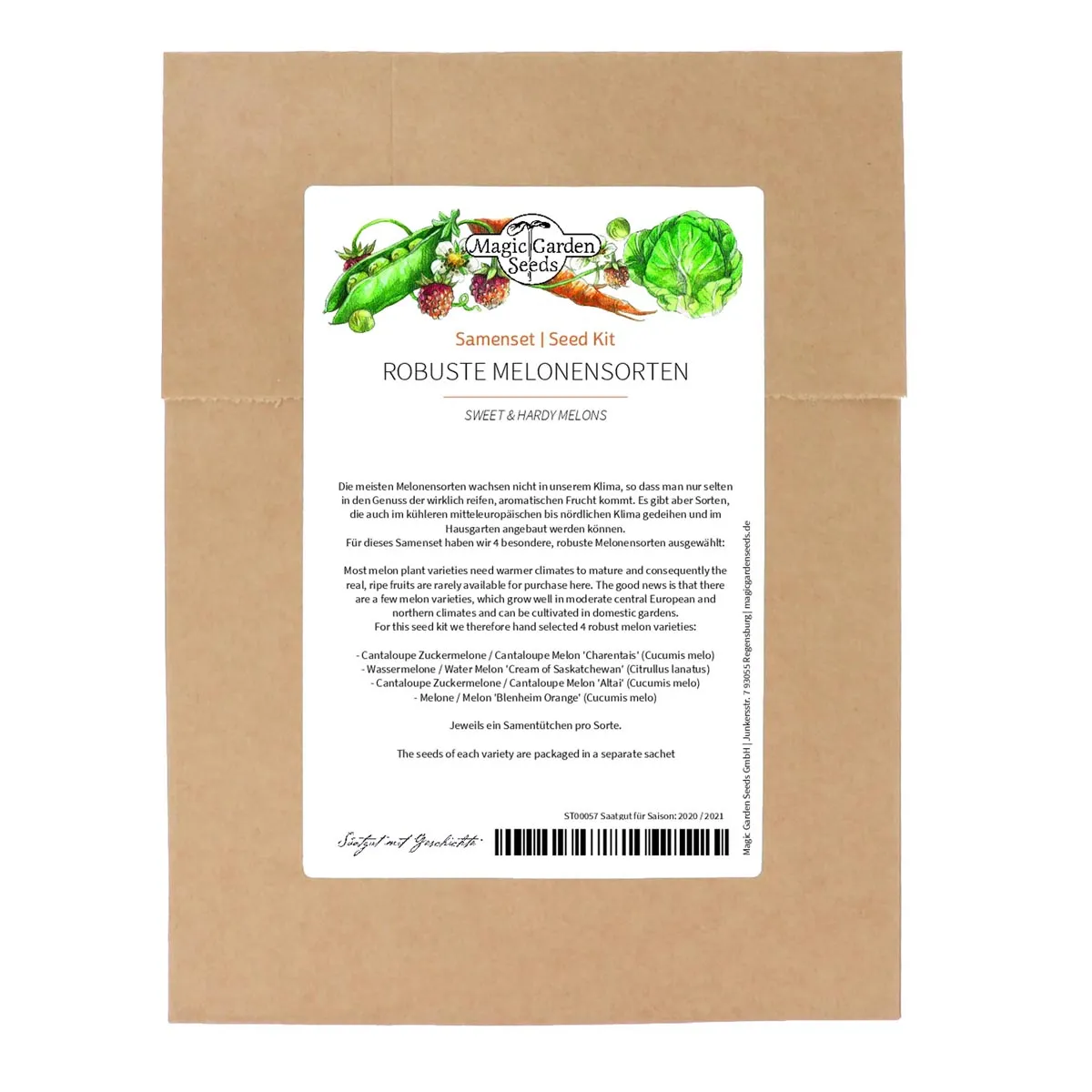
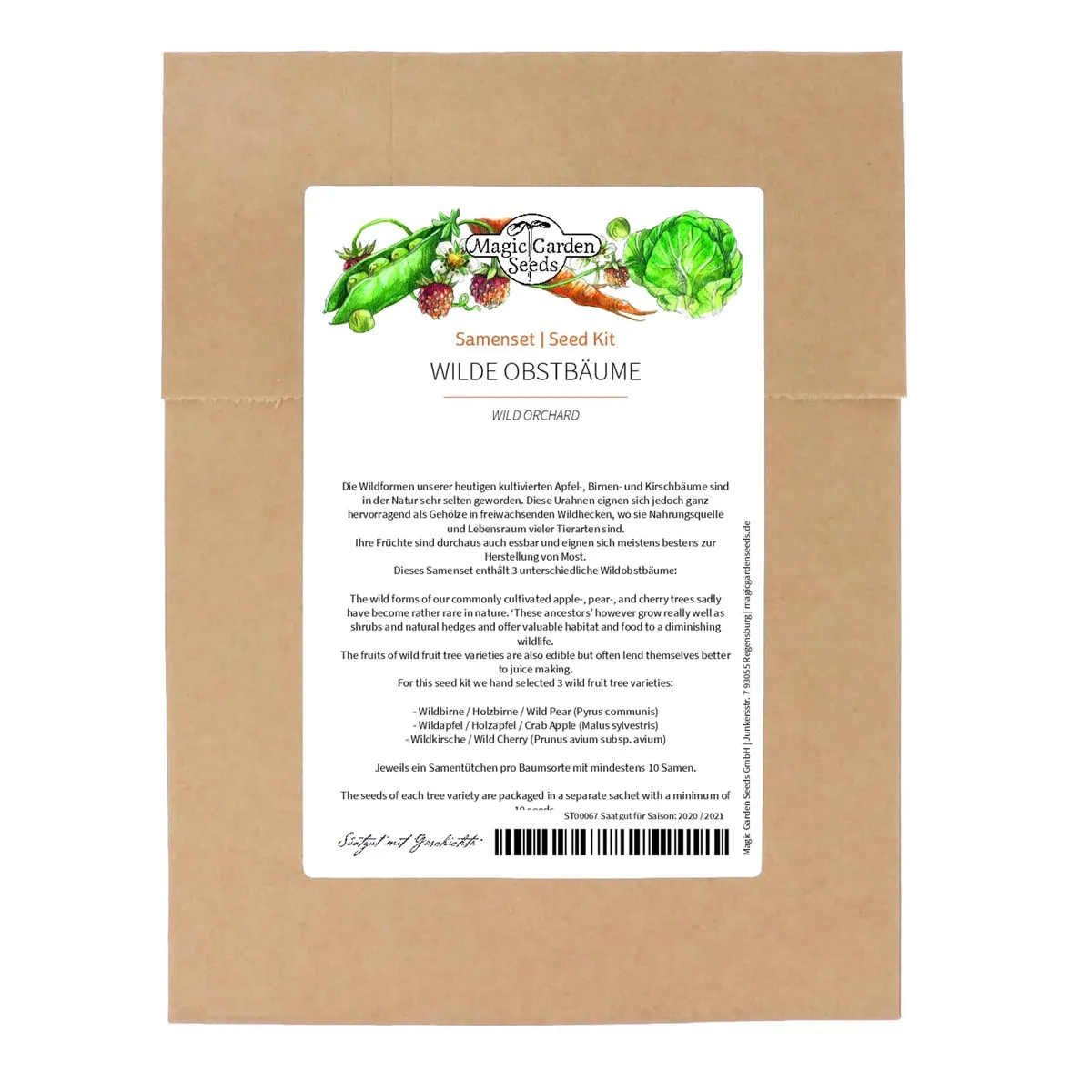
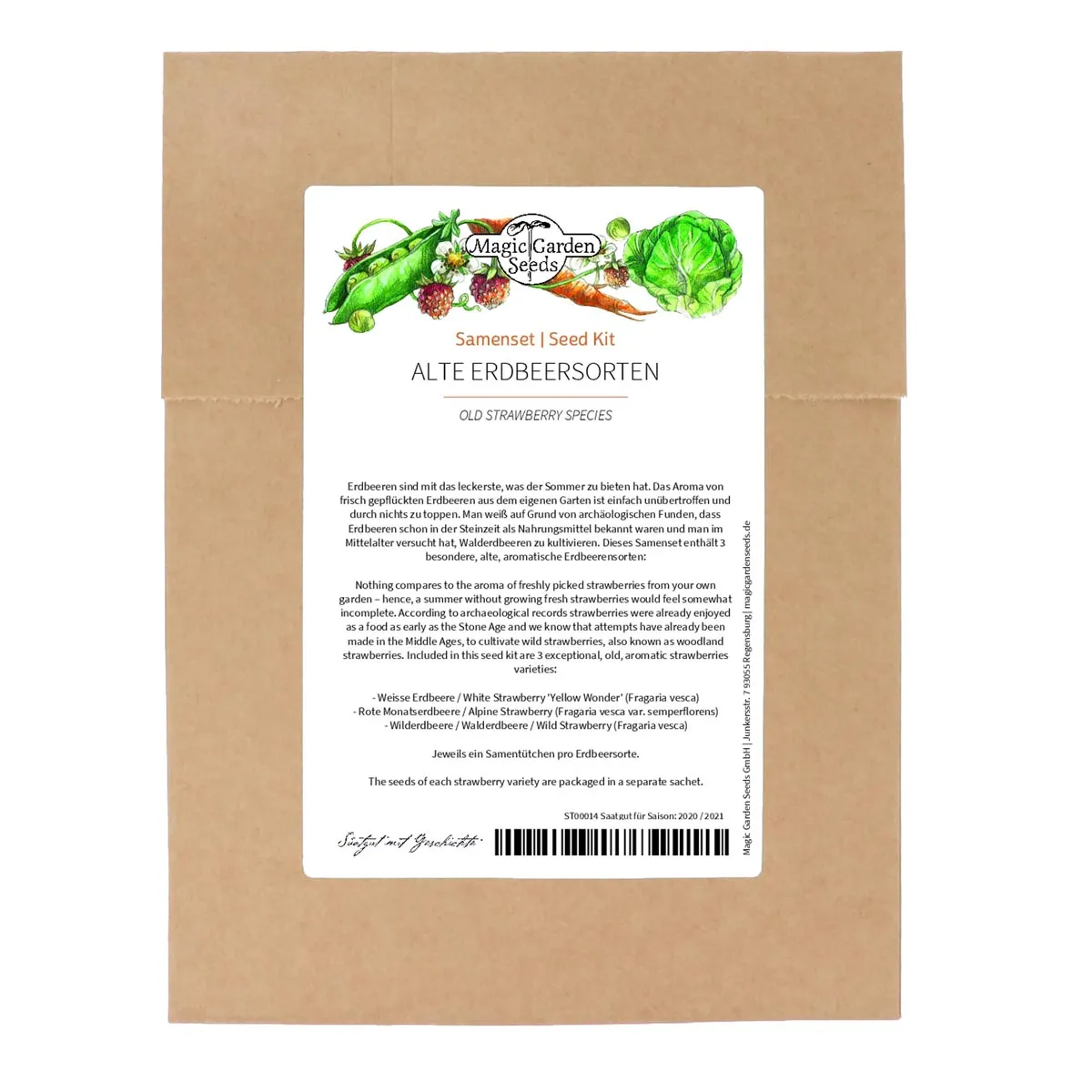
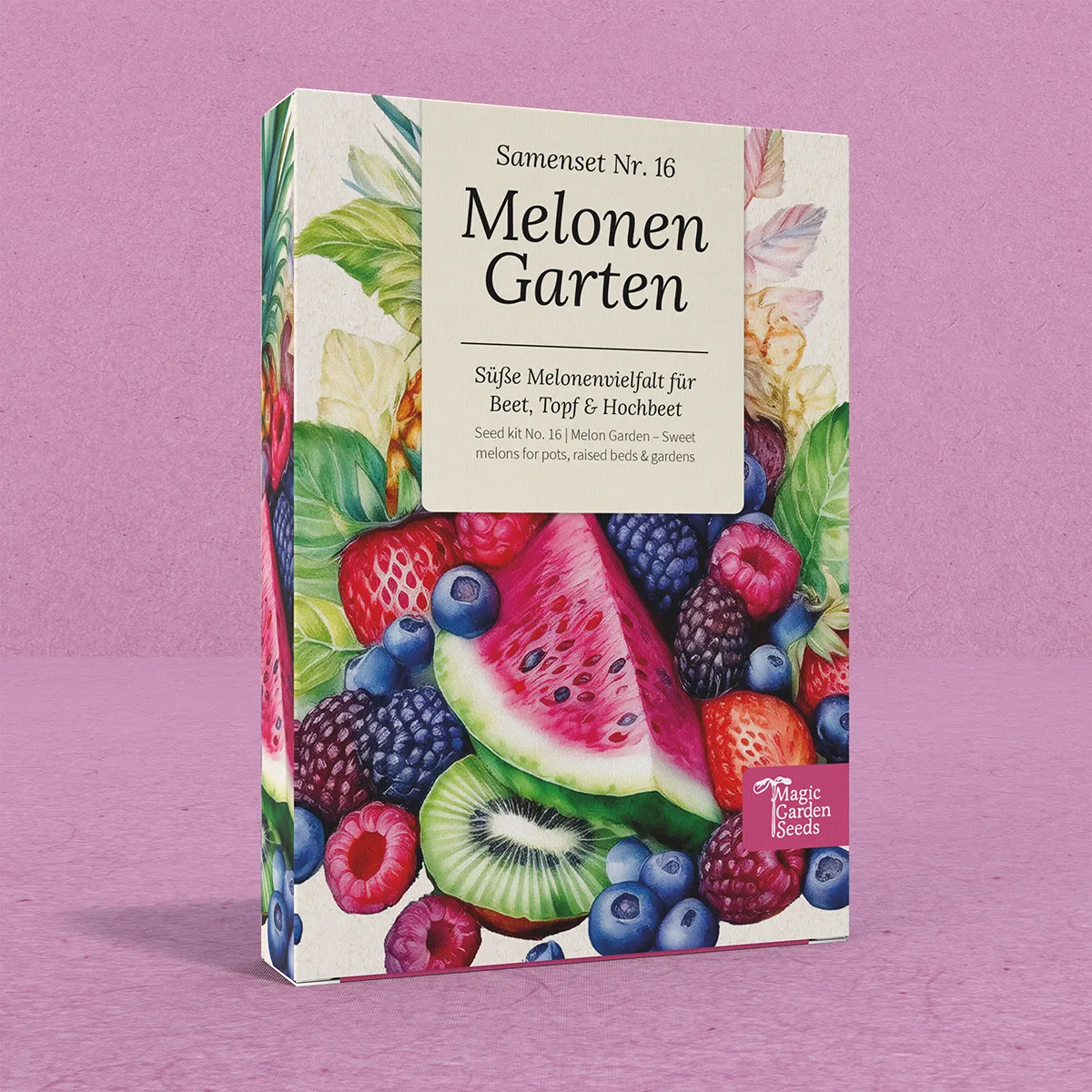
Classic sweet fruits from the garden include strawberries, berries and melons, but many unusual fruit plants can also be grown from seed. These include wild fruit species such as serviceberry, service tree, crab apple, wild cherry or medlar, as well as unusual nut species such as the bladdernut. Some produce fruit within a single season, while others grow into long-lived shrubs or trees.
Interest in old, wild and forgotten plants is growing noticeably again, especially when it comes to fruit and berries. Publicly accessible traditional orchards have become rarer in many places, while more and more people are discovering the value of robust wild fruit, edible landscapes and home-grown fruit trees and shrubs. If you sow fruit seeds, you are not just growing a single plant - you are often creating a long-term piece of garden culture.
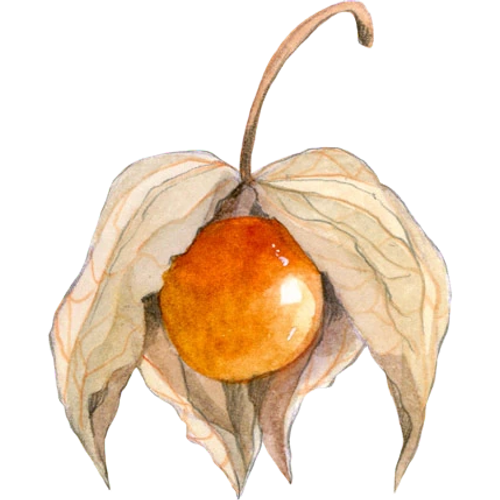
Fruit seeds differ significantly from classic vegetable seeds. Fast-growing species such as melons, physalis or some berry plants are well suited to seasonal cultivation in beds, raised beds, greenhouses or containers. Fruit trees, wild fruit and nut-bearing woody plants, on the other hand, need more time, but can develop into permanent plants that bring flowers, fruit, shade and structure to the garden for many years.
Fruit grown from seed is also exciting for self-sufficiency. It opens up a view of plants that are rarely found in the usual fruit section: old wild fruit species, unusual fruiting shrubs, edible seeds and nuts, or robust species for naturalistic gardens. Not every plant grown from seed is true to type like a grafted fruit variety, but that is exactly where diversity begins - with individual seedlings, their own growth characteristics and sometimes surprising aromas.
When buying fruit seeds, it is therefore worth looking closely at the particular species. Some seeds germinate quickly and easily, while others need warmth, patience, a cold period or special pre-treatment. Later cultivation also varies greatly: some fruit plants fit well into pots and balcony boxes, while others need space, a sheltered position or many years of development before they bear fruit for the first time.
- Seeds for fruit, berries, melons, wild fruit, fruit trees and shrubs, and selected nut species
- Edible plants for snack gardens, self-sufficiency, containers, greenhouses and long-term garden projects
- Ideal for anyone who wants to grow fruits, berries and nuts from seed
With fruit seeds and seeds for nuts, you can grow edible plants that combine enjoyment, patience and horticultural diversity - from fast-growing snack fruits to long-lived woody plants with history.
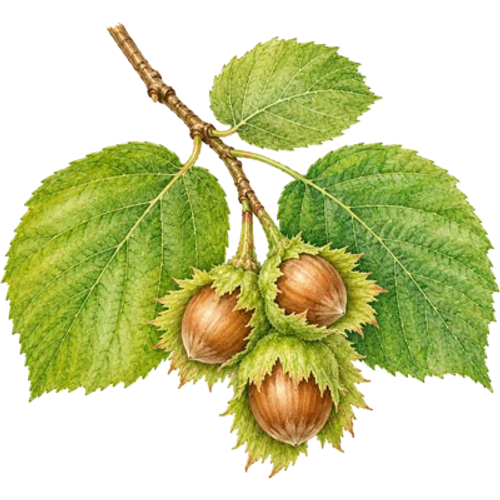
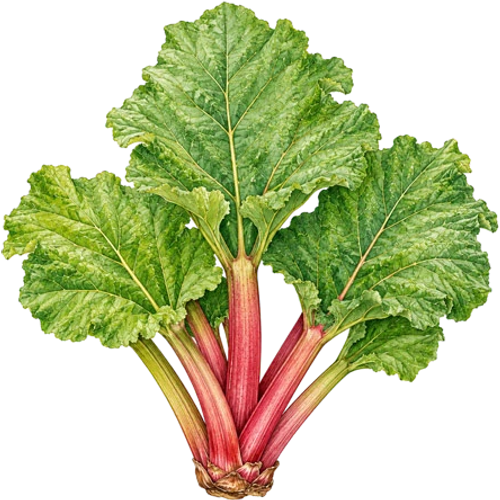
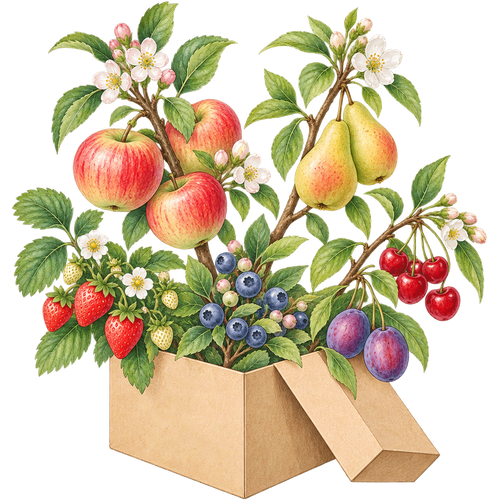

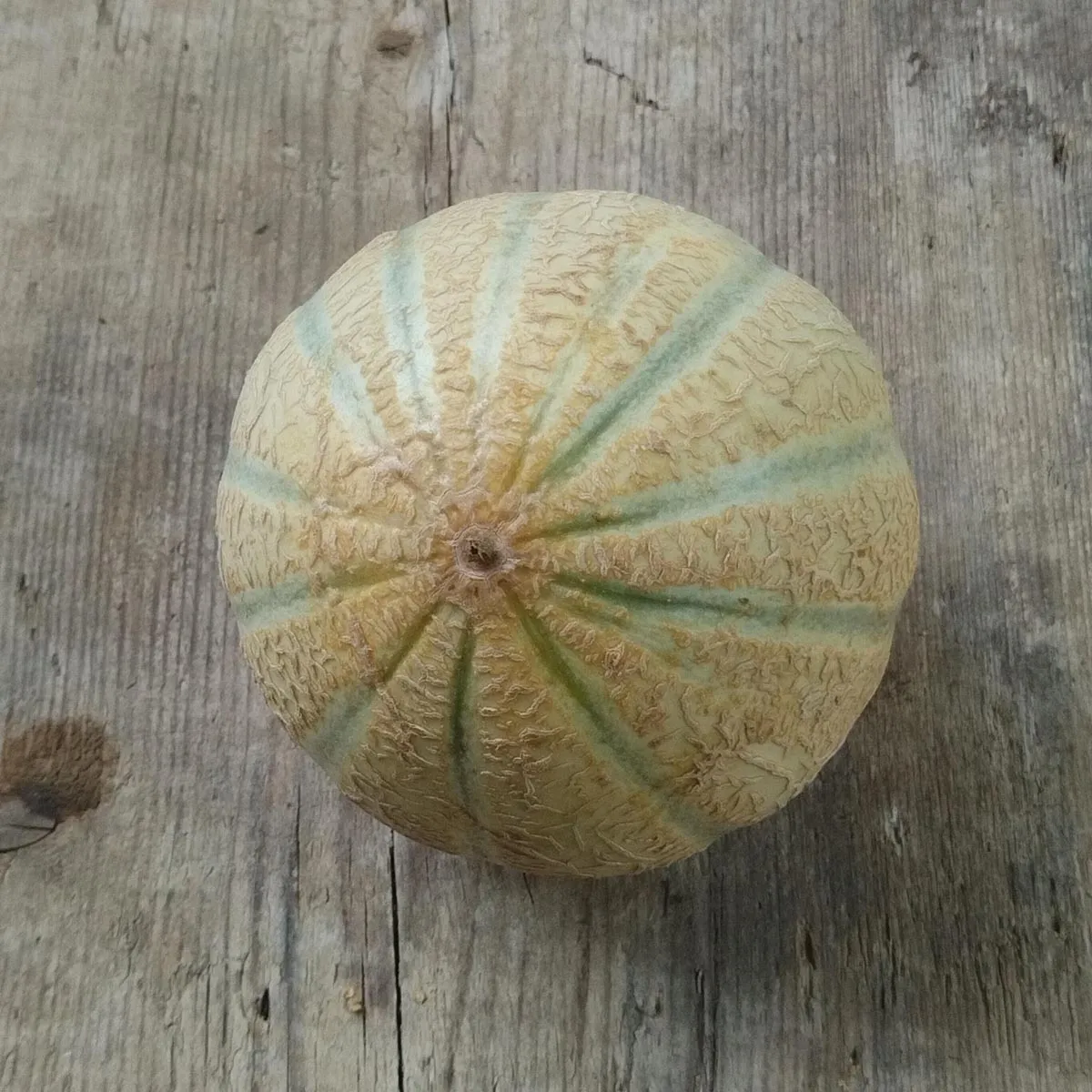
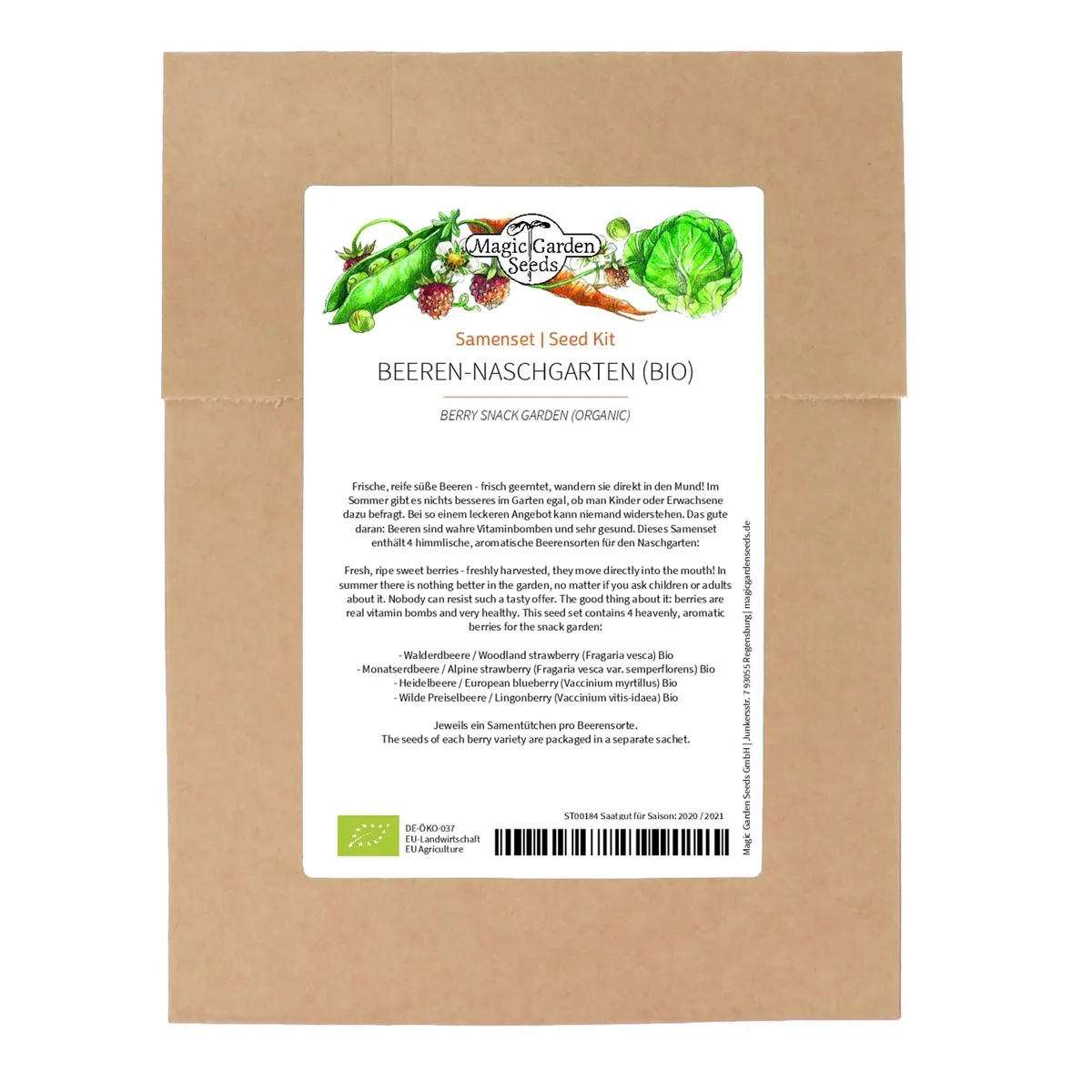
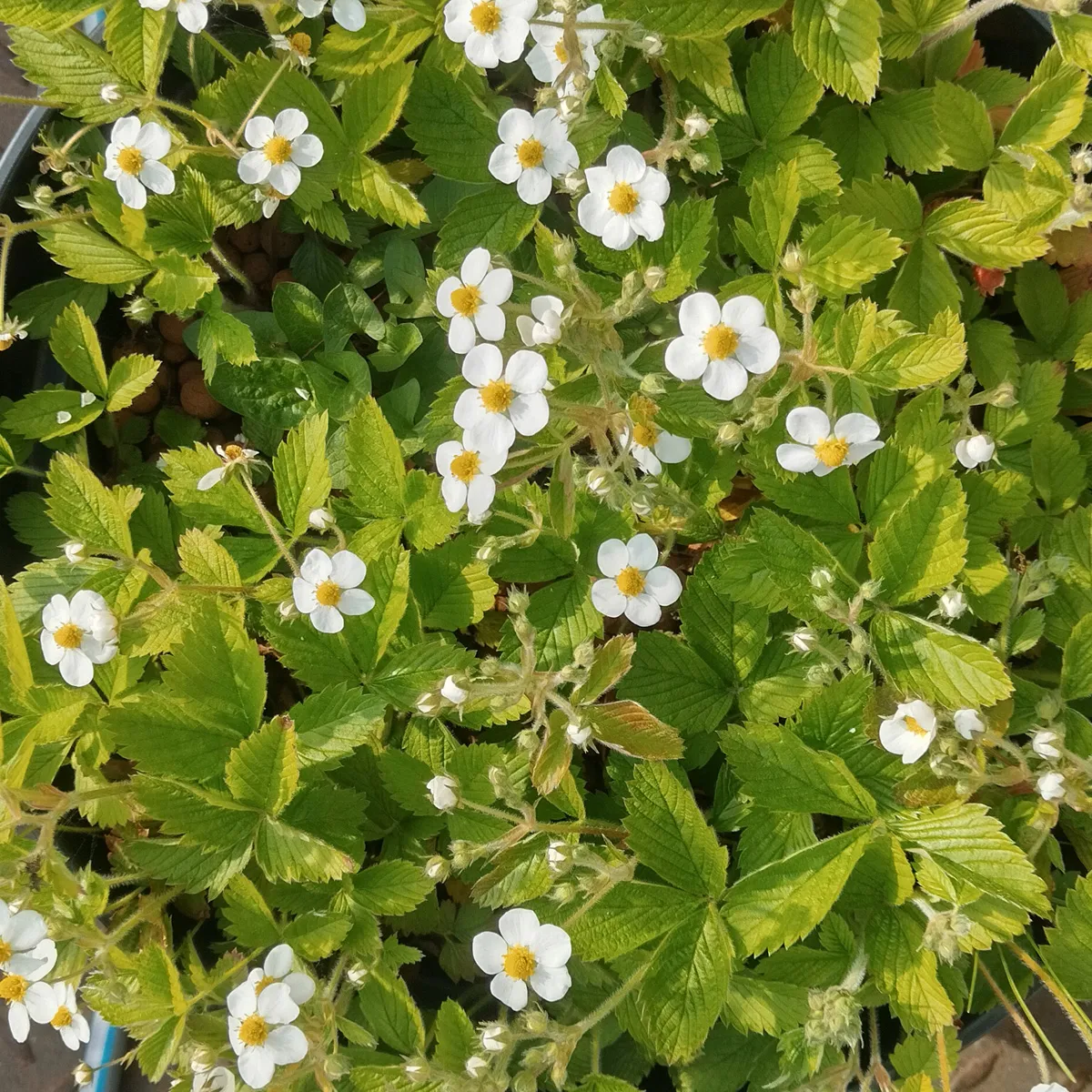
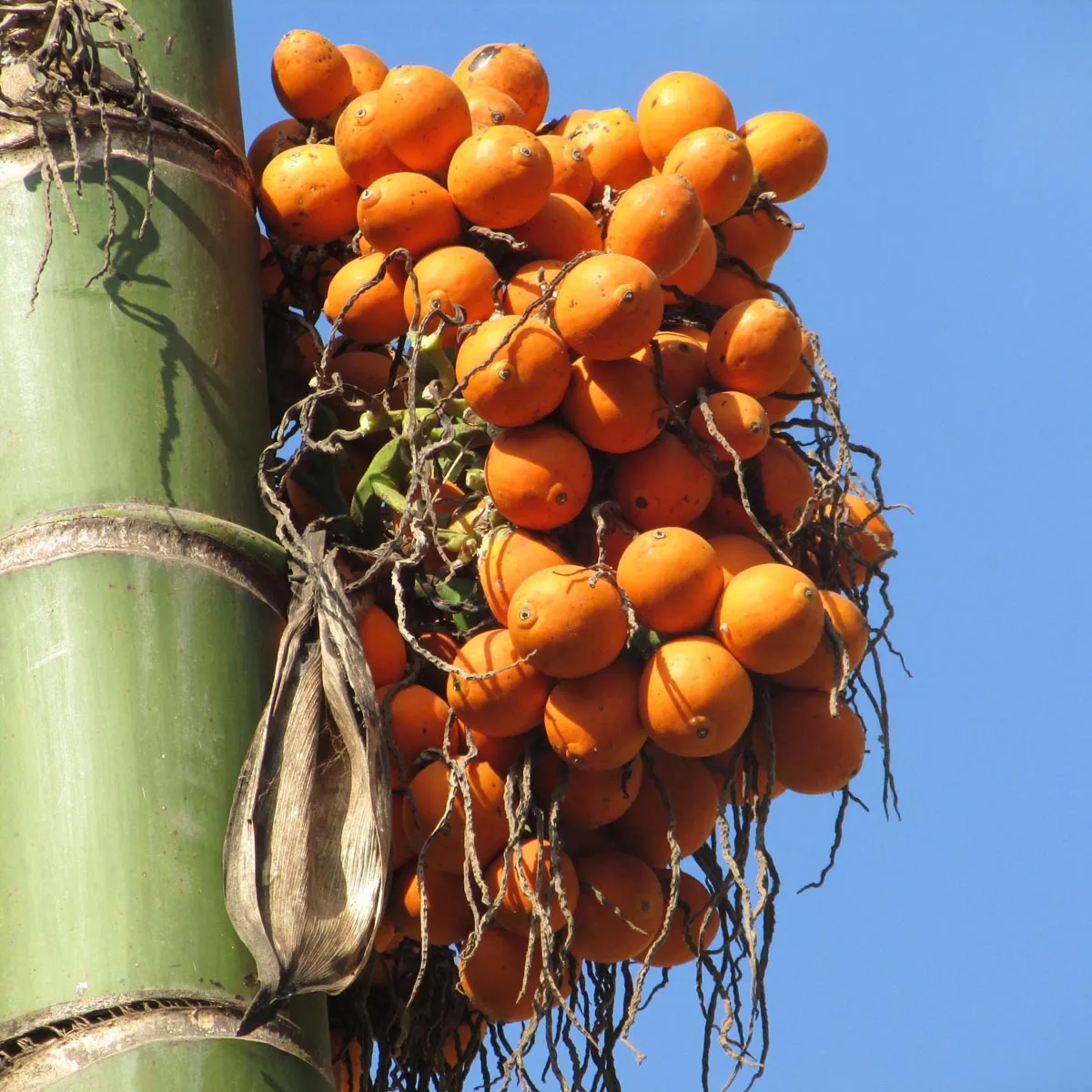
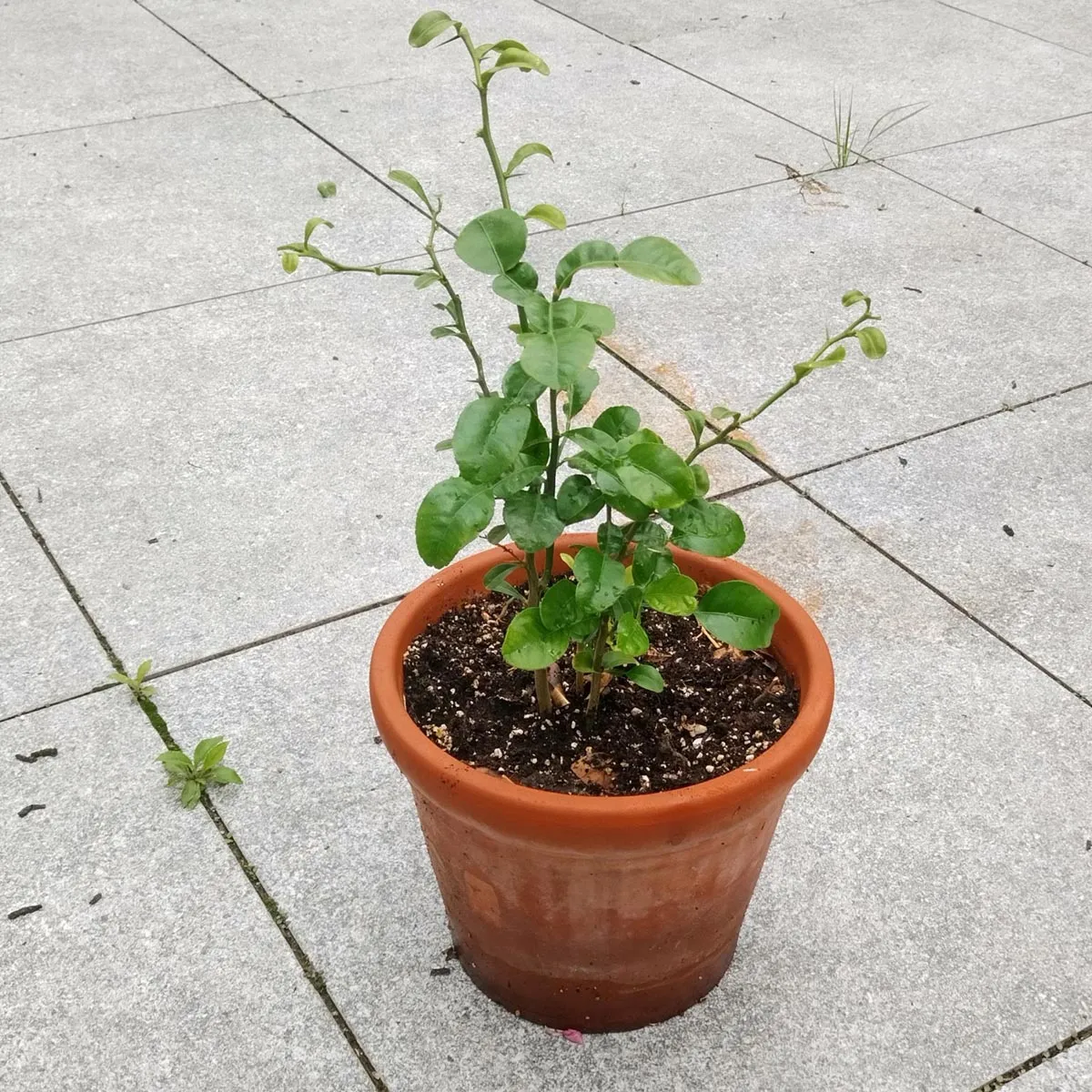
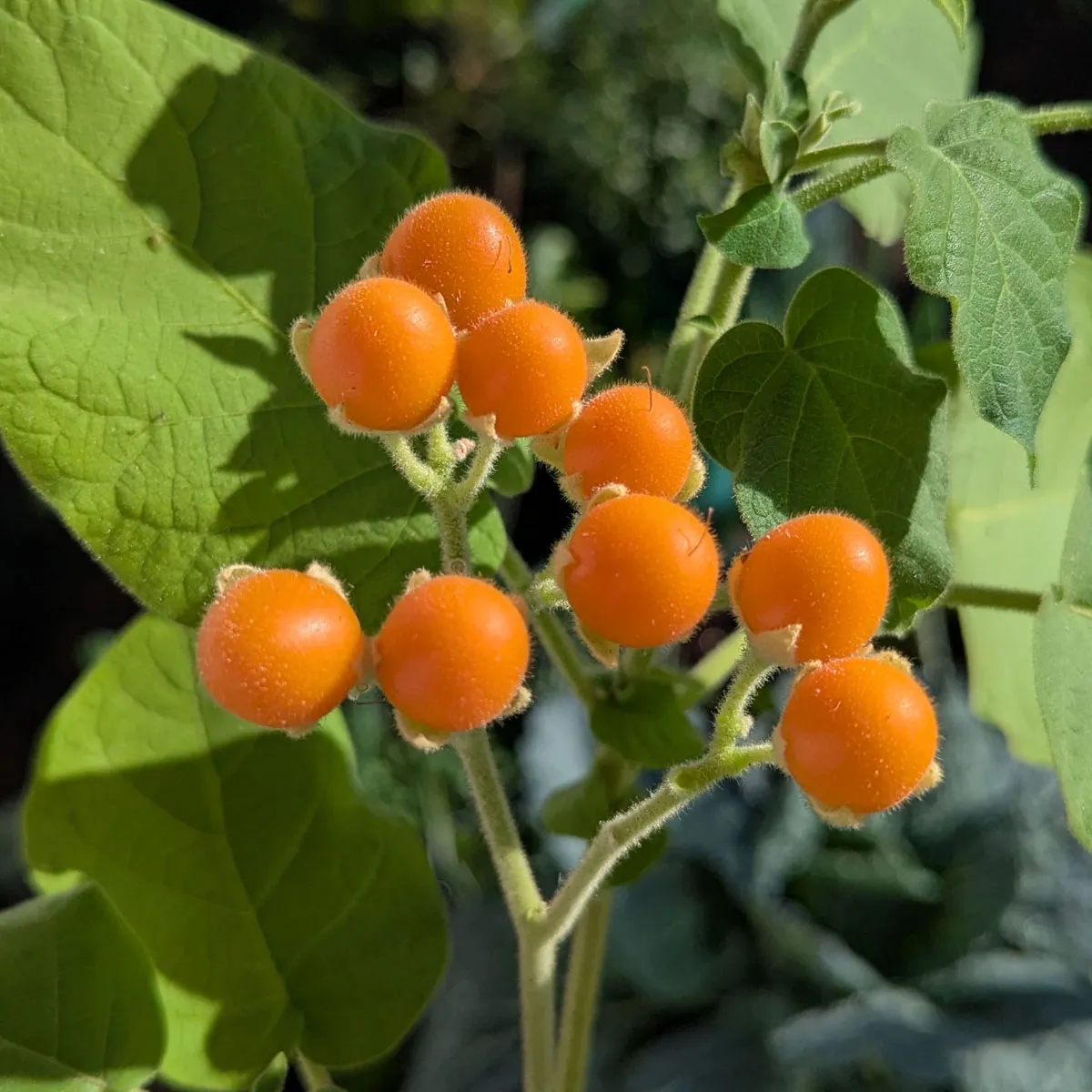
Growing fruit and nuts from seed
Growing fruit and nut plants from seed varies greatly depending on the species. Some plants, such as melons, physalis or certain berry species, grow quickly and may already produce fruit within a single season. Others, especially wild fruit species, fruit trees and nut-bearing plants, develop over several years and require considerably more patience.
When sowing fruit seeds, it is therefore always worth taking a close look at the requirements of the individual species. Some seeds germinate readily in warm conditions, while others need a cold period, longer pre-treatment or very consistent moisture. Especially with woody plants and nuts, germination can be irregular and may take several weeks or even months.
Another important point: many fruit trees grown from seed do not come true to type. This means that the resulting plant will not necessarily have the same characteristics as the parent plant. To preserve specific varieties reliably, fruit trees in commercial cultivation are usually propagated by grafting. Seedlings, on the other hand, are particularly interesting if you want to grow robust individual plants, wild fruit, your own selections or unusual garden experiments.
For a good start, sowing in pots or seed trays in a protected place is recommended. This makes it easier to control moisture, substrate and temperature. Young plants should only be moved outdoors once they are strong enough and the site suits the particular species. Container growing can be useful for sensitive or slow-growing plants.
Growing fruit and nuts from seed is therefore less of a quick standard crop and more of a long-term garden project. With patience, tiny seeds can develop into vigorous plants that later provide fruit, flowers, shade, structure and ecological value in the garden.