After the Harvest Is Before the Harvest: How to Extend Your Harvest Season with Succession Sowing
Sowing & growing
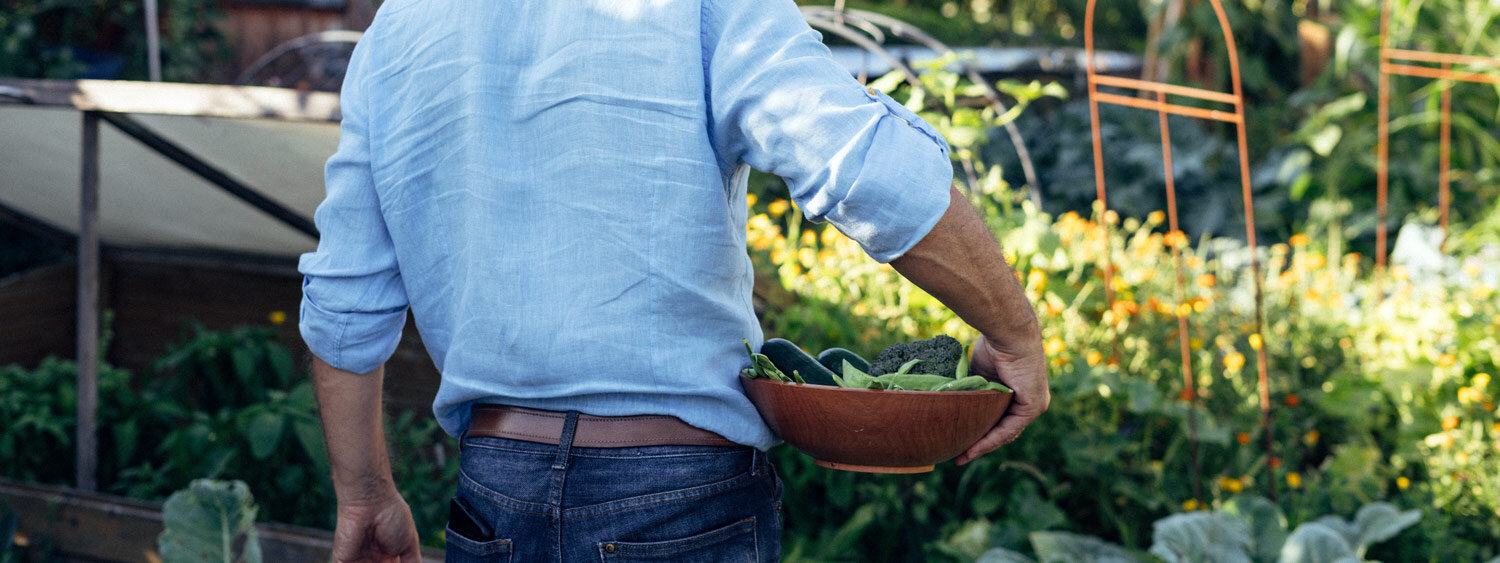
If you keep sowing small amounts throughout the summer, you can harvest fresh produce for many weeks. With a little planning, suitable crops and an eye on crop rotation, a bed, raised bed or balcony box becomes a small, living self-sufficiency plot.
By June a lot has already happened in the garden: the first radishes have been harvested, loose-leaf lettuce has been cut several times, herbs are growing strongly and some early crops are slowly making room. This is exactly the moment that decides whether the garden loses momentum after the first harvest, or whether it keeps going into late summer and autumn.
The key to this is regular resowing. Instead of sowing everything at once in spring, certain vegetables, salads and herbs are sown in several small portions spread across the season. This method is also called succession sowing, staggered sowing or sowing in batches.
The principle is simple: better to sow little, but regularly. That way not everything is ready to harvest at the same time, the harvest stays manageable and you have fresh greens, crisp vegetables and aromatic herbs available for longer.
Why regular resowing makes so much sense
Succession sowing is especially valuable for self-sufficiency. After all, in everyday life we usually don't need a large amount all at once, but small fresh harvests again and again: a few radishes for supper, a handful of rocket for the salad, some dill for cucumbers, a few leaves of loose-leaf lettuce for a sandwich.
With staggered sowings you make better use of your space and avoid the typical harvest gluts. If you sow all your radishes at the same time, you often end up with lots of radishes at once, and shortly afterwards none at all. If you sow a small row every two to three weeks, you can harvest fresh produce over a longer period.
- The harvest season is extended.
- Free spots in the bed or raised bed are put to good use.
- Harvest quantities fit everyday life better.
- Even small areas stay productive.
- You get to know the rhythm of your garden better.
What is suitable for succession sowing?
Not every plant is equally suited to regular resowing. Particularly practical are crops with a short development time, or plants that are harvested fresh on a regular basis.
Fast crops for repeated sowings
Radishes: ideal for small, regular sowings in spring and late summer; in midsummer they can bolt more quickly or turn hot.
Loose-leaf lettuce and cut-and-come-again lettuce: well suited to small rows or balcony boxes; in heat it is better placed in partial shade.
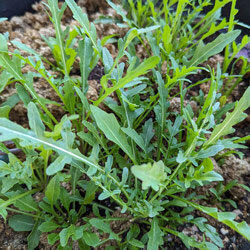
Rocket: grows quickly and can be resown in small amounts; in warm weather it often bolts quickly.
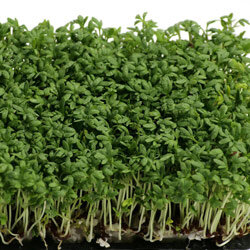
Garden cress: very fast, also suitable for trays on the windowsill or balcony.
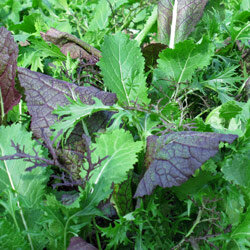
Asian greens: a good choice for late summer and autumn, depending on the variety also for later sowings.
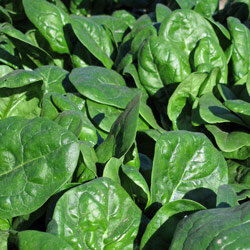
Spinach: particularly suitable for cooler periods in spring or late summer; in midsummer it often bolts quickly.
Herbs for the summer kitchen
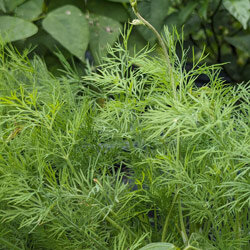
Dill: worth sowing in several small batches, because it is most aromatic when fresh.
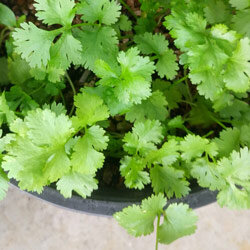
Coriander: better sown repeatedly in small portions, as it flowers quickly in warm weather.
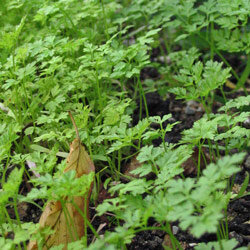
Chervil: prefers cooler conditions and is well suited to spring and late summer.
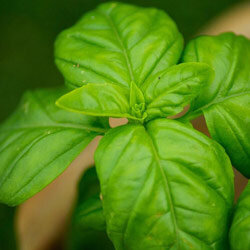
Basil: can be resown well in the warm early summer, especially in pots.
Crops for later harvests
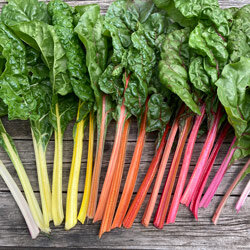
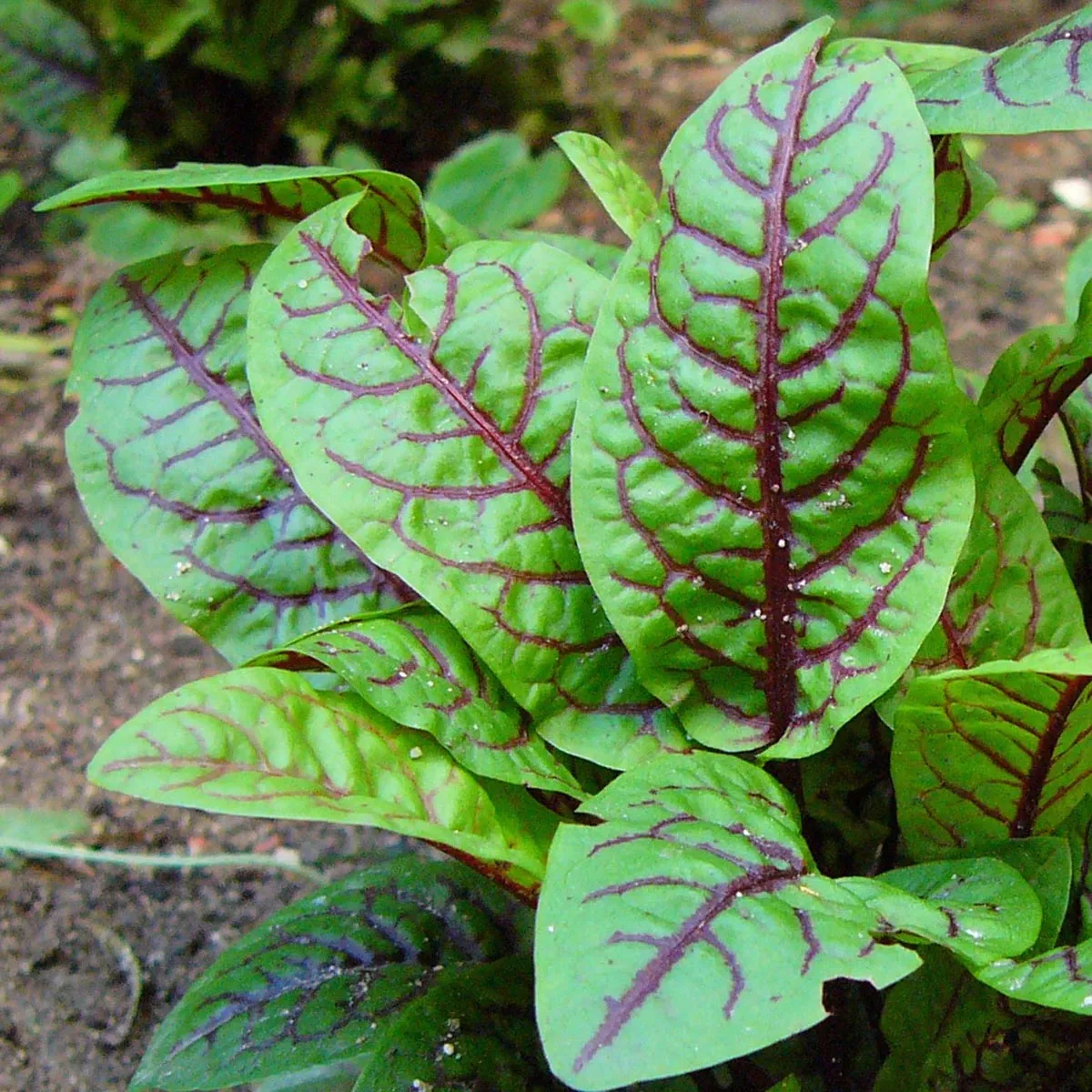
Chard: robust, versatile and suitable for summer sowings.
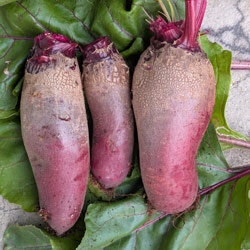
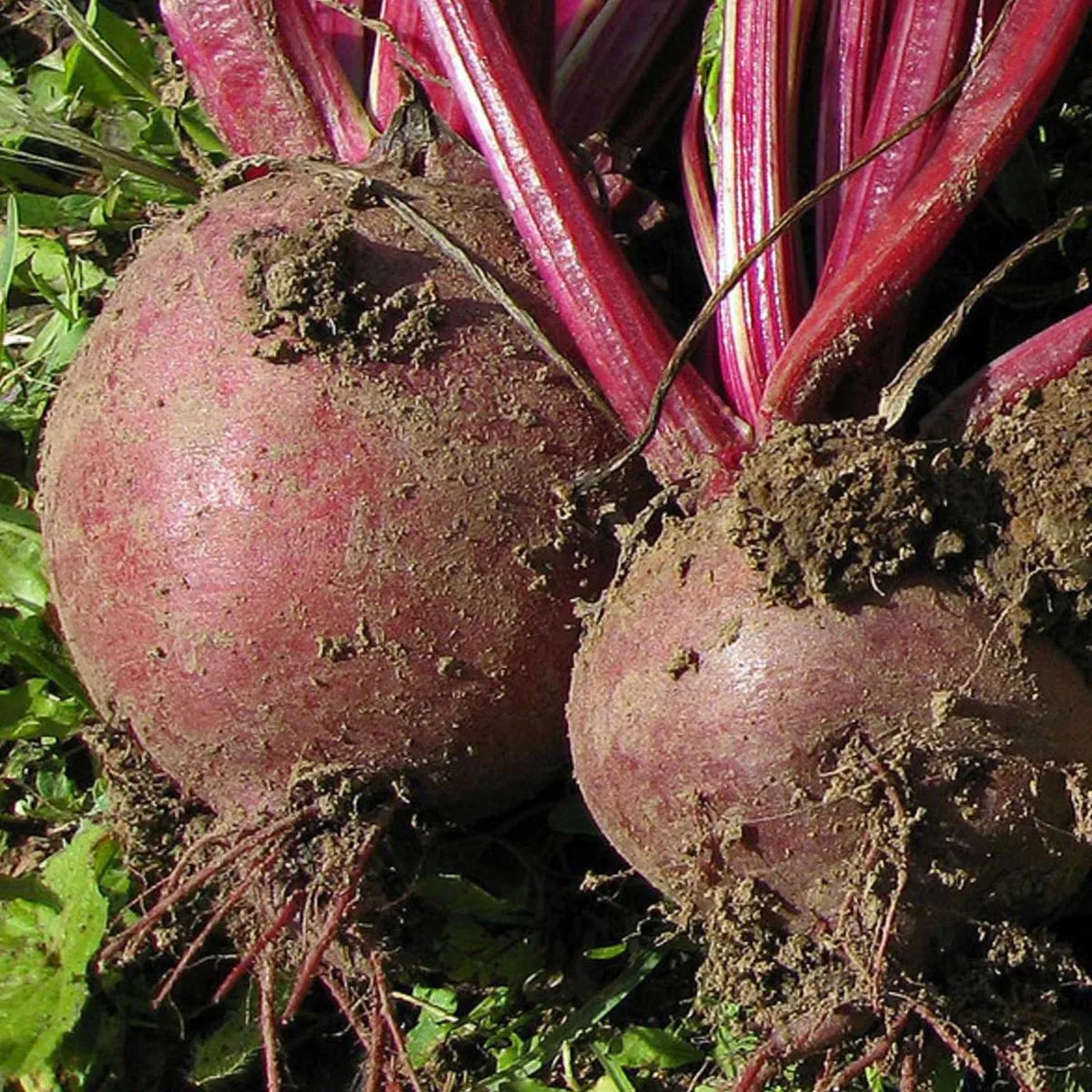
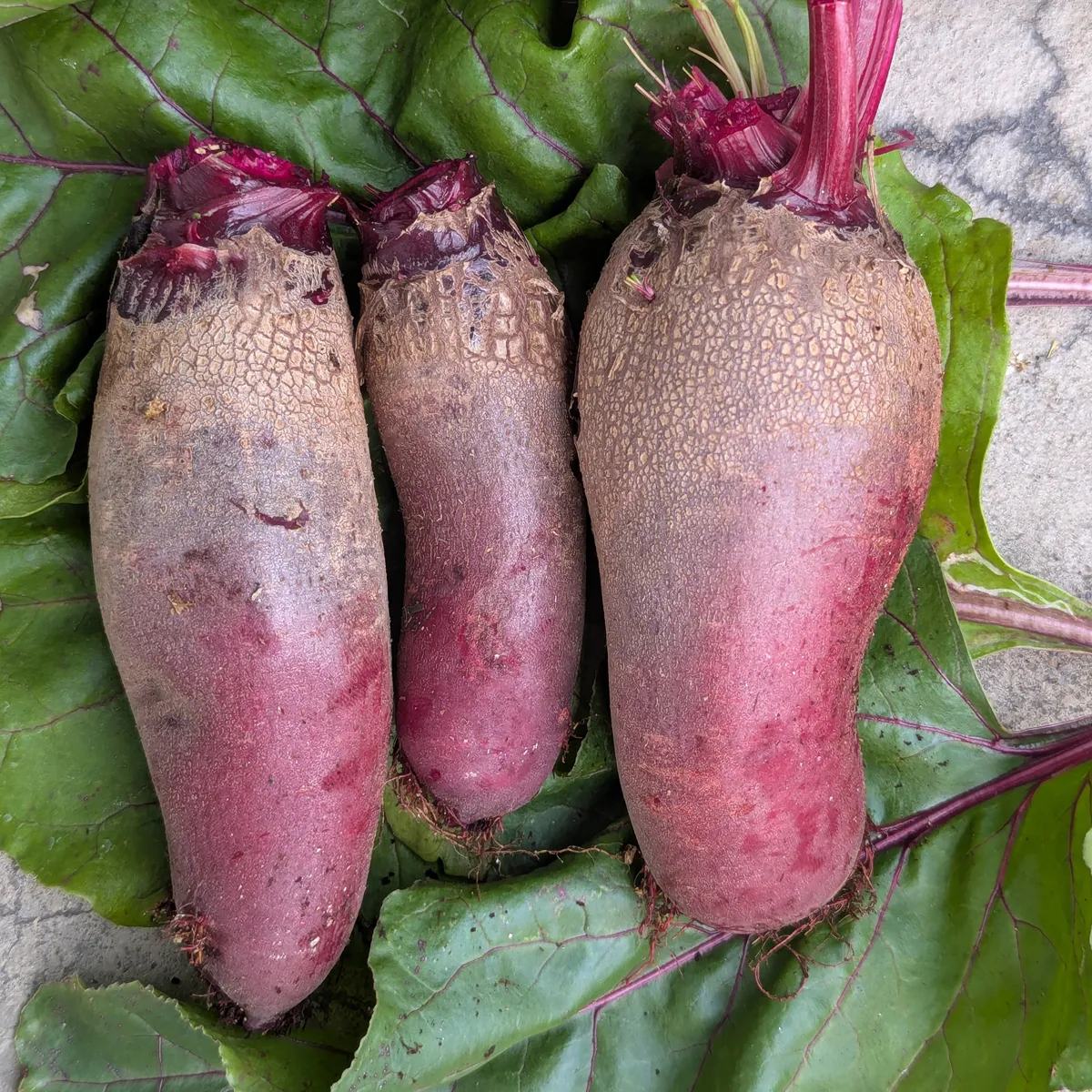
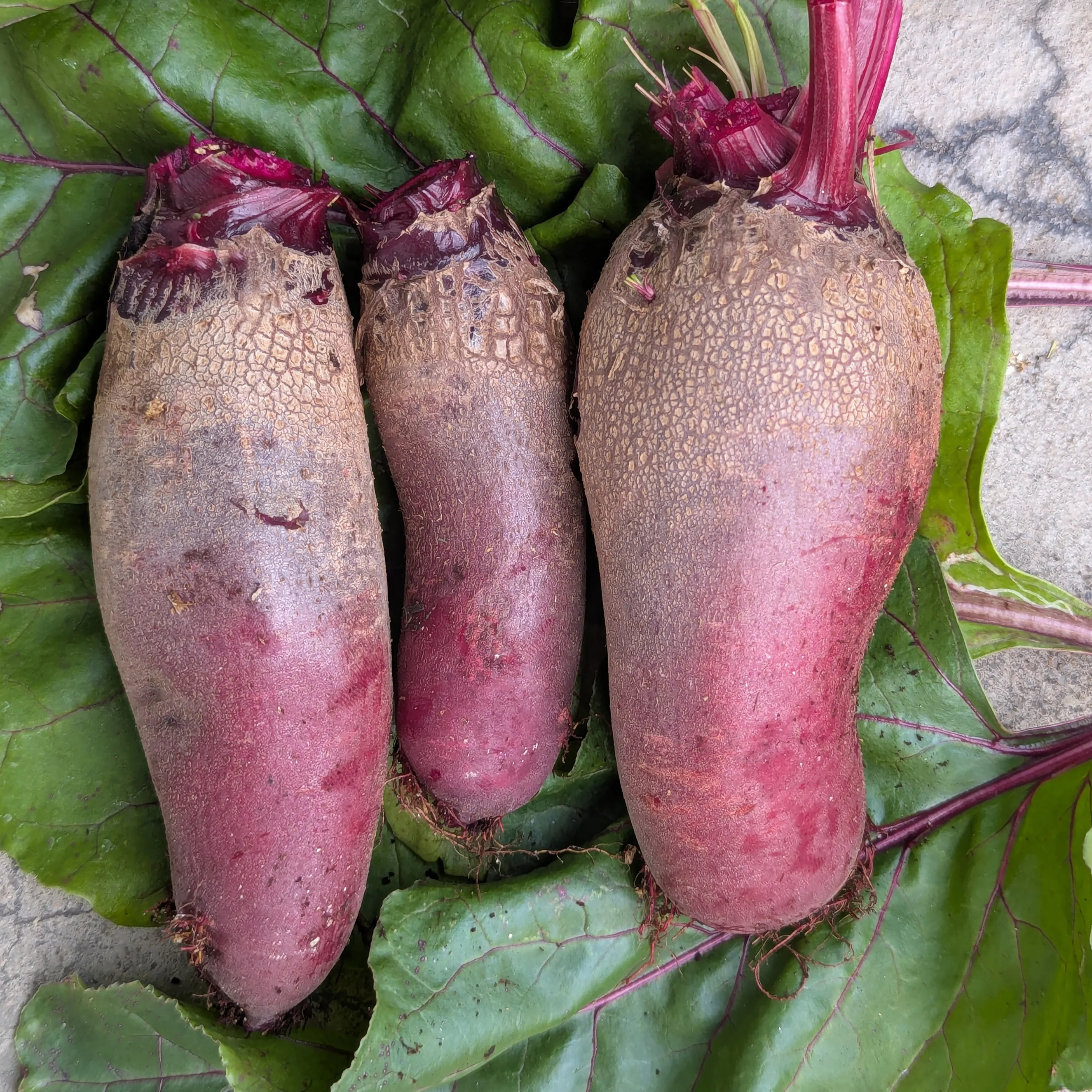
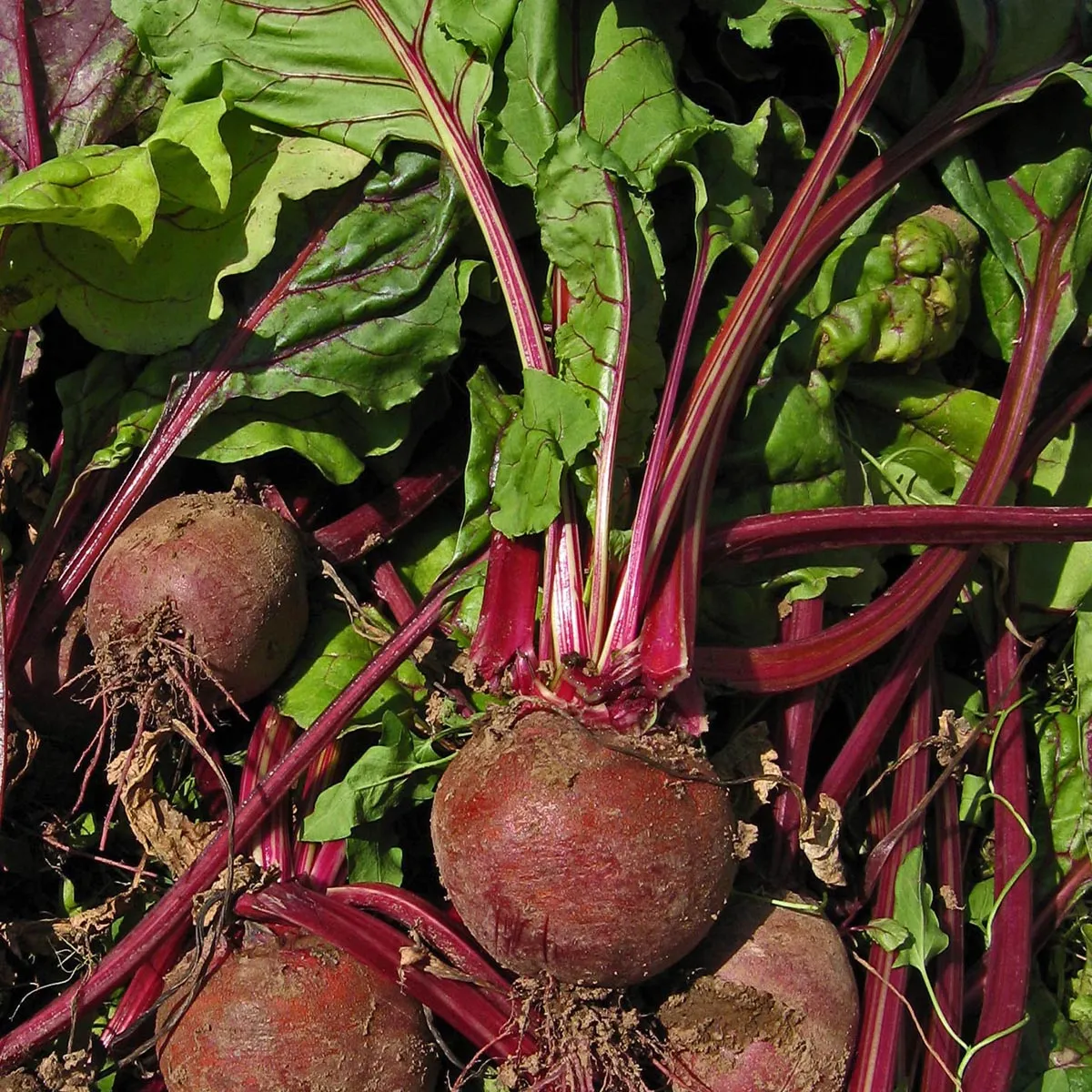
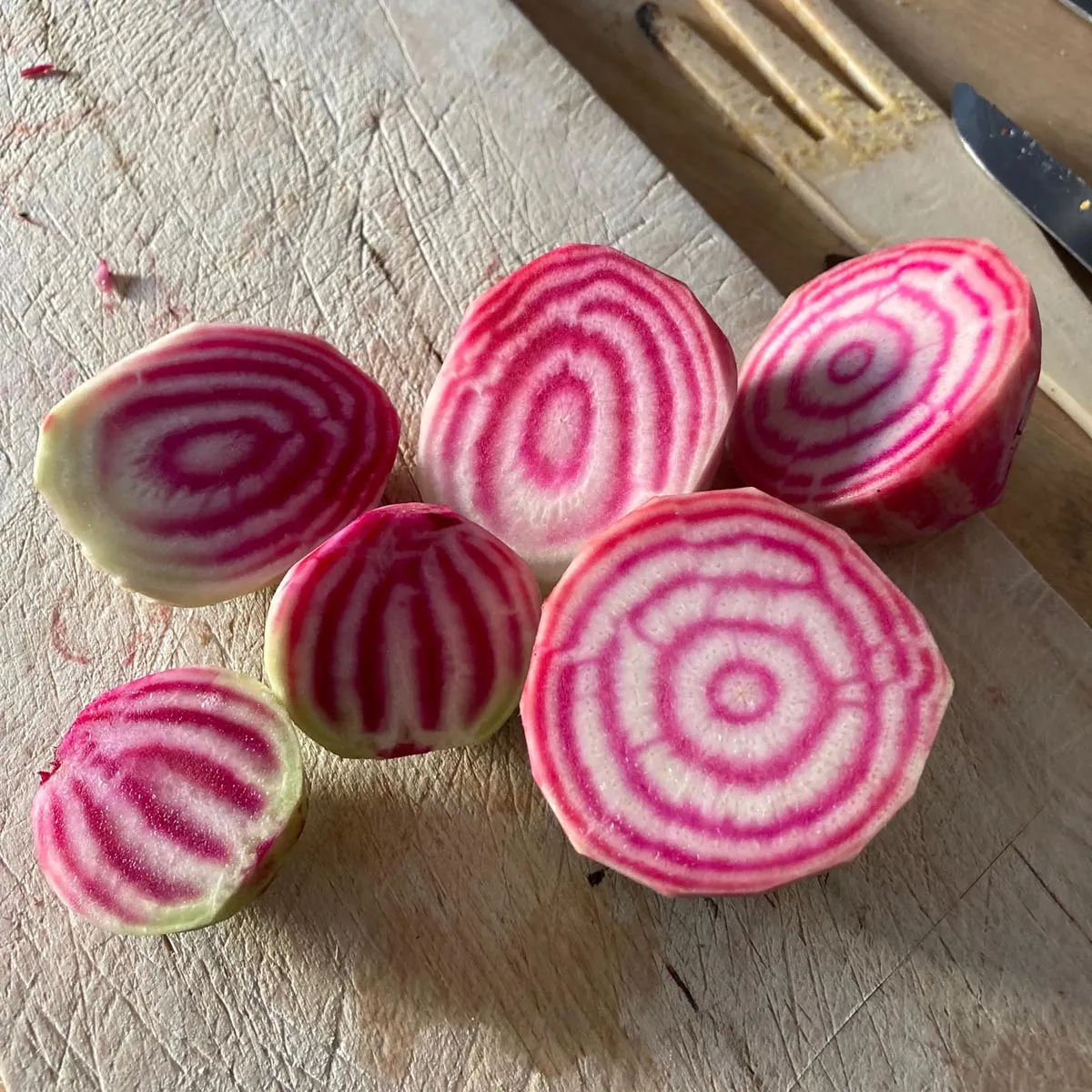
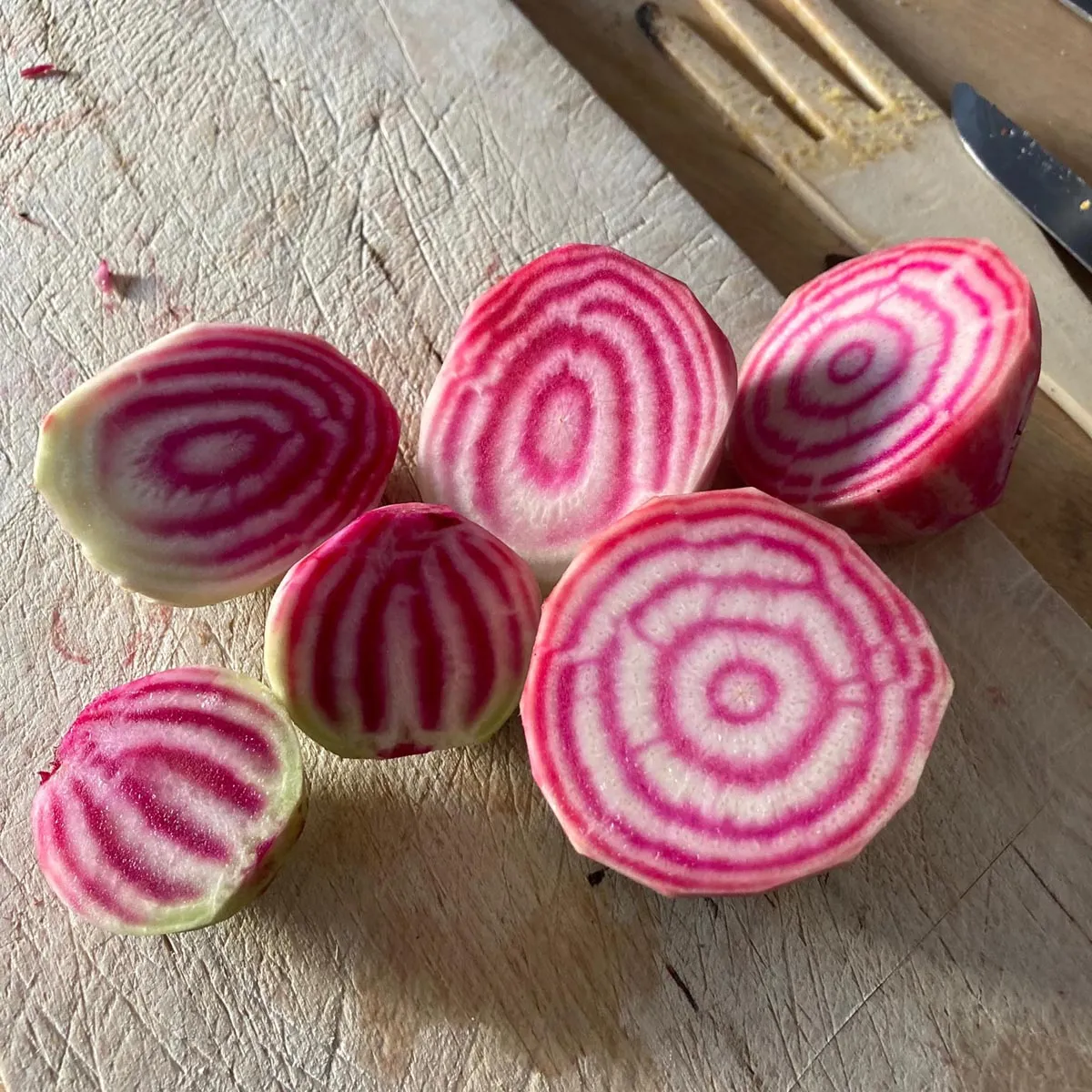
Beetroots: depending on region and timing, it can still be sown for later harvests.
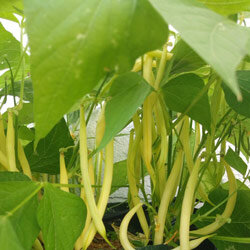
Bush Beans: suited to warm soil and still give a yield in summer if sown in good time
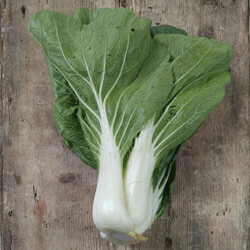
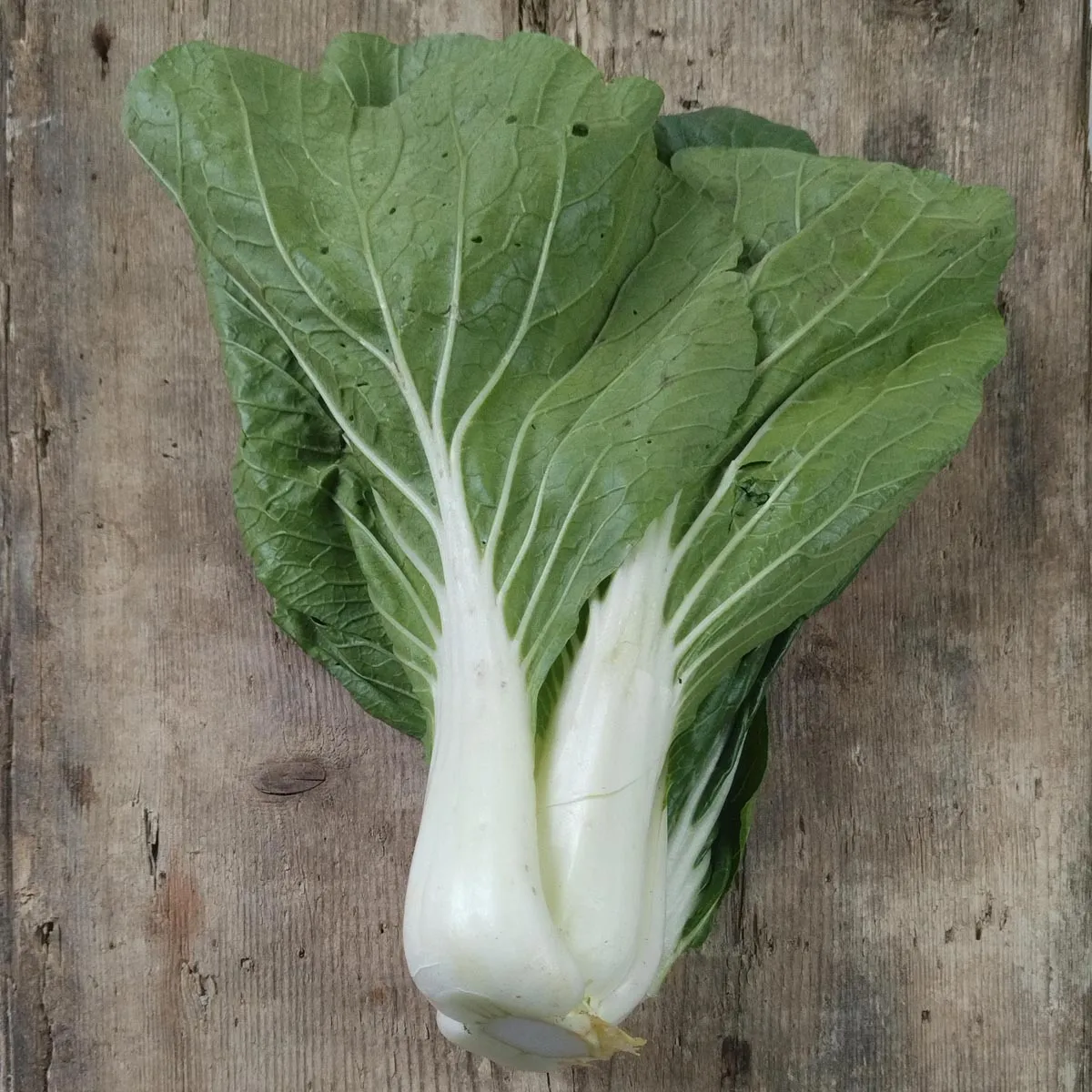
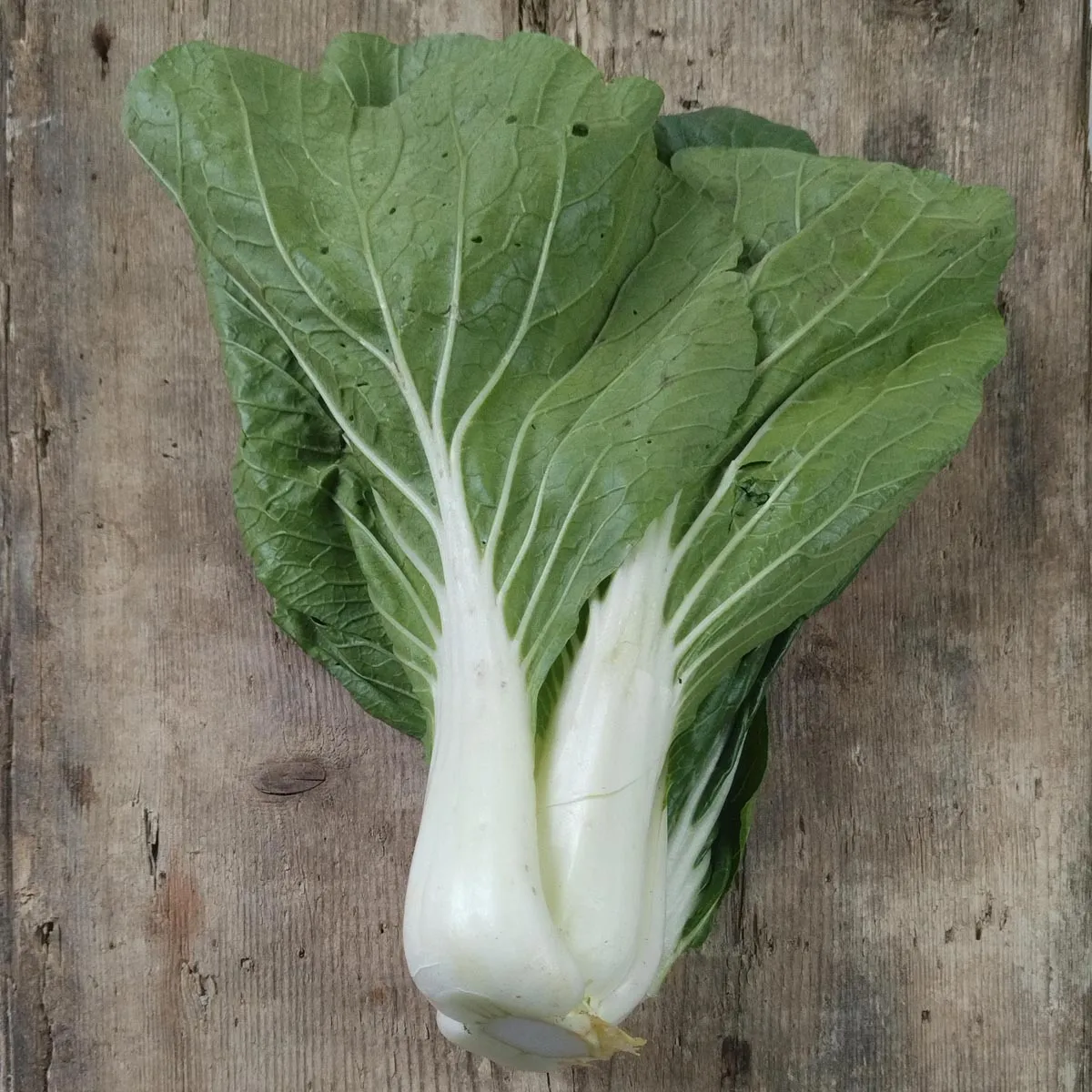
Pak choi: better suited to late summer, as it can bolt quickly in heat.
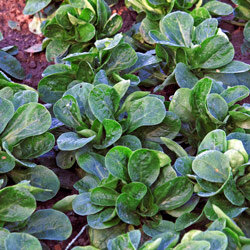
Lamb's lettuce: a classic for later sowings and fresh autumn to winter harvests.
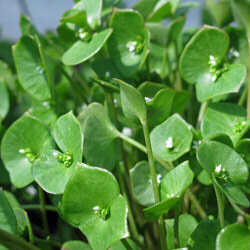
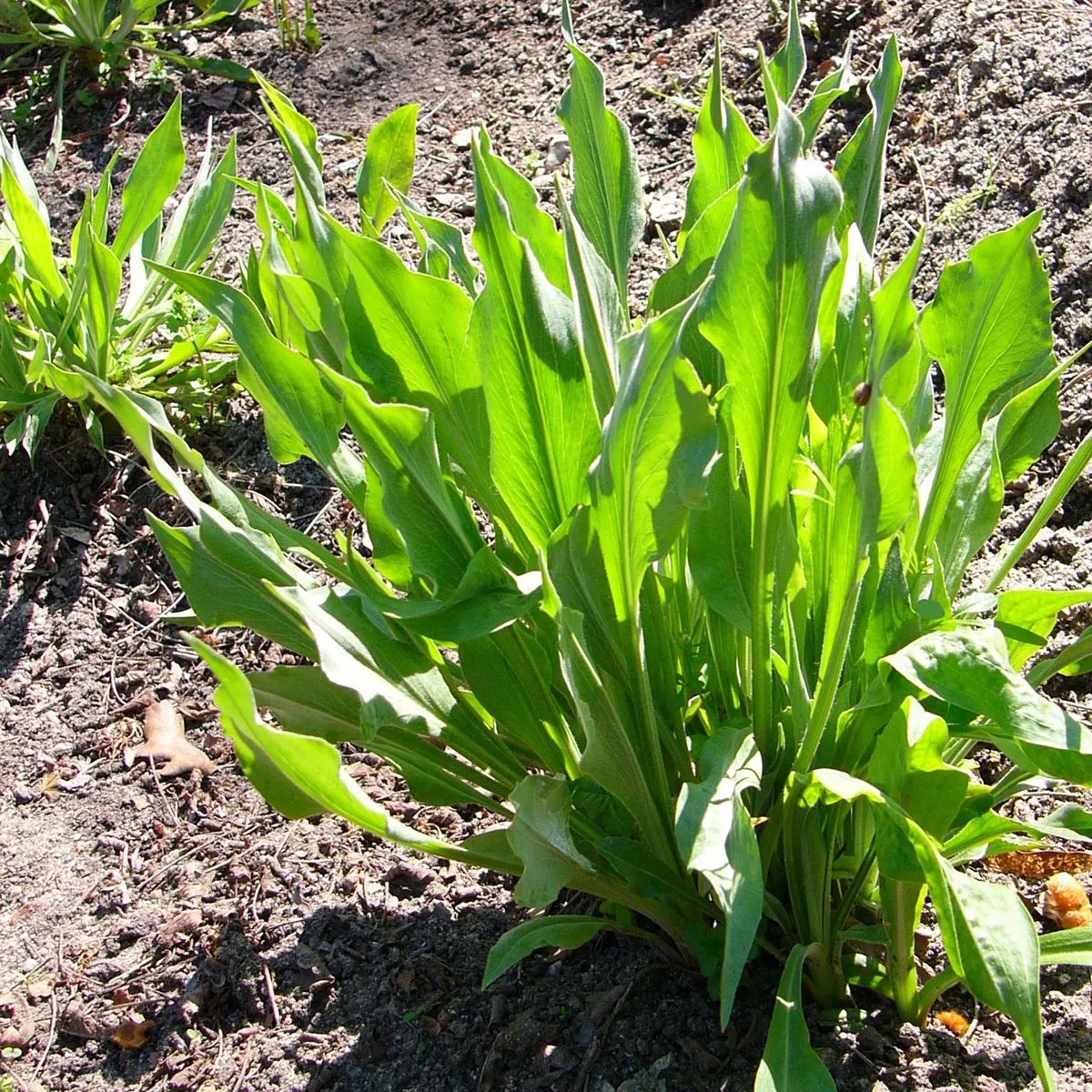
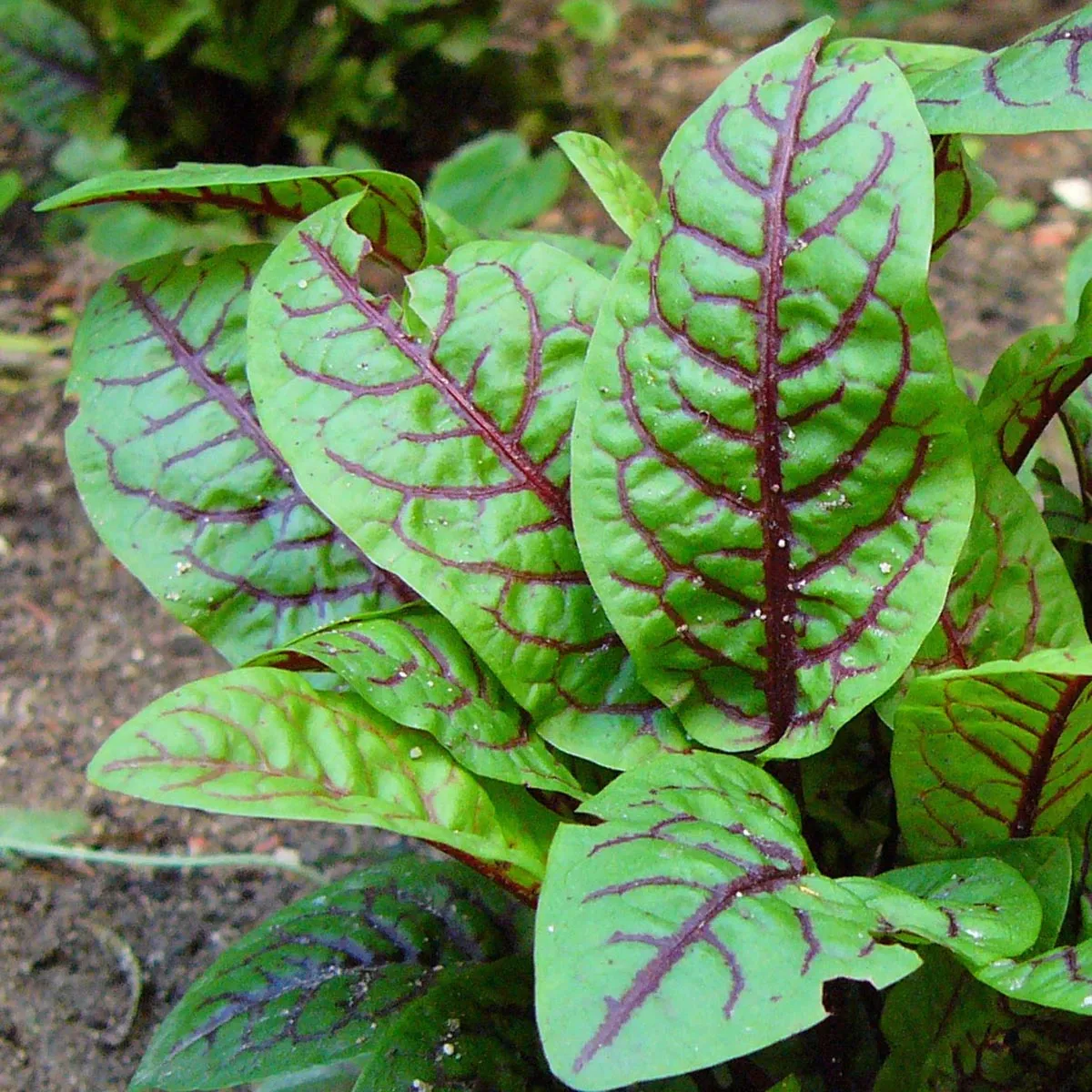
Winter purslane: very well suited to the cool season and a lovely addition to late salads.
A simple rule of thumb: small amounts every two to three weeks
For many crops, an interval of about two to three weeks works well. This is not about a rigid calendar, but about a simple rhythm: if you sow small amounts regularly, the next harvest is already growing while the first is still being used.
An example for radishes or loose-leaf lettuce:
- Week 1: sow a short row
- Week 3: sow a second short row
- Week 5: sow a small amount again
On the balcony this can work just the same: a small pot of dill, two weeks later a tray of rocket, then a balcony box of loose-leaf lettuce. What matters is not the size of the space, but the regularity.
What can still be sown in June?
June is a good month for many resowings, because the soil is warm and the days are long. At the same time, heat can already become a problem. That is why it is worth choosing crops to suit, and keeping delicate sowings well moist.
For quick summer harvests, suitable crops in June include, for example:
- Loose-leaf lettuce and cut-and-come-again lettuce, especially in spots that are not too hot
- Rocket, best in small amounts
- Garden cress in trays
- Dill and coriander
- Basil in a pot or sheltered bed
- Chard
- Beetroot
- Bush beans in warm soil
For later harvests, from summer onwards you can also think of these crops:
- Pak choi
- Asian greens
- Lamb's lettuce
- Winter purslane
- Spinach for cooler periods
The exact sowing times always depend on region, weather, location and variety. Checking the information on the seed packet will help you judge the right time.
Mind your crop rotation: not everything suits everything
When resowing, it is not only about quickly filling free spots again. Crop rotation should also be kept in mind. Plants from the same family, or with similar nutrient needs, should preferably not grow directly after one another in the same place.
An example: after peas, bush beans should not directly follow in the same spot, because both belong to the legumes. It is better to plan in a different crop, for example lettuce, chard, beetroot or herbs, depending on what suits the season, the location and the nutrients available.
Likewise, after brassicas such as rocket, Asian greens or pak choi, you should not sow brassicas directly again in the same area. This helps to use the soil in a more balanced way and to prevent diseases and pests.
For small gardens and raised beds, crop rotation does not have to be complicated. Even a simple rule helps: switch between different plant families where possible, and observe what grows well in which spot.
Resowing in raised beds and on the balcony
Especially in a small space, regular resowing is particularly useful. In a raised bed, balcony box or pot garden, space is limited, so it is all the more important to make good use of it over the season.
In a raised bed you can plan smaller resowings after early radishes or lettuces. Cut-and-come-again lettuce, herbs, chard or beetroot are well suited, for example. Between slow-growing main crops such as tomatoes or peppers, herbs or edible flowers can grow, as long as there is enough light and space.
On the balcony, these work particularly well:
- Garden cress in trays
- Rocket in a balcony box
- Loose-leaf lettuce in stages
- Dill or coriander in pots
- Basil in a warm, sheltered spot
- Radishes in boxes that are deep enough
Important with pots and boxes: they dry out faster than garden beds. Fresh sowings need even moisture, but must not stand permanently wet.
Typical mistakes when resowing
Regular resowing is easy, but a few things can significantly affect your success.
- Sowing too much at once: That creates a harvest glut again. Small amounts are better.
- Sowing too densely: The plants compete for light, water and nutrients. Thin out if necessary.
- Letting sowings dry out: Especially in summer, the top layer of soil must stay evenly moist.
- Underestimating heat: Some crops germinate less well at high temperatures or quickly go to flower.
- Forgetting crop rotation: Don't always sow the same plant family in the same spot.
- Sowing too late: Some crops need enough time to reach harvest. So keep the crop duration and the season in mind.
A simple resowing plan for summer
This plan is meant as inspiration. Adapt it to your location, your climate and your taste.
| Timing | Possible sowing | Note |
|---|---|---|
| Early June | Loose-leaf lettuce, rocket, dill, basil | In heat, make sure to keep the moisture even |
| Mid June | Chard, beetroot, bush beans | Only sow where crop rotation and space allow |
| Late June | Cut-and-come-again lettuce, coriander, garden cress | Small amounts for regular harvests |
| July | Asian greens, pak choi, more herbs | Sow delicate crops in partial shade in heat |
| Late summer | Lamb's lettuce, winter purslane, spinach | Plan in for autumn and winter harvests |
If you are unsure, start with a few crops. Even a small row of lettuce every few weeks, or regularly resown herbs, make a big difference.
What you learn from regular resowing
Succession sowing is more than a technique. It trains your eye for your own garden. You learn which crops grow quickly, which react sensitively to heat, which quantities you really need and which plants work reliably in your location.
That makes regular resowing a wonderful fit for self-sufficiency: it is not about producing as much as possible at once. It is about understanding the garden as a living cycle and working with it.
You become more attentive. You harvest more consciously. You plan more practically. And you get a feel for how valuable even small harvests are.
In short: small sowings, long harvest joy
After the harvest is before the harvest, but not every free spot has to be filled straight away and any old how. Successful resowing means choosing suitable crops, using the right timing and keeping crop rotation in view.
If you sow small amounts regularly, you can extend the harvest season considerably and keep your garden, raised bed or balcony productive for many weeks. The result is not a single large harvest, but a summer full of small, fresh garden moments.
Which crop would you like to resow next?