Preserving herbs in late summer: how to save their aroma for the winter
The Grow-your-own-food
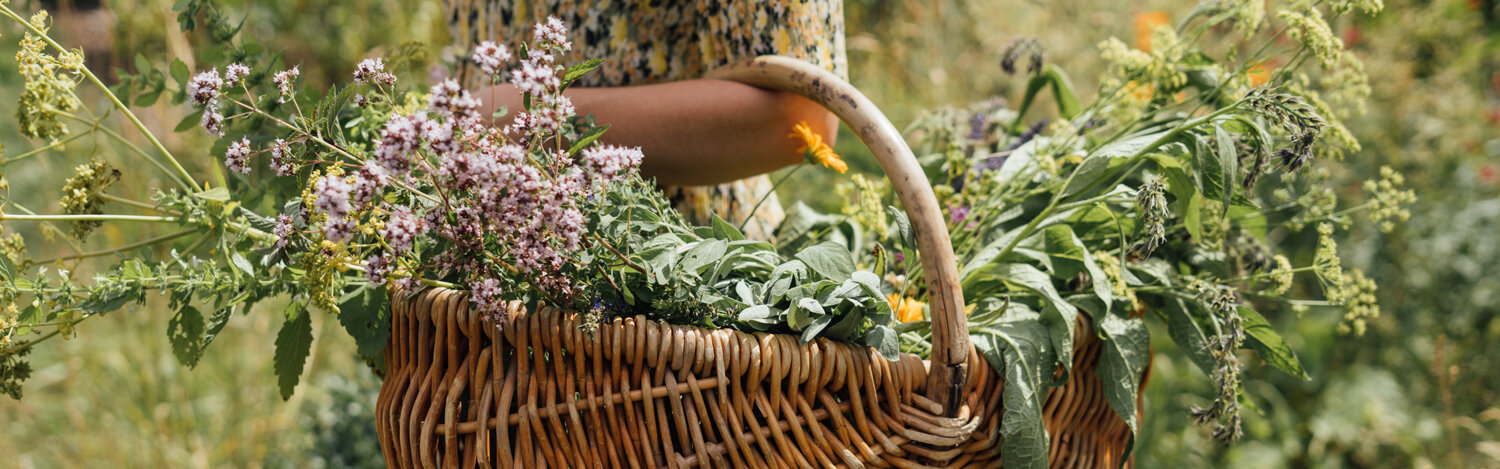
When your herb garden or balcony is lush and green in late summer, it is once again the best time to harvest your treasures and save them for the winter. After all, fresh herbs are much more than just seasoning: they stand for fragrance, healing, flavour and the joy of gardening. But not every preserving method suits every plant. Some lose their aroma when dried, others turn mushy when frozen.
In this post you will find out which method is ideal for which herb, why some herbs lose their aromatic compounds and how you can conjure up little culinary wonders from your store.
Drying herbs
The classic method: simple, space-saving and long-lasting
This method is particularly suitable for robust herbs with a high content of essential oils and a fairly low water content. Dried herbs are perfect for tea blends, spices or incense.
✅ Suitable for:
Thyme, rosemary, sage, oregano, mint, lemon balm
❌ Less suitable for:
Basil, parsley, dill, borage, nasturtium
How to do it:
-
Harvest whole, healthy shoots.
-
Remove any wilted leaves and gently shake off insects.
-
Tie the shoots loosely into small bunches.
-
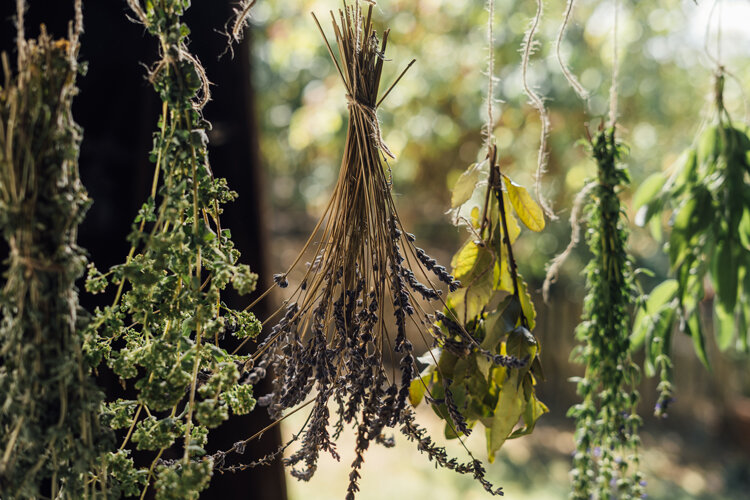
Hang them upside down in an airy, shady and warm place, out of direct sunlight.
-
Alternatively: dry them in a dehydrator at 35 to 40 °C or in the oven with the door slightly open.
The herbs are ready when they rustle to the touch and crumble easily.
Storage: Once dry, strip the leaves from the stems and keep them in dark, airtight jars. Do not store them in plastic or near moisture!
Serving idea: Soothing herbal tea against the winter blues
Ingredients (for about 50 g of tea blend):
-
20 g dried lemon balm
-
10 g dried sage
-
10 g dried mint
-
5 g dried lavender flowers
-
5 g pot marigold or chamomile (optional)
Pour hot water over 1 to 2 tsp of the blend and leave to steep for 5 to 7 minutes.
It is relaxing and balancing, and brings the warmth of the sun into dark days.
Freezing herbs
Keep them fresh: perfect for delicate, water-rich herbs
Freezing preserves aroma, colour and nutrients particularly well, which makes it ideal for herbs that do not dry well. You can preserve them either plain or as handy cubes.
✅ Suitable for:
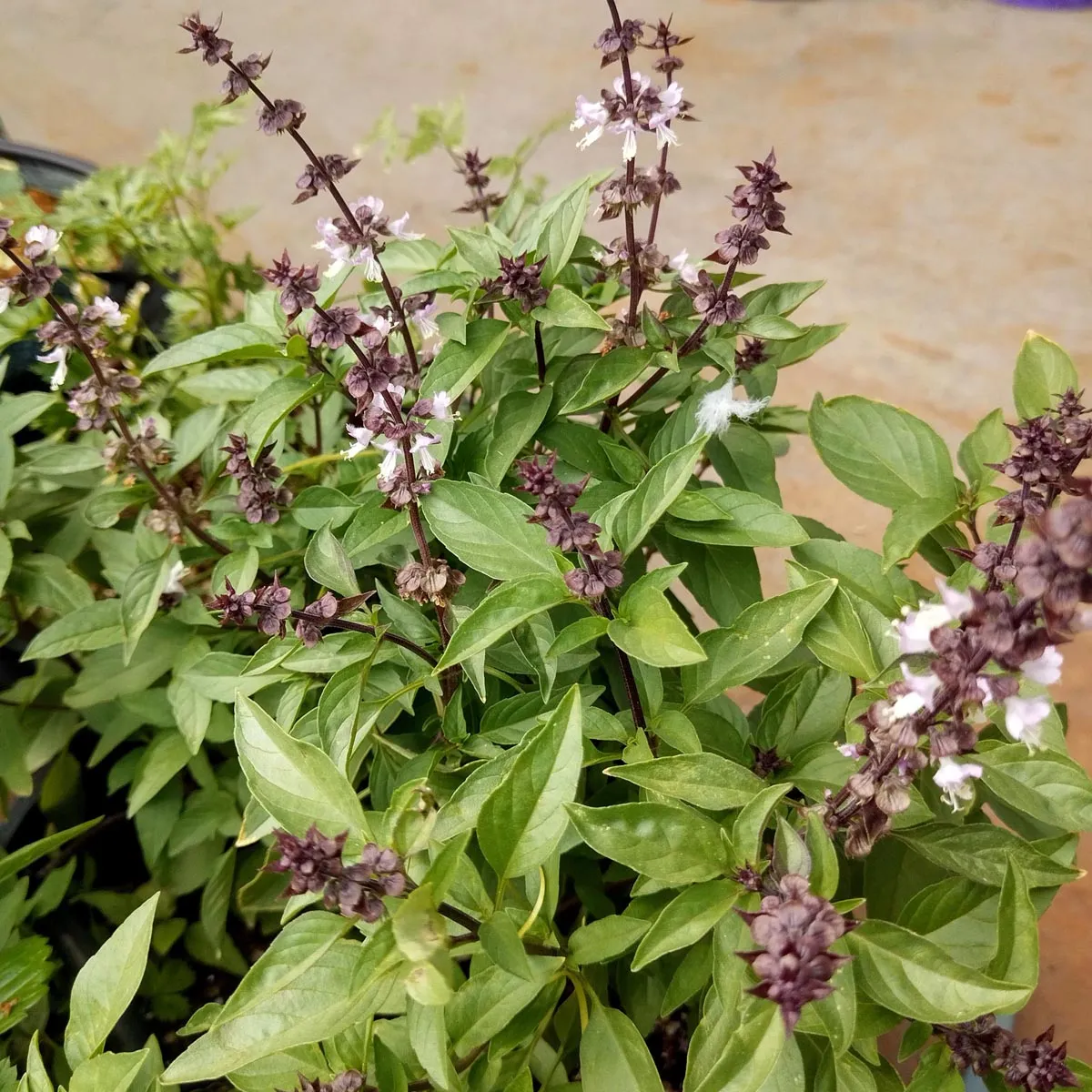
Basil, dill, chives, parsley, chervil, coriander
How to do it:
Option 1: Freezing loose
-
Wash the herbs, pat them dry and chop them finely.
-
Fill freezer bags or screw-top jars and label them.
Option 2: Ice cube tray
-
Put the chopped herbs into ice cube trays.
-
Top up with water or olive oil and freeze.
-
Then transfer them to freezer bags and take out portions as you need them.
Tip: Briefly blanch basil before freezing so that colour and aroma are retained.

Serving idea: Tomato sugo with basil oil cubes
Fry onions and garlic in olive oil, add chopped tomatoes and simmer for 15 minutes.
Just before serving, stir in 2 to 3 frozen basil oil cubes: they give the sugo an intense, fresh aroma that tastes of summer.
Oil or vinegar infusions
Preserving with flavour: for seasoning, beauty and DIY gifts
Here the herbs release their aroma into oil or vinegar over several weeks. Important: use only dry and clean ingredients, as moisture can lead to mould.
✅ Suitable for:
Rosemary, thyme, lavender, tarragon, chilli, garlic
How to do it:
-
Wash the herbs thoroughly and leave them to air-dry completely.
-
Place them in a clean, sterile jar.
-
Cover with good-quality olive oil or apple cider vinegar.
-
Leave to infuse for 2 to 3 weeks in a cool, dark place.
-
Afterwards, strain if you like and pour into decorative bottles.
Caution: Always store oil preserves in a cool place, ideally in the fridge, to prevent the growth of germs.
Serving idea: Rosemary and garlic oil for roasted vegetables
Cut vegetables such as potatoes, carrots or squash into wedges, drizzle with a few spoonfuls of herb oil and bake in the oven at 200 °C. The oil gives a deep aroma and makes the vegetables wonderfully crispy.
Herb salt
Intense, long-lasting, simple: perfect for giving away or enjoying yourself
Herb salt combines the flavours of your favourite herbs with the preserving power of salt, one of the oldest methods of preservation.
✅ Suitable for:
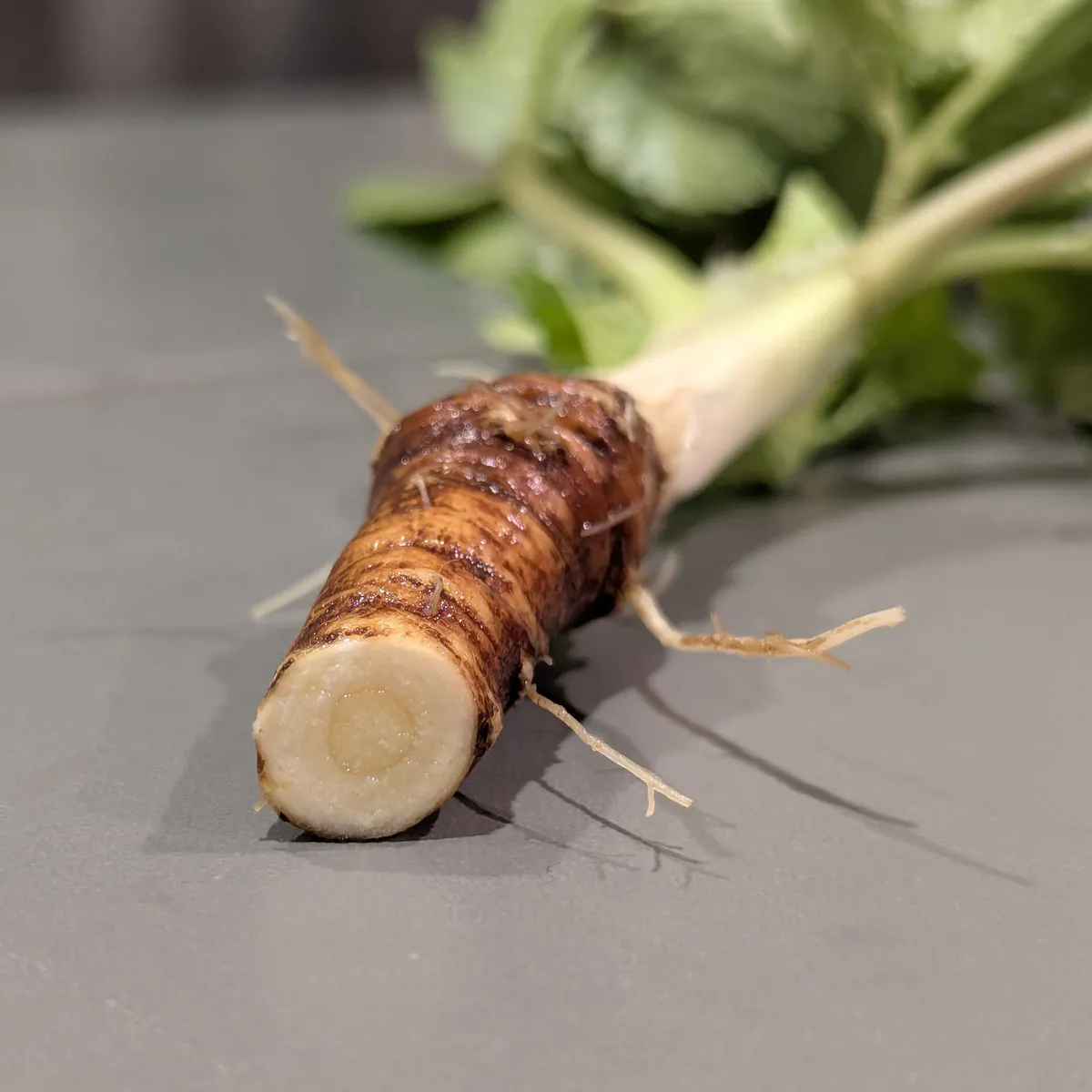
Parsley, basil, lovage, chives, celery leaves
How to do it:
-
2 parts coarse sea salt + 1 part fresh herbs
-
Blitz finely in a blender and spread out on baking paper
-
Leave to dry out completely at room temperature
-
Fill into jars and label
Variation: You can also add flowers such as pot marigold, lavender or cornflower, which gives you a decorative flower salt.

Serving idea: Herb salt for breakfast eggs & bread and butter
A soft-boiled egg or fresh sourdough bread with butter, sprinkled with basil and parsley salt, tastes like a farmhouse breakfast. Simple, honest, aromatic!
Why do some herbs lose their aroma when dried?
Some plants, such as basil, parsley, borage or dill, contain particularly volatile essential oils or water-soluble aromatic compounds. These evaporate or break down when dried through heat and air exposure.
That is why dried basil or dill often tastes only of “hay”. For these herbs, freezing is the better choice.
When is the ideal time to harvest?
Tip from the garden pro:
It is best to harvest your herbs in the morning, as soon as the dew has dried but before the midday sun. At that moment the content of essential oils and active compounds is at its highest, which is exactly what you want to preserve.
Overview: comparing the methods
| Method | Suitable herbs | Advantages | Less suitable for… |
|---|---|---|---|
| Drying | Thyme, rosemary, sage, mint, oregano | Long-lasting, space-saving, ideal for tea | Basil, parsley, dill, borage |
| Freezing | Basil, dill, chives, parsley, chervil | Fresh aroma is retained | Rosemary, sage (become rubbery) |
| In oil or vinegar | Thyme, rosemary, tarragon, lavender, chilli | Full of flavour, pretty as a gift | Water-rich herbs (e.g. borage) |
| Herb salt | Parsley, lovage, chives, celery | Intense aroma, keeps for a long time, versatile | Not suitable if the herbs stay damp |
Conclusion: a store that tastes of summer
With a little knowledge and the right methods, you can preserve the best of your garden for cold winter days, spontaneous cooking ideas or little gifts from nature. That way your gardening year becomes a closed circle in which nothing is lost.