Ajwain /Bishop's Weed (Carum copticum) seeds
- With this caraway variety, the flavour of the caraway mixes with the one of the thyme. Thereby, a very intense, peppery, nearly burning, and incredibly delicious flavour, which is traditionally used in curries and pilaf, emerges.
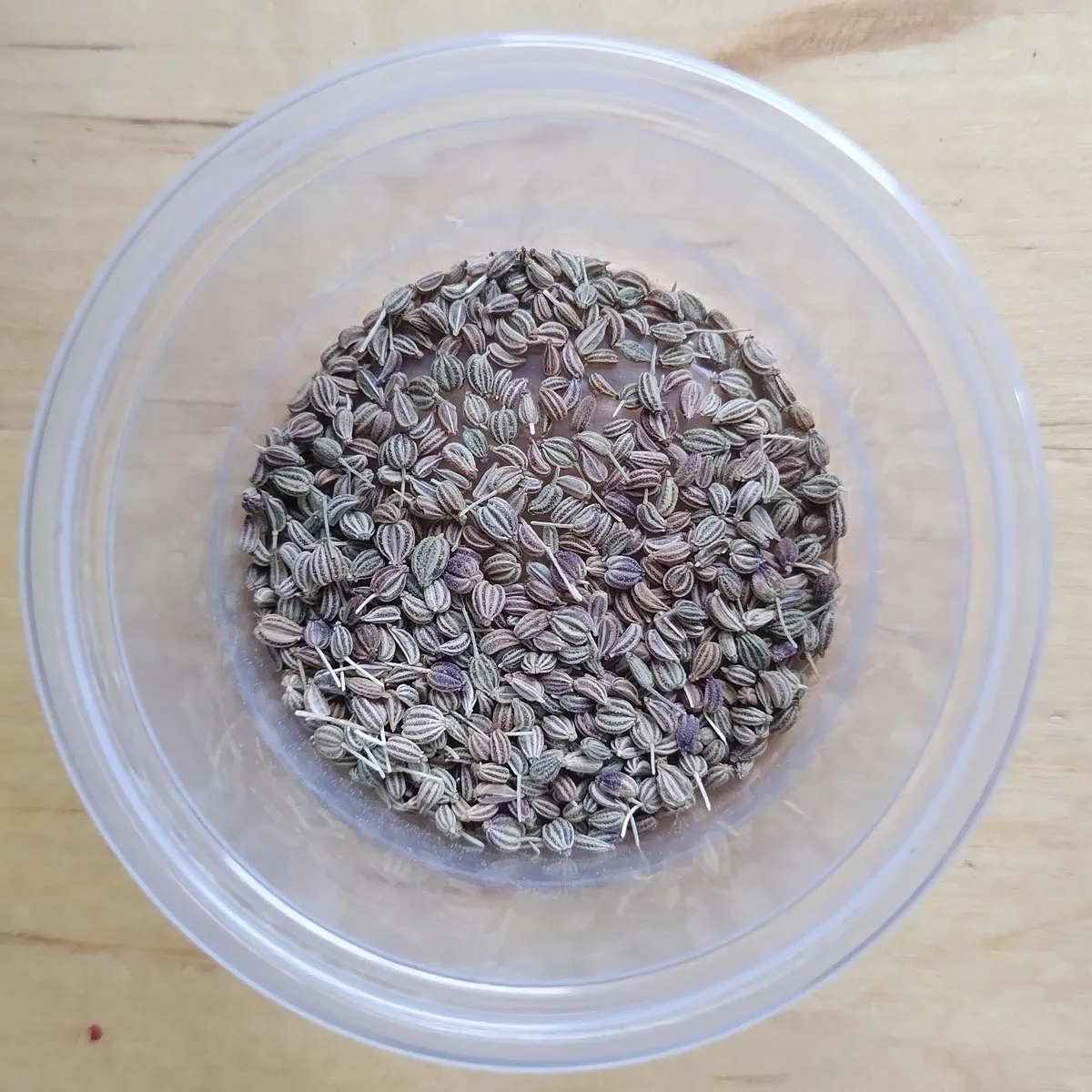
- Contents: Approx. 100 seeds
- Open-pollinated variety, seed tested regularly
Regular price:
€2.49
Product number: CAR05 GTIN: 4251420517654
Description
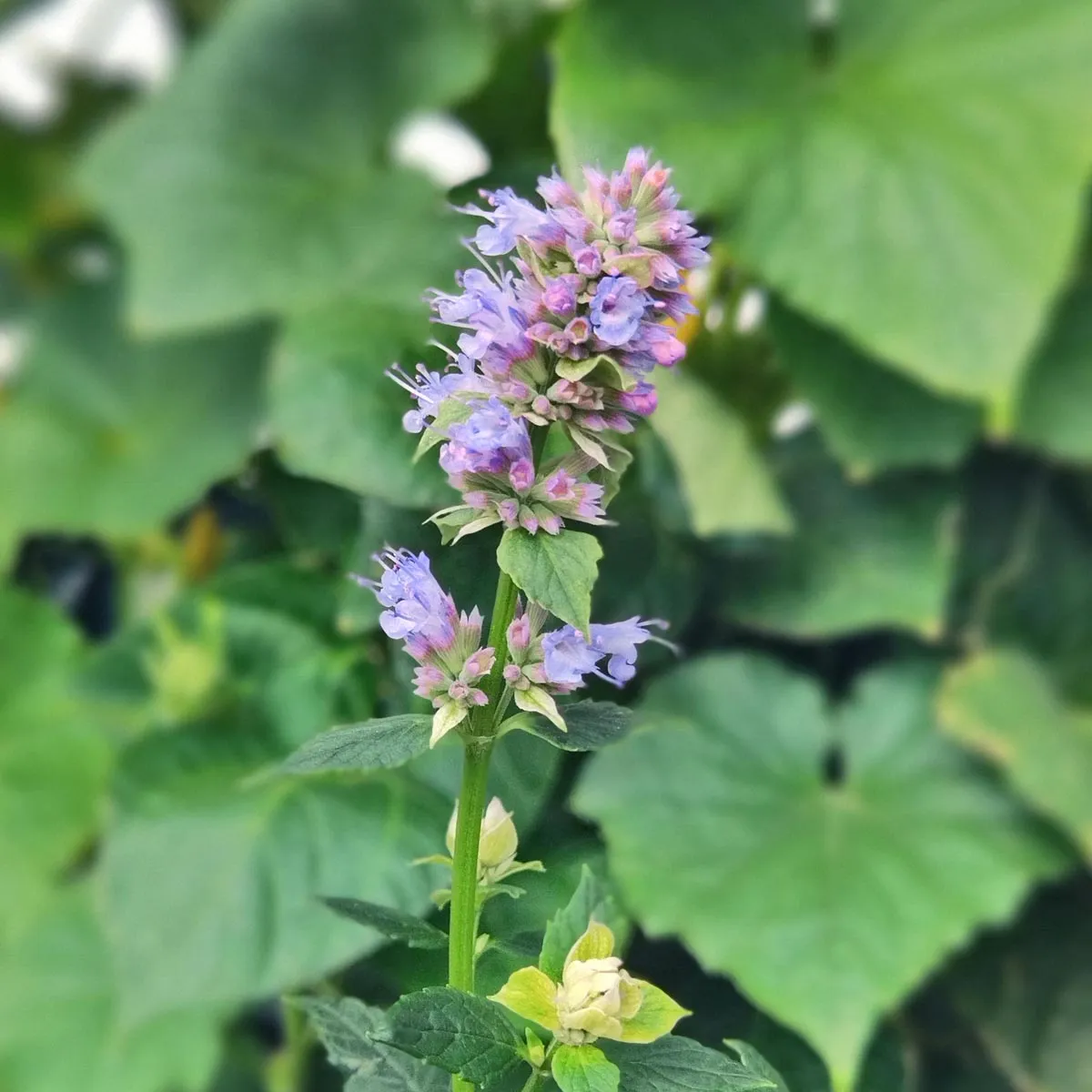
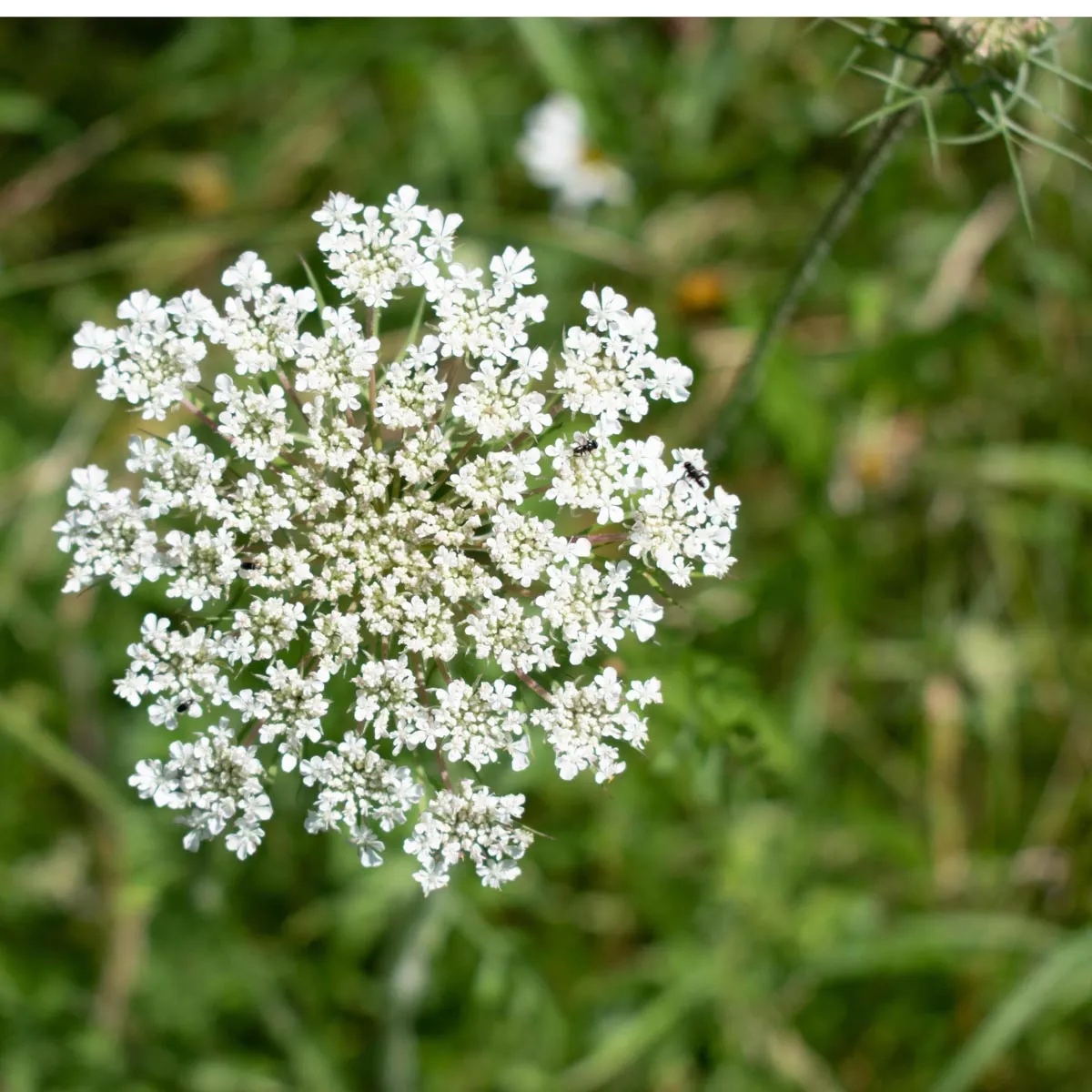
Ajwain is used as a spice, especially in Oriental and Arabic cuisines. The plant originates from India but has been domestic in the Mediterranean region for a very long time.
The seeds, as well as the leaves, are used. With this caraway variety, the flavour of the caraway mixes with the one of the thyme. Thereby, a very intense, peppery, nearly burning, and unbelievably delicious flavour, which is traditionally used in curries and pilaf, emerges. If you add a couple of seeds to the cooking water of potatoes or legumes like chickpeas, these get more digestible.
The effect of Bishop's Weed is comparable to the one of Common Caraway. You can also drink tea made out of it for digestive problems and flatulence as Ajwain is said to be anticonvulsant and debloating. Equally, liqueur or booze made of Bishop's Weed is thinkable.
Plant profile
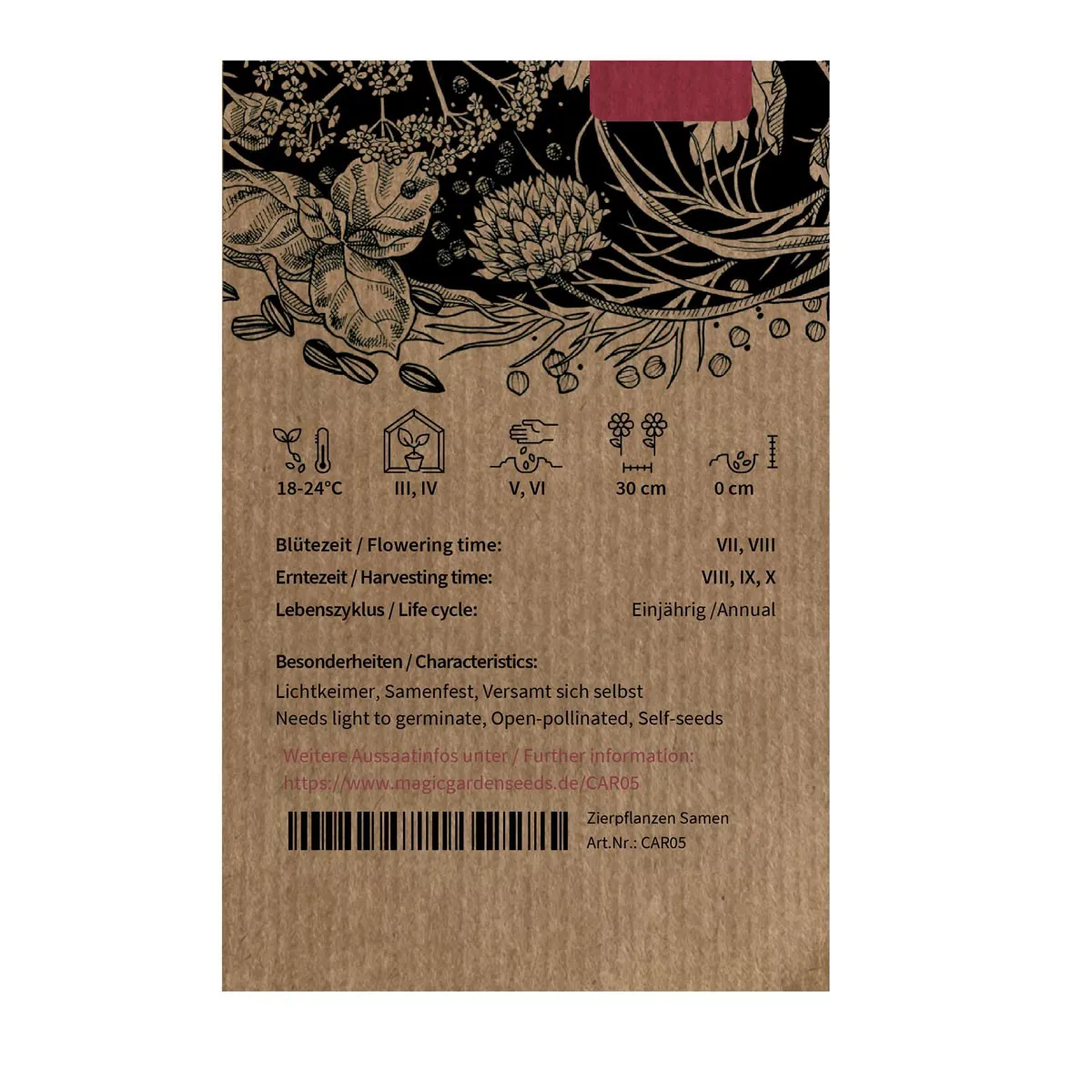
| Plant type | Herbaceous plant, Wildflower |
|---|---|
| Use | Edible plant, Good insect food plant, Herb/spice plant, Medicinal plant |
| Lifecycle | Annual |
| Species | Apiaceae |
| Seed propagation | konventionell |
| Region of origin | India, Mediterranean Region |
| Characteristics | Needs light to germinate, Self-seeds |
| Eventual height | 20-60 cm |
| Flower colour | White |
| Flowering months | August, July |
| Main harvest | August, October, September |
Growing instructions
| When to sow outdoors | June, May |
|---|---|
| Sowing depth | 0 cm |
| Germination temperature | 18-24° C |
| Germination time | 1-2 weeks |
| Climate | Temperate |
| Sunlight | Full sun, Shade |
| Water requirement | Medium |
Sowing and care
Annual plant. Direct sowing outdoors from mid-May after the last frosts. Simply sprinkle the seeds on the soil and press down lightly. Keep moist from then on. The roots should never dry out. Likes sunny to semi-shady locations. Likes to sow itself.
Other names
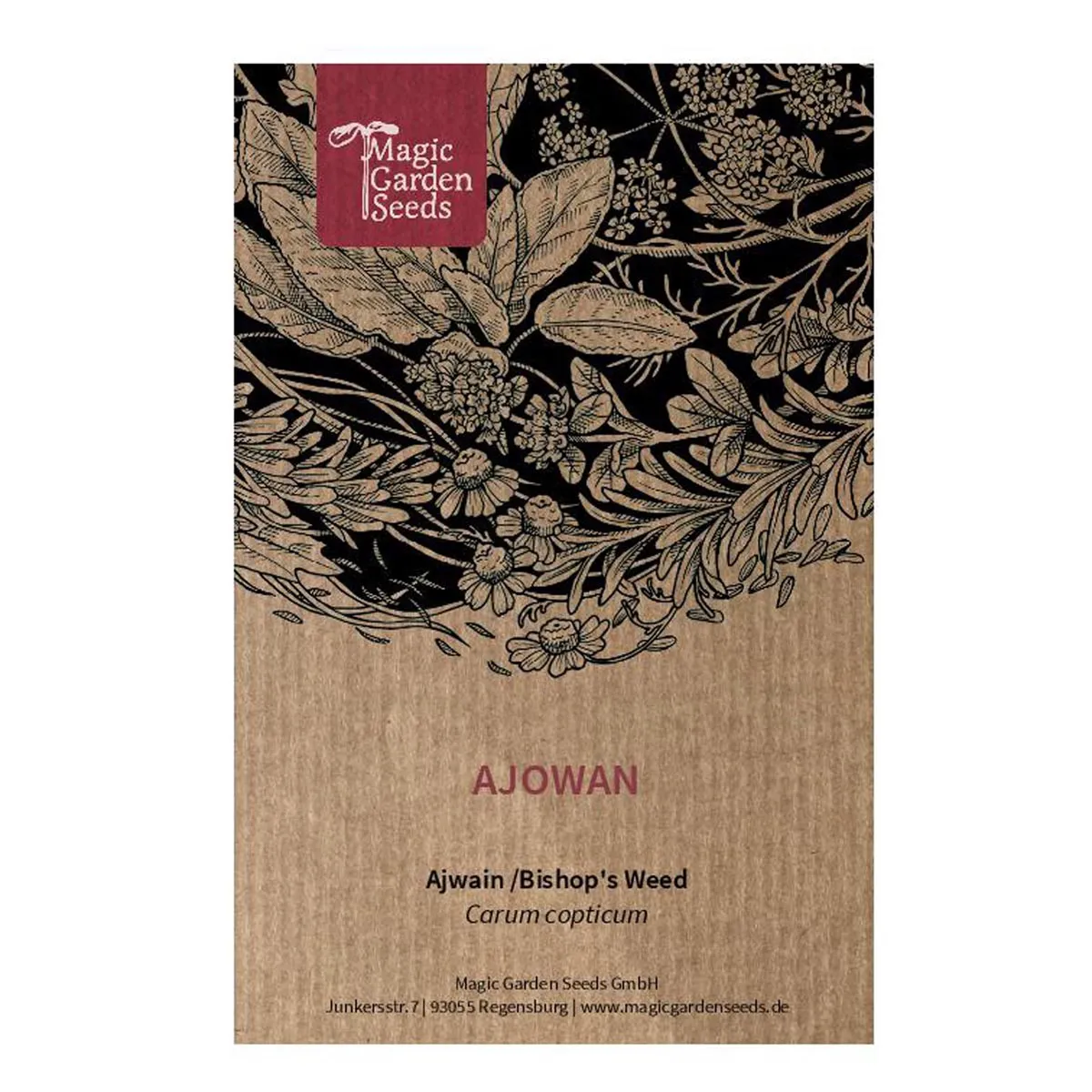
Botanical name: Carum copticum
Reviews
Login
No reviews yet. Will you write the first one?