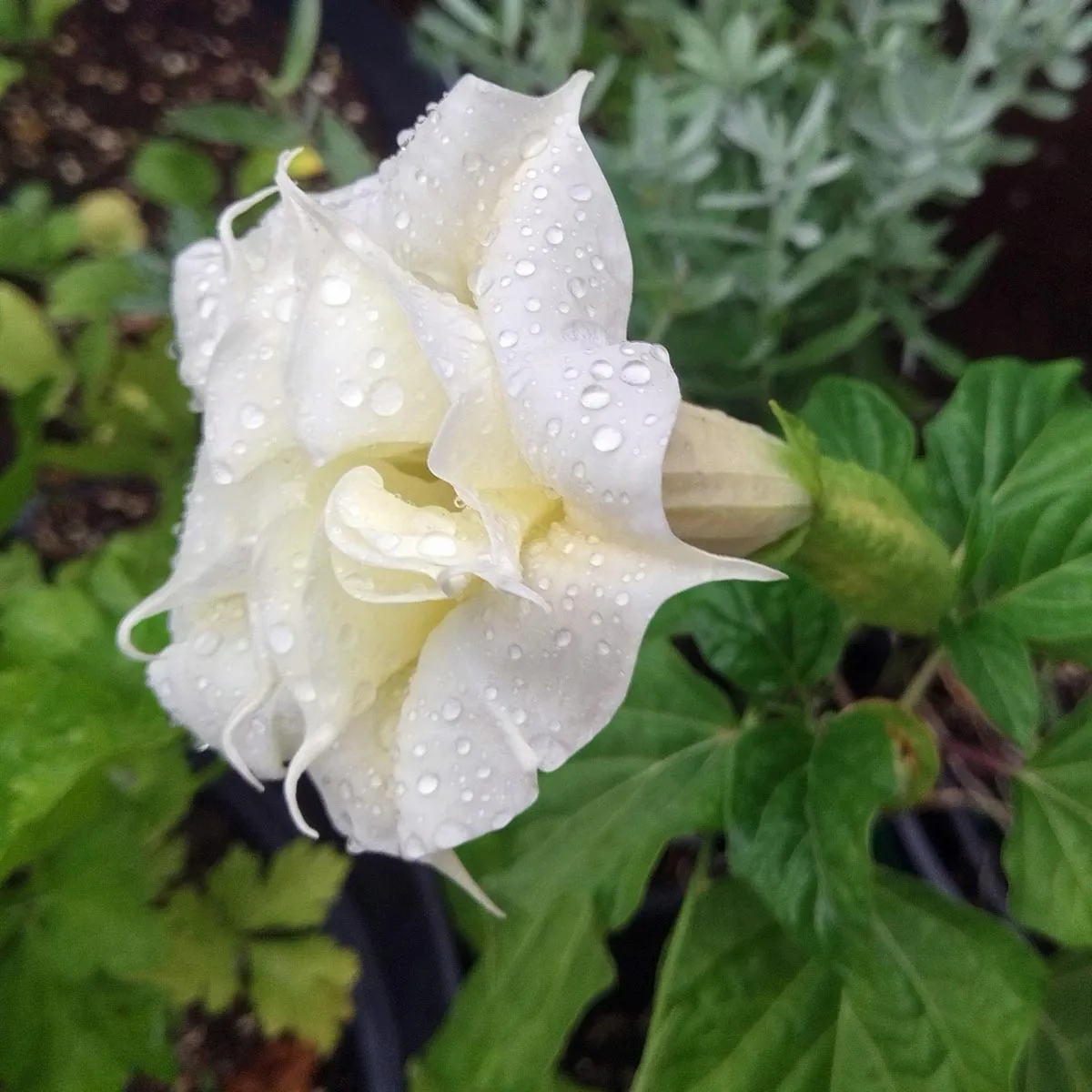
Seeds with a short germination life: the fleeting power of life
Sowing & growing
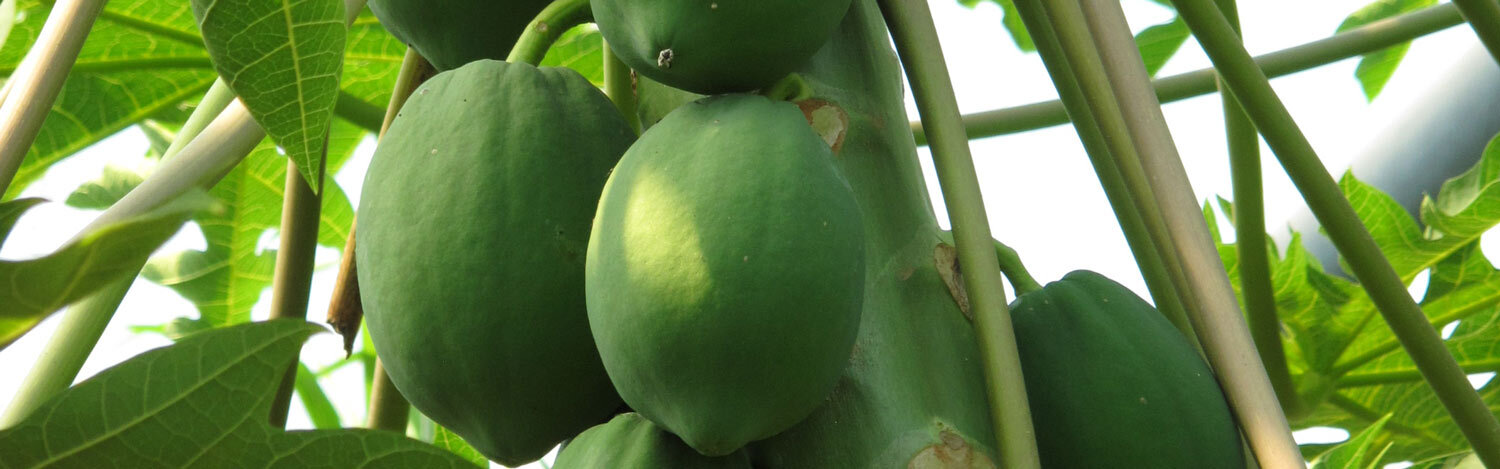
Imagine you are holding a seed in your hand. Tiny, seemingly lifeless, and yet full of potential. But for some seeds, this power lasts only a brief moment: if you don't sow them soon, they lose their ability to germinate. Why is that?
In this post, we take a closer look. We explain why certain seeds stay viable for only a short time, what that has to do with their origin and survival strategy, and how you can put this knowledge to practical use in your everyday gardening.
Nature knows no "use-by date", but it knows timing
Unlike tinned food, seeds carry no exact expiry date. Their lifespan is rather the result of their biological make-up, their adaptation to the environment and their evolutionary strategy.
Short-lived seeds often have a clear plan: they want to germinate immediately when conditions are right, and this is especially true of plants from tropical regions.
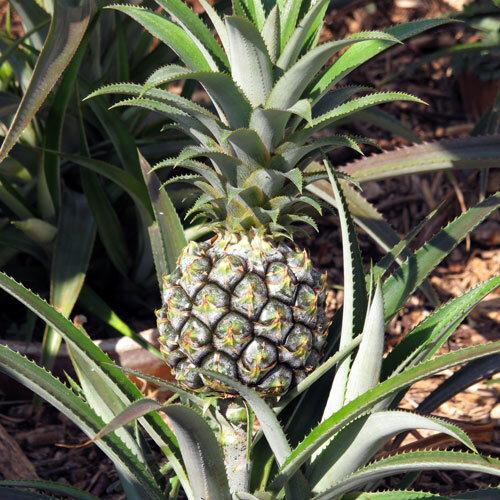
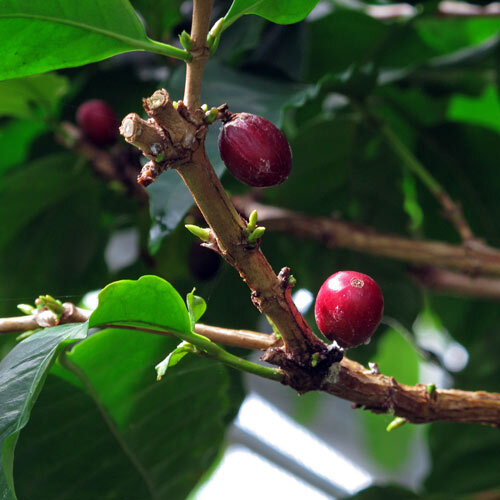
Tropical plants: start fast instead of waiting long
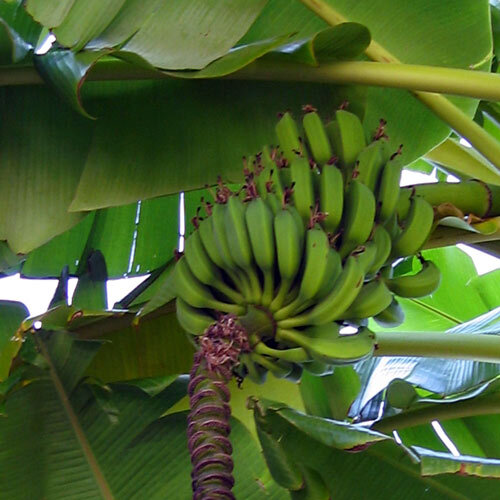
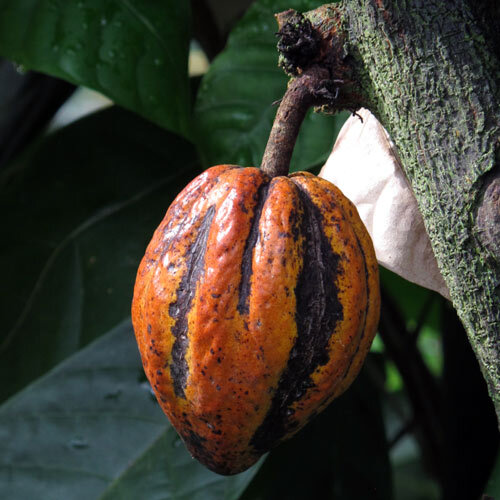
In tropical climate zones, temperature and humidity are stable all year round. For many plants, that means: delaying germination would be a pure waste of energy. Instead, their seeds germinate straight after ripening, so they are not made for long storage.
That is why you can only get tropical seeds such as coffee or tea seeds from us in the shop for limited periods, whenever we can get them completely fresh after harvest. Only then are the chances of germination success really good.
- Coffee (Coffea arabica)
- Tea (Camellia sinensis)
- Tamarind (Tamarindus indica)
- Durian (Durio spp.)
- Papaya (Carica papaya)
Our tip: If you spot such tropical seeds in our range, grab them. They are usually only available for a short time!
Why do some seeds lose their germination power so quickly?
Here are some botanical reasons you should know about:
- Embryos with a high water content: Seeds such as parsnips or coffee seeds are very rich in moisture, which makes them sensitive to storage.
- No seed dormancy: Tropical species have no natural delay in germination. They germinate immediately, or not at all.
- Oily seeds: Fats oxidise easily, for example in linseed or macadamia, and damage the seedling during longer storage.
- Thin seed coats: Seeds with a thin husk, such as dill or chives, lose moisture and their germination power more quickly.
Fridge instead of pantry shelf: how to store delicate seeds properly
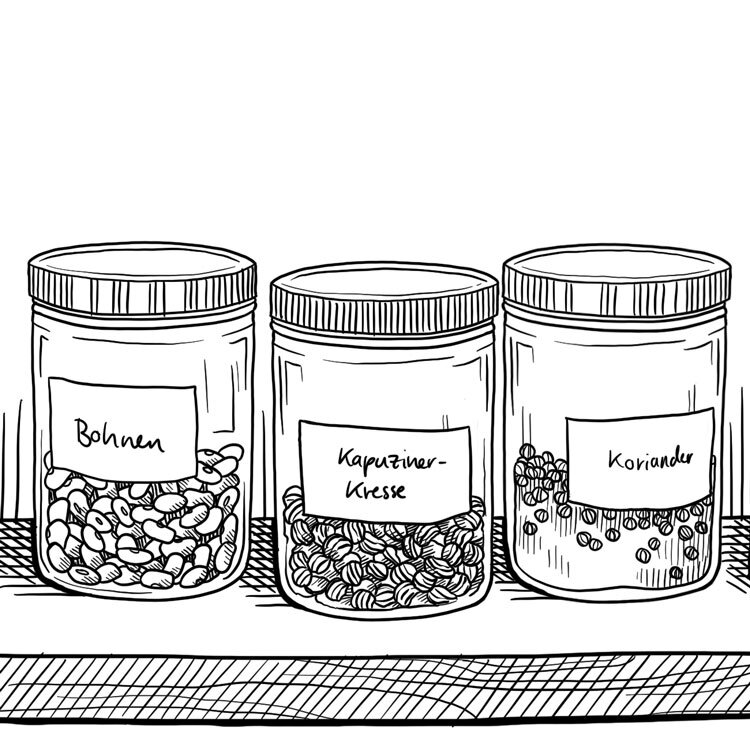
Many people don't know this: proper storage can noticeably extend the germination life of delicate seeds. Especially with short-lived seeds, the effort is worthwhile:
Fridge storage: the game changer
A screw-top jar in the vegetable drawer of your fridge (4 to 8 °C) is ideal. Add a small cotton bag of rice or a sachet of silica gel, so the humidity stays low.
Important:
- Seal airtight
- Store protected from light (no transparent tubs)
- Keep the temperature constant (don't switch between warm and cold)
Caution: Tropical seeds like it cool, but they must not freeze! Frost can destroy cells, especially in seeds with a high water content.
How to get the best out of short-lived seeds
- Sow tropical seeds as soon as possible after buying them
- Avoid storing them for several months, or store them optimally chilled
- Do a germination test if you are unsure
- Swap or give away surplus seeds in good time
Conclusion: germination power is fleeting, but also especially precious
Short-lived seeds challenge us to treat nature's gift with more mindfulness. They can't be kept forever, but that is exactly where their beauty lies. Whoever sows in good time is rewarded with unique growth.
And who knows, perhaps they remind us that in life, too, some opportunities only pass by briefly.
💬 What experiences have you had with tropical or delicate seeds? Write to us with your tips or questions in the comments!