Between Asphalt and Roadside: Plants for Extreme Urban Sites
Urban nature
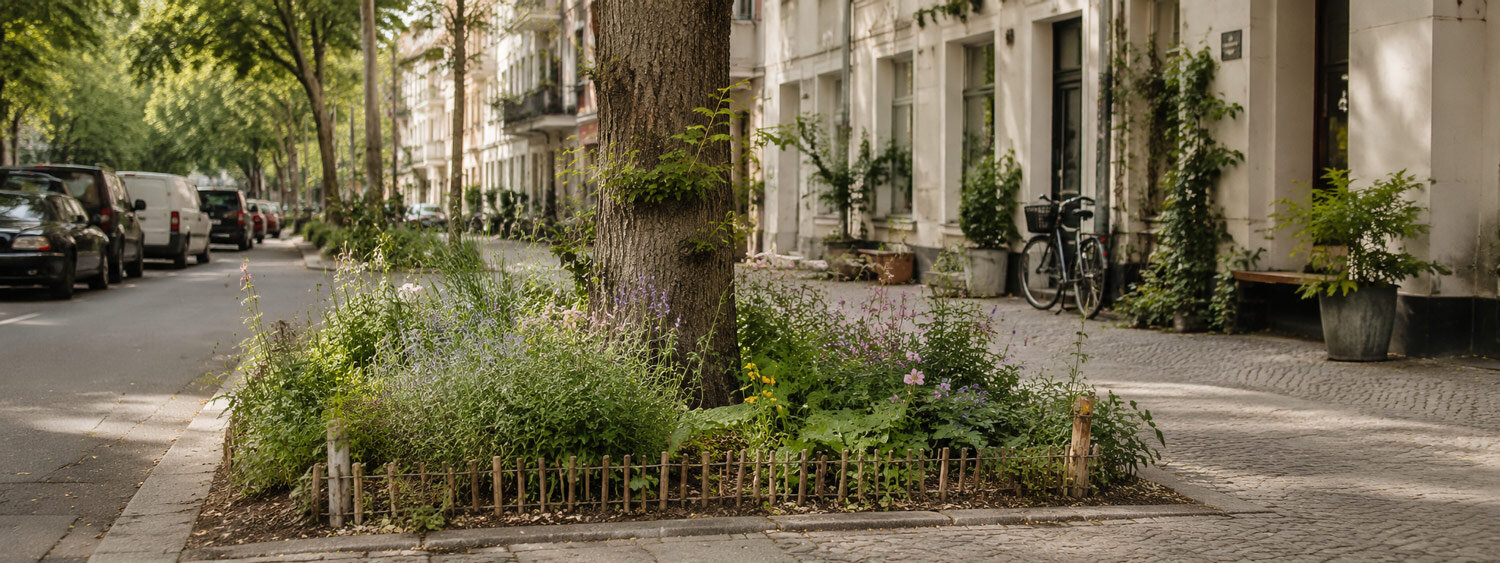
Traffic islands and tree pits are probably not the first places you think of when someone talks about a garden. And yet these small patches between asphalt, pavement and parked cars hold a surprising amount of potential.
Where you see bare soil or closely mown grass today, hardy plants can flower, provide food for insects and bring a small piece of nature back into the city. However, the conditions here challenge even undemanding garden plants: heat, drought, compacted soil and, especially along busy roads, road salt. Traffic islands on main roads can be exposed to considerable salt loads.
This is where plants come into play that we are already getting to know more closely in our topic of the month: halophytes and other salt-tolerant species.
When a Roadside Suddenly Becomes a Salty Site
With snow and meltwater, road salt finds its way from the carriageway onto neighbouring green spaces. For many plants this means stress: salt changes how much water is available in the soil and, in higher concentrations, can damage plant tissue.
Halophytes, on the other hand, have adapted to increased salt levels. Some come from salt marshes and coastal landscapes, others from saline sites inland. Their various strategies help them to take up salt, exclude it or store it within their cells in a less harmful form.
This makes them fascinating role models for extreme urban sites, although not every roadside area necessarily has to be planted with true halophytes.
Five Plants with Particular Salt Tolerance
Some plants have developed astonishing strategies to cope with saline soils or salty sea spray. That is why such species can be particularly interesting for extreme urban sites, provided that light, soil moisture and available space are right as well.
Orach (Atriplex hortensis)
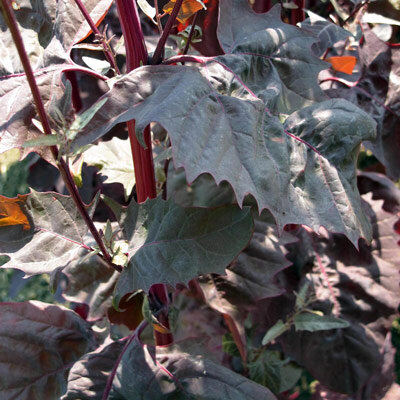
Orach is not just an old, almost forgotten vegetable. As a member of the genus Atriplex, which includes numerous salt plants, it also has a remarkable tolerance of difficult growing conditions. Its edible leaves and its cultural history make it a particularly lovely example of how a useful crop and a master of adaptation come together.
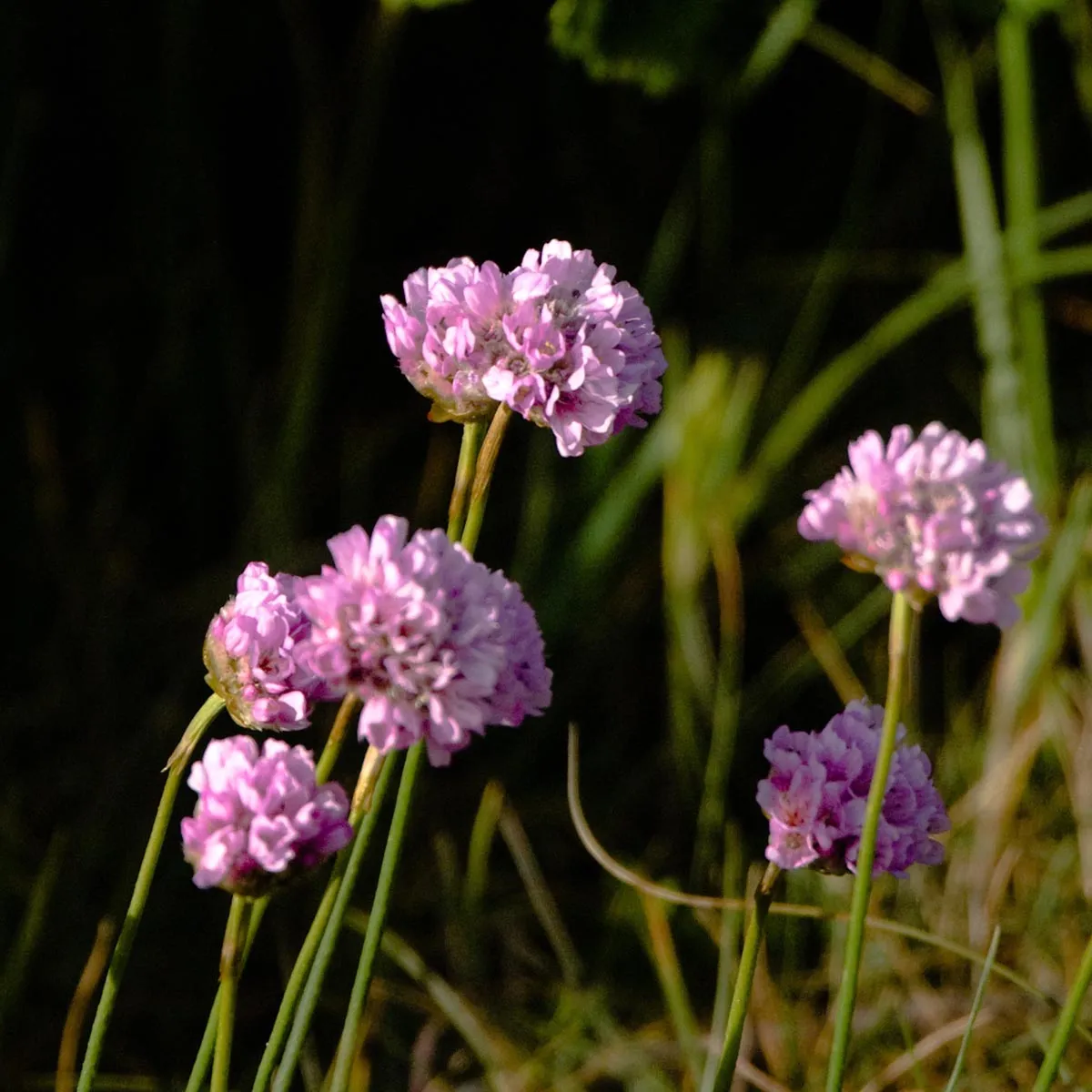
Sea Thrift (Armeria maritima)
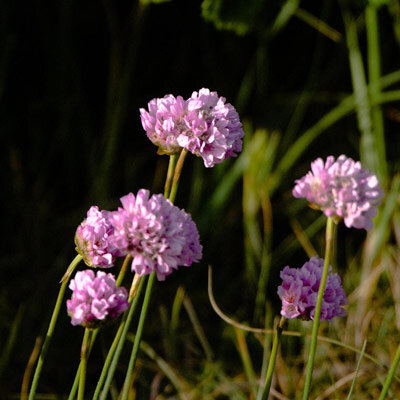
Its name alone gives away where it comes from. Low-growing sea thrift grows naturally in coastal habitats and forms compact cushions with pink flower heads. Thanks to its low habit, it is particularly well suited as inspiration for sunny, open areas where larger plants would be problematic along the street.
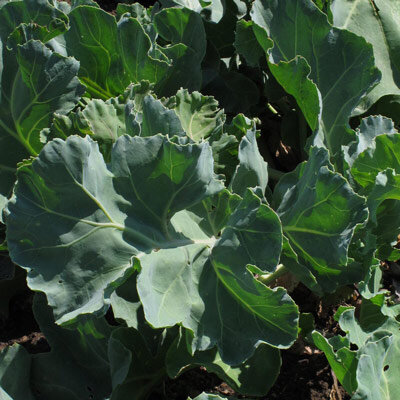
Sea Kale (Crambe maritima)
Sea kale is a true coastal specialist. It grows naturally on shingle and sandy beaches and is considered halophytic or salt-tolerant. At the same time, it prefers sunny, well-drained soils and copes with dry conditions. And there is something else that makes it fascinating: sea kale is a historic vegetable.
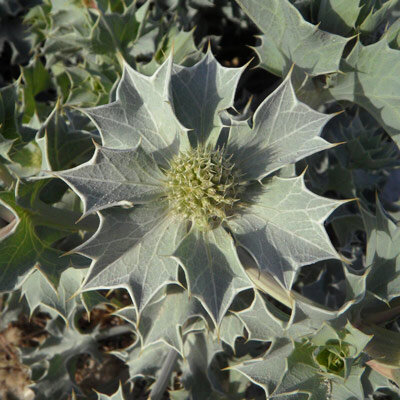
Sea Holly (Eryngium maritimum)
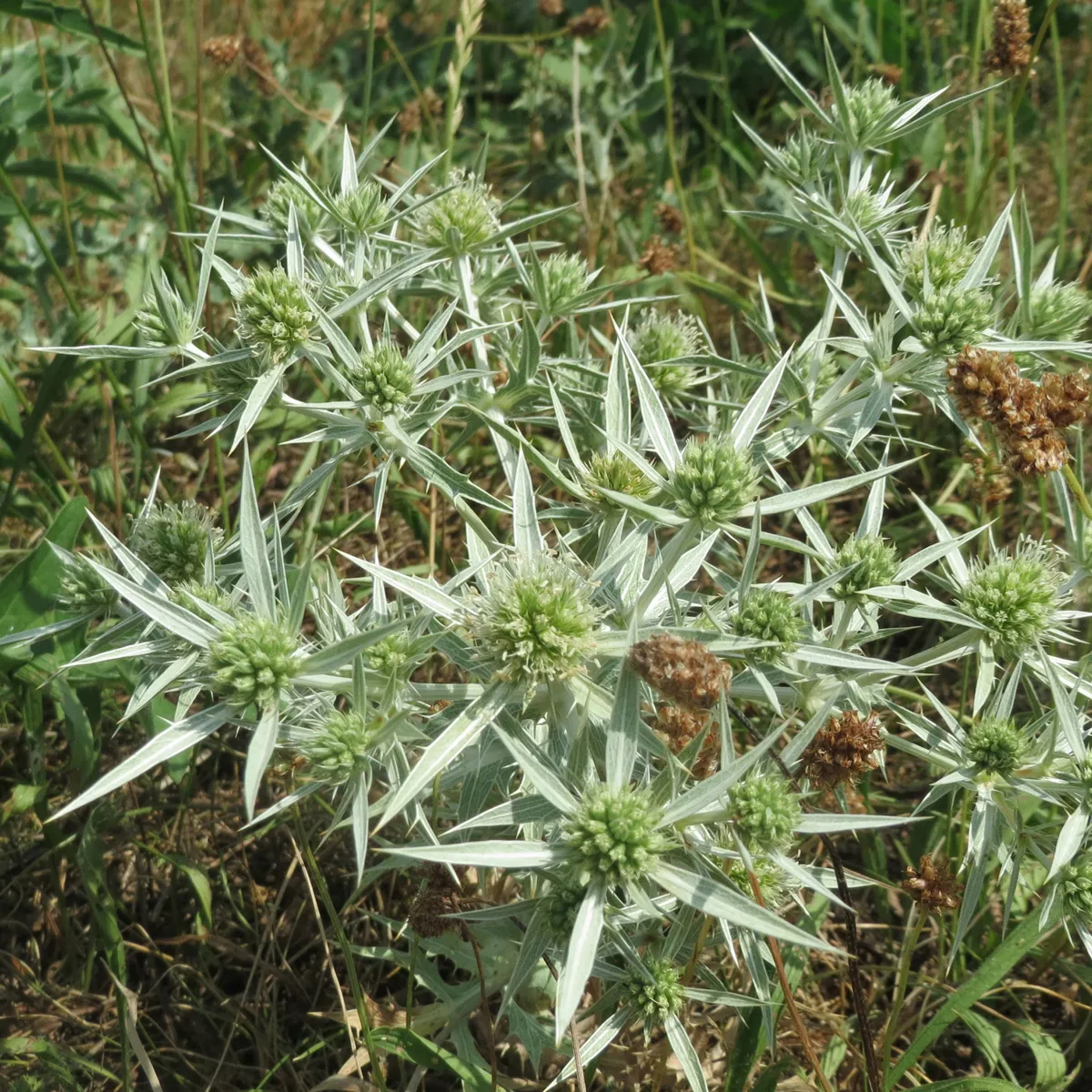
With its steel-blue to silvery-blue flower heads, sea holly looks almost like a small sculpture. It is adapted to open, sunny coastal sites and copes with drought, wind and salty sea spray. It is precisely this combination that makes it a lovely example of how plants can master several stress factors at the same time.
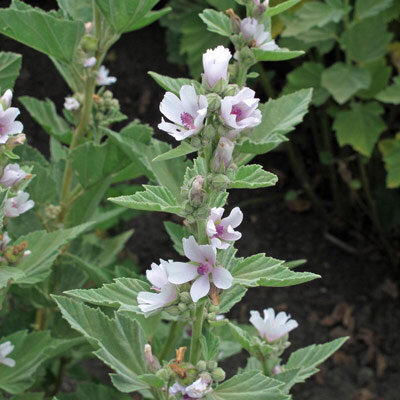
Marsh Mallow (Althaea officinalis)
Marsh mallow takes us in a somewhat different direction. Among other places, this old medicinal plant grows naturally on damp coastal sites, in brackish ditches and in the transition zone between salt and freshwater habitats. It therefore has a certain salt tolerance, but prefers considerably fresher to moister soils than sea holly or sea kale. That makes it less suitable for a dry traffic island, whereas for larger, somewhat damper urban spaces it can be an interesting addition.
The five examples nicely show how different salt-tolerant plants can be: from edible leafy vegetables to compact flowering cushions and striking coastal perennials. At the same time: salt tolerance alone does not decide whether a plant is suitable for a particular urban site. Drought, light, soil structure, height and the available root space must also be taken into account.
But It Doesn't Always Have to Be Halophytes
After all, salt is only one challenge of the urban climate. On many tree pits and traffic islands, heat and lack of water play an even greater role.
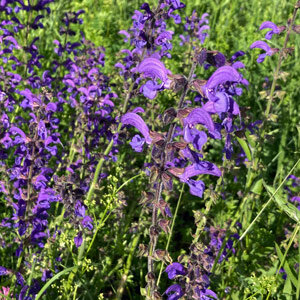
This opens up a much broader range of wildflowers and herbs. Many species are naturally adapted to dry, nutrient-poor or very sunny sites and can therefore cope surprisingly well even with difficult urban conditions. At the same time, species-rich plantings offer food and habitat for wild bees, butterflies and other insects.
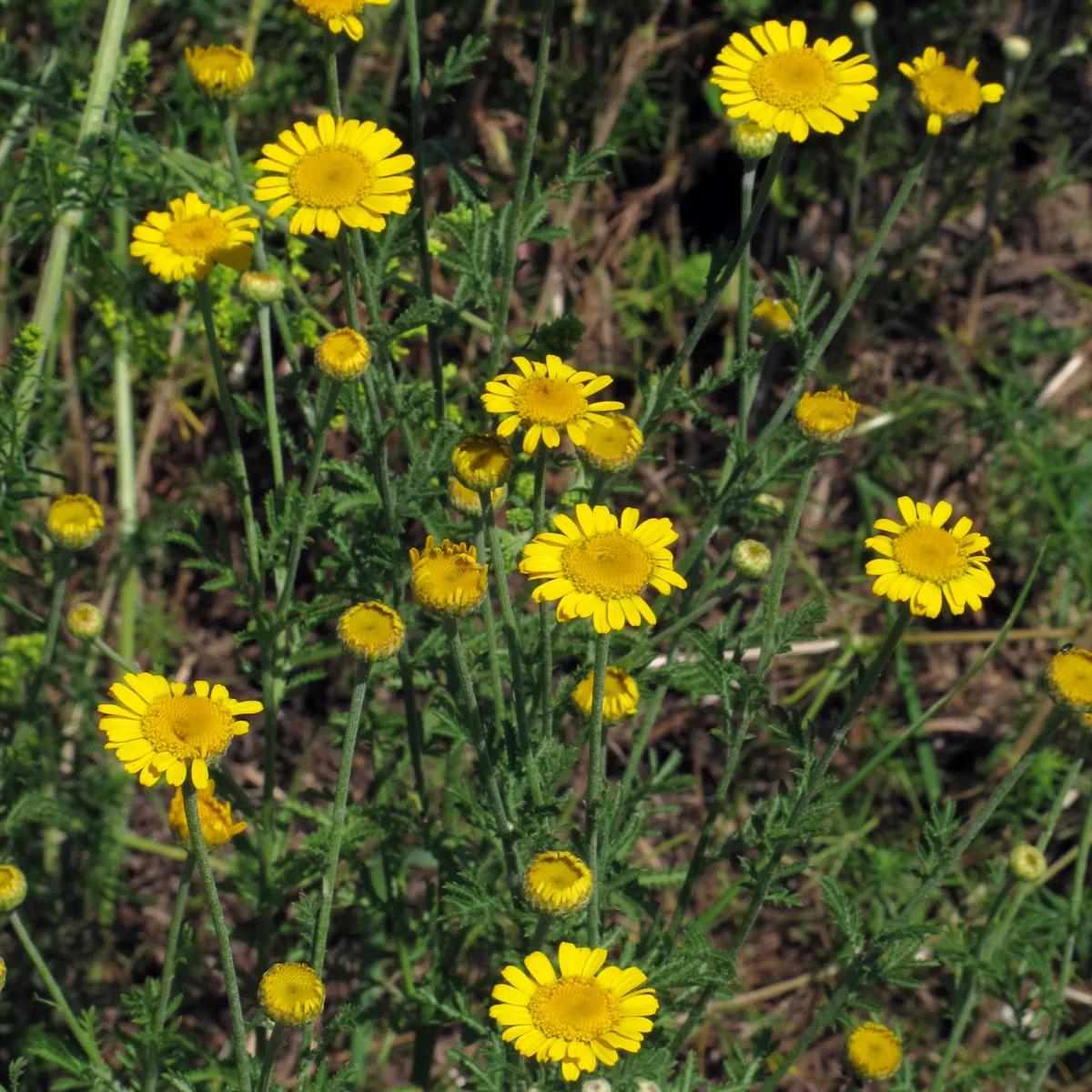
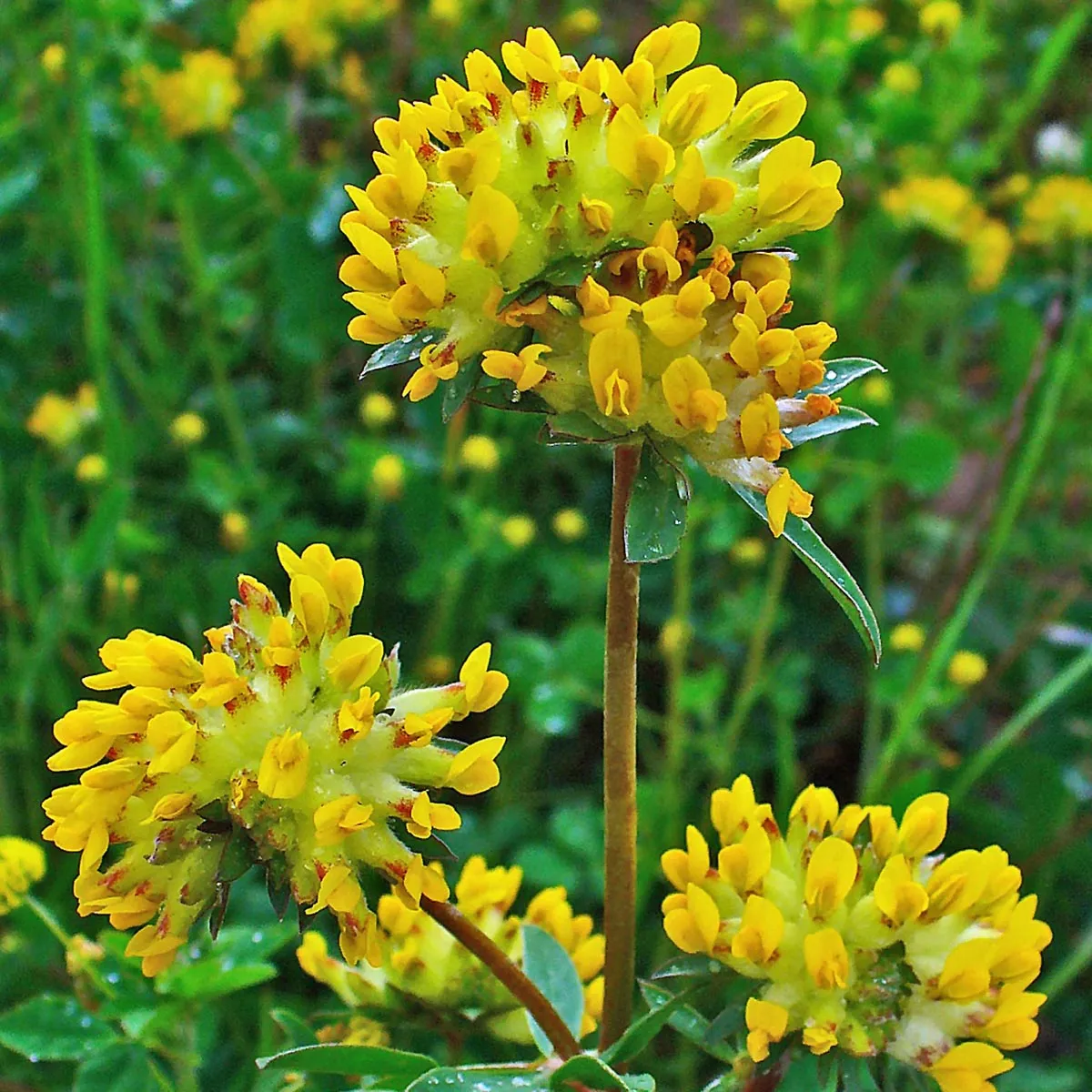
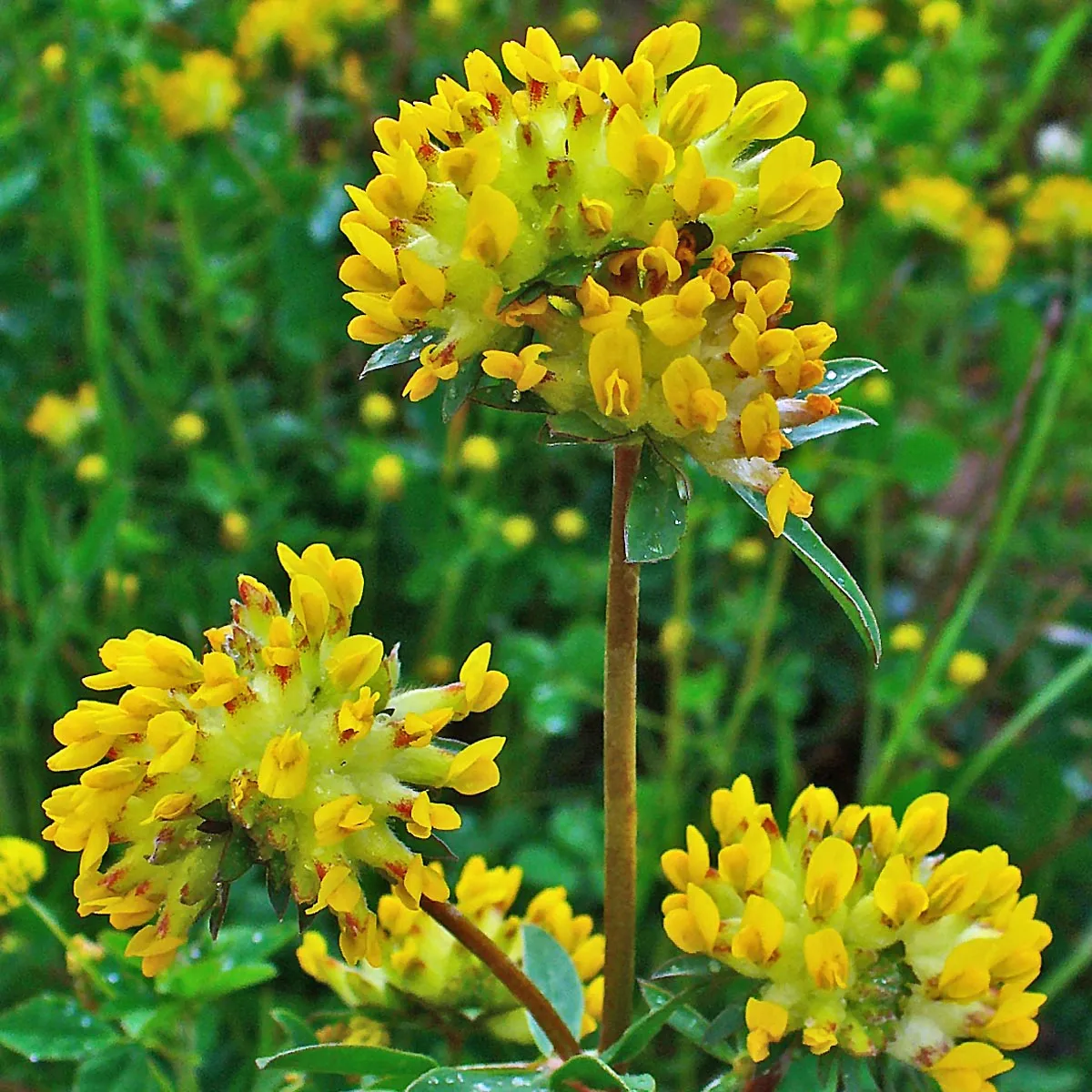
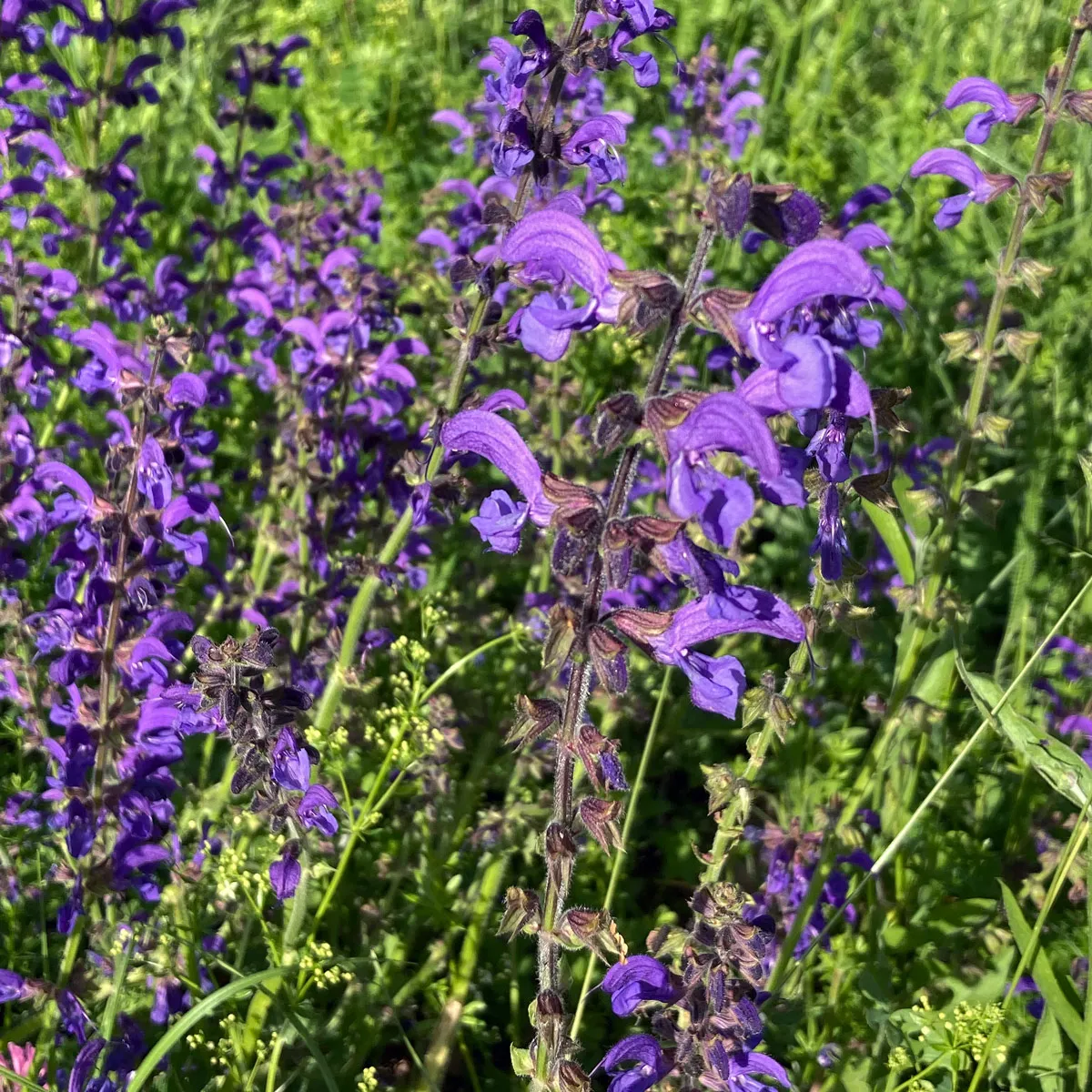
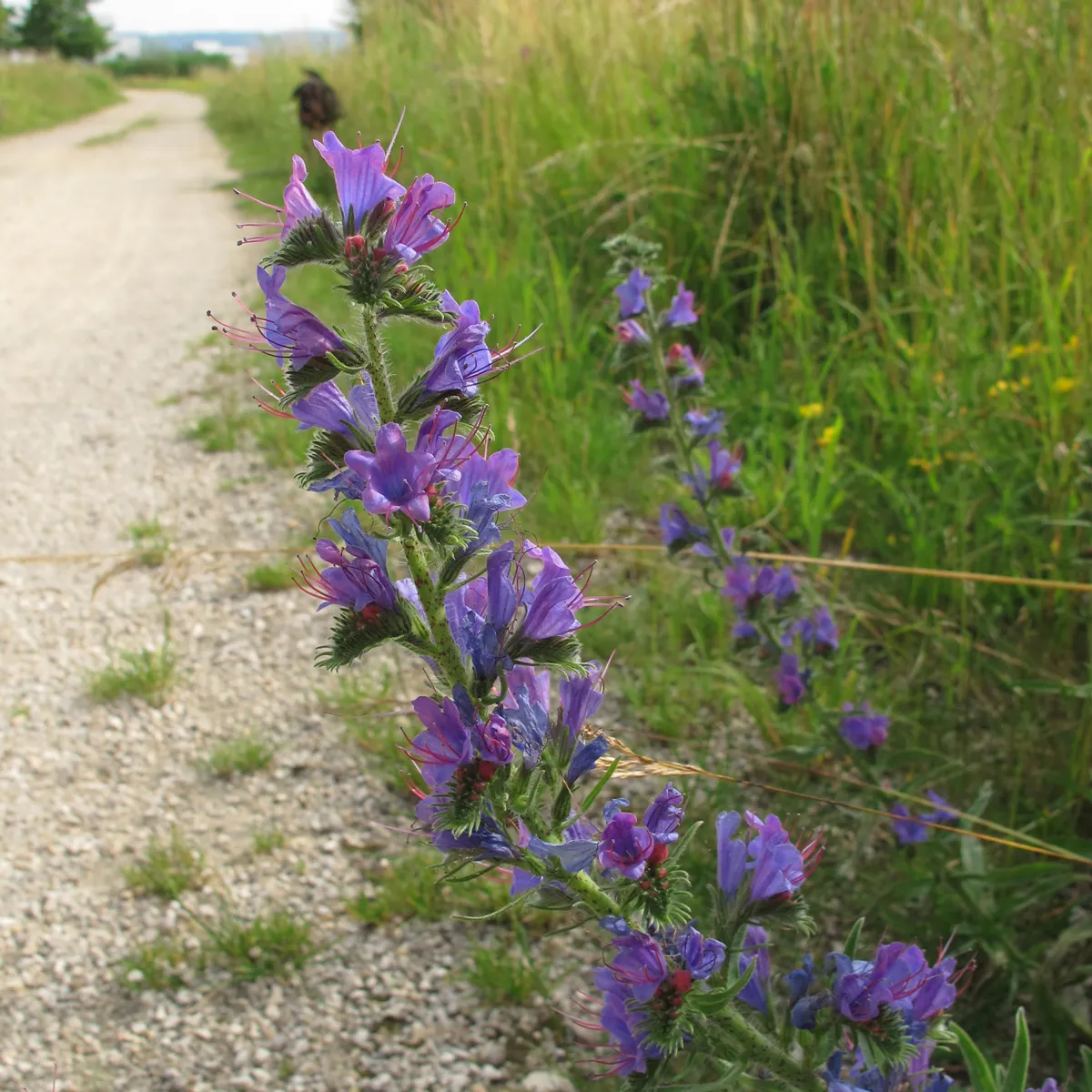
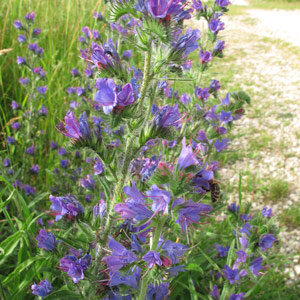
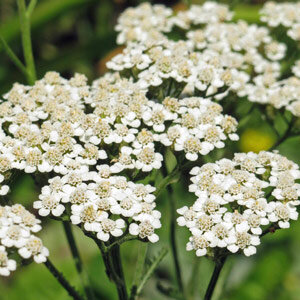
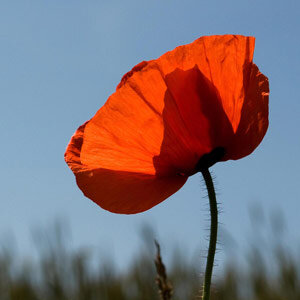
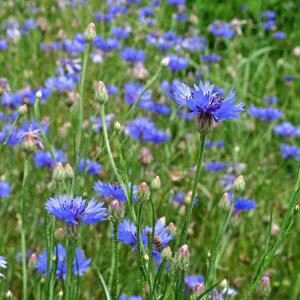
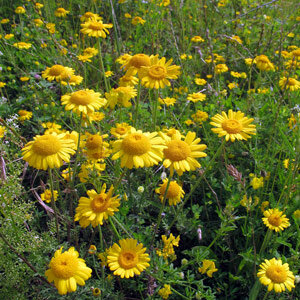
For sunny, dry areas, for example, yarrow, meadow sage, viper's bugloss, chicory, oregano, thyme, dyer's chamomile, cornflower or common poppy are worth considering. This can create a mix in which specialised salt-tolerant plants grow alongside entirely classic drought specialists.
That is probably even the most exciting solution: not putting as many “exotic” halophytes as possible on one area, but choosing the plants to suit the actual conditions.
A Traffic Island Is Not the Same as a Tree Pit
This is exactly where it pays to make a distinction.
Traffic islands often lie in full sun between heated asphalt surfaces. Water evaporates quickly, the soil is often poor and in winter road salt can be added to the mix. Here, low-growing plants that are drought-tolerant and ideally salt-tolerant are particularly interesting.
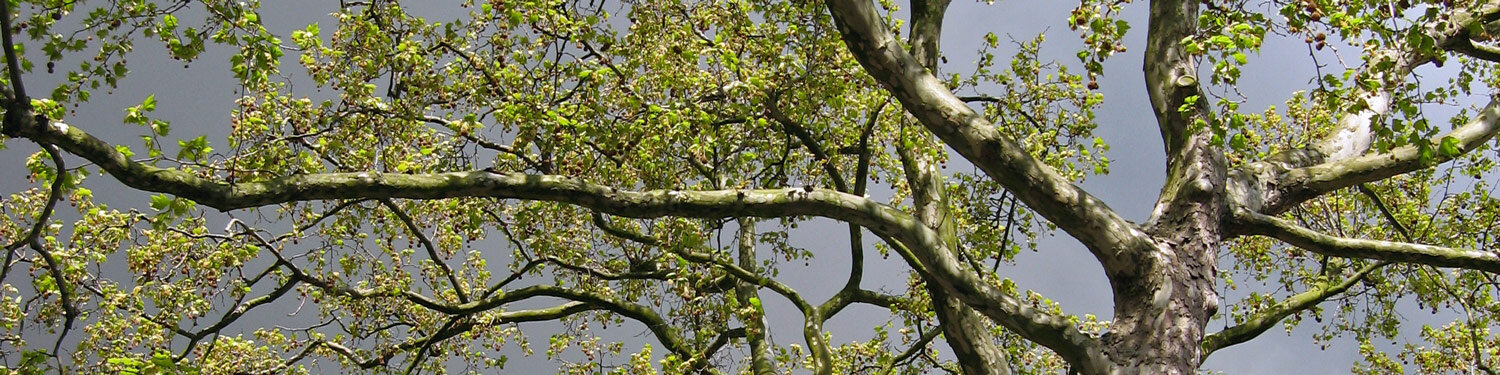
Tree pits, on the other hand, have their very own microcosm. Under a fully grown tree canopy it can be partially shaded or shady, while the plants compete with the street tree for water. Depending on the site, early-flowering plants, low ground cover and shade-tolerant wild perennials can therefore also make sense.
One rule always applies: the tree comes first.
The tree roots must not be damaged when planting. The soil should therefore only be loosened carefully and near the surface. The soil level should not be raised unnecessarily either, so that rainwater can still run into the tree pit and the root zone gets enough oxygen.
In many places, young street trees should not yet be underplanted. Rules differ from city to city, so it is worth checking briefly with the local parks department before sowing or planting.
Start Small, Let Diversity Grow
Perhaps this is exactly what makes these inconspicuous urban spaces so appealing.
A single tree pit will not change the urban climate. But many small, species-rich patches together can create habitats, offer flowers and make our streets a little more lively. Perennial wild plants and low-maintenance sowings can be a lovely alternative to intensively maintained or largely unplanted areas.
For us at Magic Garden Seeds, this touches on a thought that has been with us for a long time: preserving biodiversity and passing on knowledge about plants. Open-pollinated seeds and preserving the diversity of varieties and species are among our core values. Since the early days of Magic Garden Seeds, rare plants, ethnobotanical curiosities and historic crops have also played a special role in our range.
So perhaps next time you walk through your town, take a closer look: where could a small green island spring up between paving stones and asphalt? And which plants would cope well with the conditions right there?
Have you already planted a tree pit yourself or discovered a particularly beautiful traffic island? Share your experiences and ideas with us, we look forward to your green finds from the city!