Biennial plants: sow now, enjoy next year
Sowing & growing
When summer reaches its peak and many plants are already in full bloom, a quiet drama begins in the garden, one that rewards patience and foresight. Right now is the time to lay the foundations for the stars of the coming spring: biennial plants.
These green time travellers live in two acts: they germinate and grow in the first year, then after winter, as if by magic, they surprise us with magnificent blooms or a rich harvest. For us at Magic Garden Seeds, they are the poets of the garden: modest in their beginnings, but ending with a grand gesture. Anyone who embraces this rhythm is richly rewarded, with beauty, variety and a feeling of deep connection with the turning of the year.
What exactly are biennial plants?
Biennial plants complete their life cycle over two garden years. In the first year they usually form a leaf rosette and strengthen their root system. In the second year comes the flowering and the formation of fruit or seed, after which they generally die.
Many of these plants have one thing in common: they need natural cold signals to get in the mood for flowering. Winter acts like a gentle wake-up call. In this way they follow the inner rhythm of the seasons and give us a particularly intense flowering or harvest period the following year.
Now is the time: sowing biennial plants in summer
Summer is not only harvest time, it is also the ideal moment to garden with an eye to the future. Many biennial plants need a few weeks to develop strong young plants, which then go into winter well prepared. The months from June to August are therefore perfect for starting to sow and giving your garden a blooming promise for next year.
Timing is everything
Don't sow too late, so that the plants can build up enough foliage before the first frost. Sowing in high summer (July/August) works wonderfully for many species, especially if you keep the soil nicely moist after sowing and protect it from strong sunshine.
Direct sowing or starting indoors?
-
Many biennial species can be sown directly in the bed, especially wildflowers or robust flowering plants such as viper's bugloss or wild carrot.
-
More delicate varieties or those with small seeds, such as forget-me-nots or sweet William, can also be started in seed trays and planted out in the bed later.
-
For direct sowing, make sure you have fine, crumbly, weed-free soil and even moisture, which gives your little plants the best possible start.
Care until autumn
Once the seedlings have come up, it's time to water regularly, weed gently and perhaps give them a little boost with garden compost. As soon as the plants have formed strong rosettes or basal leaves, they are ready to go into winter.
In harsh locations, it is worth protecting delicate species with some leaves, brushwood or horticultural fleece, so that they get through periods of frost better. However, many biennial plants are surprisingly robust and need little help, especially if they are allowed to grow in the right spot.
Our favourite biennial garden heroes
Here are our favourites from the range, which are particularly well suited, for bees, for the eye and for your gardener's heart:
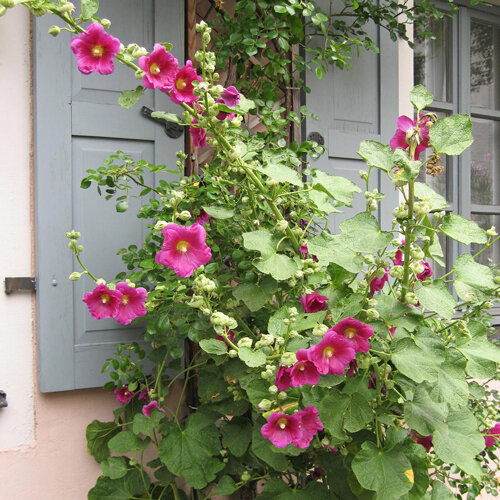
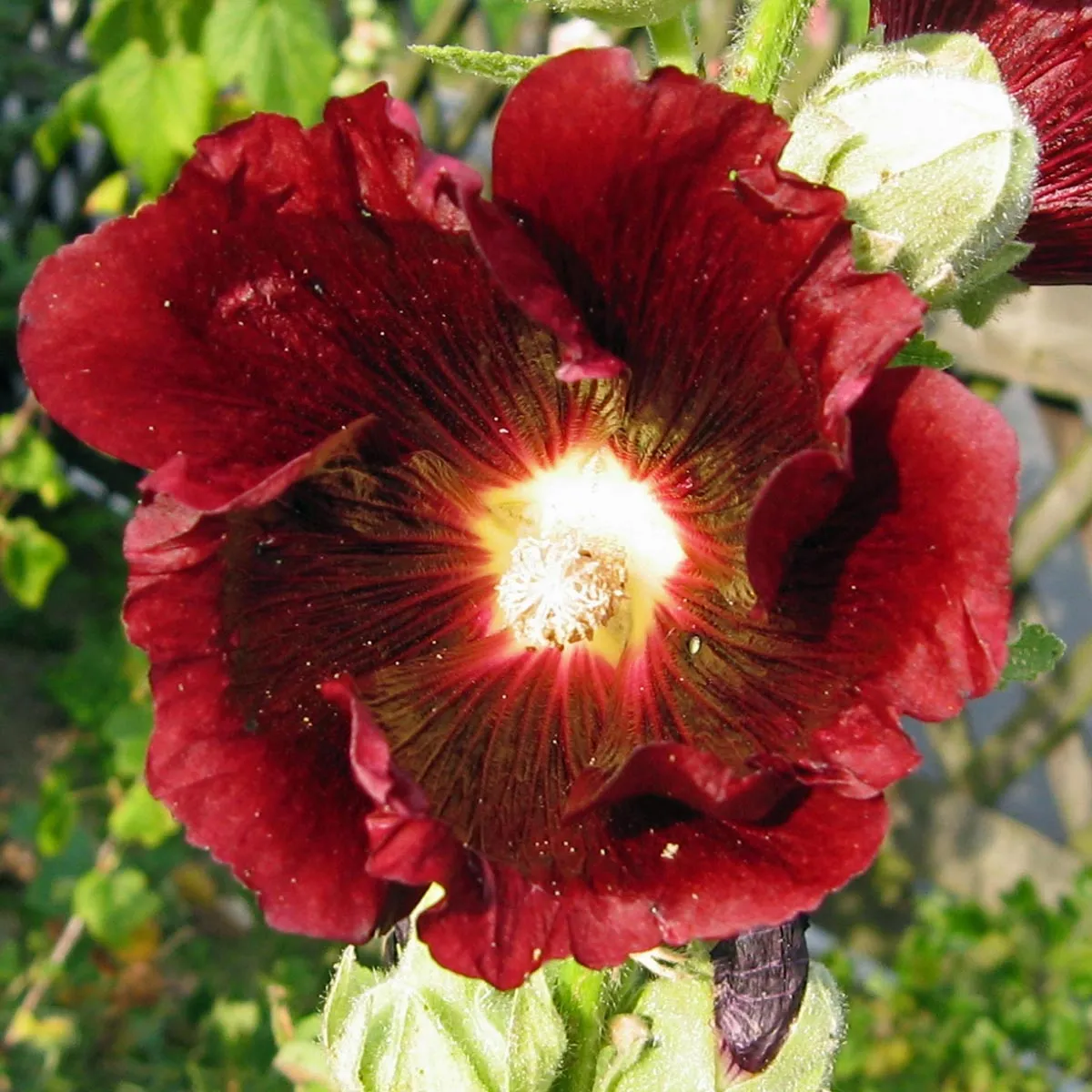
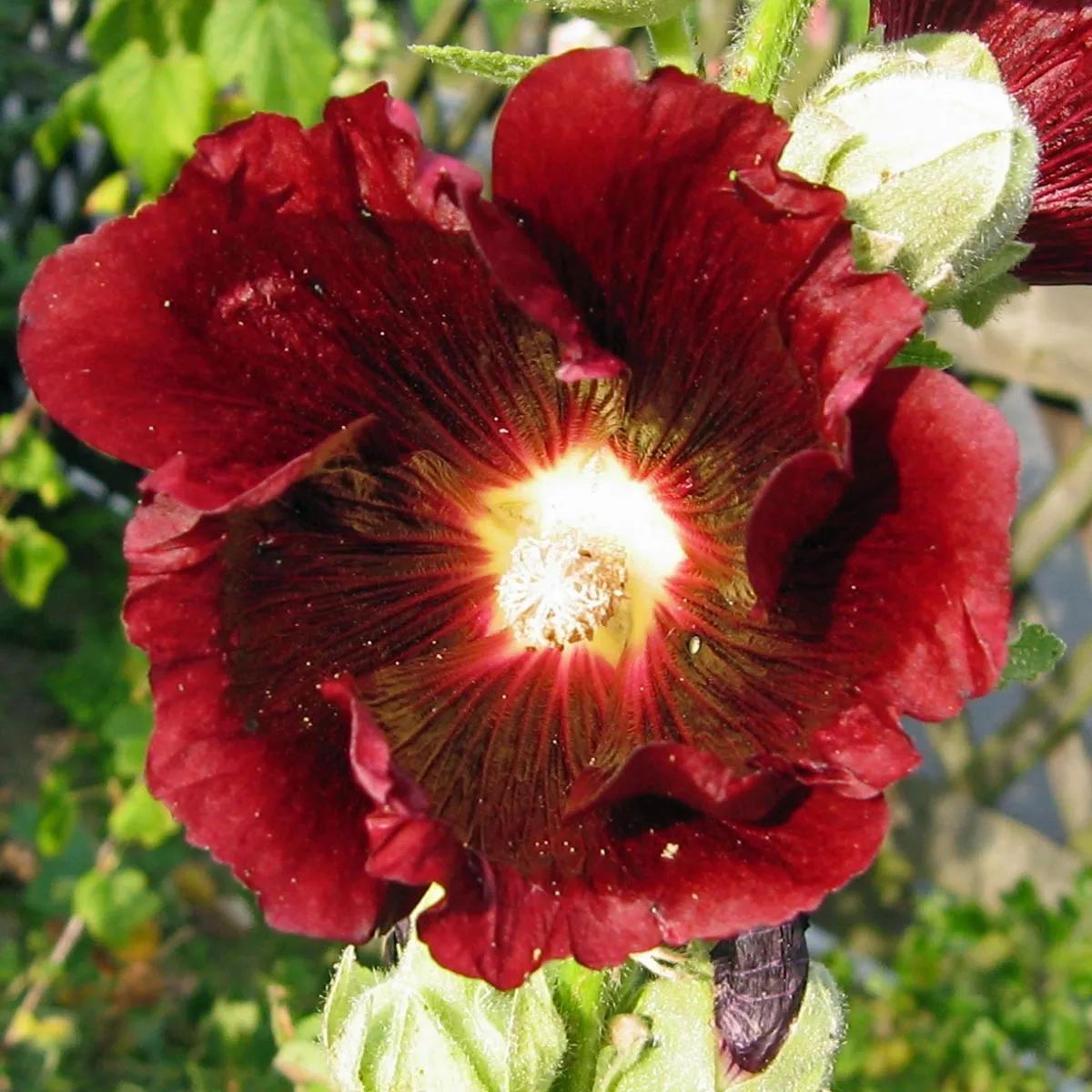
1. Hollyhock (Alcea rosea)
Majestically tall, with a nostalgic profusion of blooms in pastel shades or strong purple, ideal against walls, fences or sunny façades. An absolute eye-catcher in the second year!
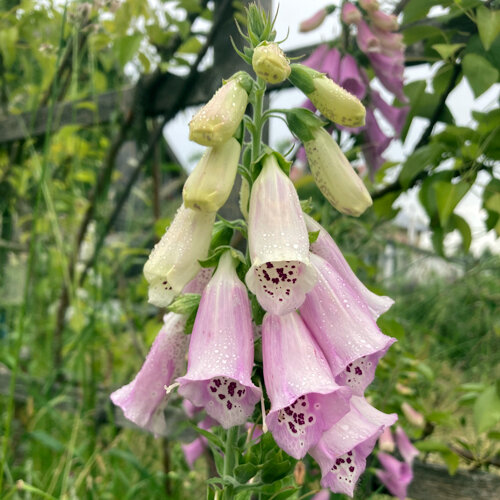
2. Foxglove (Digitalis purpurea)
Enchanting and a little mysterious, the foxglove loves partly shaded spots and attracts wild bees with its tubular flowers. Please note: not edible, but beautiful!
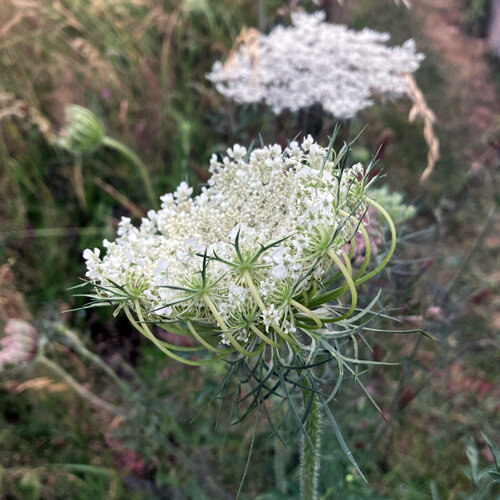
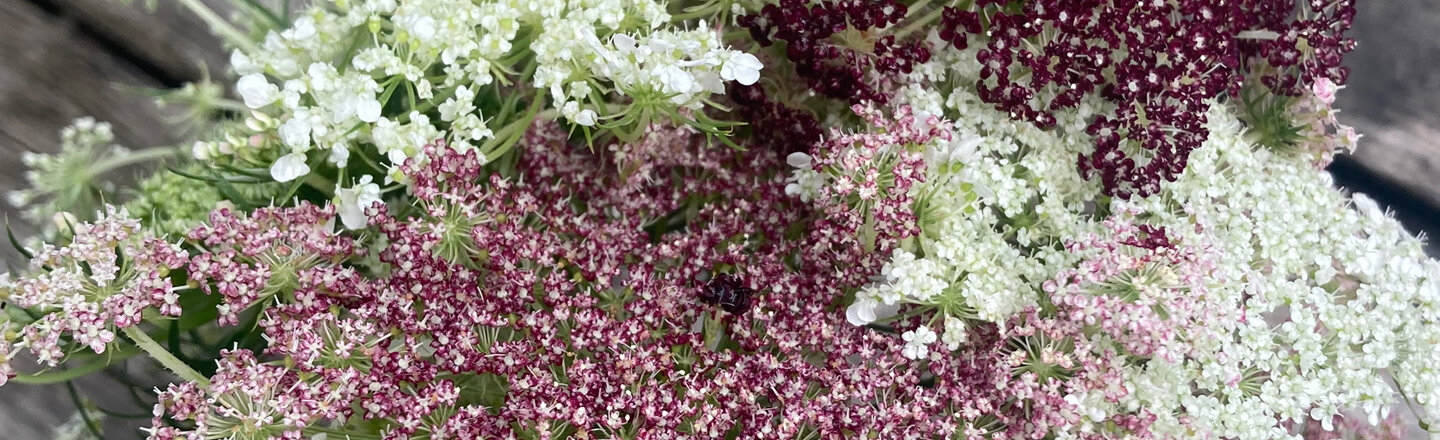
3. Wild carrot (Daucus carota)
Delicate umbel flowers, especially loved by hoverflies, bees and ladybirds. If you let it self-seed, a wild, poetic garden character arises as if by itself.
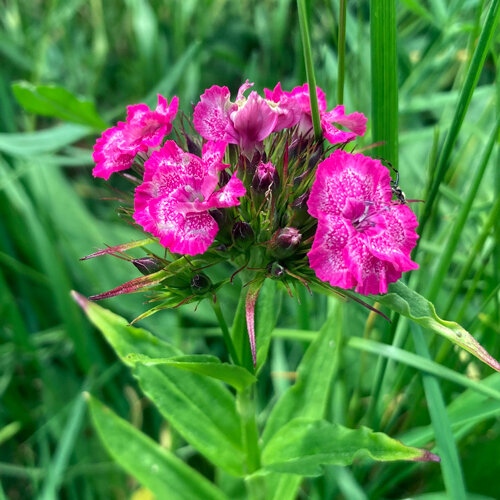
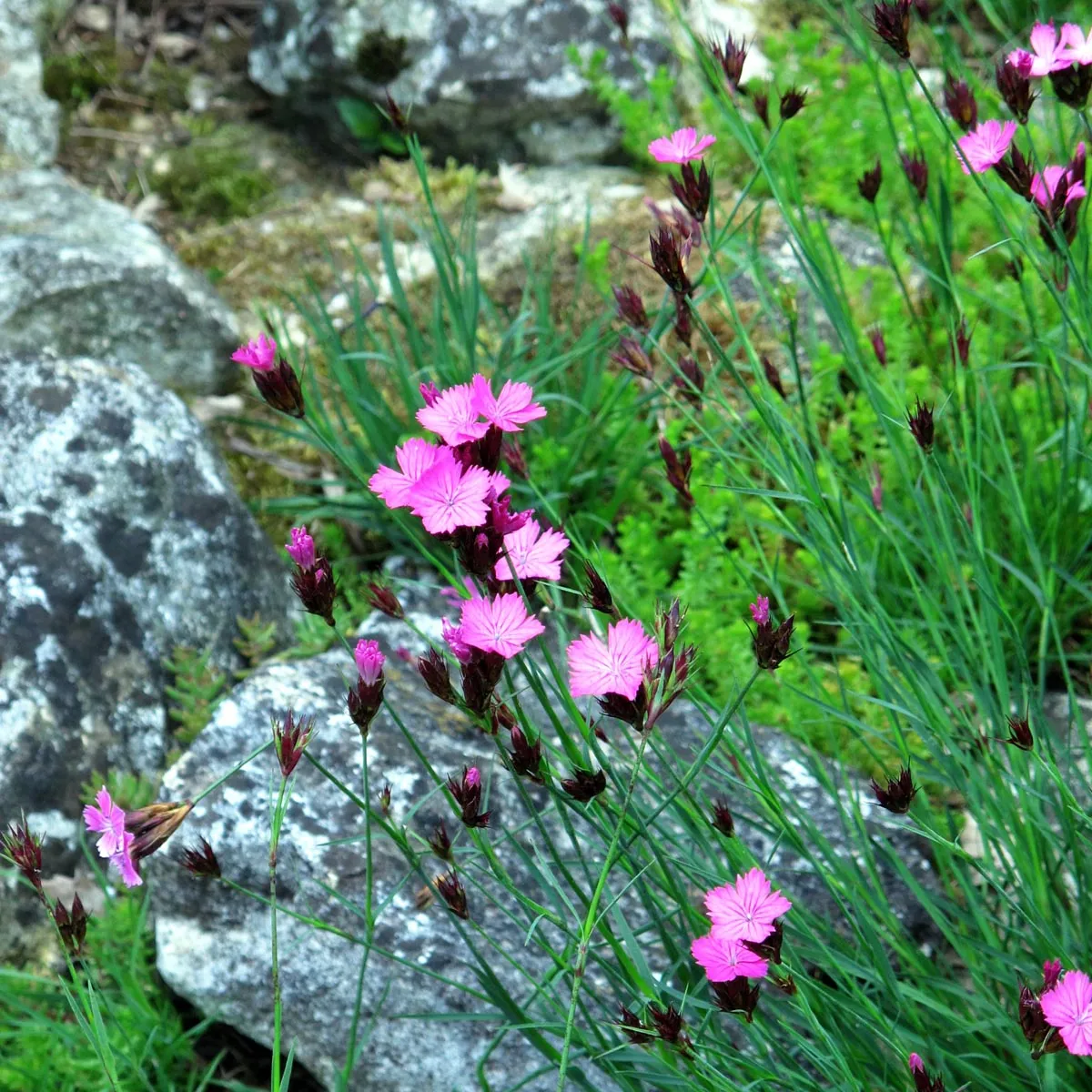
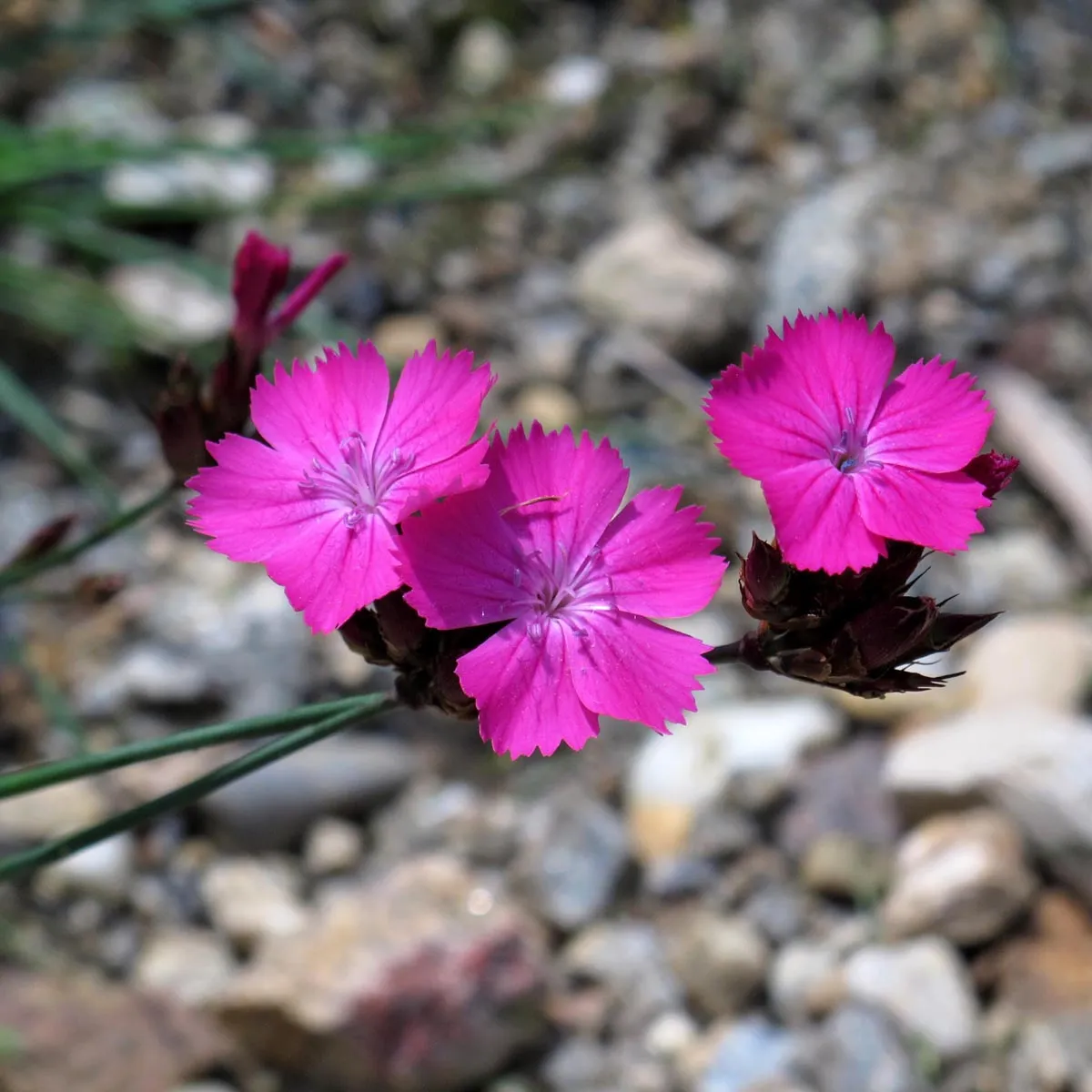
4. Sweet William (Dianthus barbatus)
A classic from grandmother's garden, its colourful, fragrant flower heads appear in the second year and look particularly good in naturalistic flower beds or as a cut flower.
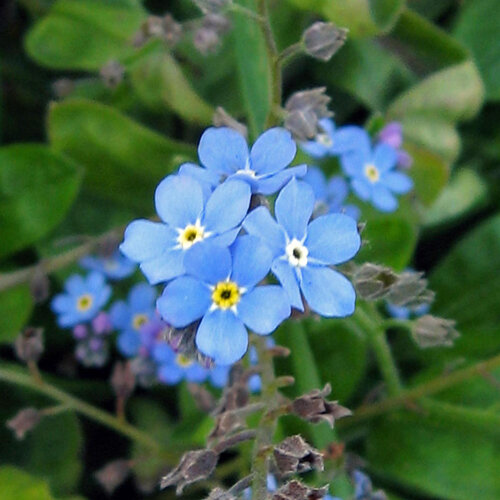
5. Forget-me-not (Myosotis sylvatica)
Delicate, touching and full of symbolism. The sky-blue flowers of this garden icon are a quiet highlight, especially in spring, and a magnet for insects.
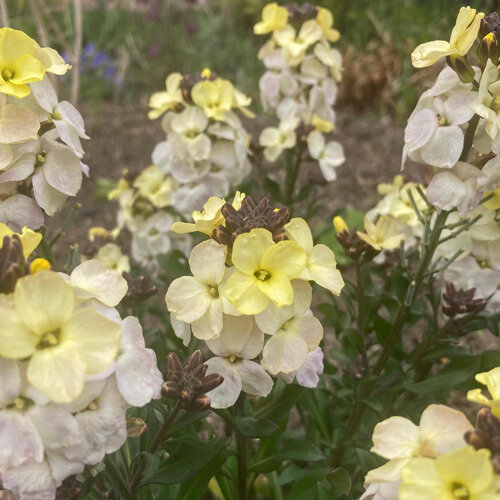
6. Wallflower (Erysimum cheiri)
With its warm play of colour from yellow through orange to purple, the wallflower brings early radiance to your garden. Its scent is pleasantly spicy, almost nostalgic, and recalls old monastery gardens.
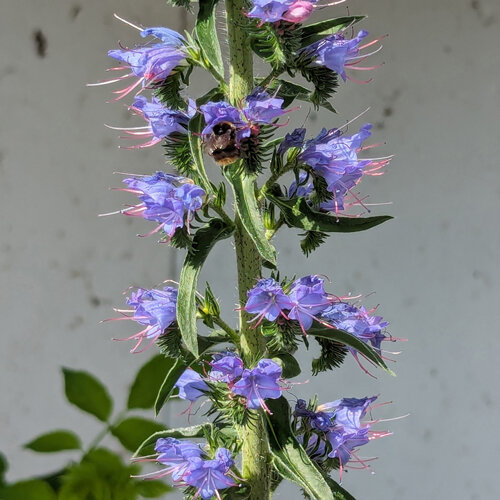
7. Viper's bugloss (Echium vulgare)
A real insect paradise: viper's bugloss blooms in brilliant blue and magically attracts wild bees, bumblebees and butterflies. Its extraordinary shape and colour make it a highlight in naturalistic or wild areas of the garden.
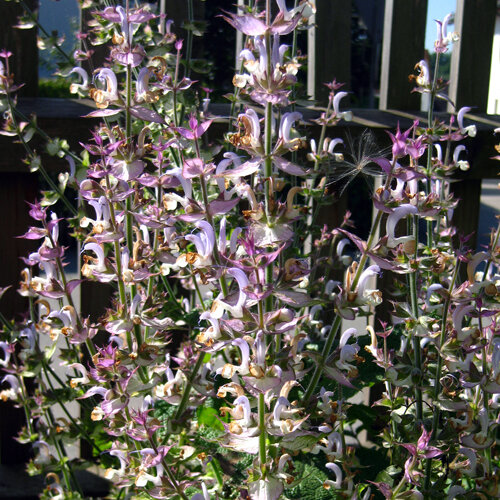
8. Clary sage (Salvia sclarea)
This aromatic beauty unfolds impressive flower spikes in delicate pink to lavender blue in the second year. It is a real eye-catcher in the herbaceous border and at the same time a valuable bee plant, with a touch of Mediterranean flair.
Design your garden with foresight
Biennial plants bring structure and depth to your garden. Their "delayed bloom" combines wonderfully with annual or perennial species. While others are already fading, they are only just getting going. And if you like things especially natural, let them self-seed, creating a self-renewing garden picture that looks a little different every year.
And quite incidentally, your garden teaches you to be patient and to think in cycles, a principle that often does us humans good.