Cutting Back Perennials for Rebloom: For a Second Bloom in the Natural Garden
Gardening Knowledge
Have you ever seen some perennials come into full bloom a second time after being cut back in summer? This little garden miracle is made possible by the so-called repeat-flowering cut, a simple but effective care measure that keeps your garden blooming well into autumn.
Table of contents
- What does “remontant” actually mean?
- How the repeat-flowering cut works
- Which plants benefit from the repeat-flowering cut?
- Encourage or avoid self-seeding?
- A sustainable garden rhythm
- Now it's your turn!
What does “remontant” actually mean?
The term comes from the French remonter, which means something like “to rise again”. It was originally used for repeat-flowering roses, but many of our beloved perennials show similar behaviour: they flower a second time after a targeted cut back in summer.
How the repeat-flowering cut works
After the first flowering, usually in June or July, you cut the plant back hard, often down to a third of its height. In doing so you remove:
- wilted flower heads,
- yellowed or damaged leaves,
- woody or weak shoots.
This cut encourages the plant to produce new shoots and flowers. It is best to cut on a dry day, so that the cut surfaces dry well and no diseases get in.
Care tip: Give the plant a feed after cutting, for example diluted nettle feed or garden compost, and keep the soil lightly moist. This gives it the strength it needs for the second flowering.
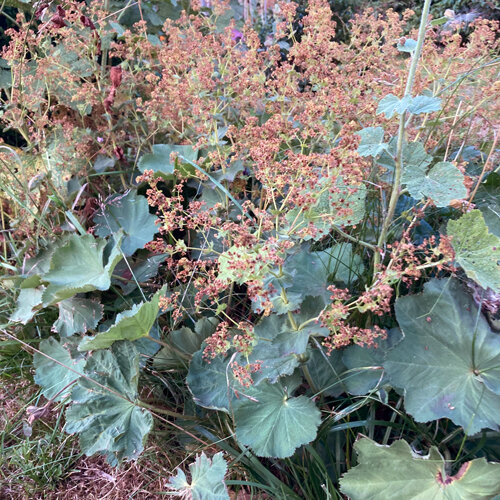
Before: Spent lady's mantle
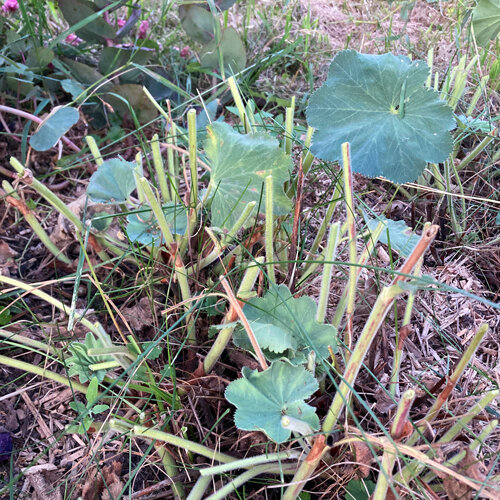
After: Lady's mantle after cutting back
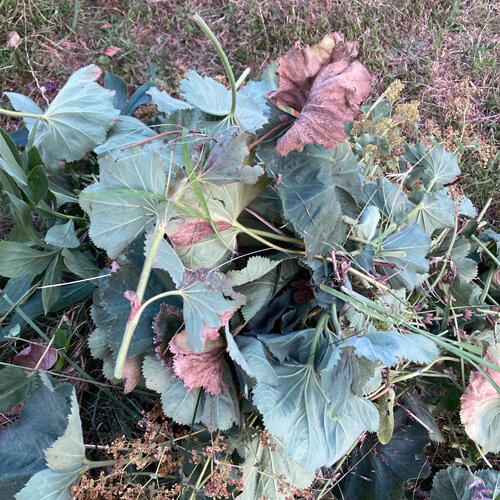
The cuttings are suitable as mulch material.
Which plants benefit from the repeat-flowering cut?
Many perennials and some summer flowers reward a targeted cut back with a second flowering period. Here is an overview:
| Plant | Latin name | Notes |
|---|---|---|
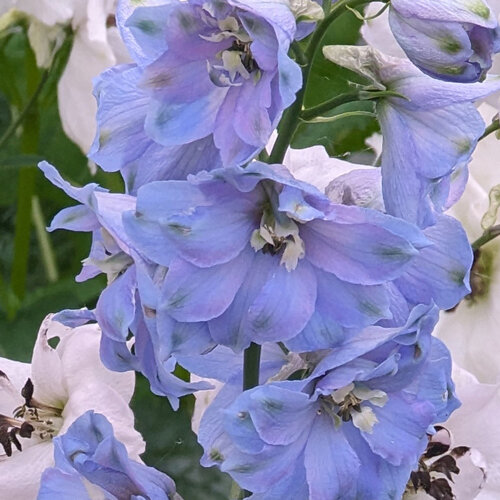
| Delphinium | Delphinium | Cut back straight after the first flowering |
| Cranesbill | Geranium | Tolerates cutting very well |
| Lady's mantle | Alchemilla mollis | Promotes bushy new growth |
| Catmint | Nepeta faassenii | Attracts bees and reblooms well |
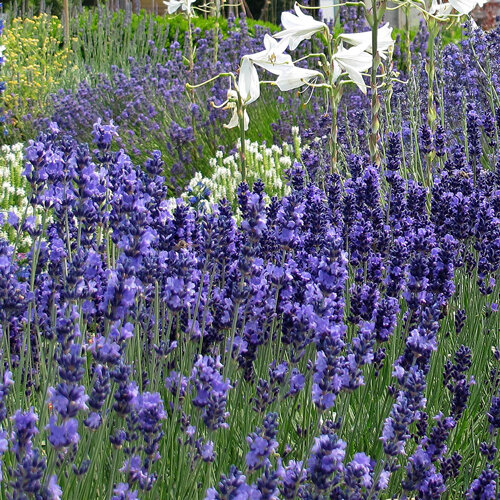
| Lavender | Lavandula angustifolia | A light cut back keeps its shape |
| Lupin | Lupinus polyphyllus | New side flowers after cutting back |
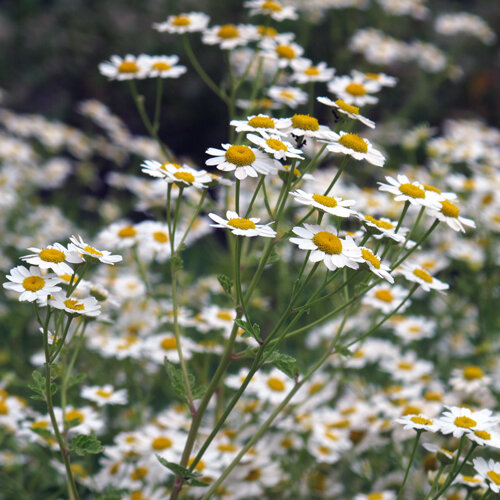
| Ox-eye daisy | Leucanthemum vulgare | Cutting back gives compact growth |
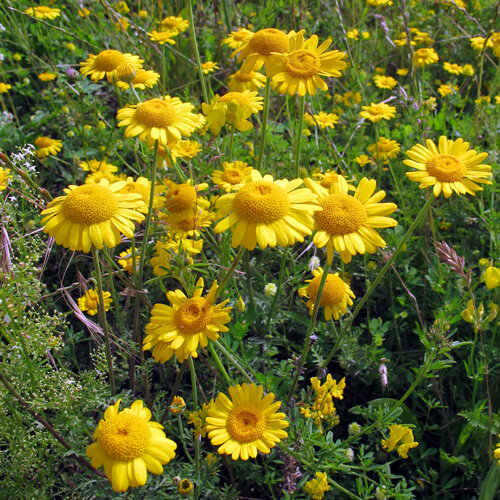
| False sunflower | Heliopsis helianthoides | Hard cut back for a second flowering |
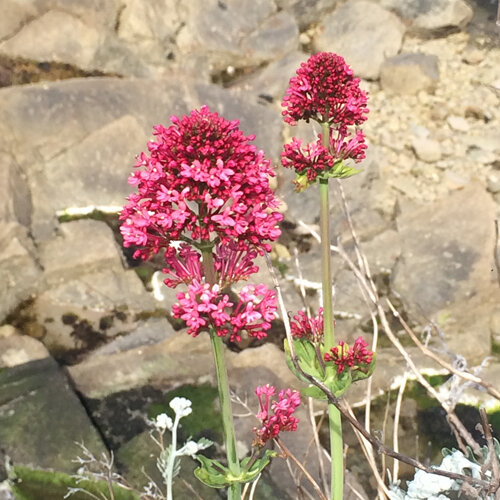
| Red valerian | Centranthus ruber | Flowers almost tirelessly |
| Fernleaf yarrow | Achillea filipendulina | New buds in late summer |
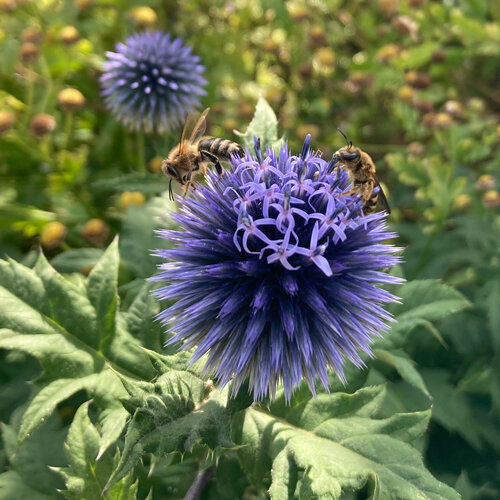
| Globe thistle | Echinops ritro | Attracts wild bees, even in autumn |
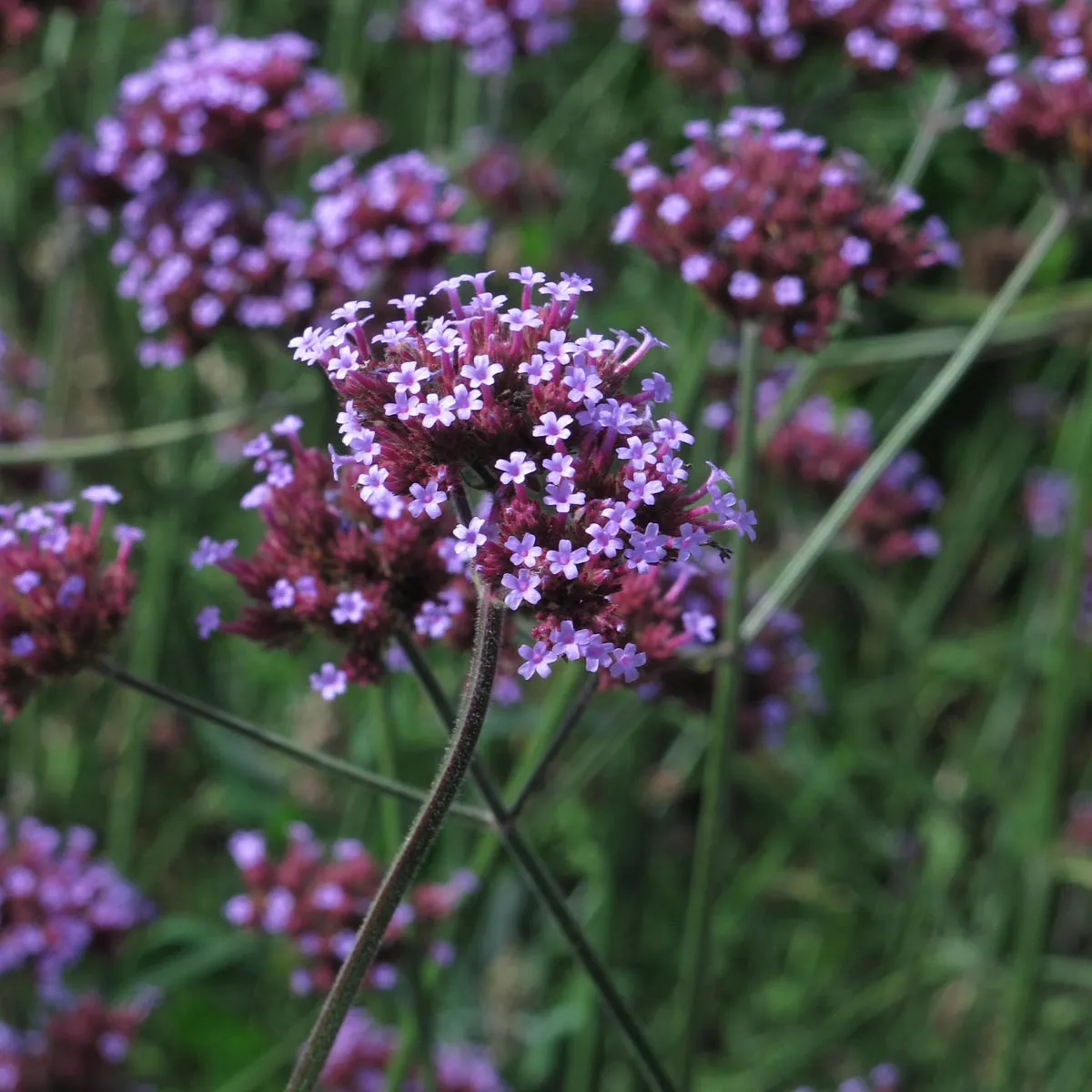
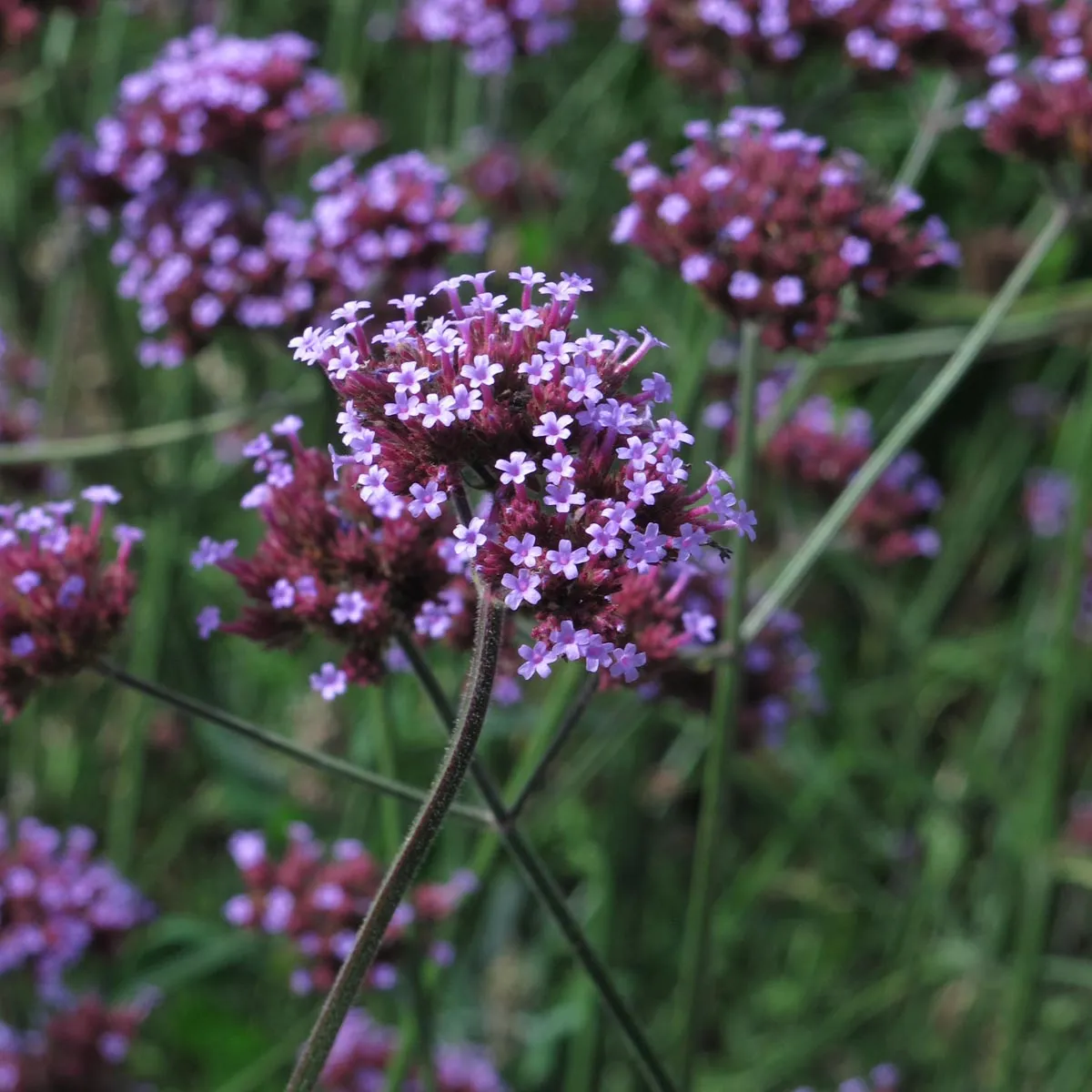
| Vervain | Verbena bonariensis | Flowers until October |
Tip: Summer annuals such as pot marigolds, zinnias or cosmos also flower much longer if you regularly remove spent flowers, even though technically this is not a repeat-flowering cut.
Encourage or avoid self-seeding?
The repeat-flowering cut has another effect: it prevents uncontrolled self-seeding, which is particularly helpful in small gardens to avoid overgrowth.
But: you can also deliberately use it to encourage self-seeding, in the spirit of a wildlife garden! Instead of removing or composting the wilted flower heads, you can simply leave them on the bed as mulch material. That way the seeds germinate right where the plant grew, in complete harmony with nature's cycles.
In wild and natural gardens, unplanned self-seeding is even explicitly welcome, because it brings diversity, surprises and a natural dynamic to the bed.
A sustainable garden rhythm
The repeat-flowering cut is a loving intervention in the natural course of the year, very much in the spirit of mindful, ecological gardening. It combines gardening knowledge with the joy of observing, nurturing and accompanying a plant's life cycle.
At Magic Garden Seeds we believe in exactly this connection: a garden that works with nature, not against it. That also means that everyone may decide for themselves how controlled or wild things should be in the bed.
🌱 Now it's your turn!
Perennials Fancy trying it yourself?
In our online shop you will find many long-lived, open-pollinated perennials that respond superbly to the repeat-flowering cut, which makes them particularly easy to care for and free-flowering.