North, South, East or West-Facing Balcony? How to Find the Right Plants for Your Spot
Gardening Knowledge
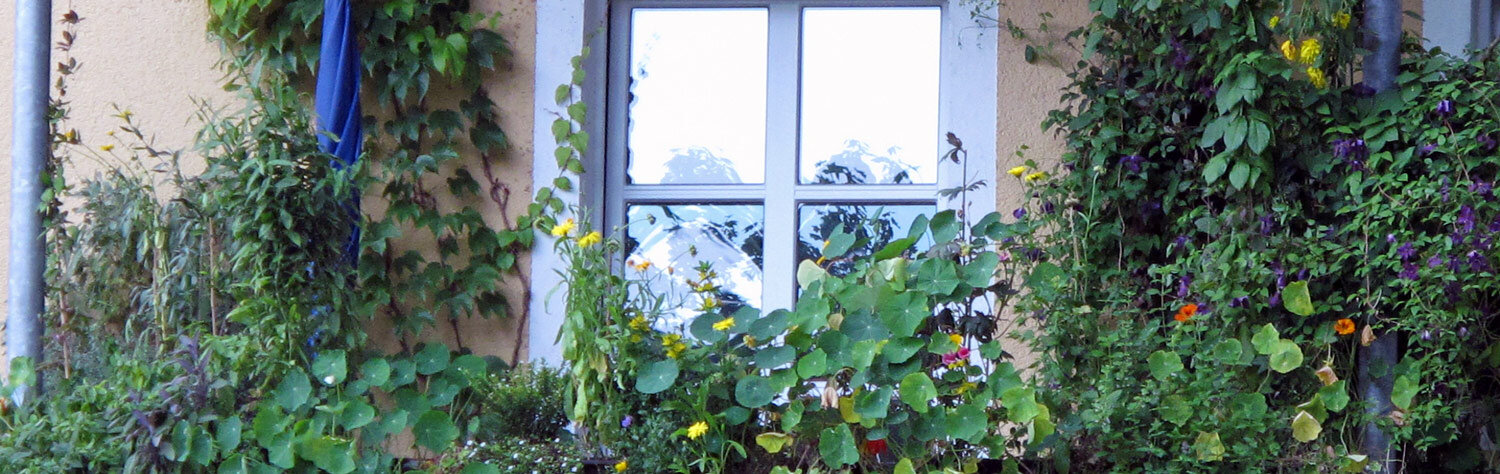
Not every balcony is the same. Some bathe in the sun all day, others stay cool and shady. And that is exactly where the gift lies, not a problem.
Because once you understand how your balcony “ticks”, gardening suddenly becomes easy. Successful. And truly fulfilling. Many disappointments in the balcony garden happen not because someone lacks green fingers, but because the plants and the spot do not match. That is why today we are taking a calm look at the four compass directions and discovering what thrives in each of them.
Between asphalt and sky, every aspect has its own magic.
Contents
- 1. The basics: light is the key
- 2. The south-facing balcony: pure sun & Mediterranean variety
- 3. West-facing balcony: warm evening sun
- 4. East-facing balcony: gentle morning sun
- 5. The north-facing balcony: shade with potential
- 6. Overview: which balcony suits which plants?
- 7. Special case: mixed aspects & urban climate
- 8. Common mistakes when planting a balcony
- 9. Your balcony is not a compromise

1. The basics: light is the key
Before we get specific, here is a short overview of the most important points.
How much sun does a plant need?
- Full sun: 6 to 8 hours of direct sun a day
- Partial shade: 3 to 5 hours of direct sun
- Shade: less than 3 hours of direct sun
It is not only the duration that matters, but also the time of day. Afternoon sun is more intense than morning sun. And house walls store additional heat, especially in the city.
Wind, heat and evaporation also affect how comfortable your plants feel. In high summer, a south-facing balcony can develop a Mediterranean climate, while a north-facing balcony is more reminiscent of a light woodland edge. And that is exactly what we make use of.
2. The south-facing balcony: pure sun & Mediterranean variety
High-summer feeling reigns here. Heat, plenty of light and dry spells are completely normal.
Typical conditions
- 6 to 10 hours of direct sun
- intense heat in high summer
- high evaporation
- soil dries out quickly
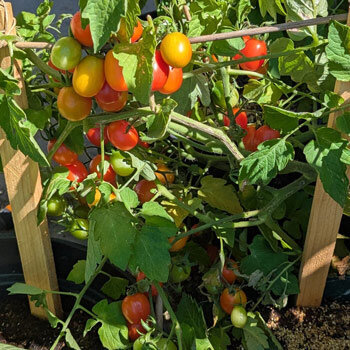
Vegetables
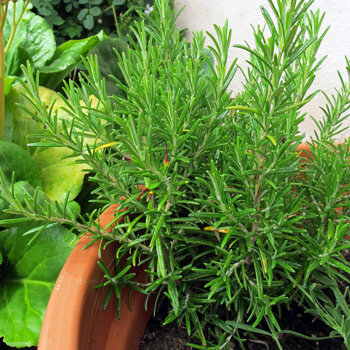
Herbs
- Rosemary: robust, drought-tolerant, ideal for hot spots.
- Thyme: smells wonderful, stays compact and is a favourite with insects.
- Oregano: heat-resistant, easy-care and wonderfully aromatic.
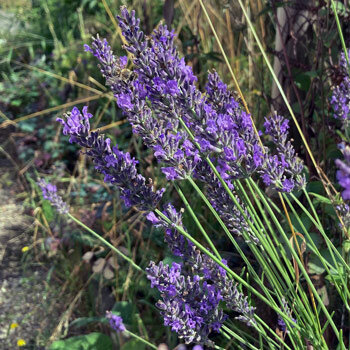
Flowers
- Lavender : Mediterranean flair, drought-resistant and beautiful.
- Nasturtium: edible, climbing and colourful (also ideal for railings).
- Pot marigold: easy, cheerfully bright and useful in a mixed bed.
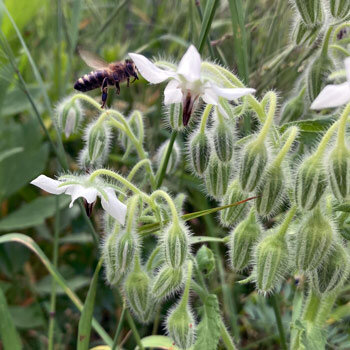
Pollinator plants
- Borage: one of the best bee magnets, flowers abundantly and for a long time.
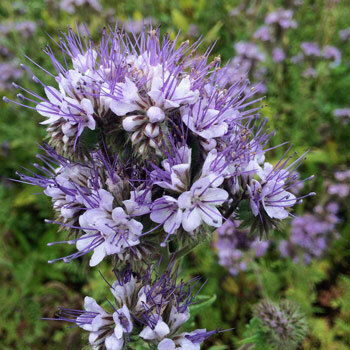
- Phacelia (bee's friend): provides plenty of nectar and is a visual highlight.
- Cornflower: valuable for wild bees and a true “urban meadow” classic.
Important to note
- Choose large pots (from approx. 10 to 20 L, depending on the plant), as they dry out much more slowly.
- Mulch the surface (e.g. with grass clippings, straw or chopped plant material) to keep the soil cool.
- It is best to water in the morning (in heat, in the evening as well) and thoroughly rather than just “a little”.
- Feed regularly, as many sun-loving plants are heavy feeders and need a top-up in a pot.
A south-facing balcony is a paradise, if you balance heat and water well.
3. West-facing balcony: warm evening sun
It gets hot in the afternoon: west-facing spots are perfect for many sun-loving plants, but need good water management.
Typical conditions
- intense afternoon and evening sun
- high heat load in high summer
- good heat storage
West-facing balconies are wonderful for heat-loving plants, but be careful in extreme heat. It can help here to place more delicate plants somewhat more sheltered or to plant them in companion planting, so that they shade each other.
Vegetables
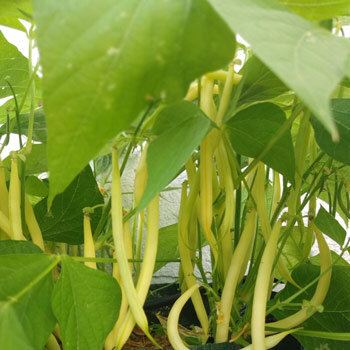
- Bush beans: warmth-loving, reliable and ideal for containers.
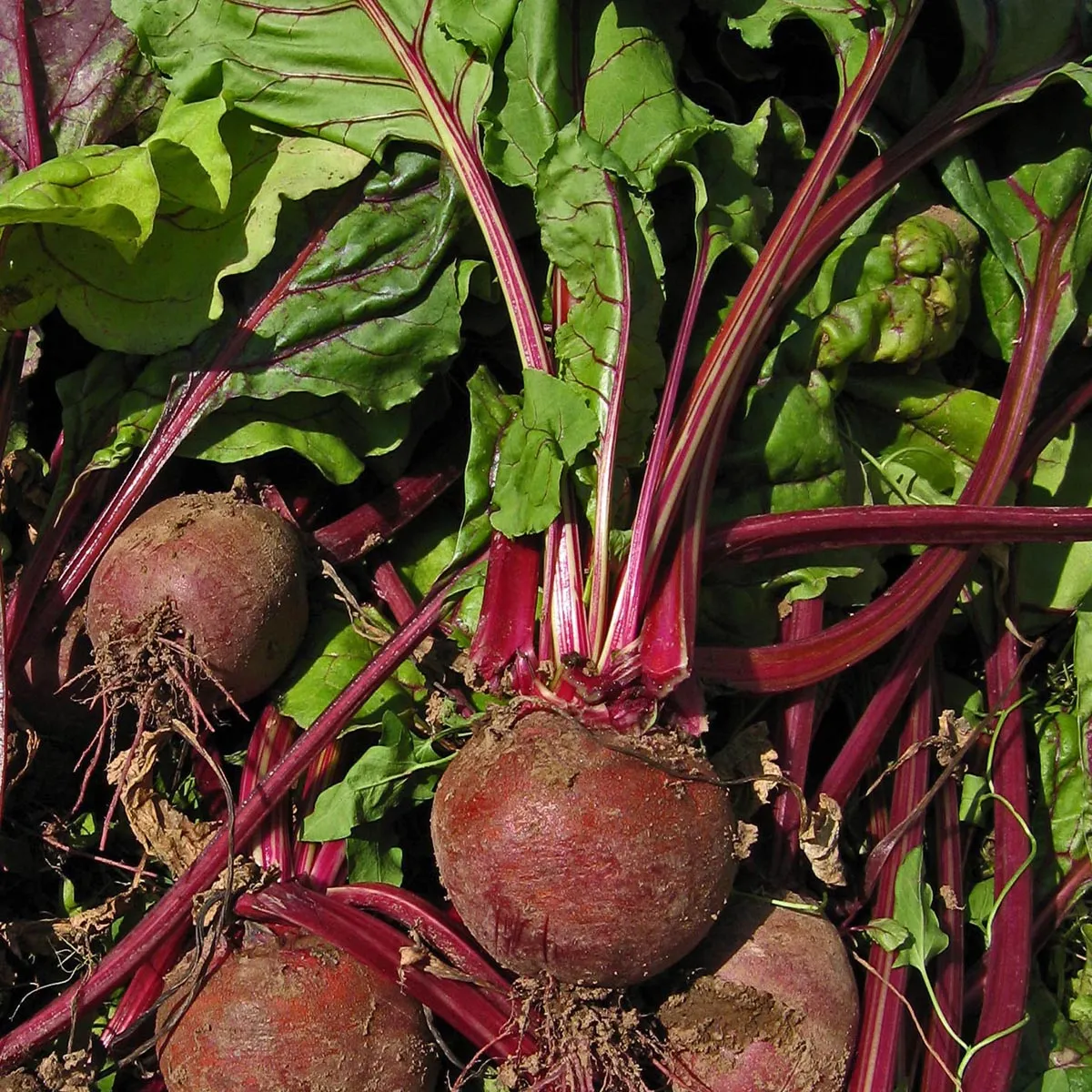
- Chard: robust, decorative and can be harvested again and again.
- Snack peppers: compact, sun-loving and great for nibbling.
Herbs

Flowers
Pollinator plants
- Coneflower (Echinacea): valuable for pollinators and very heat-tolerant.
- Sweet alyssum: flowers for a long time and attracts many insects.
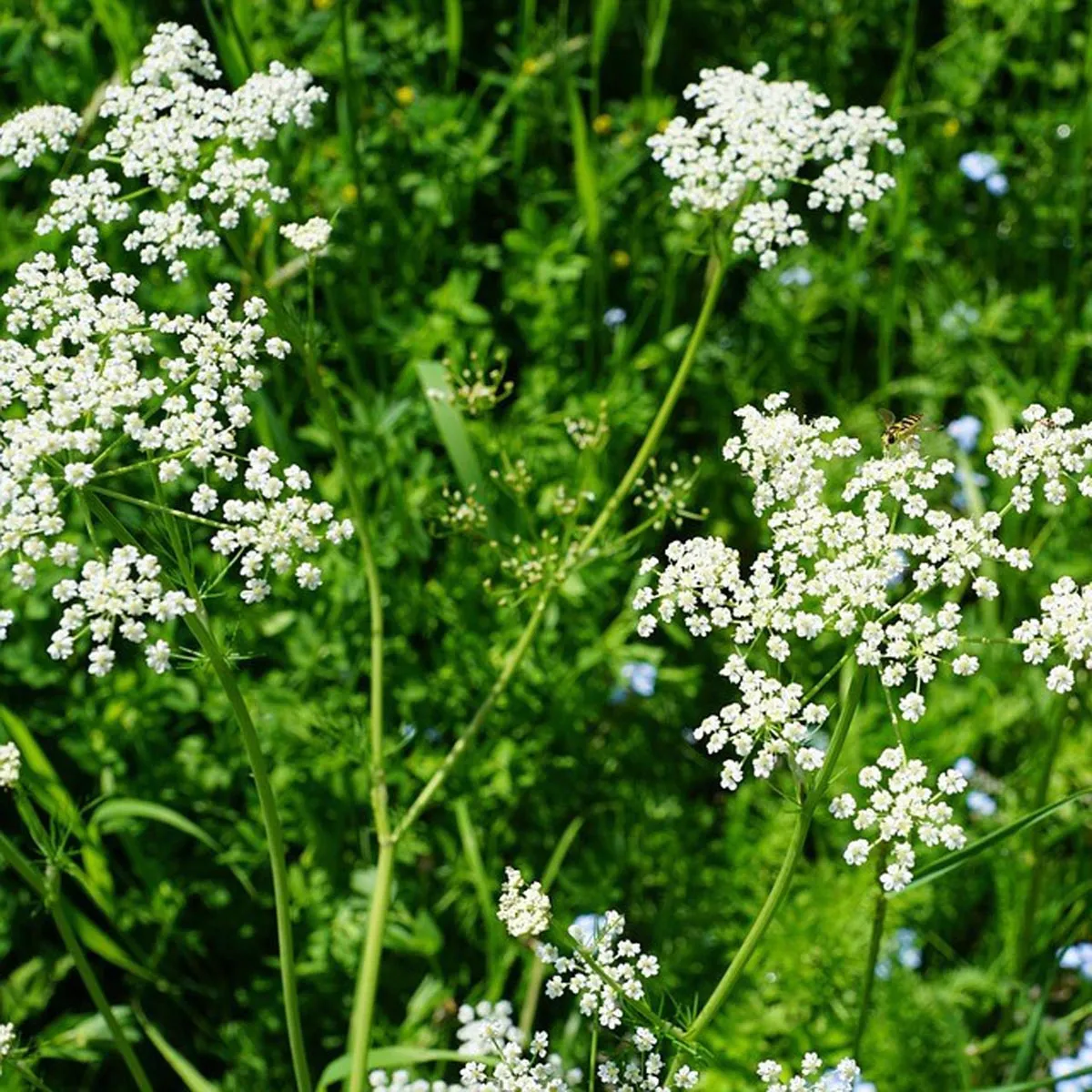
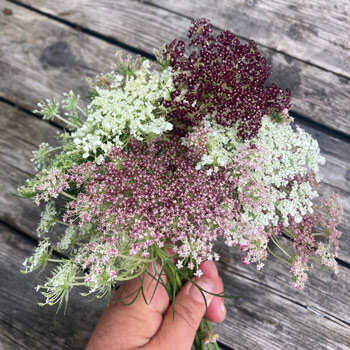
- Wild carrot (possible in a pot): attracts beneficial insects and looks wonderfully “wild”.
Important to note
- Expect intense afternoon heat: place more delicate plants somewhat more sheltered or give them shade from their neighbours.
- On hot days, water early in the morning and check in the late afternoon whether individual pots are getting thirsty.
- Use larger containers and feel free to group pots together, as this reduces evaporation and creates a milder microclimate.
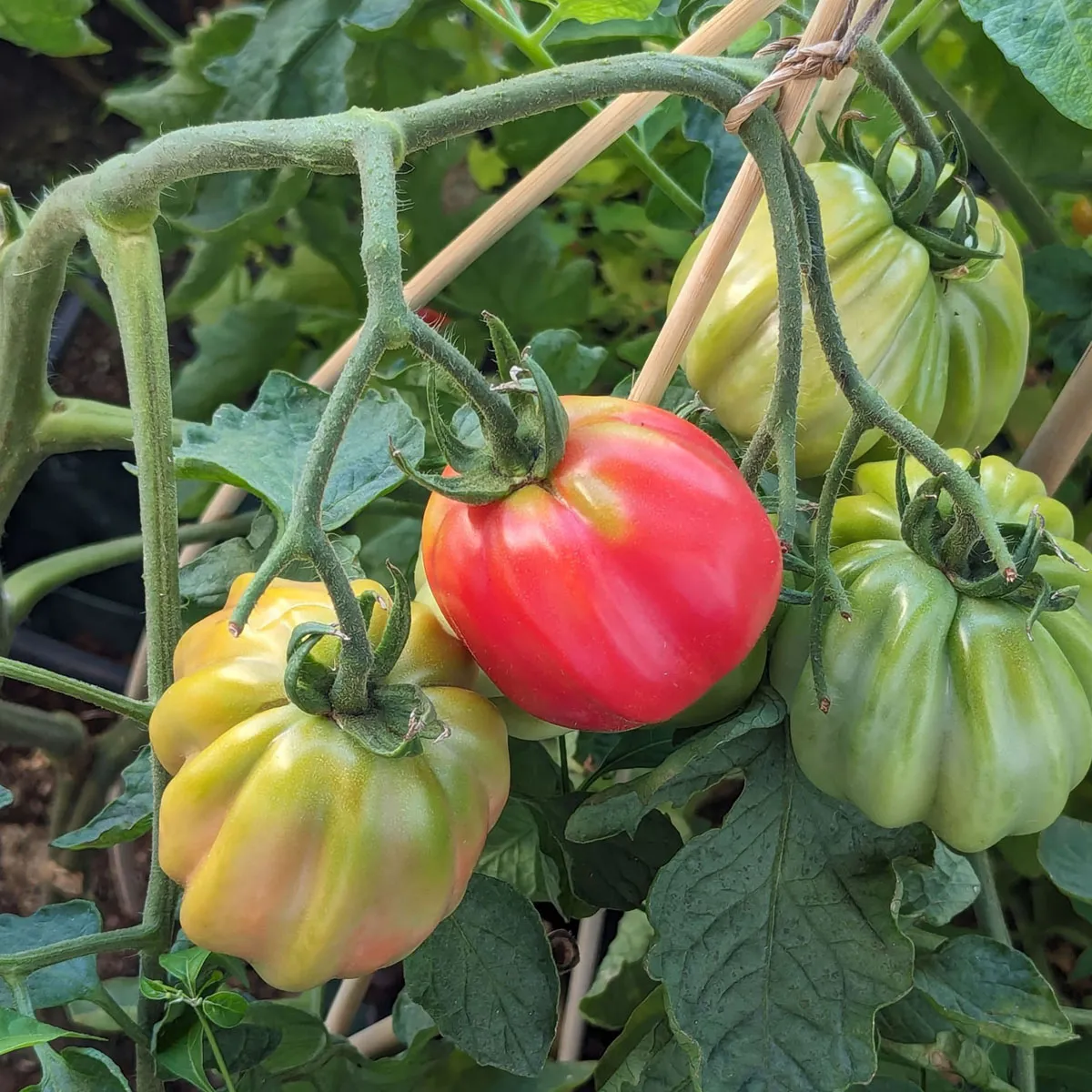
- Watch out for wind and secure tall plants (e.g. tomatoes) with stakes or small climbing aids.
The west-facing balcony delivers plenty of warmth, and with clever watering it becomes a golden evening-sun oasis.
4. East-facing balcony: gentle morning sun
Mild light without heat stress: east-facing spots are true all-rounders, as they offer almost ideal conditions for many vegetable and herb species.
Typical conditions
- morning sun
- mild, balanced climate
- less heat stress
Plants here often grow evenly and without stress. Water demand is moderate and evaporation is lower than with a south or west aspect. If you want to grow a wide variety, the east-facing balcony is a real all-rounder.

Vegetables
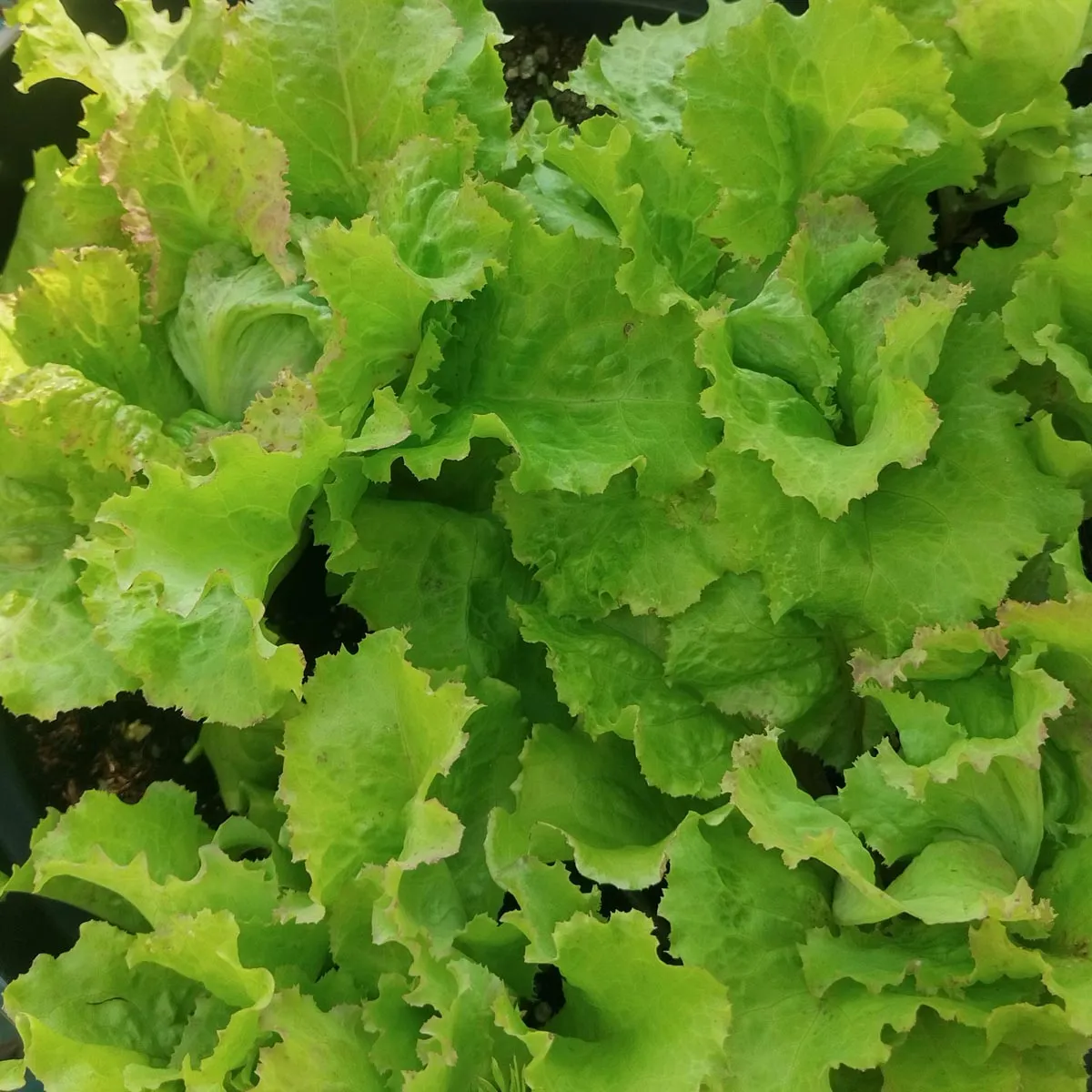
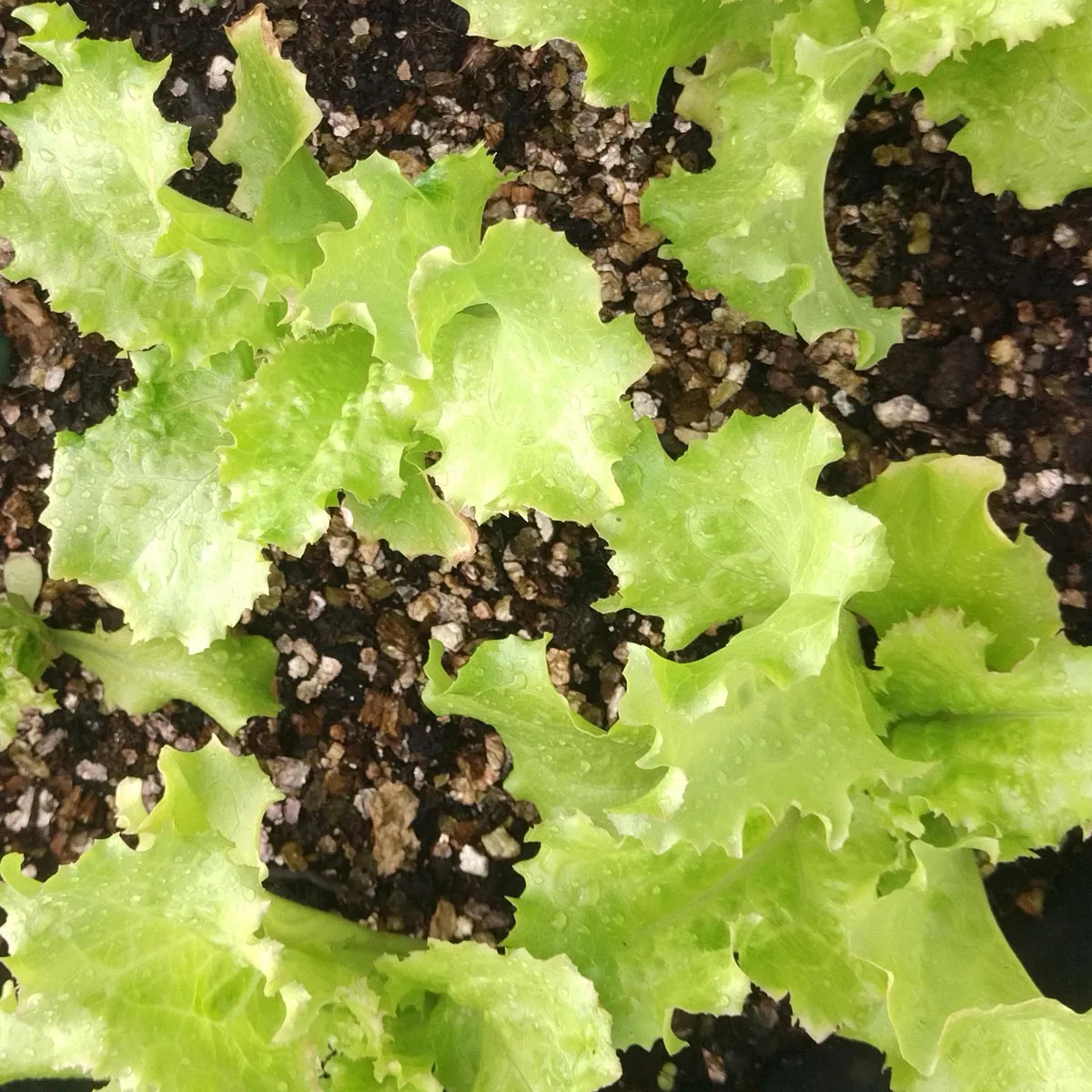
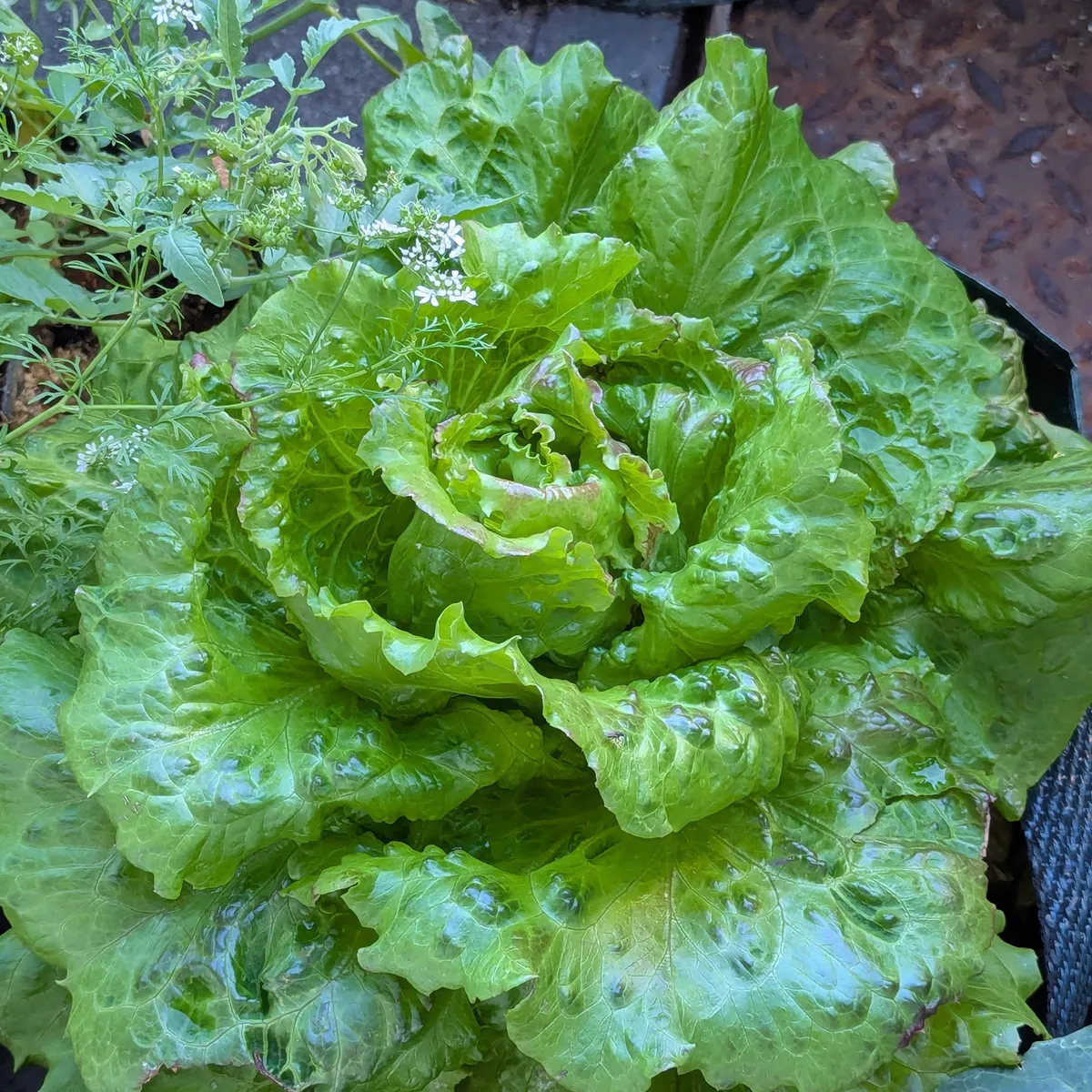
- Loose-leaf lettuce: grows tender and can be harvested over weeks.
- Radishes: quick, easy and perfect for beginners.
- Mangetout/peas: love cool mornings and like to climb up a trellis.
Herbs
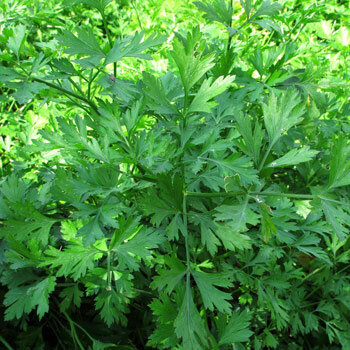
- Parsley: feels particularly at home in (partial) shade.
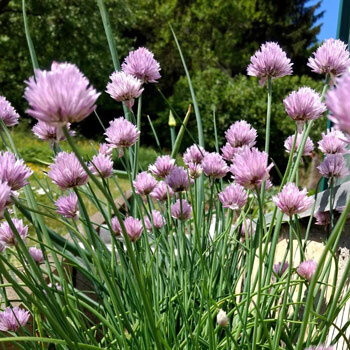
- Chives: robust, perennial and a classic for window boxes.
- Dill: light, feathery and wonderful for insects.
Flowers
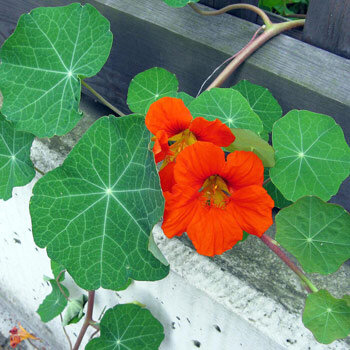
- Nasturtium: edible, cheerful and free-flowering even without full sun.
- Love-in-a-mist: delicate, enchanting and great in naturalistic plantings.
- Cornflower: brings a meadow feel to the balcony and flowers for a long time.
Important to note
- The morning sun is gentle: ideal for companion planting, so combine leafy vegetables, herbs and flowering plants for a stable mini ecosystem.
- It is best to water in the late morning, so that the soil stays evenly moist during the day without going into the night “wet” in the evening.
- In cold spells in spring, watch out for protection (fleece, moving plants closer to the house wall), especially for young plants.
- Harvest regularly (e.g. loose-leaf lettuce, herbs), as this encourages new growth and keeps the plants vital.
The east-facing balcony is a friendly all-rounder, and with a little observation almost everything grows here in a relaxed way.
5. The north-facing balcony: shade with potential
A north-facing balcony gets little or no direct sun. Many people immediately think: “Nothing will grow here.” But that is not true.
Typical conditions
- shady to partially shaded
- cooler temperatures
- slower evaporation
- longer-lasting soil moisture
A calm, fresh, almost woodland-like atmosphere develops here. The yield may be somewhat lower, but in return many things stay tender and aromatic for longer.
What does not work well here: tomatoes or Mediterranean herbs. What does thrive superbly: anything that produces foliage.
Vegetables
- Spinach: grows reliably even with little sun and stays nicely tender.
- Lamb's lettuce: ideal for shady spots and often possible right into autumn.
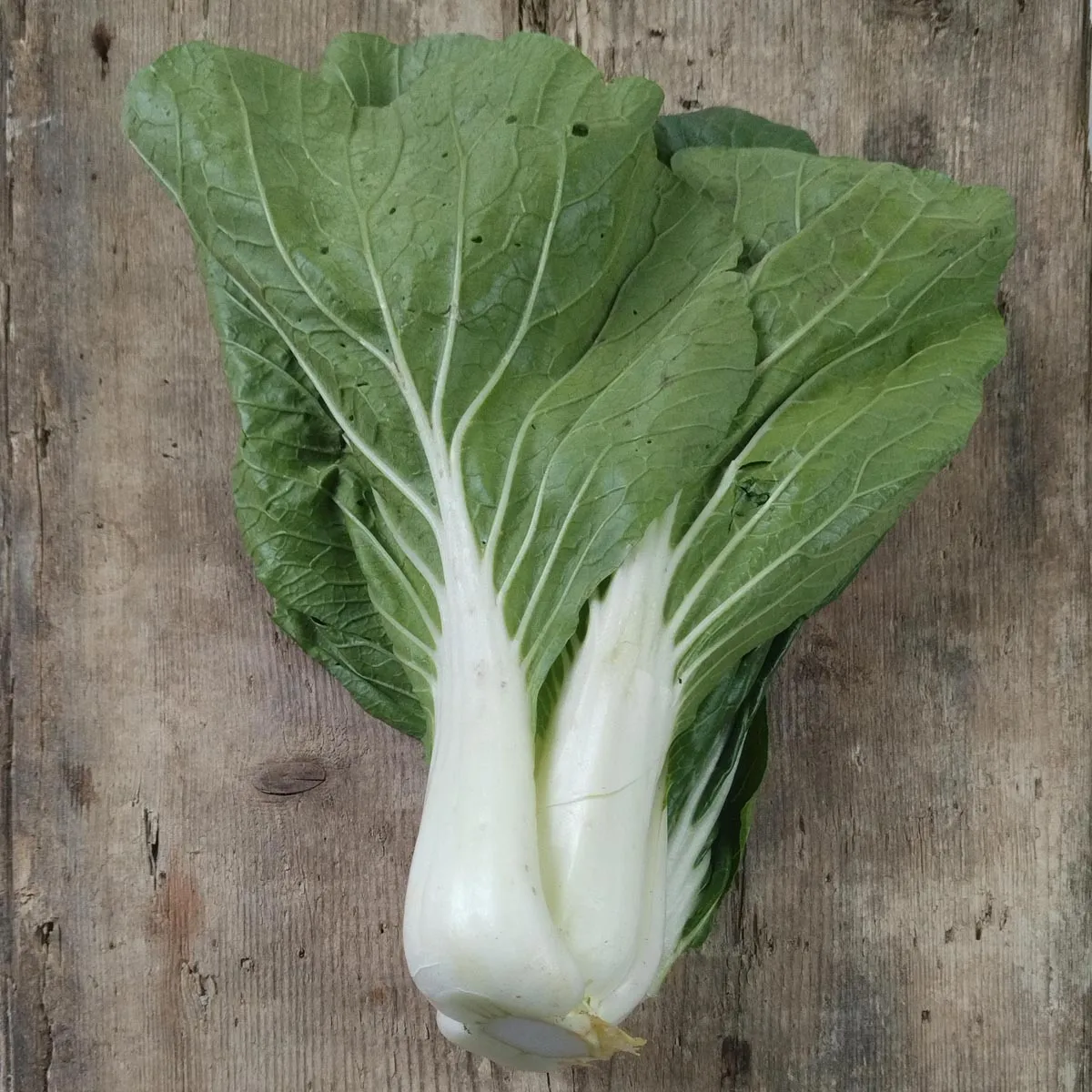
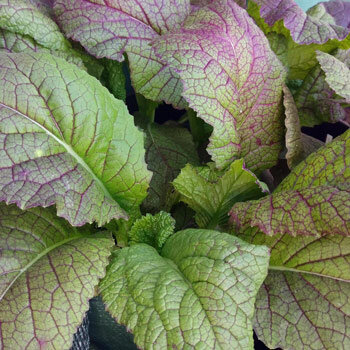
- Asian salad greens: shade-tolerant, fast-growing and aromatic.
Herbs
- Mint: loves partially shaded conditions (best in its own pot, as it is very vigorous).
- Lemon balm: robust, fragrant and easy.
- Chives: cope well even without full sun.
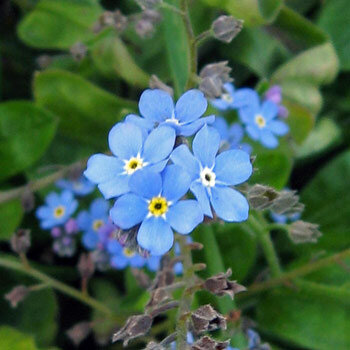
Flowers
- Forget-me-not: delicate, shade-loving and wonderfully romantic.
- Busy Lizzie: flowers reliably even without direct sun.
- Begonia: rewarding, colourful and ideal for shady corners.
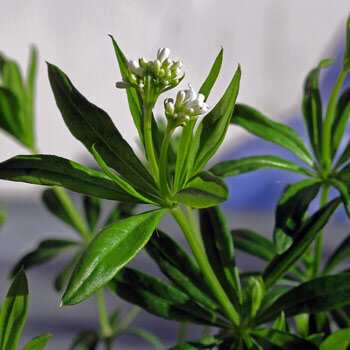
Pollinator plants
- Dead-nettle: one of the best “shade bee plants”.
- Ground ivy: ground-covering, early-flowering and useful for insects.
- Sweet woodruff: flowers in spring and brings the scent of the woods to the balcony.
Important to note
- Choose leafy vegetables and herbs: fruiting vegetables usually need more sun, whereas salads and herbs often stay particularly tender here.
- Water moderately: less evaporates in the shade, and waterlogging is the most common stumbling block.
- Ensure good drainage (drainage holes, expanded clay pebbles/gravel at the bottom) so that the roots do not “stand in water”.
- Keep an eye out for slugs and fungal infestation, as cool, damp corners are especially to their liking.
The north-facing balcony is quiet wilderness: less sun, but plenty of freshness and perfect conditions for greenery and aroma.
6. Overview: which balcony suits which plants?
| Balcony aspect | Light conditions | Typical conditions | Well suited to | Pollinator plants |
|---|---|---|---|---|
| South-facing balcony | full sun 6 to 10 hours a day | warm, dry, high evaporation | tomatoes, peppers, chilli, rosemary, thyme, lavender | borage, pot marigold, phacelia |
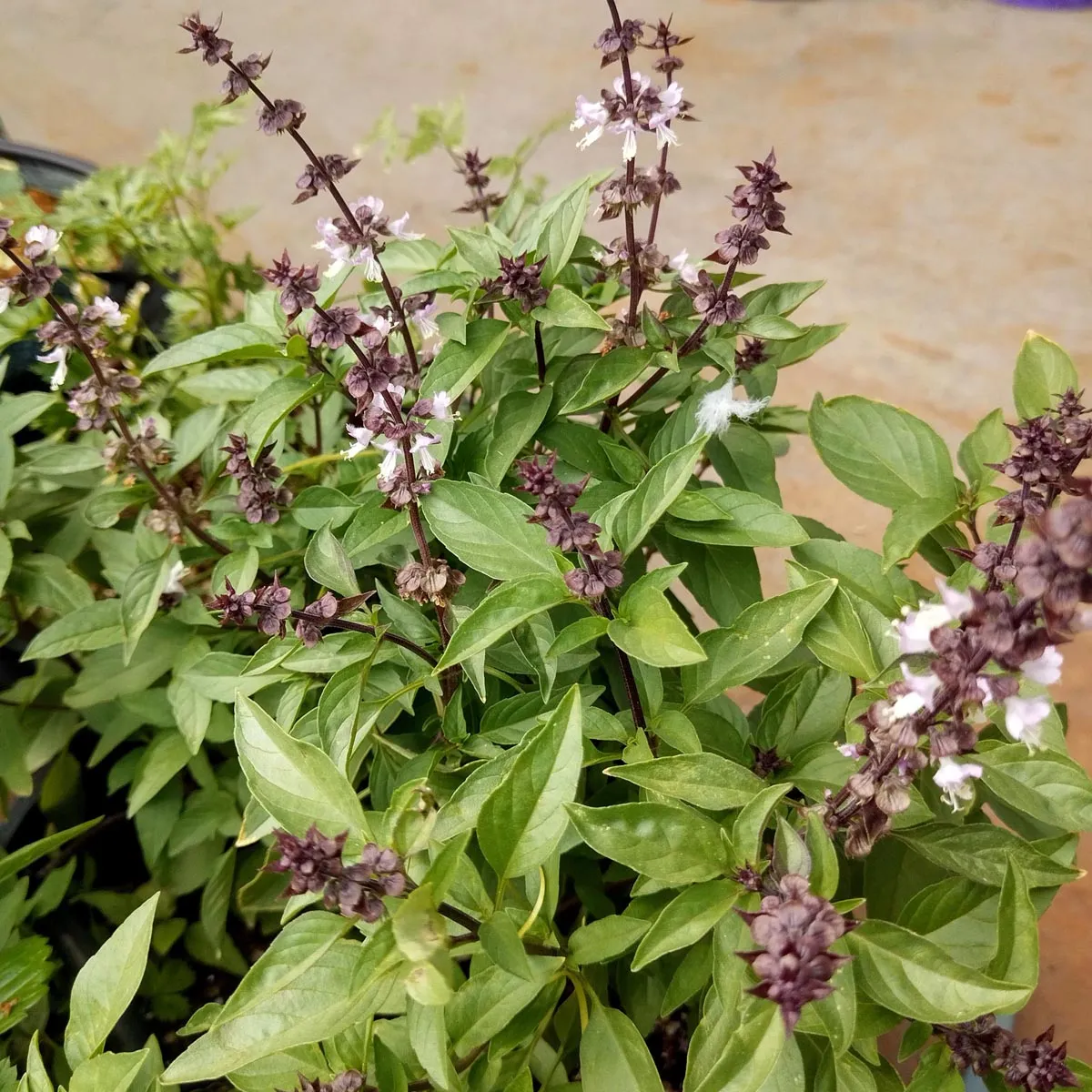
| West-facing balcony | afternoon and evening sun | warm to hot, lots of stored heat | bush beans, chard, basil, strawberries | coneflower, sweet alyssum, cosmos |
| East-facing balcony | morning sun | mild climate, little heat stress | salads, radishes, parsley, chives | dill, cornflower, nasturtium |
| North-facing balcony | shady to partially shaded | cool, even moisture | spinach, lamb's lettuce, mint, lemon balm | dead-nettle, sweet woodruff, ground ivy |
7. Special case: mixed aspects & urban climate
Many balconies do not face exactly one compass direction. South-west, for example, means: a lot of heat. North-east, on the other hand: cool with morning sun.
On top of that comes the urban climate: concrete stores heat, inner courtyards are sheltered from the wind, and higher floors get more wind. That is why the rule is: observe your balcony, not just once, but over a few days. Nature shows you what is possible.
8. Common mistakes when planting a balcony
- Pots that are too small → plants dry out faster
- Wrong choice of location → e.g. tomatoes in full shade
- Too many plants in a tight space
- Water management underestimated
- No regular nutrient supply
With a little attention, all of these points are easy to avoid.
Your balcony is not a compromise
Whether north, south, east or west, every aspect has its own character. And that is exactly what makes urban gardening so exciting.
A shady balcony is not a disadvantage. A hot south-facing balcony is not a problem. It is not about working against the conditions, but with them. If you choose your plants to suit, a little oasis almost arises by itself.
An urban wilderness that belongs to your balcony like the sky above you.
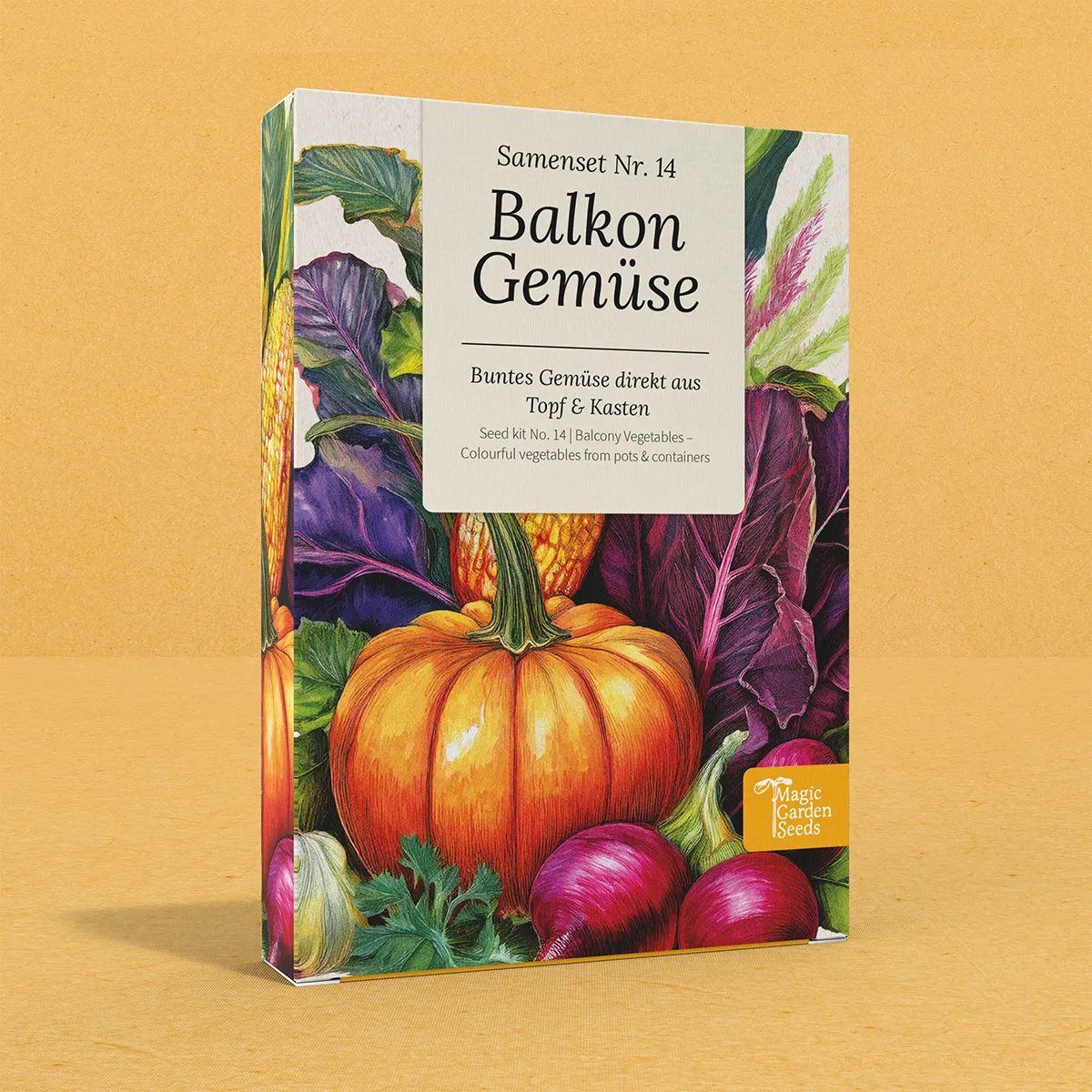
Vegetables that grow in pots
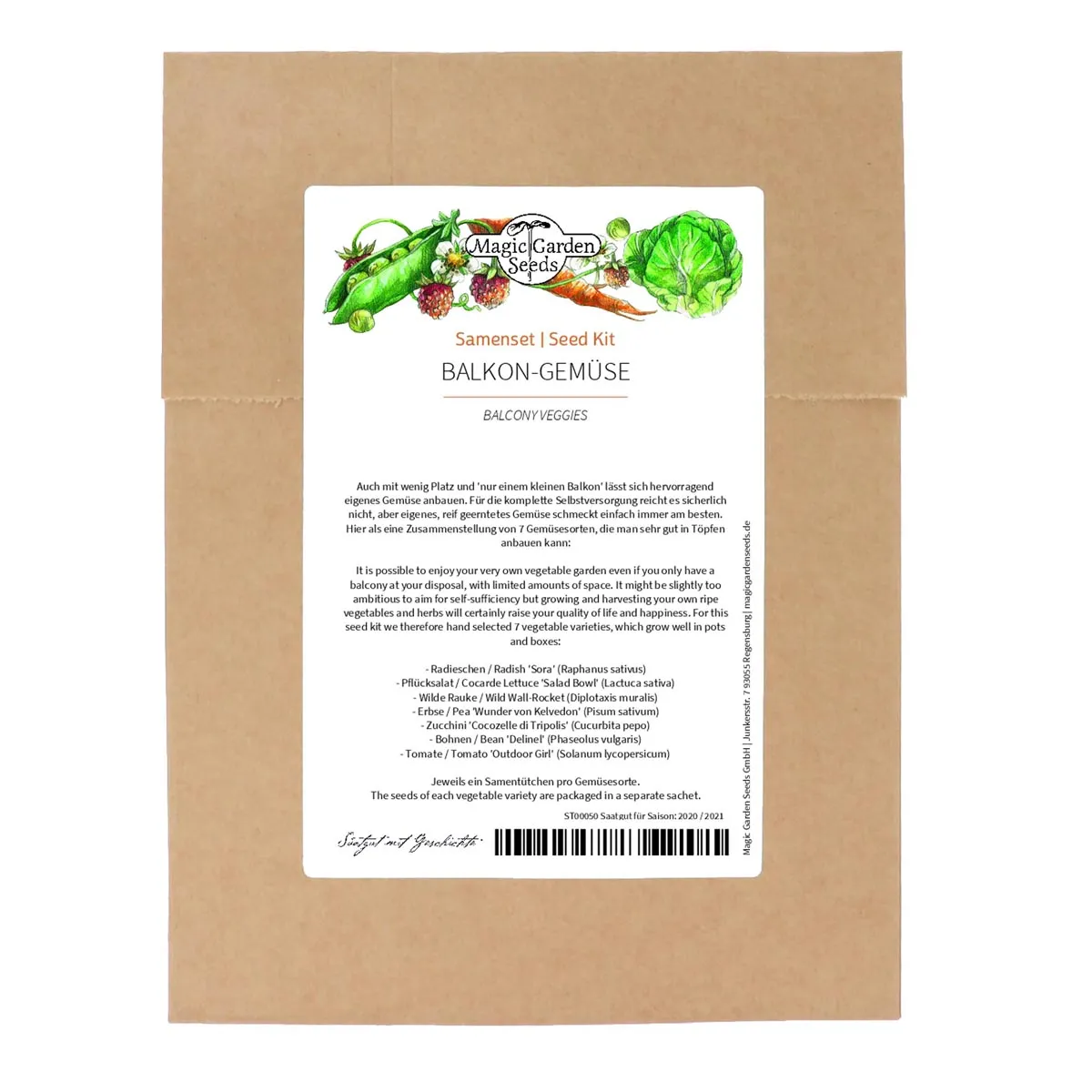
Seeds for balcony vegetable varietiesRelated products