
Pot Marigold Seeds (Calendula officinalis) - more than just a summer flower
Pot marigolds (Calendula officinalis) are classic annual garden flowers with remarkably versatile qualities. Their bright blooms bring colour to beds from early summer through to autumn, while they are also considered robust, easy to care for and reliable to sow. Pot marigolds fit equally well into natural-style gardens and more structured beds and have been an integral part of garden culture for centuries.
Pot marigolds can be sown directly outdoors as soon as the soil is frost-free. In mild regions, they can also be sown in late summer or autumn and then overwinter as young plants. This places them among the so-called cool flowers, which use their growth advantage in spring and come into flower particularly early.
In addition to their ornamental value, pot marigolds are also valued in the garden for their positive influence on the soil. Their root growth can improve soil structure, and they are often used as companion plants in mixed plantings. This makes pot marigolds well suited for vegetable beds, raised beds and changing crop rotations.
As a traditional medicinal and cultural plant, pot marigold has a long history. Its flowers have been collected and used in many ways for generations, for example in home remedies or for making ointments and infused oils. Even today, Calendula officinalis is best known for its symbolic and cultural significance.
Pot marigold seeds are therefore a good choice for anyone looking for easy-care flowering plants, wishing to bring early colour to the garden and at the same time valuing classic garden plants with a long history.
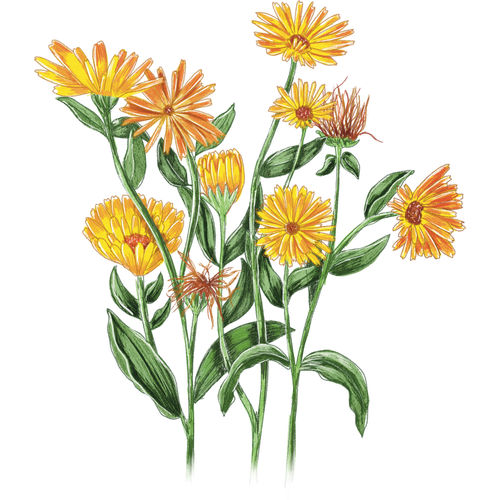

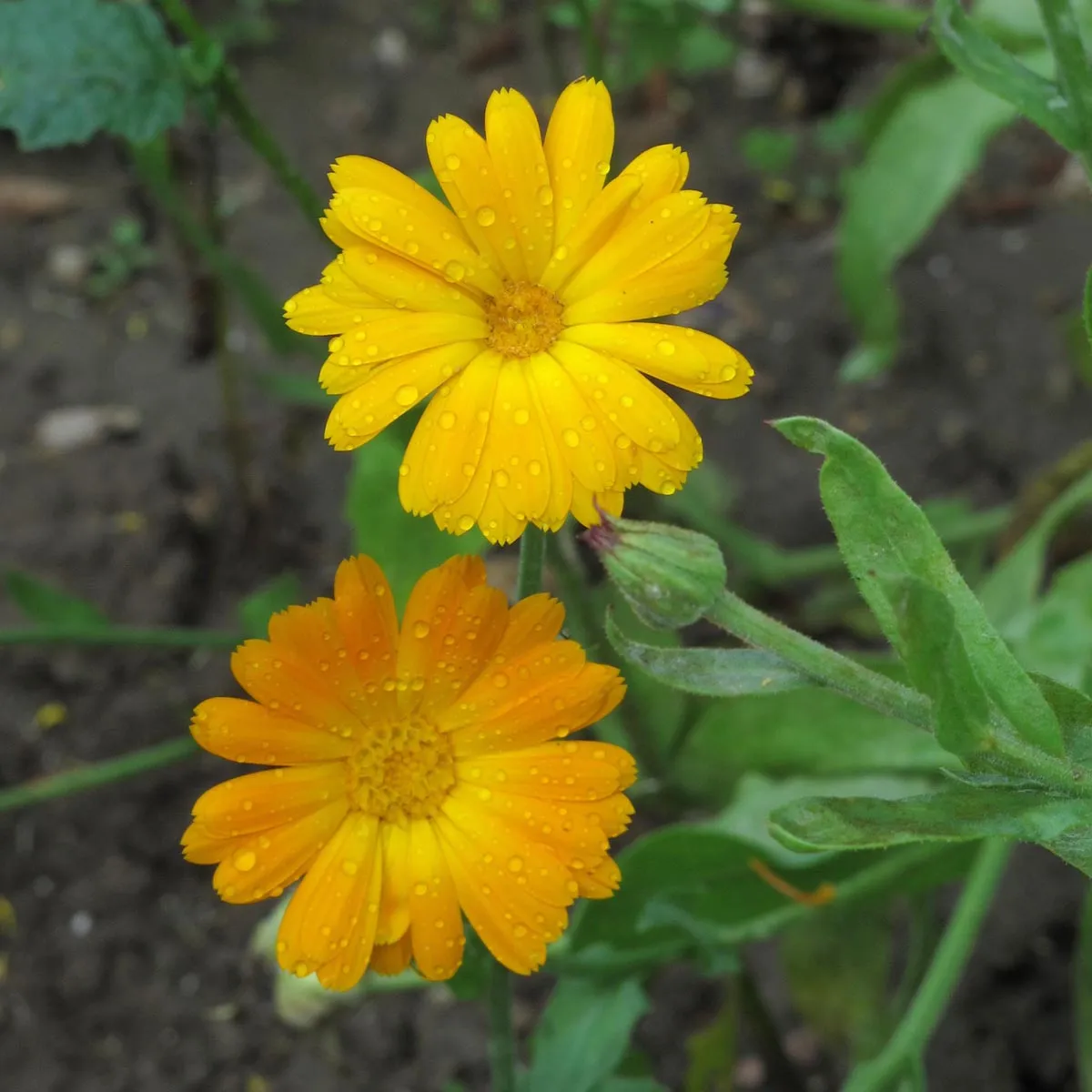
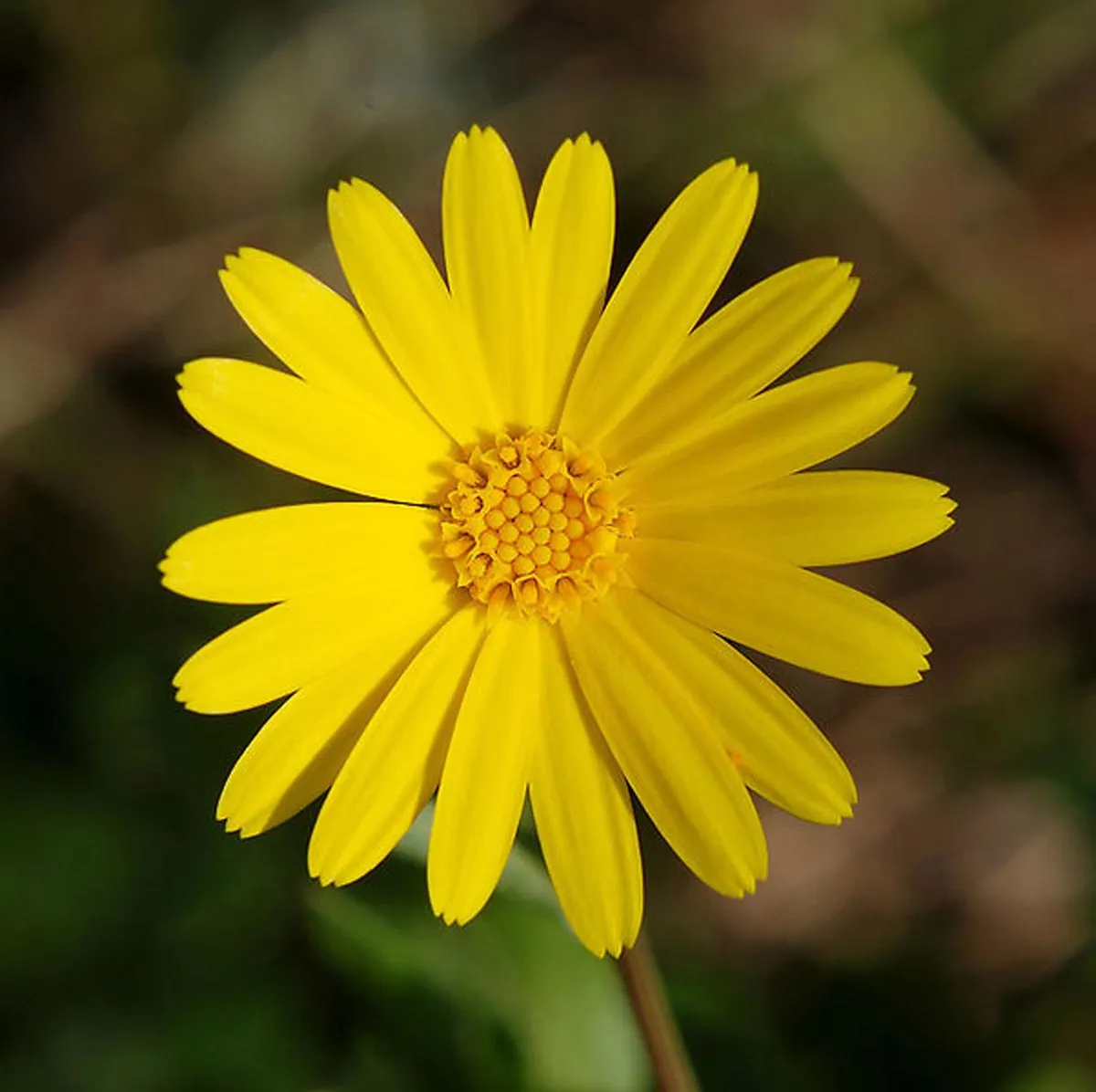
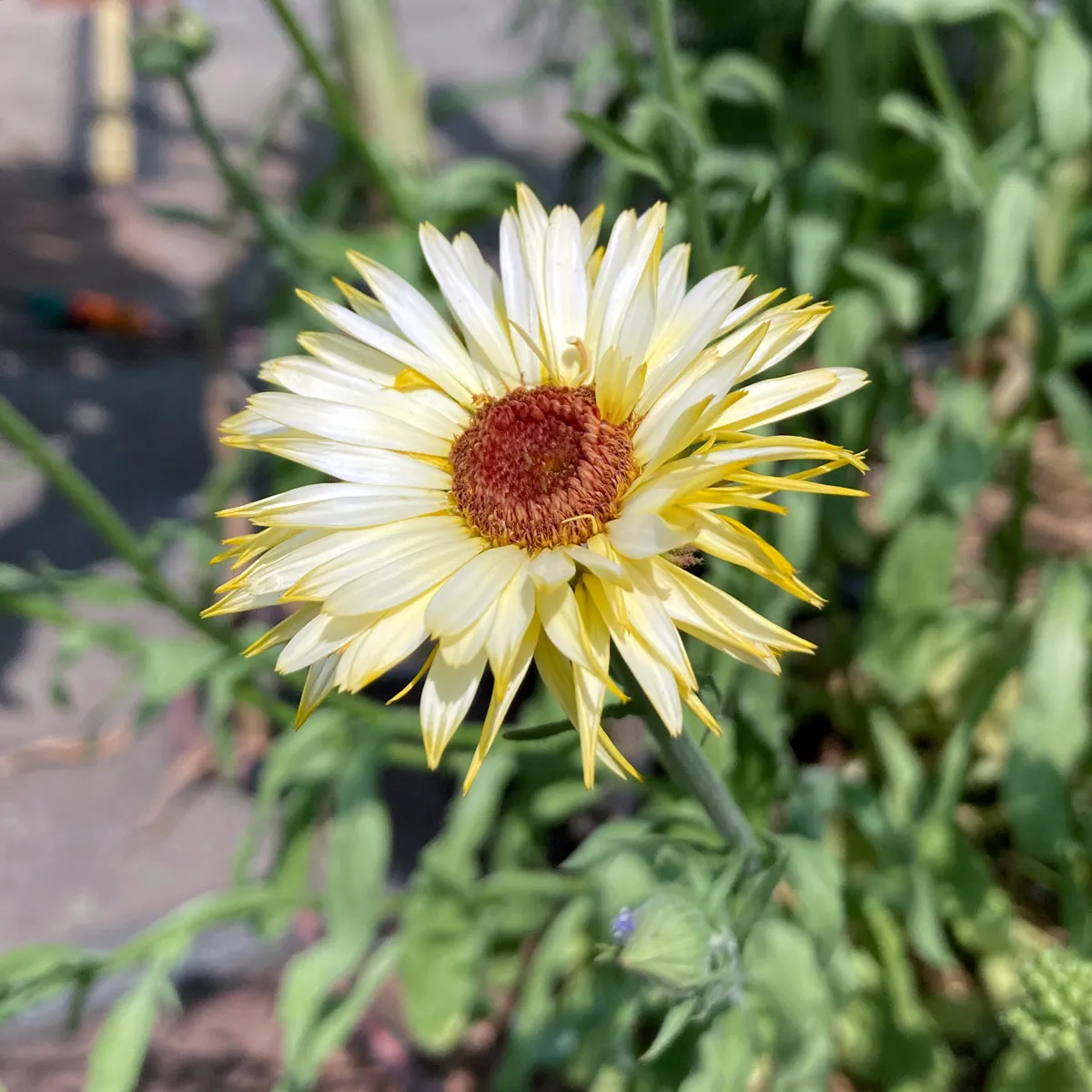
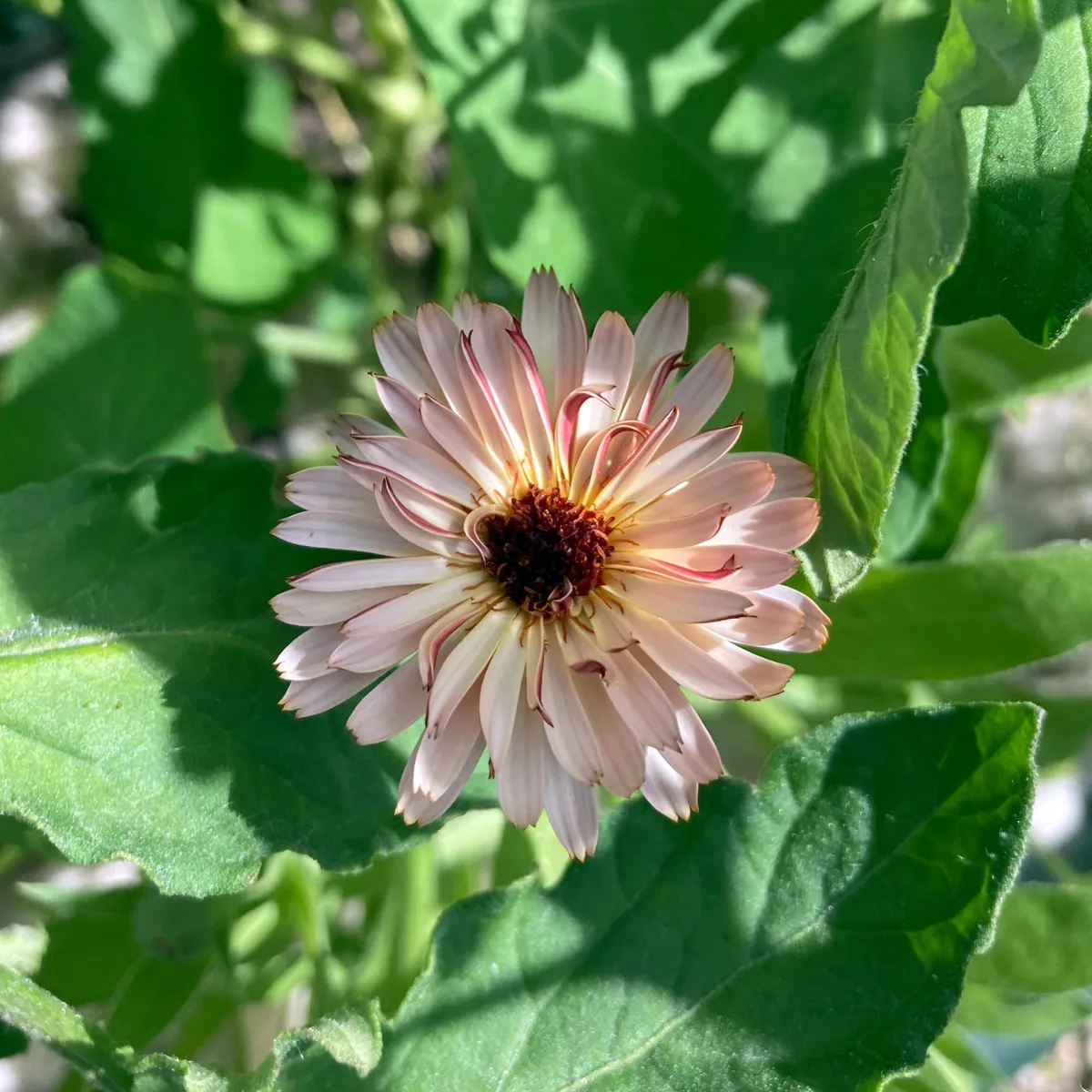
Apricot coloured Pot Marigold 'Touch of Red Buff' (Calendula officinalis) Seeds
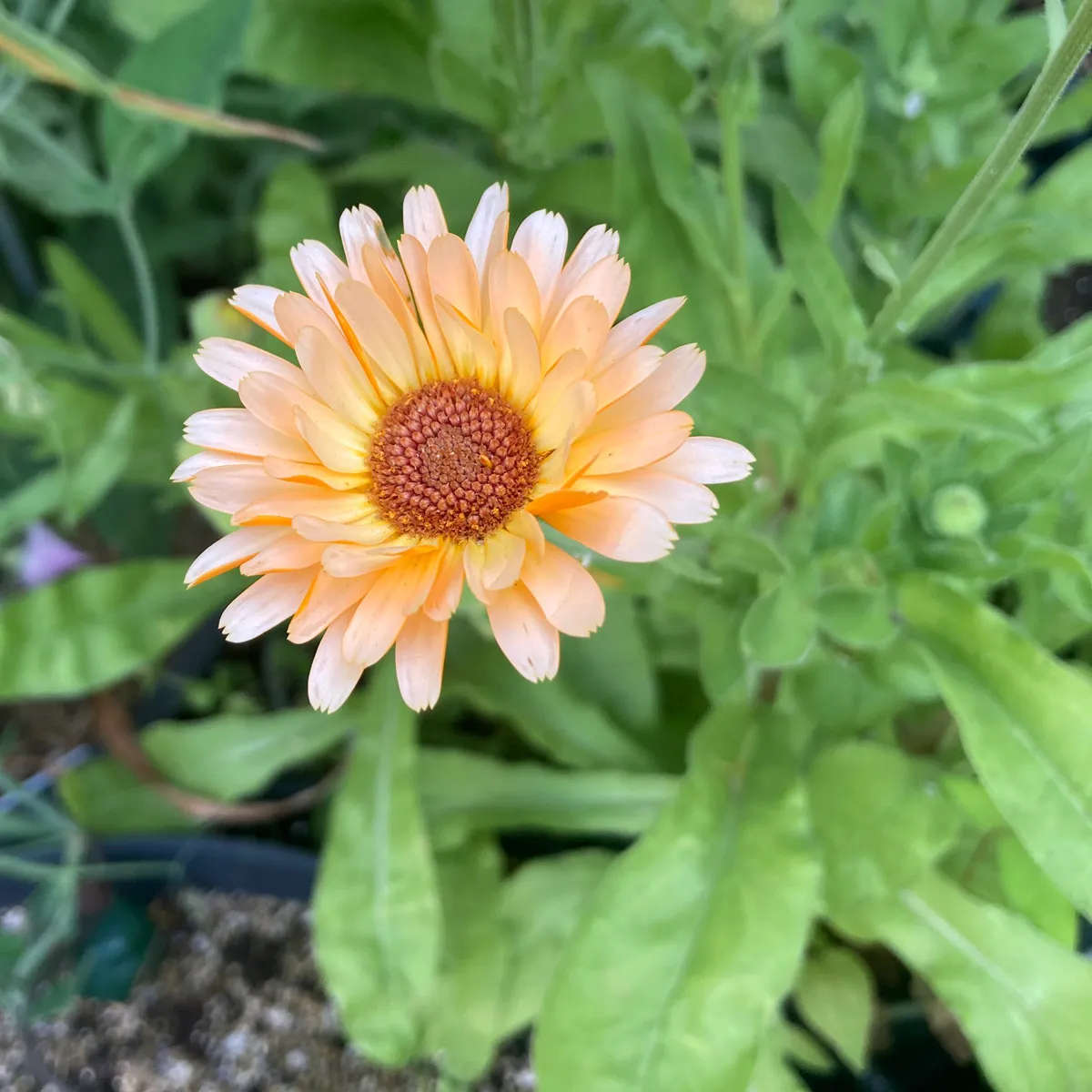
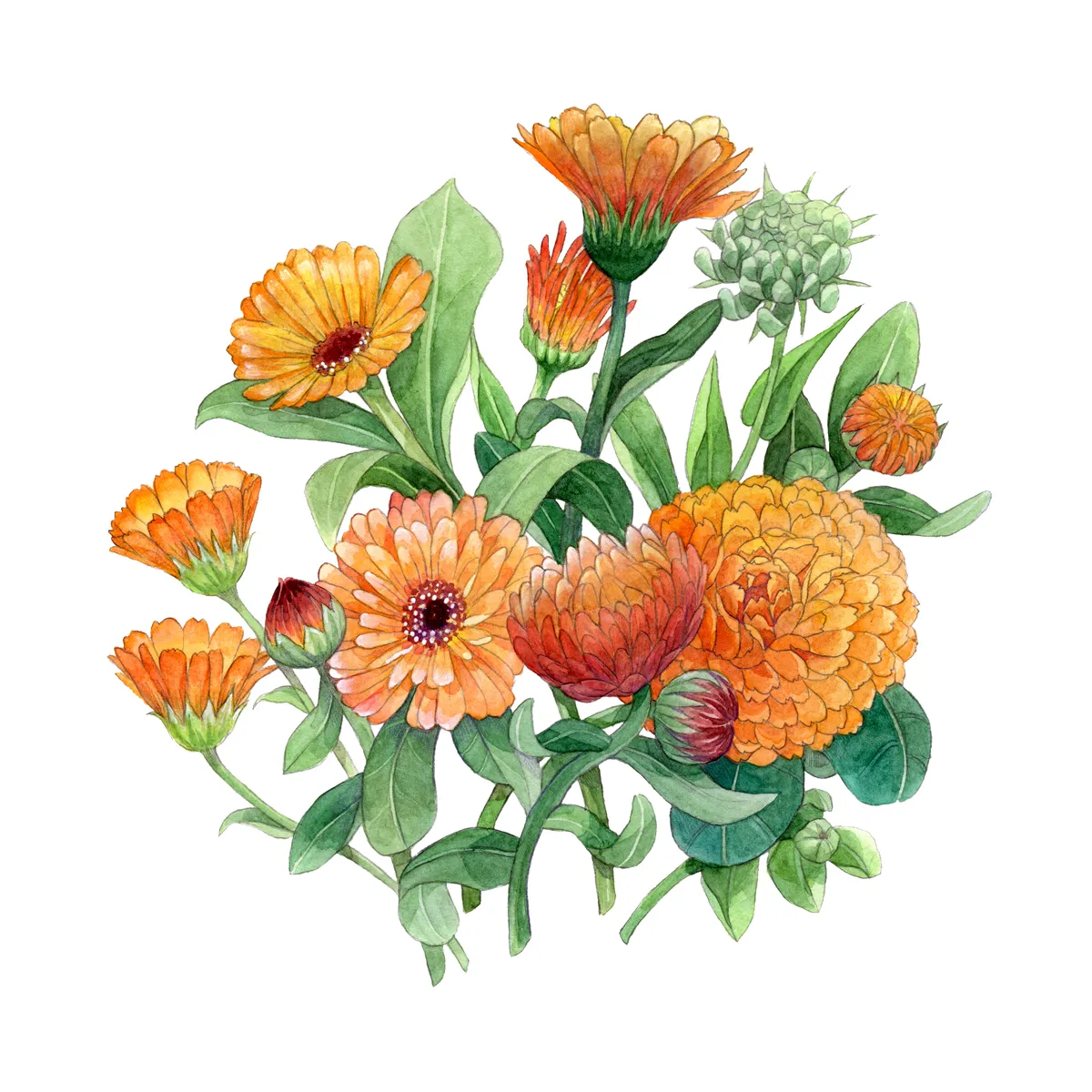
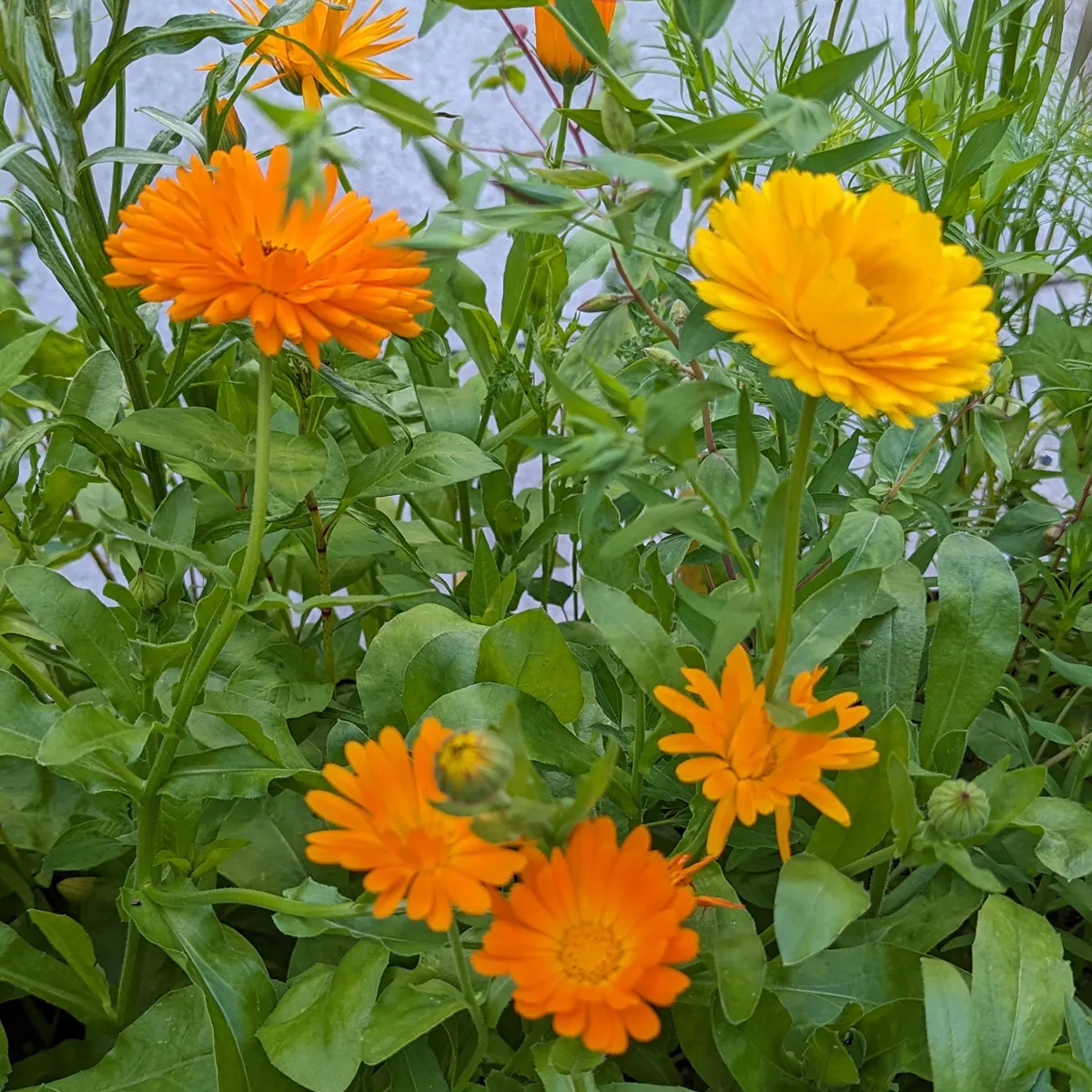
Sowing calendula
Calendula can be sown directly outdoors and is considered especially easy to grow. Sowing takes place from spring, as soon as the soil is frost-free. The seeds are sown shallowly, lightly pressed down and kept evenly moist. Calendula germinates reliably and develops into strong plants even without elaborate care.
Useful information about calendula
The flowers of calendula are edible and have traditionally been used in the kitchen. They are suitable as a colourful ingredient for salads, herb butter or rice dishes and are sometimes used as a plant-based saffron substitute because of their intense colour. In flavour, the flowers are mild to slightly tart.
Dried calendula flowers are also used in tea blends and herbal preparations. There, they are valued above all for their colour and their long tradition of use. The flowers can also be used in many ways for simple garden and herb projects.
In horticulture, calendula is also used specifically for soil care. Certain calendula species and varieties can inhibit the multiplication of soil-borne nematodes and are therefore used as companion plants or catch crops. This effect makes them especially interesting for vegetable beds and crop rotations.
Alongside the classic orange varieties, modern cultivars in unusual colour tones are now available. These include cream-coloured, yellow, apricot-coloured or bicoloured calendulas, which open up new design possibilities in the garden. This diversity also makes calendula attractive for contemporary bed and cut-flower concepts.
Calendula therefore combines usefulness, design value and easy cultivation in a special way and is far more than just a summer flower.