
Cosmos - airy summer flower with a long flowering period
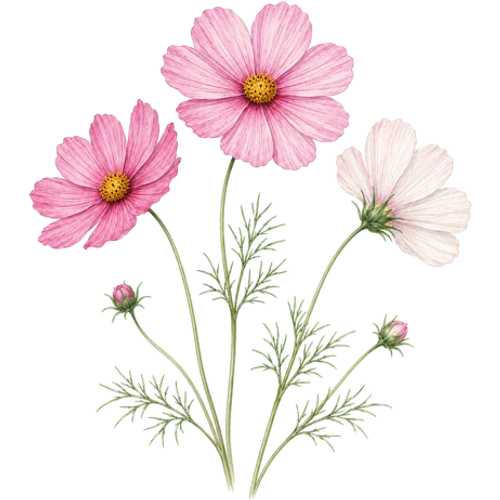
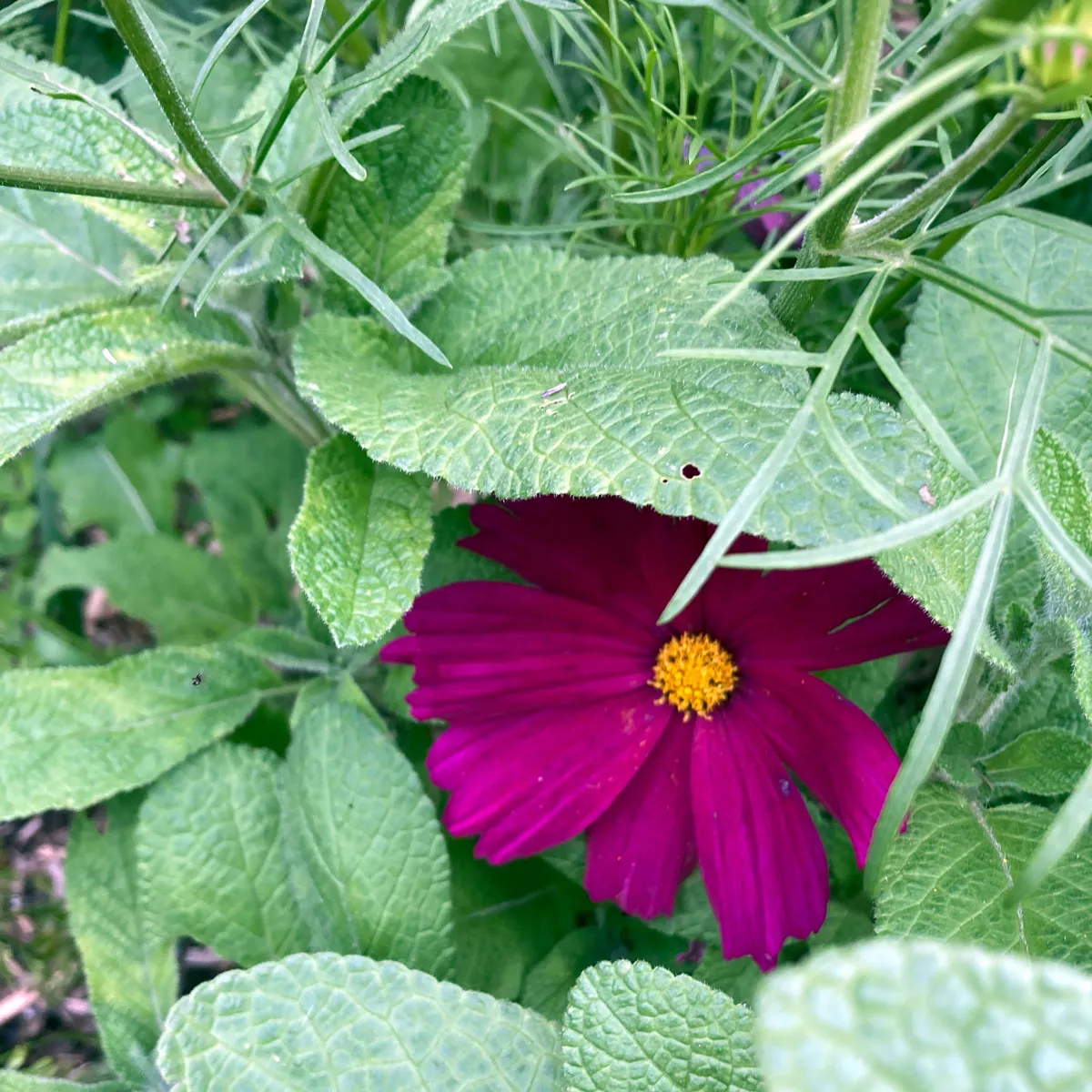
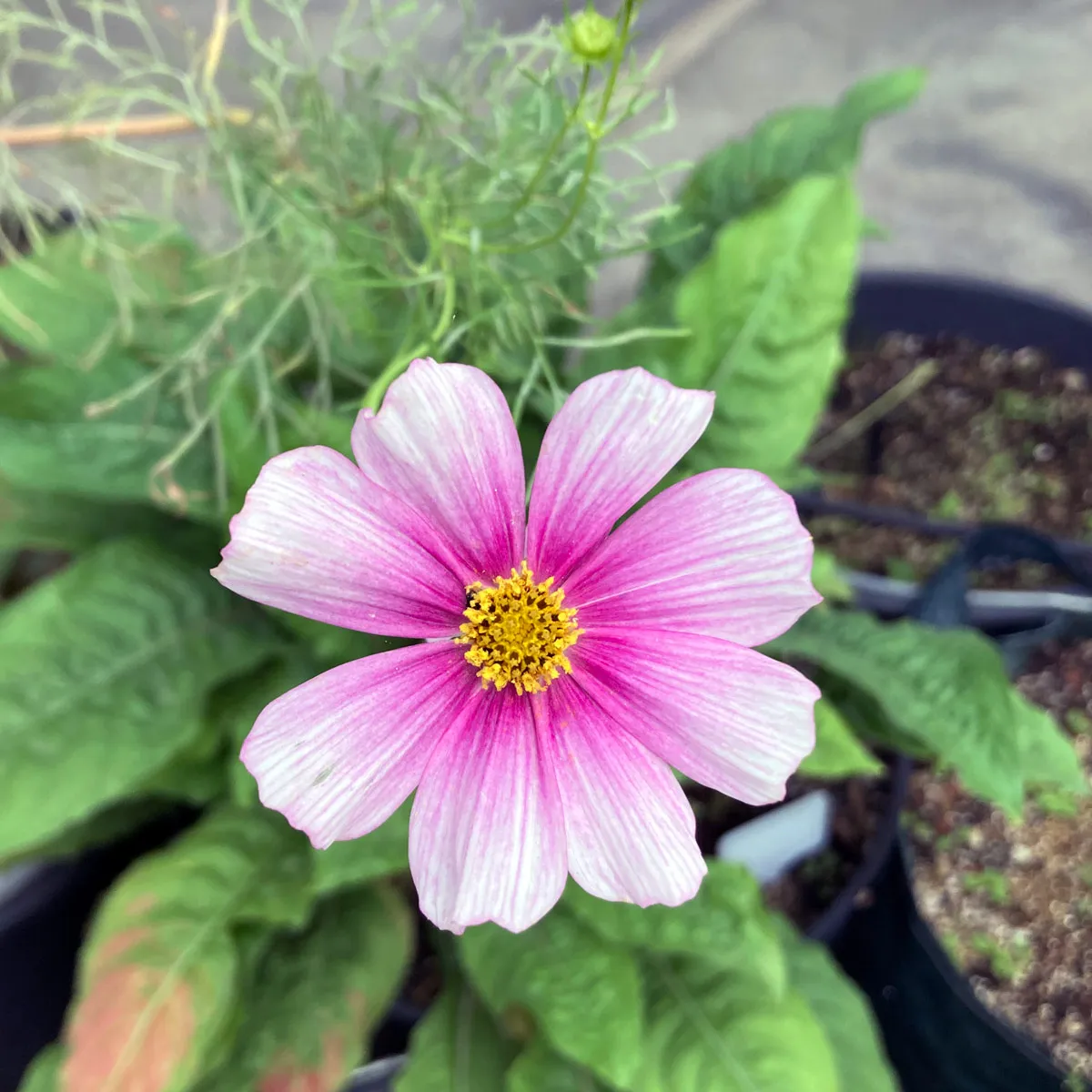
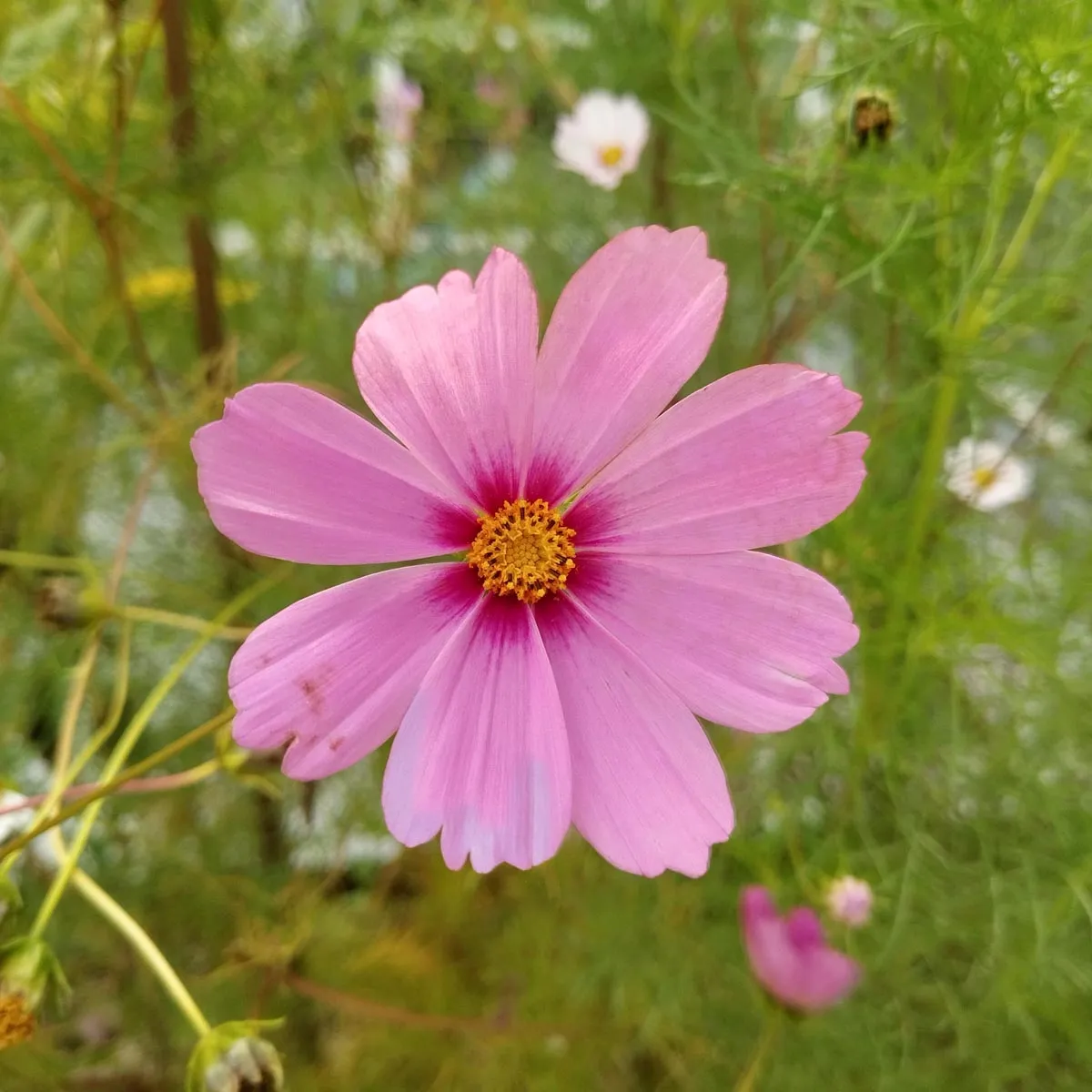
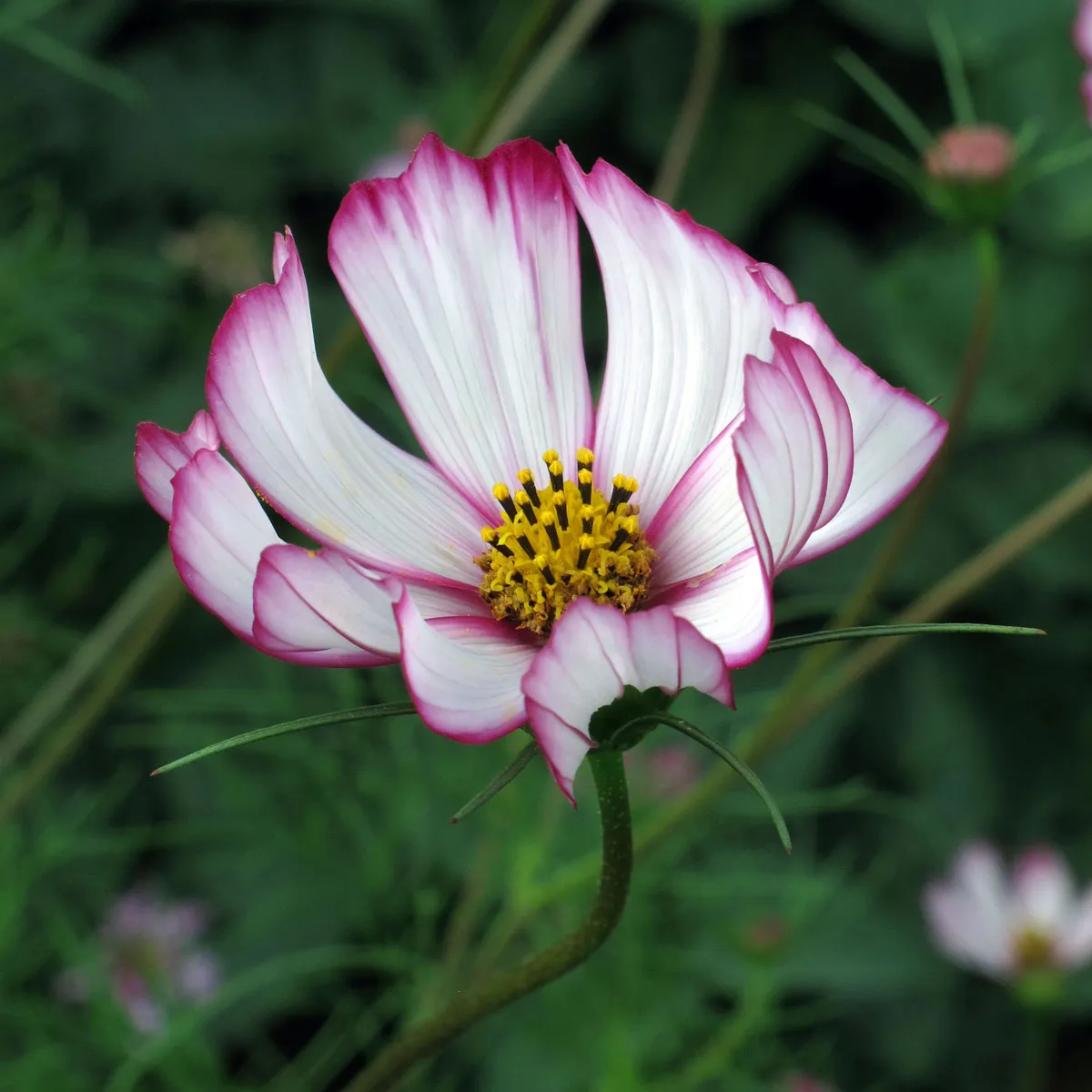
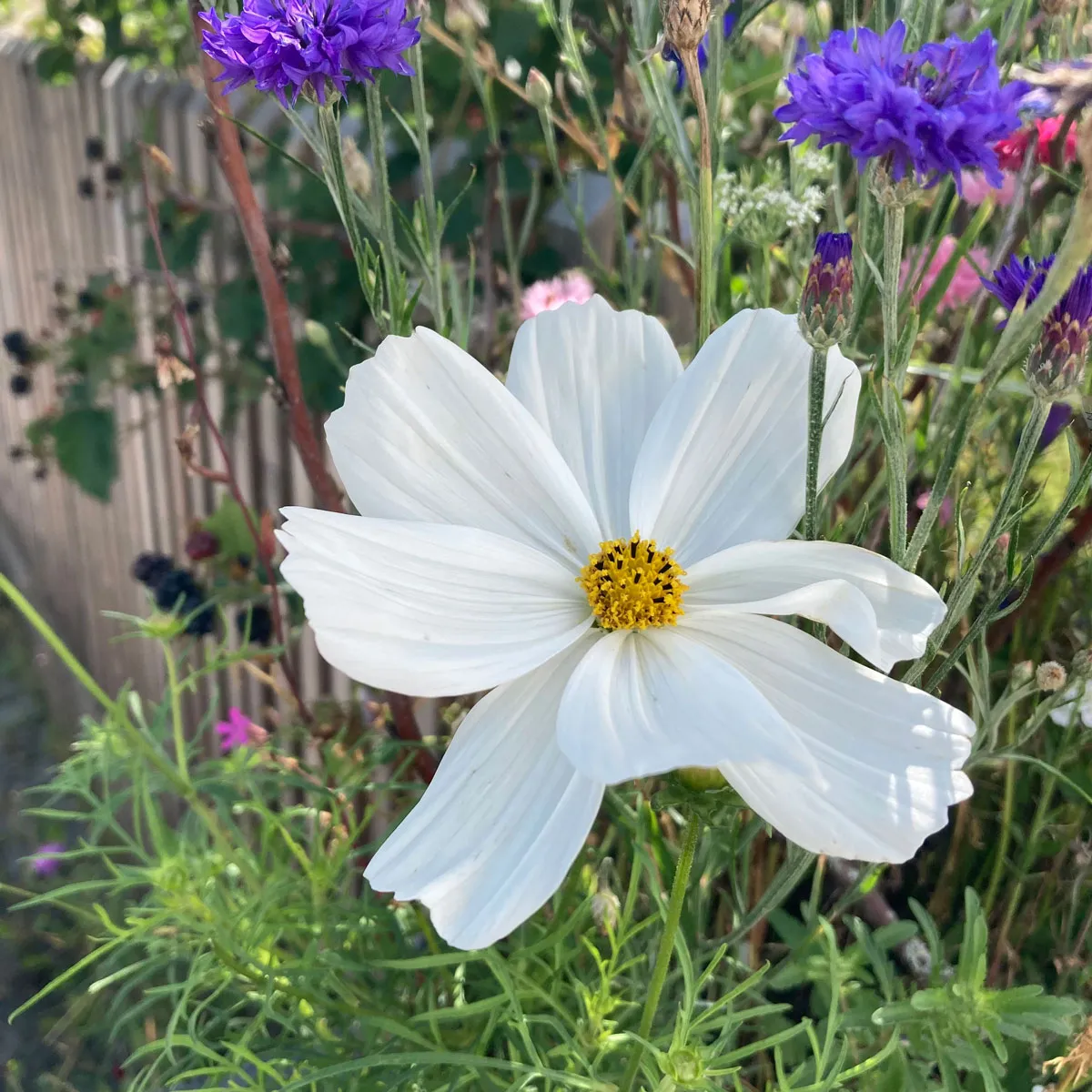
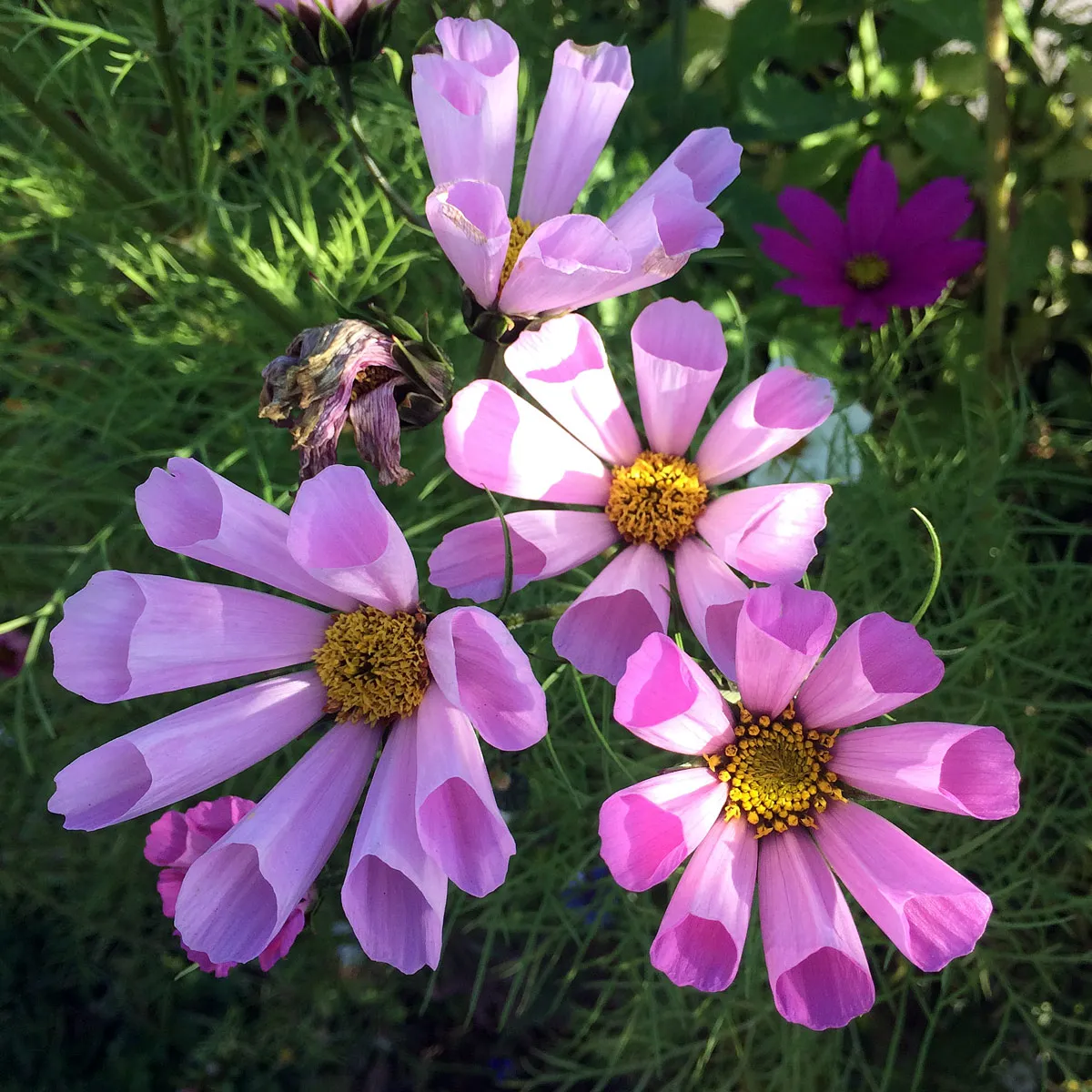
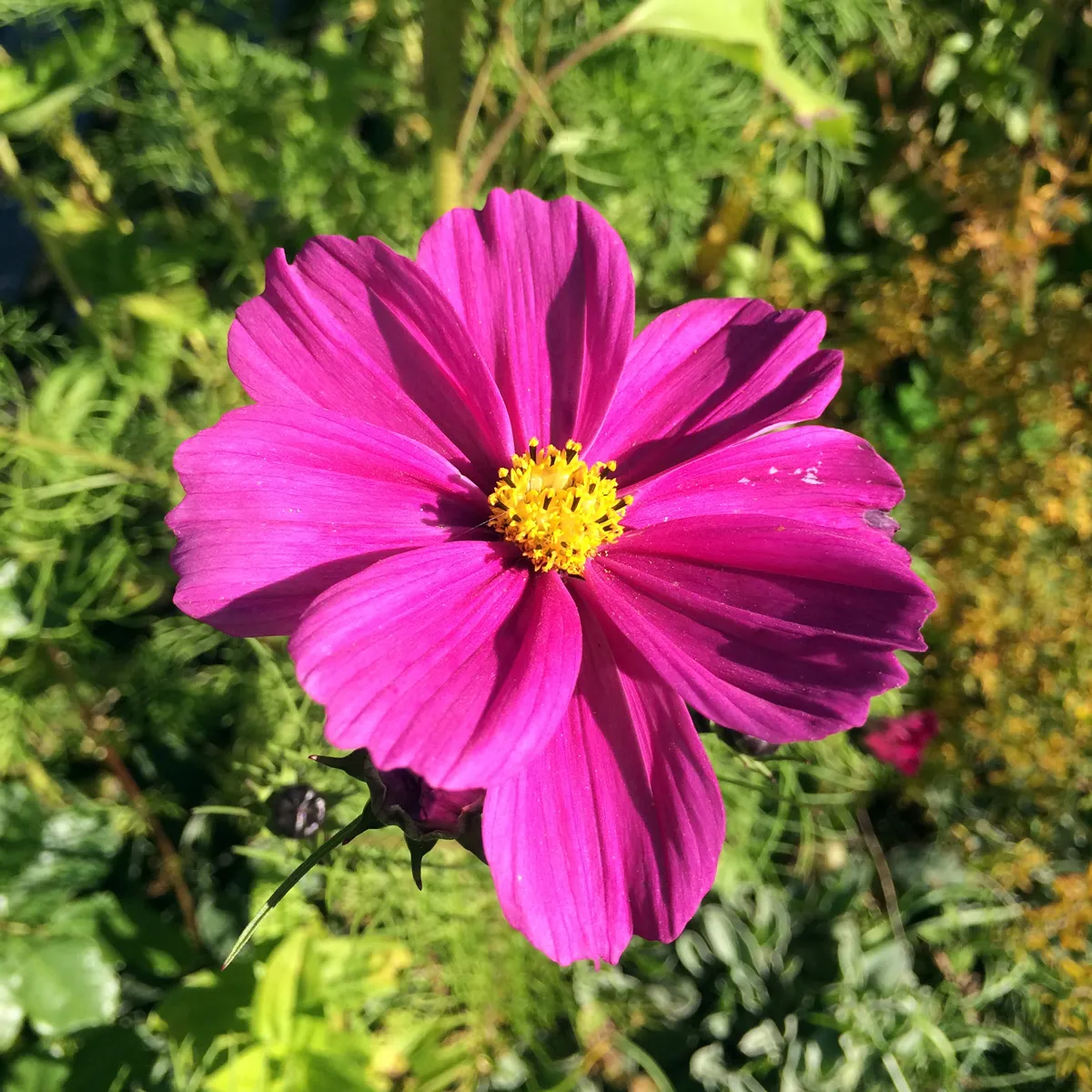
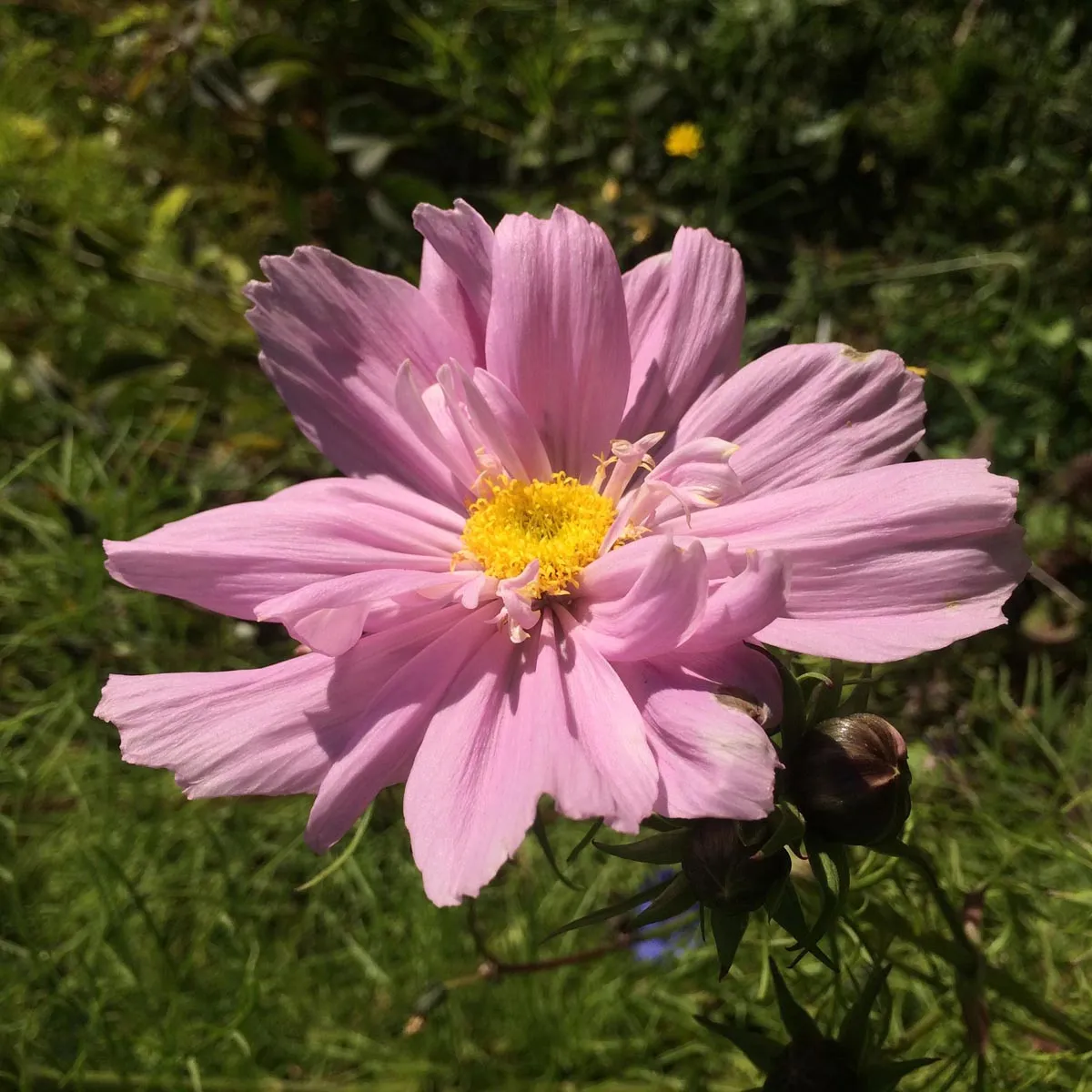
Cosmos (Cosmos bipinnatus) are uncomplicated annual summer flowers with fine, feathery foliage and a particularly light, airy appearance. Their numerous blooms in white, pink, rose or purple appear over many weeks, making them an ideal choice for colourful summer beds, natural-style gardens and loose plantings.
Cosmos prefer sunny locations and well-drained, rather light soils. They thrive reliably even on poor ground and react more sensitively to waterlogging than to drought. They are particularly well suited to natural-style beds, cottage gardens or as loose companion plants among perennials and grasses.
The plants grow bushy to upright and reach heights of around 60 to 120 cm, depending on the variety. Regular removal of spent flowers can extend the flowering period well into autumn. Many varieties are also well suited as cut flowers.
Cosmos can be sown directly outdoors and often maintain themselves through self-seeding at suitable locations. This creates new, naturally looking flowering areas each year with minimal maintenance.
This plant is ideal for anyone who appreciates a light, informal summer display with a long flowering period.

Sowing cosmos
Cosmos seeds germinate best in warm conditions and can be sown directly outdoors once there is no longer any risk of frost. Sowing takes place from mid-April to May. Alternatively, pre-cultivation from February or March is possible in order to achieve earlier flowering.
The seeds are scattered broadly or sown in rows, thinly covered with soil or sand and lightly pressed down. Germination takes place at temperatures between around 18 and 25 °C within seven to fourteen days. During the germination phase, the substrate should be kept evenly moist, as the seeds swell only once.
After emergence, the plants are thinned to a spacing of about 25 to 30 cm. Once established, cosmos plants are drought-tolerant and easy to care for.
Useful information about cosmos
Cosmos originally come from Central and South America and are known for their fast growth and long flowering period. They are regularly visited by bees and butterflies and contribute to the liveliness of summer gardens.
With their fine foliage and open flower shape, they combine especially harmoniously with more vigorously growing summer flowers or ornamental grasses. Tall varieties may need light support in windy locations.
Cosmos are considered particularly slug-resistant and are therefore also suitable for gardens where other summer flowers cause difficulties.
Useful information about cosmos seeds
The seeds of cosmos (Cosmos bipinnatus) are narrow, spindle-shaped and dark in colour. They need light to germinate and have a sensitive seed coat. During the germination phase, they must not dry out, as they can lose their ability to germinate after swelling.
Cosmos are known in German by several different names. In addition to the common name Schmuckkörbchen, they are often also called Cosmea or Kosmee. These names are derived from the botanical genus name Cosmos and are used interchangeably in horticultural trade.
This always refers to the species Cosmos bipinnatus. Other Cosmos species, such as sulphur cosmos, differ in growth habit and flower colour and are listed separately.
Cosmos seeds are known for their strong self-sowing. They preferably fall close to the mother plant and germinate particularly well after soil disturbance such as hoeing or loosening. When stored cool, dry and dark, the seeds remain viable for around two to three years.