
Zinnias - vibrant summer flowers with exceptional colour diversity
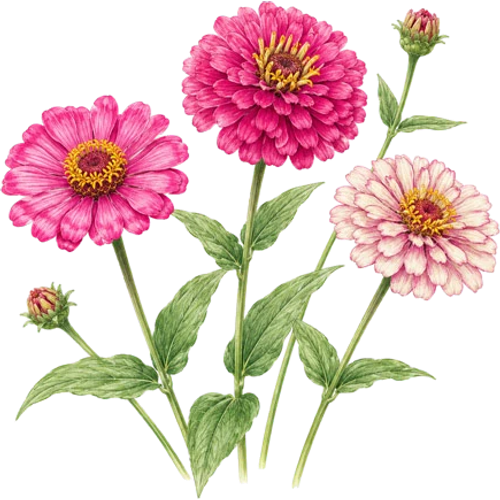
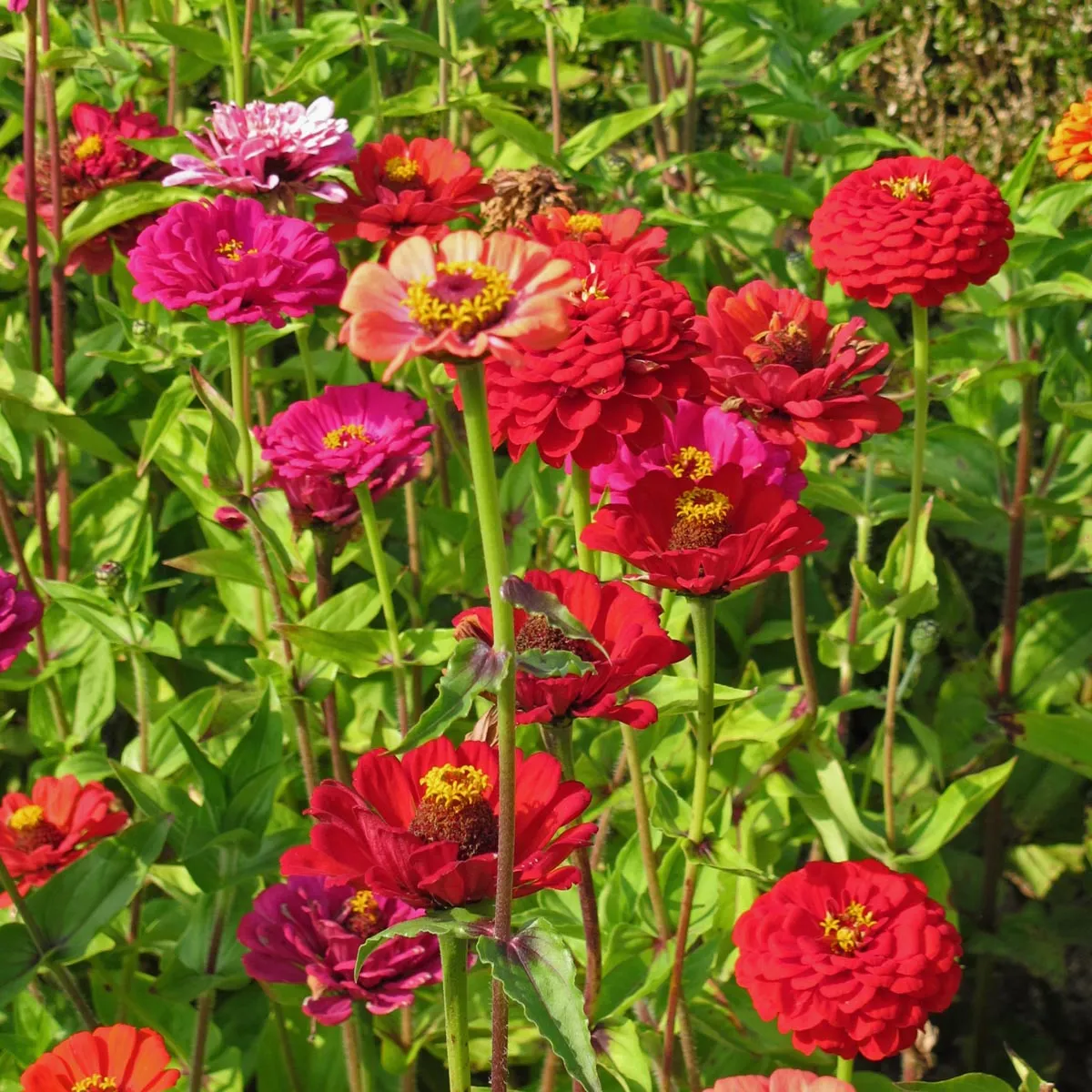
Zinnias (Zinnia elegans) are colourful annual summer flowers that delight with their intense brightness and long flowering period. Their large, striking flower heads create bold accents in beds and make zinnias one of the most eye-catching summer flowers for sunny gardens.
Zinnias originate from Mexico and thrive in warm, sunny locations. They prefer nutrient-rich, well-drained soils and react sensitively to waterlogging. Under suitable conditions, they grow vigorously, branch well and flower reliably well into autumn.
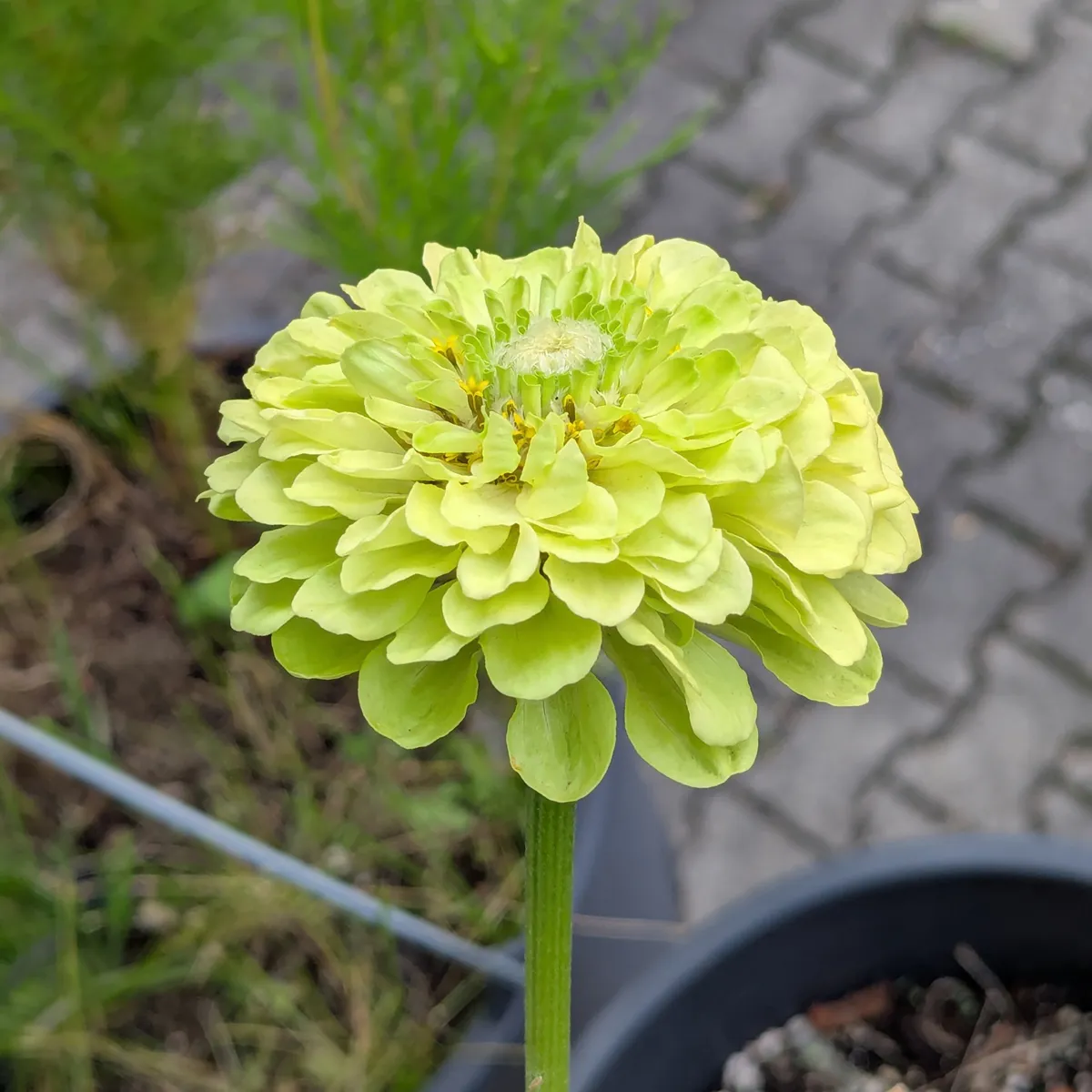
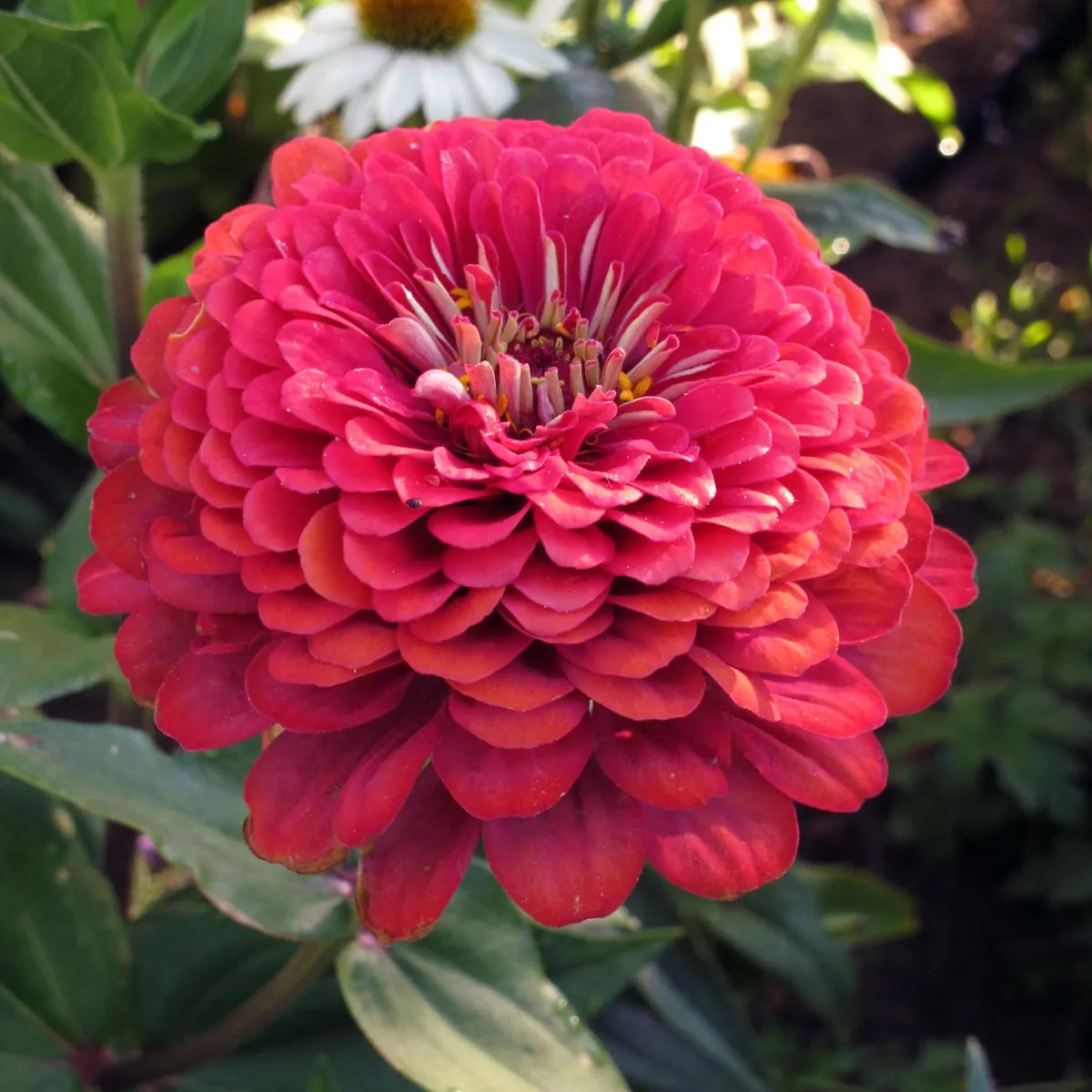
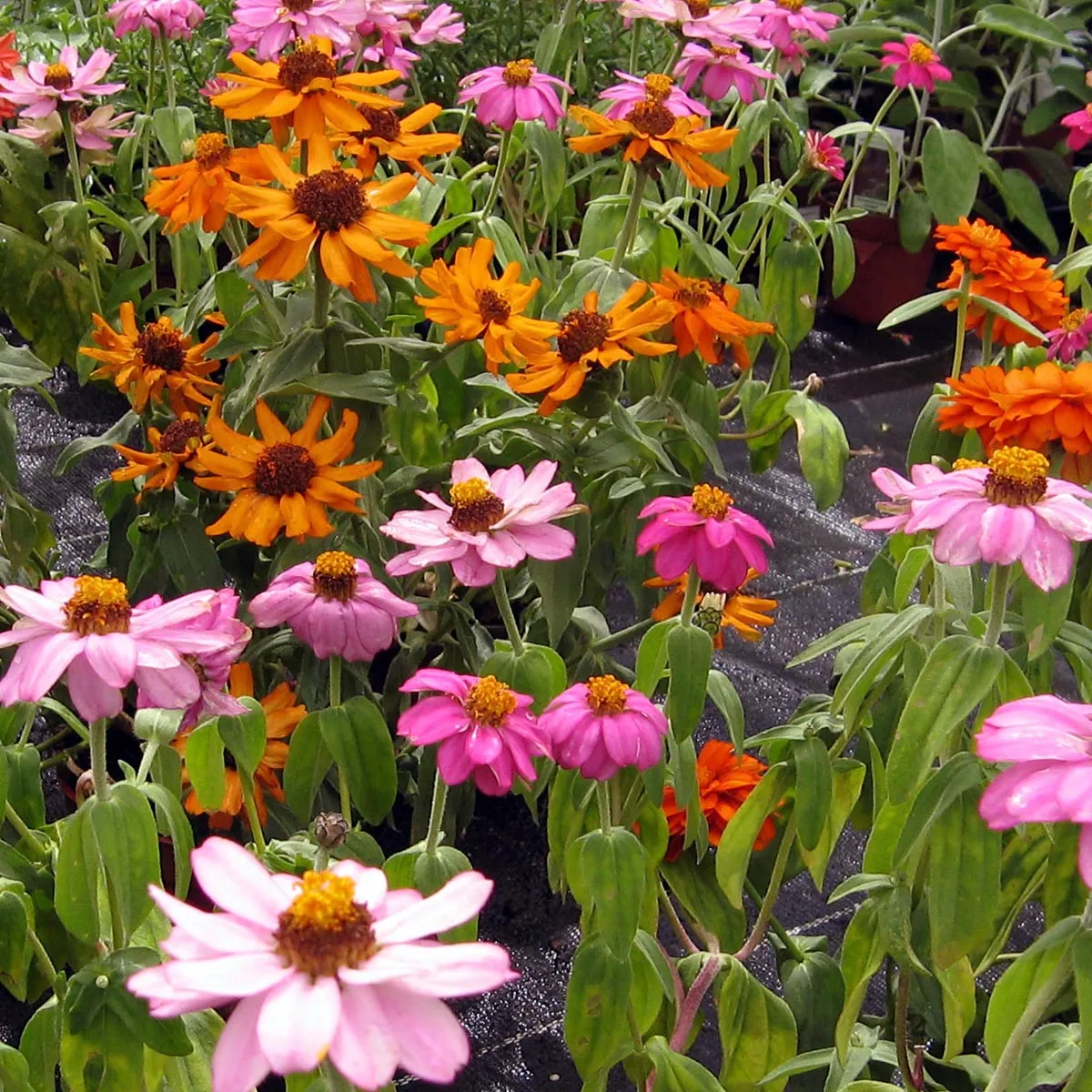
The range of varieties extends from low, compact forms to tall-growing zinnias with flower heads in white, yellow, orange, red, pink or violet. Depending on the variety, plants reach heights of around 20 to 100 cm and are suitable both for beds and for cultivation in larger containers.
Zinnias are classic cut flowers. Regular cutting encourages the formation of new buds and significantly extends the flowering period. They are also excellent for colourful summer bouquets.
The plants are easy to grow from seed and occasionally maintain themselves through self-seeding in suitable locations.

Sowing zinnias
Zinnias germinate best in warm conditions and should be sown once there is no longer any risk of frost. Direct sowing outdoors is possible from mid-April to May. Alternatively, they can be started indoors from March for earlier flowering.
Sow the seeds shallowly, cover them only lightly with soil and keep them evenly moist. At temperatures of around 18 to 25 °C, germination usually takes place within five to ten days. After emergence, thin the plants to a spacing of about 25 to 30 cm.
Interesting facts about zinnias
Zinnias form large flower heads made up of numerous disc and ray florets. Depending on the variety, the flowers may be single, semi-double or densely double. The darker centre of many varieties enhances the contrast of the flower colours.
The plants are regularly visited by bees and butterflies. Despite their comparatively low nectar content, zinnias are particularly attractive to insects because of the abundance of flowers they produce.
Zinnias are robust, heat-tolerant plants that are well suited to sunny locations. When cutting the plants, wearing gloves is recommended, as the sap may cause skin irritation in sensitive people.
Interesting facts about zinnia seeds
The seeds of zinnias (Zinnia elegans) are flat, triangular and often bear hairy remnants of the flowers. These help with natural dispersal by wind. When stored in a cool, dry place, the seeds remain viable for around three to five years.
Zinnias tend to self-seed and can form a persistent seed bank in the garden. After soil disturbance, larger numbers of seeds may germinate, producing spontaneous new plants.
The seeds contain natural plant compounds such as sesquiterpene lactones and small amounts of nicotine. These substances can have a deterrent effect on some insects, but have no practical significance in horticulture.
The name zinnia is derived from the botanist Johann Gottfried Zinn, after whom the genus was named in the 18th century.