
Mallow seeds - old cultivated plants full of flowers
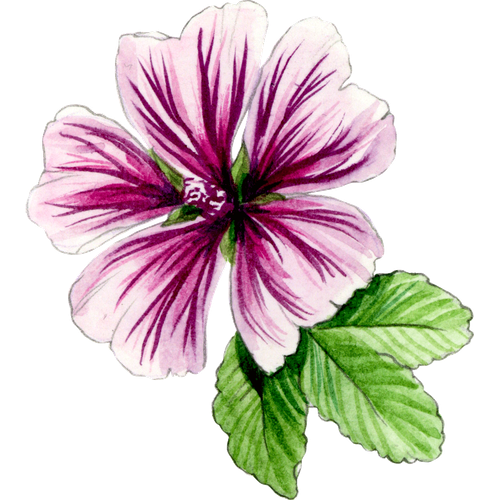
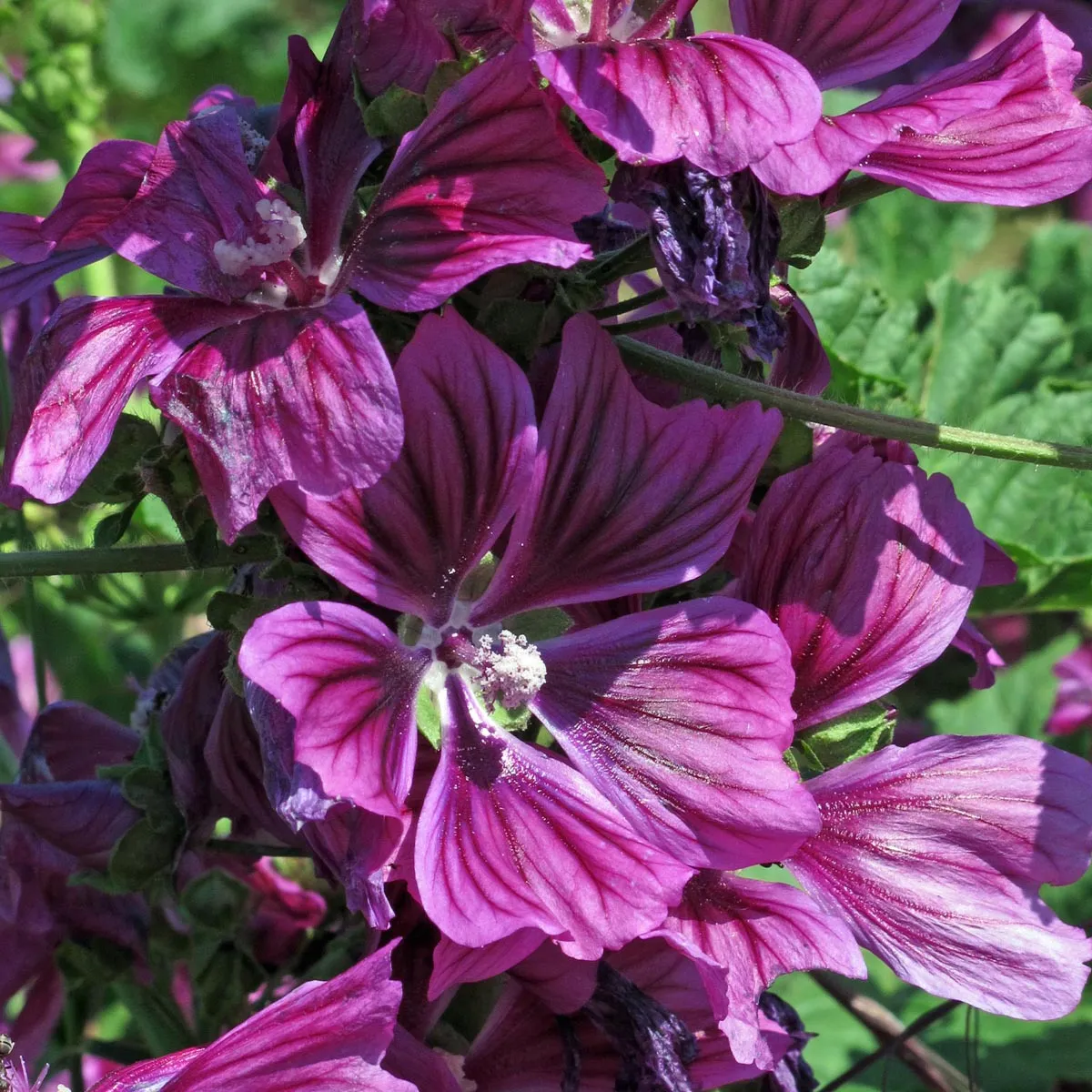
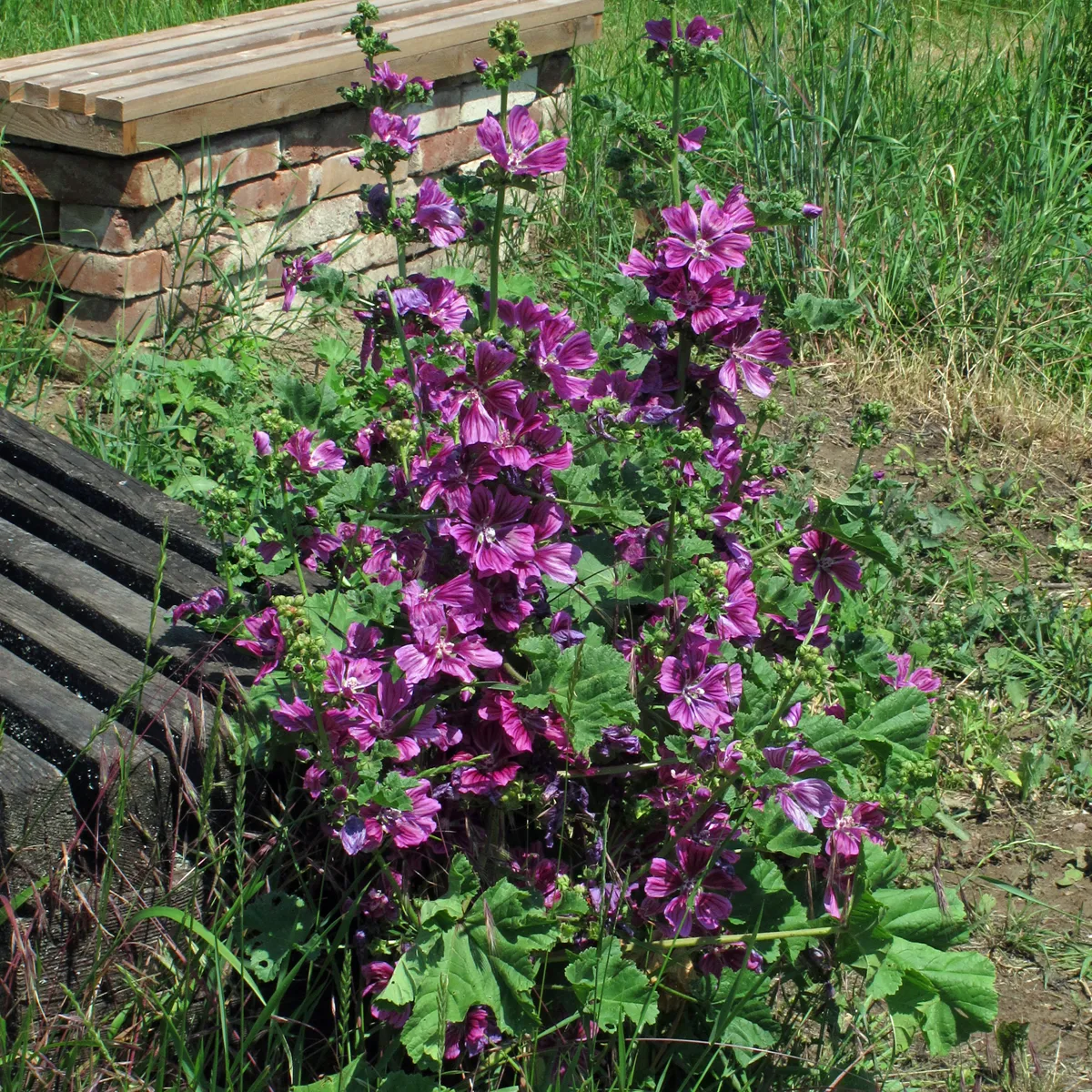
Mallows are among the plants that have accompanied people for centuries. Their large, open flowers make them striking garden plants, yet many species were once also valued as medicinal and useful plants. Wild mallows grow along roadsides and in meadows, musk mallows bring delicate flowers to naturalistic plantings, and annual mallows provide abundant colour in summer beds.
With mallow seeds, this versatile group of plants can be rediscovered in a very direct way. Many species flower over a long period and offer bees, bumblebees and other insects plenty of food.
Mallows: a plant genus with many faces
The genus Malva belongs to the mallow family and includes annual, biennial and perennial species. Some grow low and rather inconspicuous, while others develop strong, upright flower stems and reach over one metre in height.
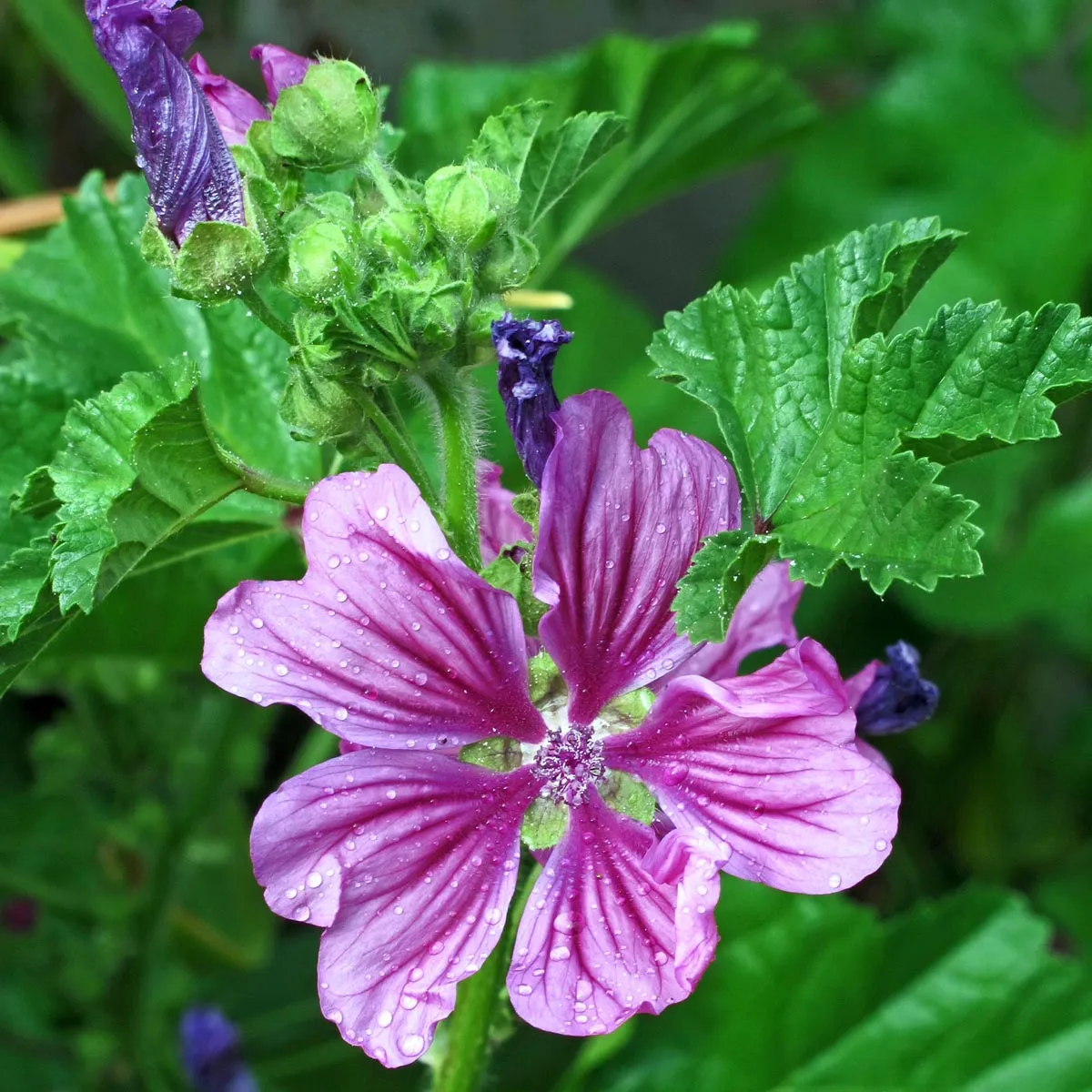
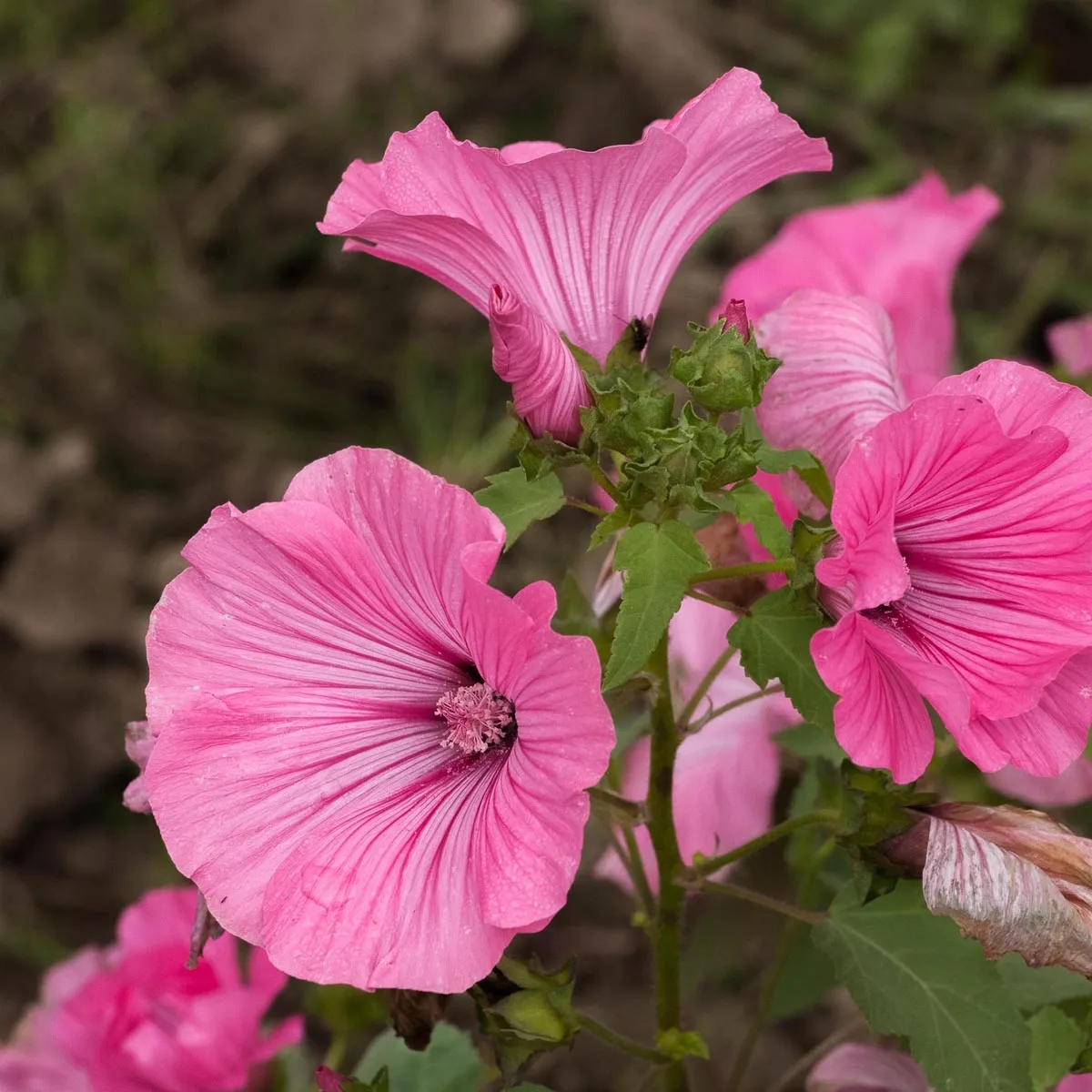
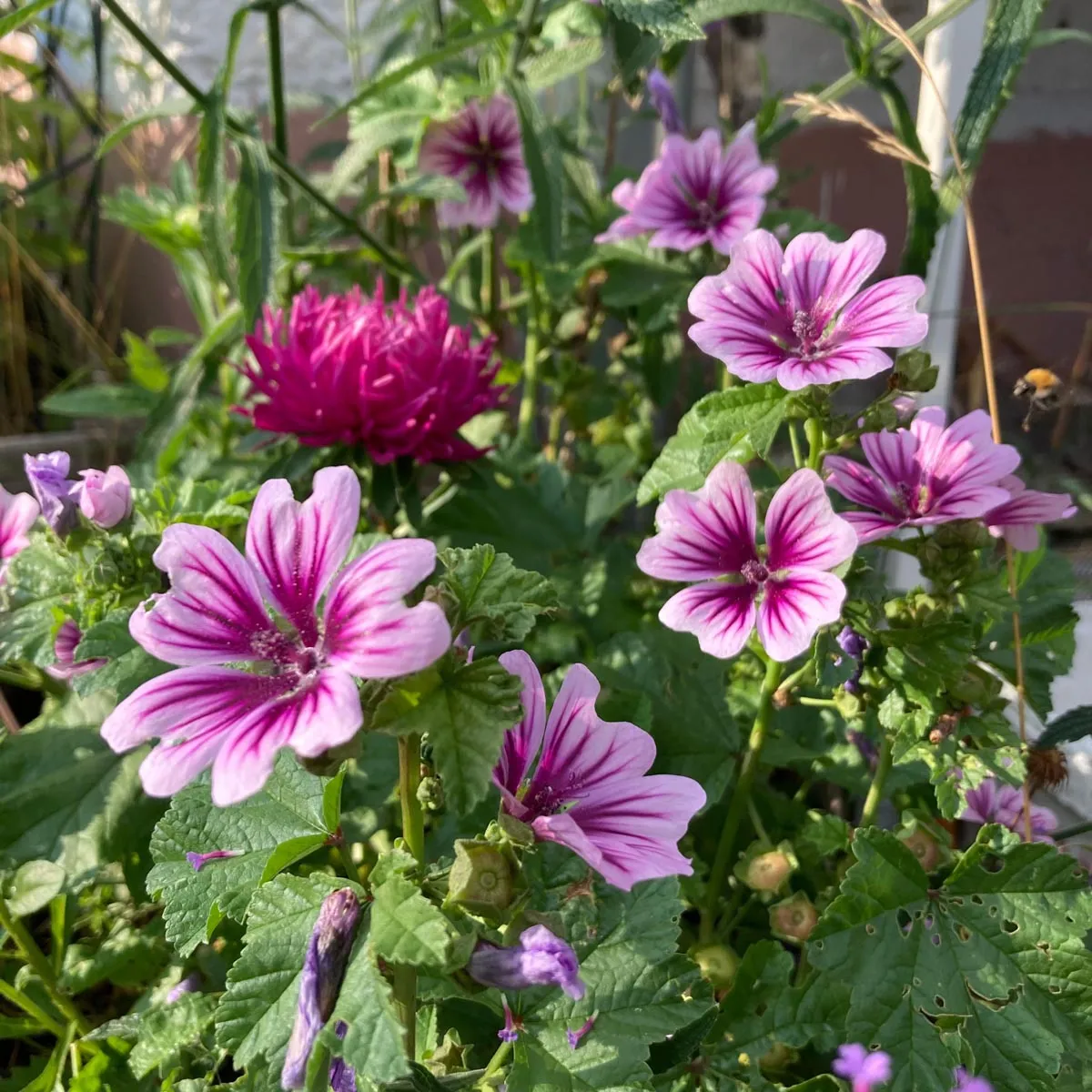
Among the best-known species are common mallow Malva sylvestris, musk mallow Malva moschata and greater musk mallow Malva alcea. The popular annual mallow is also now botanically included in the genus Malva and is listed as Malva trimestris. Its former name Lavatera trimestris is still widely used in horticulture.
From cheeseweed and old plant traditions
Common mallow is also known in many places as cheeseweed. This unusual name refers to its flat, disc-shaped fruits, whose individual segments resemble small wheels of cheese.
Such old names show how familiar mallows were to our ancestors. They were valued not only as garden plants, but also used as medicinal and food plants. To this day, mallows therefore combine floral beauty and cultural history in a special way.
A long summer of flowers for insects
Mallows open their flowers over many weeks. Bees, bumblebees, hoverflies and butterflies visit them in search of pollen and nectar. Some butterfly caterpillars also use mallows as food plants.
Whether common mallow, musk mallow or colourful annual mallow: mallows fit beautifully into naturalistic gardens, loose perennial plantings and summery flower beds, combining garden beauty with ecological value.

Sowing mallows
Mallows are easy to grow from seed. Pre-cultivation is possible from March, and many species can also be sown directly outdoors from April or May. Depending on the species, sowing in late summer or autumn may also be suitable. As individual mallows can differ somewhat in their germination behaviour, the specific sowing instructions should be observed.
The seeds are usually sown about 0.5 to 1.5 cm deep and covered with soil. At temperatures around 15 to 20 °C, many species germinate within one to three weeks. During this time, the soil should remain evenly slightly moist, but waterlogging should be avoided. After the last stronger late frosts, pre-grown young plants can be planted outdoors.
Mallows mostly prefer sunny locations and well-drained, deep soils. Many species form strong roots and should therefore be given their final position as early as possible.
FAQ about mallows
Are mallows edible?
Some mallow species were traditionally used as food plants. Especially with common mallow Malva sylvestris, young leaves, shoot tips and flowers can be used. The still unripe, disc-shaped fruits were also eaten in the past. Before use, however, it should always be clearly identified which species it is and whether it is suitable for consumption.
Why were mallows used as medicinal plants?
Common mallow in particular contains plenty of plant mucilage in its leaves and flowers. These swell in contact with water and were traditionally used to soothe irritated mucous membranes, for example with dry irritating coughs or discomfort in the mouth and throat area.
Are mallows annual or perennial?
Both occur. The genus Malva includes annual, biennial and perennial species. Annual mallow Malva trimestris, for example, is cultivated as an annual, while musk mallow and greater musk mallow can grow as perennials. Some perennial species are also rather short-lived, but often maintain themselves by self-sowing.
Do mallows self-sow?
Many mallows produce plenty of seeds and can self-sow in suitable locations. Anyone wishing to encourage this should allow some seed heads to ripen fully. If stronger spreading is to be prevented, the fruits can be removed before the seeds ripen.
Can mallows be grown in pots?
Yes, especially more compact species can also grow in larger planters. Sufficient root space and good drainage are important. Since many mallows develop deep-reaching roots, taller containers are usually more suitable than very shallow balcony boxes.
What is mallow rust?
Mallow rust is a fungal disease that can occur on mallows. Typical signs are yellowish spots on the upper side of the leaves and orange to brown pustules on the underside. An airy location and sufficient planting distances can help prevent it. Heavily affected leaves should be removed.
Do mallows need fertilising?
On normal garden soils, mallows usually need only little additional fertilisation. Some mature compost in spring is often sufficient. Very heavy fertilisation mainly encourages soft leaf growth and is not necessary for abundant flowering.