
Larkspur - elegant summer flower with slender flower spikes
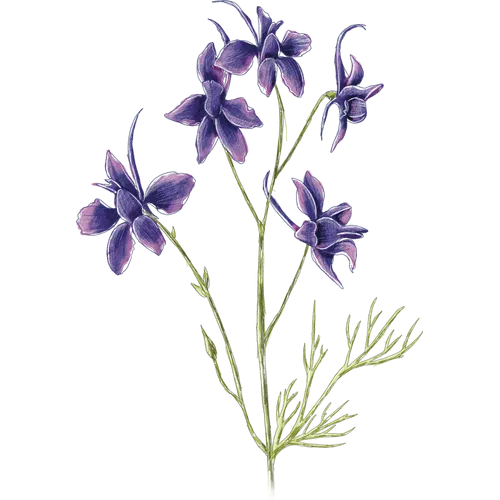
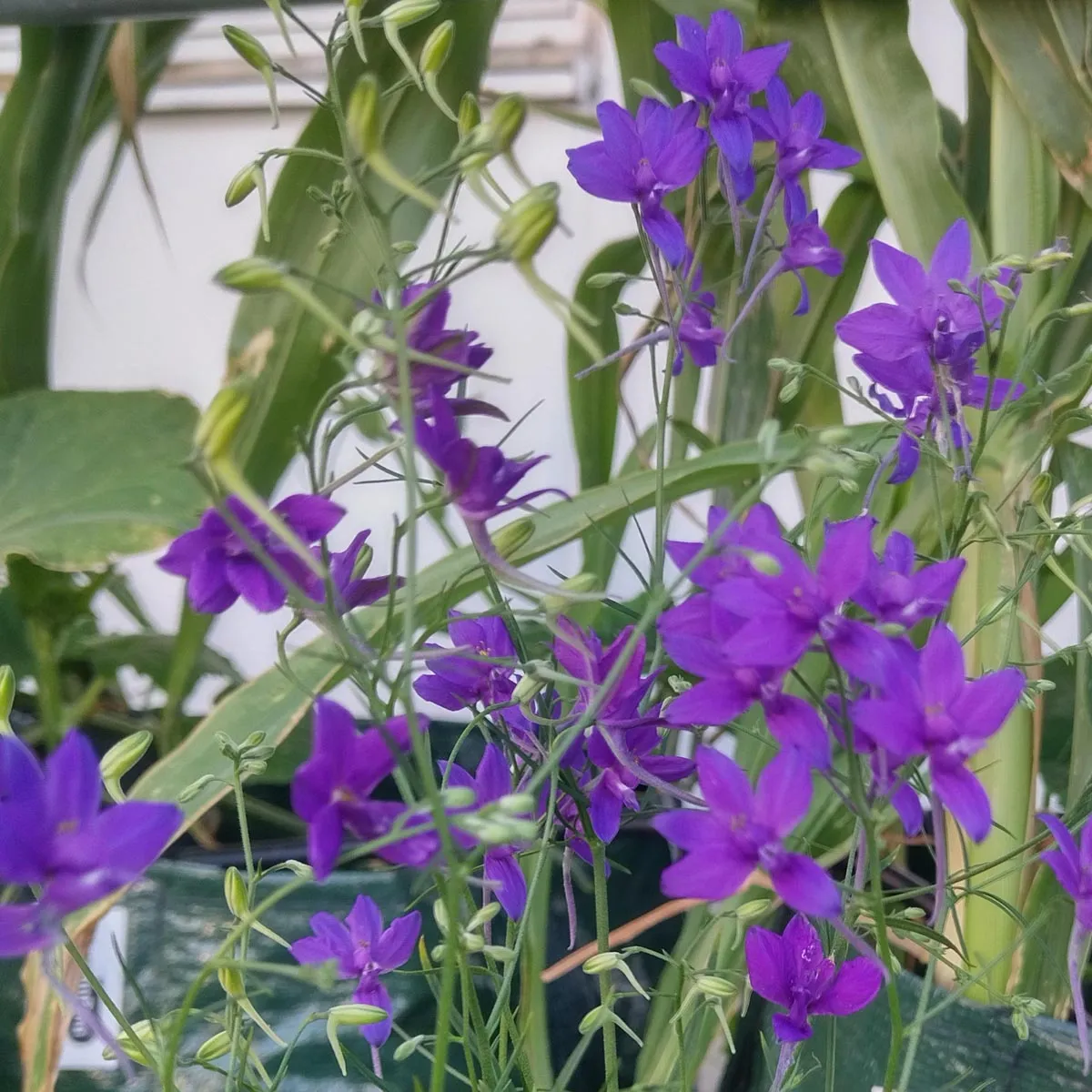
Field larkspur (Consolida ajacis) is an annual summer flower with a slender growth habit and characteristic flower spikes. Its loosely structured inflorescences add height and lightness to beds and are particularly well suited to natural-style and rural garden designs. Thanks to its easy cultivation and reliable flowering, field larkspur is a valued choice for summer gardens with a natural character.
Field larkspur prefers sunny to partially shaded locations and well-drained, rather calcareous soils. It does not tolerate waterlogging well, but once established, the plant also copes well with drier periods. It looks especially harmonious when combined with other annual summer flowers or in loosely designed perennial beds.
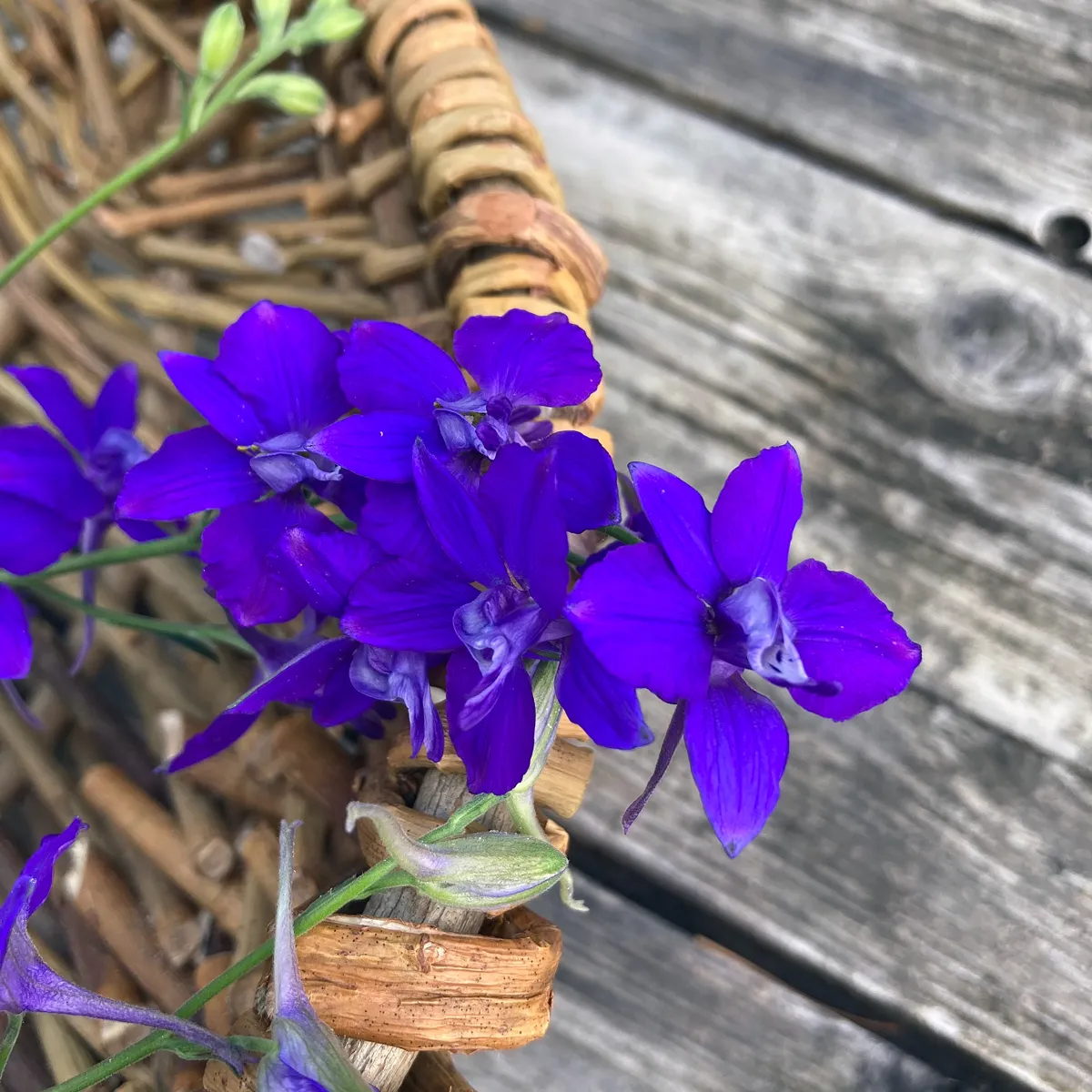
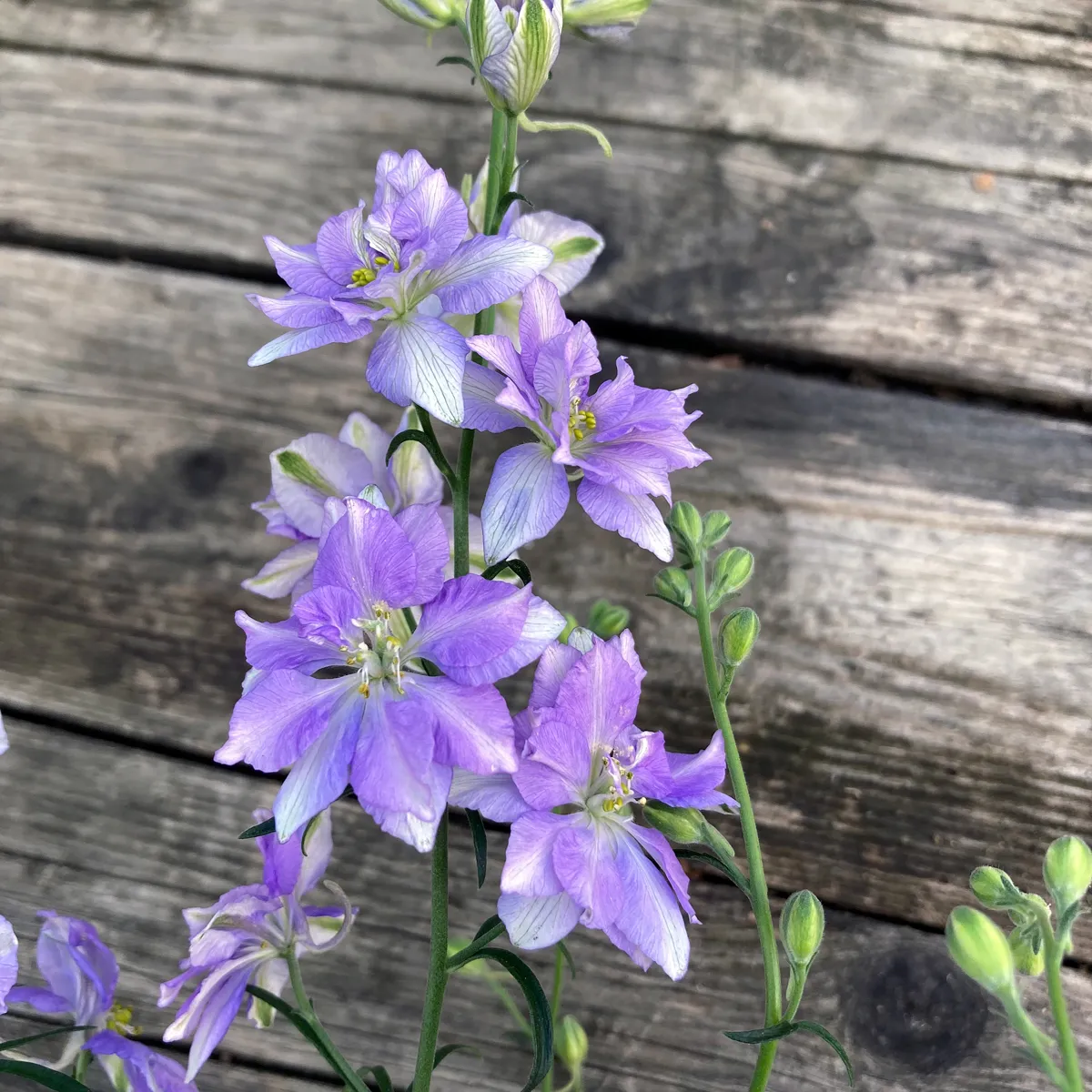
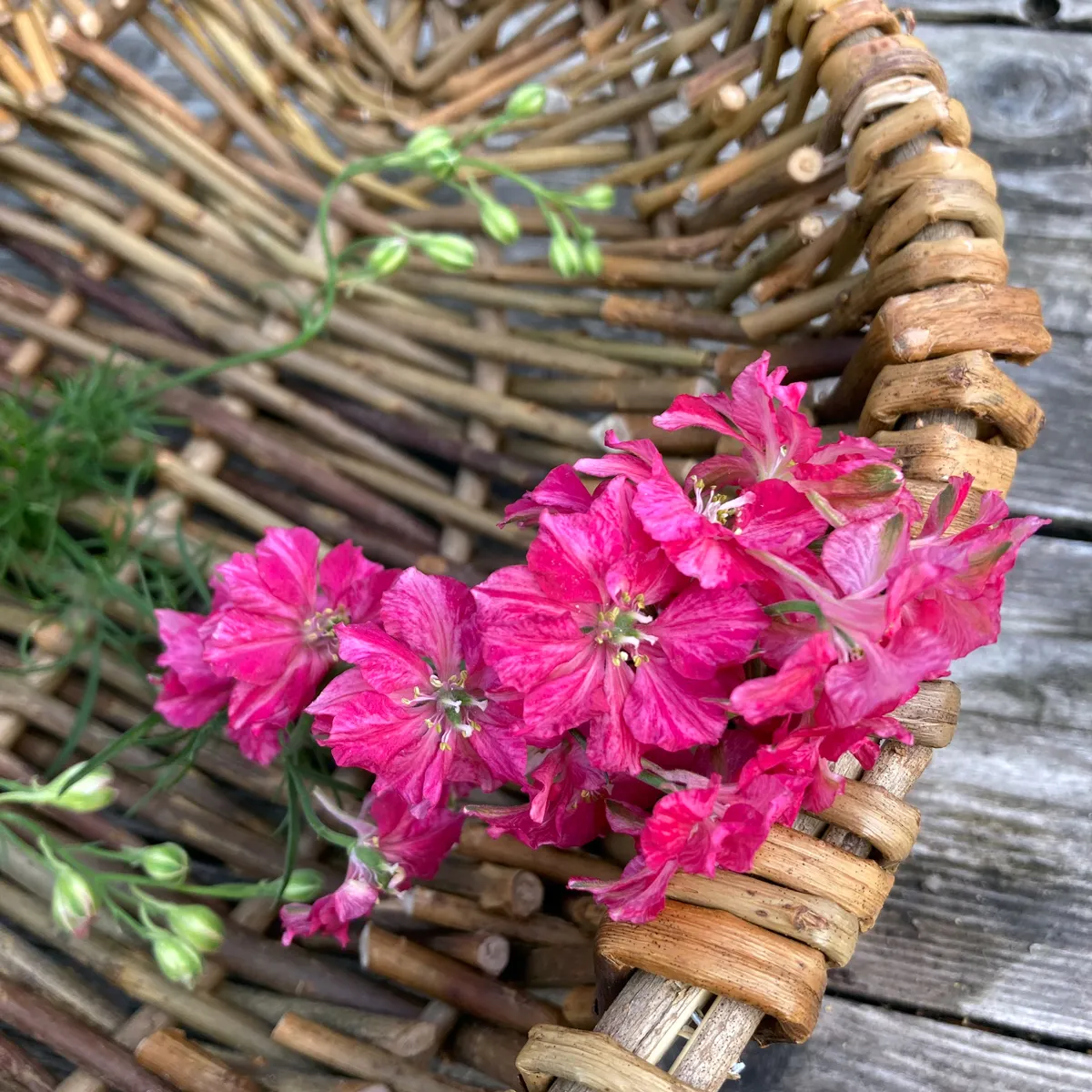
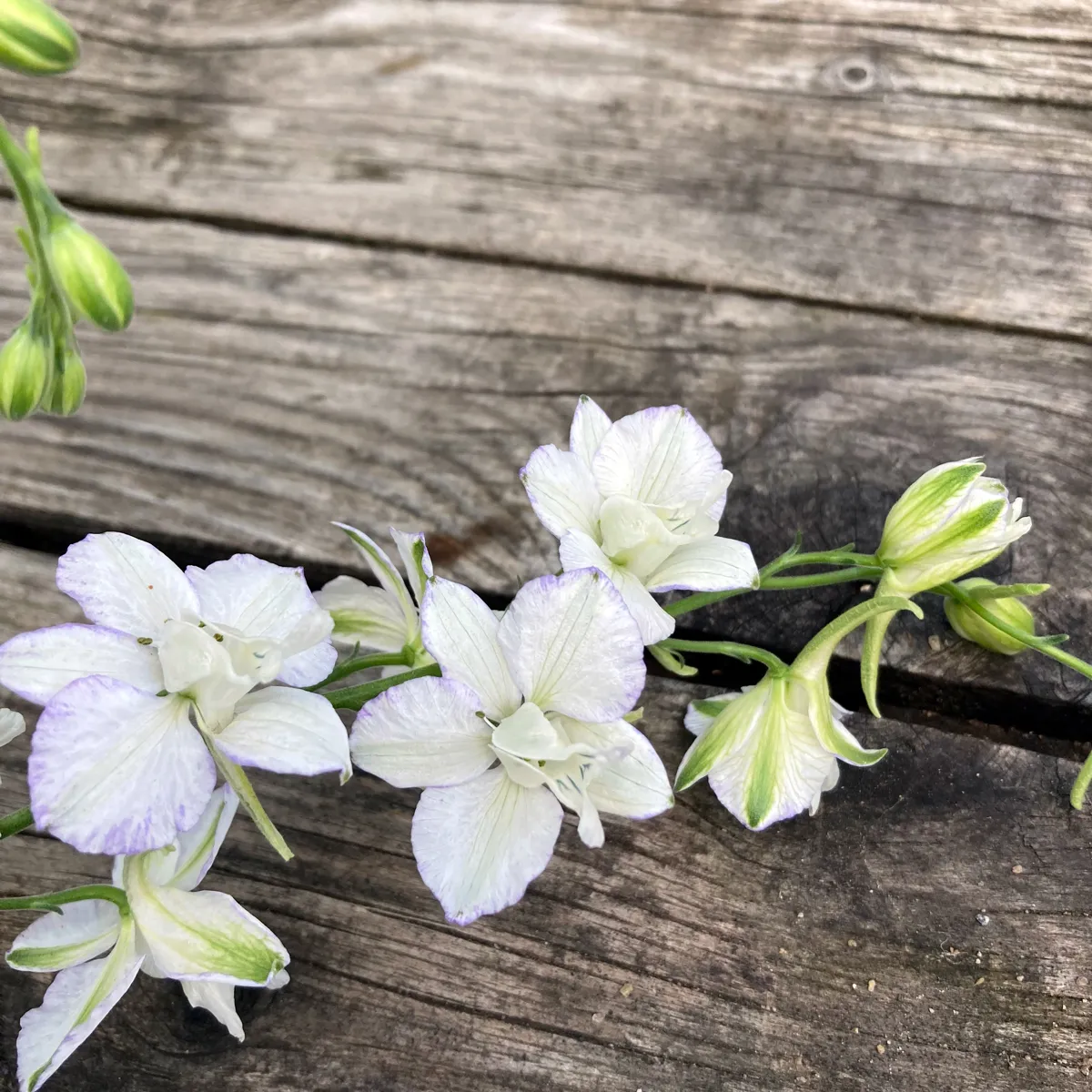
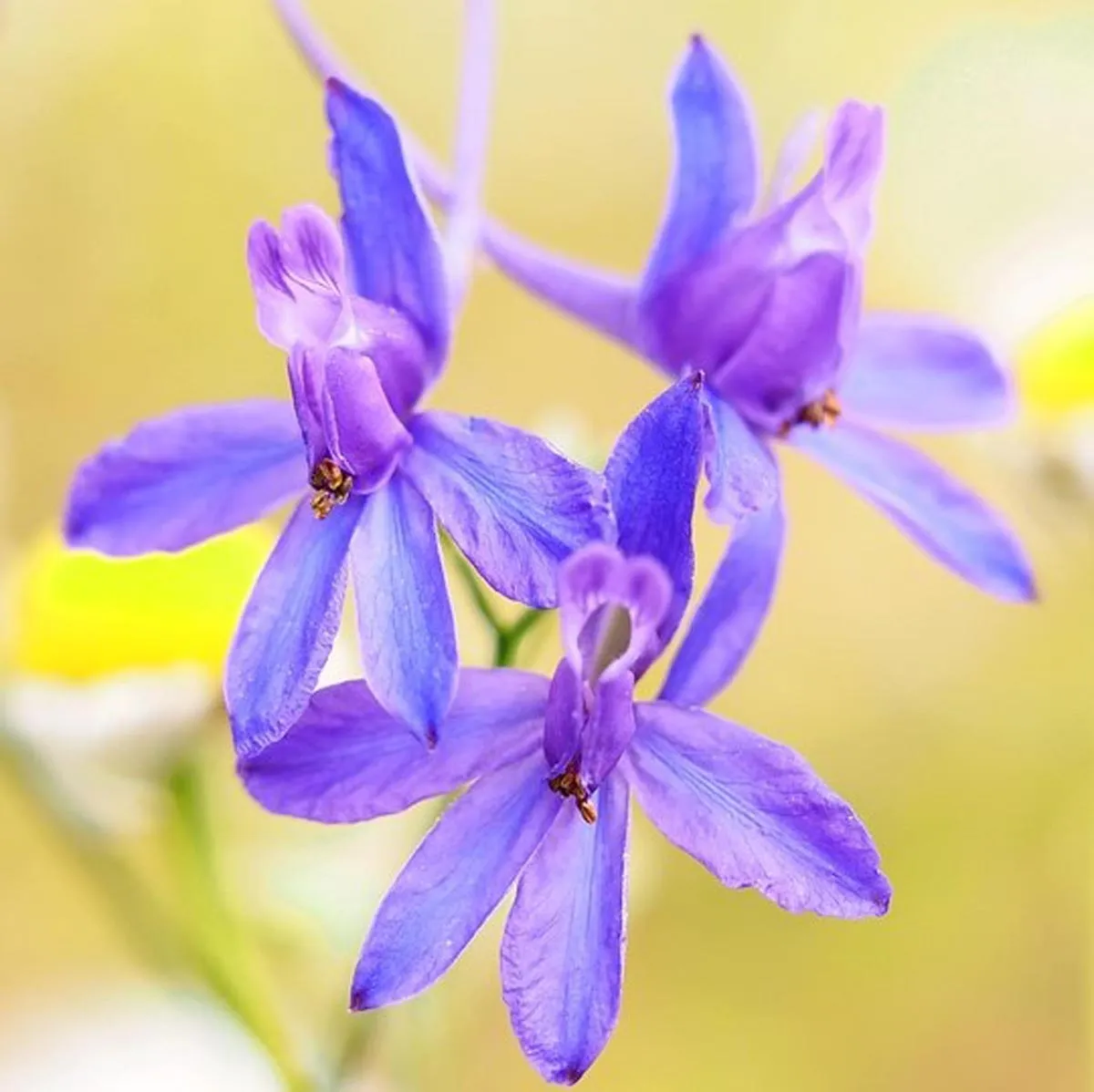
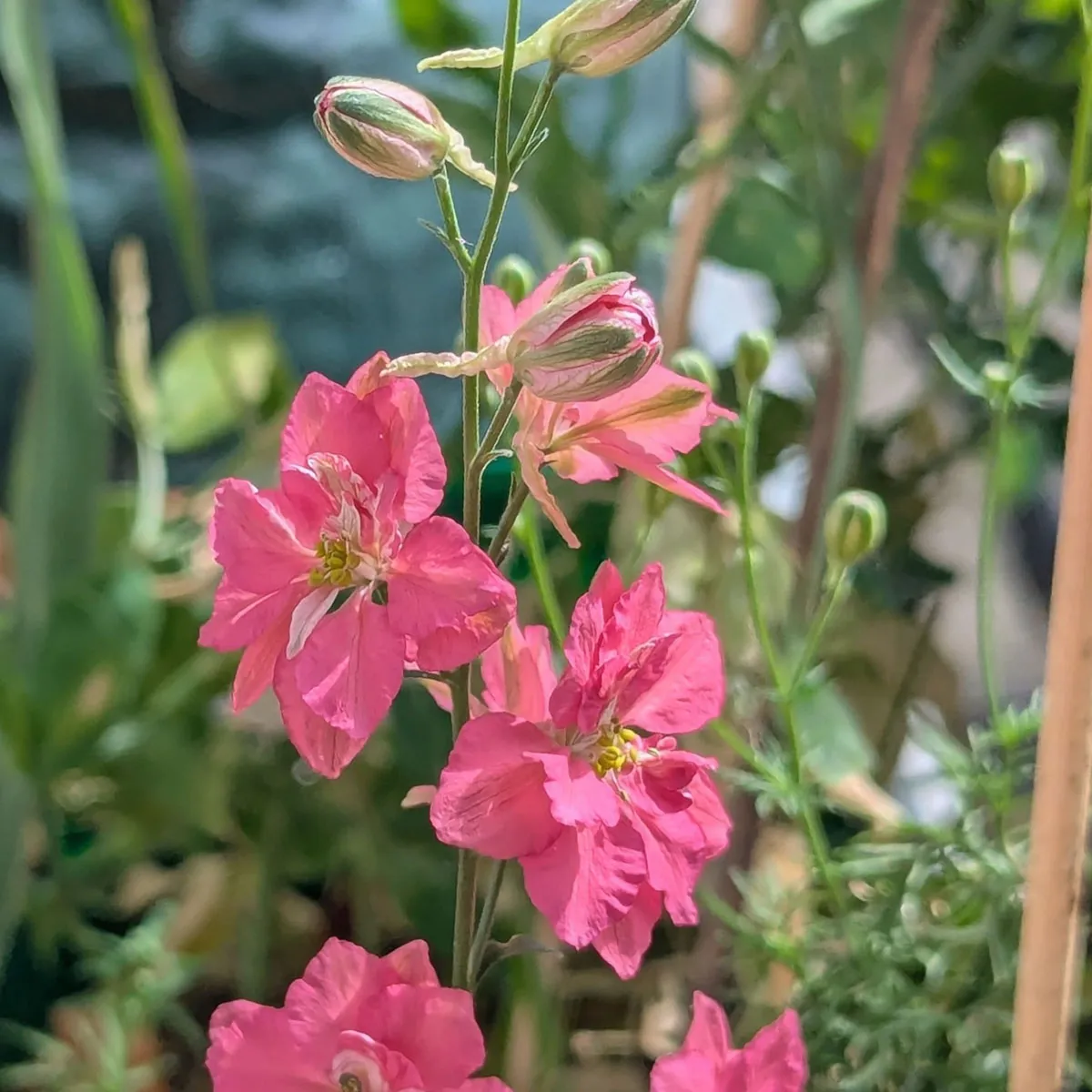
The flowers appear in slender, upright racemes and show shades ranging from blue and violet to pink and white, depending on the variety. Modern cultivars reach heights of around 60 to 100 cm and are suitable both for beds and for use as cut flowers. When planted in groups, field larkspur shows its full effect and gives plantings a clear vertical structure.
Field larkspur can be easily sown directly outdoors. Autumn sowing or early spring sowing promotes particularly early flowering. The plants are not winter-hardy, but often persist through self-seeding, creating new and slightly varied garden scenes each year.
Field larkspur is suitable for anyone who wishes to create structurally rich beds and values a natural, not overly bred flowering effect.

Sowing field larkspur
Field larkspur is sown directly outdoors. Sowing can be done from March in spring or already in autumn to encourage early flowering. The seeds are broadcast, lightly worked into the soil and kept evenly moist. At temperatures of around 10-15 °C, germination usually takes two to three weeks.
Once the seedlings emerge, they should be thinned in good time to a spacing of around 20-30 cm. Field larkspur develops sensitive roots and should not be transplanted. Once established, the plant is easy to care for and needs little water.
Useful information about field larkspur
Field larkspur has been cultivated as an ornamental plant since the 18th century and was long a traditional feature of cottage gardens. Its slender flower spikes clearly distinguish it from perennial delphiniums and make it especially suitable for informal summer plantings.
The plant is well suited as both a cut flower and a dried flower. For bouquets, the stems are cut as soon as several flowers have opened. They last for several days in a vase and add a clear vertical line to floral arrangements.
Field larkspur is visited by bees and butterflies, but is considered poisonous. Seeds and plants should therefore not be grown in the immediate vicinity of play areas or pets. Self-seeding can be controlled effectively by removing faded flower spikes.
Useful information about field larkspur seeds
The seeds of field larkspur (Consolida ajacis) are small, dark-coloured and germinate best at cool temperatures. They should be sown directly outdoors, as the young plants are sensitive to transplanting. Spring or autumn sowing has proved successful, as the seeds can overwinter in the soil and germinate reliably when conditions are suitable.
Field larkspur forms a persistent seed bank in the soil. It can therefore emerge spontaneously after soil cultivation or where bare patches of soil occur. This makes it well suited to naturalistic gardens, although self-seeding may need to be deliberately controlled if required.
Field larkspur is also known as rocket larkspur. This name refers to the plant's narrow, lance-shaped leaves and slender growth habit. Other common names such as garden larkspur or annual larkspur are used mainly in horticultural trade.
The seeds contain highly active alkaloids and are considered highly poisonous. Historically, they were used, among other things, for parasite control. In modern gardening, responsible handling is especially important, particularly with regard to children and pets.
With proper handling and careful placement in the garden, field larkspur can be cultivated safely and offers considerable ornamental and ecological value.