
Wild carrot seeds - delicate umbels for lively natural gardens
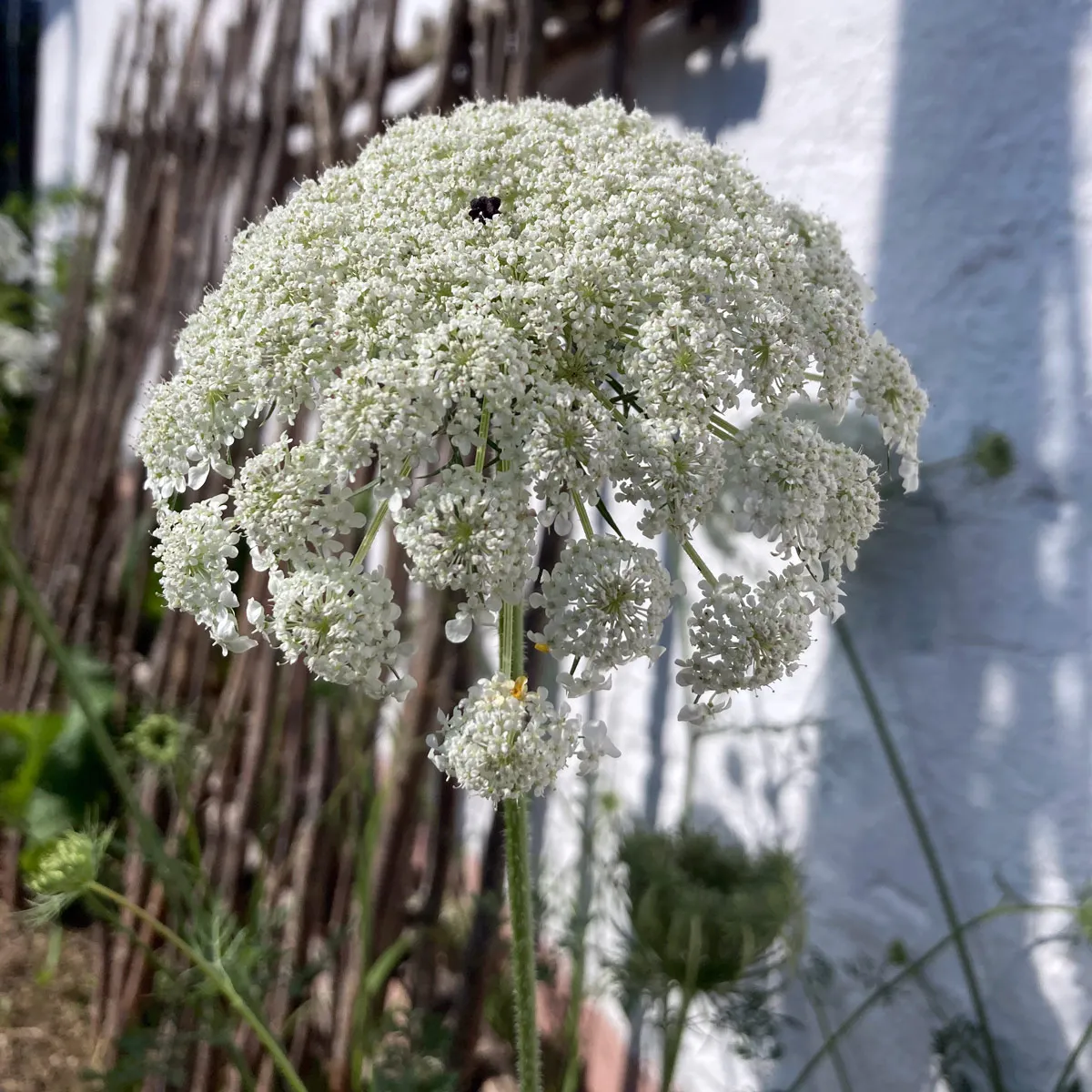
Wild carrot Daucus carota is a native wildflower with delicate white umbels and particular ecological value. Its loose, natural appearance fits beautifully into wildflower beds, sunny borders and naturalistic plantings. Wild carrot seeds make it easy to establish a robust plant that thrives especially well in rather poor, well-drained sites.
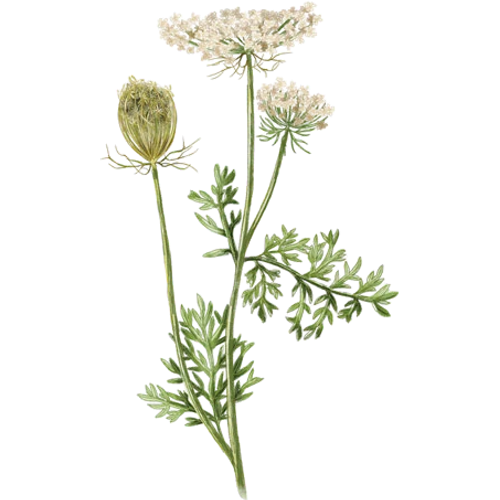
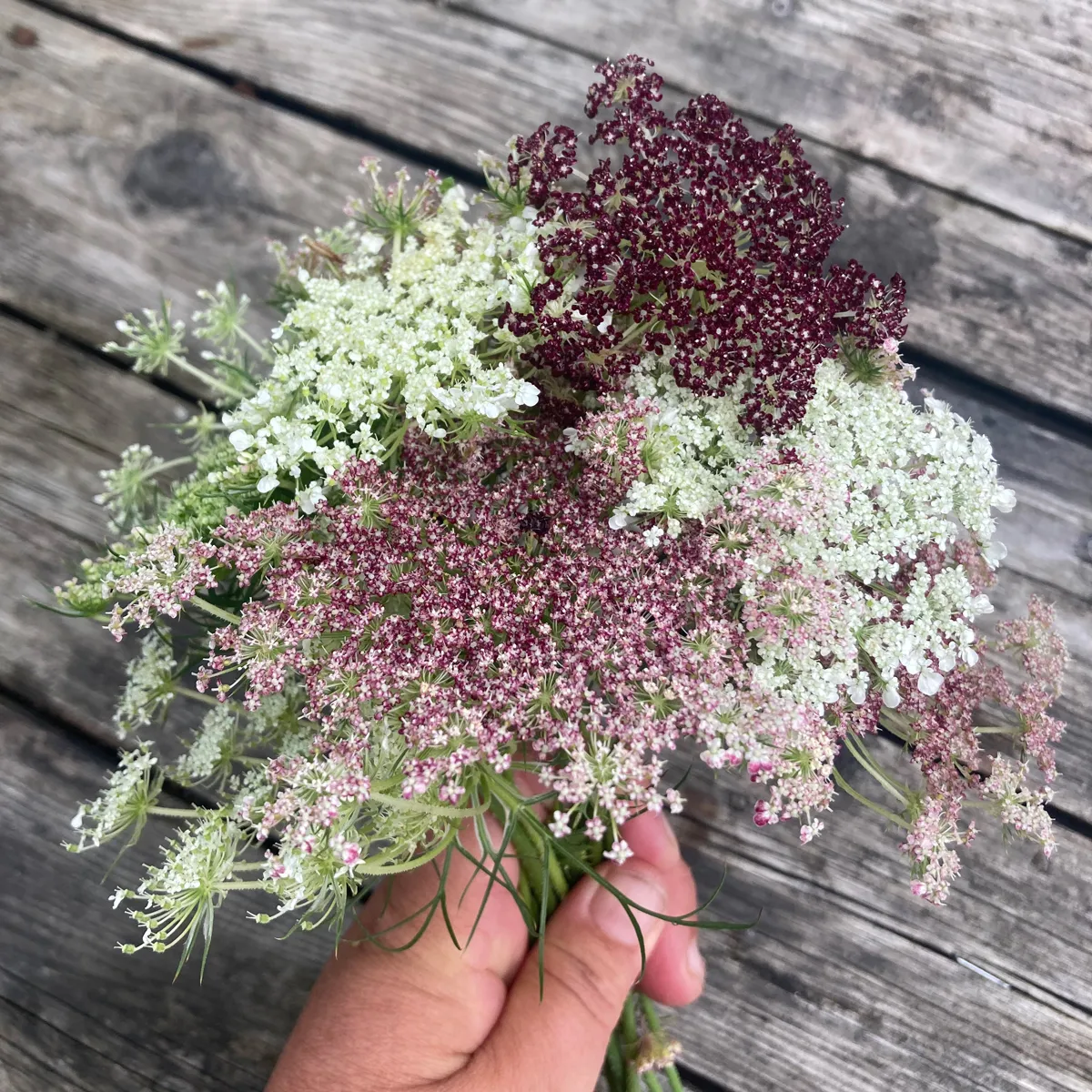
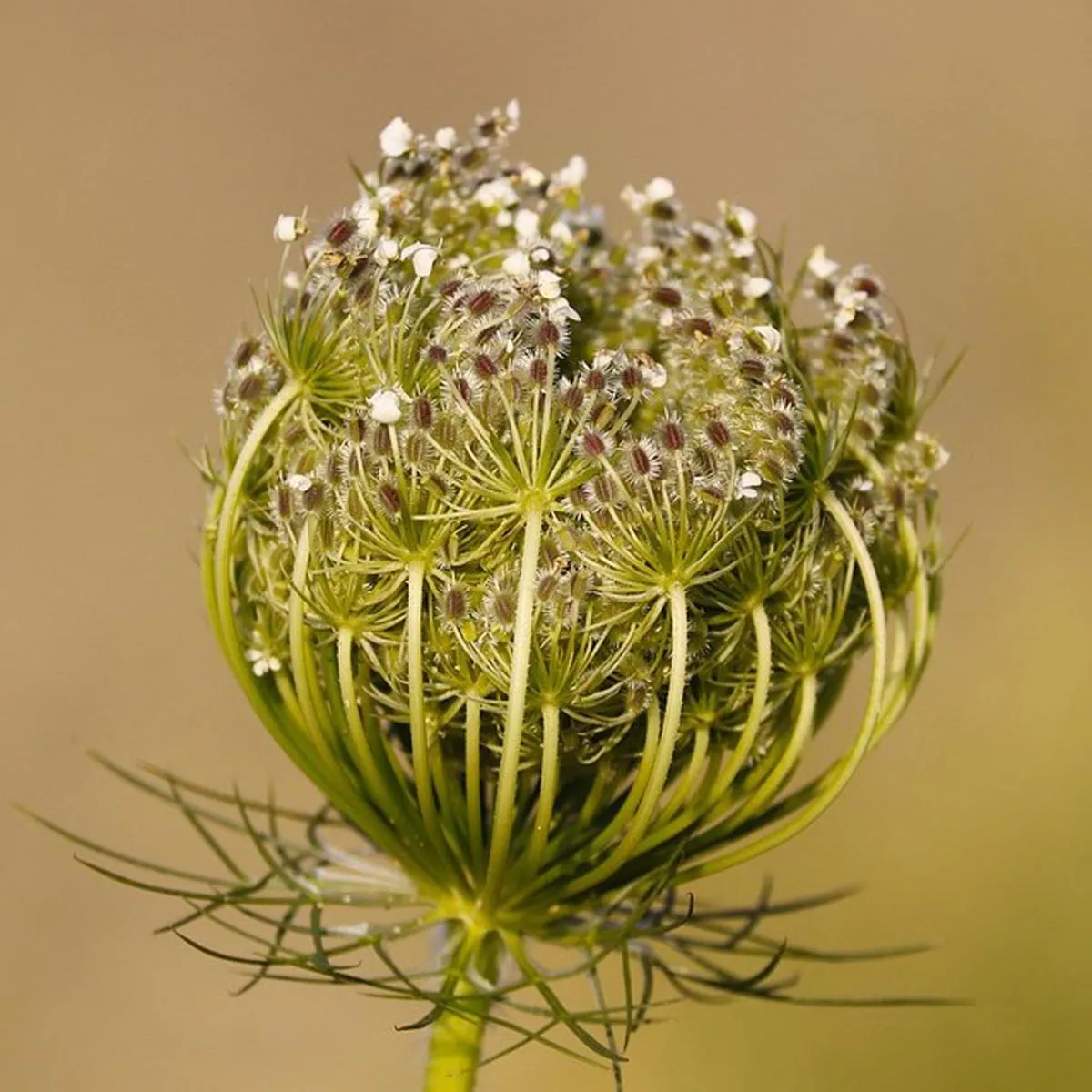
Also known as Queen Anne’s lace, Daucus carota is closely related to the cultivated carrot. Its white flower umbels are characteristic and often feature a single dark flower in the centre. As the seeds ripen, the umbels draw together in a distinctive way and begin to resemble small bird’s nests.
A wildflower full of life
Wild carrot is much more than an attractive meadow plant. Its open umbels are visited by numerous wild bees, hoverflies, beetles and butterflies. At the same time, it serves as a food plant for various butterfly caterpillars and is particularly well known for its importance to the swallowtail butterfly.
Naturally beautiful in sunny locations
In the wild, wild carrot is often found along roadsides, on dry meadows, embankments and nutrient-poor grasslands. It is therefore particularly well suited to sunny garden areas with well-drained, relatively nutrient-poor soil. There it develops its typical loose growth habit and blends very harmoniously into naturalistic plantings.
From white flower umbels to a bird’s nest
During flowering, the delicate white umbels open wide above the finely divided foliage. After flowering, their shape changes noticeably: the umbel rays curve inward and form a nest-like seed head. This unusual transformation makes wild carrot an attractive structural plant in the garden even after flowering.

Sowing & care of wild carrot
Wild carrot seeds are particularly well suited to direct sowing outdoors in autumn. During winter, the seeds naturally undergo a cold period and then germinate the following spring. Alternatively, they can be sown in spring; prior cold treatment may help support germination.
Choose a sunny position with loose, well-drained and rather nutrient-poor soil. Wild carrot prefers dry to moderately fresh conditions and requires little care once established. Heavy fertilisation should be avoided, as it naturally thrives particularly well on poorer soils.
Daucus carota is usually biennial. In the first year, it mainly forms a low-growing leaf rosette; in the second year, branched flower stems with white umbels appear. If the seed heads are allowed to ripen, wild carrot can self-seed in a suitable location and establish itself permanently in the garden.
FAQ about wild carrot
Is wild carrot hardy?
Yes. Wild carrot is adapted to Central European winters and usually overwinters as a leaf rosette. Special winter protection is normally not necessary in a suitable location.
Does wild carrot flower in the first year?
Usually not. As a biennial plant, it mainly develops leaves and a strong root in the first year. The characteristic white flower umbels generally appear in the second year.
Does wild carrot self-seed?
Yes. If the seed heads are left standing after flowering, Daucus carota can self-seed reliably. To limit its spread, remove the seed heads before they are fully ripe.
Why does the wild carrot umbel close after flowering?
As the seeds ripen, the umbel rays curve inward. This creates the characteristic nest-like shape often described as a “bird’s nest”. As ripening progresses and in dry weather, the umbels may open more widely again later.
What is the dark flower in the centre of the umbel?
Many wild carrots have a single dark red to almost black flower in the centre of the otherwise white umbel. It is a striking feature of Daucus carota, although it is not equally pronounced on every plant.
Is wild carrot edible?
Wild carrot has traditionally also been used as a wild food plant. However, particular caution is required when collecting it in the wild, as several other umbellifers look similar and some are highly poisonous. Plant parts should therefore only be used when identification is completely certain.
Which poisonous plants can wild carrot be confused with?
Possible lookalikes include poison hemlock, water hemlock and fool’s parsley. Individual features such as a white umbel or the dark central flower are not sufficient for reliable identification. If the plant is to be used as a wild food plant, several clear identification features should always be checked.
Should the seed heads be left standing over winter?
For a naturalistic garden, some of the dry seed heads can be left standing. They provide structure in autumn and winter while also allowing natural self-seeding.