
Thistle seeds - expressive wildflowers with spines
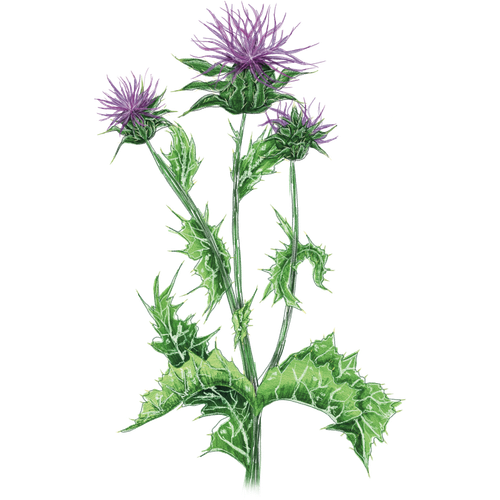
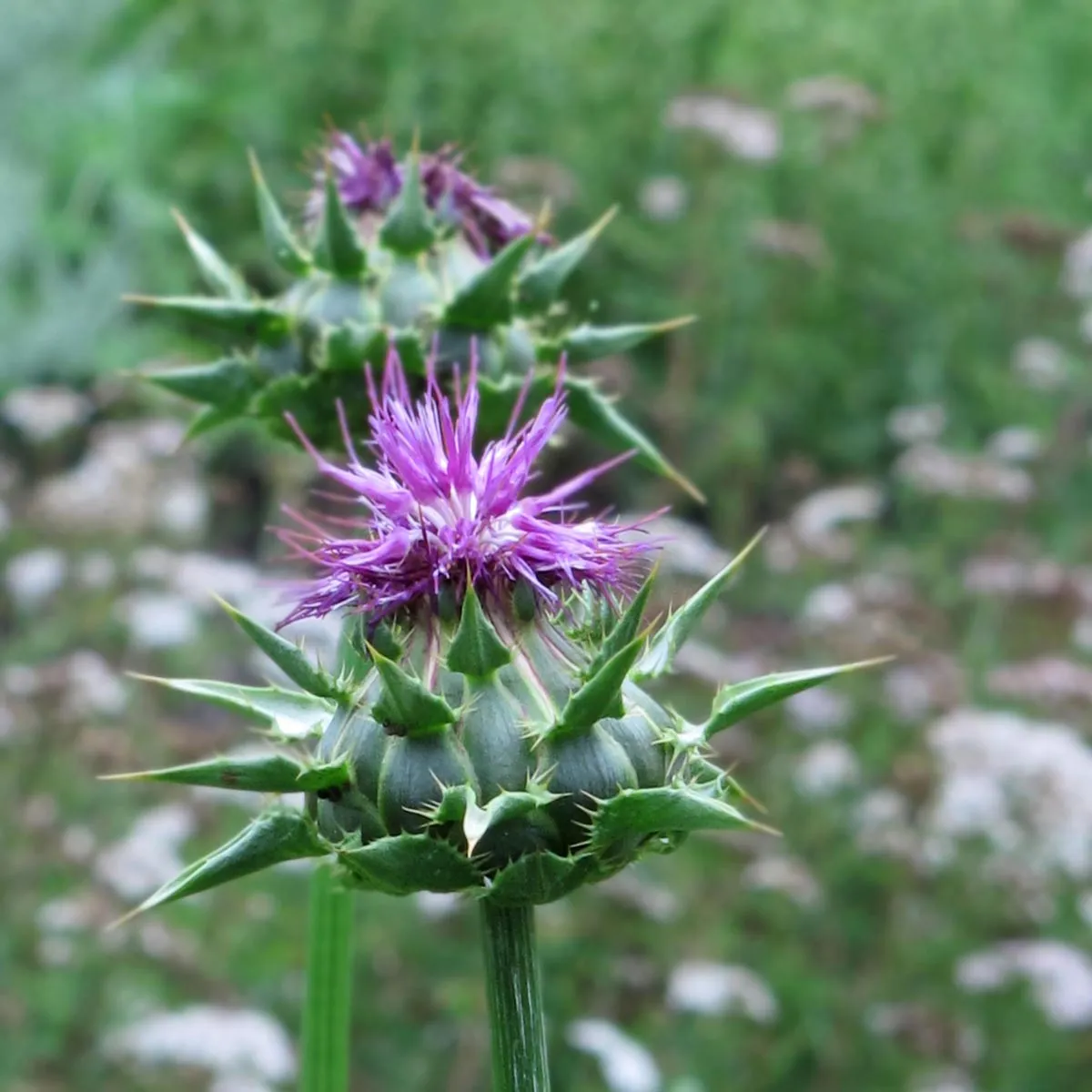
Thistles have something unmistakable about them: striking silhouettes, defensive leaves and flower heads that stand above the bed almost like small sculptures. Some grow low and compact, while others develop into stately plants of impressive height. Anyone who sows thistle seeds therefore brings not only robust wildflowers into the bed, but also a great diversity of forms, colours and structures.
Not all thistles are the same
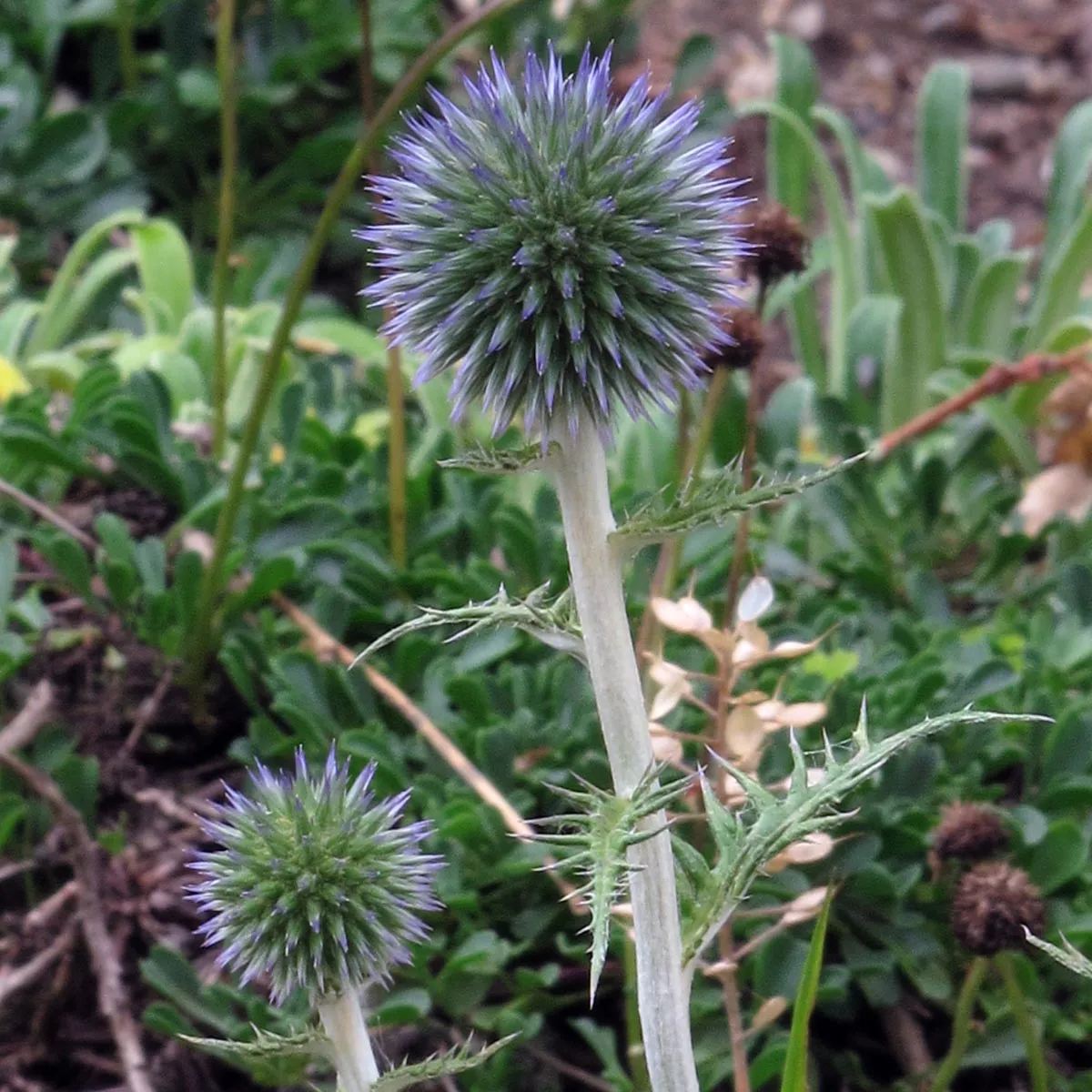
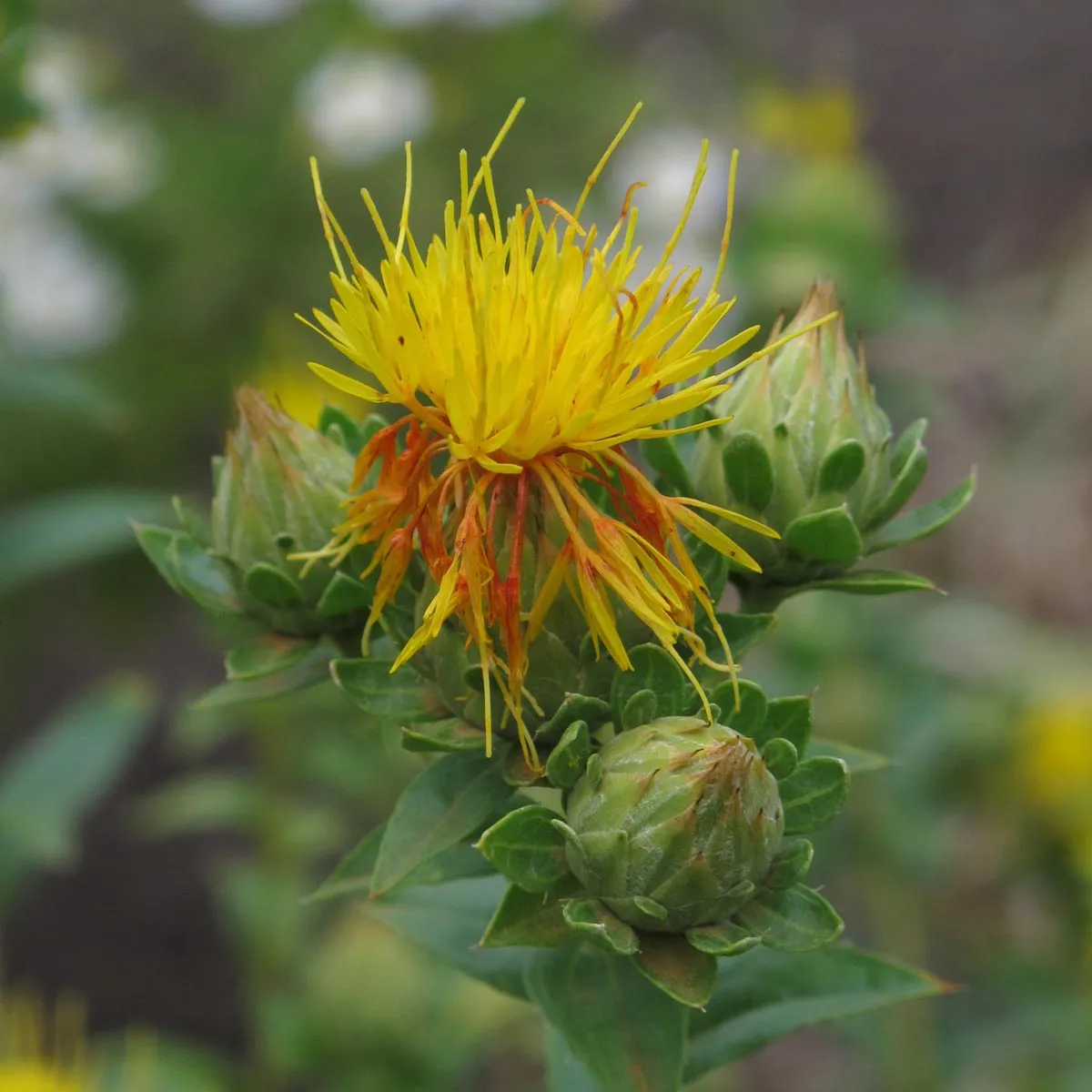
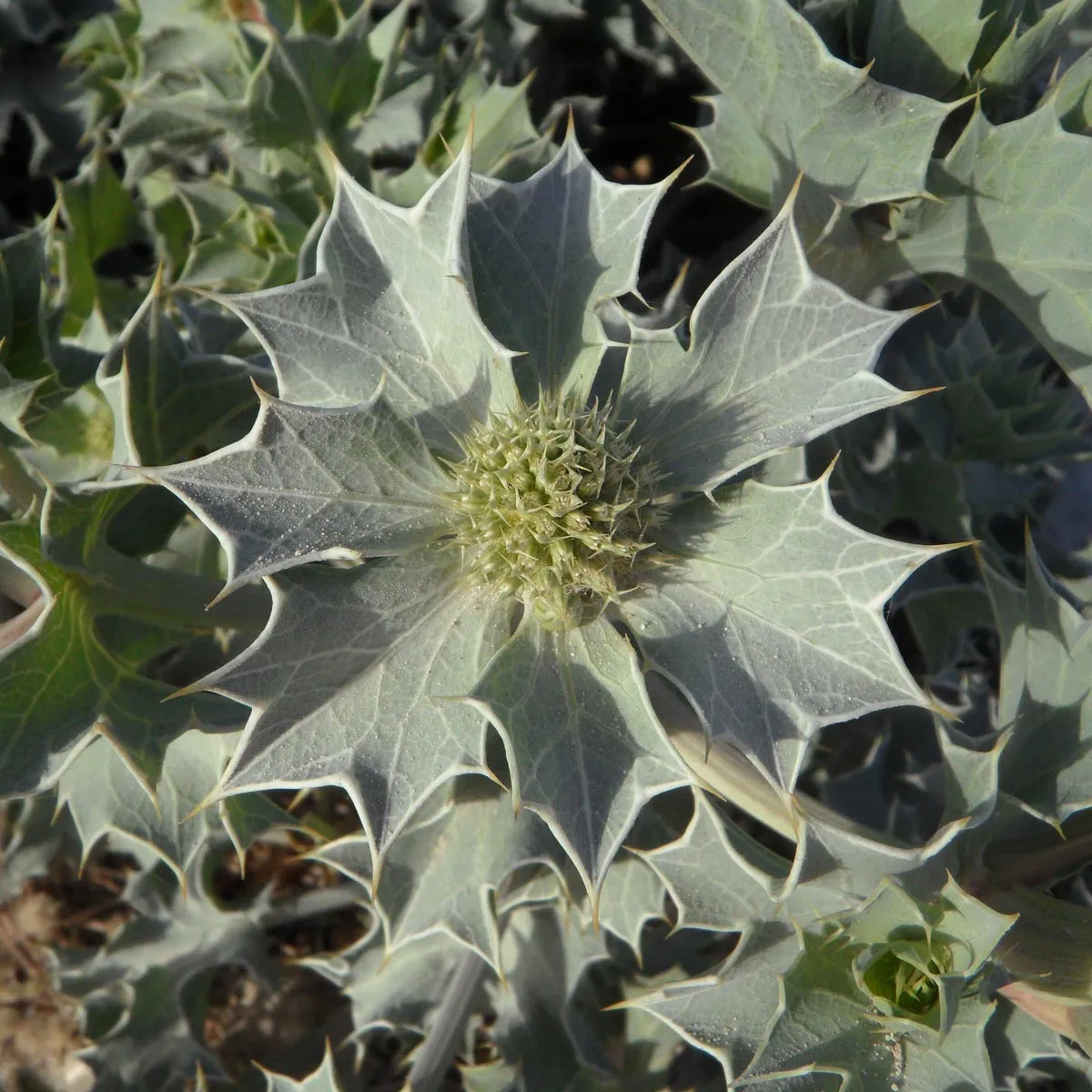
The term thistle does not describe a single botanical group. Many typical thistles do belong to the daisy family, but in the garden, plants such as globe thistles or sea hollies are also quite naturally counted among thistles. Their growth habit, lifespan and site requirements are correspondingly different.
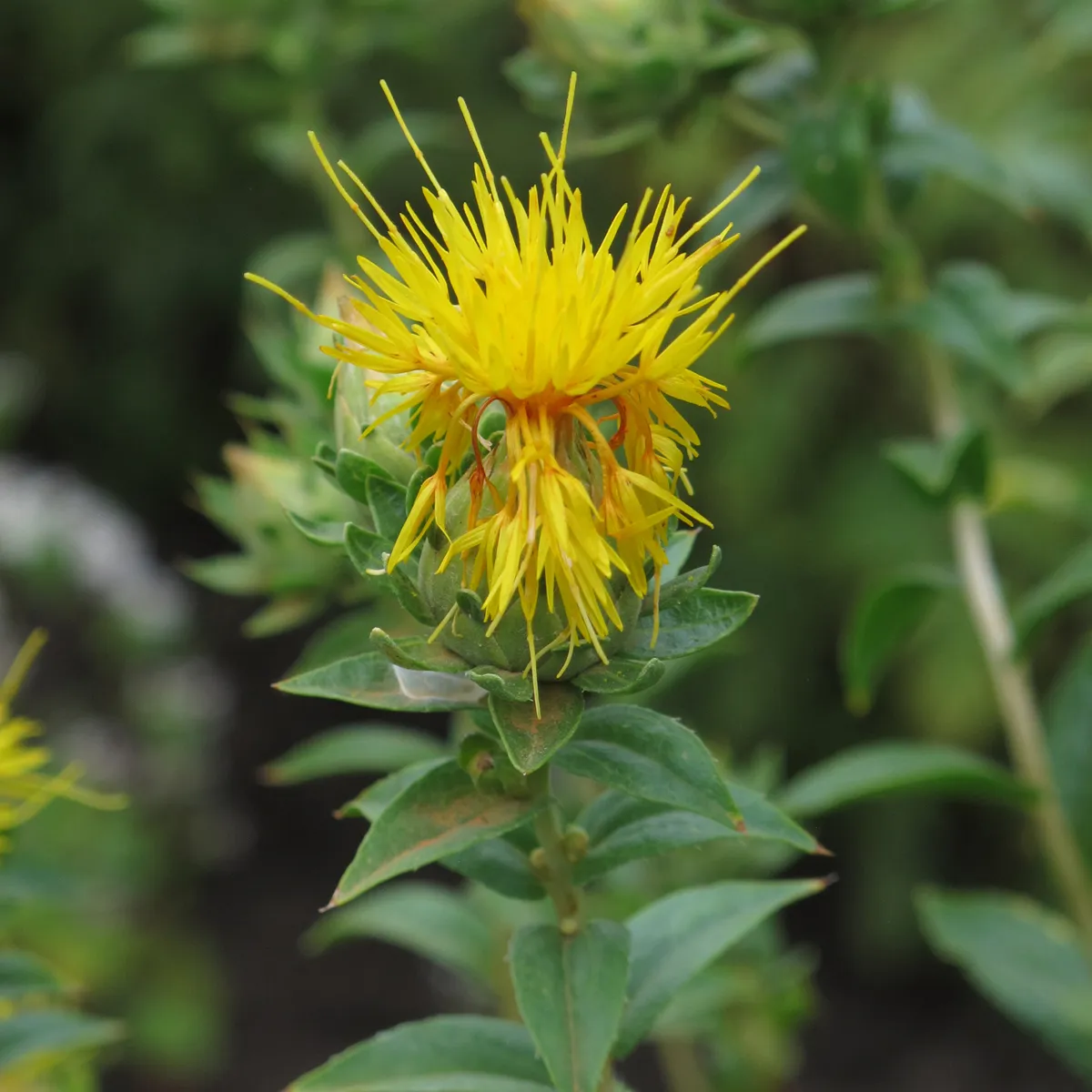
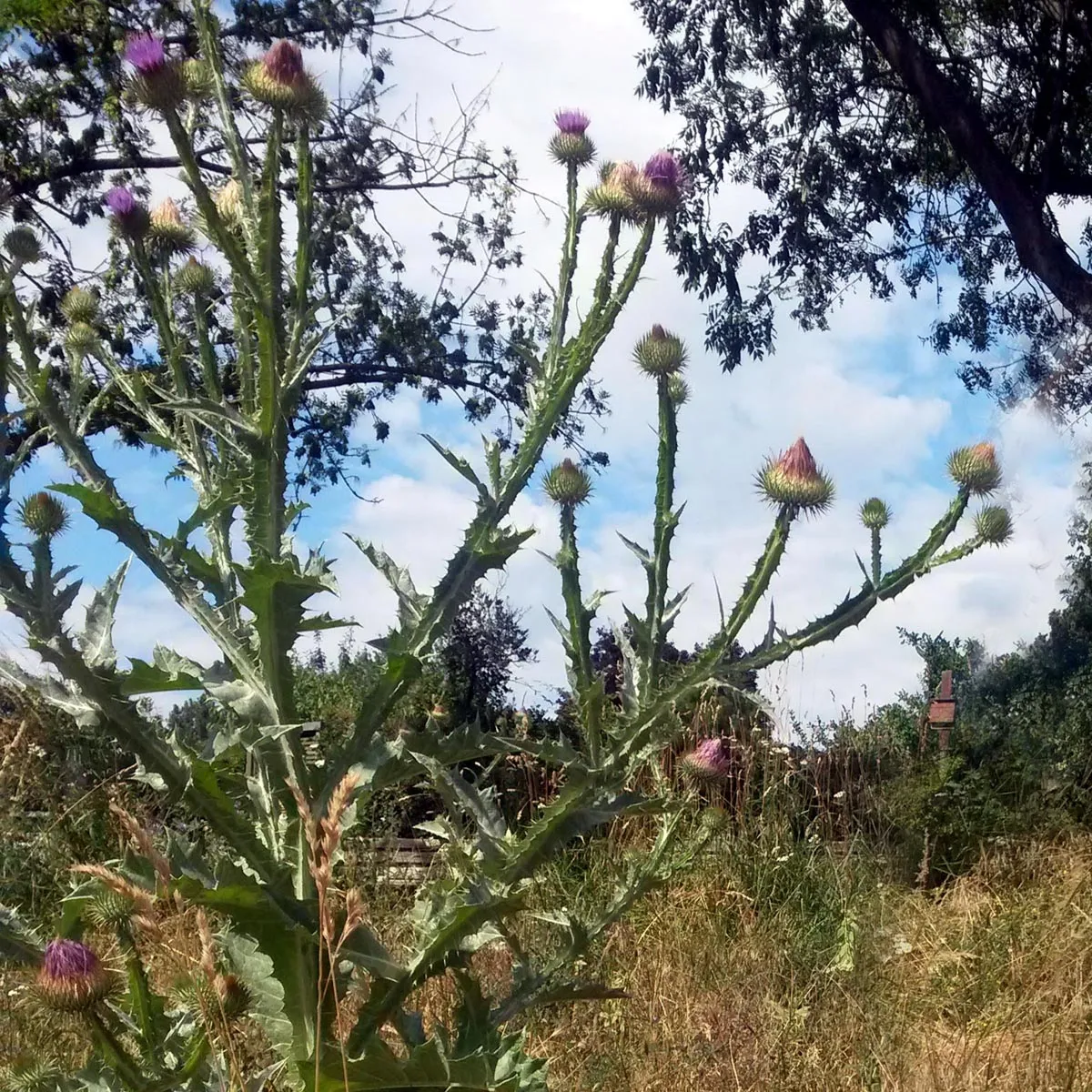
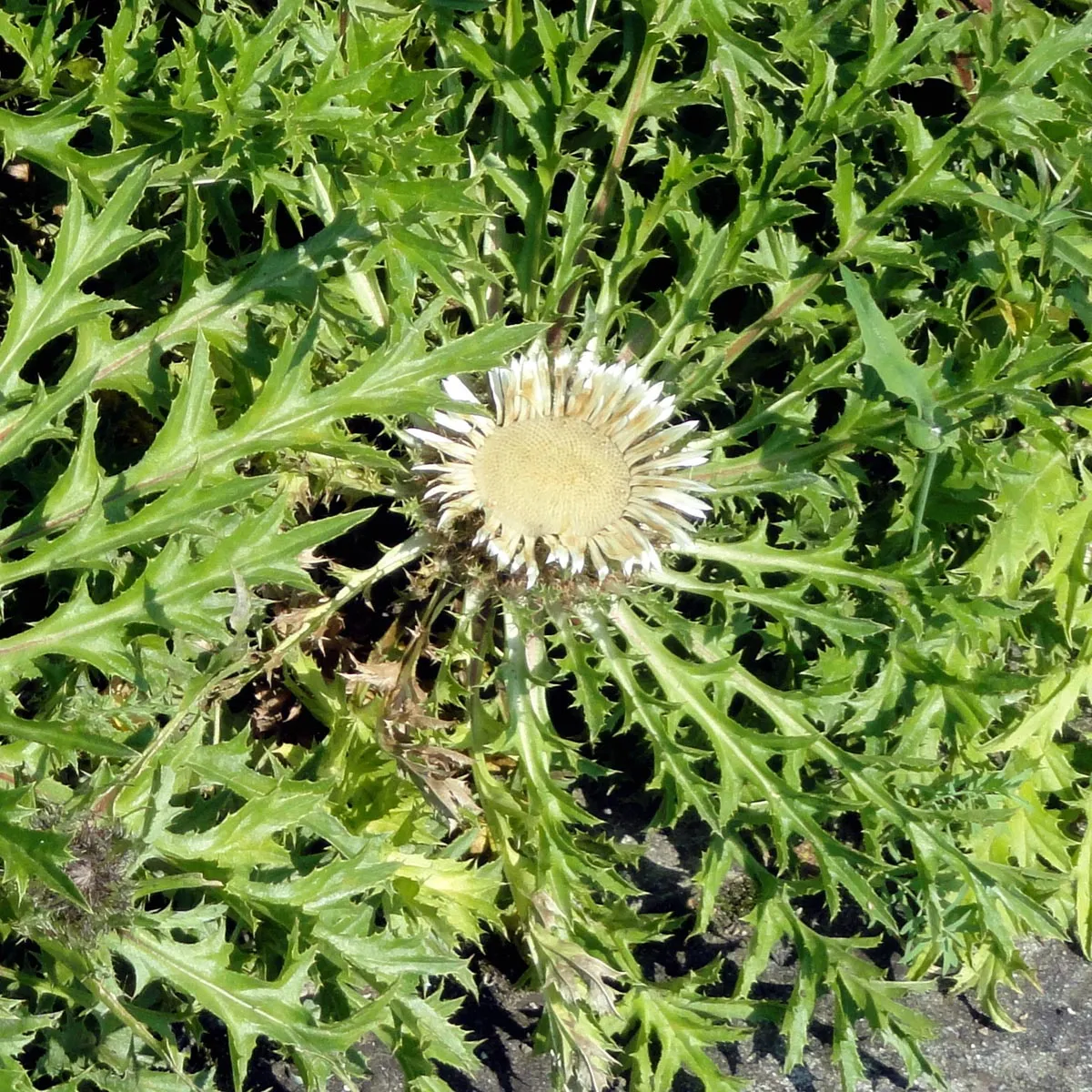
Well-known groups include plume thistles, true thistles, globe thistles and cotton thistles. In addition, there are other spiny or thistle-like species that differ clearly in botanical terms, but create a similarly expressive effect in the garden.
Spines as protection and design element
The defensive leaves and stems of many thistles are an effective protection against browsing. At the same time, they shape the appearance of the plants and give them their typical, often architectural effect.
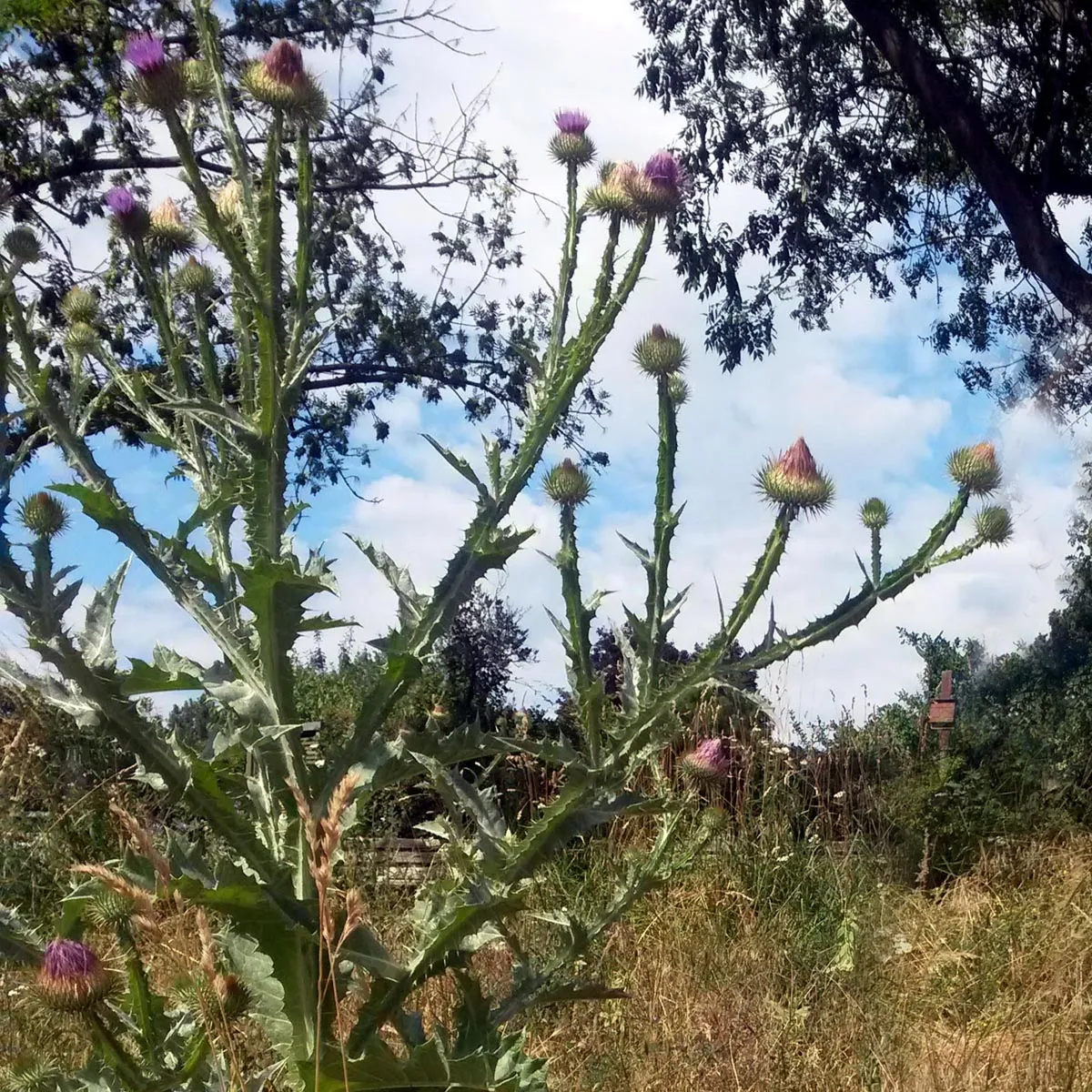
Species with silvery hairs, such as cotton thistle, are striking long before they flower. Globe thistles create clear accents with their round, usually blue flower heads, while other species appear wilder and more natural with large purple flower heads.
Valuable flowers for insects
Thistle flowers are among the particularly popular food sources for many insects. Their flower heads consist of numerous small individual florets that offer nectar and pollen. Bumblebees, wild bees, hoverflies, beetles and numerous butterflies make intensive use of this supply.
Especially in naturalistic plantings, thistles can therefore make an important contribution to a long and varied flowering season. If some seed heads are left standing after flowering, birds can later benefit from the seeds as well.
From dry beds to moist sites
Many familiar thistles prefer sunny, open and rather dry locations. Globe thistles, cotton thistles and woolly-headed plume thistles often cope very well with well-drained, poor soils and appear especially sturdy there.
But not every thistle is a dry-site plant. Species such as cabbage thistle or marsh thistle naturally grow on fresher to moist soils. For successful cultivation, it is therefore always worth looking at the needs of the particular species.
Annual, biennial or perennial
There are also major differences in lifespan. Many wild thistles are biennial: in the first year they develop a strong leaf rosette, and in the second year the tall flower stems appear. After seed ripening, the individual plant dies, but it can self-sow in suitable locations.
Other thistles are perennial and resprout for many years. Depending on the species, this can create very different garden scenes - from wildflowers that keep self-sowing anew to permanently present structural plants.
Thistles as a symbol of resilience
The defensive appearance of the thistle has given it special symbolism over the centuries. It has been associated with protection, independence and resilience, and appears in coats of arms, stories and cultural traditions of various regions.
Thistles also have a special presence in the garden. They are neither restrained nor arbitrary, but create clear accents and, with their seed heads, often retain their distinctive form well into winter.
Designing with wild beauty
Many thistles self-sow readily. In naturalistic beds, this can be exactly what is wanted, as it creates loose, changing plantings. Anyone wishing to limit their spread can remove some of the seed heads before they are fully ripe.
In this way, thistles can be used very deliberately: as individual specimen plants, in dry wildflower beds or together with grasses, mulleins and other plants with strong structure. Their flowers, spines and seed heads provide an unmistakable sight from summer well into winter.

Sowing and growing thistles from seed
How thistles are sown depends greatly on the species. Many biennial wild thistles are particularly well suited to direct sowing outdoors. Sowing in late summer or autumn follows their natural rhythm: in the first year they form a strong leaf rosette, while the tall flower stems appear in the following year.
Alternatively, many species can also be sown in spring. An open germination site with as little competition as possible is important. Thistle seeds are usually sown shallowly and gently pressed into the soil. During germination, the soil should remain evenly moist. Later, many drought-tolerant species cope with considerably less water.
Perennial species such as globe thistles can also be grown from seed. As many thistles develop strong roots at an early stage, young plants should not remain unnecessarily long in small pots and their roots should be disturbed as little as possible when planting out.
Site requirements can differ considerably between species. Many familiar thistles prefer sunny, open sites with well-drained soil, while others grow in fresher or even moist conditions. The individual species description should therefore always be taken into account when sowing.
Recommended reading: Wild teasel in a natural garden
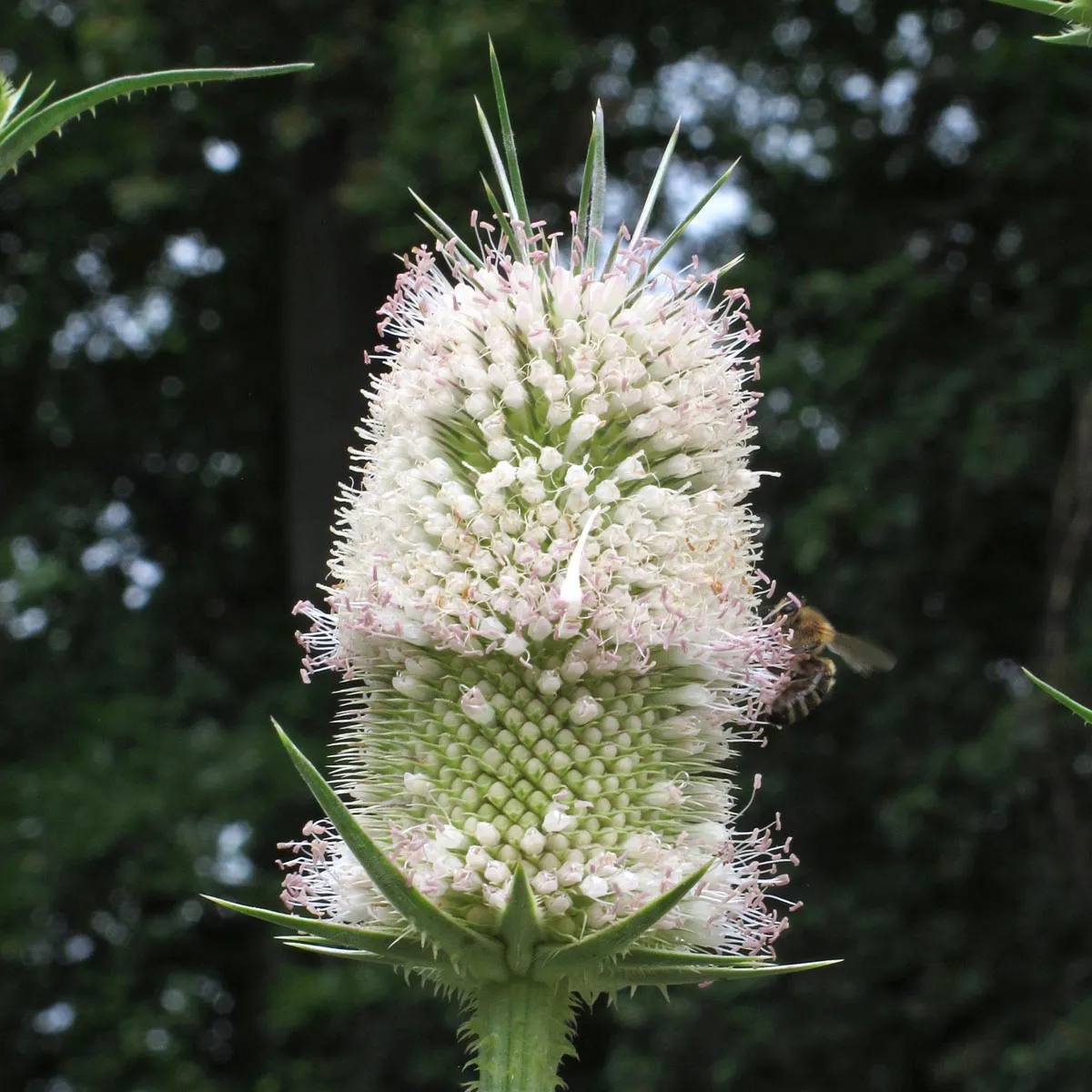
Wild teasel is a particularly fascinating spiny wild plant. Botanically, it is not a thistle, but it shares the striking appearance and high value for a lively garden that many thistles have. In our blog article, we explain why its flowers, small water reservoirs and seed heads create a tiny garden ecosystem of their own:
Frequently asked questions about thistle seeds
When should thistle seeds be sown?
This depends on the species. Many biennial wild thistles can be sown directly outdoors in late summer or autumn. Spring sowing is also possible for many species.
How deep should thistle seeds be sown?
Many thistle seeds are sown only shallowly and lightly covered with soil or worked into the soil surface. Sowing too deeply can make germination more difficult.
Are thistles perennial?
Not all of them. There are annual, biennial and perennial thistle species. Many typical wild thistles are biennial, while various globe thistles, for example, are perennial and can remain in the border for many years.
Why do biennial thistles not flower in their first year?
Biennial species usually spend their first year as a low-growing leaf rosette. During this time they store energy and develop their root system. Only after winter do the flowering stems grow and the plant begins to bloom.
What site do thistles need?
Many familiar thistle species prefer full sun and well-drained, relatively poor soil. However, there are also species suited to fresher or moist conditions. The requirements of the individual species are therefore always decisive.
Are thistles drought tolerant?
Many thistles cope very well with drought, especially species from dry grasslands, disturbed ground and sunny margins. However, this does not apply equally to all thistles.
Are thistles good for insects?
Yes. Many thistle flowers provide abundant nectar and pollen and are frequently visited by bumblebees, wild bees, butterflies, hoverflies and beetles.
Are thistle seeds also useful for birds?
Yes. The mature seed heads of various thistles and thistle-like wild plants are used by seed-eating birds. It can therefore be beneficial to leave some faded plants standing through autumn and winter.
Should thistles be cut back after flowering?
That depends on whether self-seeding is desired. If you want new seedlings and seeds for birds, some seed heads can be left standing. If a species should not spread further, remove the flower heads before the seeds are fully ripe.
Do thistles self-seed strongly?
Many species readily self-seed in open sites. How strongly they spread depends on the species, soil and competition from other plants. In smaller gardens, their spread can be controlled by allowing only selected seed heads to mature.
Are all plants called thistles true thistles?
No. In horticulture, the name thistle is used for various plants. Globe thistles belong to the daisy family, sea hollies to the carrot family, and wild teasel to the honeysuckle family. Their spiny appearance means they are often perceived as a group in the garden.
Are thistles suitable for natural gardens?
Many species are excellent for naturalistic plantings. In addition to providing flowers for insects, their striking stems and seed heads add structure and can remain in the garden well into winter.
Can thistles be grown in containers?
More compact species can also grow in larger containers. Very large or deep-rooted thistles are usually better suited to open ground. Good drainage is particularly important when growing them in pots.
Which plants combine well with thistles?
For sunny, relatively dry plantings, good companions include mulleins, yarrows, oregano, scabious and various grasses. Together they create structured plantings with flowers over a long season.