
Garden strawflower seeds - grow colourful cut and dried flowers yourself
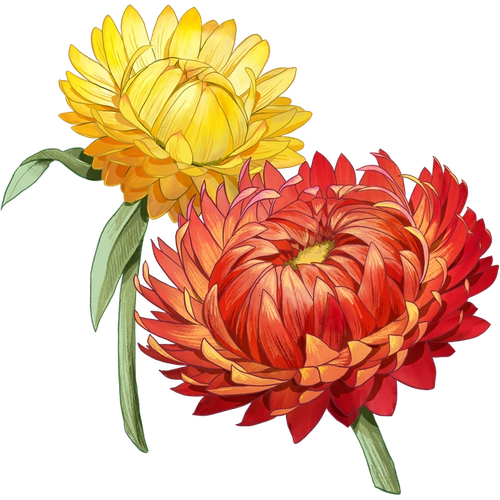
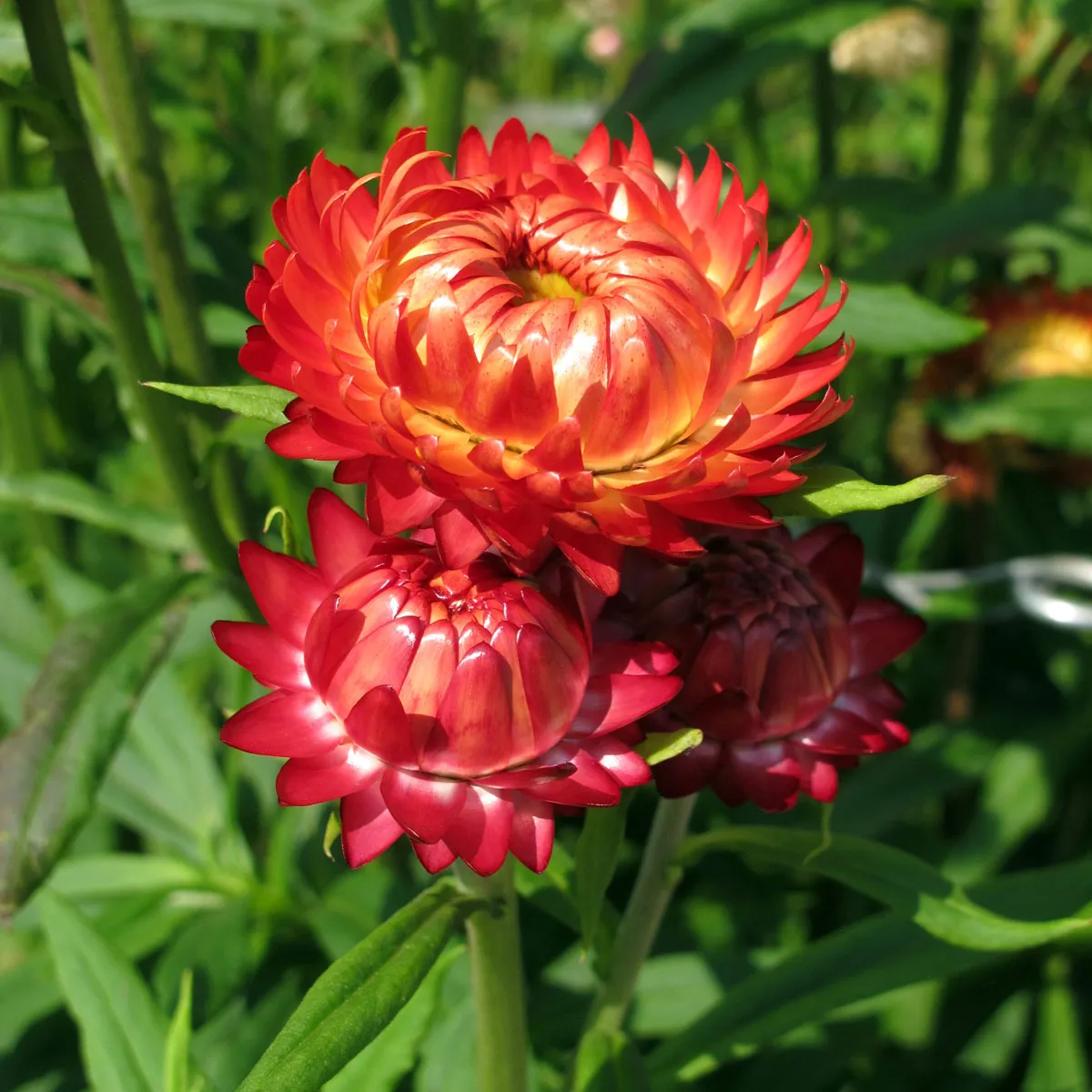
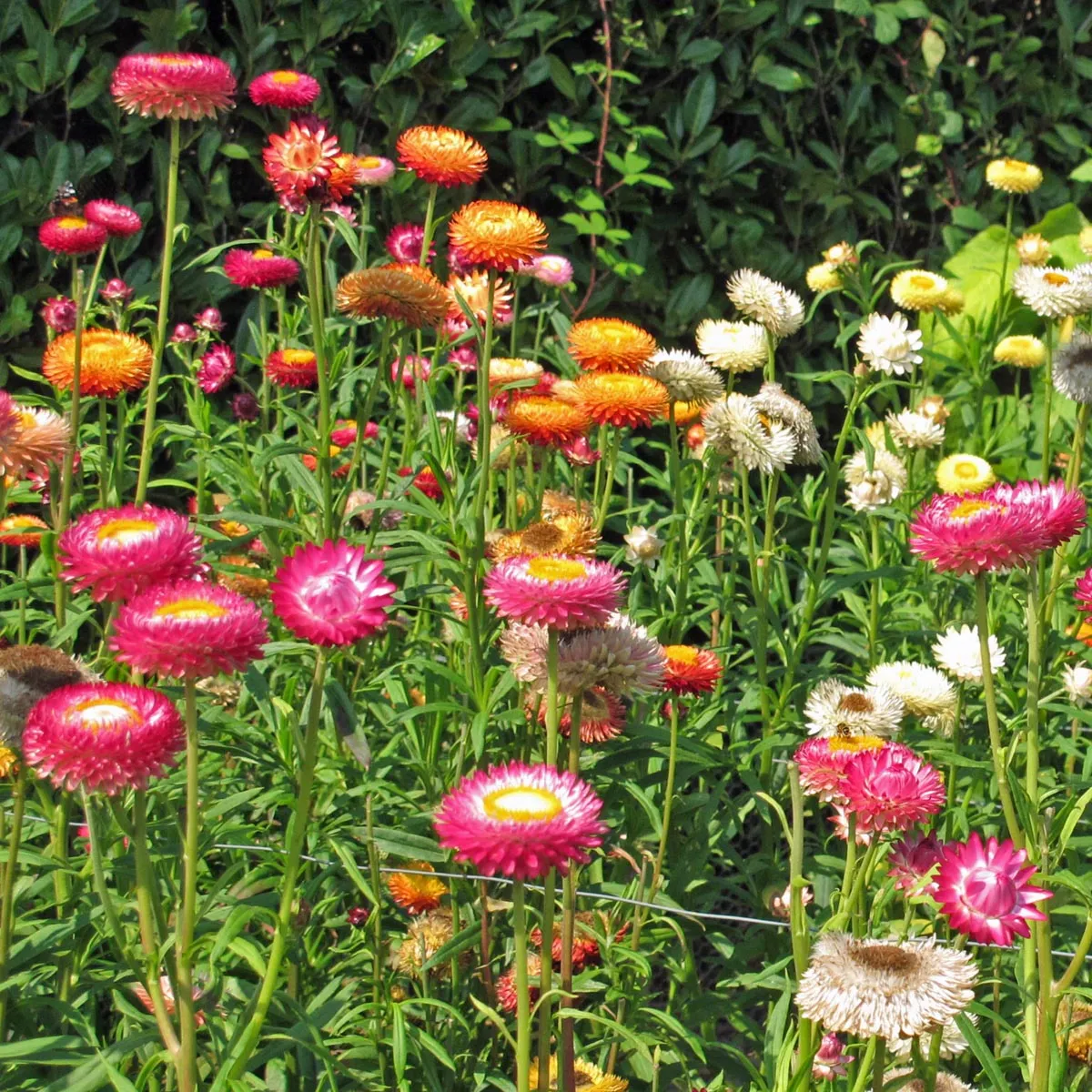
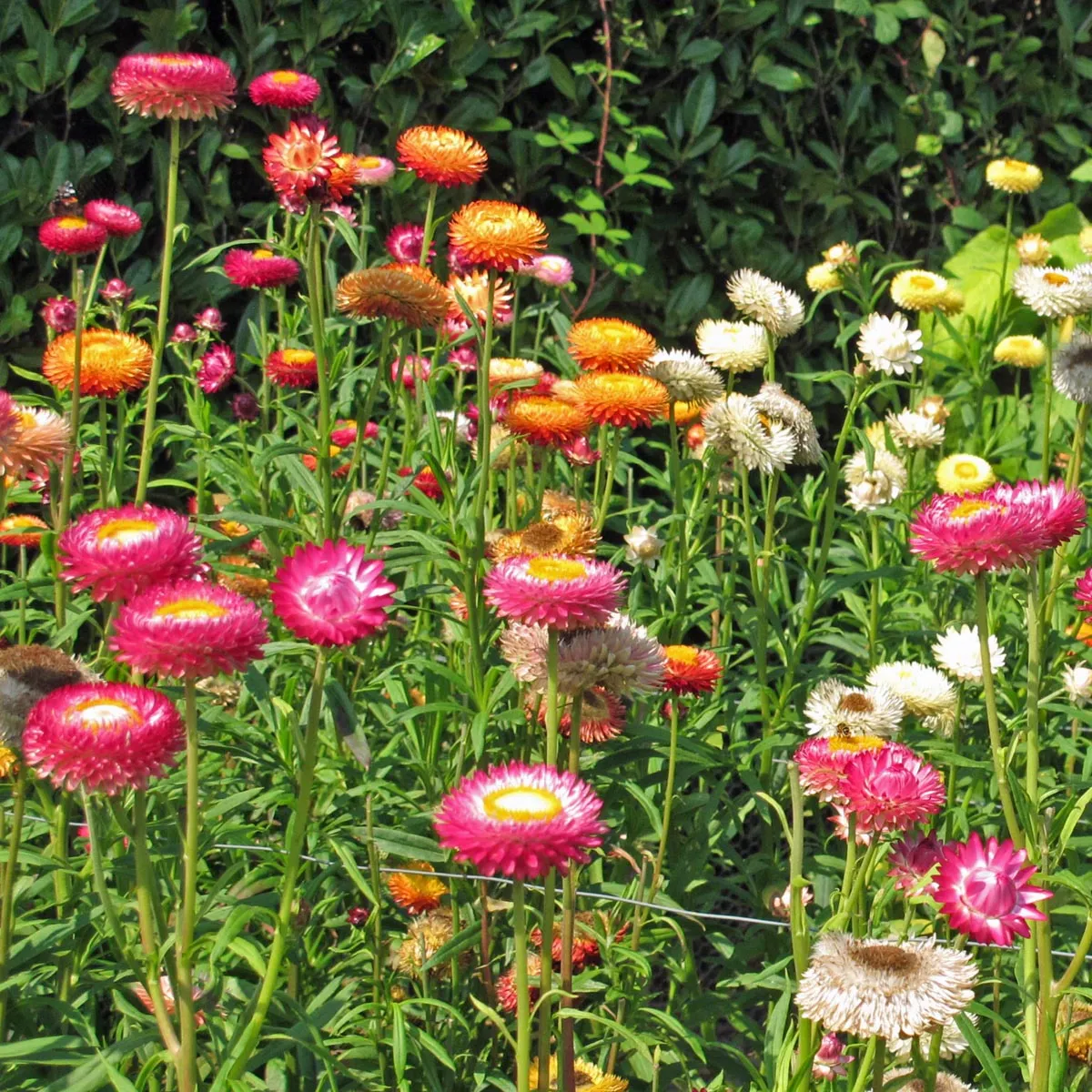
Garden strawflowers are among the most expressive summer flowers for sunny beds and colourful bouquets. Their firm, papery, rustling flower heads shine, depending on the variety, in yellow, orange, red, pink, violet or white and retain their shape and colour for an amazingly long time even after drying.
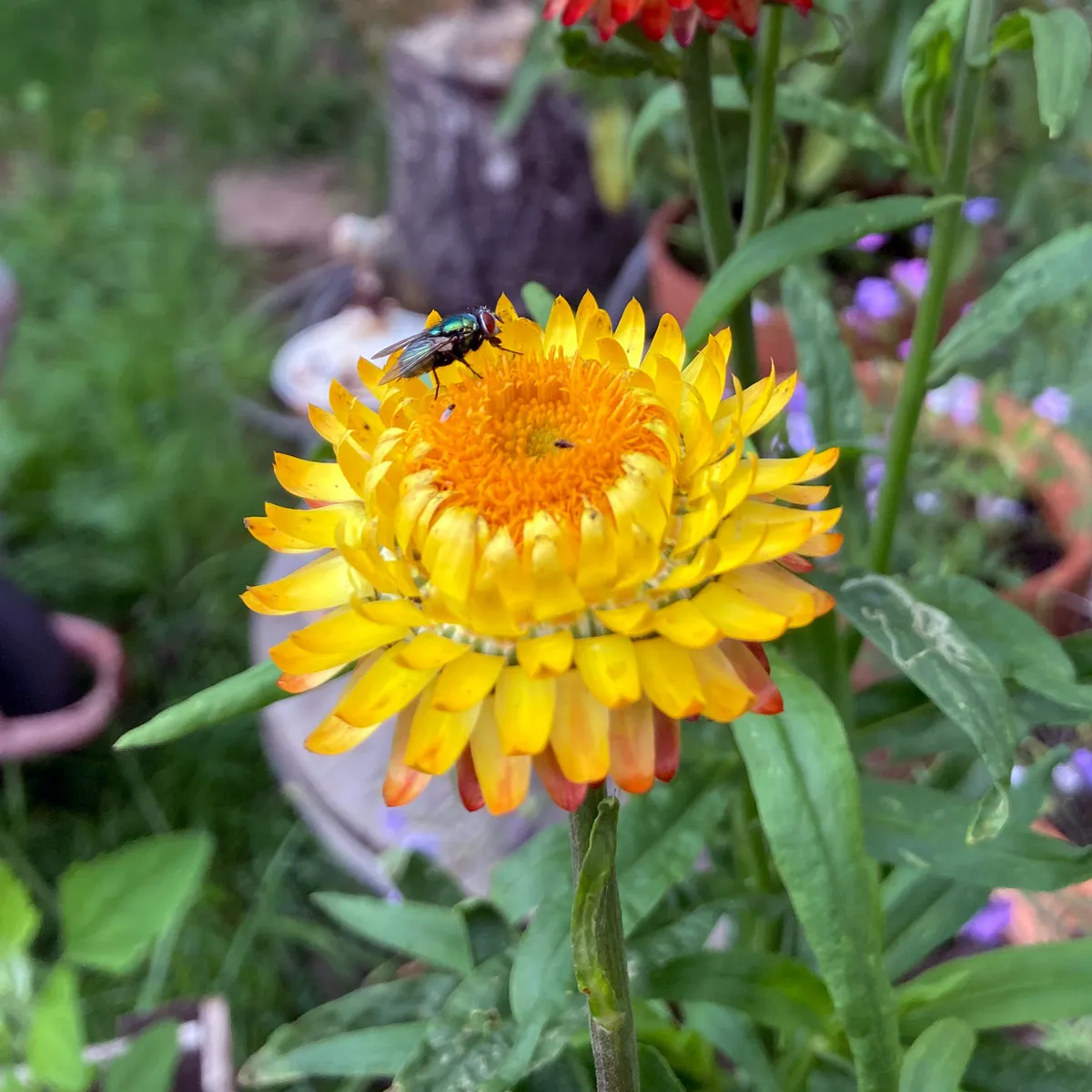
The Australian garden strawflower Xerochrysum bracteatum is an easy-to-grow summer flower, usually cultivated as an annual, with a long flowering period. From compact varieties for planters to tall cut flower varieties, it offers numerous possibilities for beds, balconies and floristry. In warm, sunny locations in particular, it develops strong plants and many long-lasting flowers.
Botanically, the striking “petals” consist of firm, papery bracts. They surround numerous small tubular flowers inside the flower head and are the reason why garden strawflowers retain their typical shape when dried. Anyone growing garden strawflowers from seed can therefore enjoy not only a long summer bloom, but also harvest flowers for dried bouquets, wreaths and floral decorations.

Sowing and successfully growing garden strawflowers
Garden strawflowers are easy to grow from seed. For early flowering, pre-cultivation from March to April is recommended. Scatter the fine seeds onto moist seed compost, press them down lightly and cover them only very thinly with substrate. A warm and, above all, bright location is important so that strong, compact young plants can develop.
After the last frosts, the pre-grown plants can be planted outdoors. Depending on the weather, direct sowing is possible from mid-April to May. The site should be in full sun, warm and preferably sheltered. Garden strawflowers prefer loose, moderately nutrient-rich and well-drained soil. They do not tolerate waterlogging, but usually cope quite well with dry periods in summer.
Faded flower heads should be removed regularly. This encourages the formation of new buds and often extends the flowering period well into autumn. Moderate fertilisation is usually sufficient. Too much nitrogen leads to soft, unstable plants and can reduce the quality of the flowers for cutting and drying.
When should garden strawflowers be cut for dried bouquets?
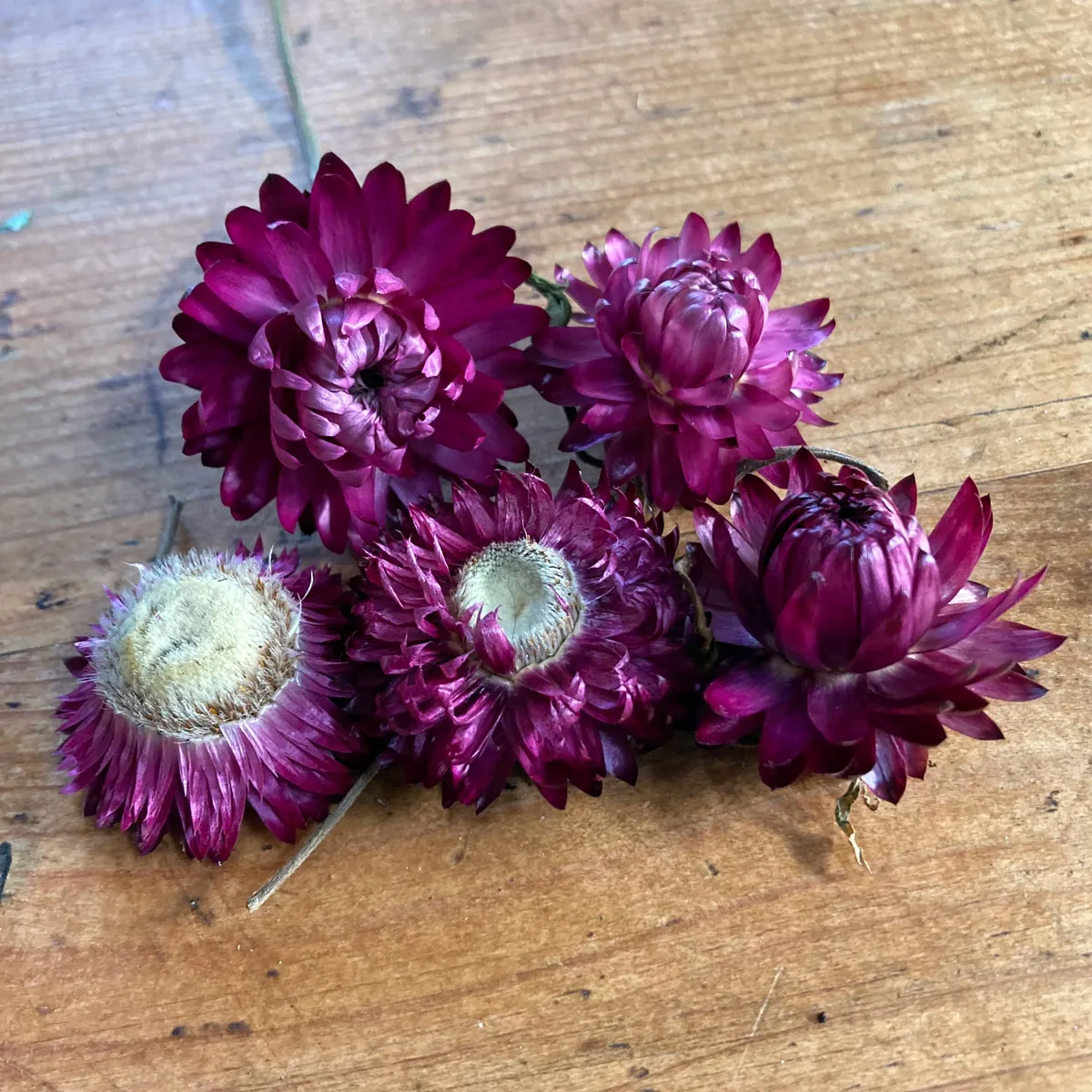
For dried bouquets, the flowers are best harvested before they are fully open. If the centre is already clearly opening, the flowers may continue to spread while drying and are more likely to fall apart later.
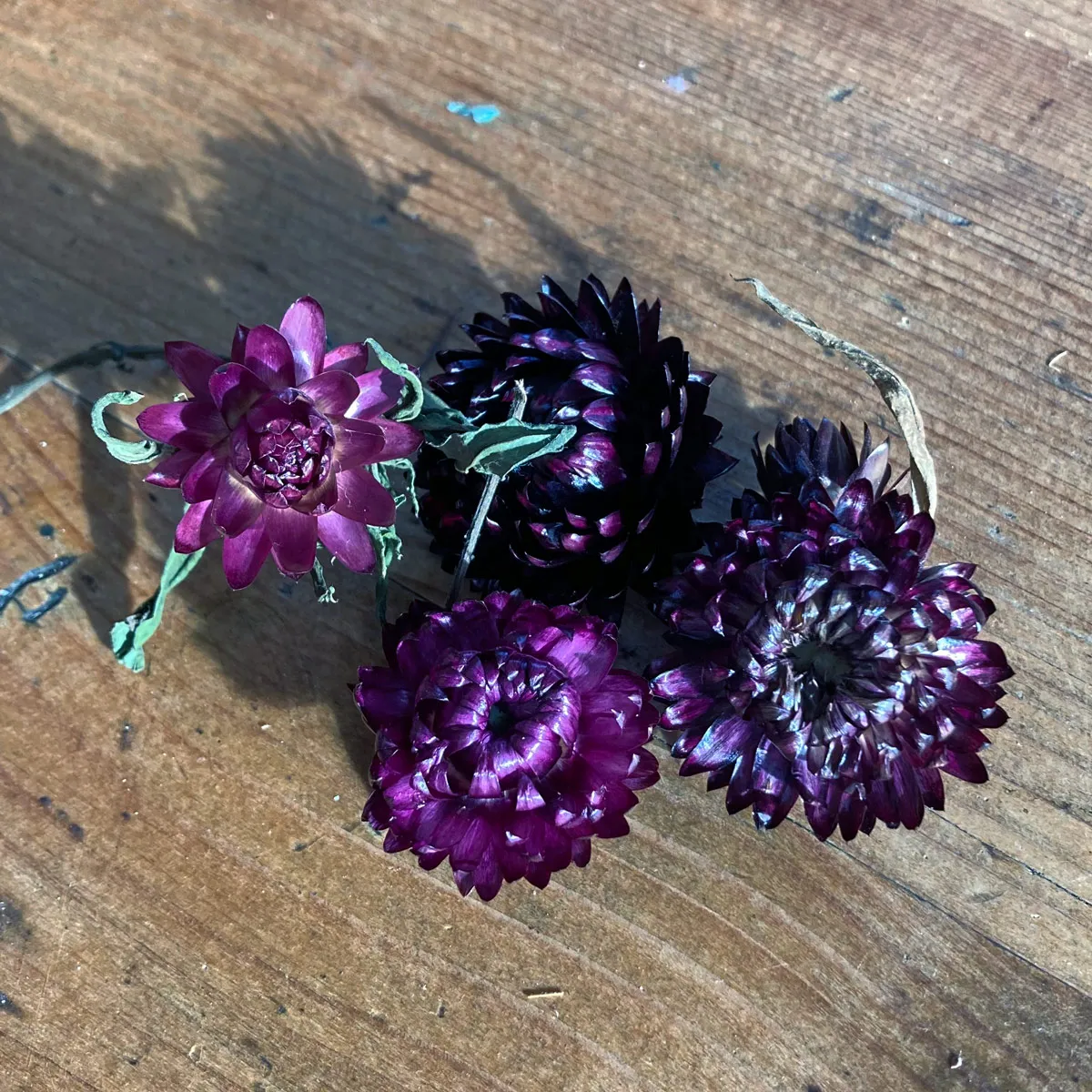
The stems should ideally be cut on a dry day, bundled and hung upside down in an airy, shady and dry place. Direct sunlight should be avoided so that the colours remain vibrant for as long as possible. Once fully dried, the firm flowers are ideal for bouquets, wreaths and decorative arrangements.
Garden strawflowers therefore combine two qualities that few summer flowers offer: they bring colour to the garden for many weeks and preserve part of their summery appeal long after the gardening season has ended.