
Blanket flower seeds - colourful prairie flowers for sunny beds
Blanket flower brings the colours of North American prairies into the garden. Its striking flowers shine in yellow, orange and red and appear over many weeks. Anyone who sows blanket flower seeds receives robust, sun-loving plants for warm, well-drained locations, delighting with a long flowering period and vivid long-distance impact.
Prairie flowers with bright colours
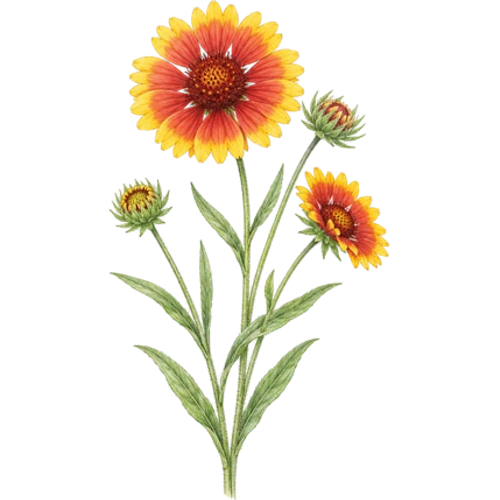
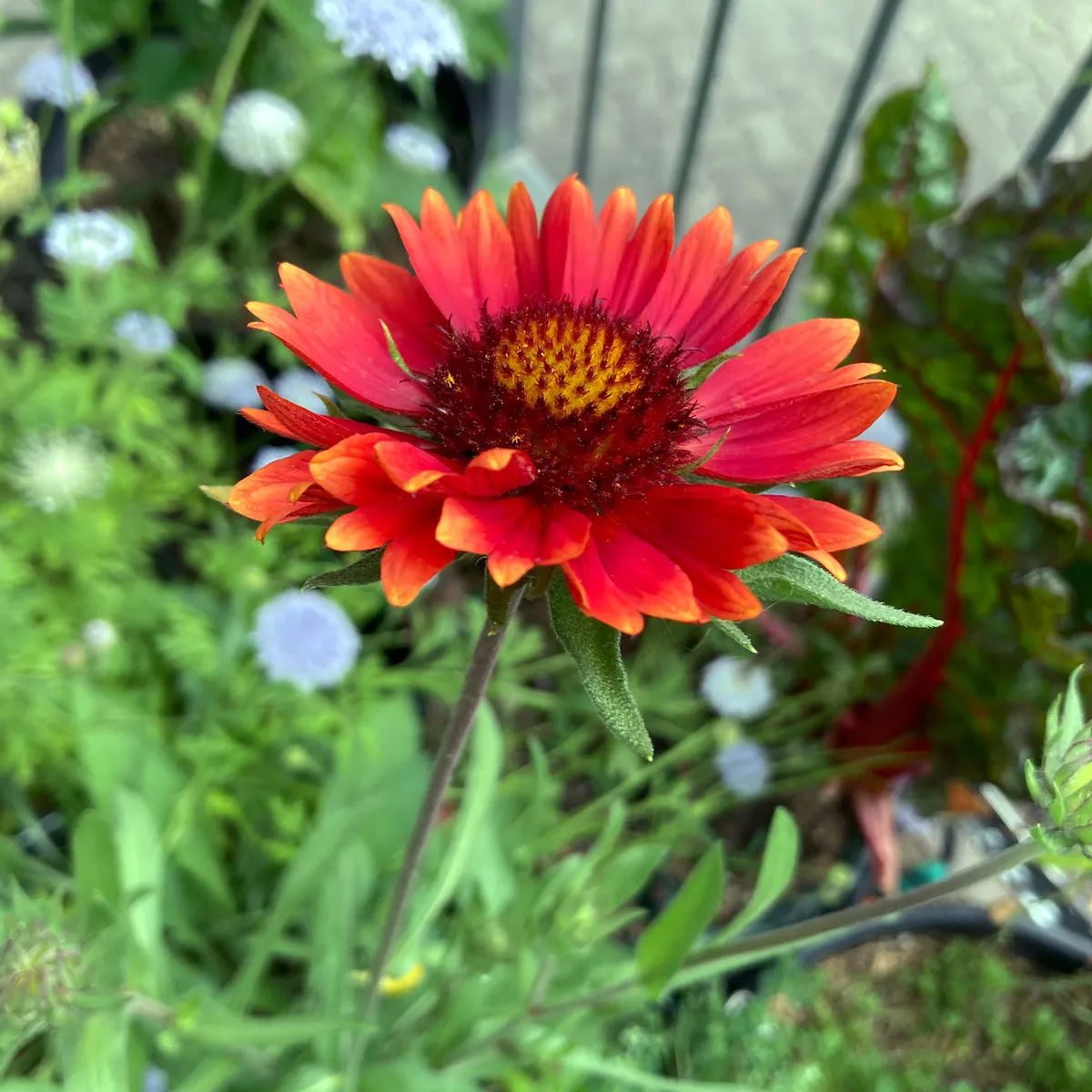
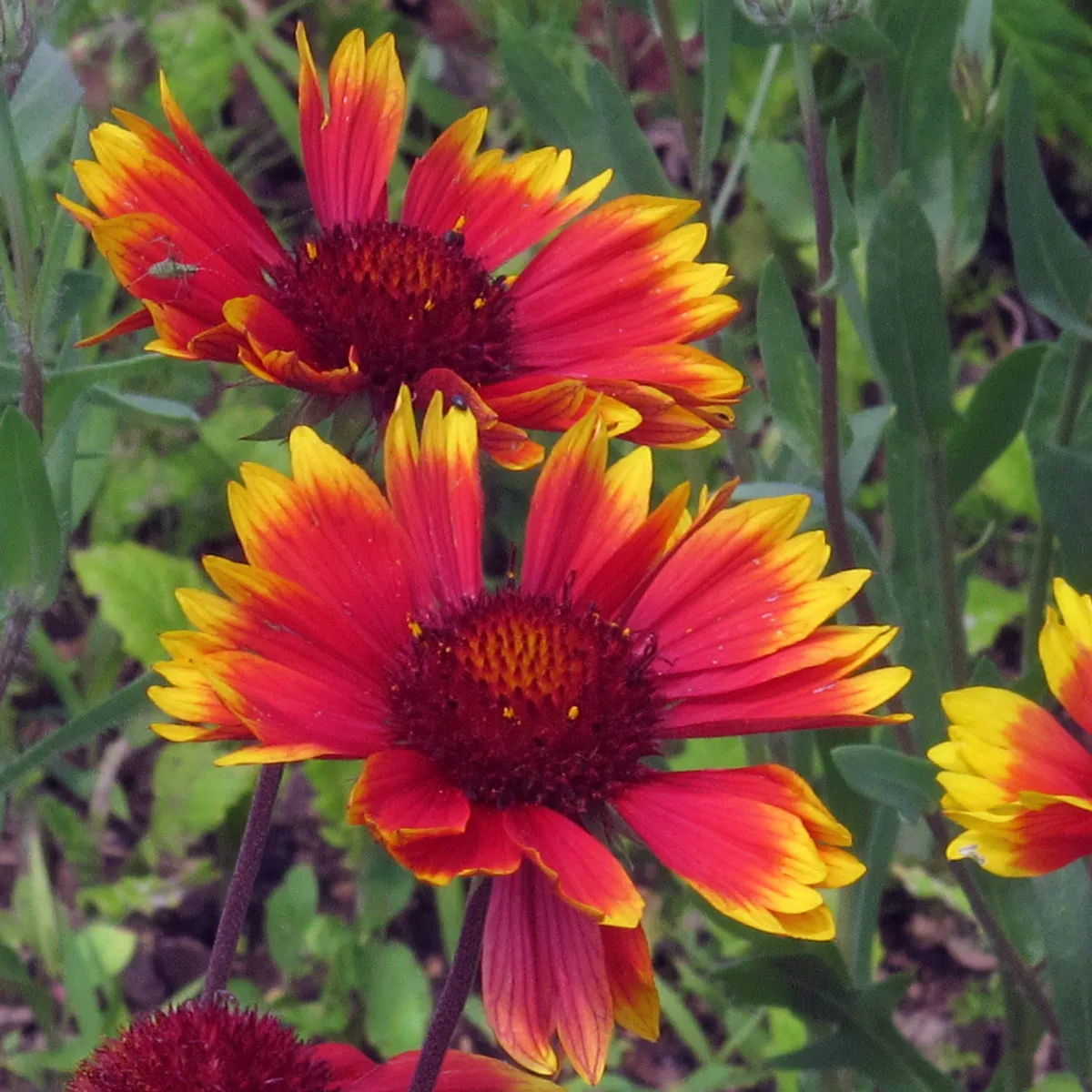
Prairie blanket flower, Gaillardia aristata, comes from North America and belongs to the daisy family. Typical are its large flower heads with strong shades of yellow, orange and red. The colours often form clearly contrasting rings, reminiscent of a cockade - hence the German name.
The perennial wild species grows in clumps and forms upright flower stems above a low leaf rosette. Depending on location and origin, the plants usually reach about 30 to 70 cm in height.
Long flowering from summer into autumn
One special strength of blanket flower is its long flowering period. Under favourable conditions, the first flowers appear as early as early summer, and new buds can continue to follow well into autumn.
Regularly removing faded flowers can encourage the formation of further buds. If individual seed heads are allowed to ripen, however, the planting takes on a more natural character and the plants can self-sow in suitable locations.
For sunny, warm and dry garden spots
Blanket flowers feel especially at home where other perennials are already struggling with heat and drought. They prefer full sun and well-drained, rather poor to moderately nutrient-rich soils.
Sunny perennial beds, prairie plantings, gravel gardens, slopes and other warm garden areas are ideal. The plants tolerate permanent wetness and waterlogging much less well than drought. Good drainage is therefore important, especially in winter.
Lively companions for prairie and natural gardens
With their loose growth and strong flower colours, blanket flowers combine beautifully with grasses and other sun-loving perennials. They look especially attractive in naturalistic plantings where different heights, flower shapes and structures interact.
They also set strong colour accents among drought-tolerant wildflowers and bring movement to the planting over many weeks.
Flowers for bees, butterflies and other pollinators
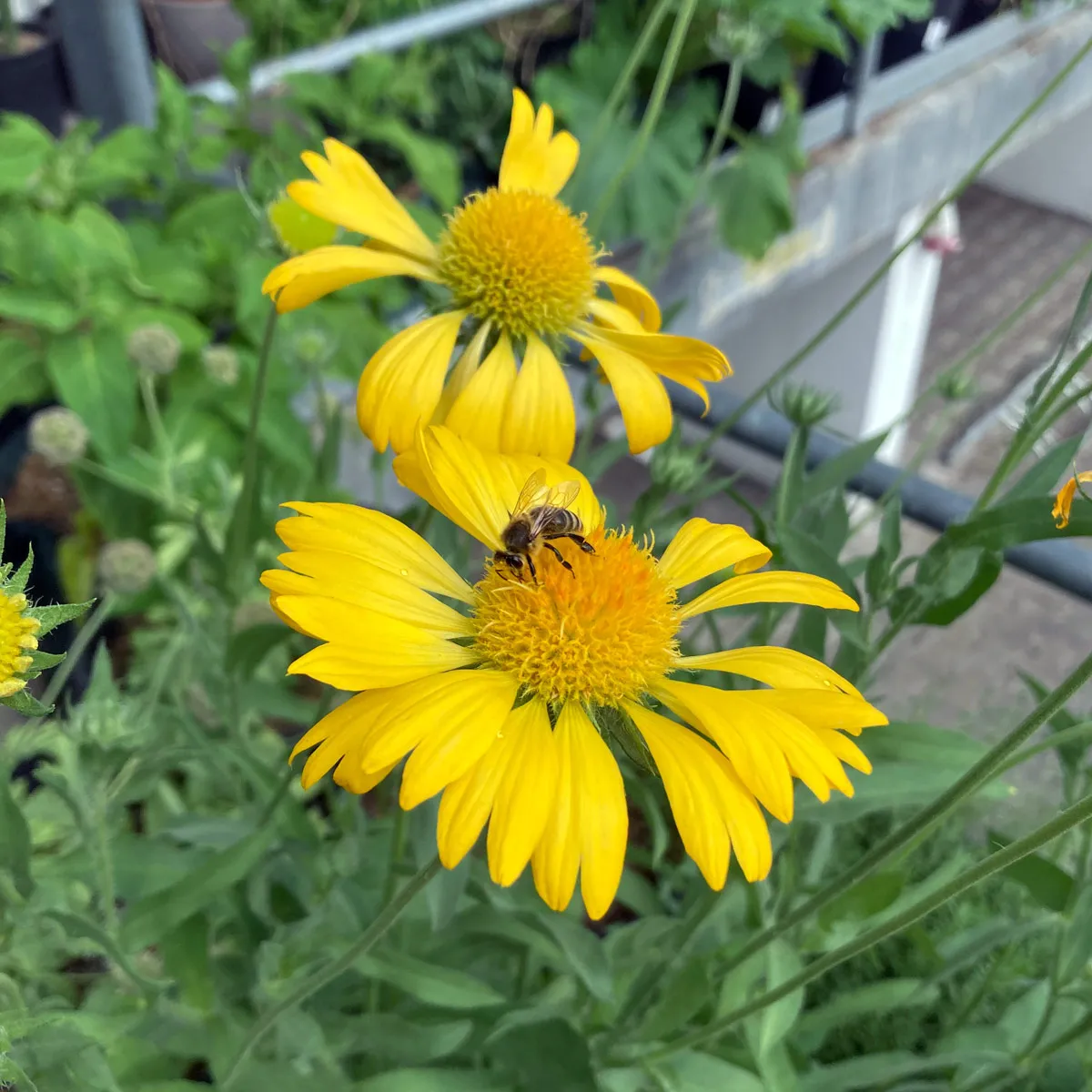
The open flower heads are visited by numerous insects. Bees, wild bees, butterflies, hoverflies and beetles find food in the flowers, making blanket flower an interesting addition to natural and insect-friendly gardens.
Thanks to its long flowering period, it can contribute to a diverse flower supply, especially in high and late summer.
Wild species and garden forms
In addition to prairie blanket flower, Gaillardia aristata, there are numerous garden forms and hybrids with different flower colours, growth heights and flower shapes. Crosses between Gaillardia aristata and the annual Gaillardia pulchella, grouped as Gaillardia × grandiflora, are particularly widespread.
The wild species Gaillardia aristata, however, impresses with its original prairie character, good drought tolerance and special value as a flowering plant for various insects.
- Colourful prairie flowers with a long flowering period from summer to autumn
- Ideal for sunny, warm and well-drained beds, gravel gardens and prairie plantings
- Drought-tolerant flowering perennials for bees, butterflies and natural gardens
Sowing and cultivating Blanket Flower
Blanket Flowers are easy to grow from seed. For early development, pre-cultivation can begin indoors from March. Alternatively, after the last frosts, direct sowing outdoors is also possible from around mid-May.
Sow the seeds onto loose, fine-crumbly substrate and cover only lightly or press them down. At temperatures around 15 to 18 °C, they usually germinate within about two weeks under favourable conditions. During this time, keep the substrate evenly moist, but not wet.
Pre-grown young plants can be planted outdoors after the last late frosts. A planting distance of about 25 to 35 cm gives the plants enough room to develop into strong clumps.
Blanket Flowers prefer a full-sun, warm location with well-drained soil. They cope well with drought, but react sensitively to lasting wetness. Good drainage is especially important in winter.
Faded flowers can be removed regularly if the longest possible flowering period is desired. Anyone wishing to encourage natural self-sowing can instead allow individual seed heads to ripen fully.
Frequently asked questions about Blanket Flower seeds
When should Blanket Flower seeds be sown?
Pre-cultivation is possible from March. The seeds can be sown directly outdoors as soon as no stronger frosts are expected, usually from mid-May.
How long do Blanket Flowers take to germinate?
At suitable temperatures, the seeds often germinate within about two weeks. Depending on seed, moisture and temperature, the germination period can vary somewhat.
Do Blanket Flowers need to be pre-grown?
No. Direct sowing outdoors is also possible. Pre-cultivation, however, has the advantage that the plants can start the garden season already stronger.
What location do Blanket Flowers need?
They grow best in full sun on warm, well-drained soils. Heavy, permanently wet locations are unfavourable.
Are Blanket Flowers drought-tolerant?
Yes. Well-established plants usually cope well with dry phases. Young plants, however, should be watered sufficiently during longer dry periods.
Are Blanket Flowers perennial?
Gaillardia aristata is a perennial. Within the genus there are also annual species and numerous garden hybrids. Lifespan can therefore differ depending on species or variety.
Are Blanket Flowers winter-hardy?
The Great Blanket Flower Gaillardia aristata is considered reliably winter-hardy. Well-drained soil is especially important, as winter waterlogging can affect the plants more severely than frost.
When do Blanket Flowers bloom?
Flowering usually begins in early summer and can continue well into autumn under favourable conditions. This makes Blanket Flowers particularly long-flowering summer bloomers.
How can the flowering period be prolonged?
Regularly removing faded flowers encourages the plant to form more buds. Anyone wishing to harvest seeds or allow self-sowing should leave some flower heads standing.
Do Blanket Flowers self-sow?
Yes. In suitable open locations, ripe seeds can fall and new plants can develop. Anyone wishing to prevent this should remove the faded flower heads before the seeds fully ripen.
Do Blanket Flowers need fertilising?
Heavy fertilisation is normally not necessary. The plants develop well in moderately nutrient-rich soils. Excessive feeding can lead to softer growth.
Why is well-drained soil so important?
Blanket Flowers tolerate drought much better than waterlogging. In heavy or compacted soils, water can remain around the roots and encourage root rot.
Can Blanket Flowers be grown in containers?
Yes. More compact varieties in particular are also suitable for larger pots and containers. A sunny location, a sufficiently large container and good drainage are important.
Which plants go well with Blanket Flowers?
They combine beautifully with other sun-loving and drought-tolerant perennials as well as grasses. They are especially well suited to prairie beds, gravel gardens and naturalistic summer plantings.
Are Blanket Flowers good for insects?
Yes. The open flower heads are visited by various bees, wild bees, butterflies, hoverflies and beetles. Their long flowering period makes them a valuable addition to the garden, especially in summer and late summer.
Should Blanket Flowers be cut back in autumn?
Cutting back in autumn is possible and can encourage the formation of strong overwintering buds. In harsh locations, light protection with brushwood can also be useful. Even more important, however, is avoiding waterlogging in winter.