
Scabious seeds - delicate flower cushions for lively gardens
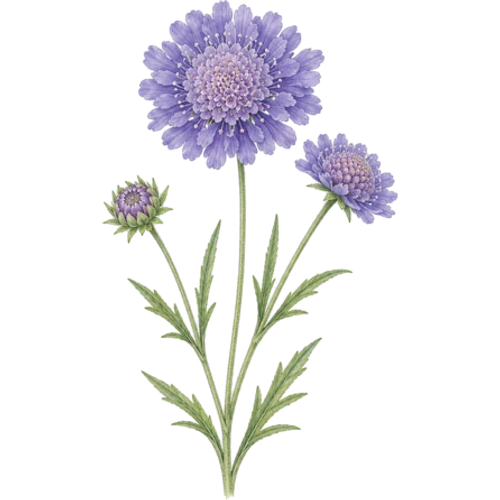
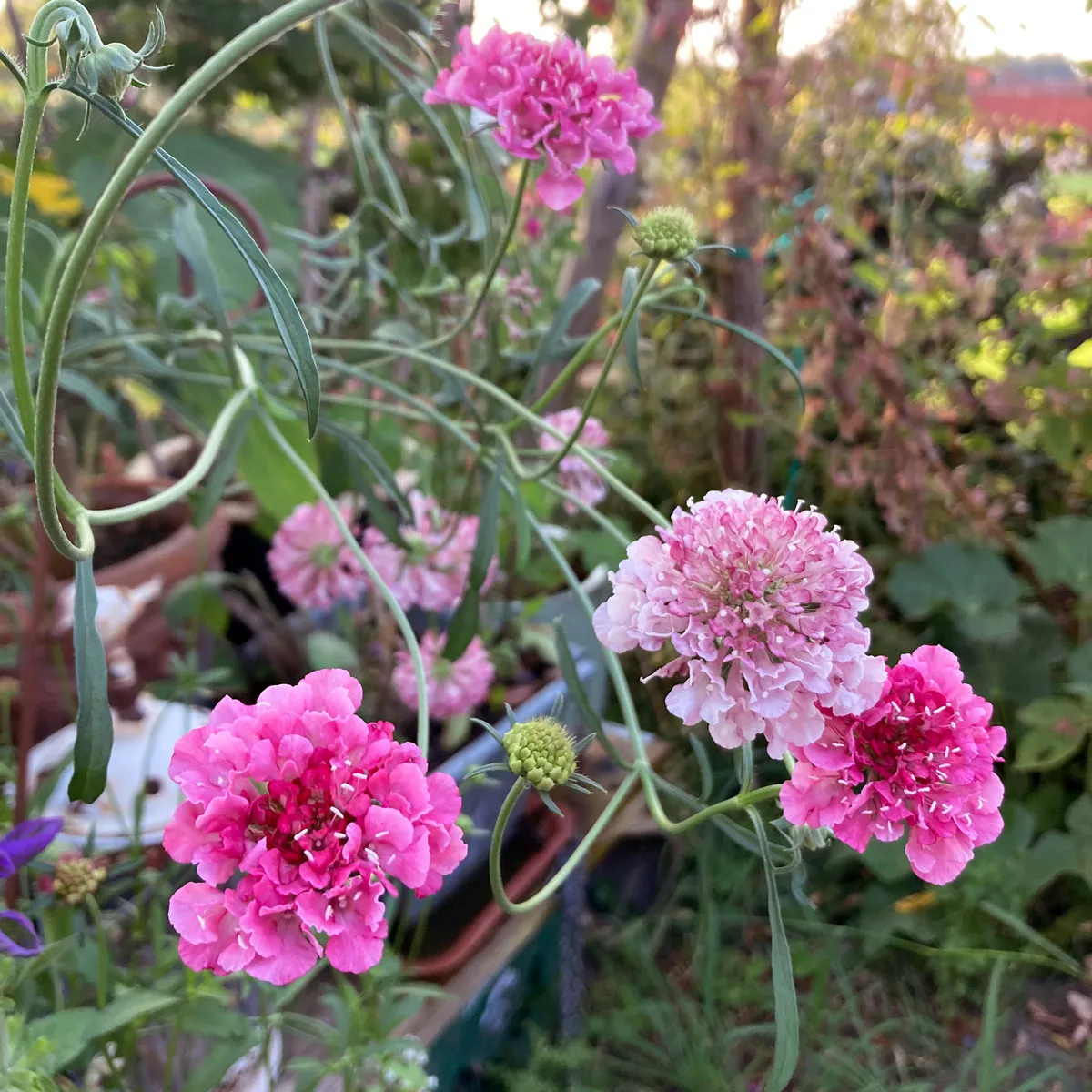
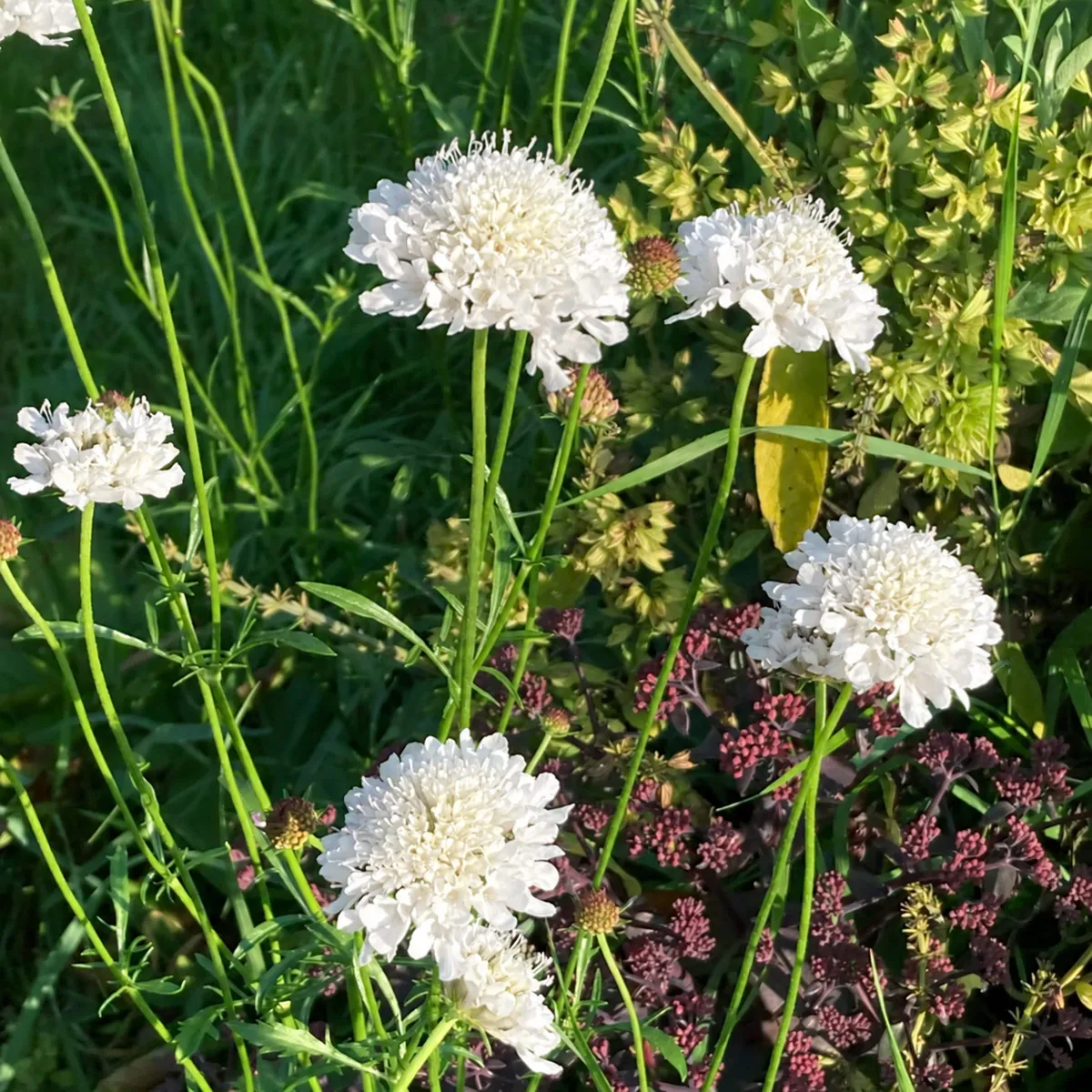
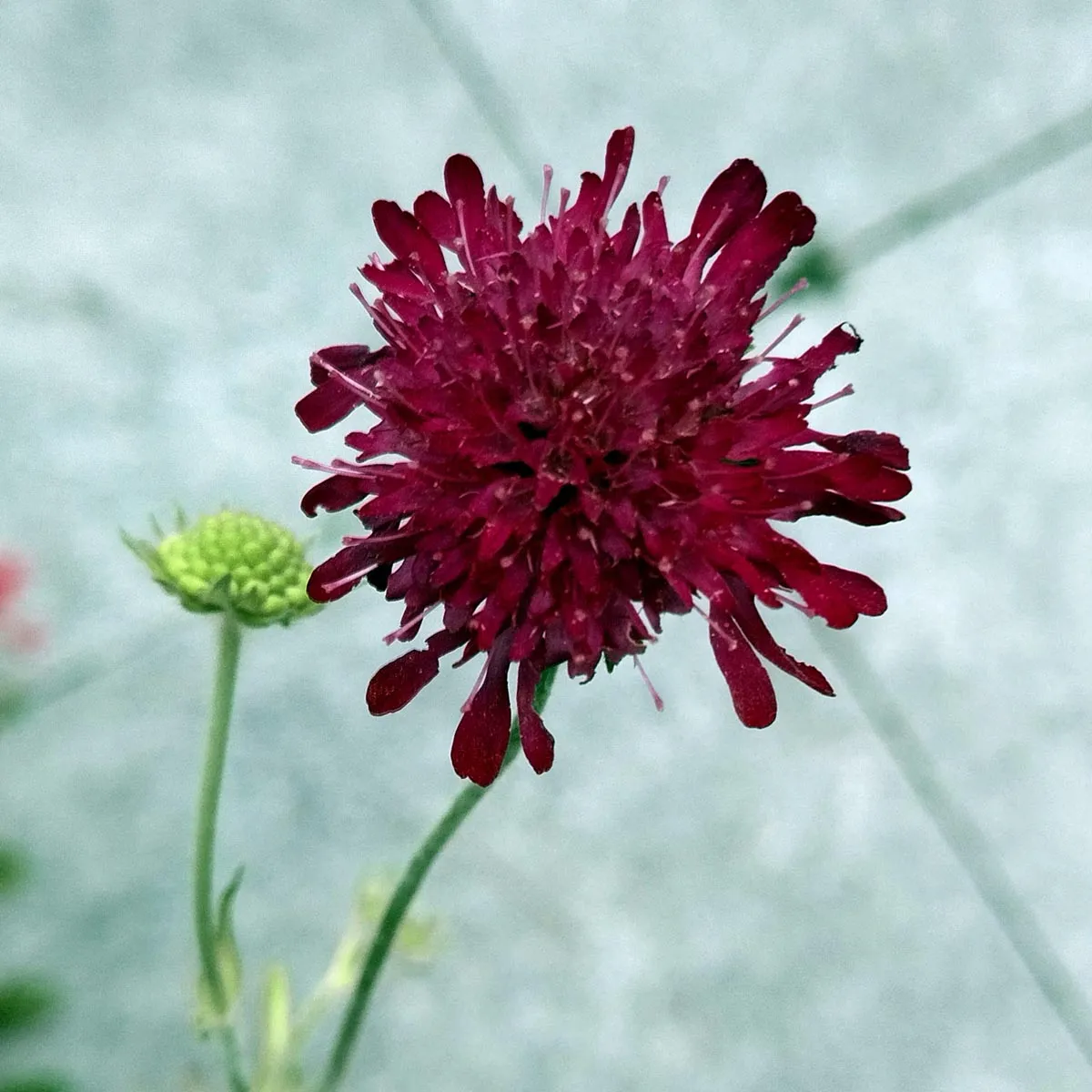
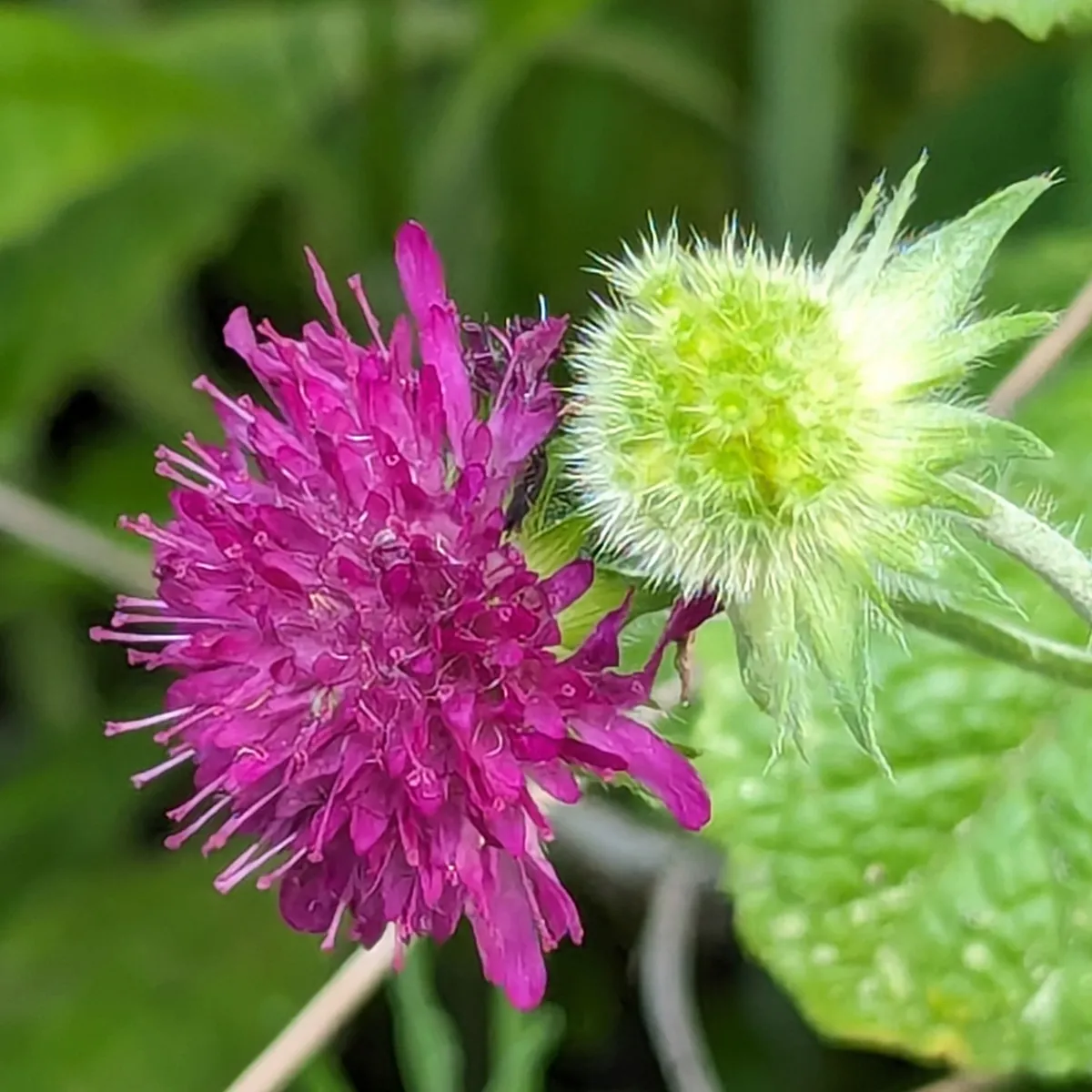
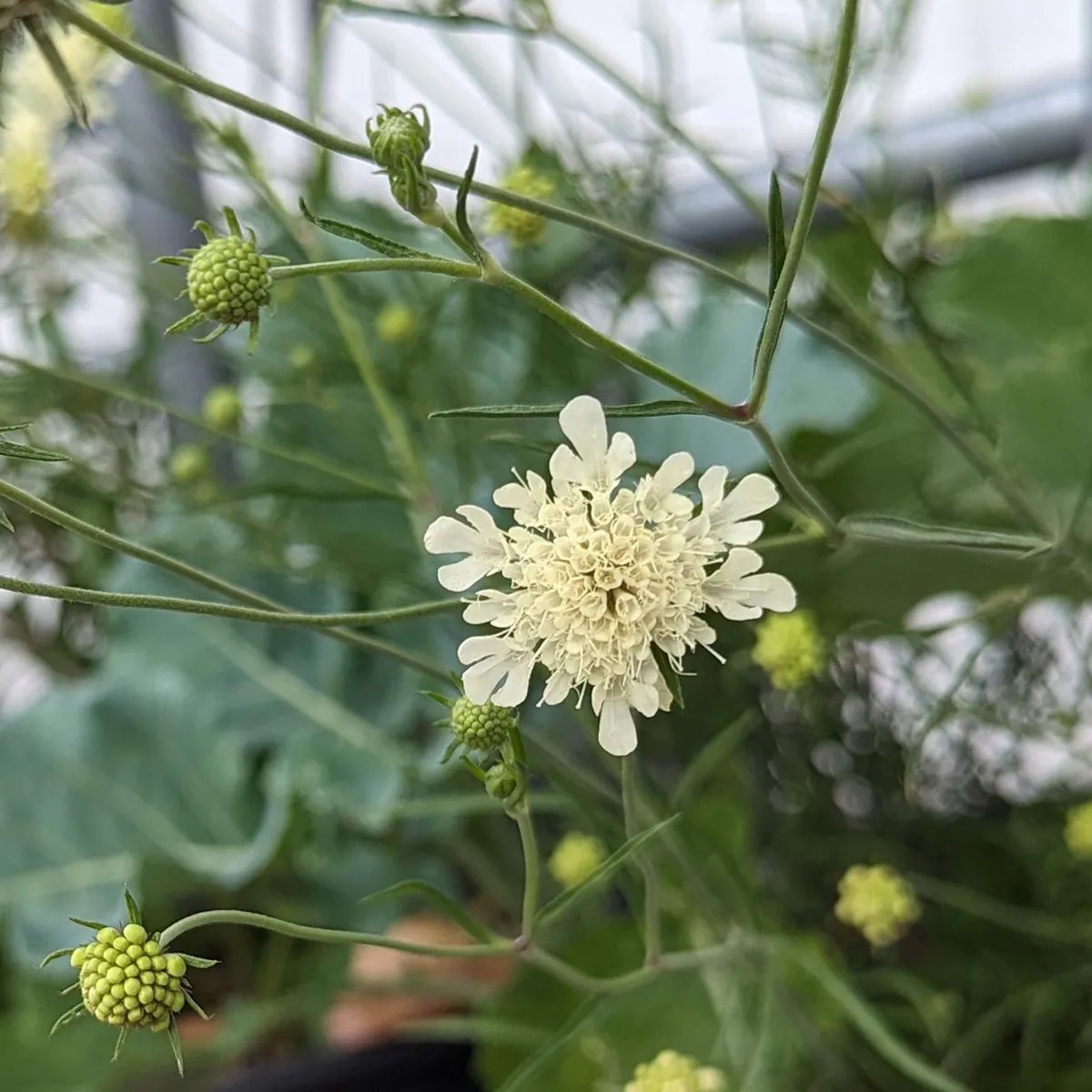
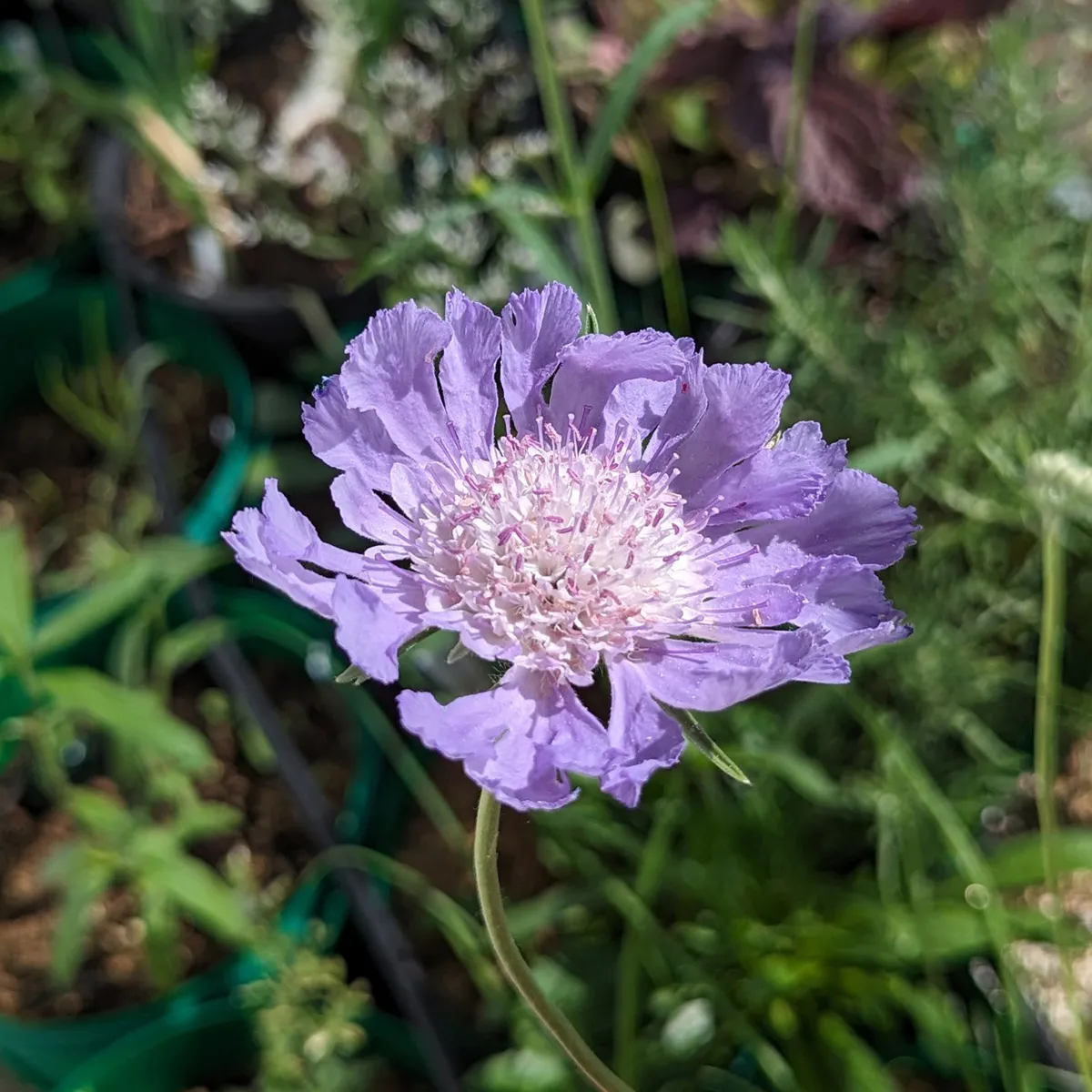
Scabious are summer flowers and perennials whose fine, cushion-like flower heads give them a particularly light and elegant appearance. Depending on the species and variety, they flower in blue, violet, pink, white, yellow or deep purple tones. Scabious seeds can therefore be used to create naturalistic beds as well as colourful cut-flower plantings.
Many scabious flower over a long period and are visited by bees, bumblebees and butterflies. It is precisely this combination of delicate flower form, great colour diversity and ecological value that makes scabious seeds an exciting choice for lively gardens.
From wildflowers to elegant garden forms
The genus Scabiosa includes annual and perennial species. The native small scabious Scabiosa columbaria fits beautifully into naturalistic plantings, while Caucasian scabious Scabiosa caucasica, with its particularly large flowers, is also valued as a cut flower.
Sweet scabious is known for its great diversity of colours. It was long listed as Scabiosa atropurpurea, but today it is usually botanically assigned to the genus Sixalix. The older name is still widely used in horticulture.
Flowers for bees and butterflies
Scabious provide pollen and nectar and are visited by numerous insects. Thanks to their often long flowering period, they are valuable flowering plants, especially in summer and late summer. At the same time, many species and varieties with their long stems are excellently suited to bouquets.

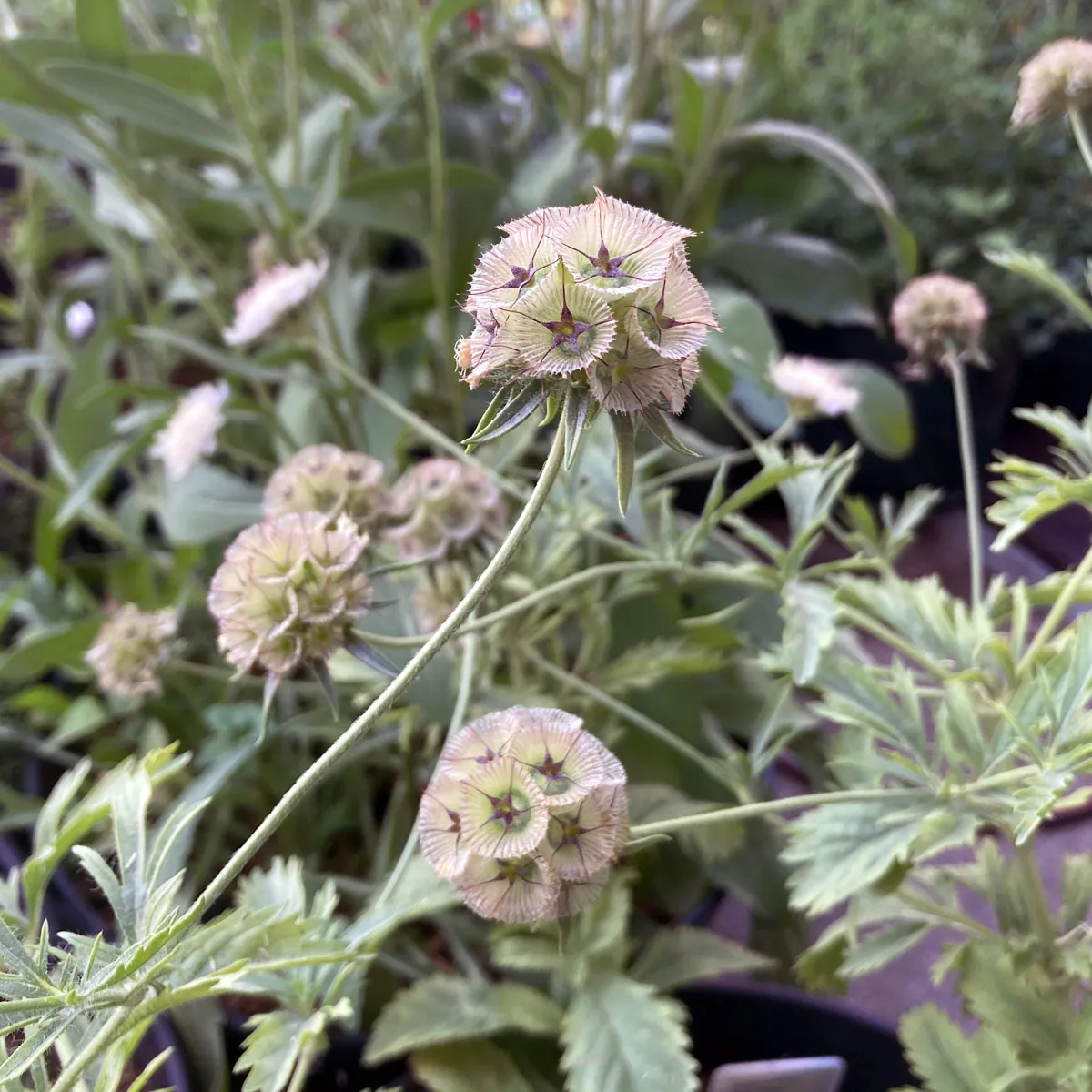
Sowing scabious
Depending on the species, scabious seeds can be pre-grown indoors from February to April or sown directly outdoors from spring. The fine seeds need light to germinate and should therefore only be lightly pressed down or, at most, covered with a very thin layer of soil. At temperatures around 15 to 20 °C, germination usually begins within two to three weeks.
For direct sowing, choose a sunny spot with loose, well-drained soil. The sowing area should remain evenly moist until germination, but waterlogging should be avoided. Depending on the species, perennial scabious can also be sown in late summer or autumn. With scabious seeds, it is therefore always worth checking the specific information for the individual species.
Scabious mostly prefer sunny locations and rather well-drained soils that are not too rich in nutrients. Once established, many species also cope well with drier periods. Tall varieties stand particularly well in sheltered spots.
FAQ about scabious
Are scabious annual or perennial?
Both occur. Sweet scabious is usually cultivated as an annual or short-lived biennial, while small scabious and Caucasian scabious, for example, are perennial plants. The lifespan therefore depends strongly on the particular species.
Are scabious winter-hardy?
Many perennial scabious are winter-hardy and can remain permanently in the garden. Annual species, on the other hand, die back after the seeds have ripened. For young perennials, light protection can be useful in very cold or wet winters, but well-drained soil without waterlogging is more important.
Do scabious self-sow?
Many scabious can self-sow in suitable locations. Anyone wishing to encourage this should leave some faded flower heads standing until the seeds ripen. If spreading is to be controlled more strongly, the seed heads can be removed beforehand.
Are scabious suitable as cut flowers?
Yes. Taller garden forms of sweet scabious and Caucasian scabious in particular are very well suited to bouquets with their long, slender stems. The flowers are best cut when they are fully open.
Can scabious be grown in pots?
Yes, especially more compact species and varieties can also be cultivated in larger planters. A sunny location, good drainage and a well-drained substrate are important. In pots, watering should be more regular, as the soil dries out more quickly there.
Should faded scabious flowers be cut back?
Regularly removing faded flowers can encourage the formation of further buds and extend the flowering period. Anyone who wants to harvest seeds or allow self-sowing should leave some of the flower heads to ripen fully.
Are scabious and field scabious the same thing?
Not quite. The names are sometimes used in a similar way in horticulture, but botanically not all so-called scabious belong to the genus Scabiosa. Field scabious, for example, belongs to the related genus Knautia. For reliable identification, the botanical name is therefore especially helpful.