
Silene seeds - from night-bloomers to campions
Silene species are among the most versatile wildflowers in the carnation family. Some species only open their flowers at dusk and then release an intense fragrance, while others shine during the day in pink, red or white. Their ecological range extends from dry gravel areas to fresh woodland edges - and this is exactly what makes the genus Silene so exciting for natural gardens.
Why are some Silene species called catchflies?
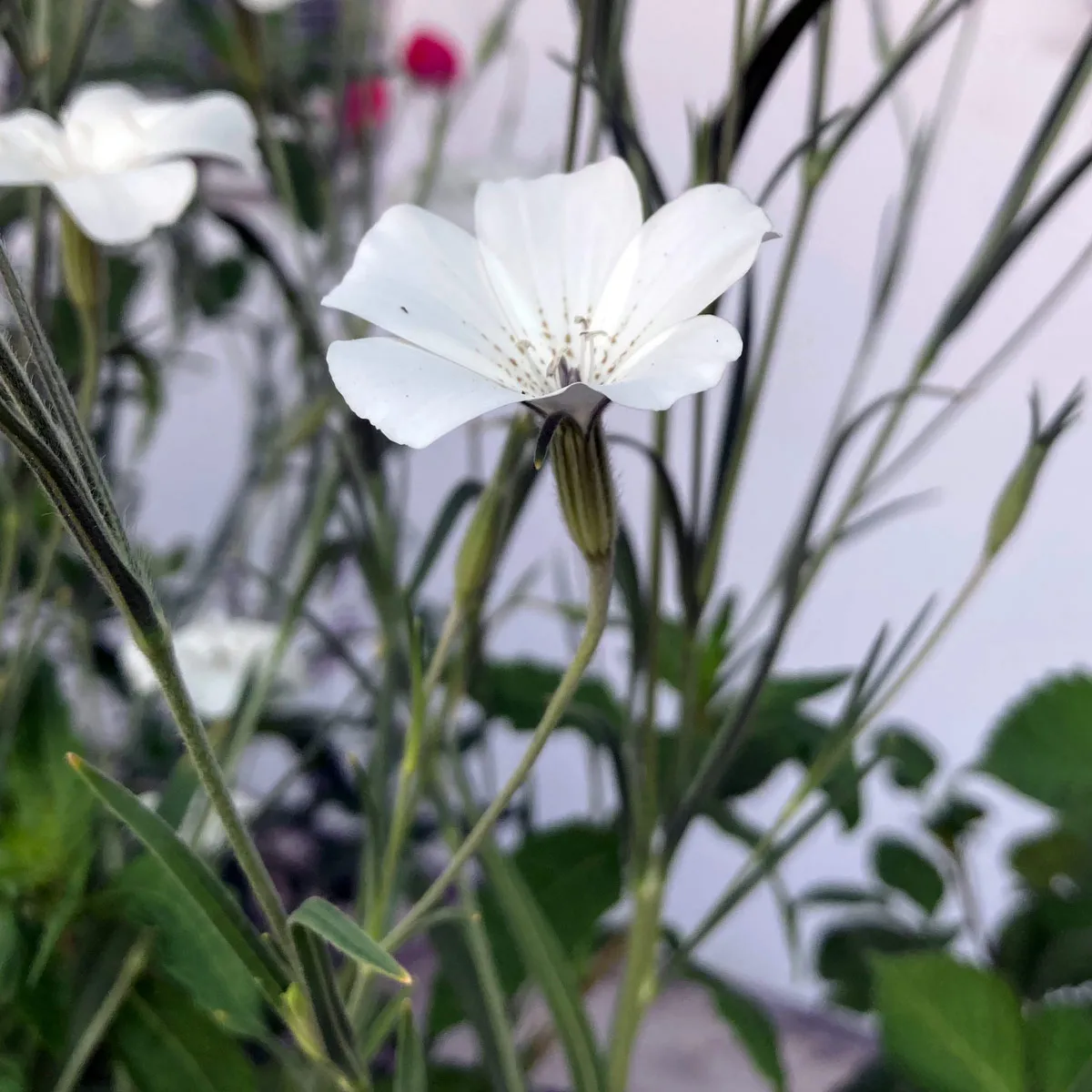
The name refers to sticky glandular hairs that, in many species, are found mainly on stems, calyces or flower stalks. These sticky areas can trap small crawling insects and probably help keep unwanted flower visitors or feeding pests away.
Silene species are not carnivorous plants, however. They do not digest the trapped animals and do not gain nutrients from them.
A genus with astonishing diversity
The genus Silene includes several hundred species with very different growth forms and life strategies. Some are annual or biennial, others short-lived or reliably perennial. There are upright wildflowers, loose-growing plants for margins and even alpine cushion species.
Many well-known campions are now also assigned to the genus Silene. These include, for example, red campion, white campion and rose campion. The colour palette therefore ranges from delicate white night flowers to strong pink and purple.
Night-bloomers for a garden after sunset
Some Silene species only reveal their special effect in the evening. Nottingham catchfly, Silene nutans, unfolds its flowers at dusk and then releases a sweet fragrance. White campion, Silene latifolia, is also strongly adapted to nocturnal pollinators.
Pale flowers, evening fragrance and a nocturnal supply of nectar make these species especially interesting for moths. They show impressively that a garden remains ecologically active even after sunset.
Campions bring colour to margins and beds
Not all Silene species are pronounced night-bloomers. Red campion, Silene dioica, for example, also opens its bright flowers during the day and is visited by bumblebees, hoverflies and other insects.
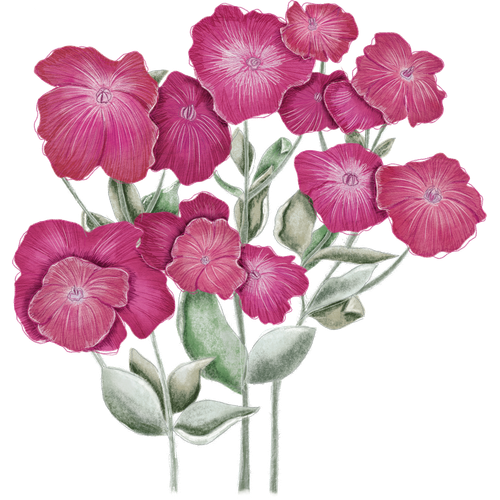
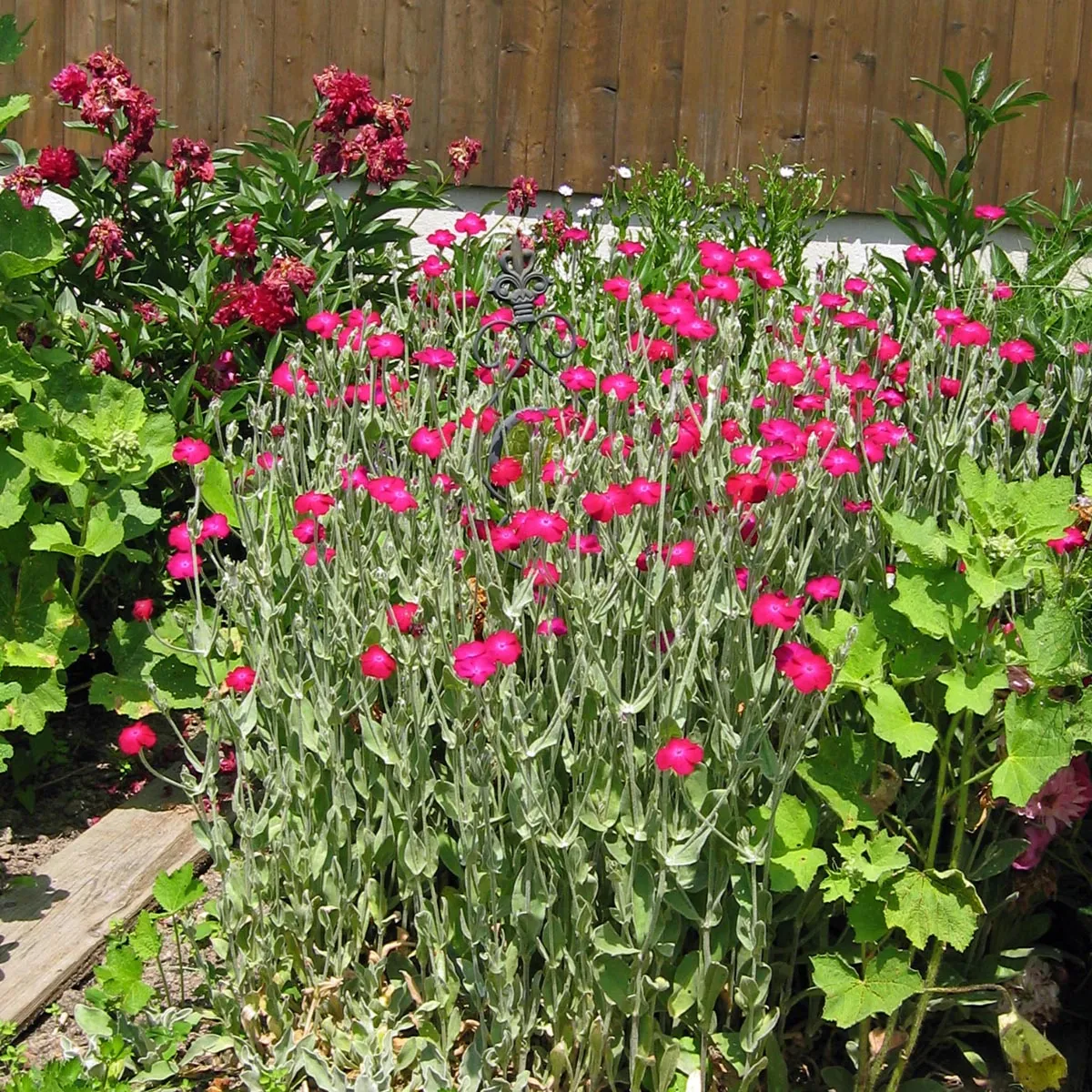
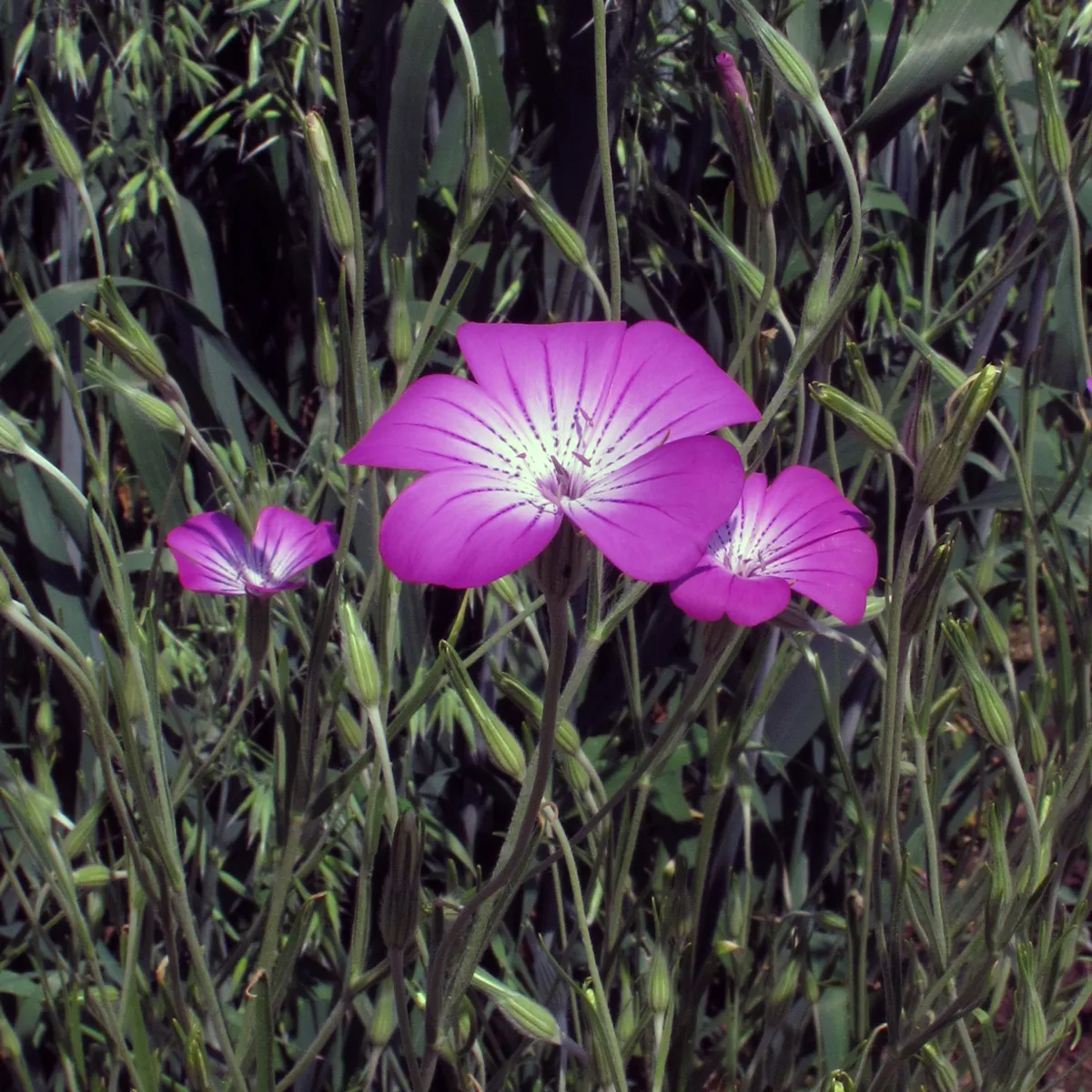
Rose campion, Silene coronaria, combines strongly coloured flowers with silvery, felted foliage and is especially well suited to warm, sunny and rather dry garden areas.
From dry gravel beds to damp meadows
Silene species cannot be reduced to a single type of location. Bladder campion and rose campion cope well with sunny, rather poor and well-drained soils. Nottingham catchfly is excellent for dry, light woodland edges.
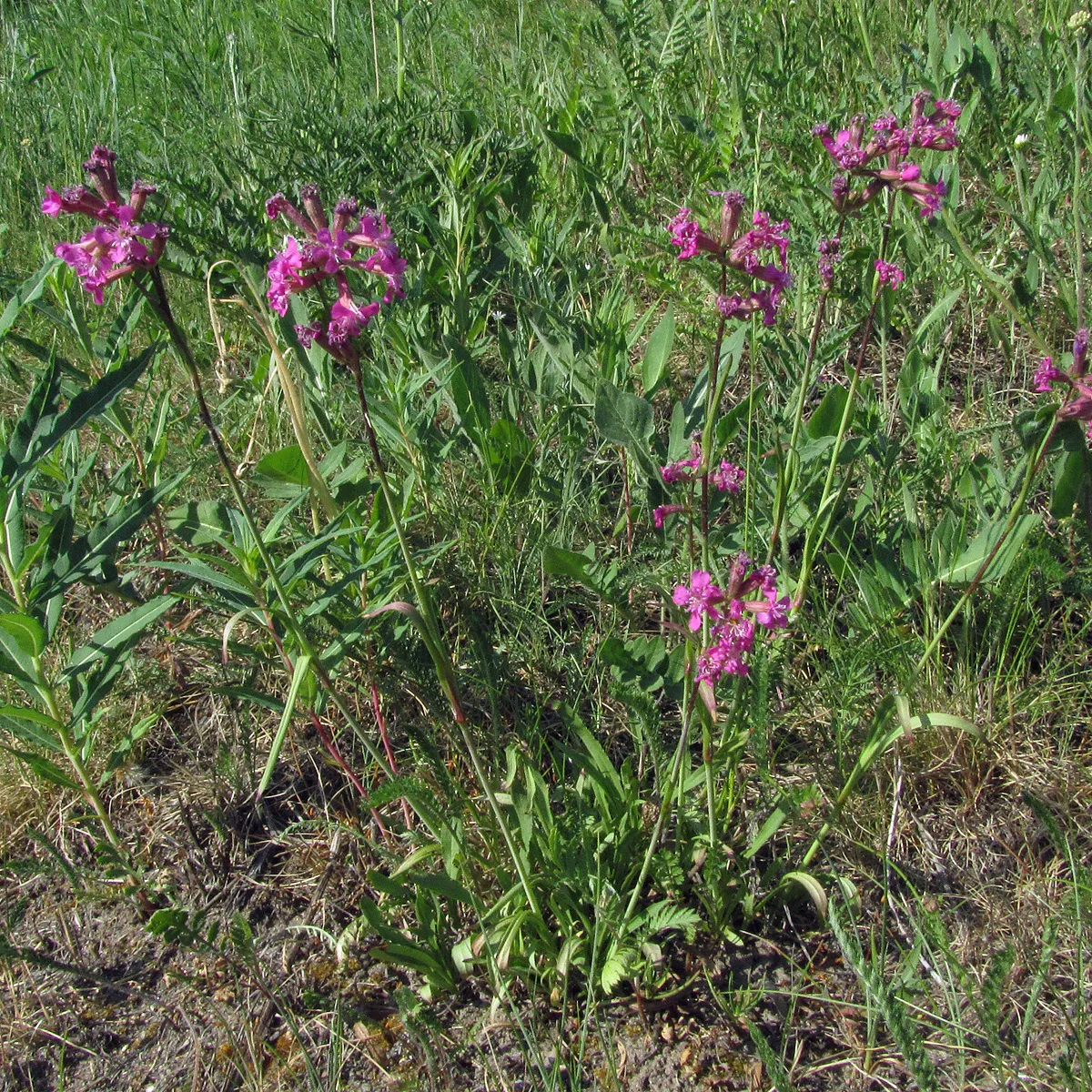
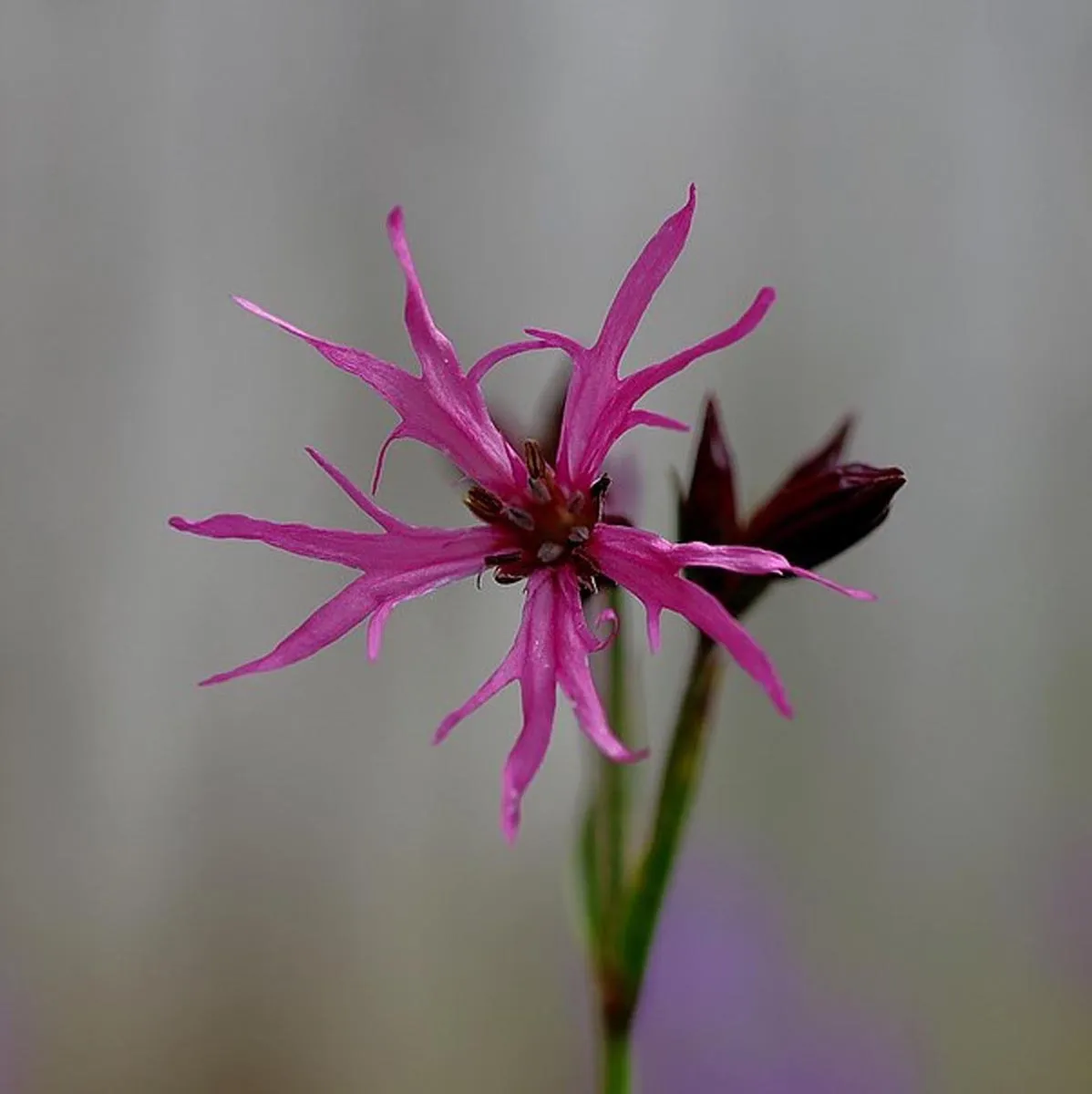
Red campion, on the other hand, prefers fresh to moist, humus-rich locations, while ragged robin is at home even in wet meadows and along ditch edges. Anyone who chooses the right species for the particular garden spot can therefore use Silene in very different planting situations.
Self-sowing is often part of the garden picture
Many Silene species are short-lived, but maintain themselves reliably through self-sowing. If some seed heads are allowed to ripen and open patches of soil are available, new plants often appear in surprising places the following year.
In naturalistic plantings, this dynamic can be very appealing. Anyone wishing to guide their spread more closely can remove some of the seed heads before they are fully ripe or transplant young seedlings to more suitable places.
Silene as part of a living garden
With their different flowering times and pollination strategies, Silene species can attract valuable flower visitors both by day and by night. Combined with other wildflowers, grasses and structurally rich garden areas, they create varied plantings that offer far more than flower colour alone.
Whether fragrant night-bloomer, bright campion or unobtrusive wild plant with an unusual calyx - the diversity of Silene makes this plant group an exciting discovery for natural gardens.

Sowing Silene
The sowing of Silene depends somewhat on the particular species. Many Silene species can be sown directly outdoors in spring; with native wild species, sowing in late summer or autumn is often also possible. Some species benefit from a natural cold period and germinate especially reliably after winter.
As the seeds are usually quite fine, the seedbed should be prepared to a fine crumbly texture. Sow the seeds only shallowly or cover them according to the specific instructions, and keep them evenly moist until germination. Later, their requirements differ more strongly: while some species prefer dry, poor and sunny locations, others grow better in fresh to moist soils. It is therefore always worth checking the sowing and site information for the respective species.
FAQ about Silene
Are Silene winter-hardy?
Many native Silene species are reliably winter-hardy. However, the genus includes annual, biennial and perennial species. Short-lived species therefore do not necessarily persist as individual plants, but can maintain themselves in the garden for many years through self-sowing.
Are Silene suitable for poor soils?
Many species are especially well suited. Numerous Silene species originate from poor meadows, dry grasslands, edges or rocky sites and cope better with nutrient-poor soils than with heavily fertilised garden soil. However, there are also species for more nutrient-rich and moister locations, so the specific requirements should be taken into account.
Do Silene need fertilising?
Usually only little or not at all. Species from dry and poor locations in particular tend to respond to heavy fertilisation with soft, lush growth and reduced stability. On normal garden soils, additional fertilisation is therefore usually not necessary.
Can Silene be grown in pots?
Yes, more compact species can also be grown in pots and planters. A sufficiently large container, drainage and a substrate suited to the needs of the respective species are important. Species from dry locations, for example, need particularly good drainage and should not stand permanently wet.
Should faded Silene be cut back?
That depends on whether self-sowing is desired. Anyone who wants new seedlings in the garden should allow at least some of the seed heads to ripen. If stronger spreading should be prevented or the plant encouraged to flower for longer, faded stems can be cut back earlier.