
Sunflower Seeds (Helianthus annuus) - varieties in different colours and growth heights
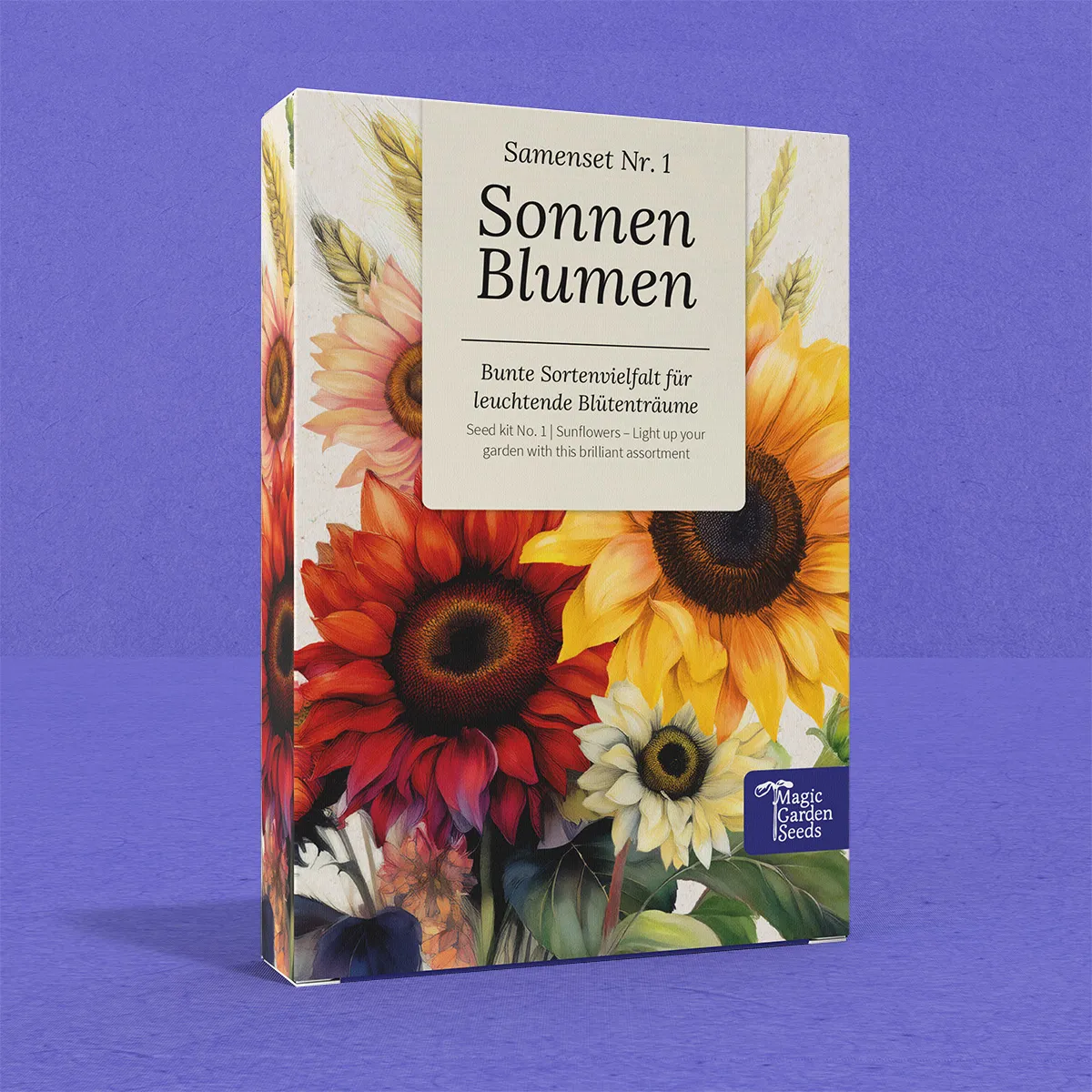
Sunflowers are among the most striking annual summer flowers and immediately draw the eye with their large, distinctive blooms. In this category you will find sunflower seeds that produce plants with different flower colours, flower forms and growth heights - from single-flowered varieties to densely double ornamental forms, available in organic and conventional quality.
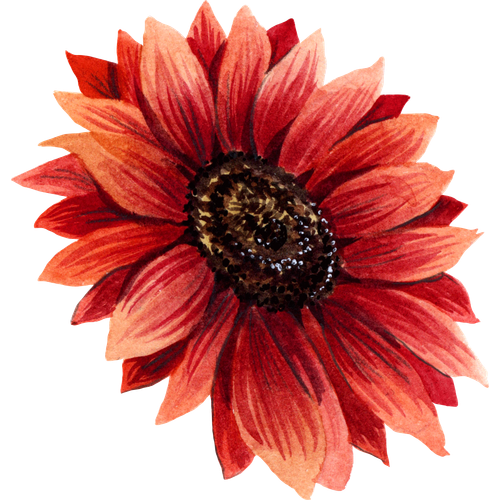
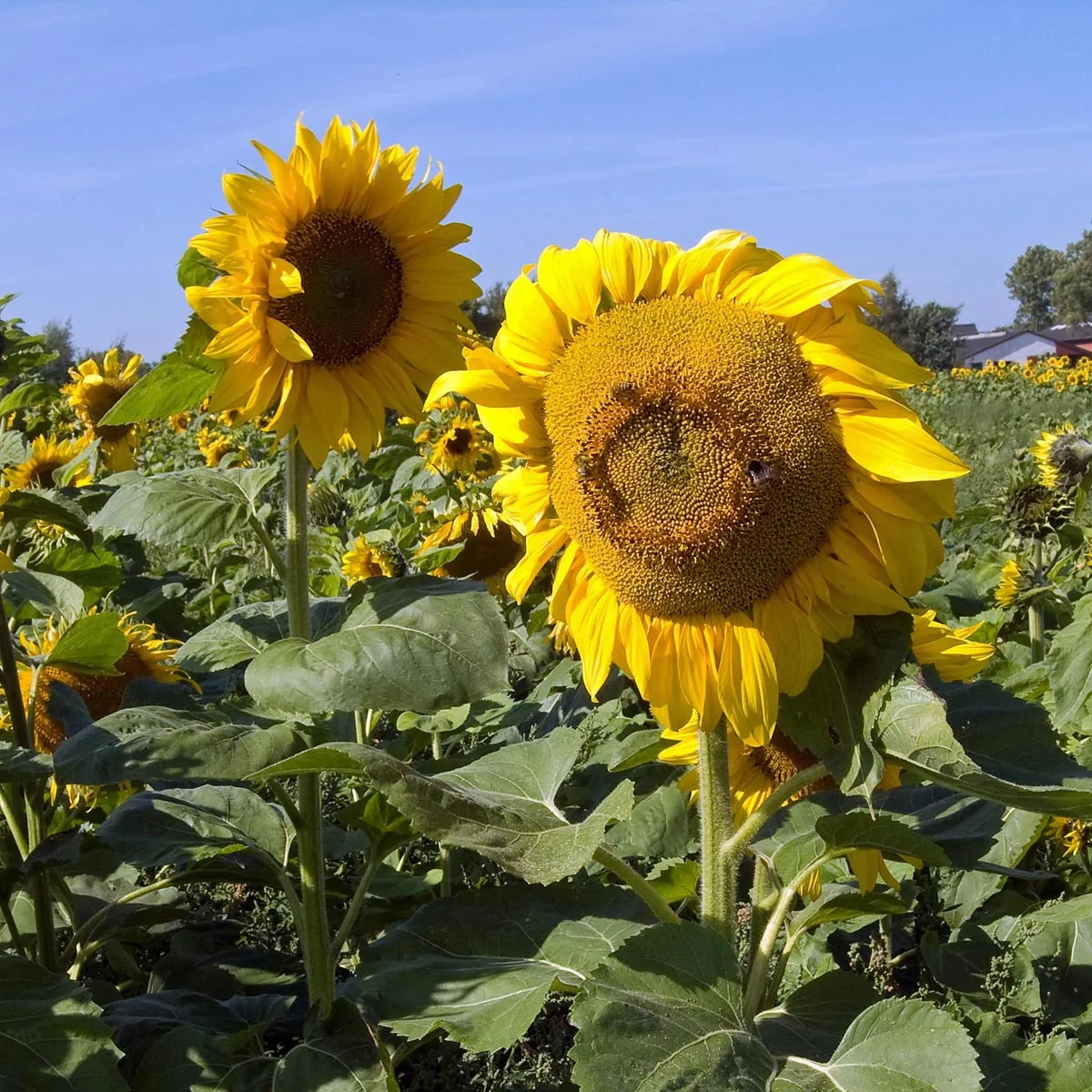
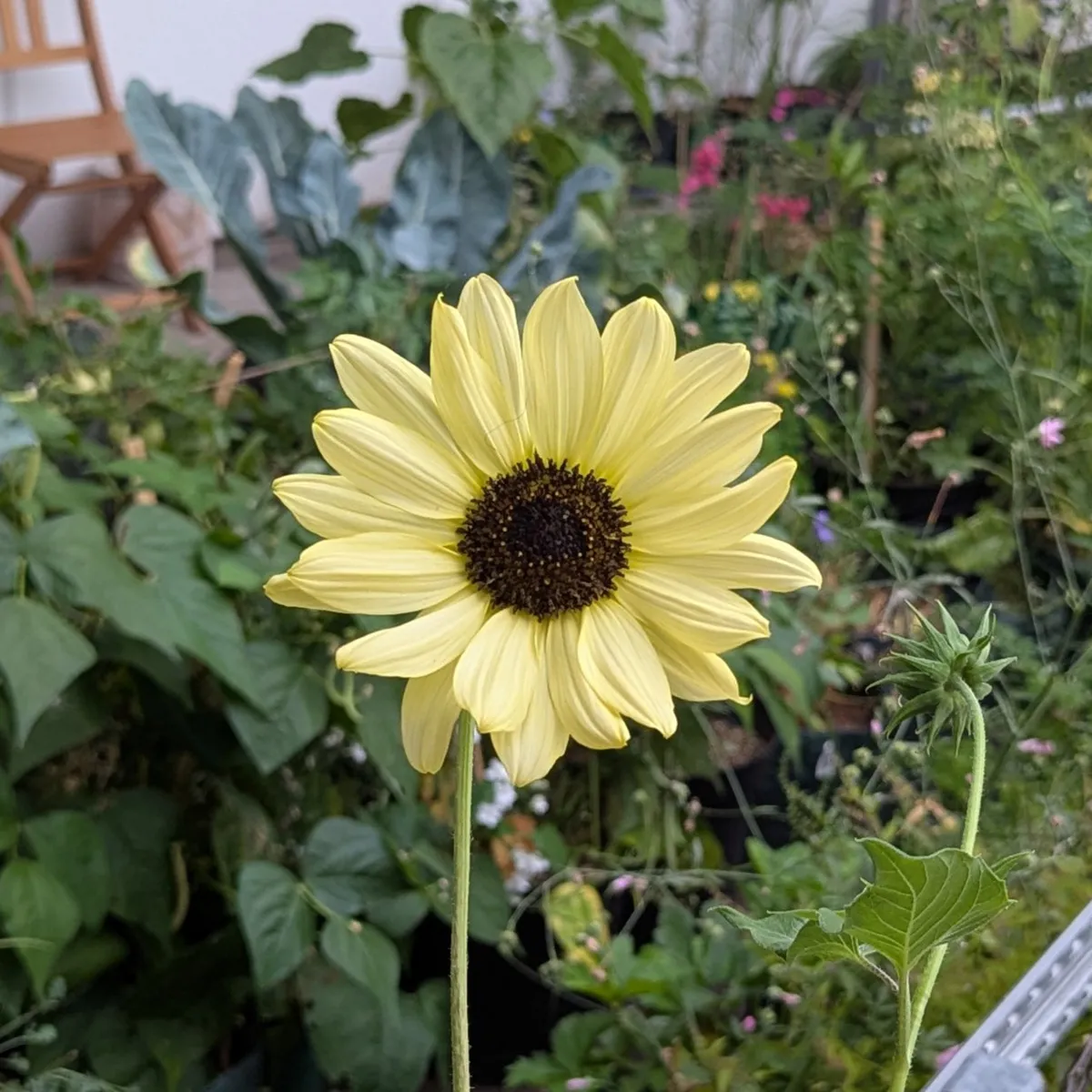
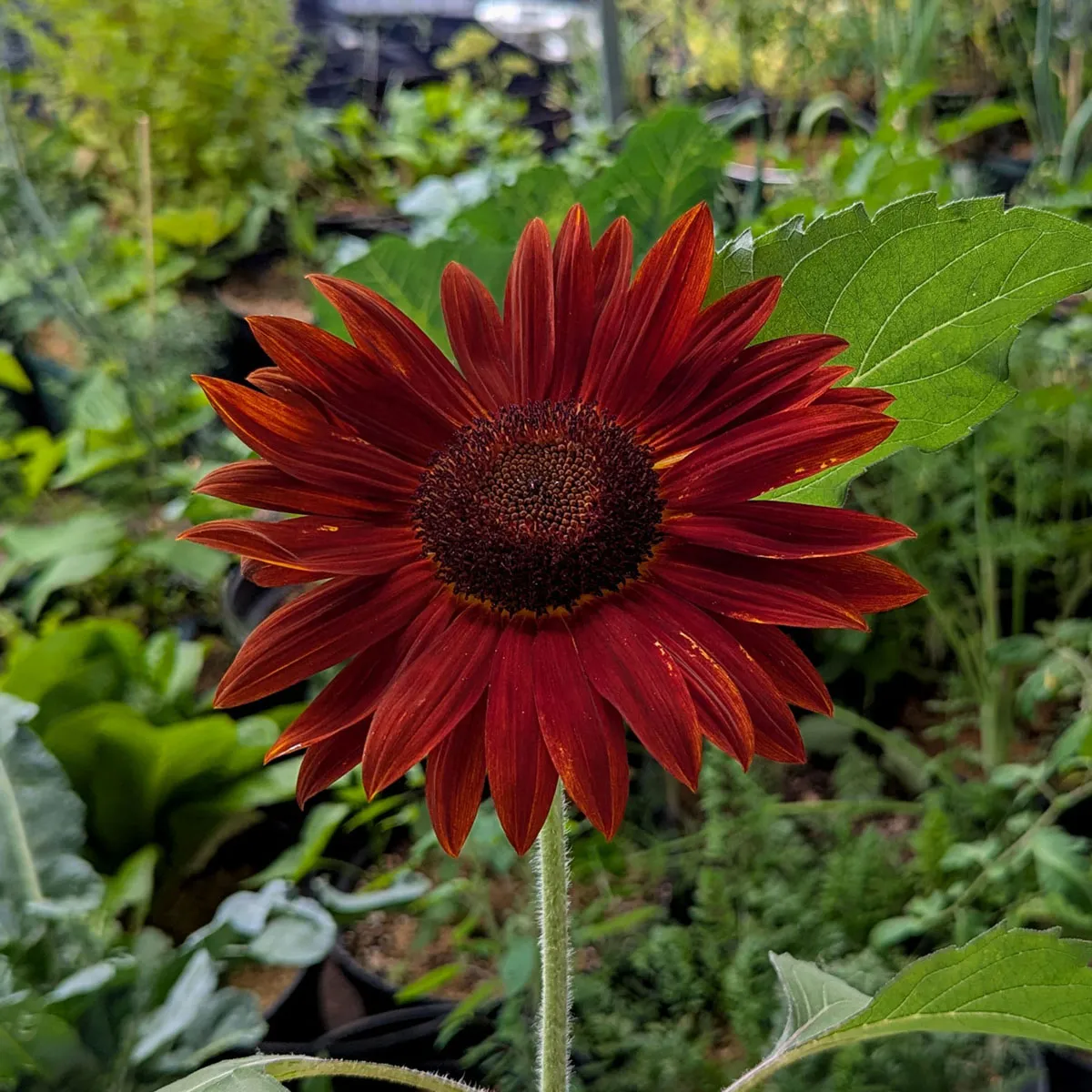
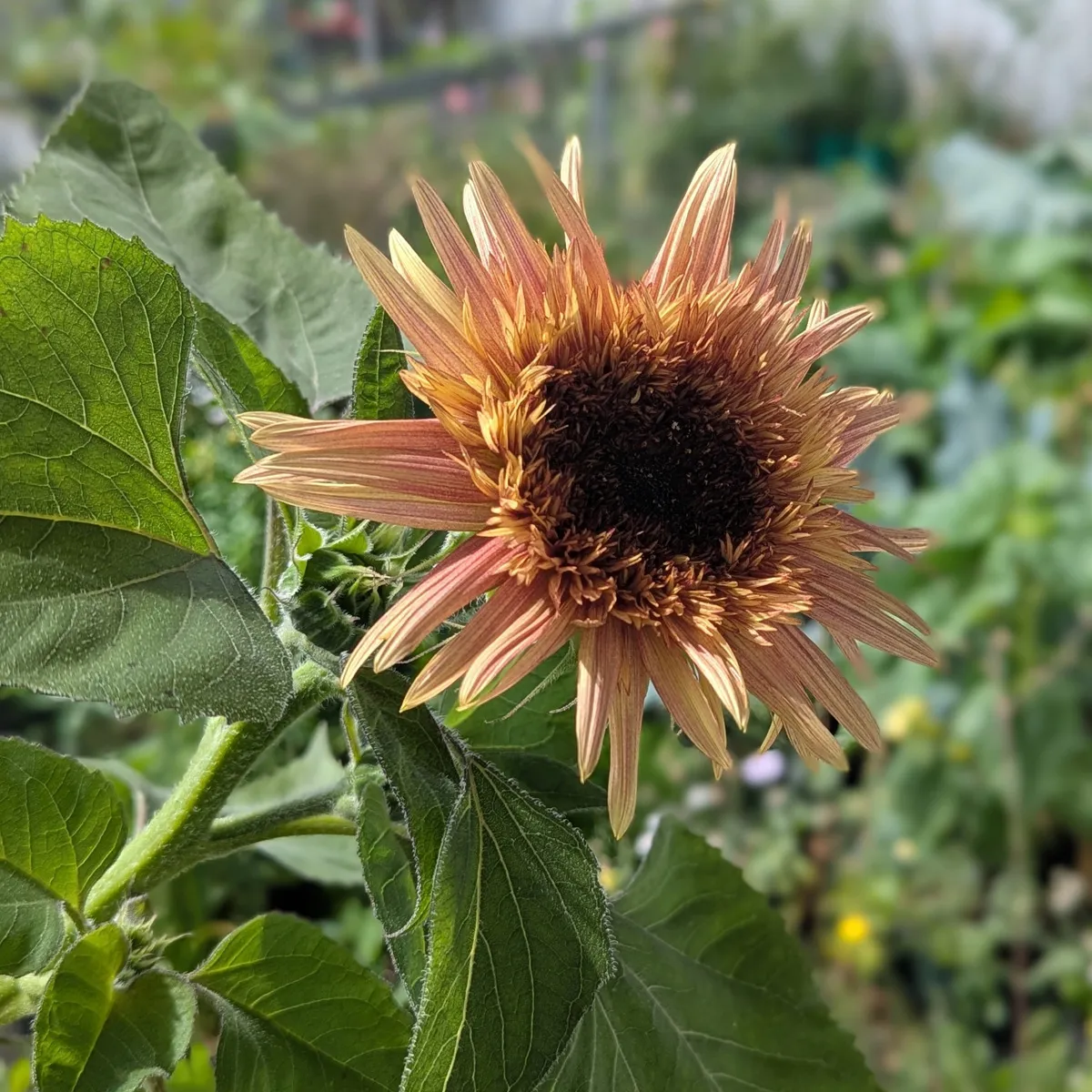
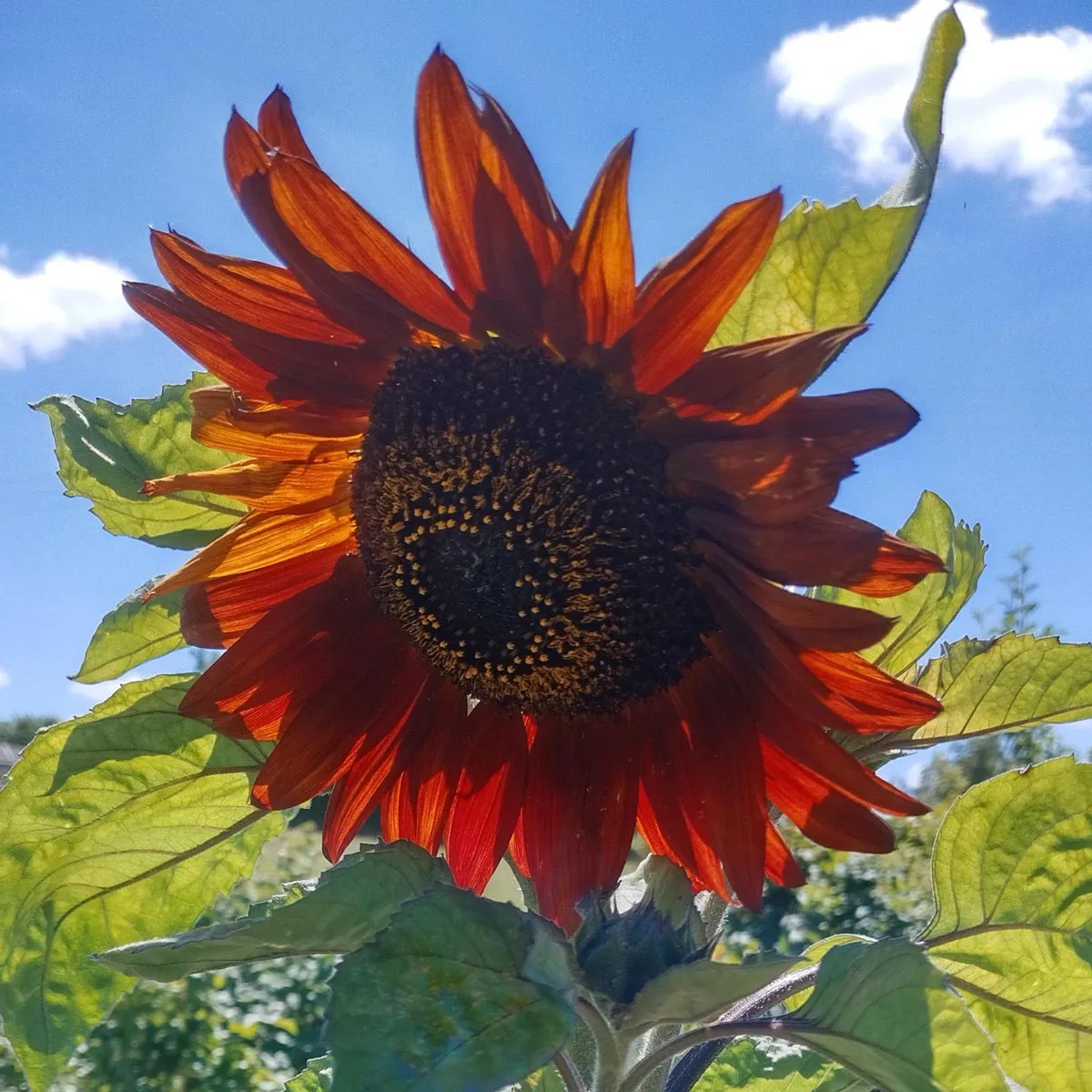
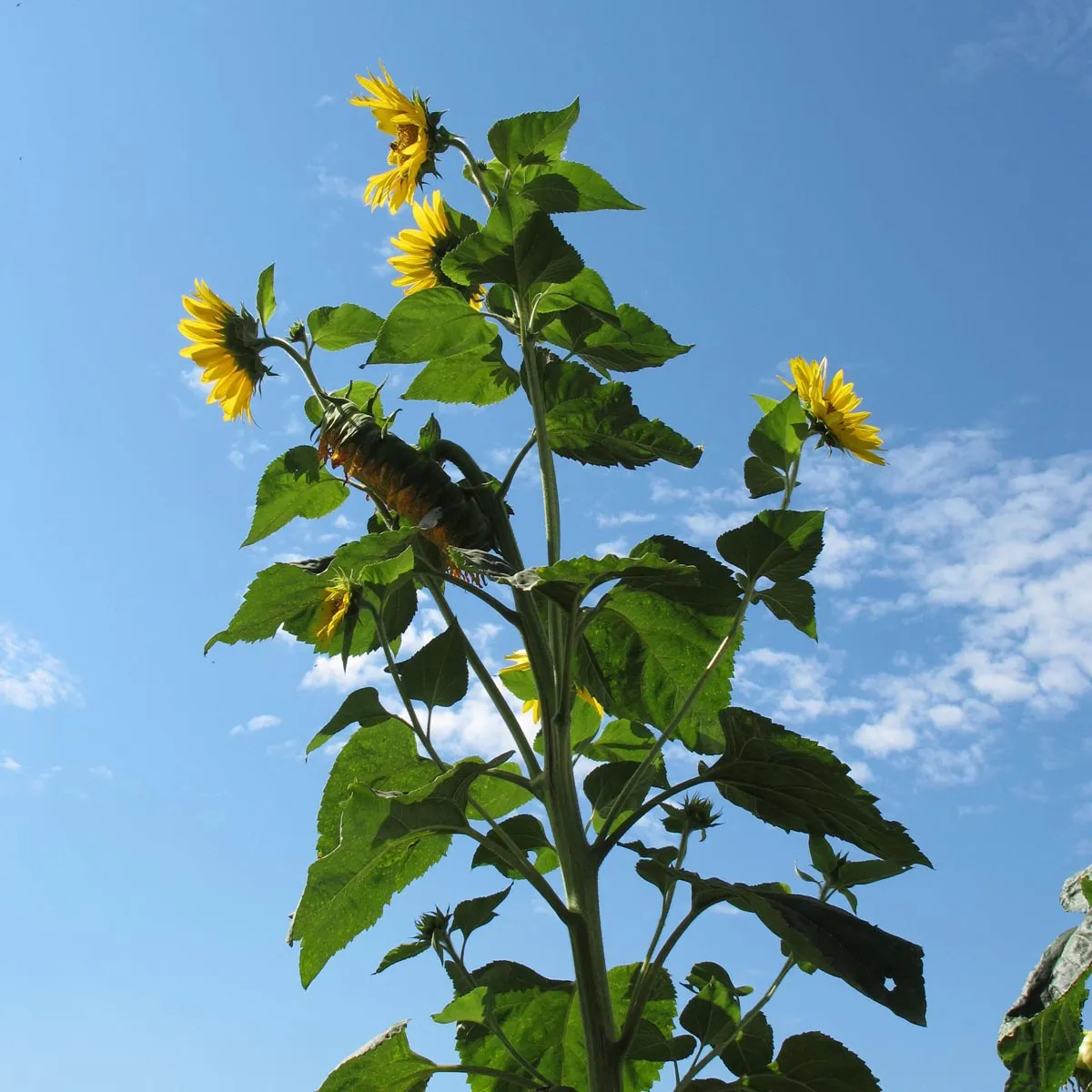
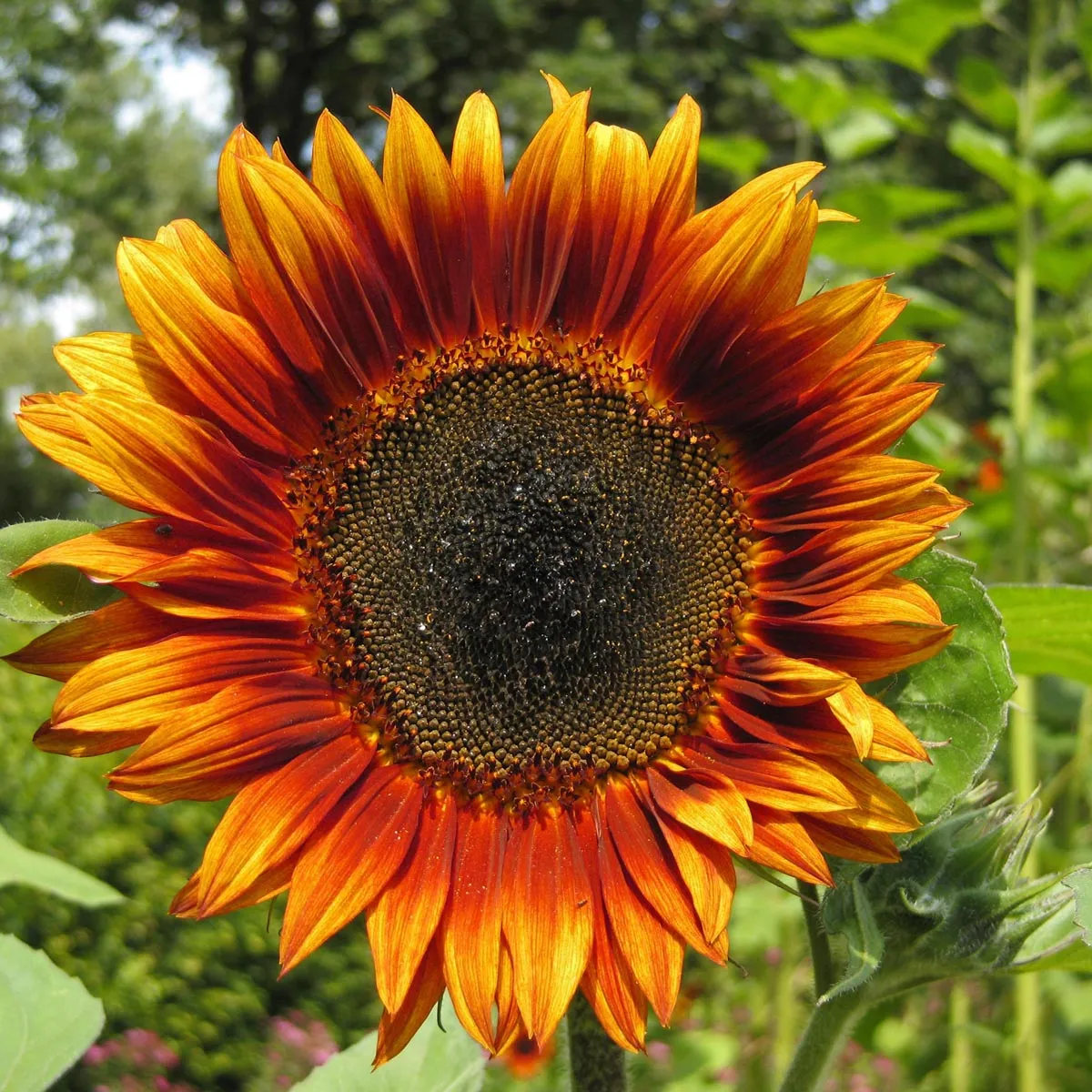
The annual sunflower (Helianthus annuus) is now cultivated in a wide range of varieties. Alongside tall-growing types for gardens and cutting, there are compact varieties suitable for beds and containers. The colour range has also expanded significantly, extending from classic yellow through orange and cream tones to darker shades of red and brown.
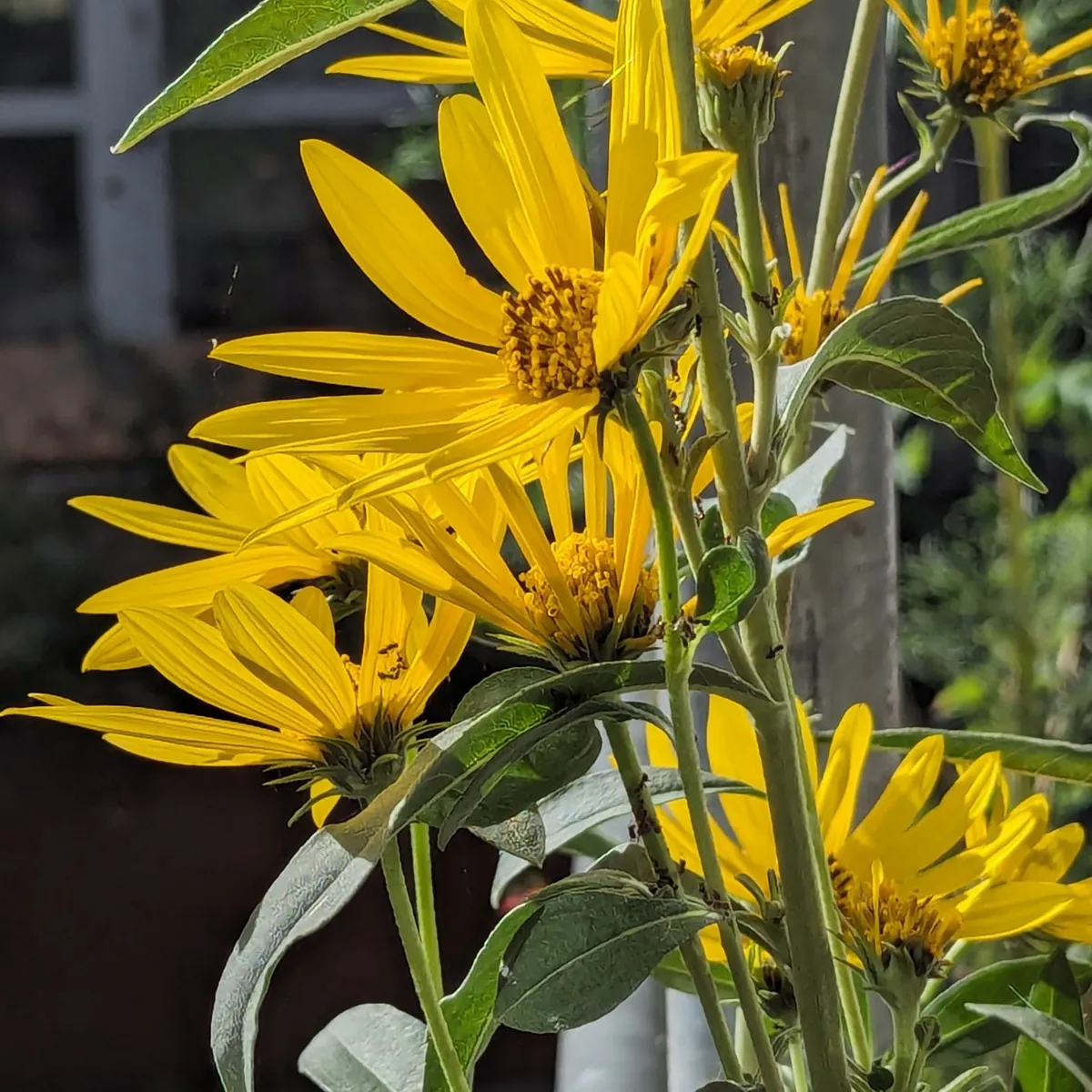
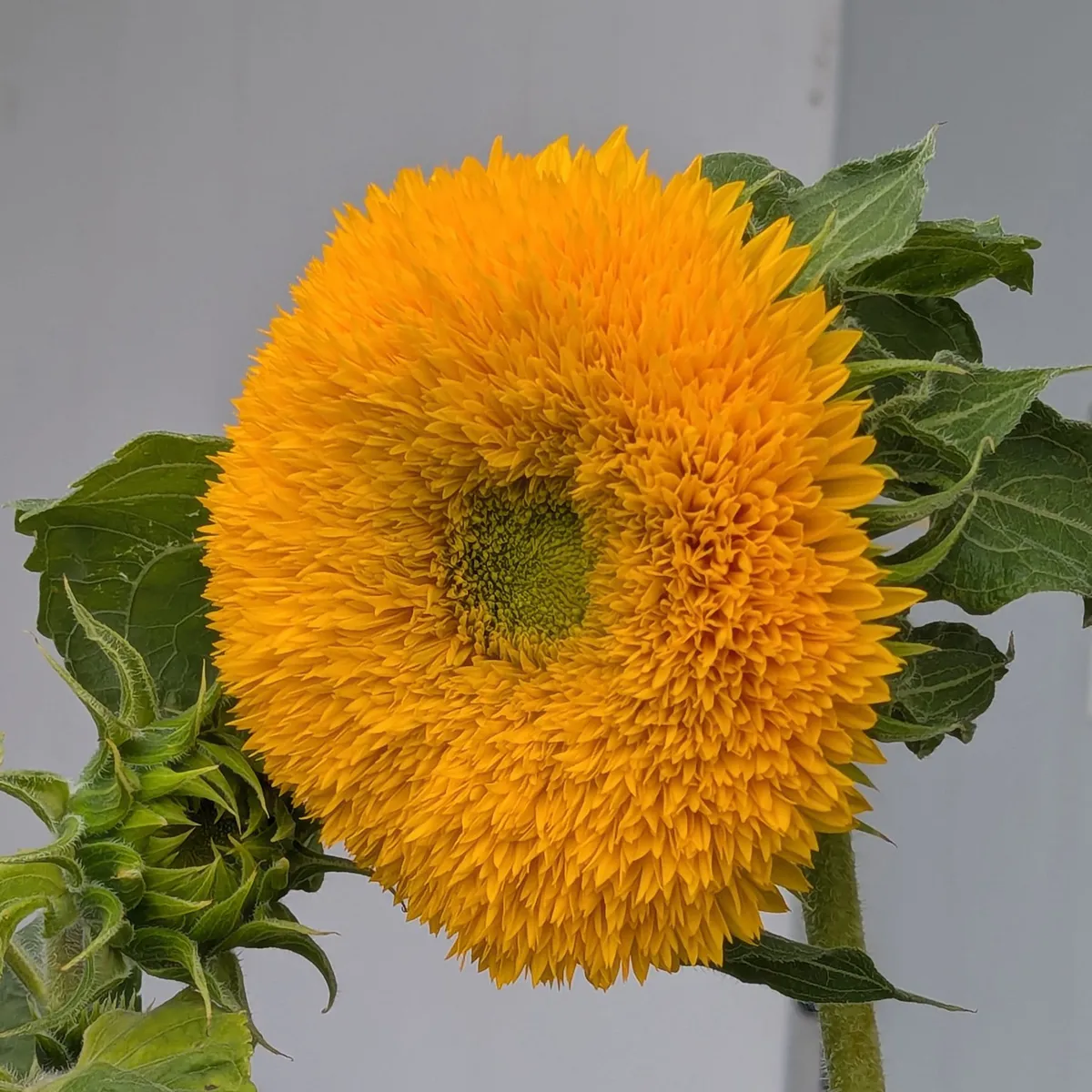
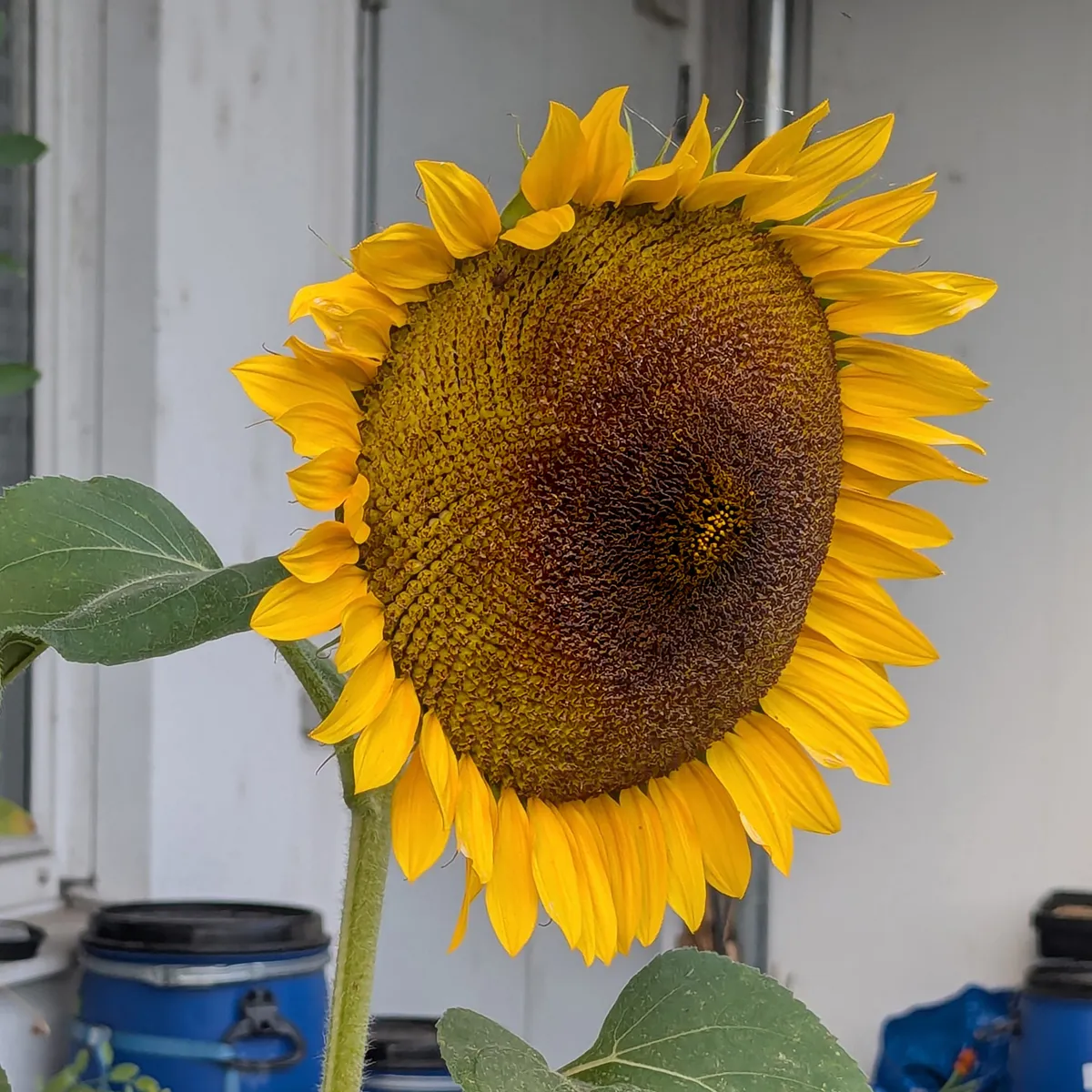
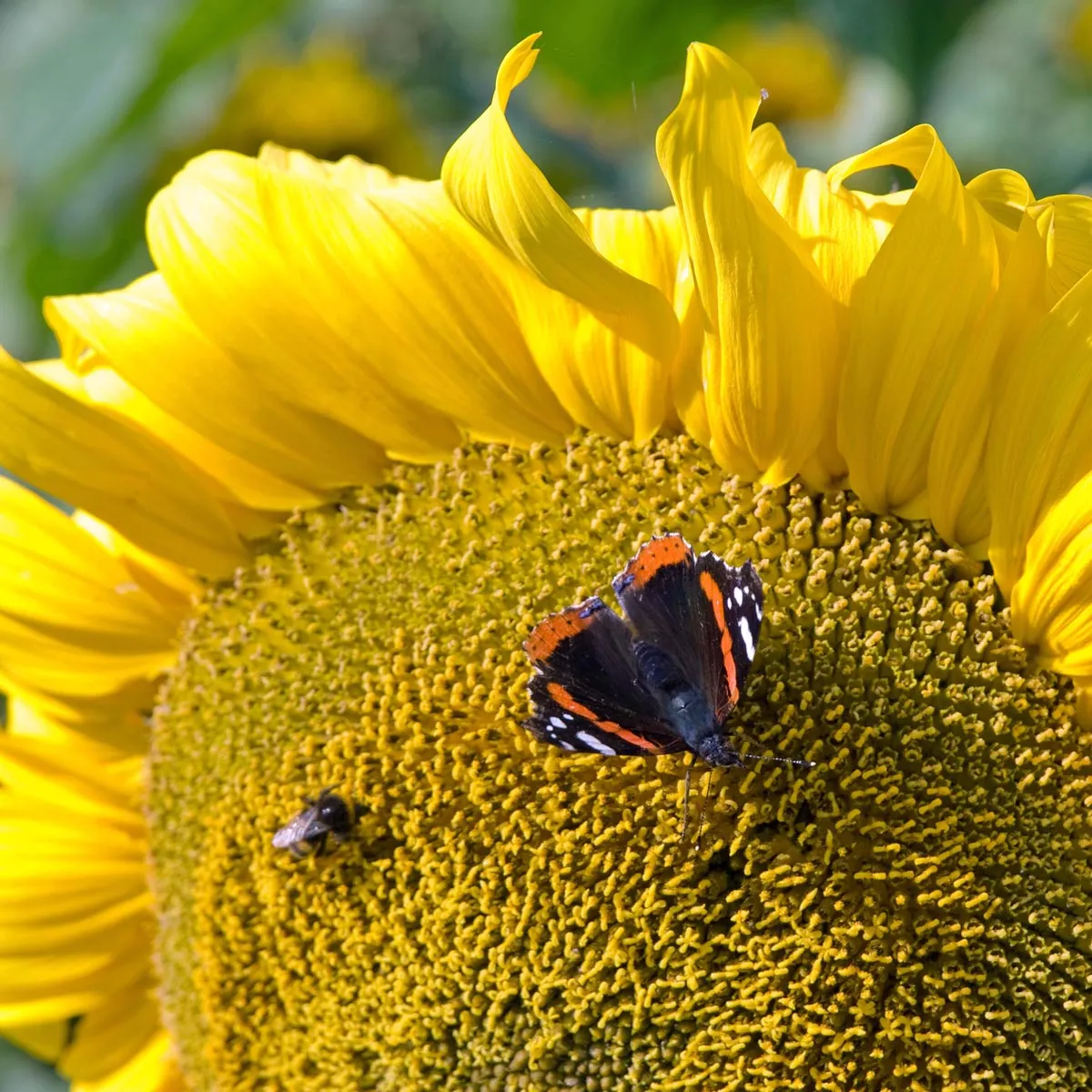
One important distinguishing feature is the flower form. Single-flowered sunflowers have open blooms and are particularly attractive to bees and other insects. Double-flowered varieties are mainly valued as ornamental plants and are characterised by their dense flower structure.
Depending on the variety, sunflowers are suitable both as structural garden plants and as decorative summer flowers in beds. After flowering, many varieties produce oil-rich seeds that are readily eaten by birds or, in suitable varieties, can also be used for human consumption.



Sowing & care of sunflowers
Sunflowers are sown directly outdoors once there is no longer any risk of frost. They prefer a sunny position and nutrient-rich, loose soil. During the growing season, the plants need regular watering but are sensitive to waterlogging.
Tall-growing varieties benefit from a sheltered position or light support. After flowering, the plants can be left standing to provide seeds for birds or later incorporated into the soil as green manure.
Useful information about sunflower seeds
Which sunflowers are suitable for small gardens or containers?
Compact varieties remain significantly shorter than classic sunflowers and are well suited to beds with limited space or for growing in containers.
What is the difference between ornamental sunflowers and classic sunflowers?
Ornamental sunflowers have been specifically bred for flower shape and colour. They often grow in a branching habit and produce several flowers per plant.
Are double sunflowers less bee-friendly?
Double varieties usually provide less food for insects because the central flower disc is difficult to access. Single-flowered sunflowers are much more attractive to bees.
Are sunflowers also suitable as bird food?
Many sunflowers produce oil-rich seeds that birds readily eat if the flower heads are left standing into autumn.
Are sunflower seeds suitable for human consumption?
Certain varieties are specifically grown for seed harvesting. Ornamental sunflowers, by contrast, are usually cultivated mainly for their flowers.
Why are sunflowers considered green manure plants?
With their strong roots and large amount of biomass, sunflowers help loosen the soil and contribute to humus formation.