
Wildflower seeds - native flowers for gardens and wildflower meadows
In this category you’ll find carefully selected wildflower seeds - for German and European native wildflower species. Many of these flowers have been growing in our landscape for hundreds of years, so they’re perfectly adapted to our climate and soils. Whether it’s a colourful wildflower meadow, natural beds and borders, or specific plantings for bees and insects - with native wildflowers you can create a garden that’s beautiful and ecologically valuable at the same time.
Wildflowers and wild perennials encompass all the flowering herbaceous plants that grow naturally in the wild. Compared to their highly cultivated garden equivalents they’re often more delicate and natural-looking - and tougher, too. This wild, natural look is what makes them so enchanting. Many native wildflowers are also key food sources for bees, bumblebees and butterflies, actively helping to maintain biodiversity.
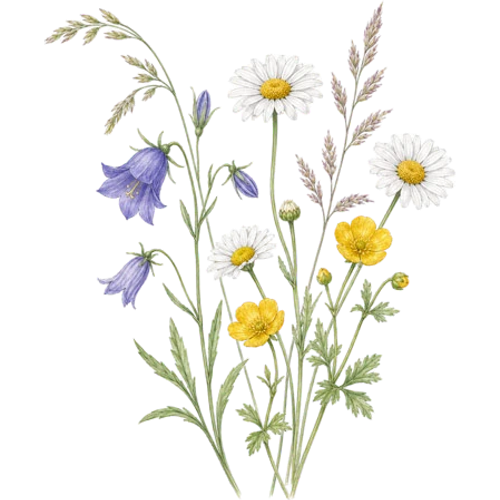
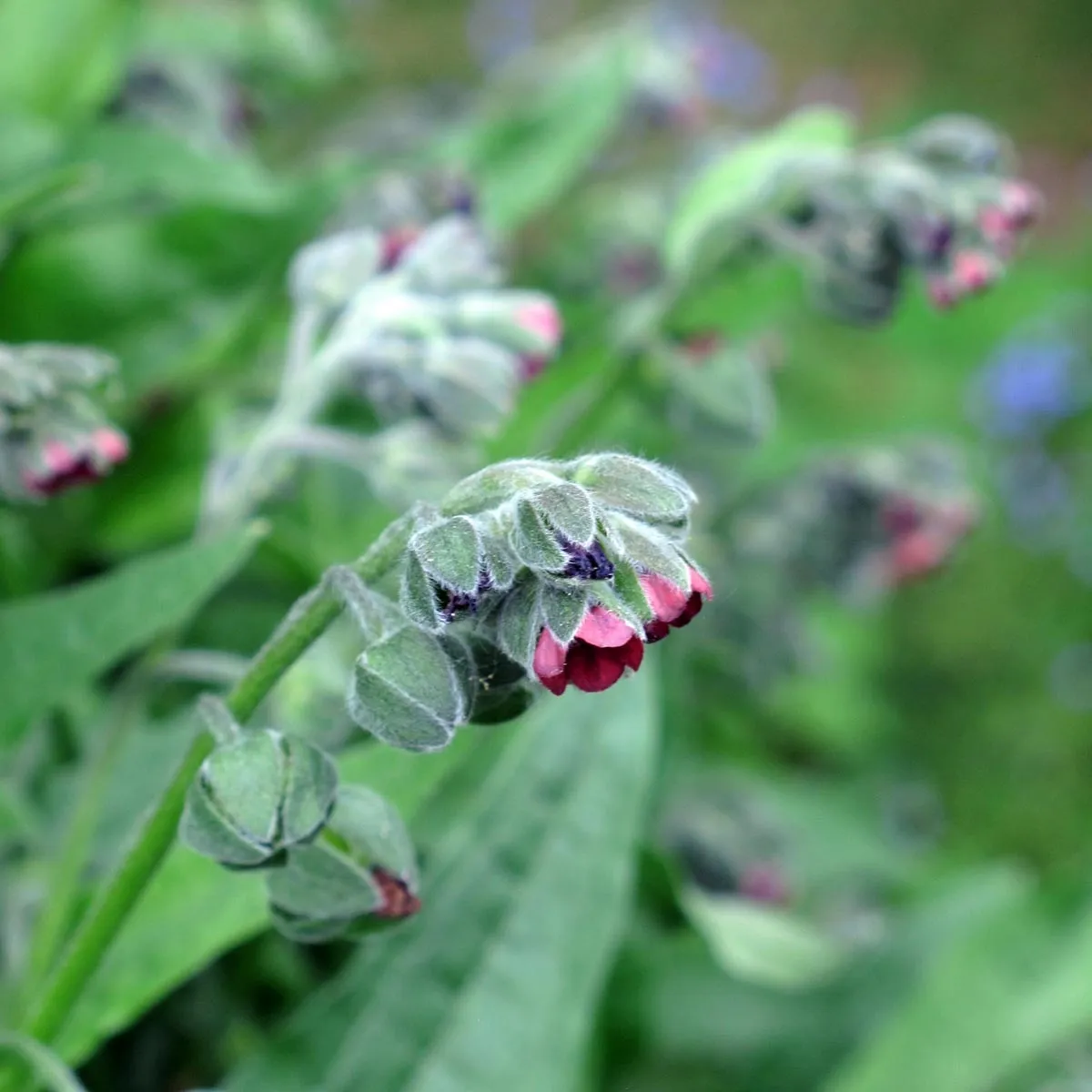
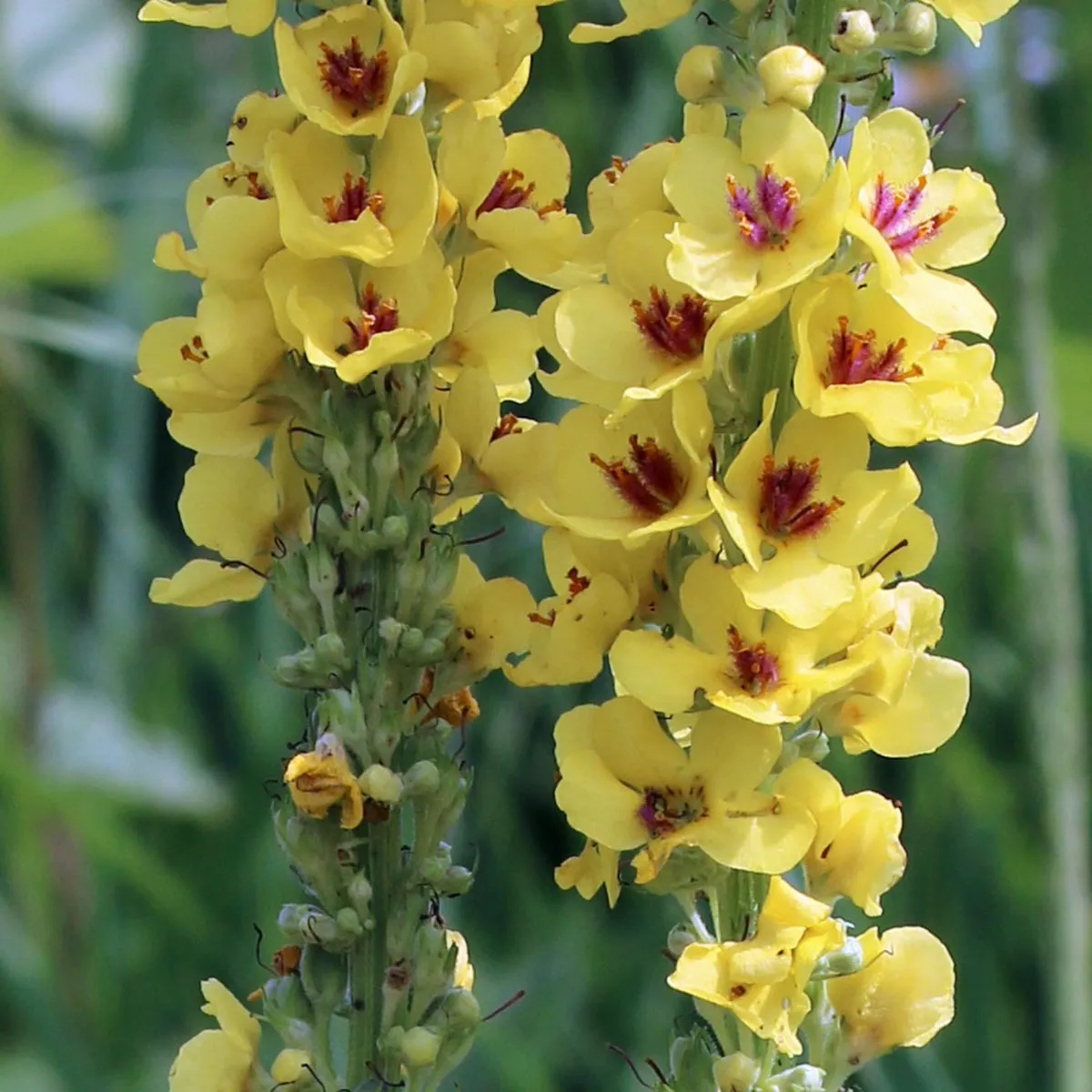
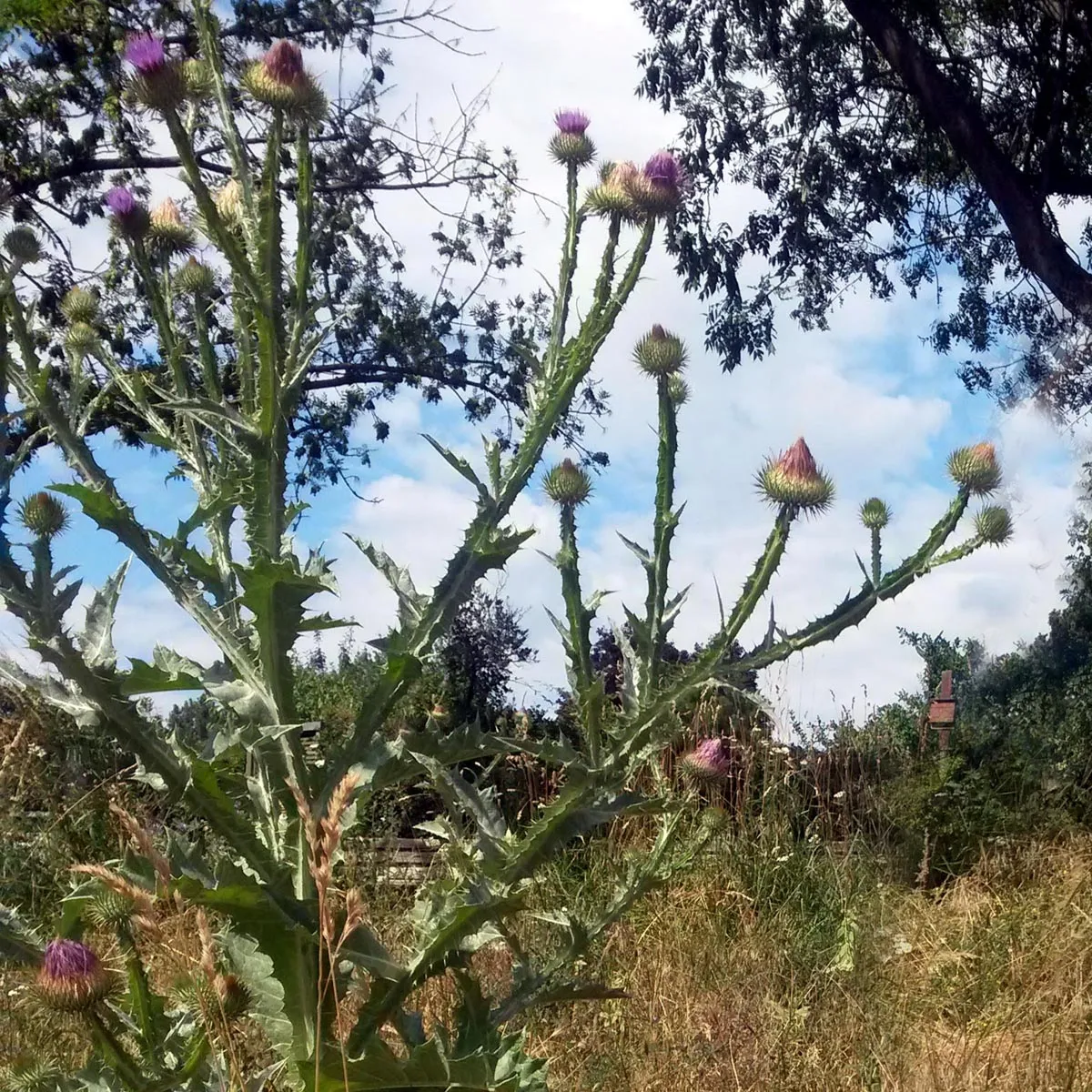
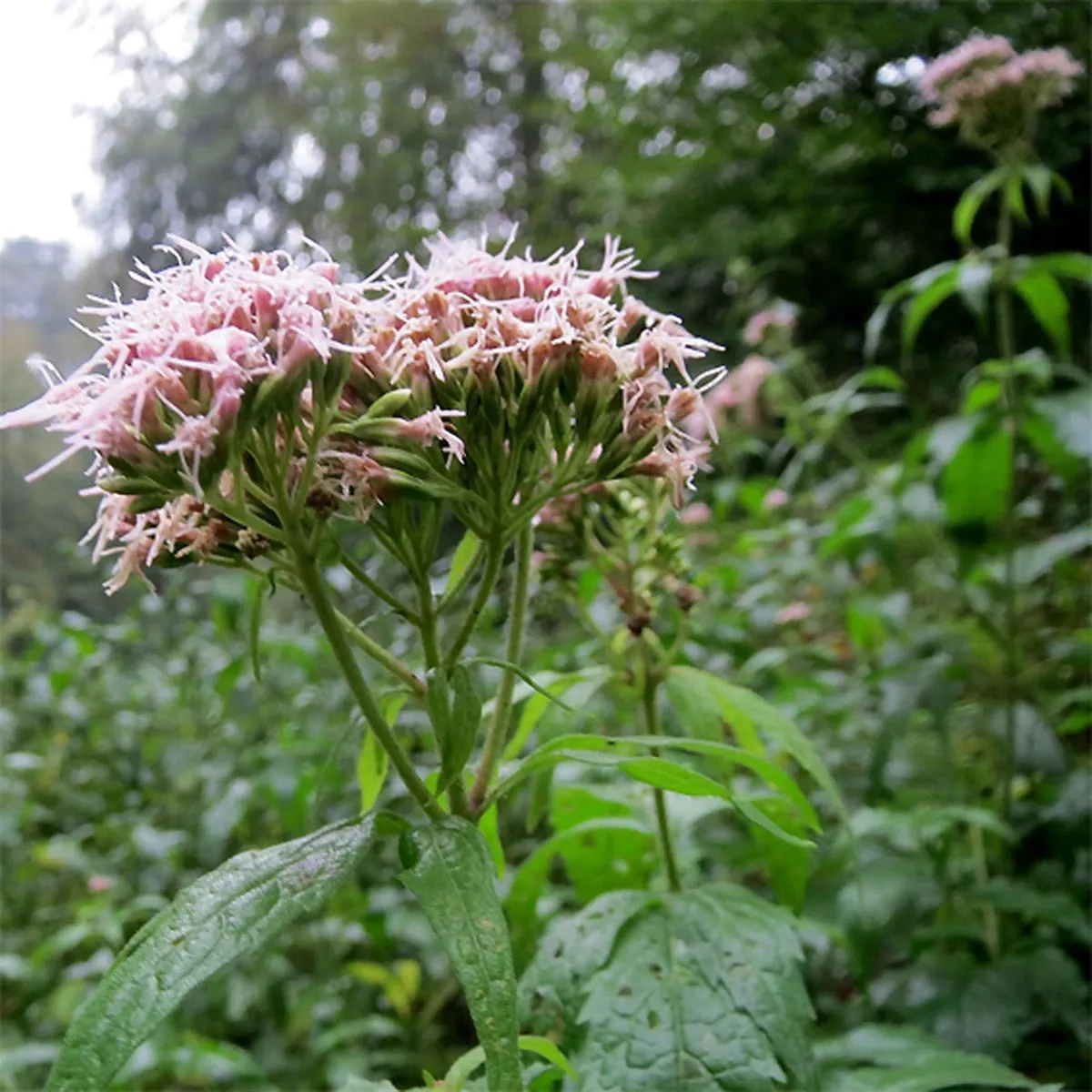
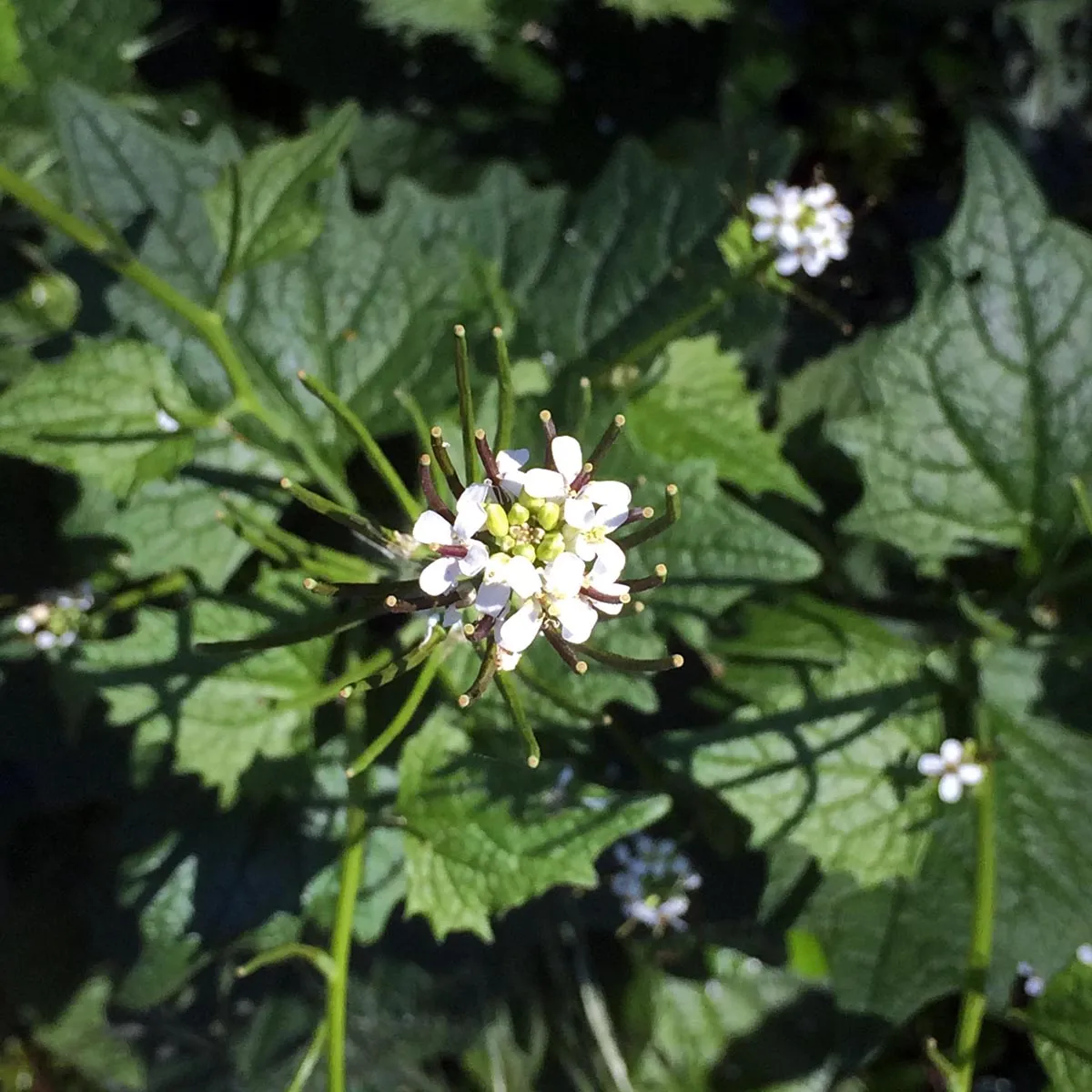

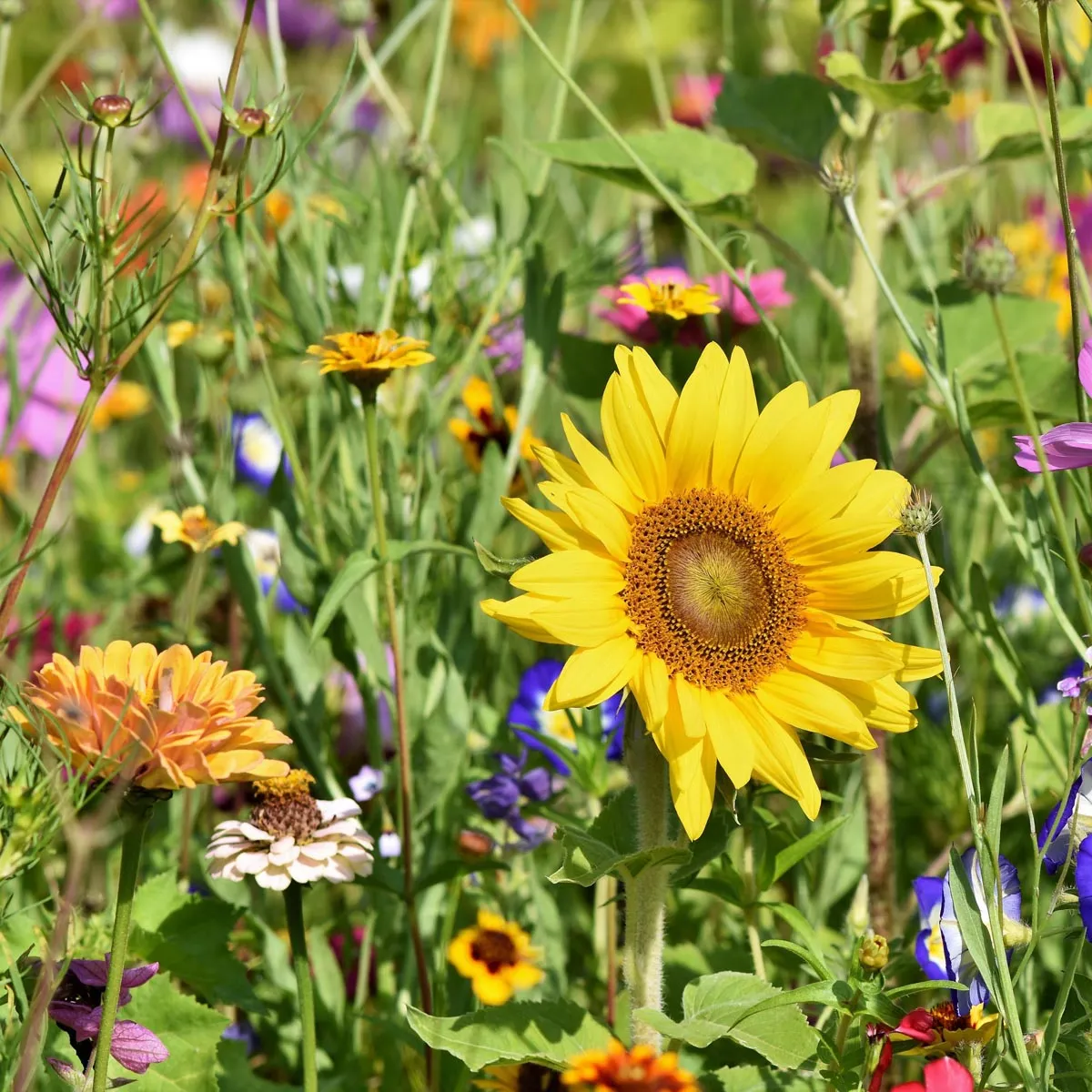
Insect-friendly Flower Mixture (10g suitable for approx. 5 m² area) organic
Content: 0.01 Kilogramme (€499.00 / 1 Kilogramme)
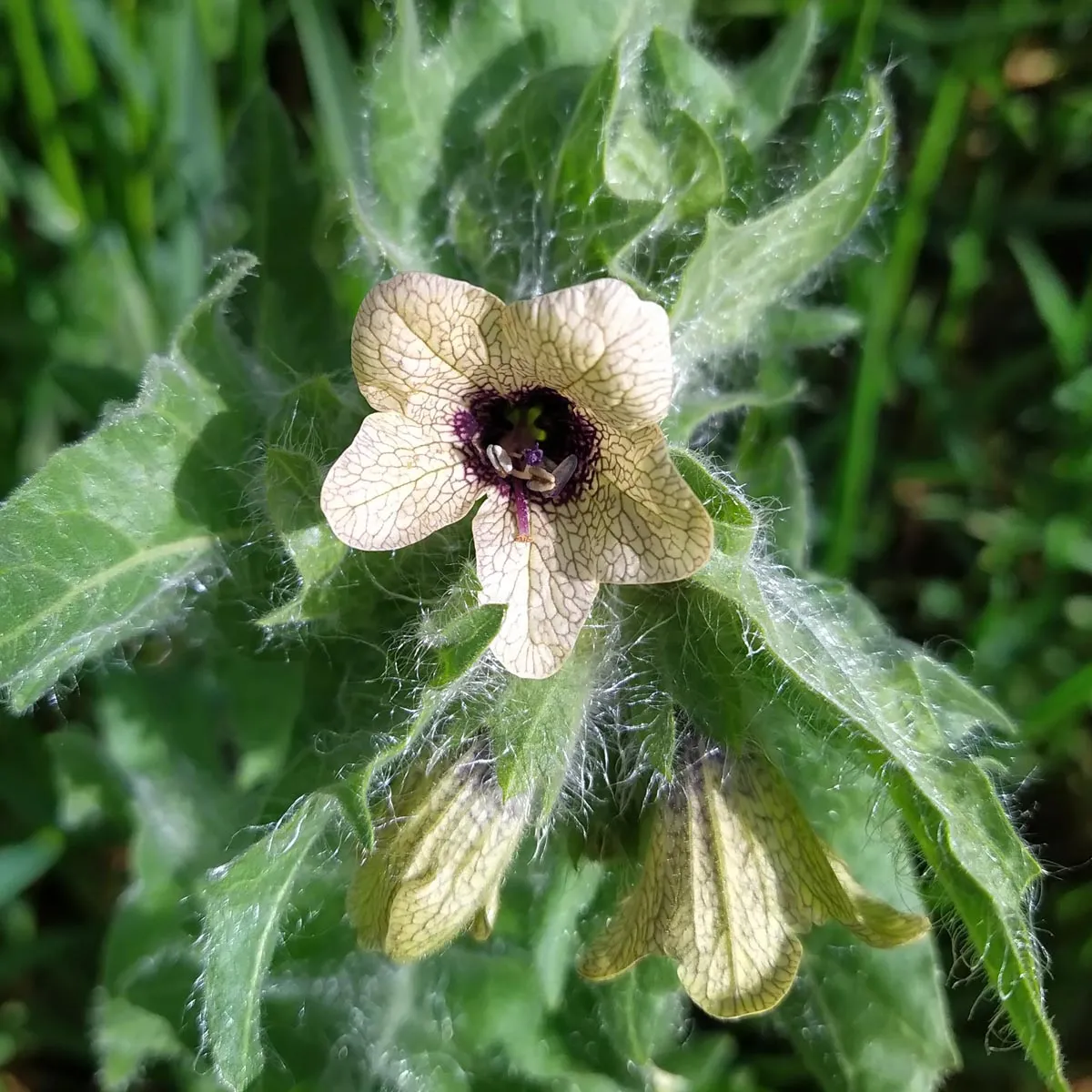
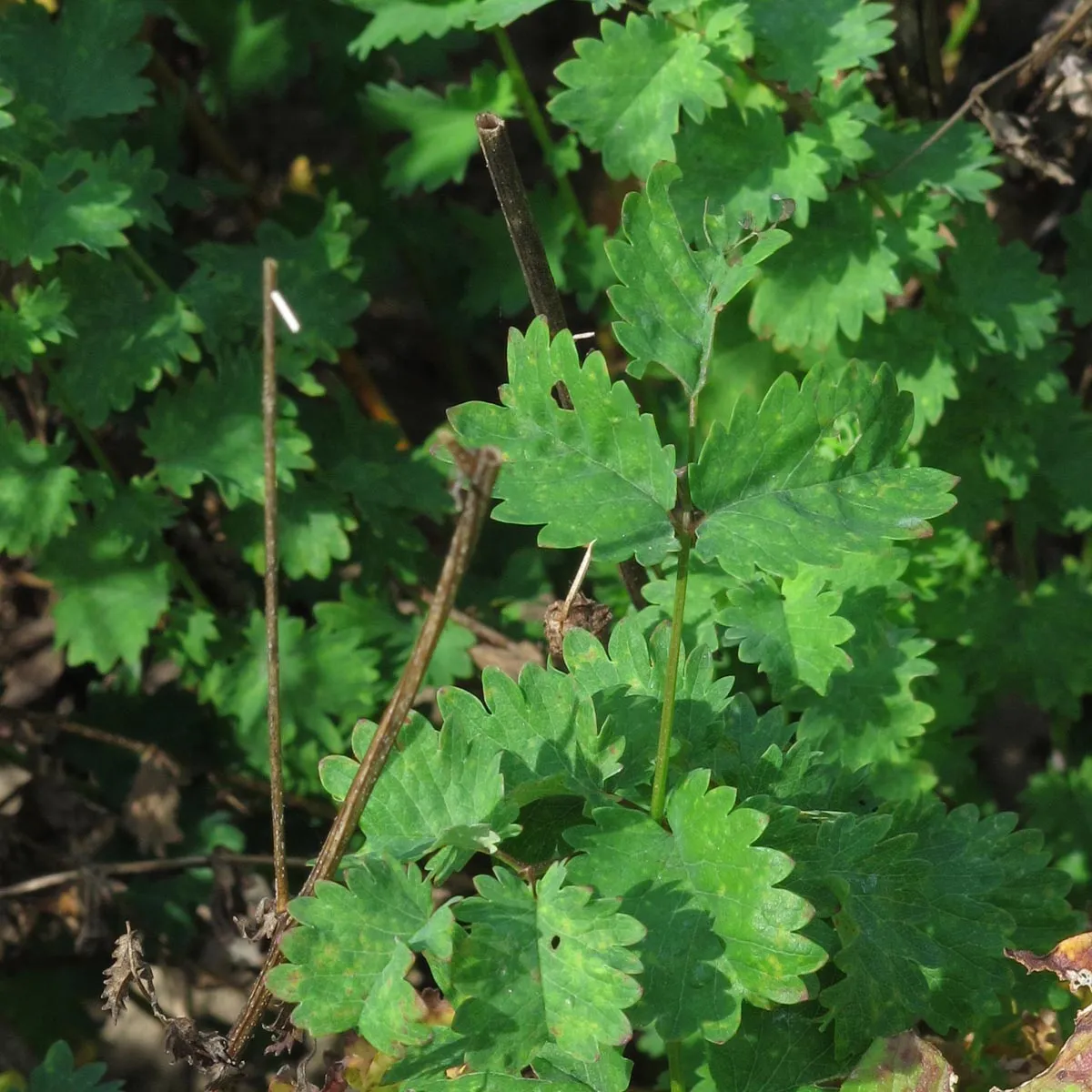
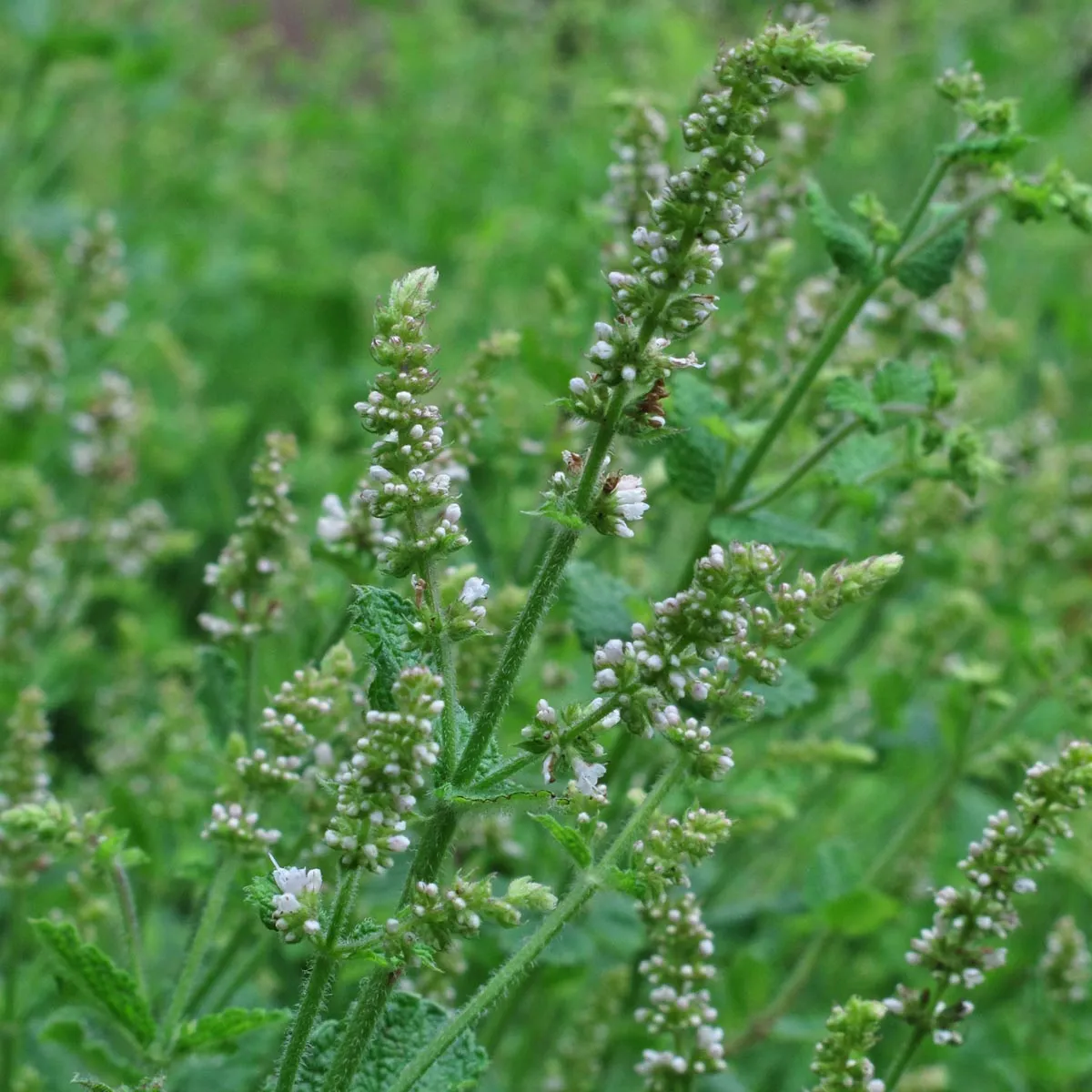
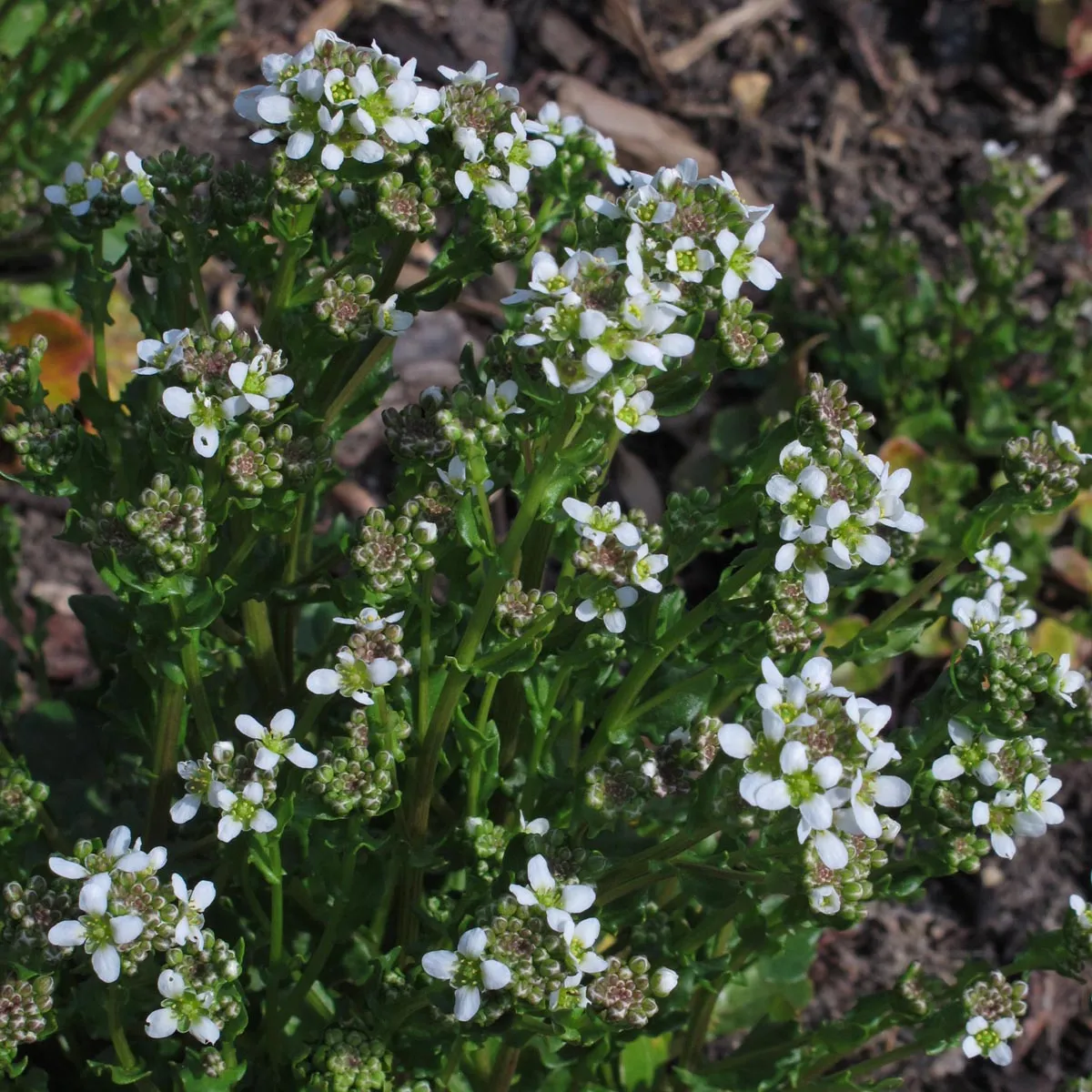
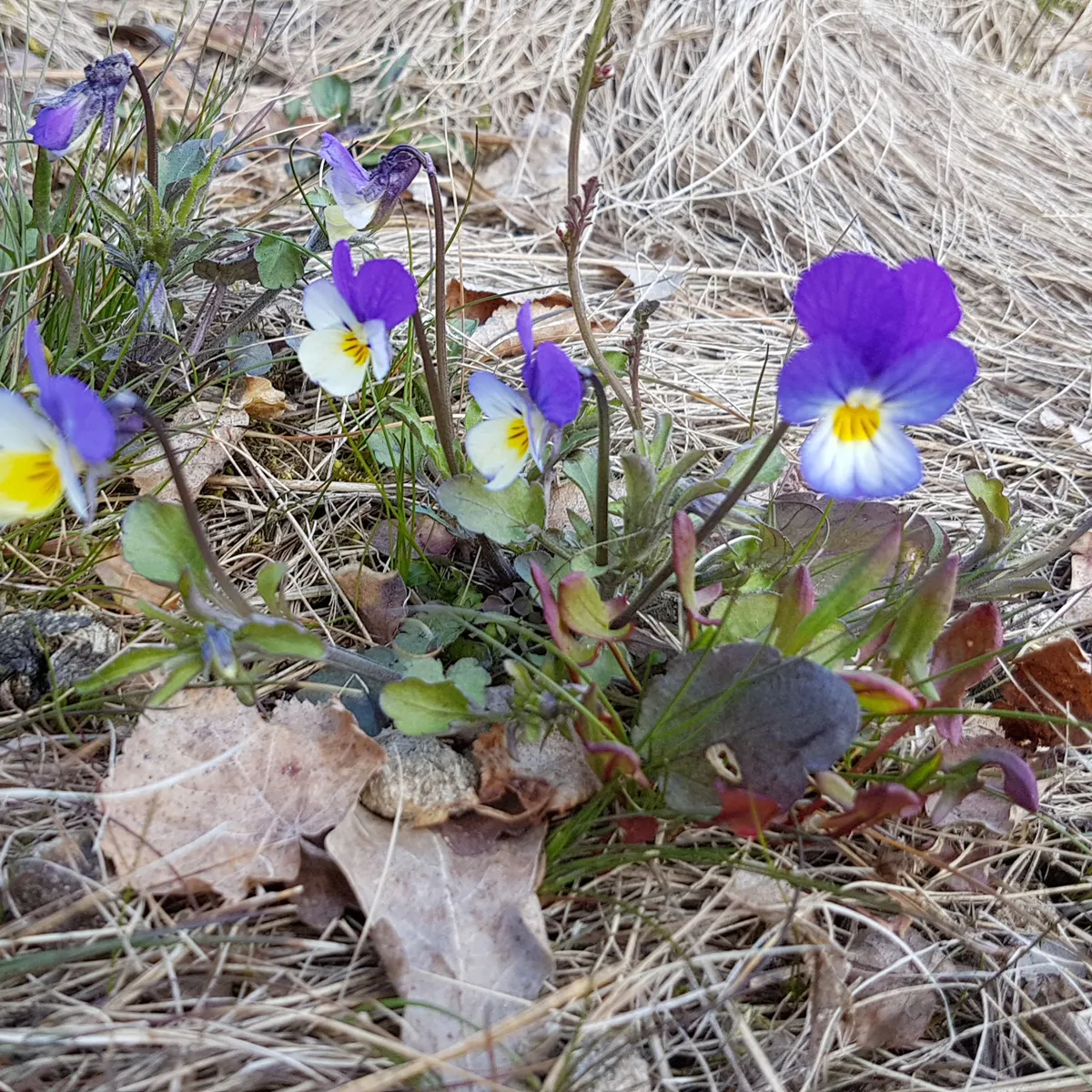
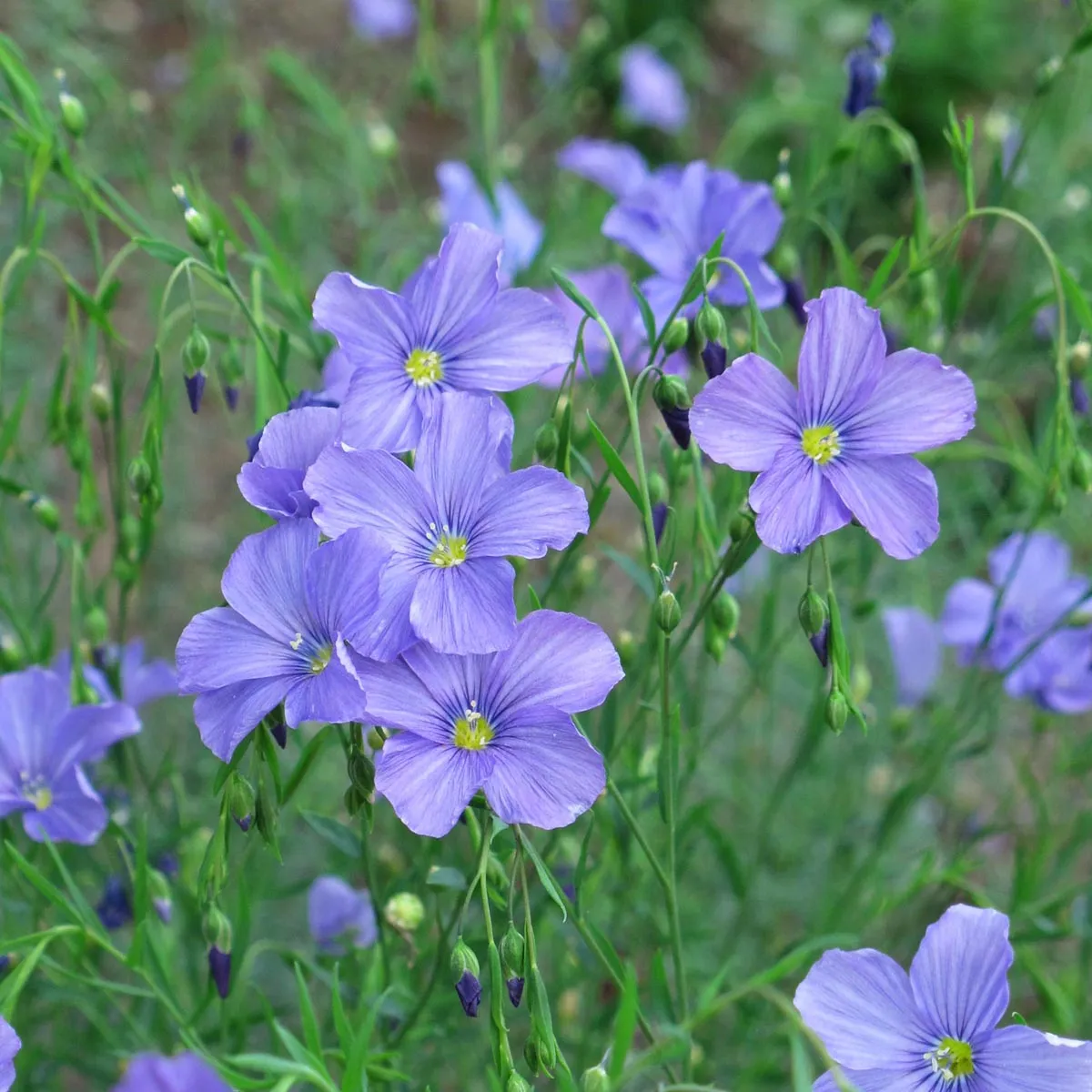
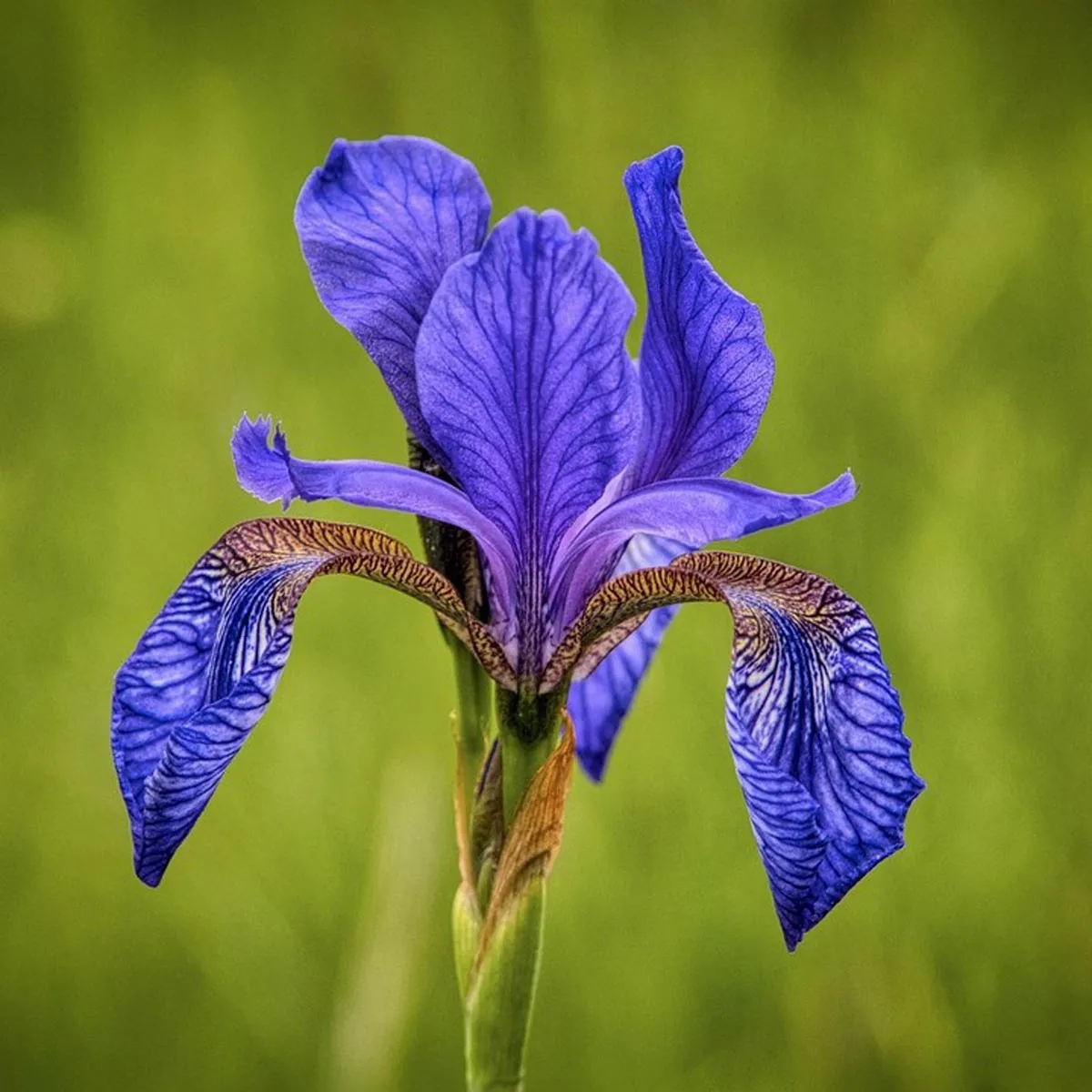
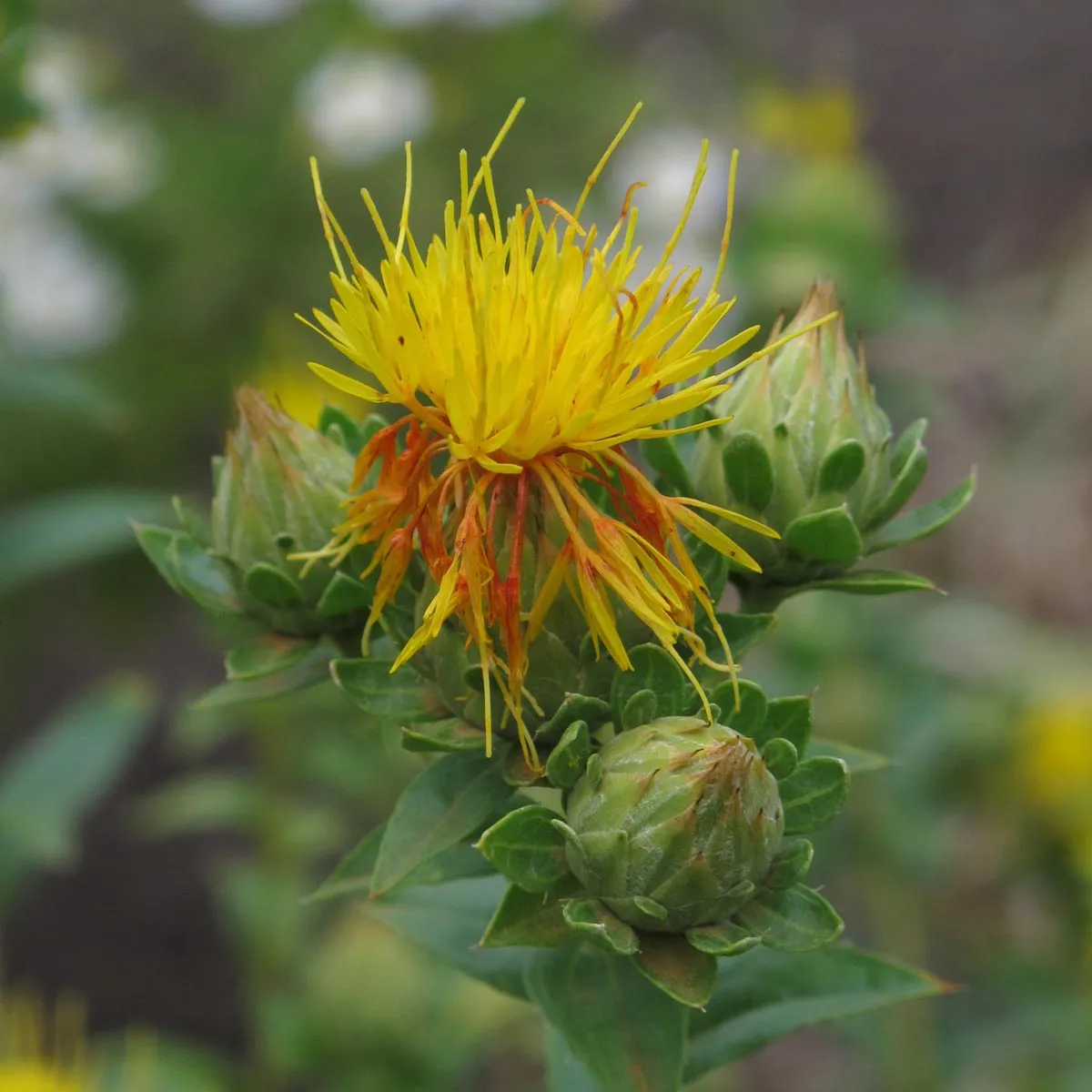
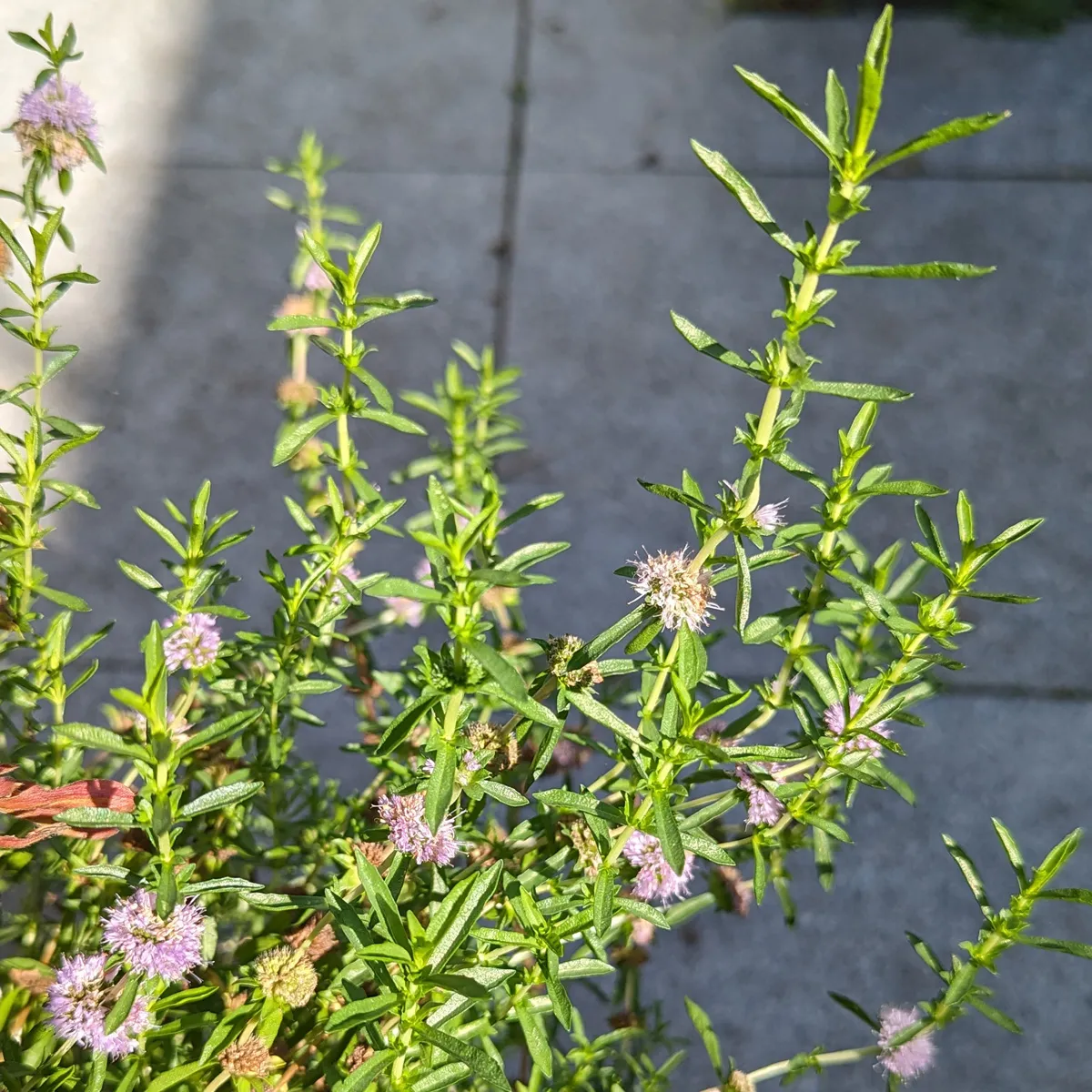
Why native wildflowers are so valuable
Native wildflowers are ideally adapted to our environment and usually cope better with changing conditions than many ornamental plants. They often require less care, are more resilient to drought or poor soils and remain stable over the long term. At the same time, they make an important contribution to biodiversity, as many insects are specialised in exactly these plants.
A wildflower meadow or a naturalistic flower bed provides food and habitat for numerous animal species. Especially at a time of intensive agriculture and increasing land sealing, such plantings are becoming ever more important. With suitable wildflower seeds, this kind of habitat can be created easily and sustainably in your own garden.
Typical wildflowers and their diversity
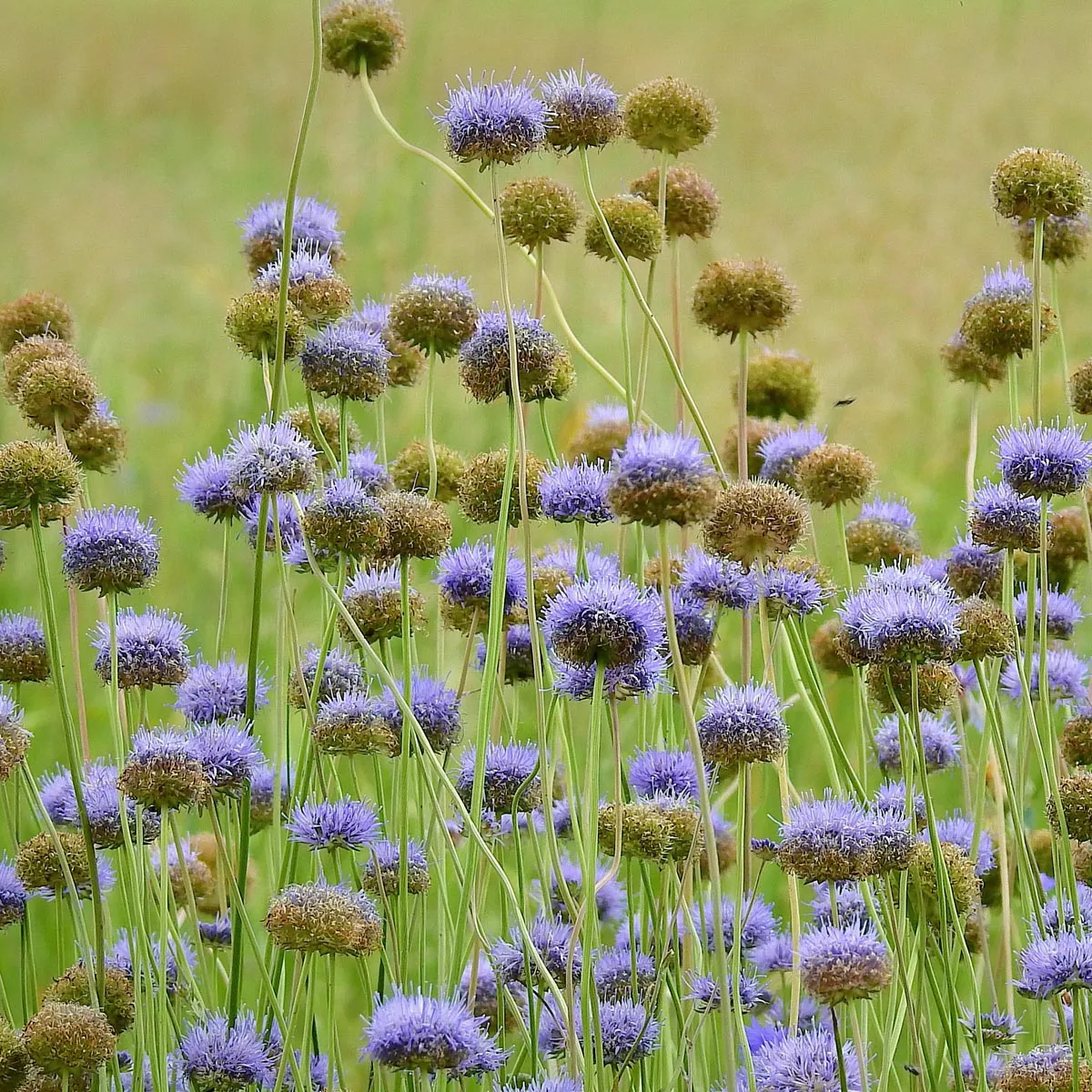
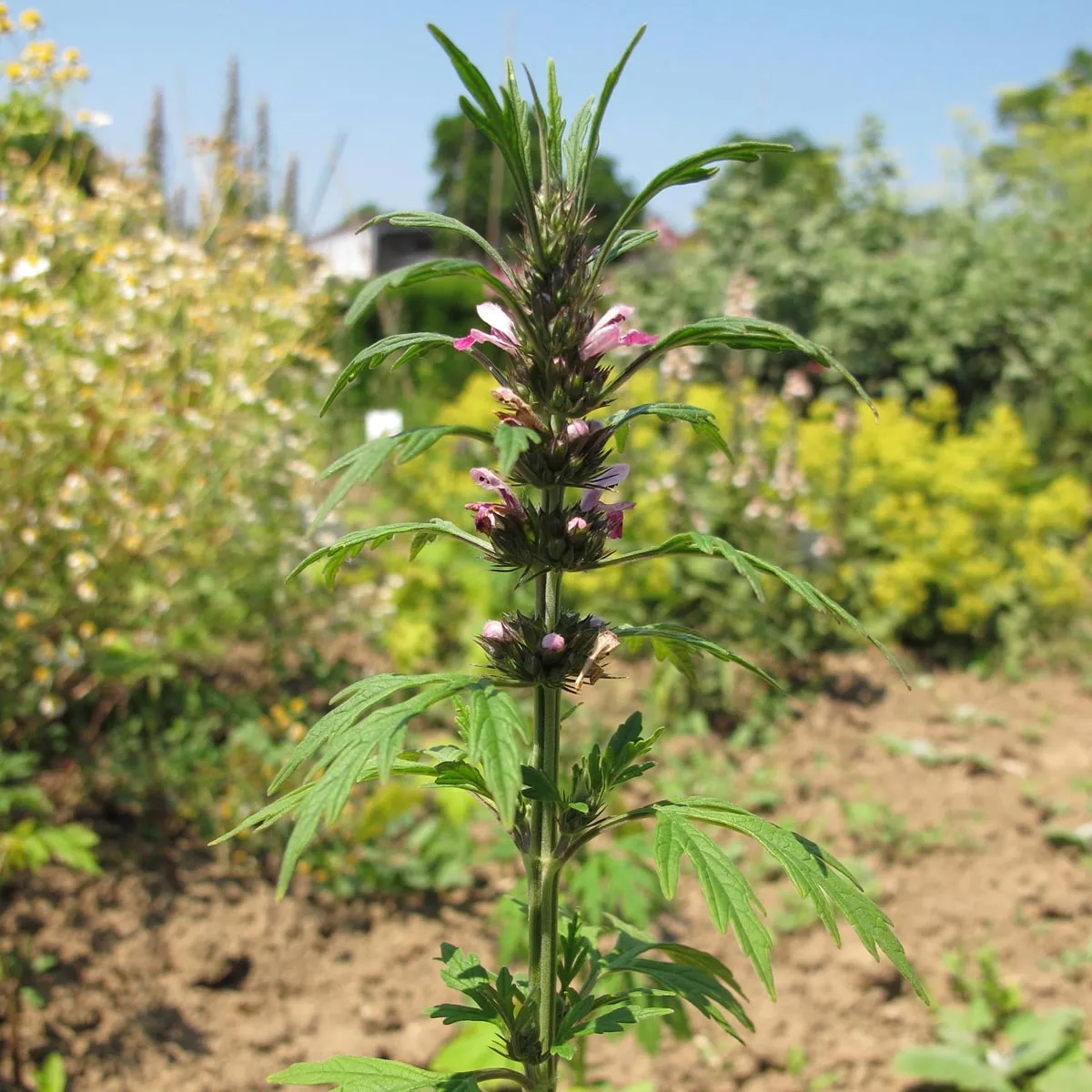
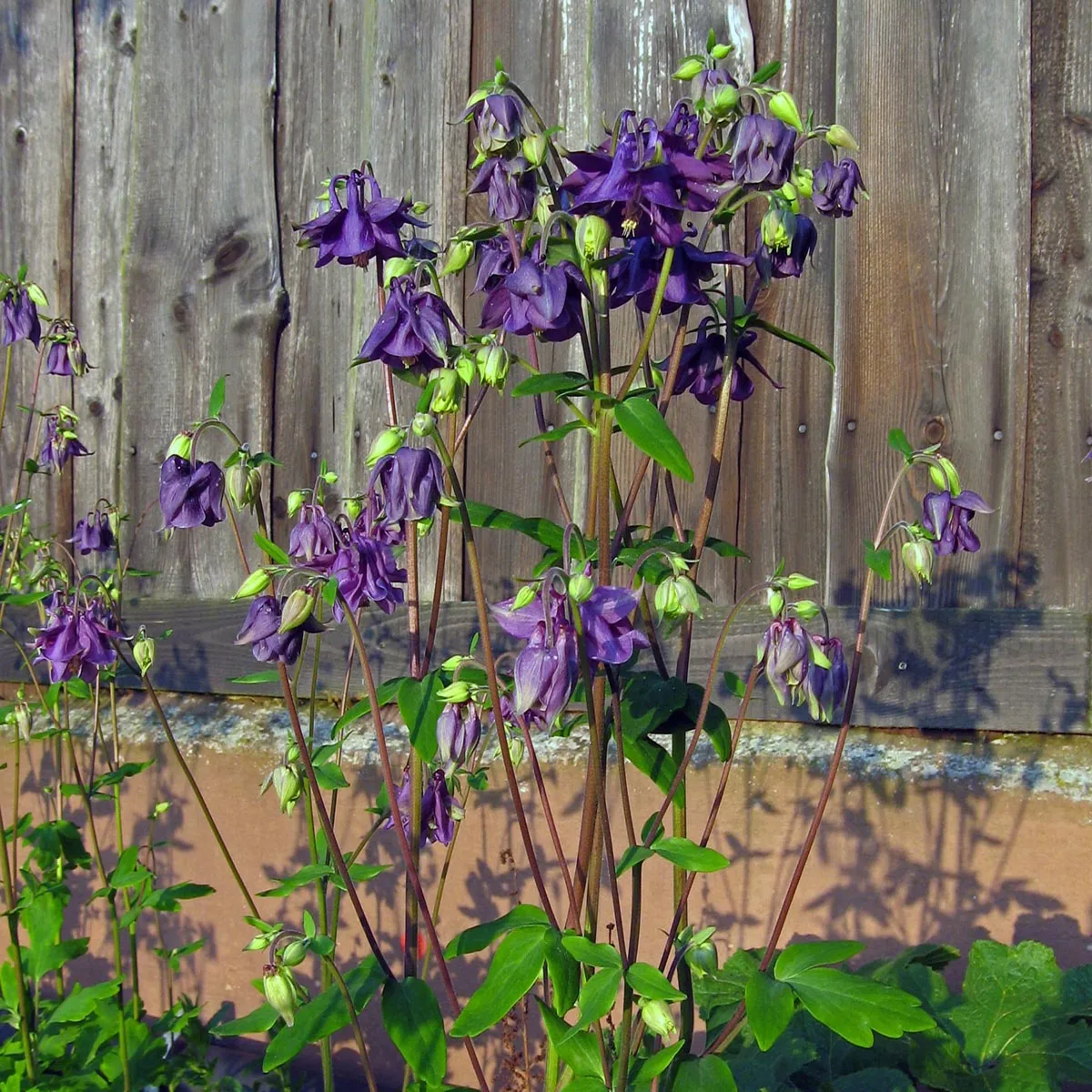
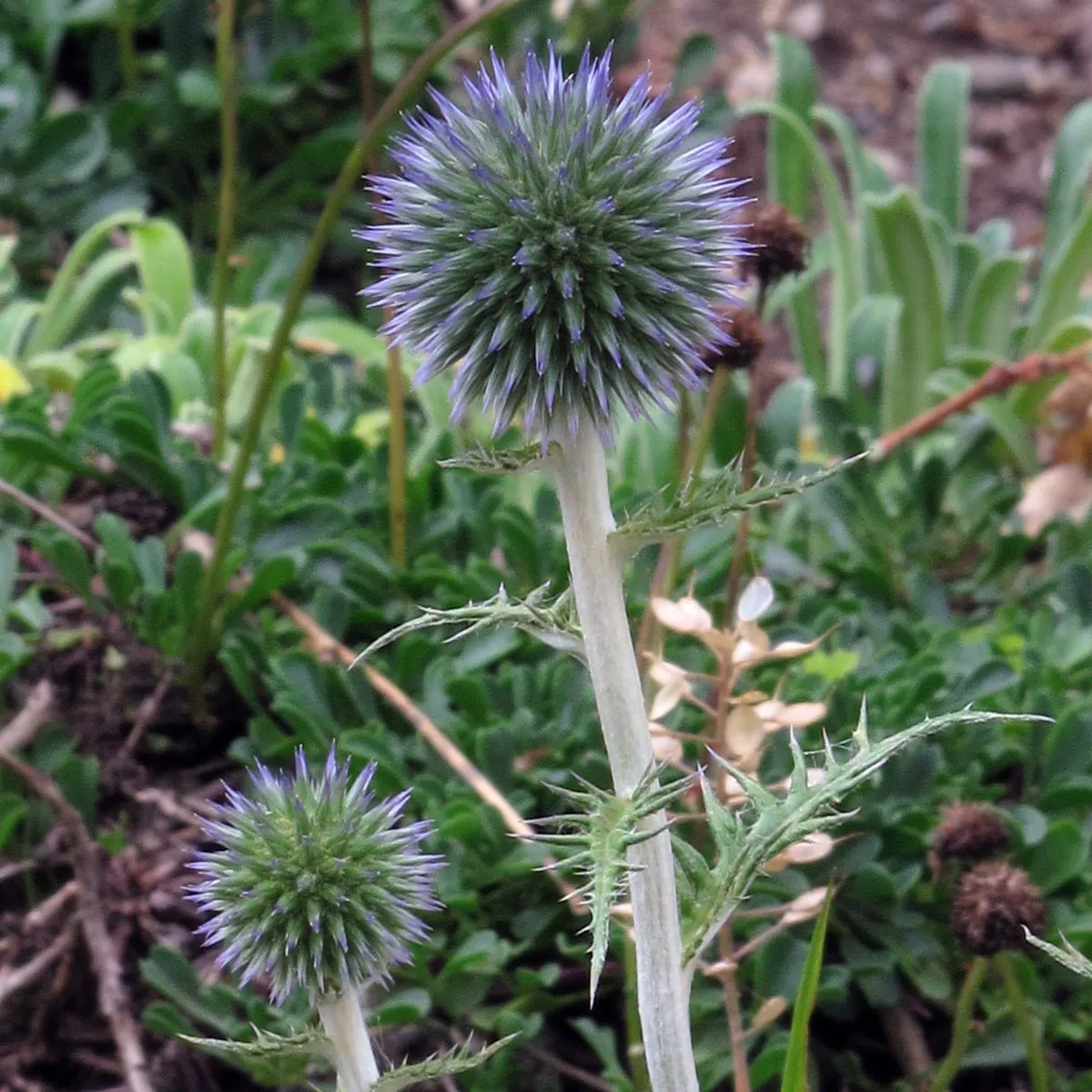
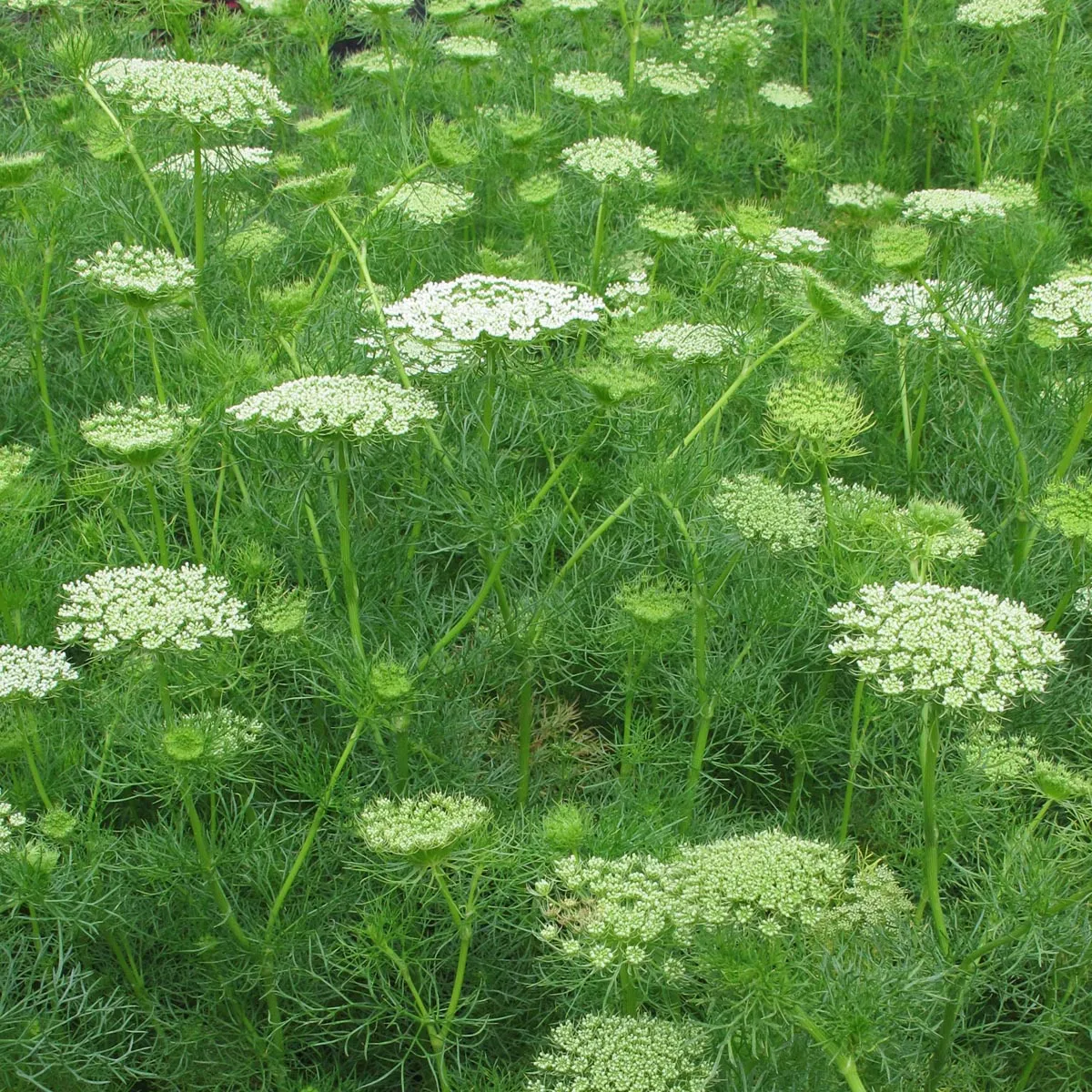
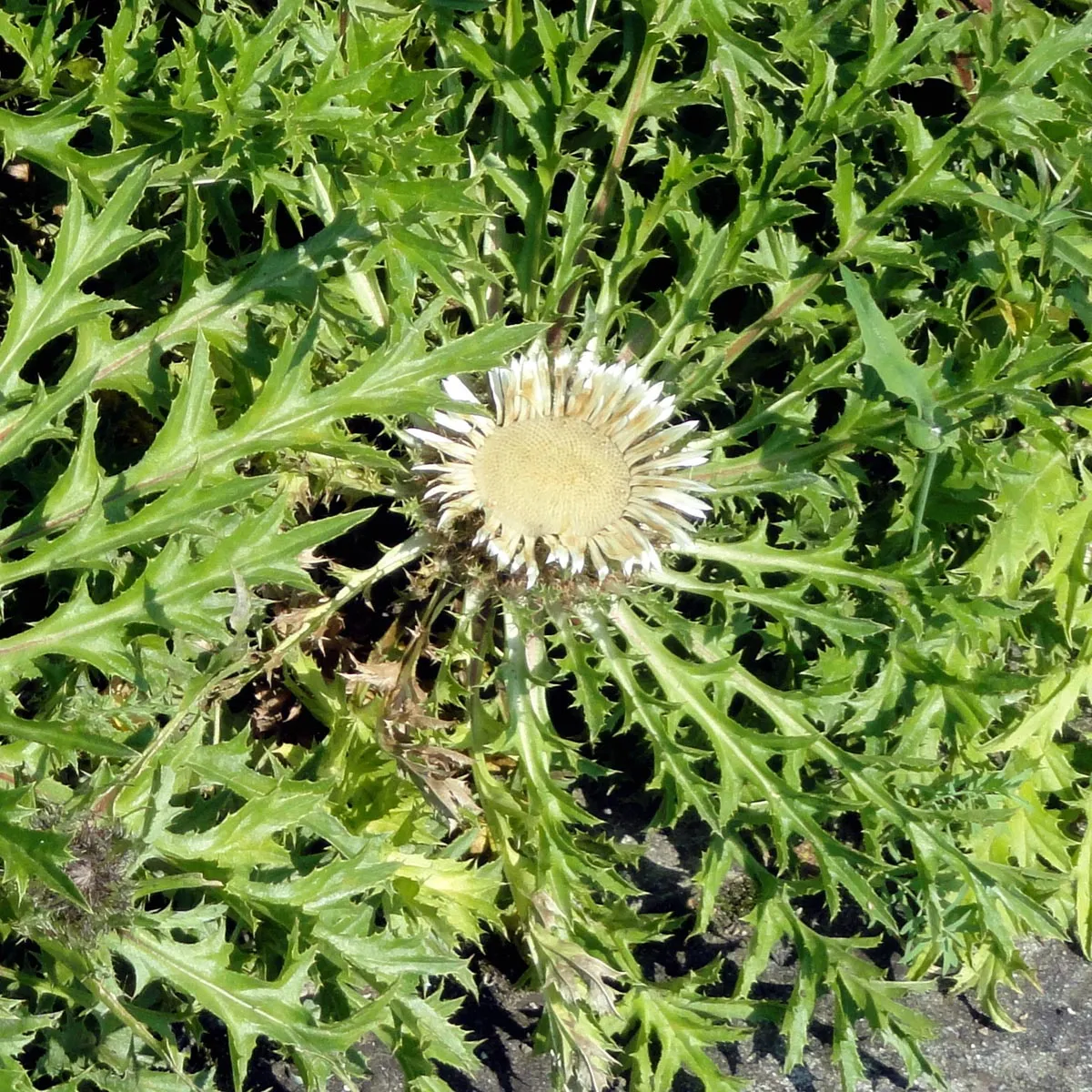
The diversity of native wildflowers is great and ranges from well-known species to rare botanical treasures. Classic wildflowers include cornflowers, poppies, oxeye daisies, wild carrot and viper’s bugloss. There are also numerous lesser-known species that stand out because of their unusual flower shapes, colours or site requirements and enrich naturalistic plantings.
It is precisely the combination of different species that creates the appeal: different flowering times ensure that something is always in bloom from spring through to late summer. This creates a dynamic garden display that changes continuously over the course of the season.
Wildflowers in the garden and as a flower meadow
Wildflowers can be used in many different ways. Creating a wildflower meadow is particularly popular, as it can develop over time into a stable, species-rich plant community. Wildflowers also look beautiful in beds, along woodland edges or combined with perennials. The most important factor is a suitable location, as many species prefer rather poor, well-drained soils.
Sowing wildflower seeds
Sowing wildflowers is generally straightforward if a few points are taken into account. Good soil preparation is important: the soil should be as free as possible from competing plants so that the wildflowers can establish well. Many species need light to germinate or require only a very thin covering of soil.
Depending on the mixture or species, sowing takes place in spring or autumn. Patience pays off, as wildflowers often develop over several weeks and only reach their full effect in the second year. In return, they form long-lasting, stable plant communities, some of which can maintain themselves naturally.
Frequently asked questions about wildflower seeds
What exactly are wildflowers?
Wildflowers are herbaceous plants that originally occur in the wild and have not been bred, or only minimally altered through breeding. They are considered particularly robust and close to their natural form.
Why are native wildflowers so important?
Many insects depend on specific native plants. Wildflowers provide them with food and habitat and therefore make an active contribution to preserving biodiversity.
How do you create a wildflower meadow?
A well-prepared, preferably nutrient-poor soil is important. The seeds are broadcast over the area and only lightly pressed into the soil. After that, patience is the main requirement until the plants become established.
Do wildflowers bloom in the first year?
Some species flower in the first year, while many do not fully develop until the second year. In return, they are often longer-lived and more stable.
Are wildflowers easy to care for?
Yes, many wildflowers are adapted to challenging conditions and require little care. One or two cuts per year are usually sufficient for a wildflower meadow.