
Flower seeds for acidic soils – ericaceous plants & calcifuges
Some plants thrive particularly well where other garden flowers struggle: in acidic, lime-poor soils. These so-called acid-loving or lime-avoiding plants include many species from heathlands, open woodlands and other habitats with low pH values.
Our seeds for ericaceous plants and calcifuges are intended for garden areas where the soil is naturally acidic or has been specifically prepared to create such conditions. The term “ericaceous bed” does not automatically mean wet: many of these plants need humus-rich, lime-poor and well-drained soil, but do not tolerate permanent waterlogging.
What are ericaceous plants?
In horticulture, the term ericaceous plants is used primarily for plants that prefer a low soil pH. Many classic examples grow especially well at around pH 4 to 5.5. These include members of the heather family such as common heather, various Erica species and blueberries.
The term can therefore be somewhat misleading: not every ericaceous plant originates from a bog or requires permanently moist conditions. Some species naturally grow on dry, nutrient-poor heathlands and acidic sandy soils.
Calcifuges and acid-loving plants
Plants that avoid lime-rich soils are also known as calcifuges. If the pH is too high, certain nutrients can become less available to them. Iron deficiency in particular often appears as yellowish leaves with clearly green veins.
What matters is therefore not only moisture, but above all the soil reaction. A loose, humus-rich and lime-poor substrate provides much better conditions for many of these specialist plants than ordinary garden soil.
From heather to blueberry
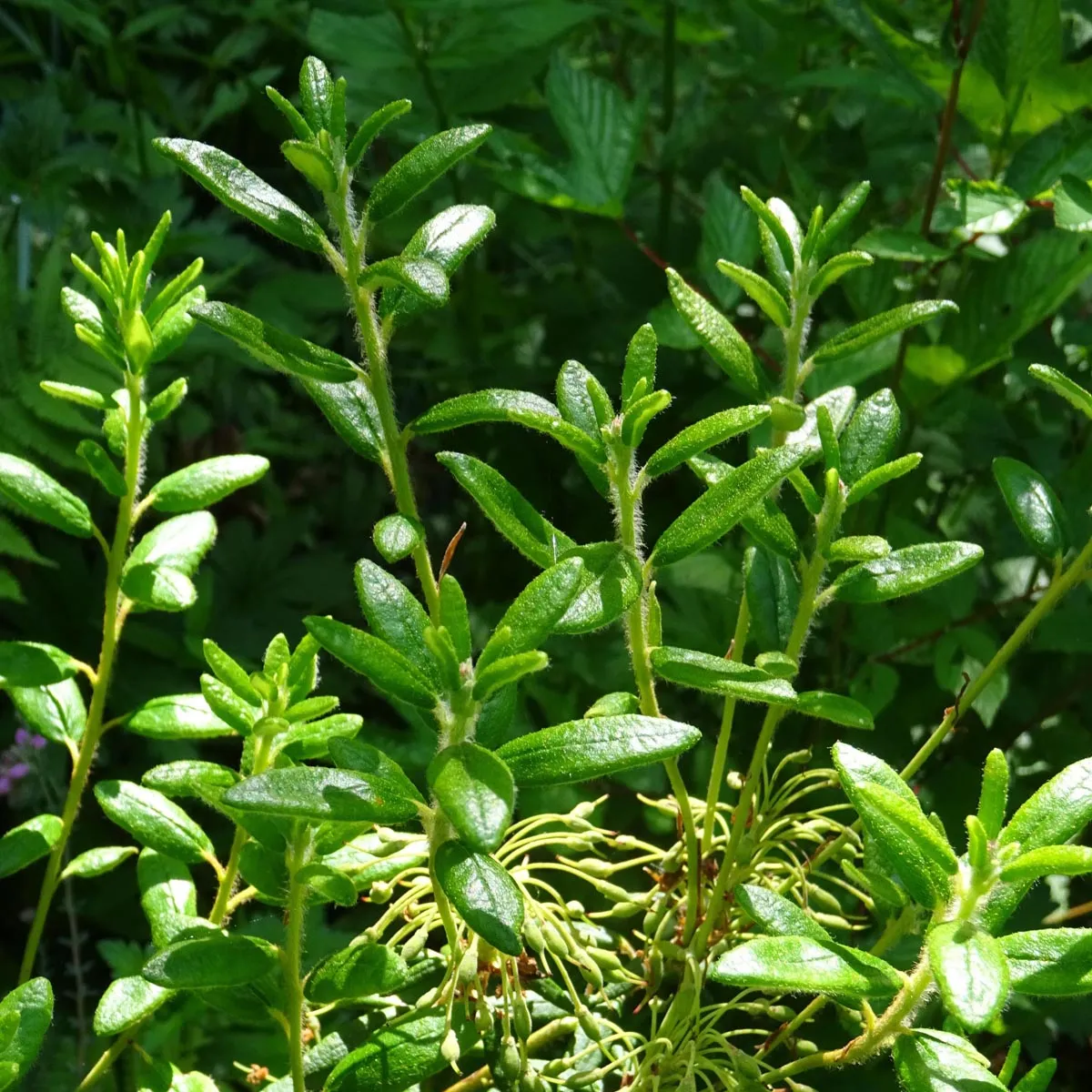
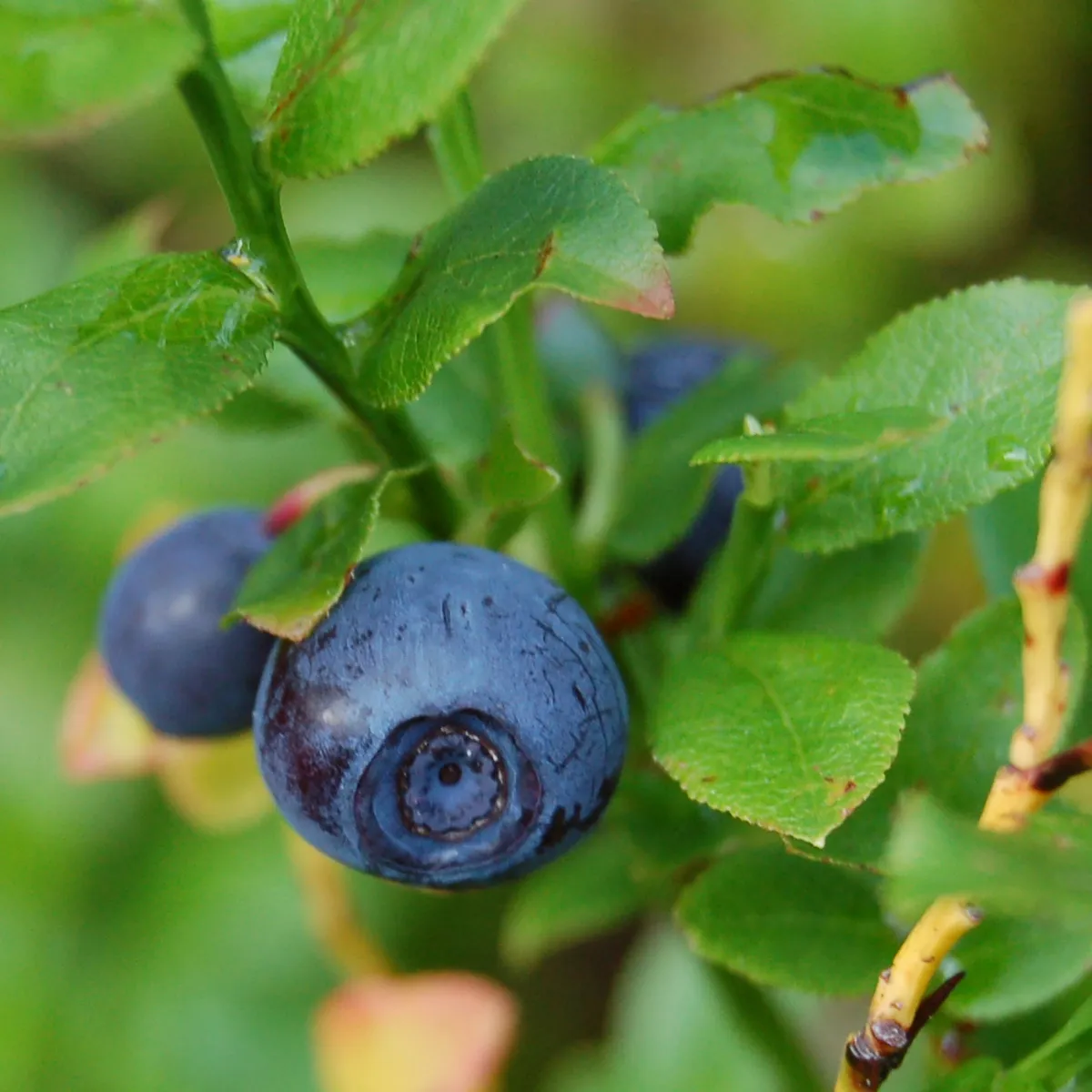
Among the best-known plants of acidic habitats are common heather Calluna vulgaris, numerous members of the heather family, as well as blueberries and lingonberries. They also show how varied an acidic bed can be: from sunny, relatively dry heathland plantings to humus-rich, fresh soils in the light shade of woody plants.
Growing such plants from seed opens up a group of specialists that can create distinctive plant communities, especially in lime-poor parts of the garden.
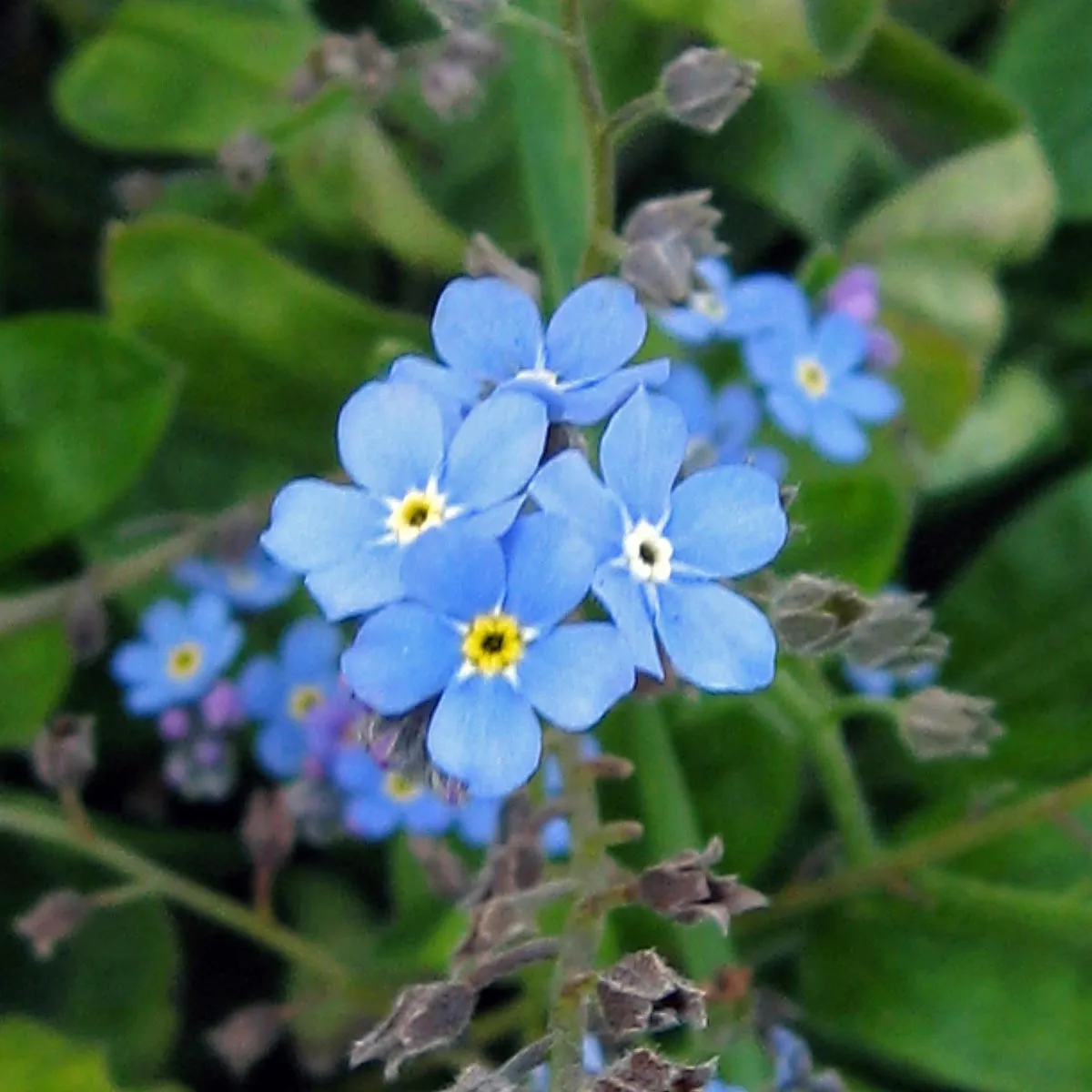
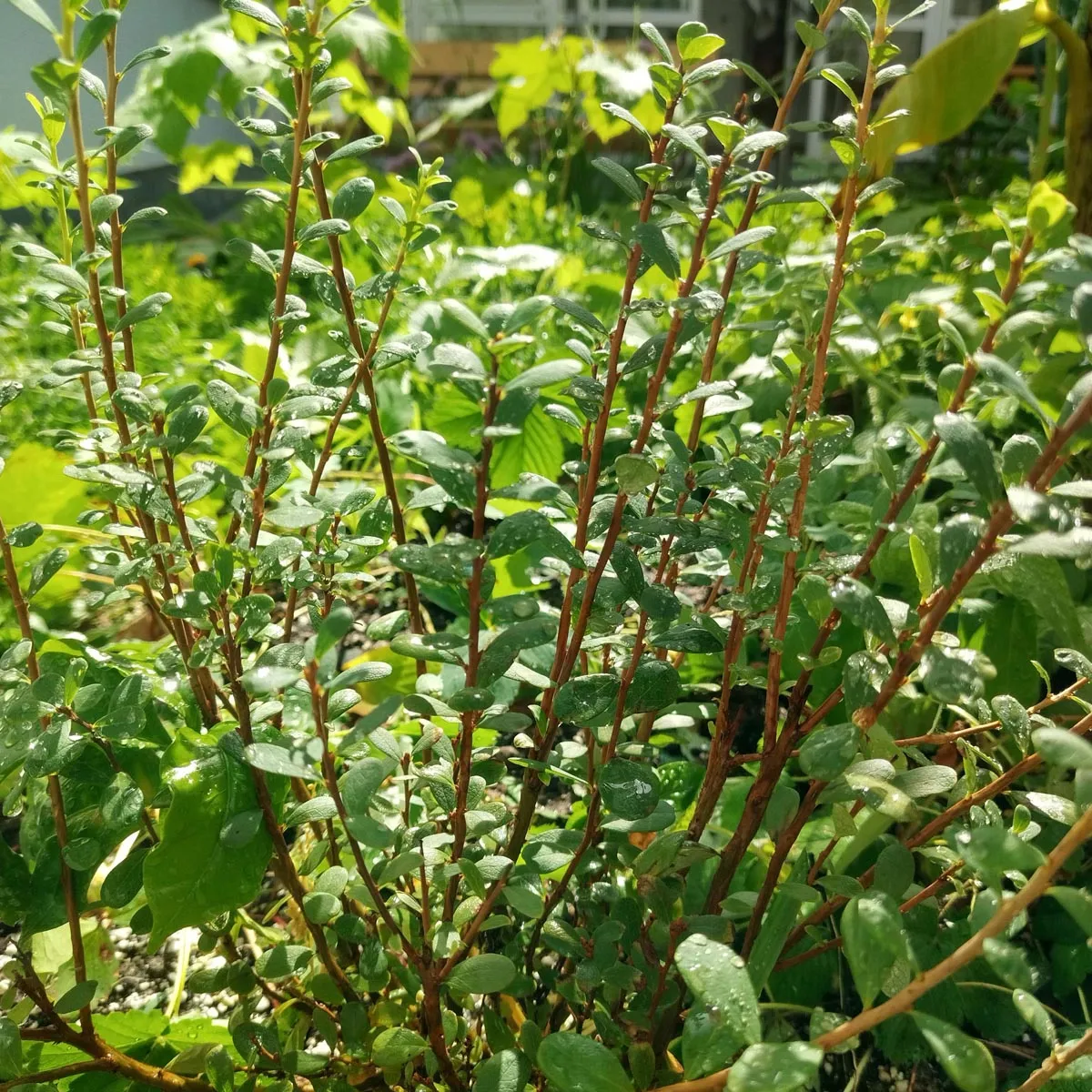
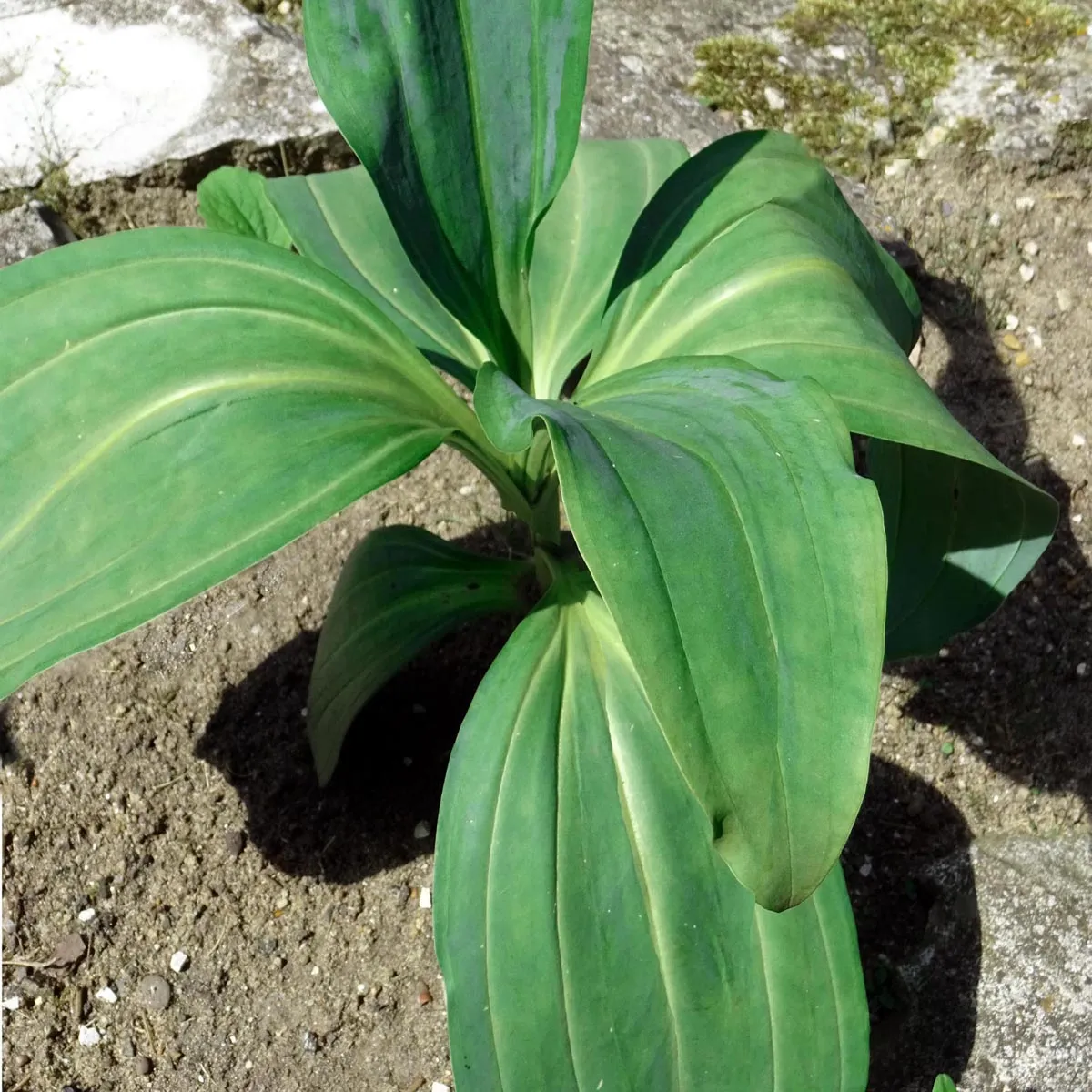
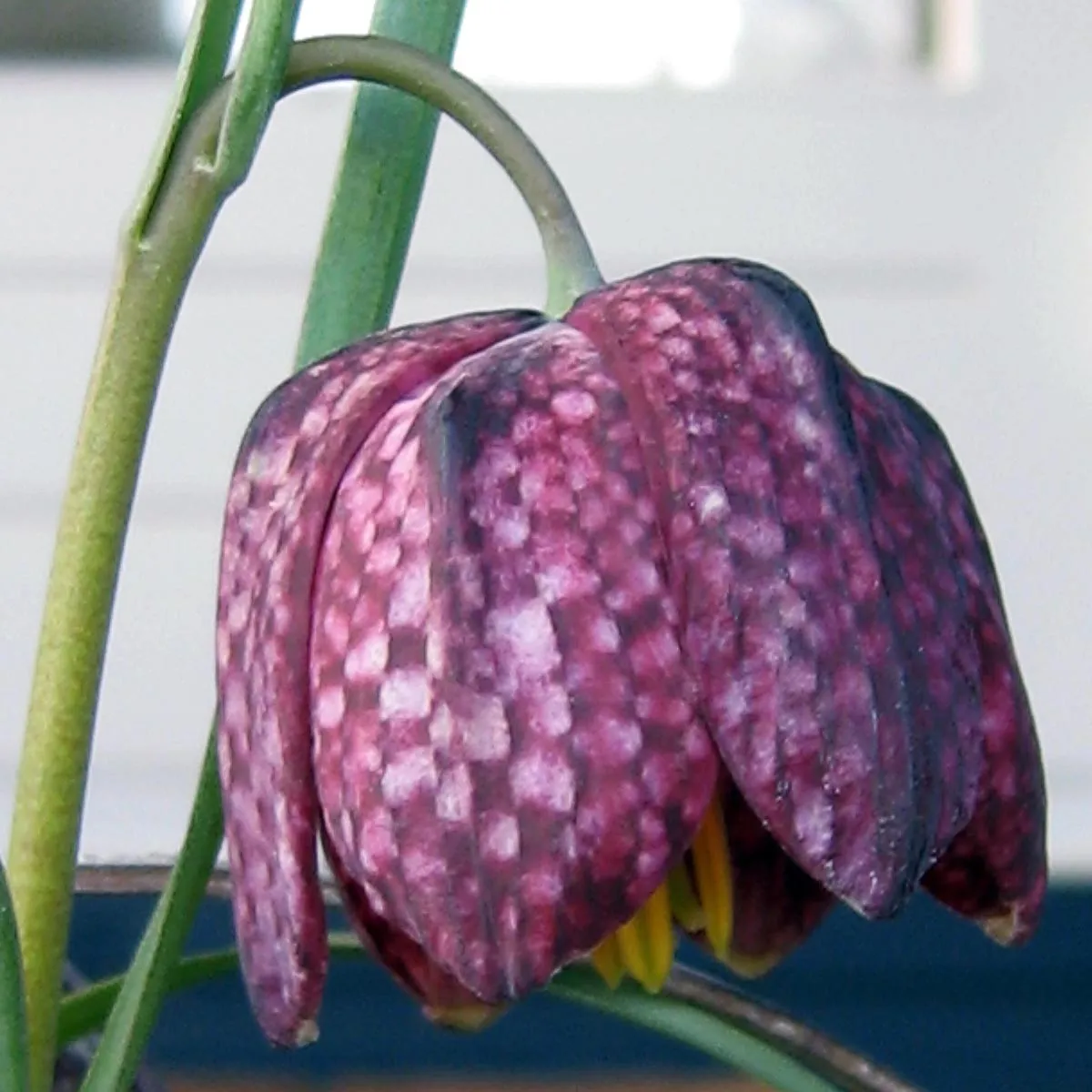

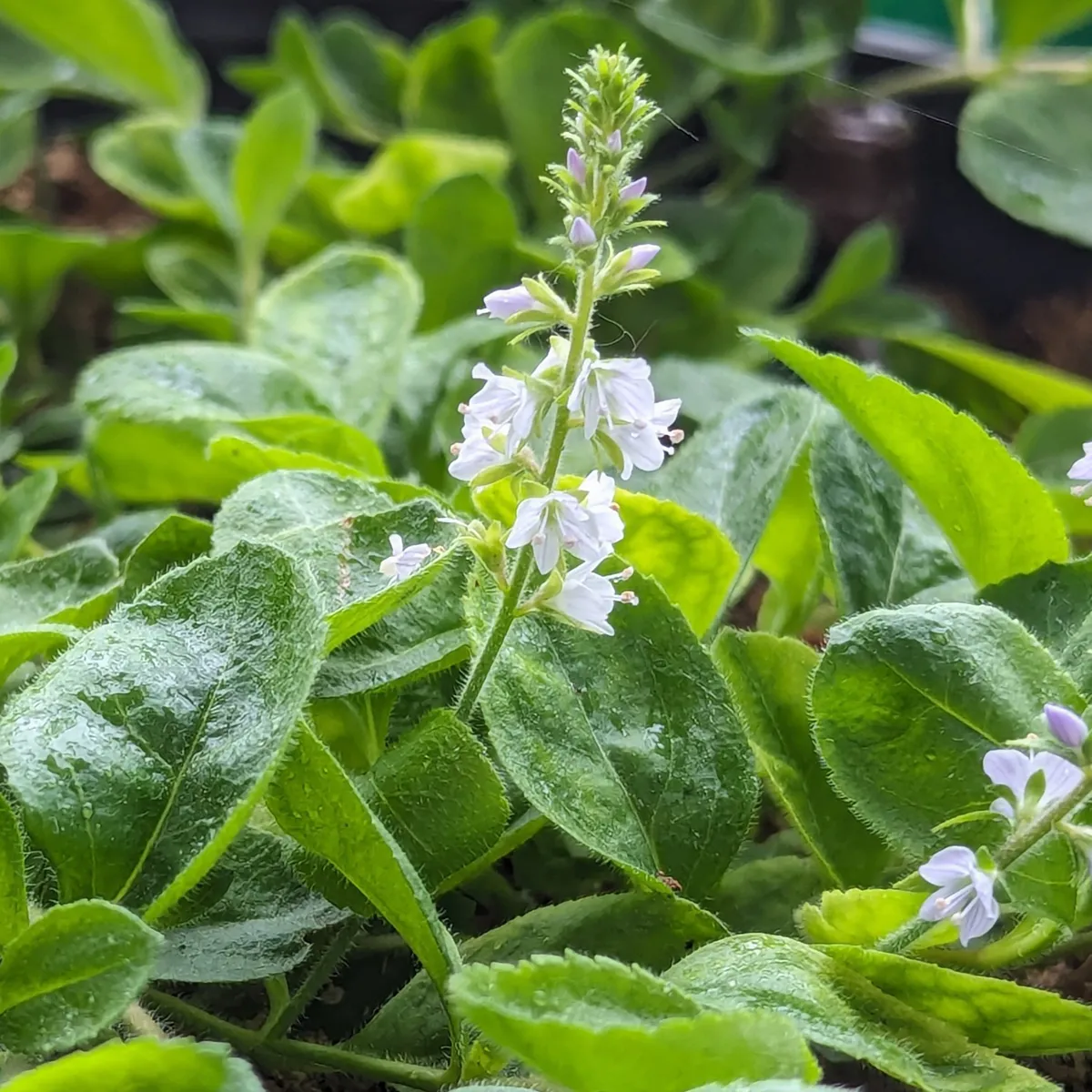
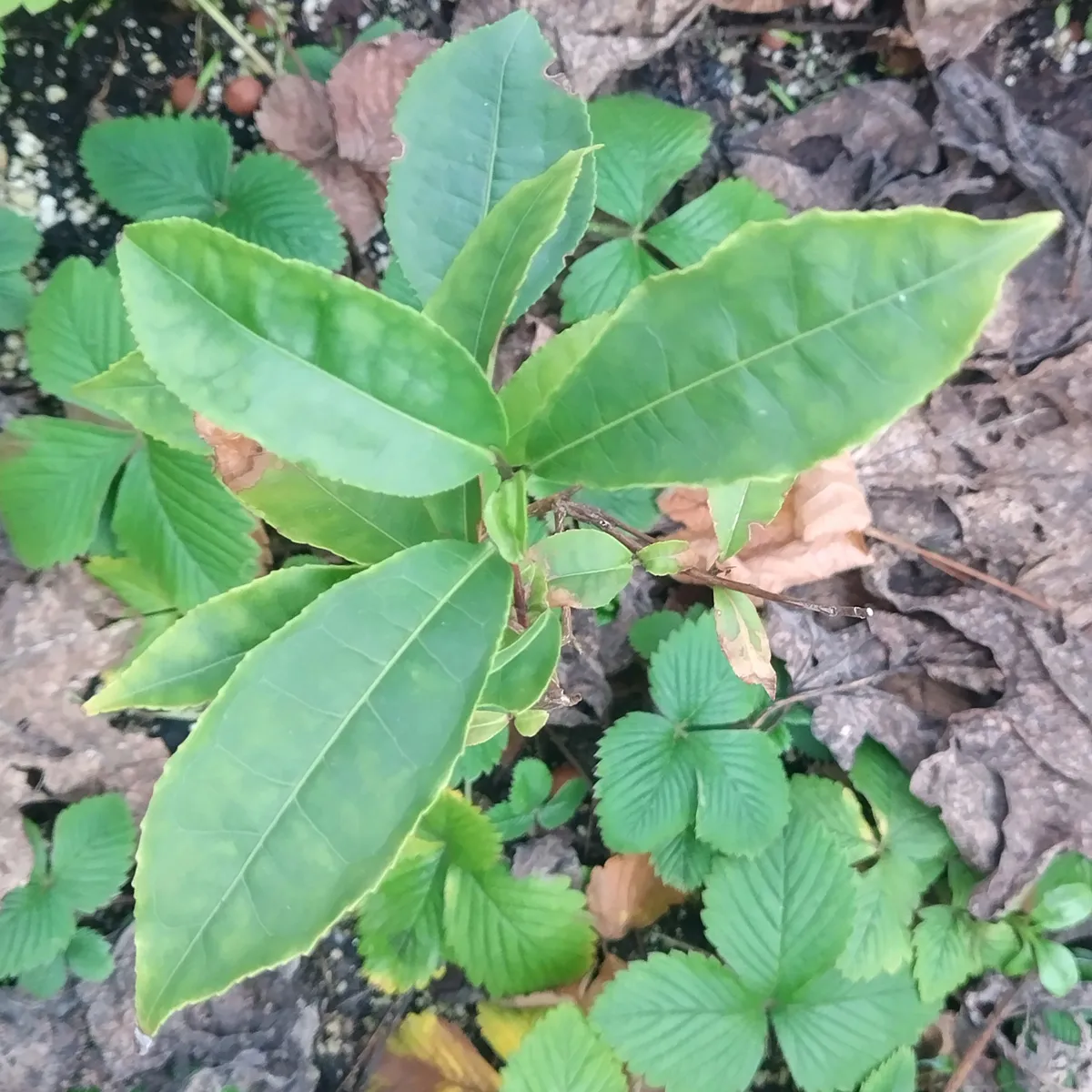
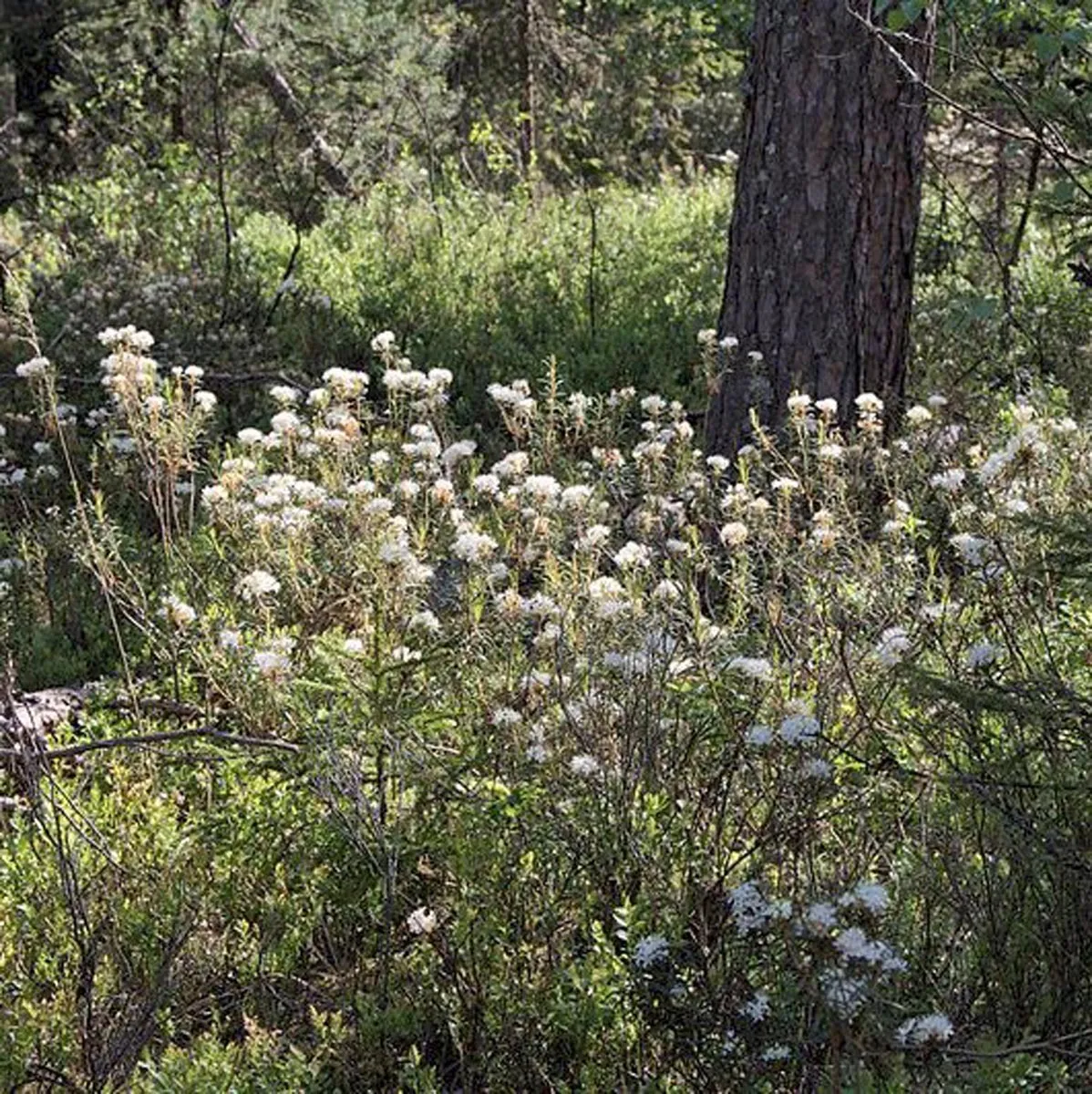
Preparing acidic soils and sowing ericaceous plants
Before sowing or planting species for acidic soils, it is worth checking the pH value. Many classic ericaceous plants and calcifuges prefer distinctly acidic conditions. If the existing garden soil is neutral or rich in lime, a small planting hole filled with acidic soil is often not a lasting solution. In such cases, a clearly separated bed, a raised bed or a larger container filled with a suitable acidic substrate may be the better choice.
Lime-poor, humus-rich and well-drained substrates are suitable for sowing. Many seeds of acid-loving plants are very fine and are only sown on the surface or lightly pressed down. Especially with members of the heather family, it is therefore important to follow the species-specific sowing instructions. Even moisture is important, but waterlogging should be avoided.
Irrigation water can also play a role. In regions with very hard, lime-rich tap water, rainwater is often better suited to sensitive ericaceous plants. This helps prevent the pH of the substrate from rising again over the long term.
FAQ about ericaceous plants and acidic soils
How can I find out whether my garden soil is acidic?
The simplest way to determine the pH is with a soil test. Such tests are available from garden centres and provide a good indication of whether the soil is acidic, neutral or alkaline. For the targeted cultivation of ericaceous plants, this information is more useful than judging the soil only by its colour or texture.
Can ordinary garden soil be made more acidic?
To a certain extent, yes. Organic materials such as composted bark, leaf mould or suitable ericaceous compost can improve the conditions. However, in very calcareous soils, permanently lowering the pH is difficult. In that case, a separate bed or growing in containers is often more reliable than trying to alter large areas of soil permanently.
What is the difference between ericaceous compost and ordinary potting compost?
Ericaceous compost is formulated for plants that require a low pH and lime-poor conditions. Standard potting composts are usually less acidic and are therefore not always suitable for sensitive calcifuges. Peat-reduced and peat-free substrates for ericaceous plants are also becoming increasingly available.
Why do ericaceous plants sometimes develop yellow leaves?
Yellowish leaves can indicate what is known as chlorosis. In lime-sensitive plants, this often occurs when the pH is too high and certain nutrients, particularly iron, can no longer be absorbed sufficiently. A typical sign is yellow leaf tissue while the veins initially remain green.
Is rainwater better for ericaceous plants?
Where tap water is very hard and lime-rich, rainwater can be much more suitable because it has less influence on the pH of the substrate. Sensitive members of the heather family, blueberries and other calcifuges benefit in the long term from irrigation water that is as low in lime as possible.
Do ericaceous plants need a lot of water?
Not necessarily. The term ericaceous bed can easily lead to this misunderstanding. What matters first and foremost is acidic, lime-poor soil. Some species prefer evenly moist soil, while others originate from relatively dry heathland or sandy habitats. Many ericaceous plants do not tolerate waterlogging well.
Can heather and other ericaceous plants be grown from seed?
Yes. Particularly fine seeds, such as those of common heather Calluna vulgaris, are simply scattered on the surface of the substrate and lightly pressed down. They need light to germinate and must not be covered deeply with soil. Other species may additionally require a cold period or longer germination times.
Which plants are suitable for acidic garden soil?
In addition to various heather species, blueberries, lingonberries and other members of the heather family are among the best-known plants of acidic habitats. Which species are actually suitable also depends on light, soil moisture and the specific site.
Do ericaceous plants need special fertiliser?
If fertilisation is necessary, it should be suited to the low pH. Fertilisers with a high lime content are unsuitable. Many heather plants also grow naturally in rather nutrient-poor soils and should not be over-fertilised.