
Marsh & aquatic plant seeds - for ponds, banks and bog gardens
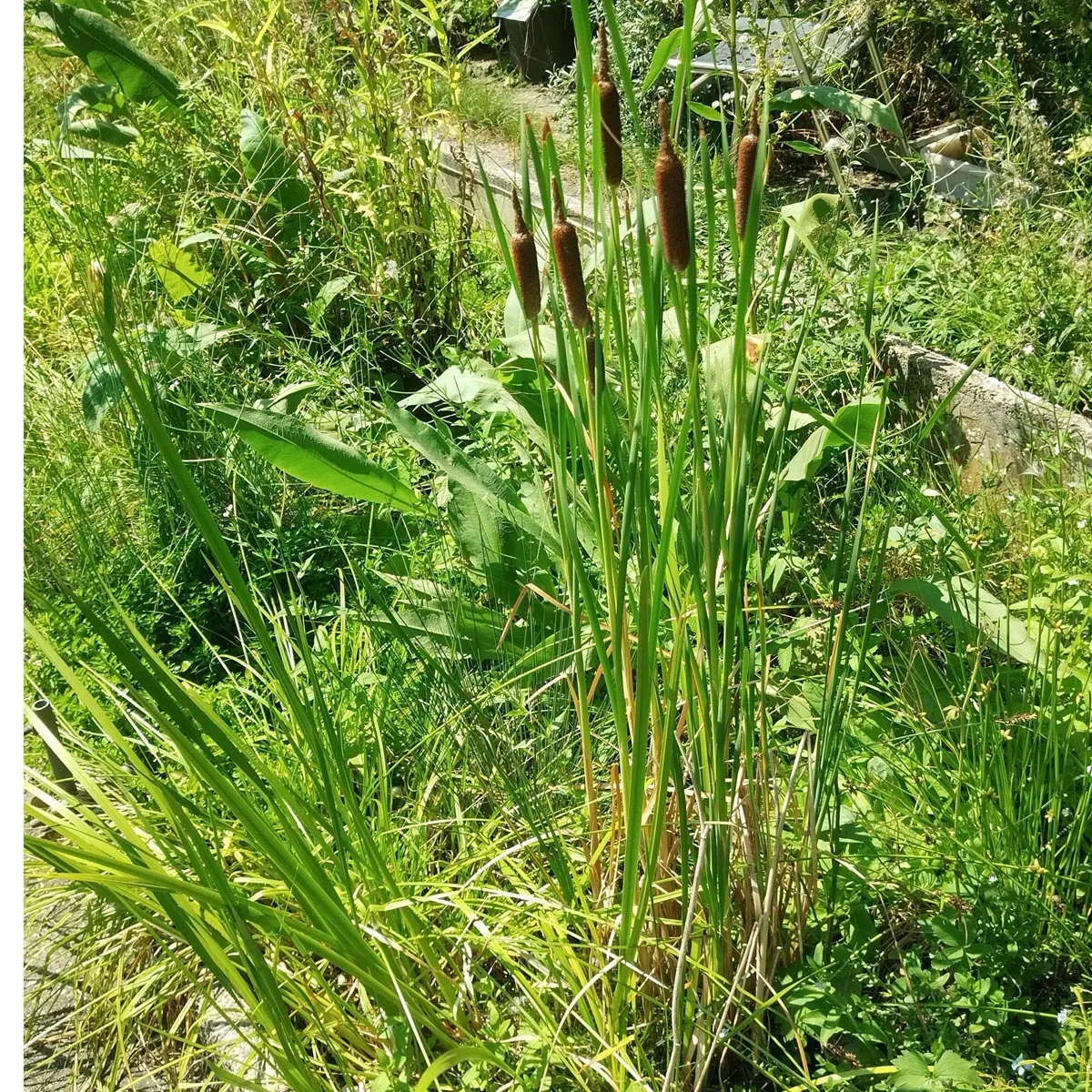
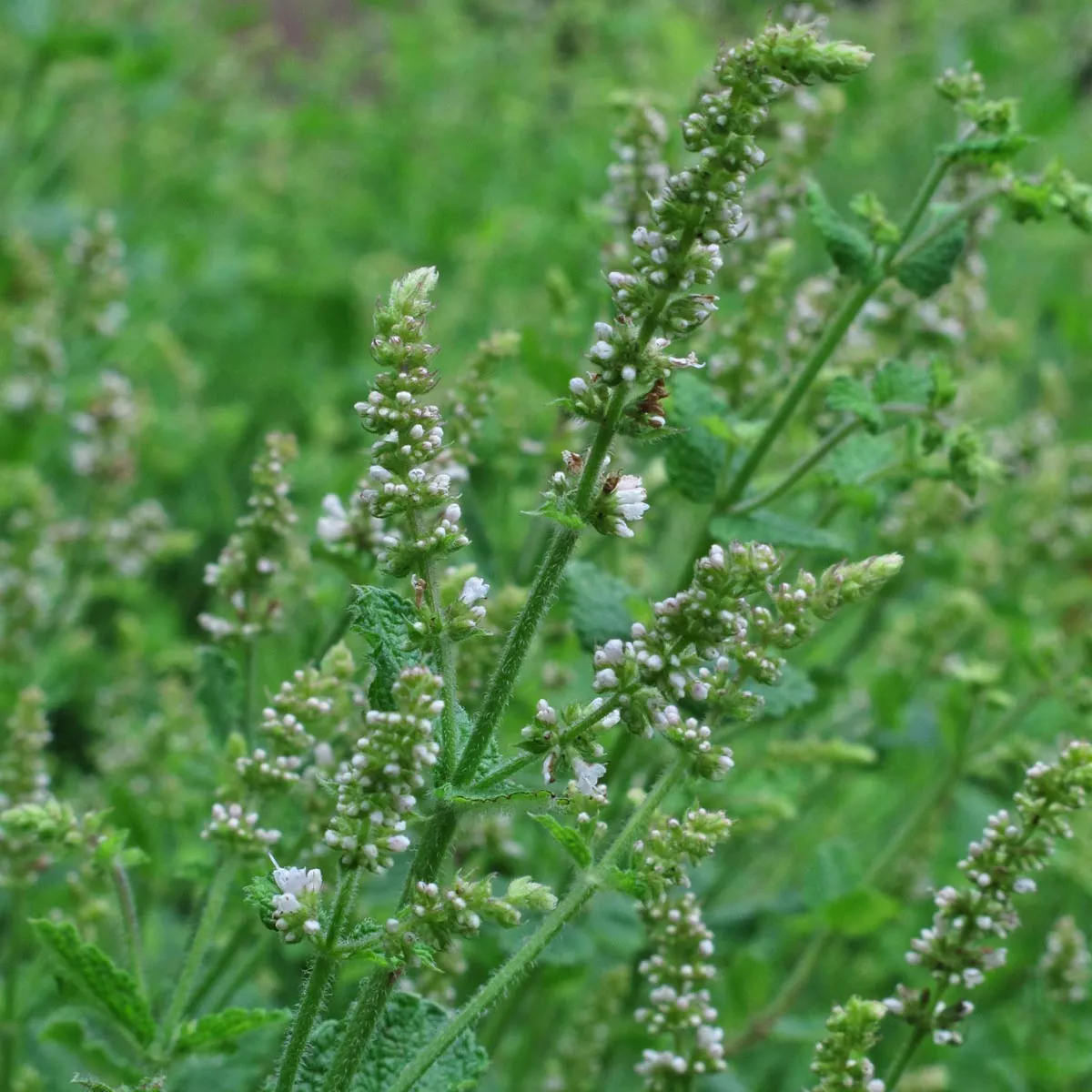
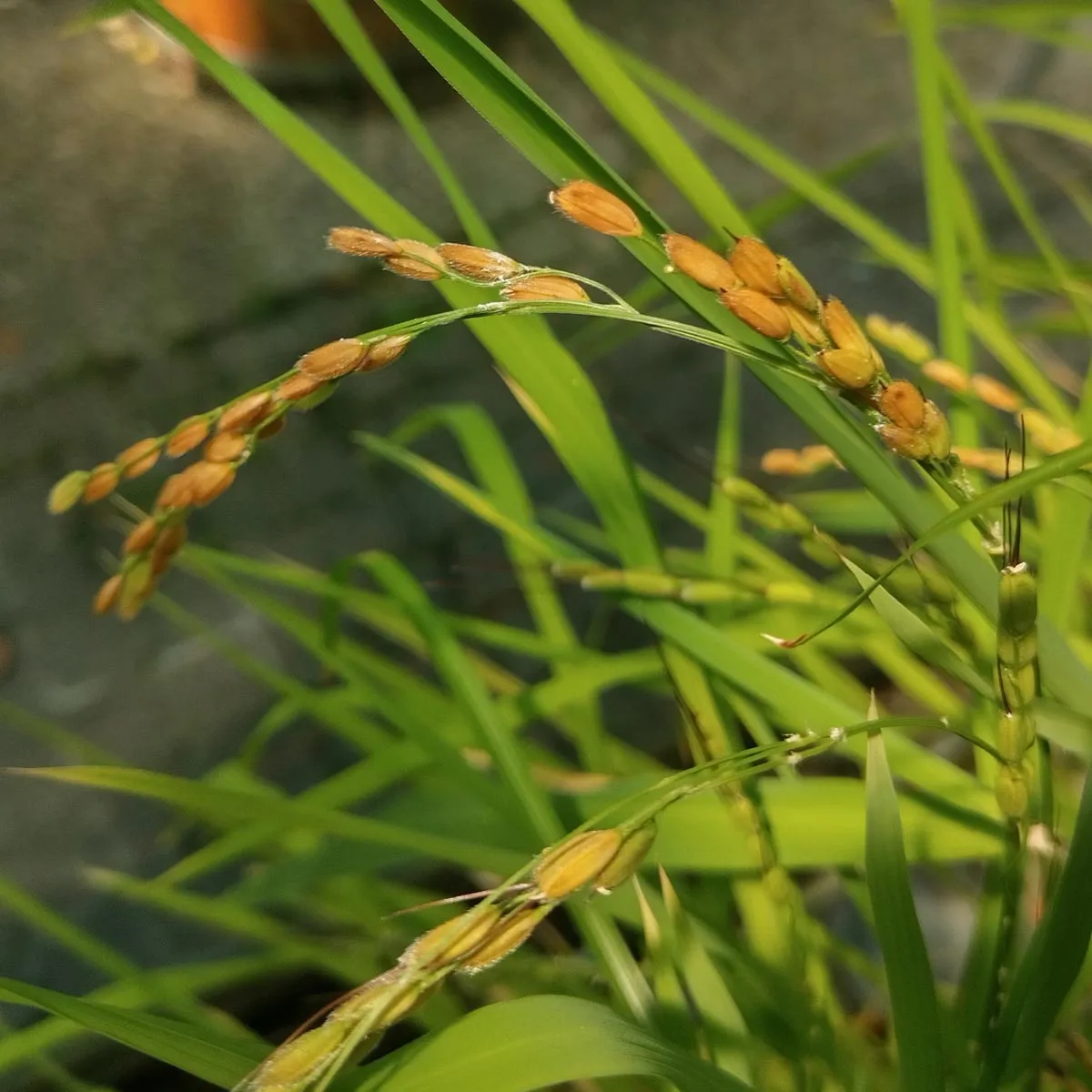
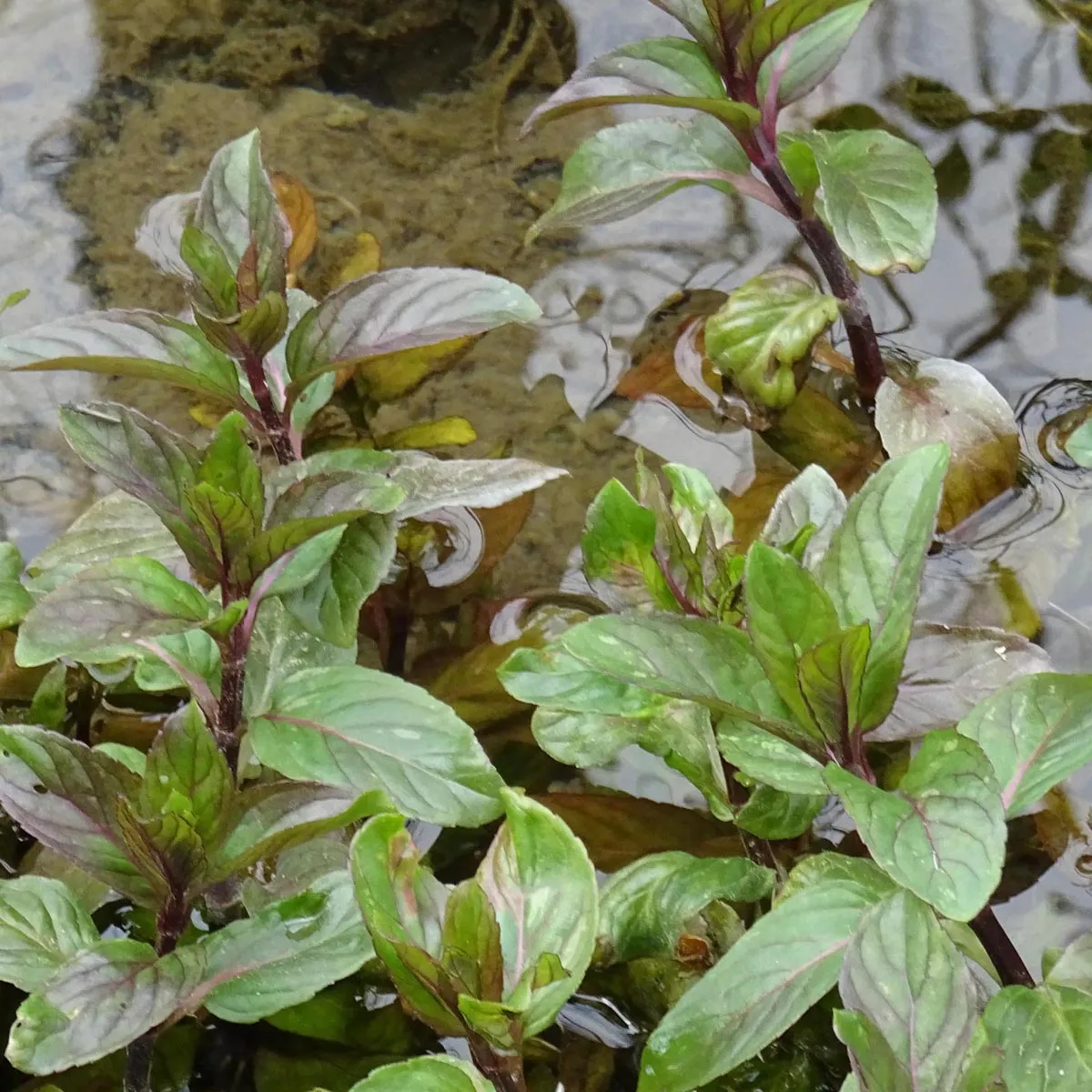
Where water meets land, very special growing conditions develop. Marsh plants and aquatic plants are adapted to permanently moist soils, fluctuating water levels or even temporary flooding. This makes them ideal for pond edges, banks, bog gardens and other wet areas of the garden.
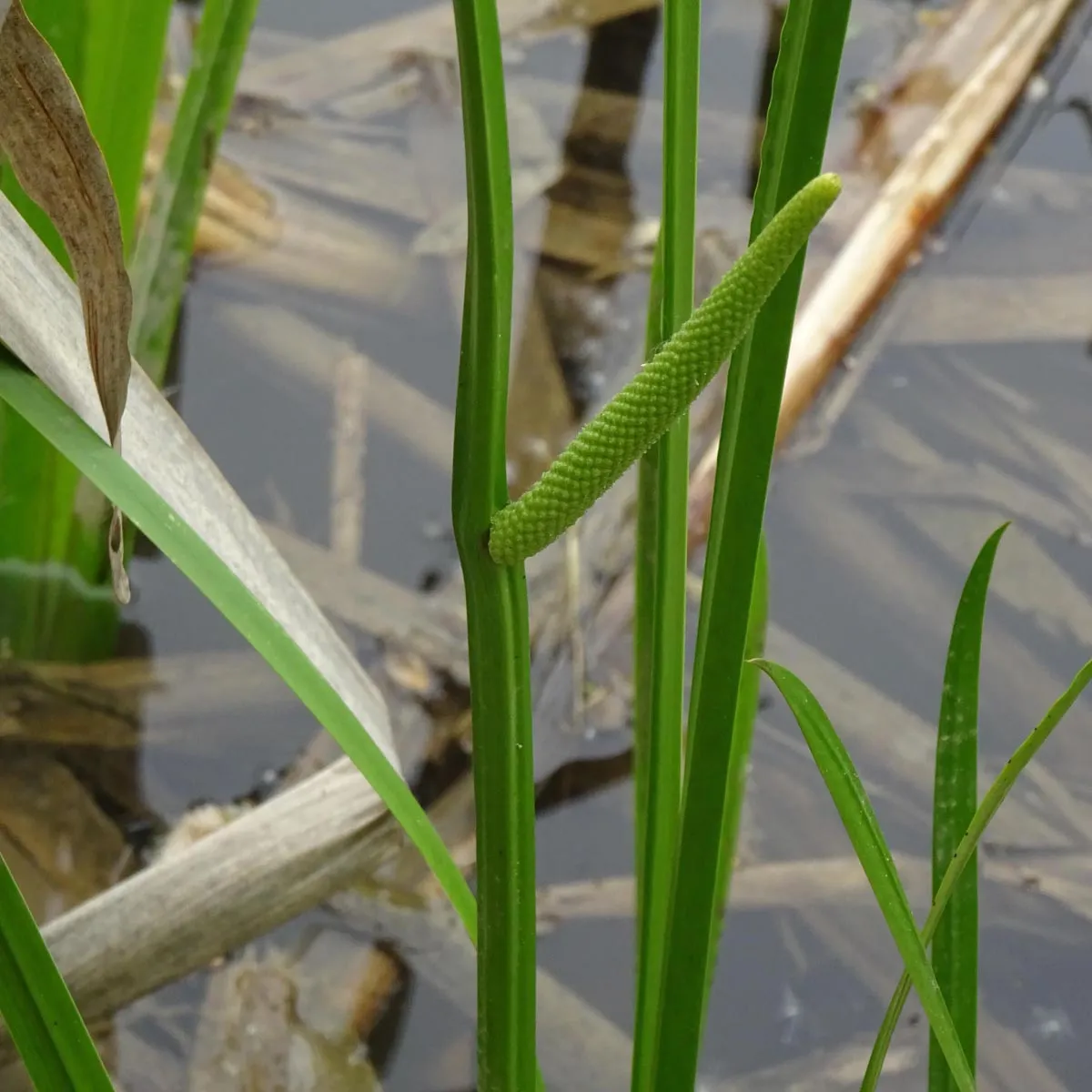
Our aquatic plant seeds mainly include species suited to moist soils, marshy areas and shallow water. Many do not grow permanently submerged, but prefer the transition between garden beds and open water.
Bog garden, pond edge or open water?
The key factor is the correct water depth. A bog garden remains permanently moist but is not normally submerged. Plants at the edge of a pond may experience occasional flooding, while true aquatic plants grow permanently in water at varying depths.
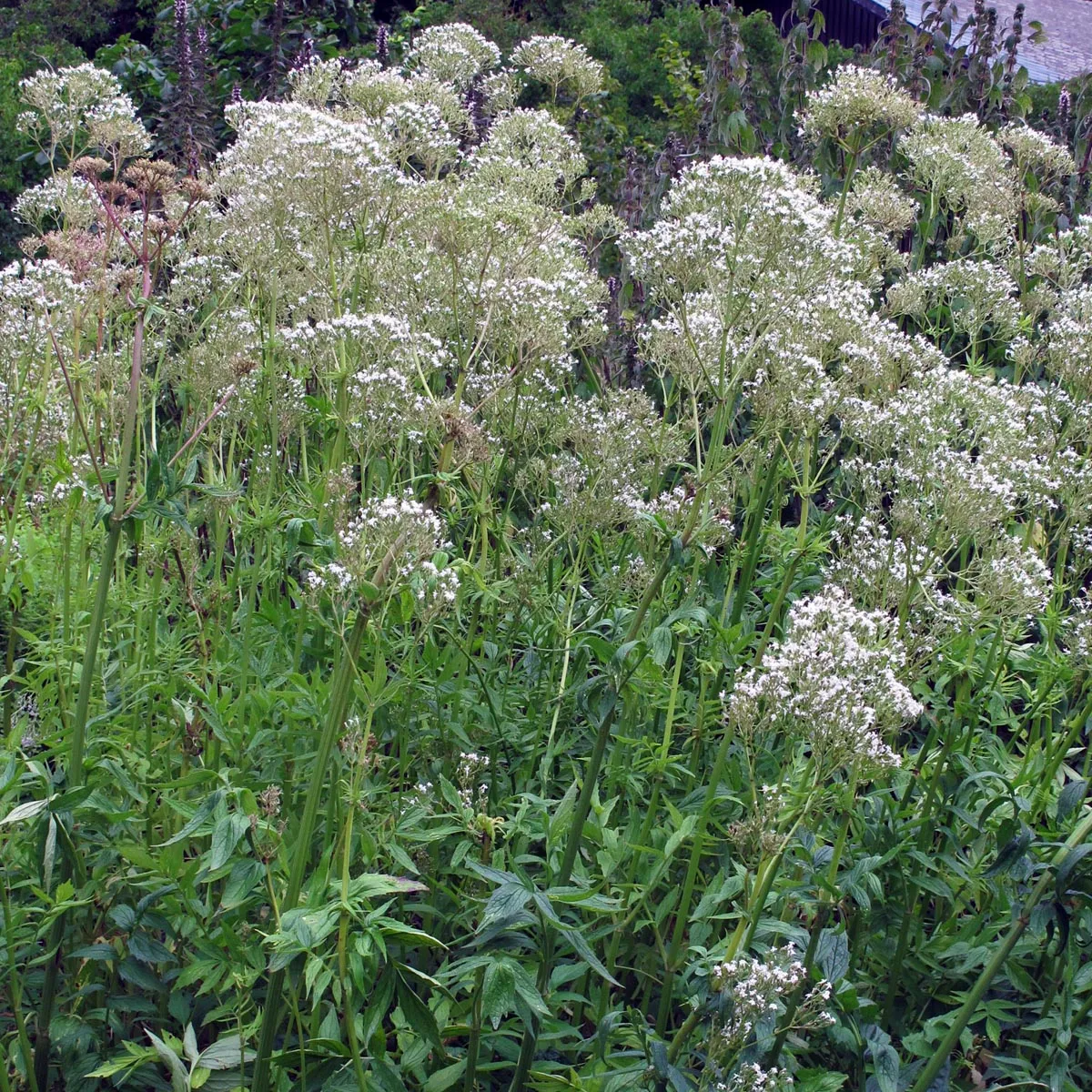
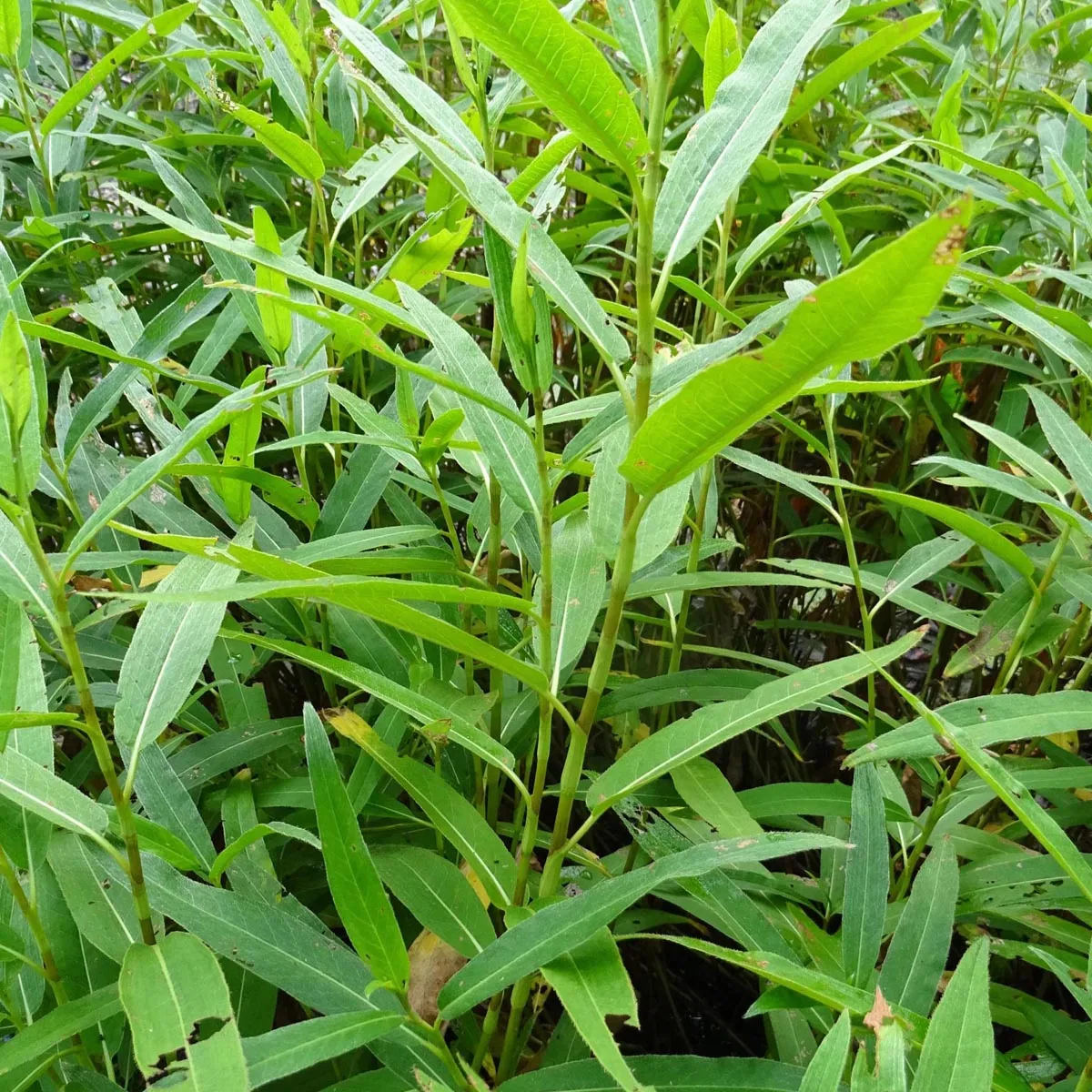
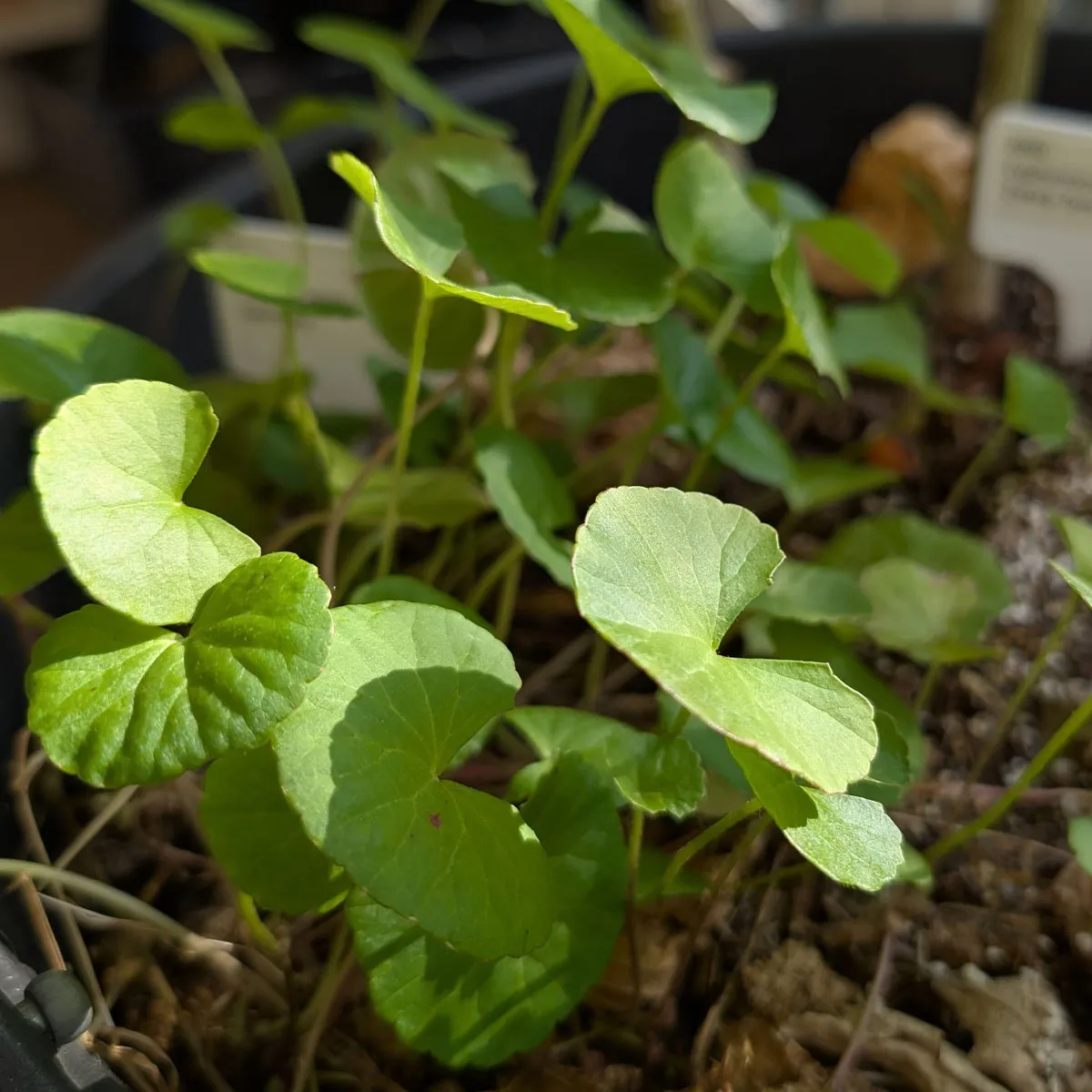
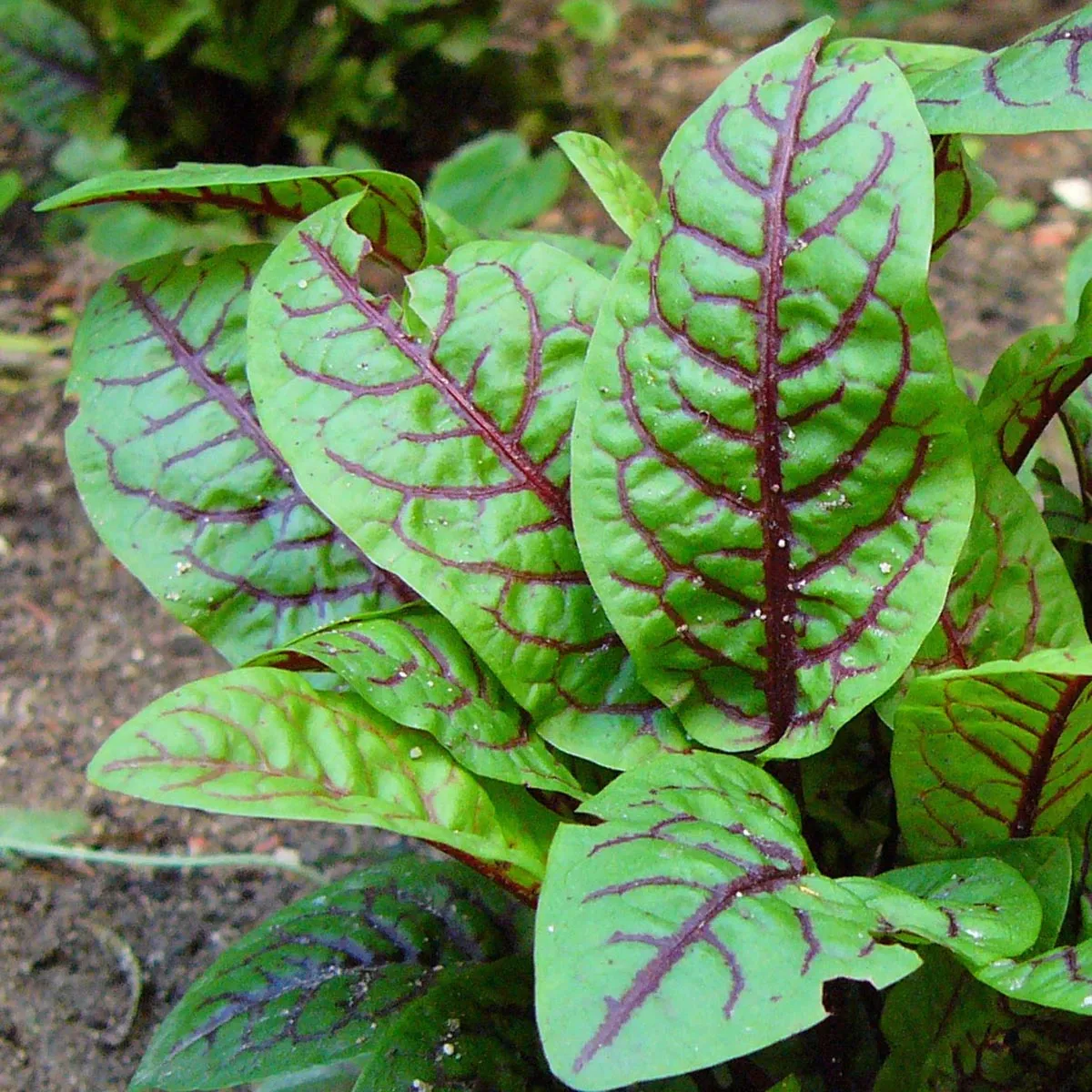
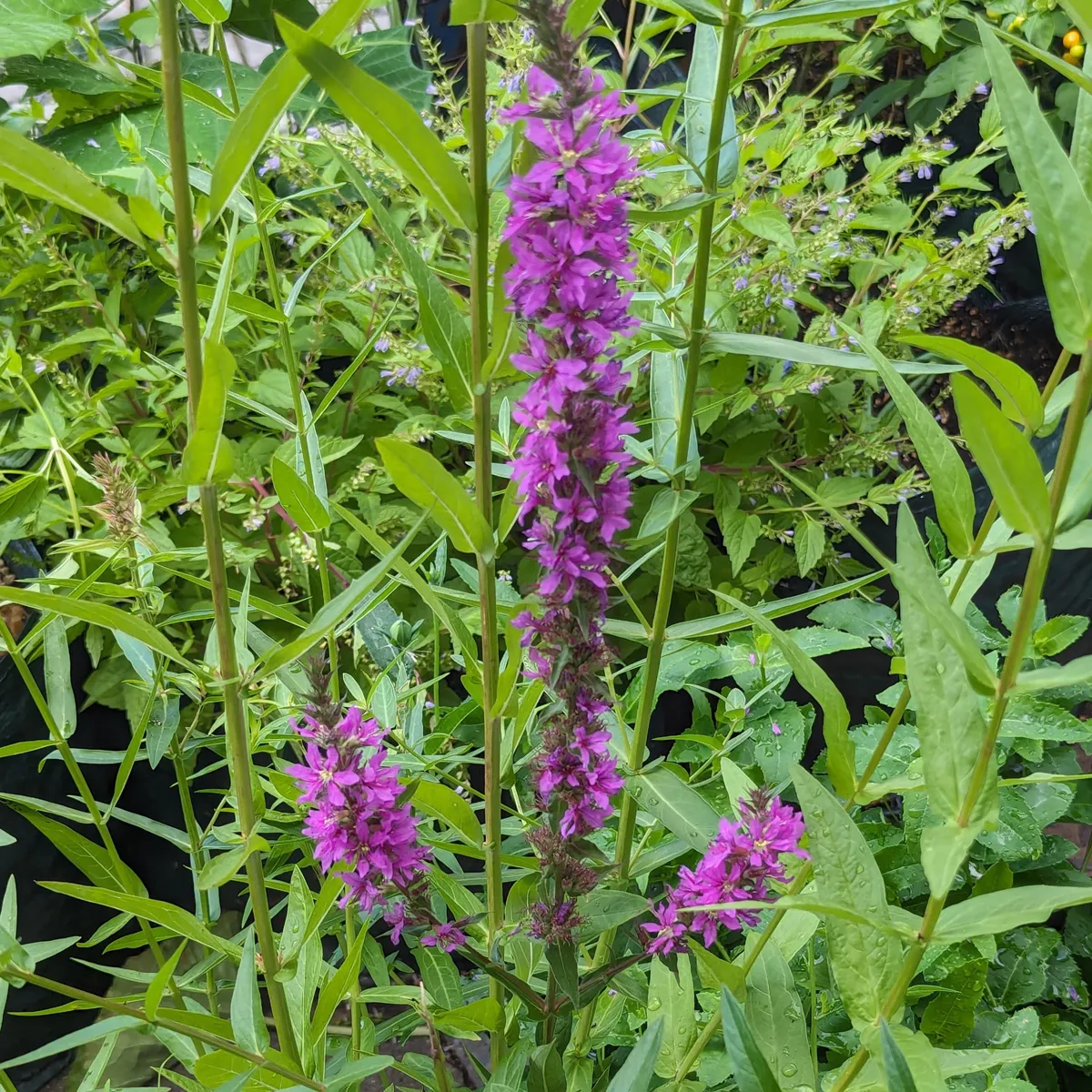
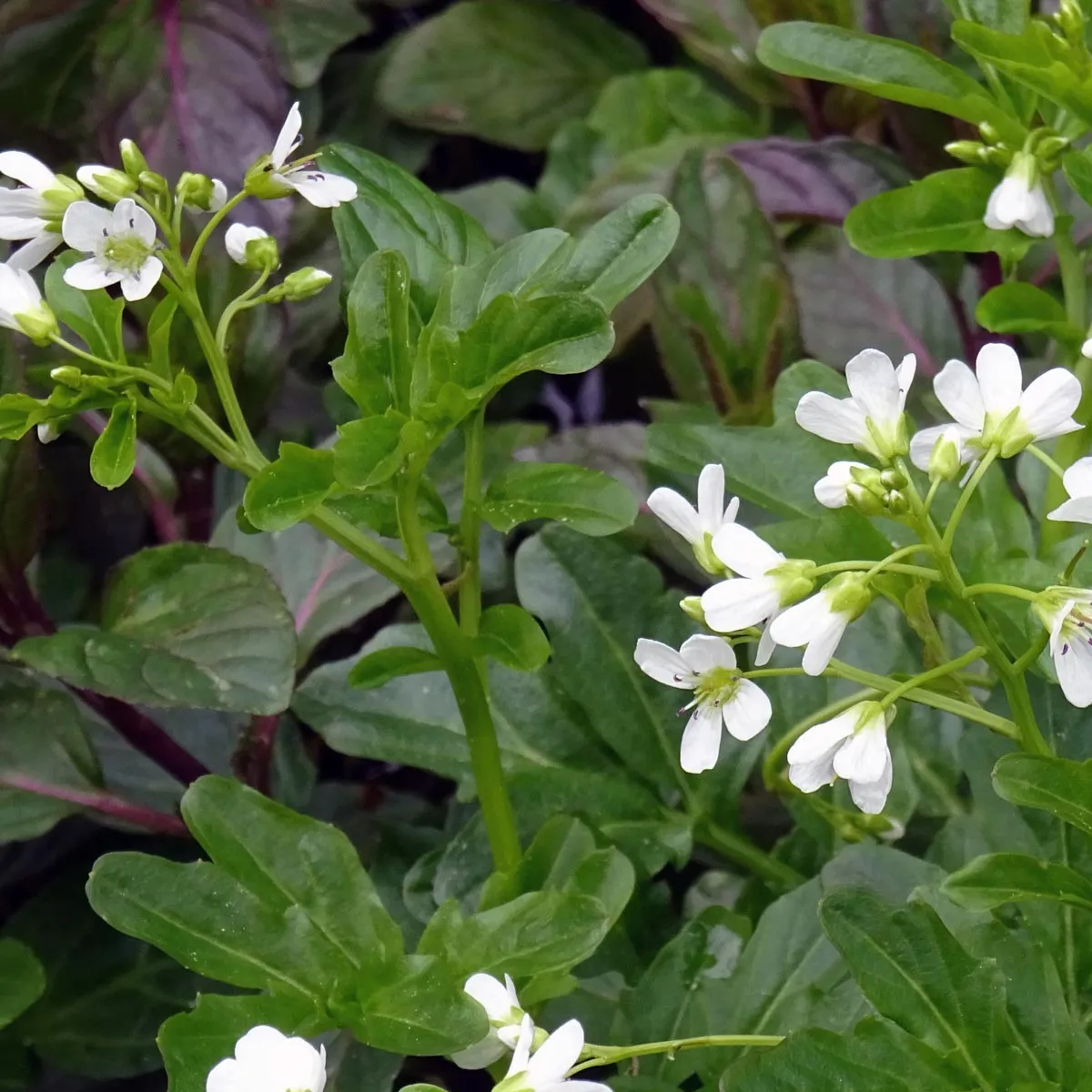
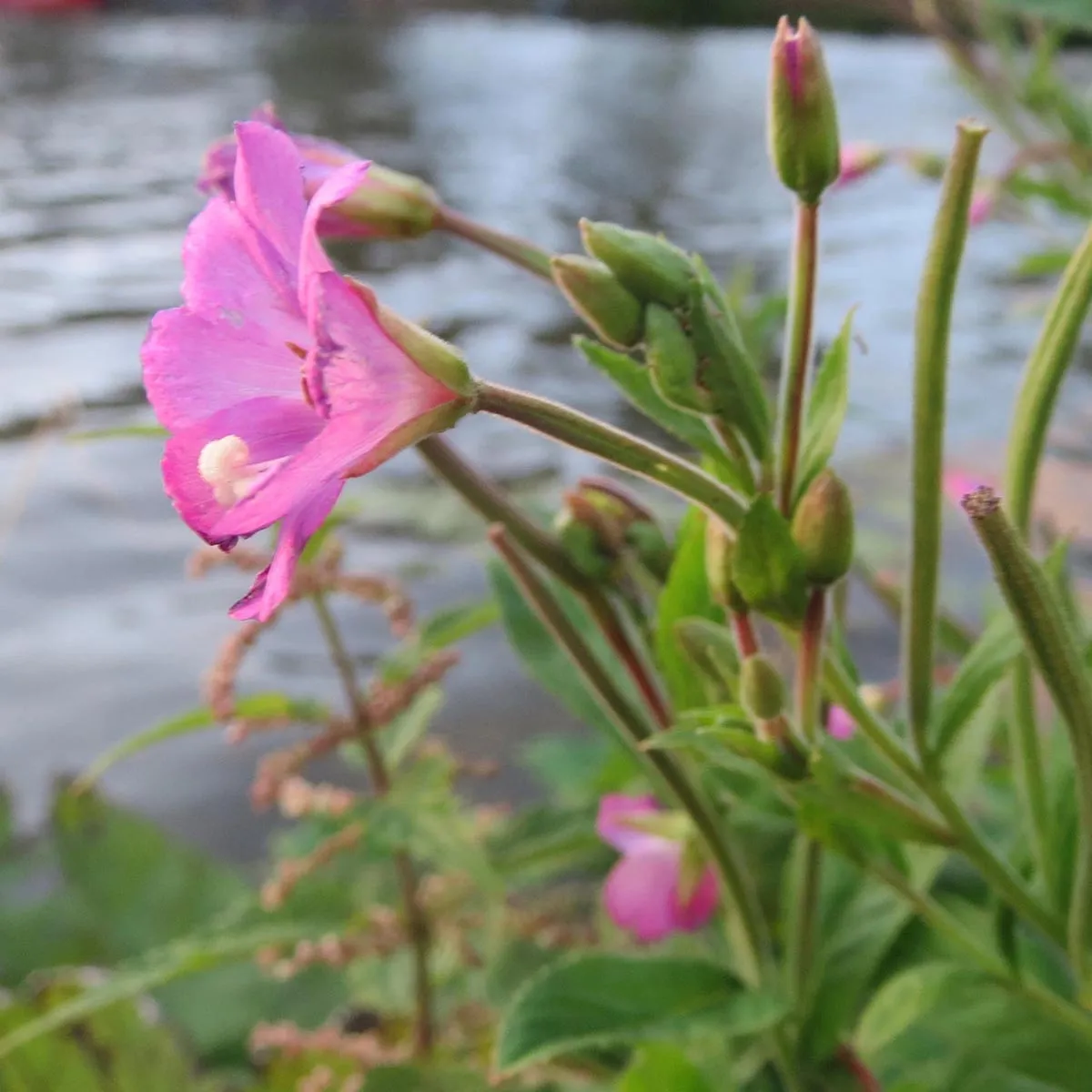
Species such as purple loosestrife, meadowsweet and globeflower thrive in moist to wet soils. Water plantain, yellow flag iris and other marginal plants can also tolerate very shallow water. Deeper pond areas, however, require specially adapted aquatic plants.
Flowering plants for wet garden areas
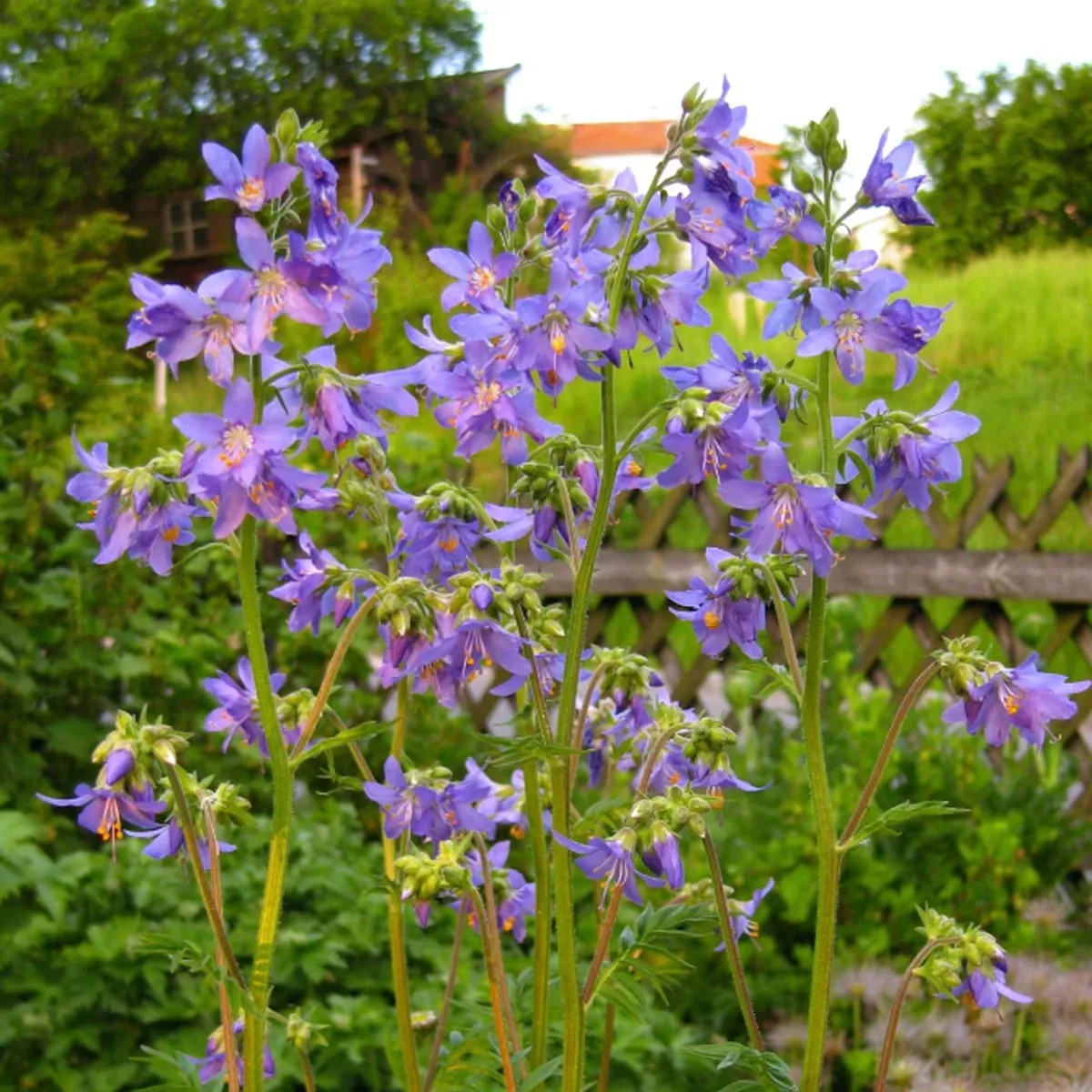
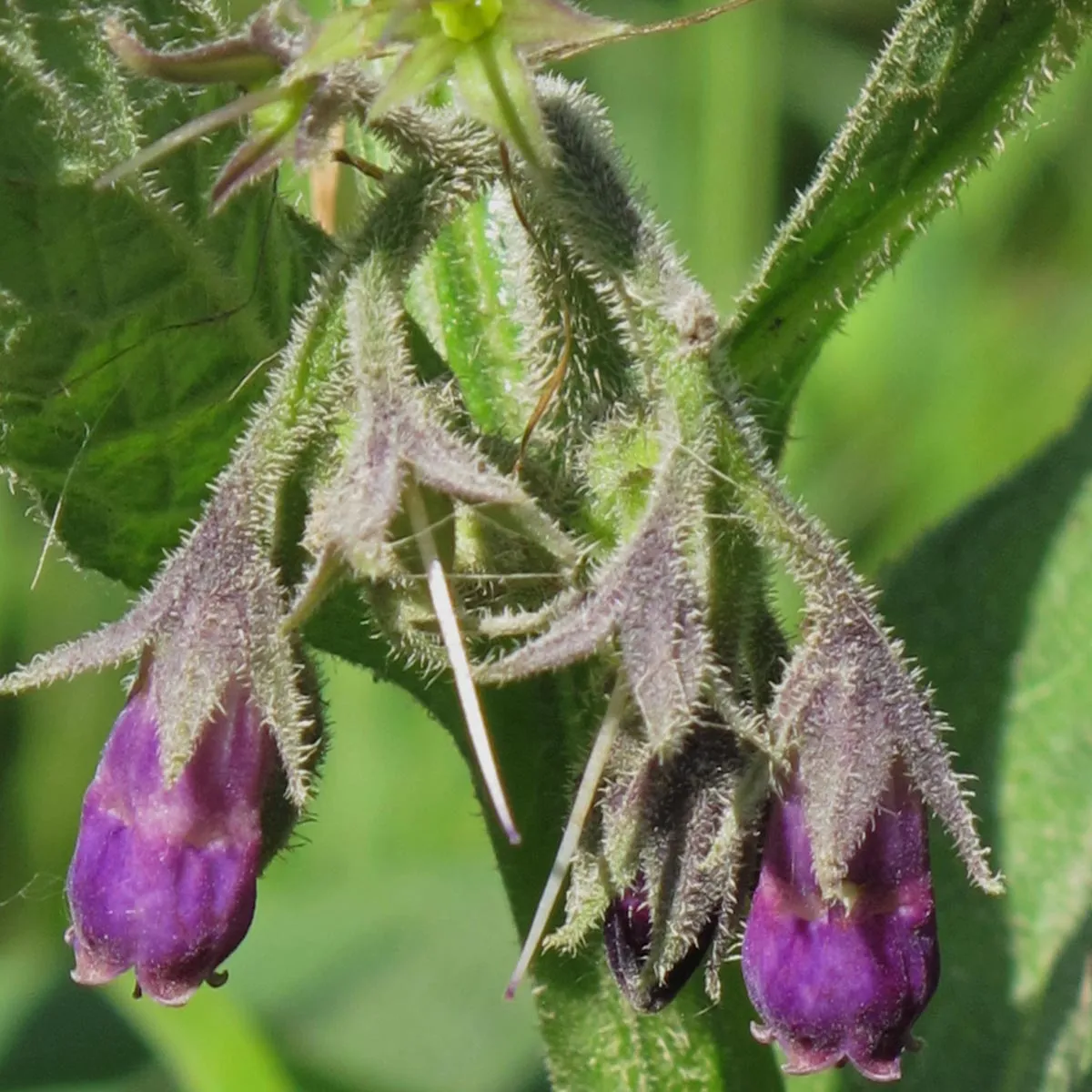
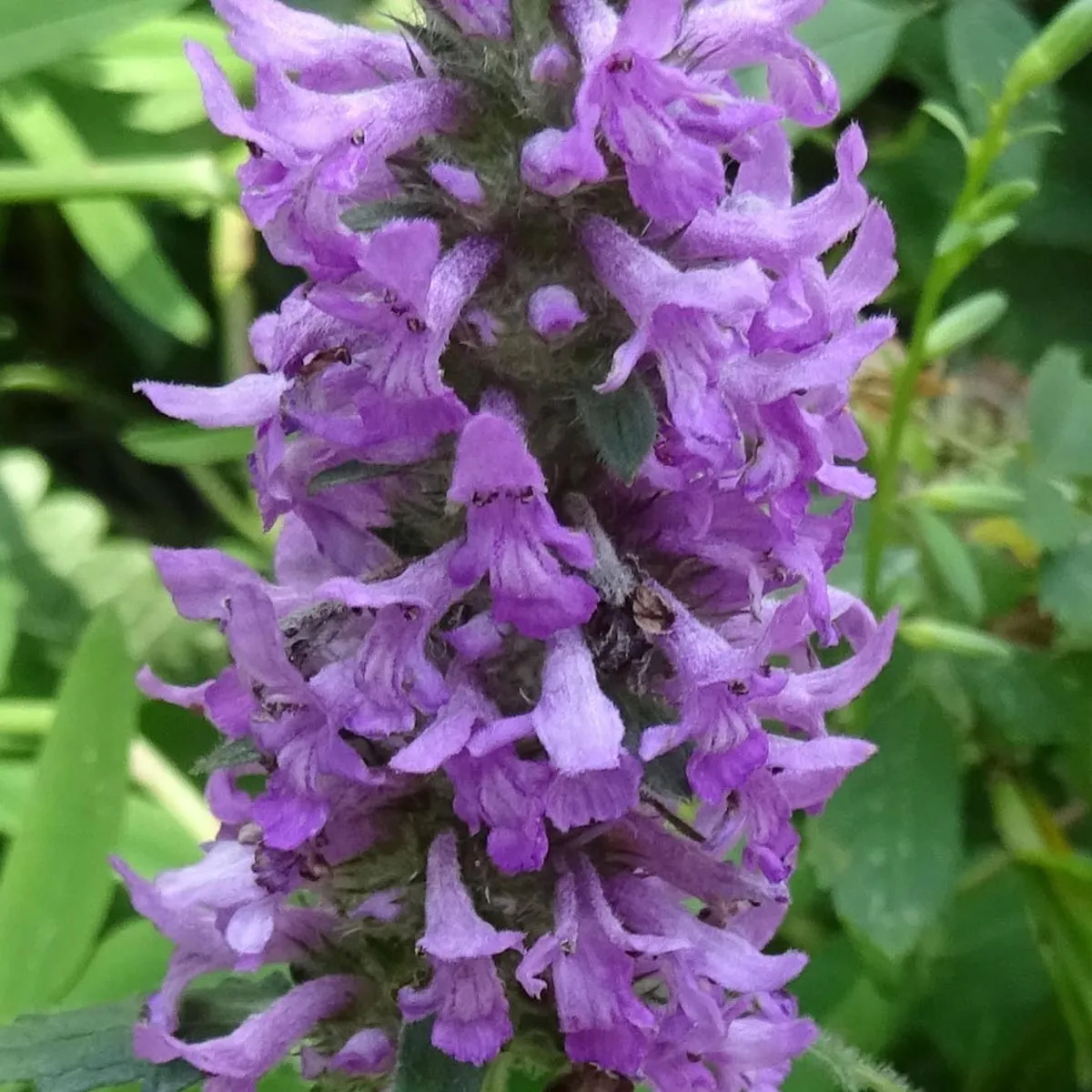
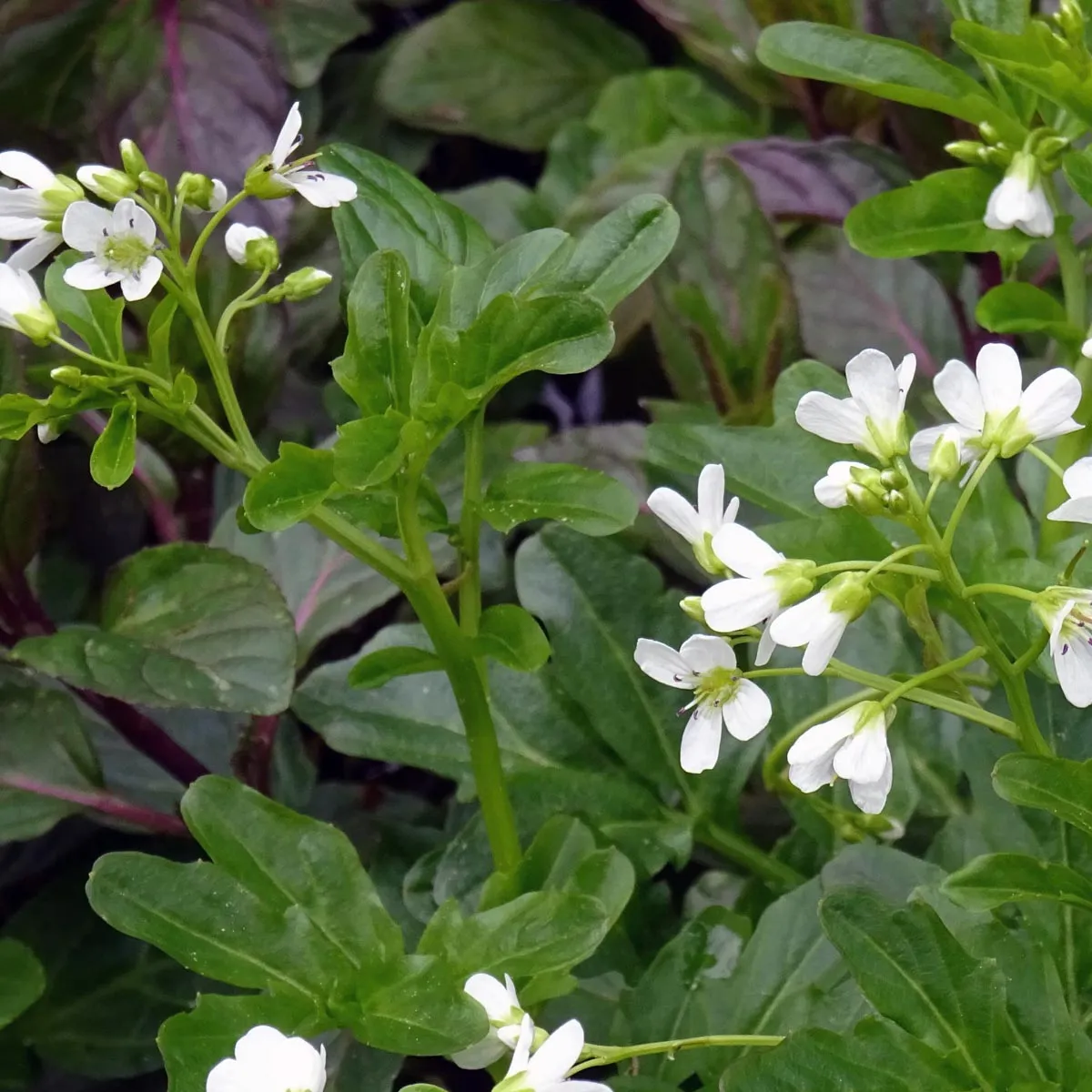
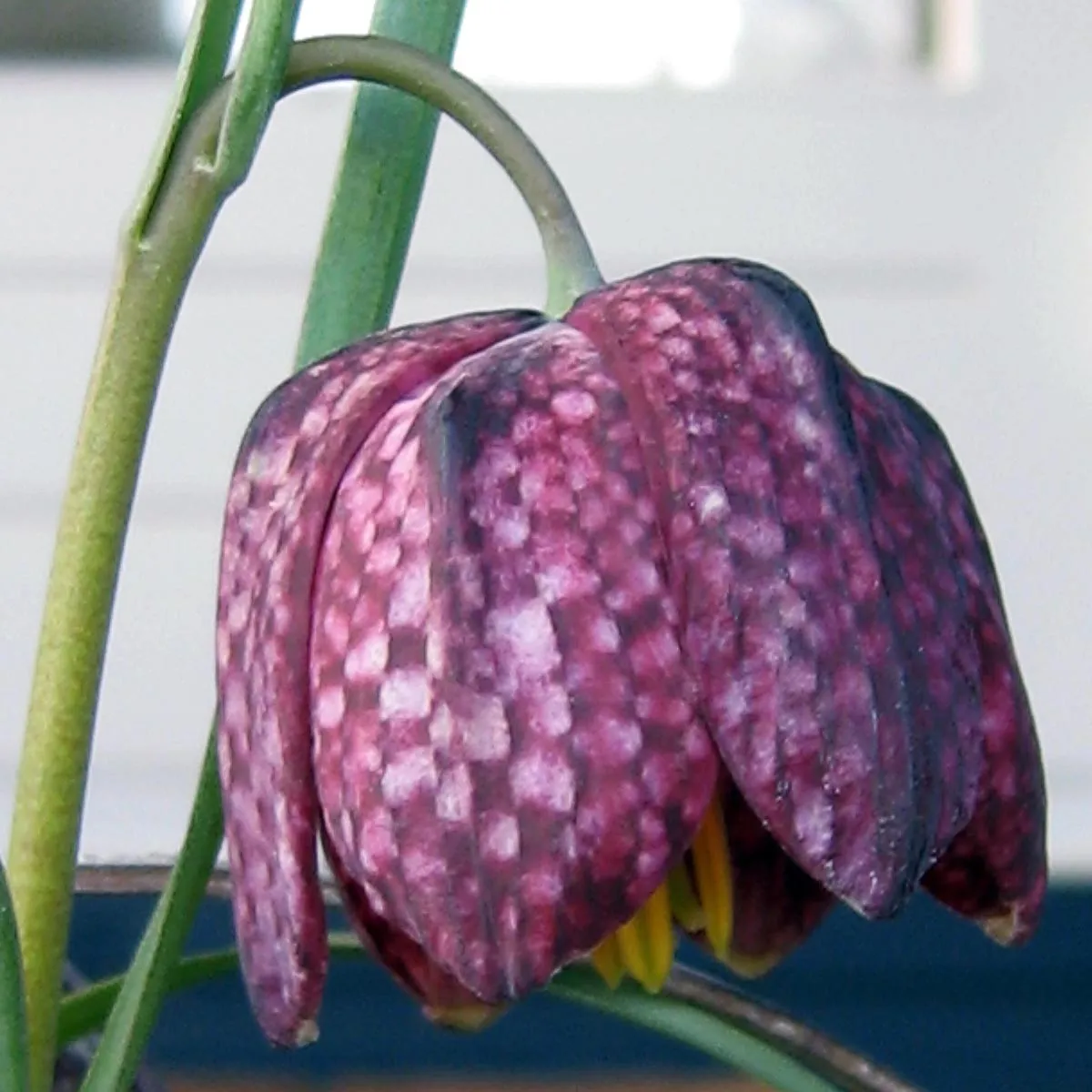
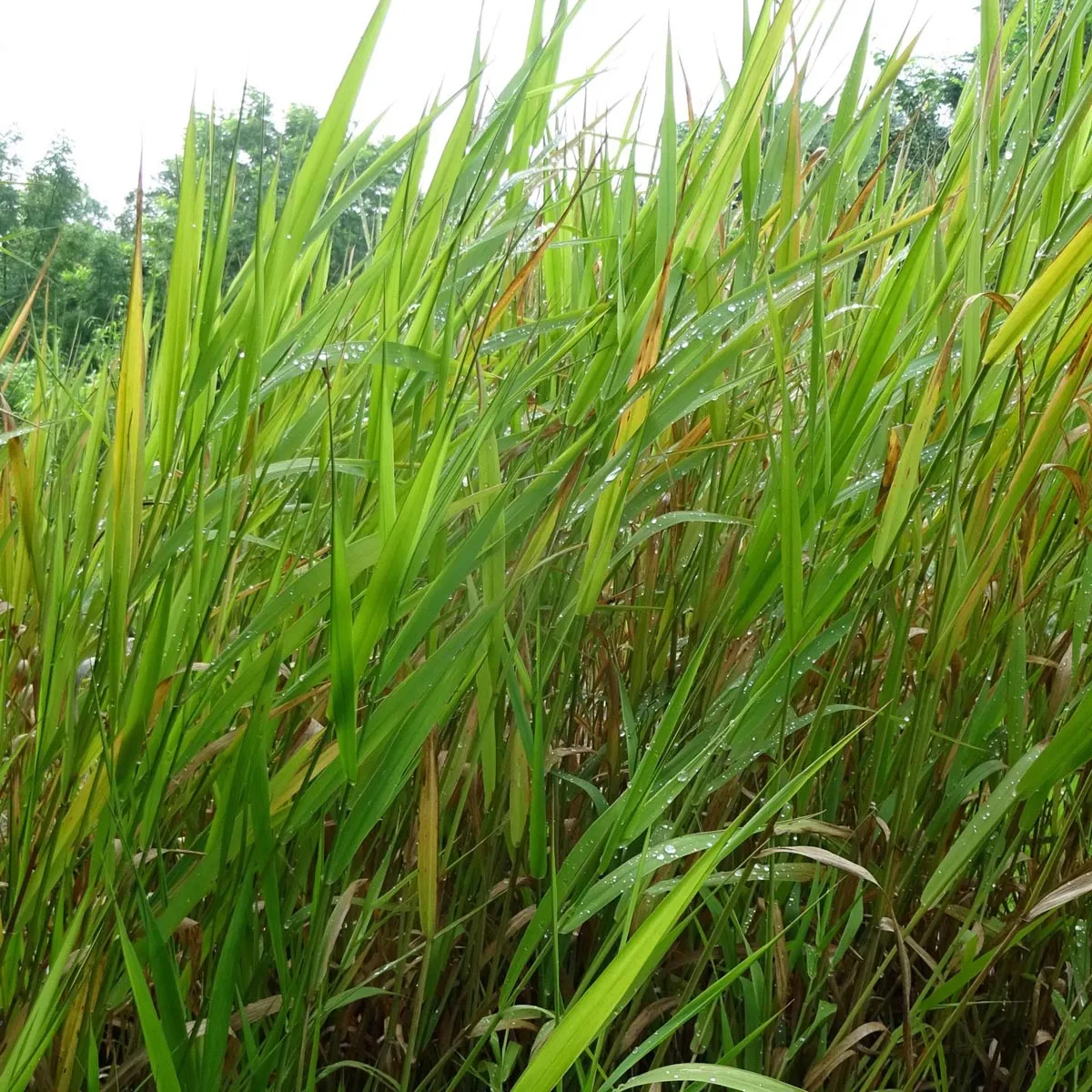
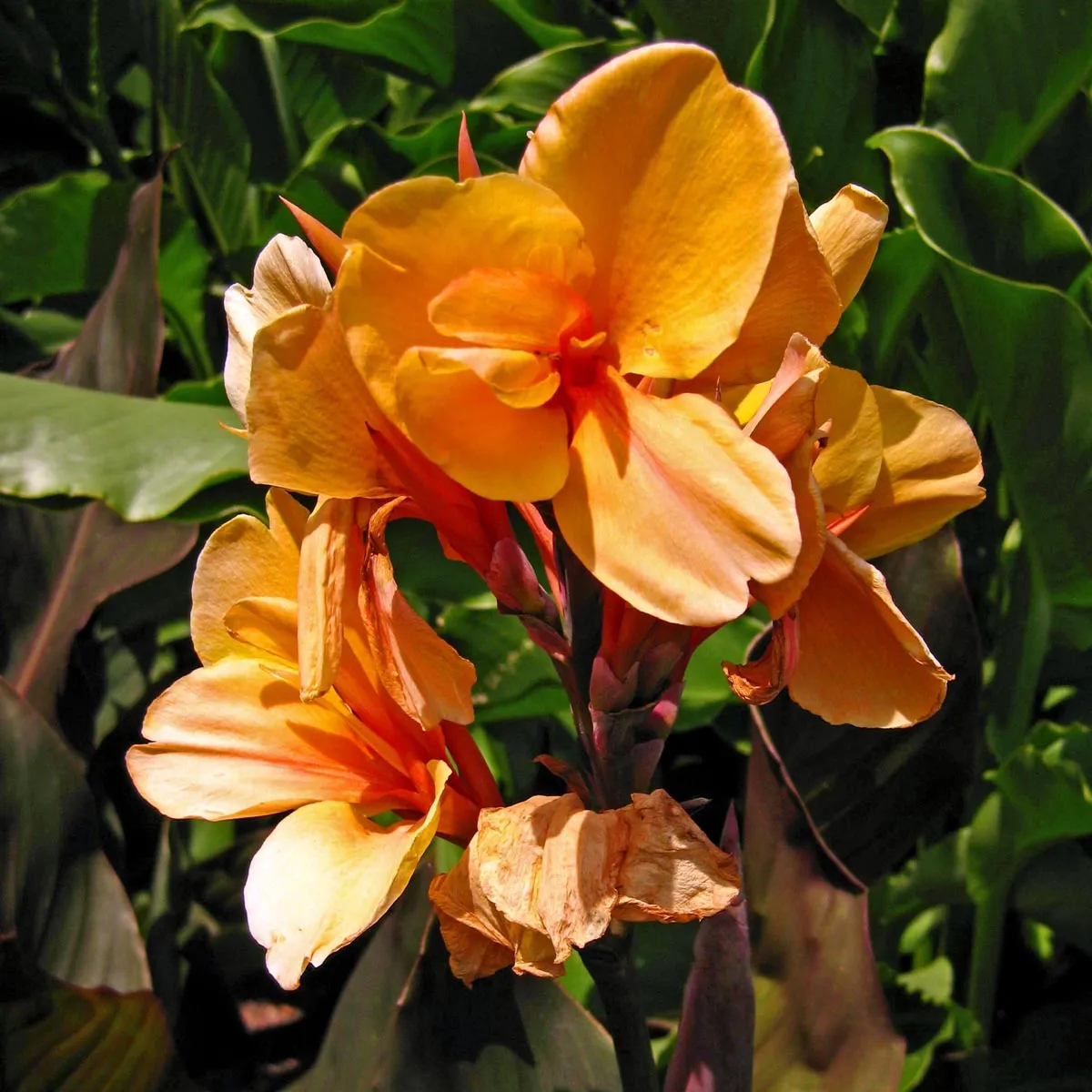
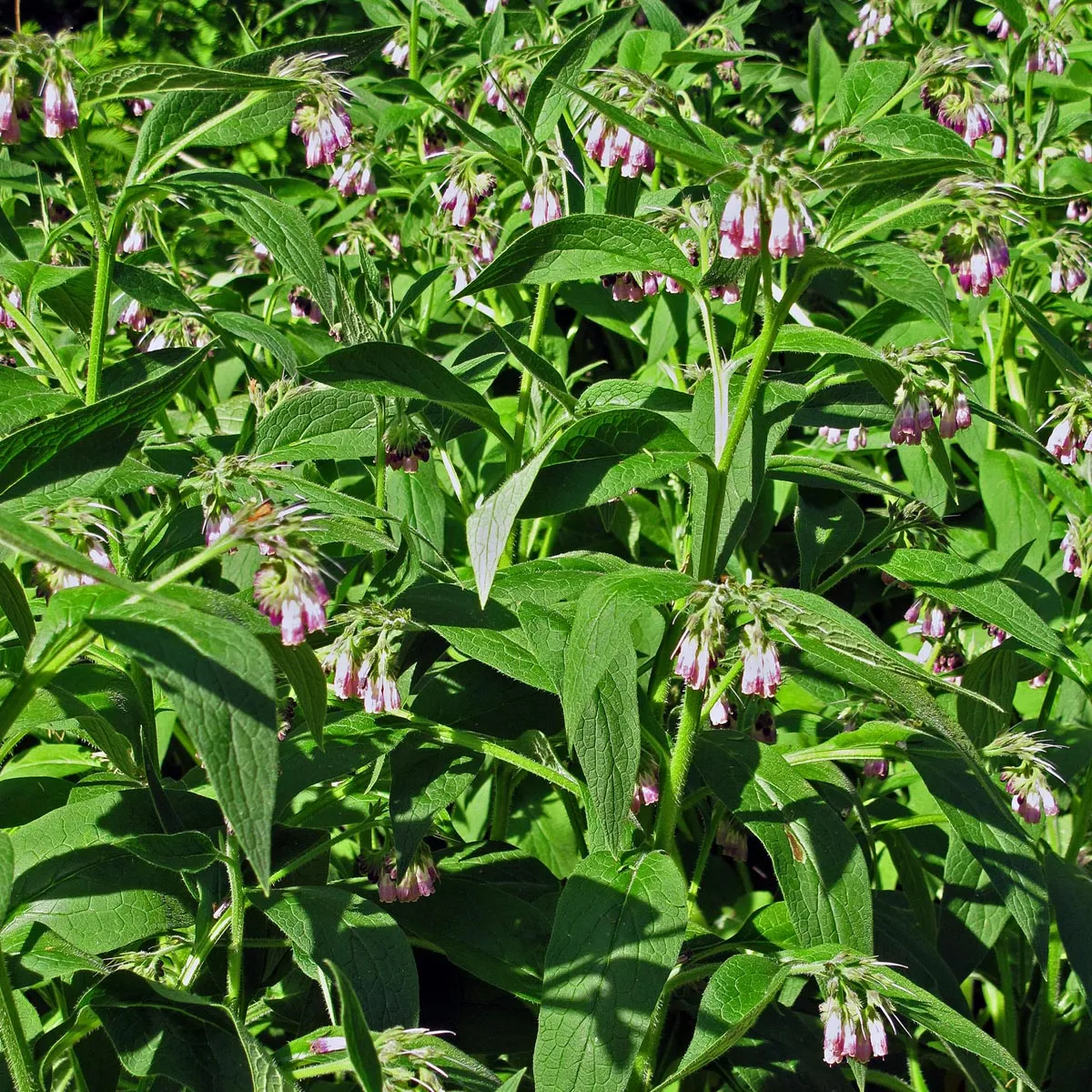
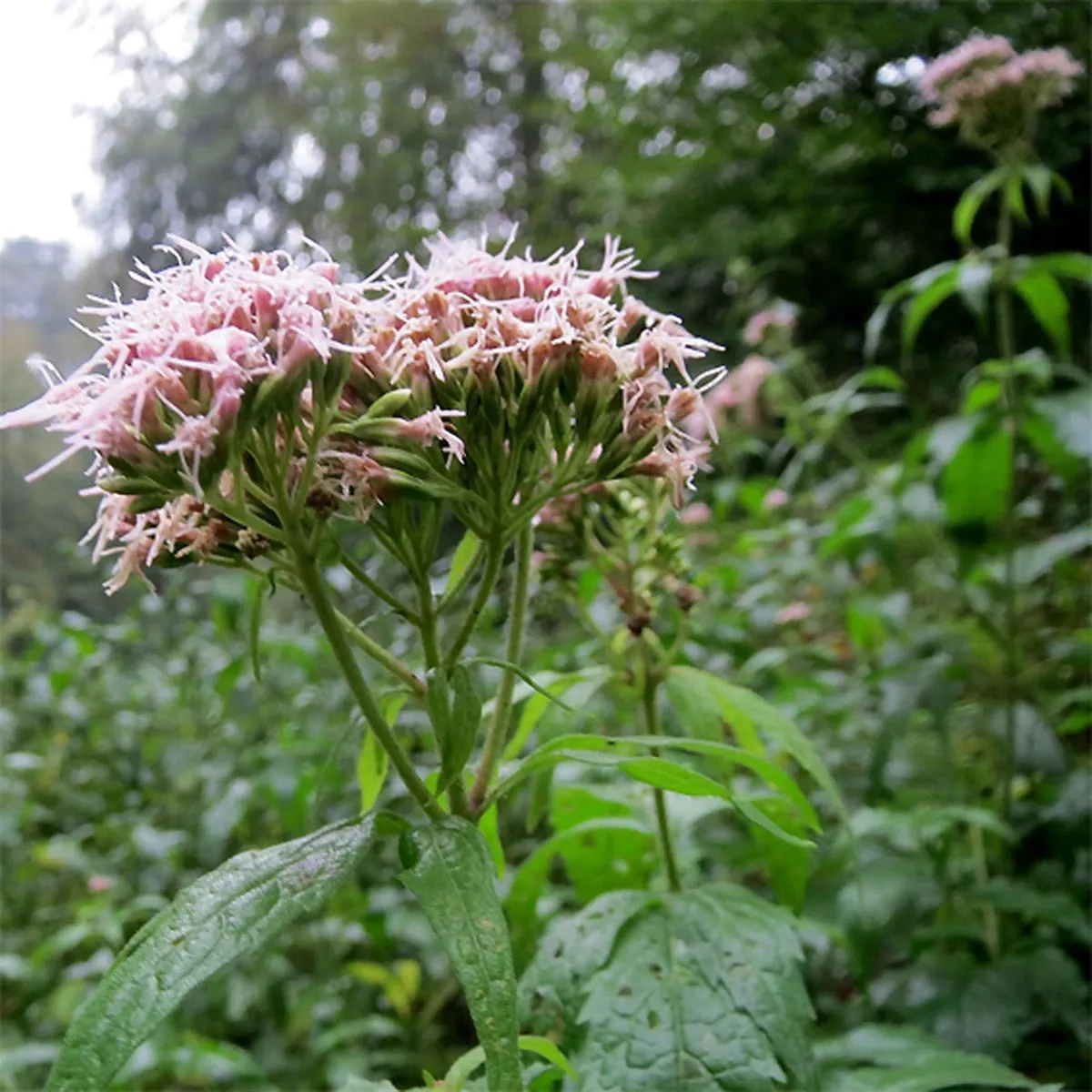
Wet areas do not have to consist solely of reeds and grasses. Many marsh and marginal plants produce striking flowers, adding beauty to naturalistic garden ponds and wetland areas while providing valuable habitats for insects and other wildlife.
The right plant for the right water zone
When choosing marsh plant seeds and pond plant seeds, flower colour and plant height are not the only important considerations. What matters most is how consistently wet the location remains and whether the roots are temporarily or permanently submerged. Matching plants to the appropriate water zone creates the best conditions for successful, lasting planting.

Sowing marsh and aquatic plant seeds
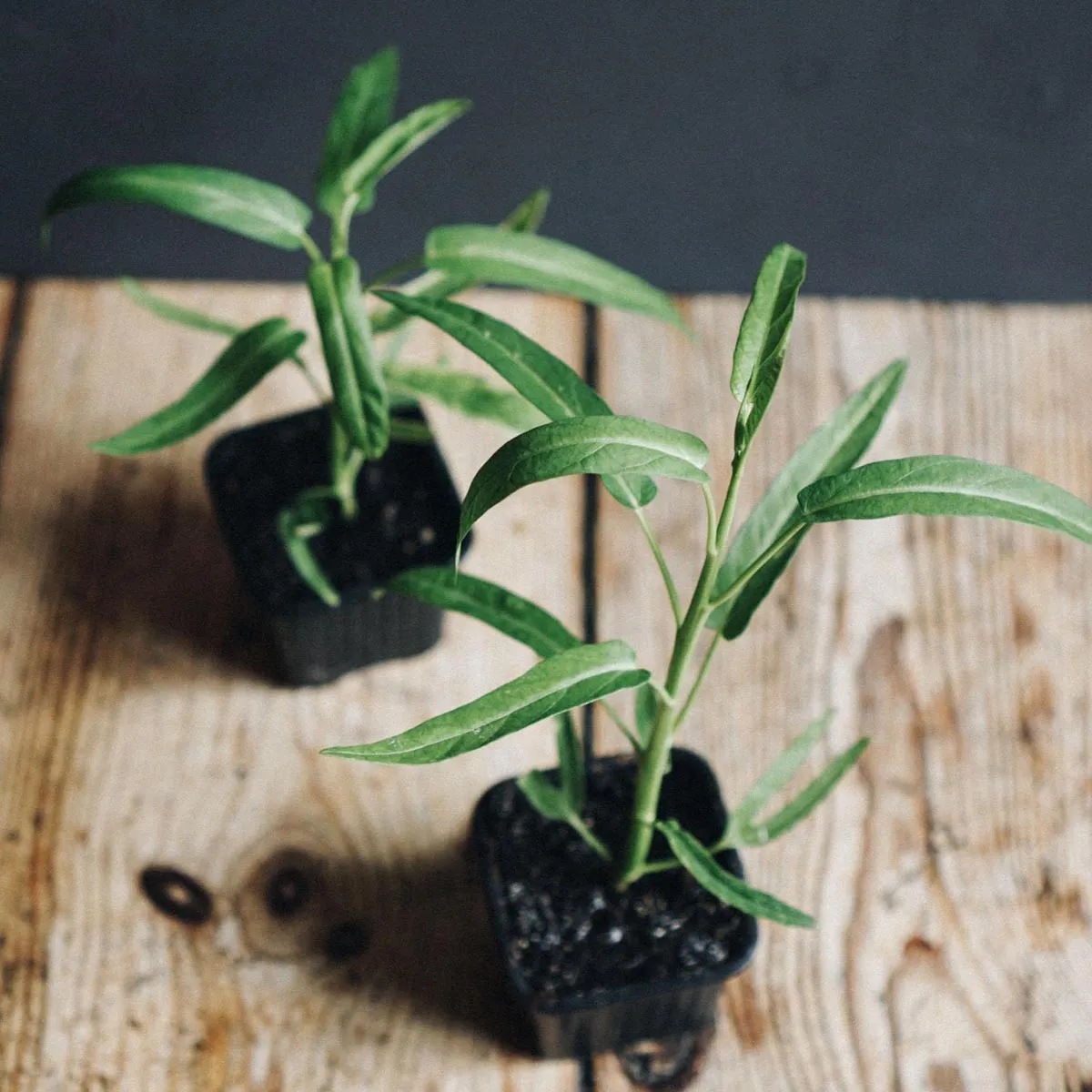
Sowing requirements vary considerably between different marsh and aquatic plants. Many species can be sown directly into moist soil in spring or autumn, while others are more reliably started in pots or seed trays. The key is to keep the growing medium consistently moist throughout germination and never allow it to dry out.
A loam based, low nutrient growing medium that retains moisture well is suitable for raising seedlings. Very fine seeds are usually surface sown or lightly covered with sand or fine gravel. Some species require a period of cold conditions to germinate, making autumn or winter sowing particularly useful.
Once the seedlings emerge, they should gradually be accustomed to their final growing conditions. Marsh plants need permanently moist soil, while marginal and shallow water plants should be moved gradually into water at the appropriate depth. The exact planting depth always depends on the species.
FAQ about marsh and aquatic plants
What is the difference between marsh plants and aquatic plants?
Marsh plants grow in permanently moist to wet soils but are generally not completely submerged all the time. Aquatic plants are more closely adapted to life in water and, depending on the species, can grow in shallow water, deeper water or directly at the water surface.
Which plants are suitable for pond edges?
Species that tolerate fluctuating water levels or very shallow water are particularly suitable for pond edges. Examples include yellow flag iris, purple loosestrife, water plantain and water forget-me-not.
Can marsh plants be grown without a pond?
Yes. A permanently moist garden bed or a shallow depression that retains water is sufficient for many marsh plants. The important thing is that the soil never dries out completely but is not permanently submerged under deep water either.
How deep can aquatic plants be placed in water?
This varies considerably between species. Some plants tolerate only a few centimetres of water above their roots, while others grow in much deeper water. Always follow the recommended water depth for each species.
Why is the correct water depth so important?
A marsh plant placed too deep in water may suffer from a lack of oxygen, while a true aquatic plant may grow poorly or dry out if its surroundings are too dry. Choosing the right water zone is therefore one of the most important factors for successful cultivation.
Do marsh plants need full sun?
Many flowering marsh and marginal plants prefer sunny to partially shaded positions. However, some species also tolerate lower light levels. Alongside sunlight, soil moisture is the main factor determining whether a plant will thrive in the long term.
Can aquatic plants be grown in planting baskets?
Yes. Planting baskets are useful for many marginal and aquatic plants because they hold the soil in place and make it easier to move or divide plants later. Ideally, use loam based aquatic compost rather than loose multipurpose compost.
Are marsh and aquatic plants beneficial for a wildlife pond?
Yes. They provide insects, amphibians and other wildlife with food, shelter and places to hide. Different planting zones, from the damp banks to shallow water, can greatly improve both the structure and ecological value of a garden pond.