
Flower seeds for moist soils - plants for cool and damp locations
Some areas of the garden dry out only slowly, even in summer. Heavy clay soils, low lying areas, places with a high water table or humus-rich soil in partial shade often remain moist for long periods. There is a wide range of flowers that thrive in these consistently moist conditions.
Our flower seeds for moist soils are suitable for garden areas that receive a steady supply of water without being permanently waterlogged. These growing conditions lie between those of ordinary garden beds and true marsh or aquatic habitats.
Moist does not mean waterlogged
Moist soil retains water for extended periods while remaining sufficiently aerated. The roots are therefore not permanently submerged. This distinguishes such sites from bog gardens and pond edges, where waterlogged conditions may occur temporarily or permanently.
Areas with fluctuating moisture levels can also fall into this category. After heavy rainfall, the soil may become very wet before gradually drying out again. Suitable plants must be able to tolerate these changes.
Flowers for damp meadows, low lying areas and garden beds
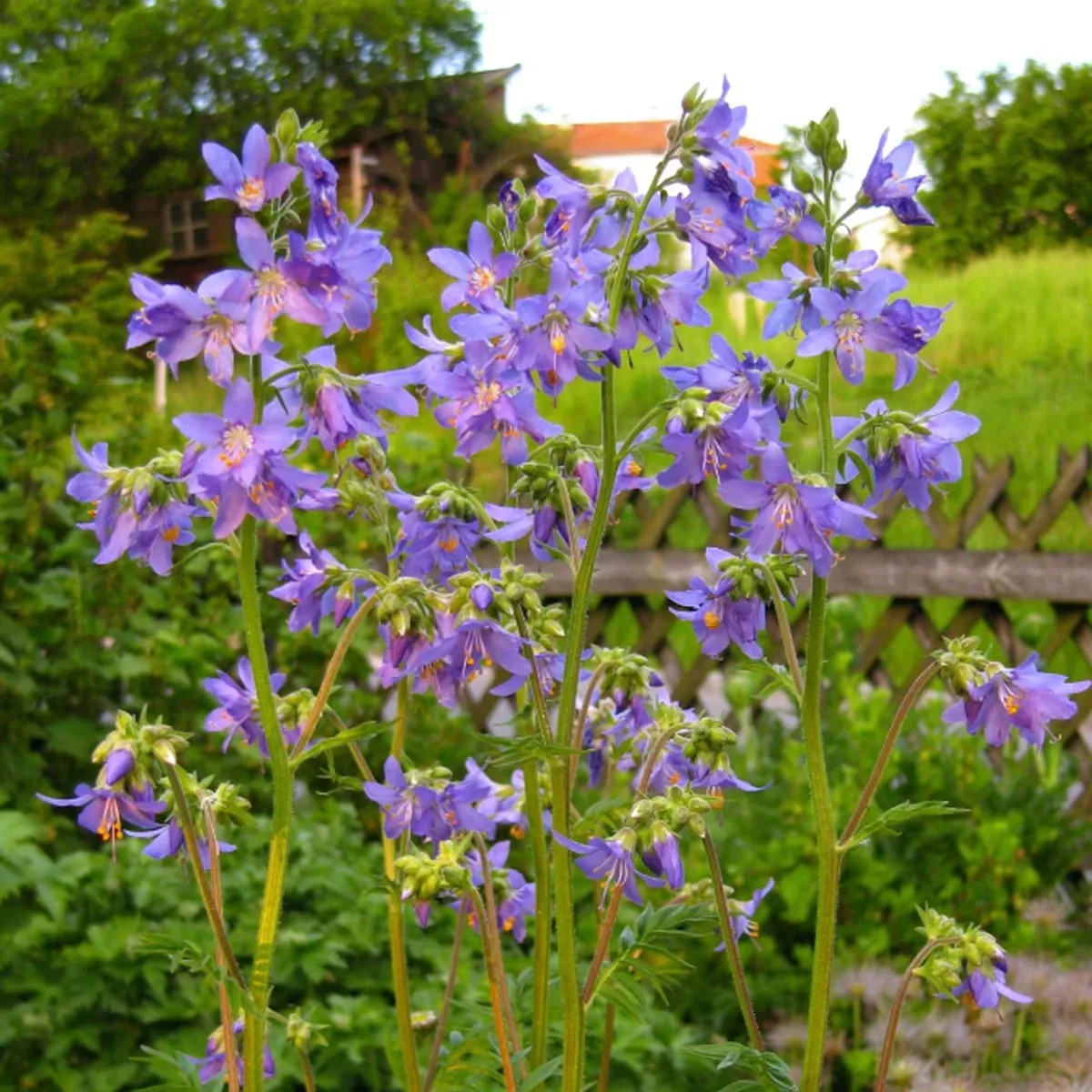
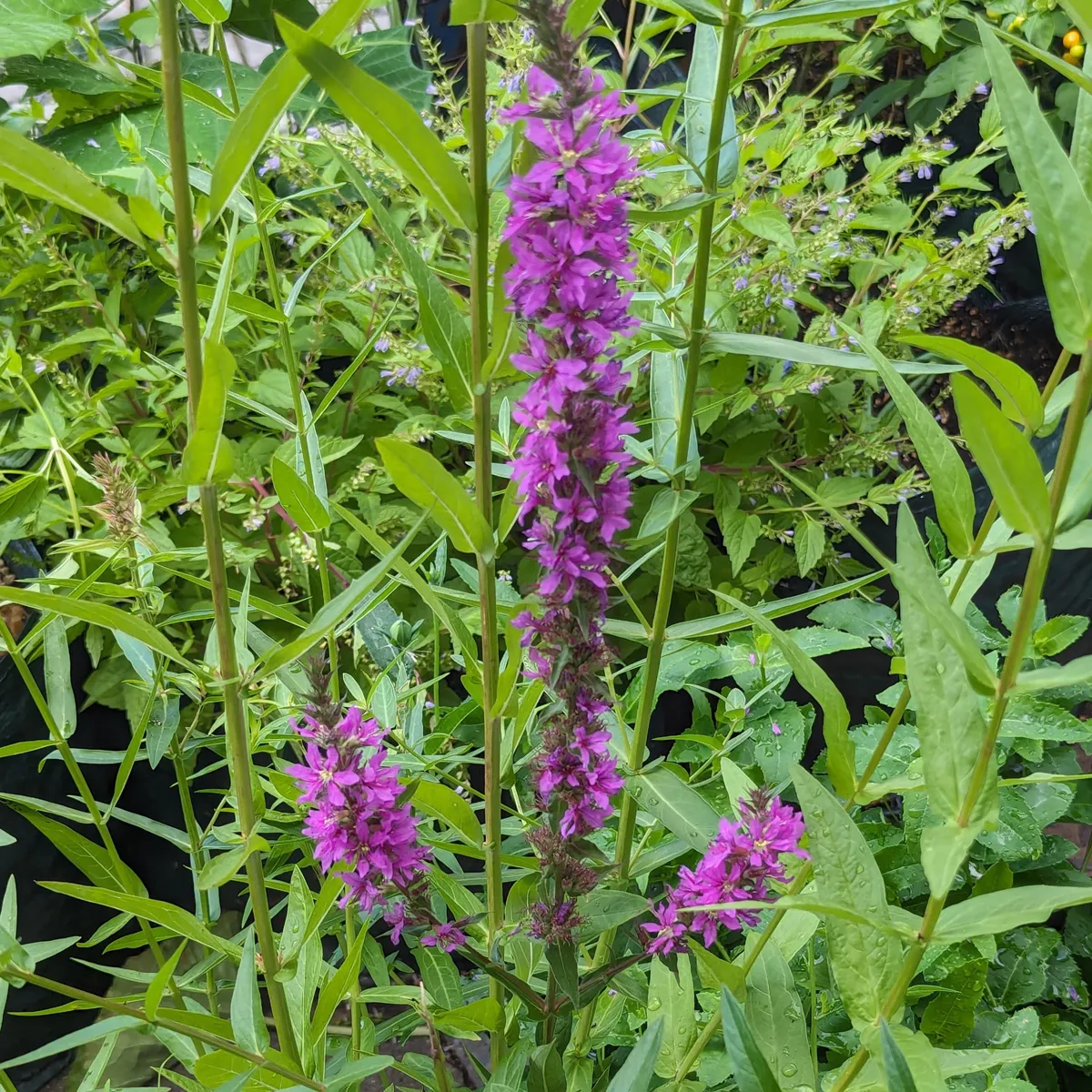
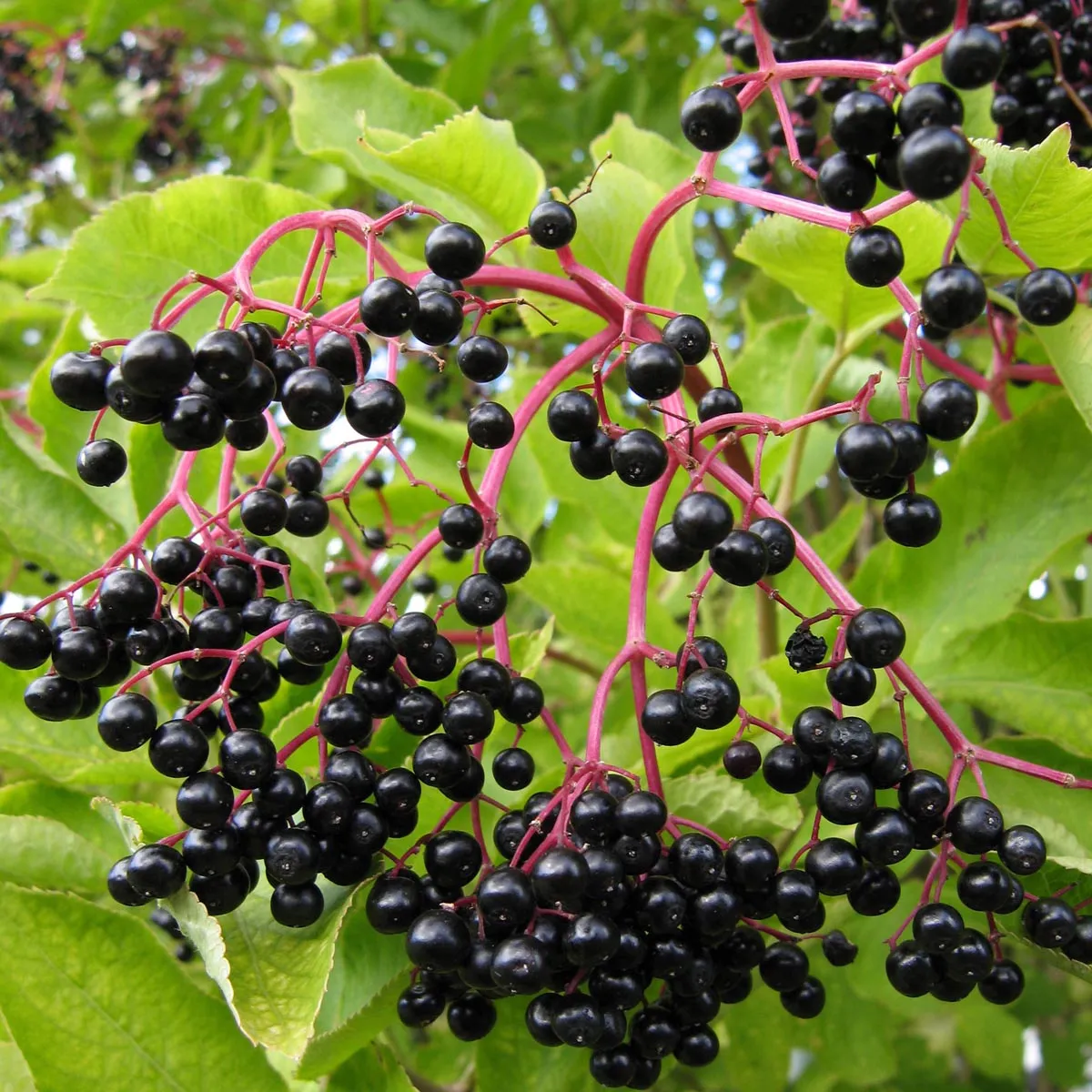
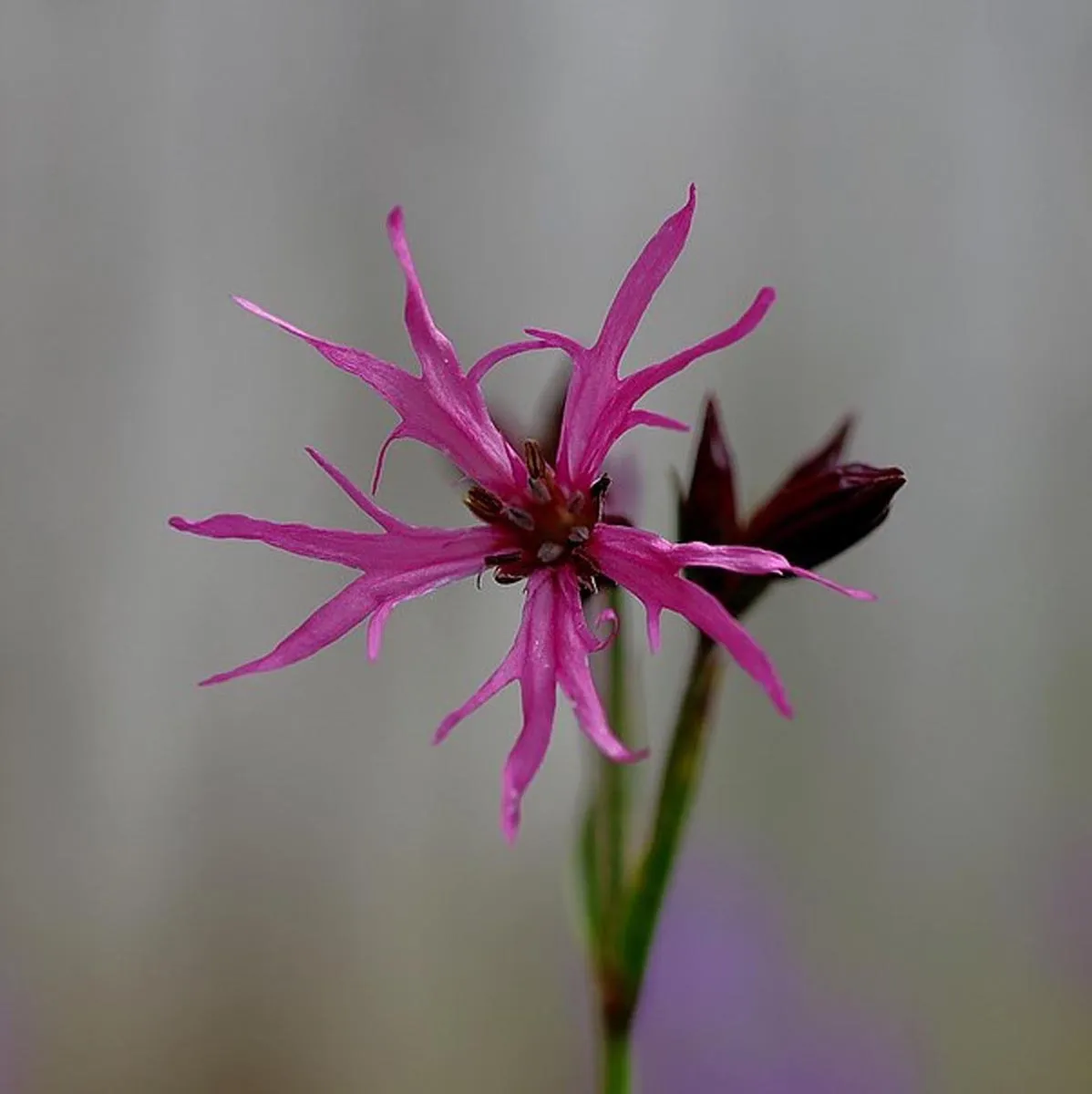
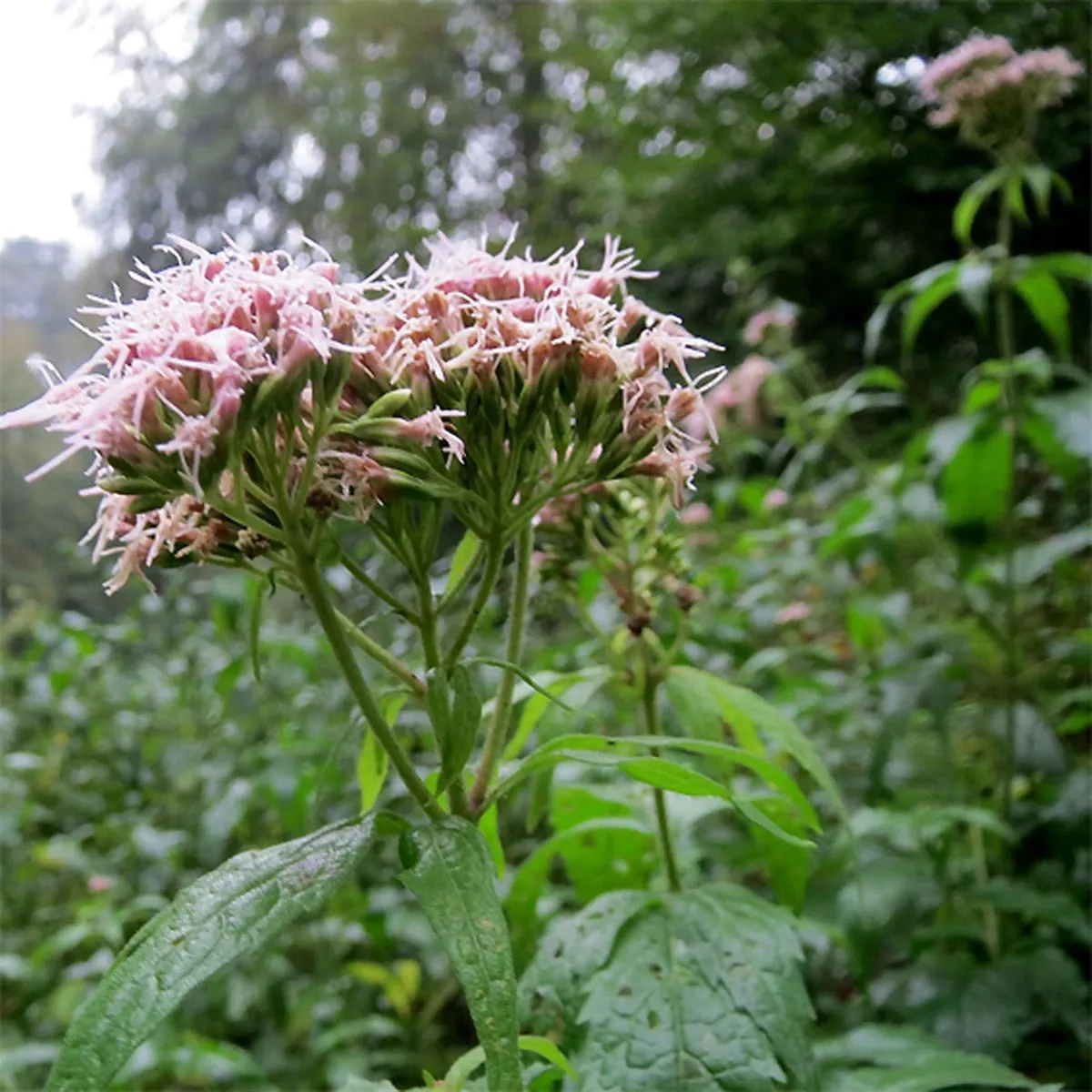
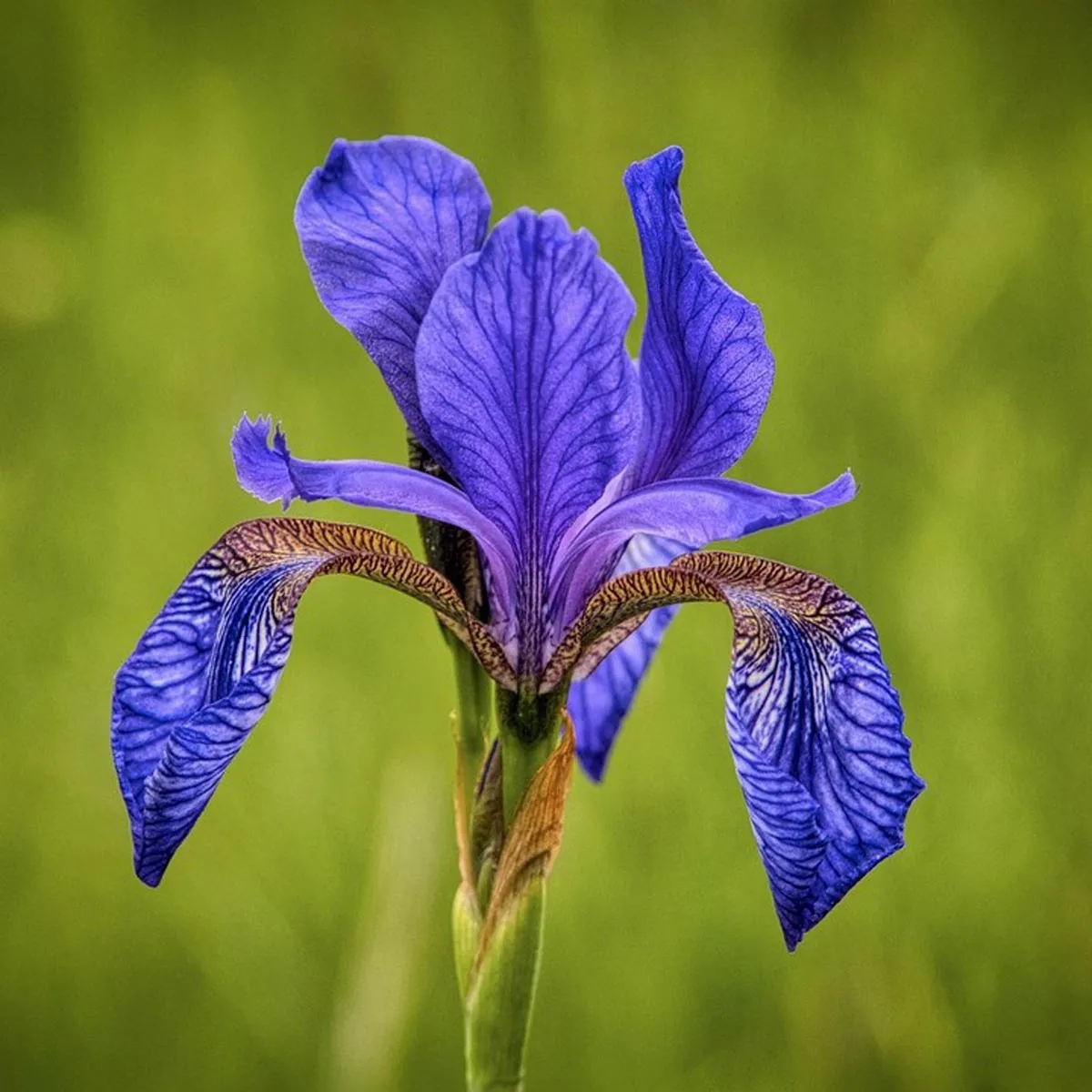
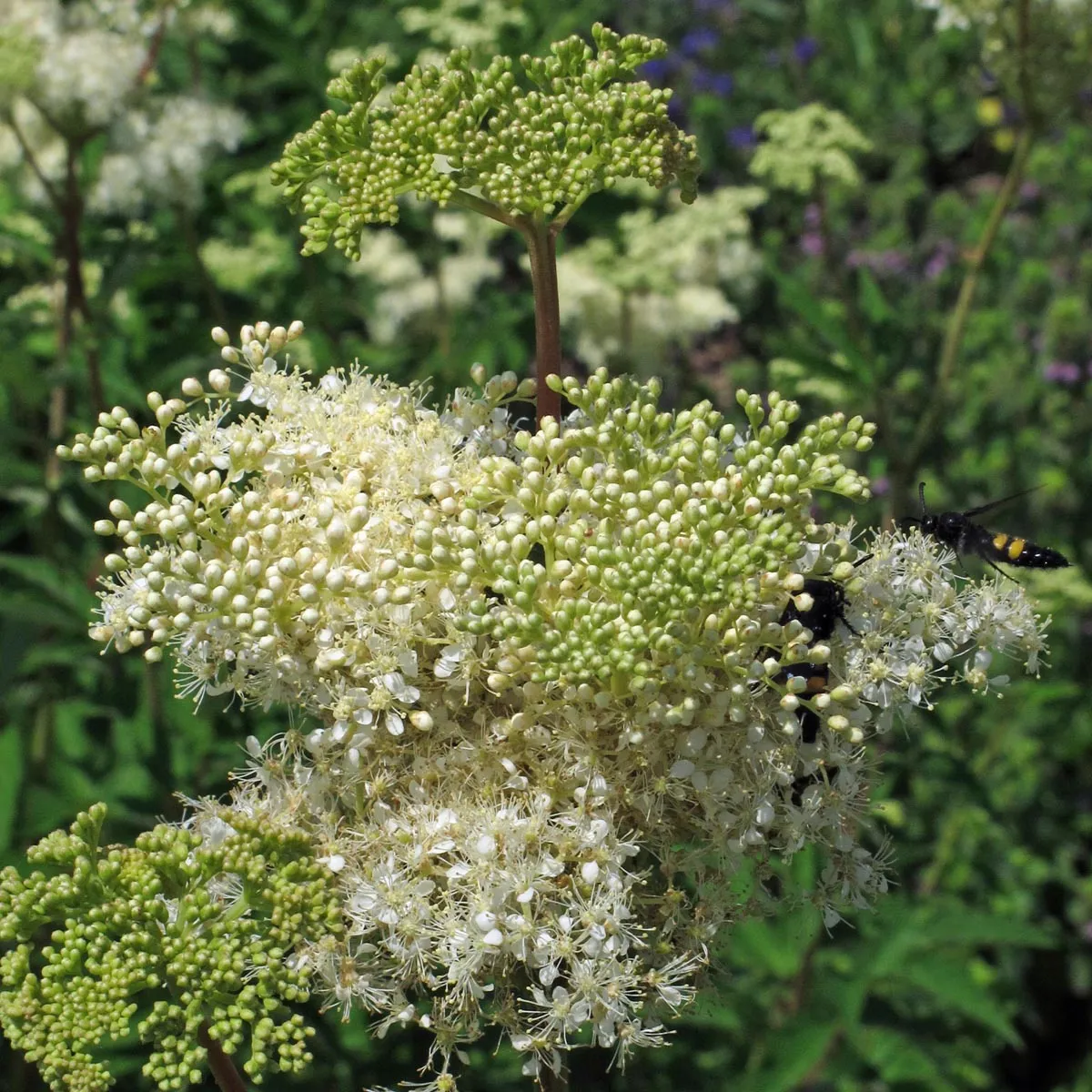
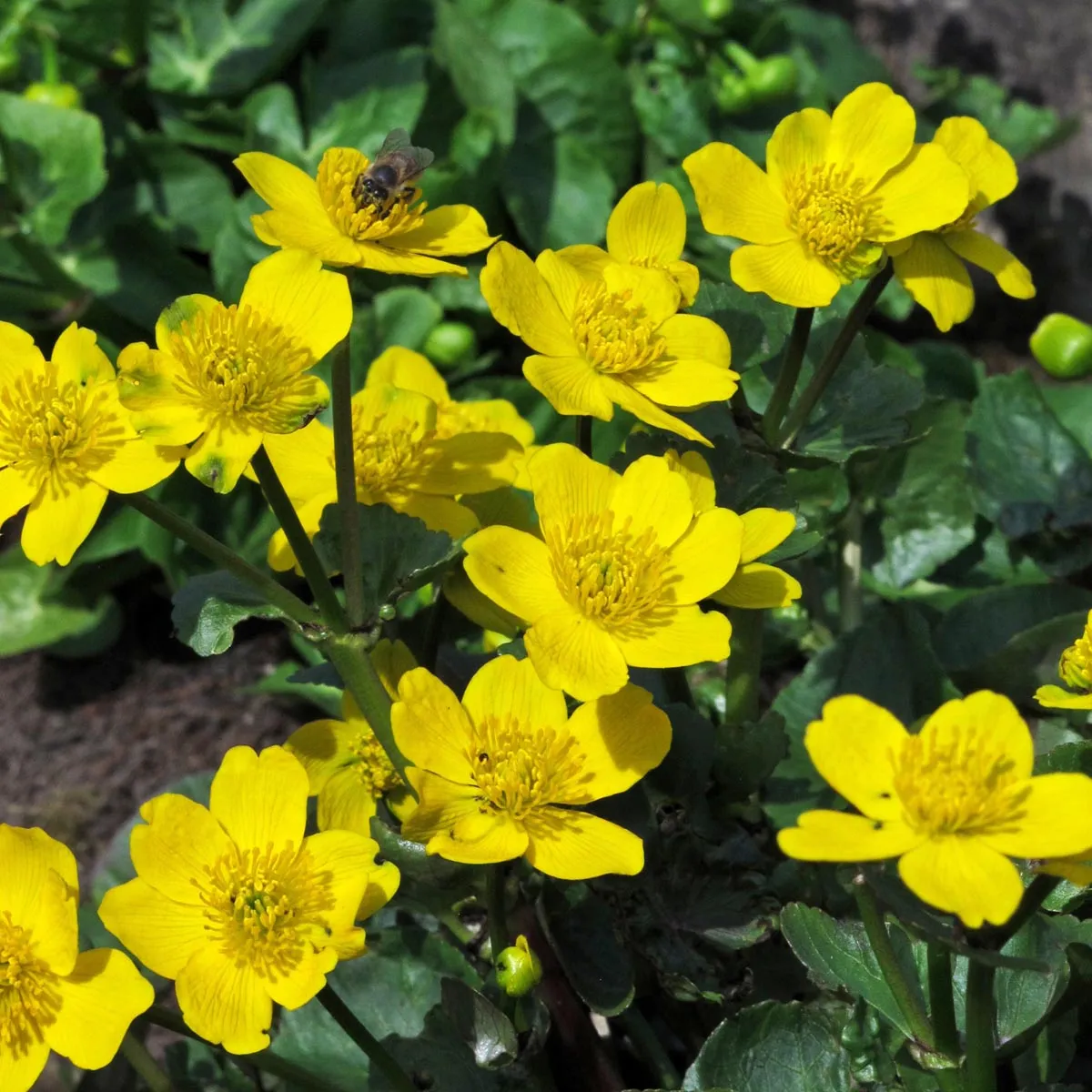
Typical plants of moist habitats include meadowsweet, globeflowers, various irises, purple loosestrife and hemp agrimony. Depending on the light conditions, many other perennials and wildflowers are suitable for sunny or partially shaded locations.
In naturalistic gardens, these plants can bring variety to damp hollows, heavy soils and areas near water without the need to turn them into bog gardens.
Work with the conditions rather than draining the soil
A naturally damp area of the garden does not necessarily need drainage. Instead, suitable plants allow you to make the most of the existing soil moisture. Choosing flower seeds according to the actual growing conditions helps create resilient planting schemes and makes it possible to transform areas unsuitable for drought loving species.

Sowing flower seeds for moist soils
Many flowers suited to moist conditions can be sown directly into garden beds in spring or autumn. The key is to keep the soil evenly moist throughout germination and prevent it from drying out. On heavy clay soils, the surface should be thoroughly loosened and prepared to a fine tilth before sowing, allowing young roots to receive sufficient oxygen.
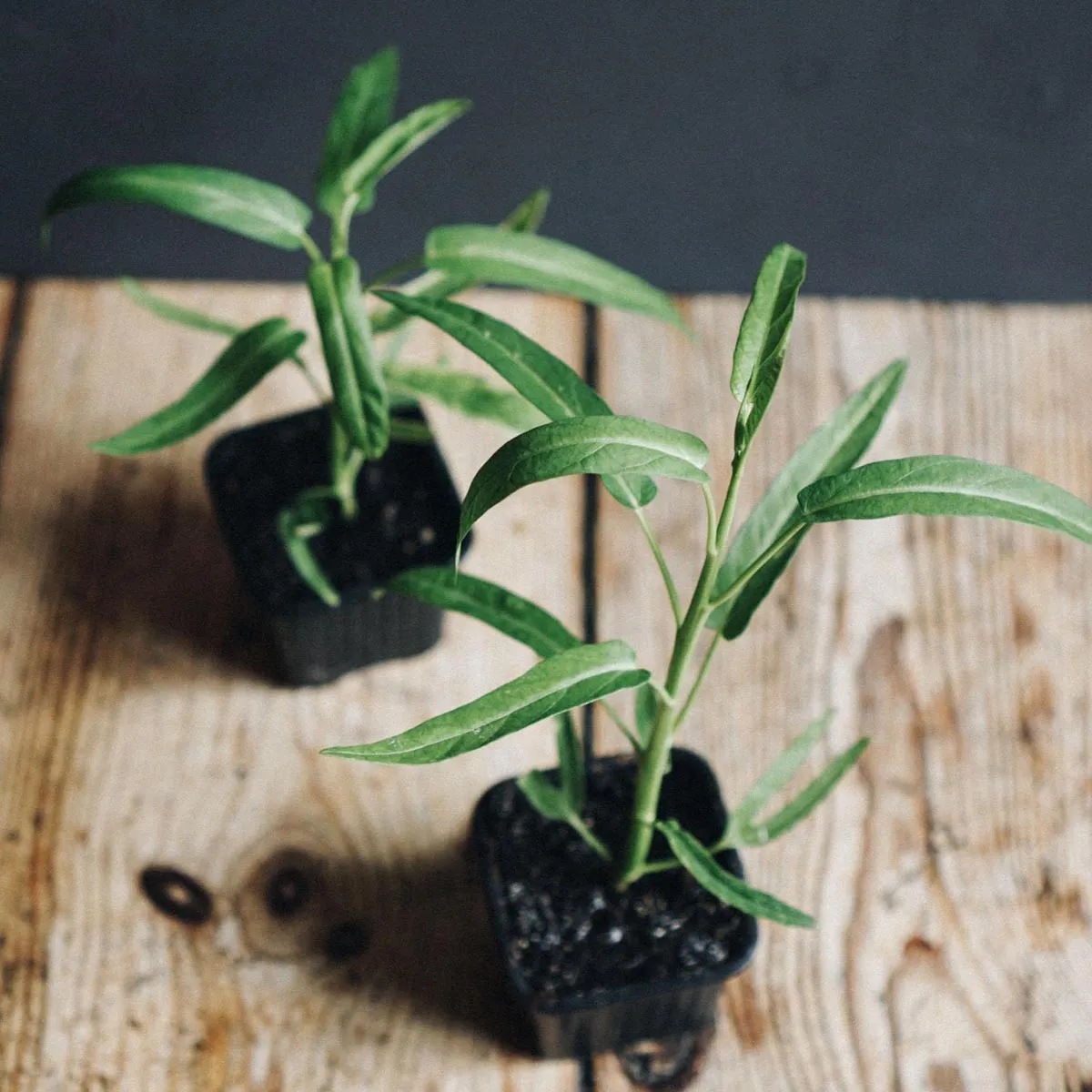
For very fine seeds or species that germinate slowly, starting them in pots or seed trays is often advisable. The growing medium should be rich in humus and retain moisture well without becoming permanently waterlogged. Some moisture loving perennials need a period of cold, moist conditions to germinate and benefit from being sown in autumn or winter.
After germination, young plants need a consistent supply of water, particularly during their first year. Once established, many species thrive in consistently moist soil. However, waterlogging should be avoided unless the species is specifically adapted to marshy conditions or temporary flooding.
FAQ about flower seeds for moist soils
What is meant by moist soil?
Moist soil retains water for extended periods and dries out only slowly. It remains cool and well supplied with moisture, without standing water on the surface or the roots becoming permanently waterlogged.
What is the difference between moist soil and waterlogging?
Moist soil still contains enough air around the roots. In waterlogged soil, however, the spaces between soil particles remain filled with water for long periods, depriving roots of oxygen. Many moisture loving plants therefore thrive in damp soil but cannot tolerate permanent waterlogging.
Which flowers are suitable for moist locations?
Typical examples include meadowsweet, globeflowers, purple loosestrife, hemp agrimony and various irises. The best choice also depends on whether the location is sunny, partially shaded or shaded.
Are plants for moist soils also suitable for heavy clay soil?
Often, yes, as clay soils can retain considerable amounts of water. However, heavily compacted soil should be loosened and, if necessary, improved with organic matter so that roots receive enough oxygen despite the high moisture content.
Can you simply drain wet areas of the garden?
This is not always necessary. If an area is naturally moist, choosing plants that are adapted to these conditions may be a better solution. This allows you to make use of the existing environment rather than changing it completely.
How important is sunlight in moist locations?
Light requirements vary considerably, even among plants that prefer moist soil. Many flowering species thrive in sun or partial shade, while others are well suited to shadier areas with humus-rich soil.
Are moist areas beneficial for wildlife gardens?
Yes. Damp garden beds, hollows and meadow areas provide valuable habitats for many specialised plants and animals. Flowering species in particular can provide food for insects over extended periods and increase garden biodiversity.
Which plants are suitable for soils with fluctuating moisture levels?
These locations need hardy species that tolerate both temporarily very wet conditions and periods when the soil dries out. Depending on the site, suitable plants include purple loosestrife, hemp agrimony and certain irises.