
Flower seeds for sunny locations - from wildflowers to summer flowers
Sunny areas of the garden offer a particularly wide choice of flowering plants. From native wildflowers and traditional cottage garden flowers to colourful summer flowers from around the world, numerous species thrive especially well in abundant sunlight.
Our flower seeds for sunny locations are suitable for open garden areas, flower beds, borders, sunny balconies and patios. Whether you prefer a naturalistic wildflower border, a lush cottage garden or a colourful cut flower garden, choosing the right plants allows you to enjoy the diversity of sun loving flowers in many different garden styles.
What is a sunny location?
In horticulture, a location is generally considered sunny to fully sunny if it receives at least around 6 hours of direct sunlight per day during the growing season. Plants adapted to high light levels are also known in botany as heliophytes or light loving plants.
However, a sunny location is not necessarily dry. While lavender, viper's bugloss and dyer's chamomile prefer relatively dry soils, sneezeweed, sunflowers and many other sun loving flowers grow better with a good supply of water. Soil conditions are therefore just as important as sunlight when choosing suitable plants.
From native wildflowers to unusual summer flowers
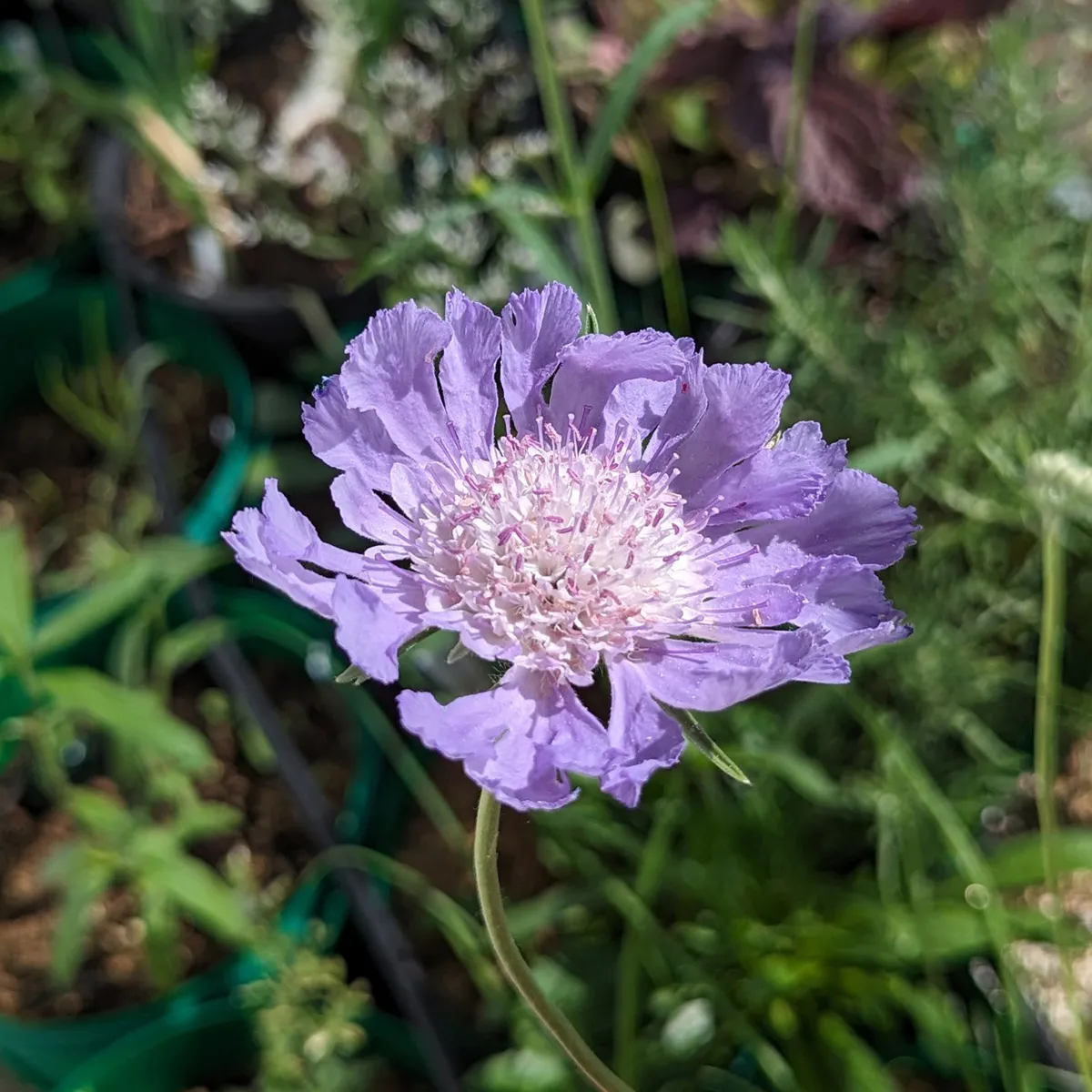
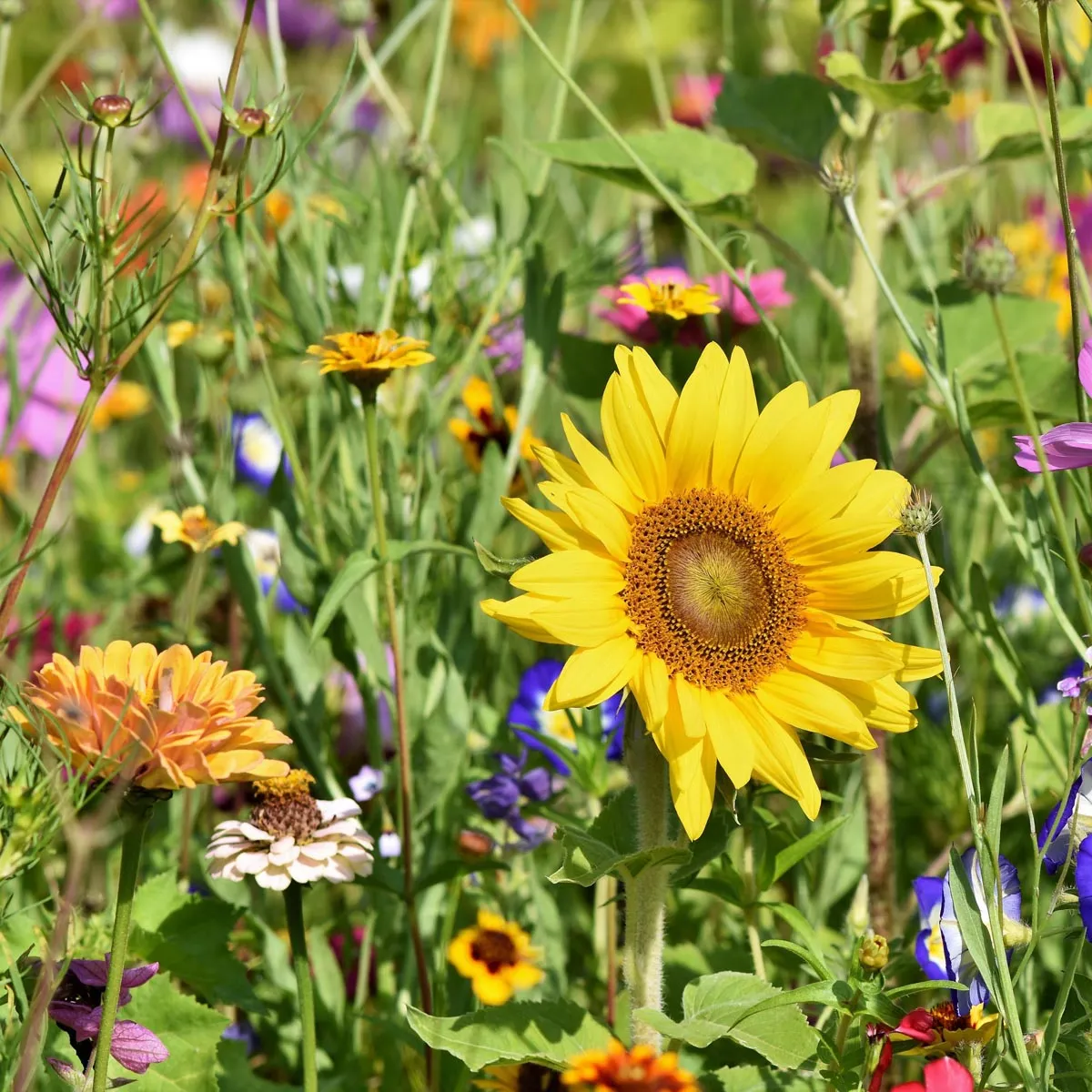
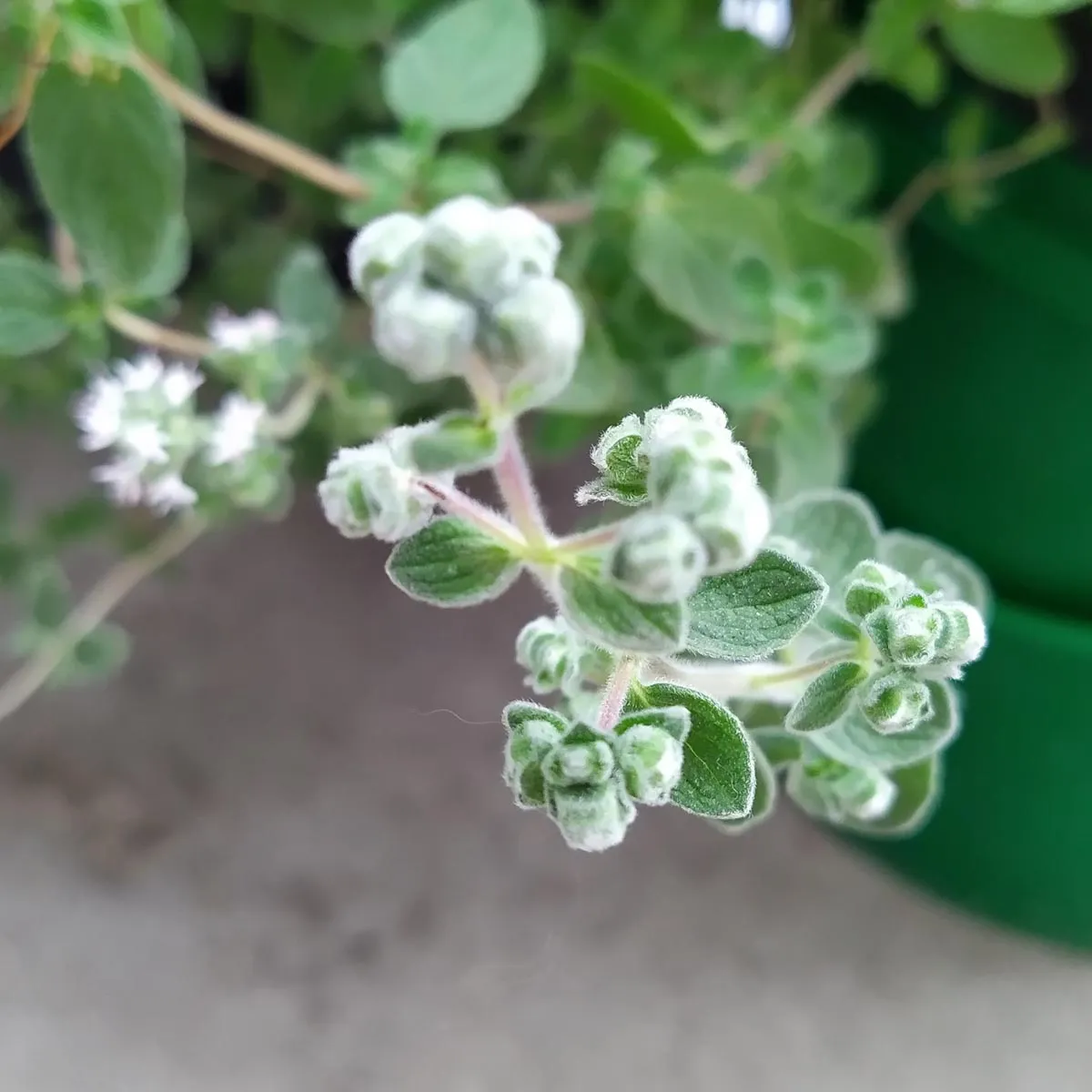
The variety of flowers suitable for sunny locations is enormous. Native wildflowers such as meadow clary, cornflower, small scabious and wild marjoram enrich naturalistic planting schemes. Zinnias, cosmos, pot marigolds, snapdragons and sunflowers bring colour to traditional flower beds. Many North American prairie plants, Mediterranean species and unusual flowering plants from other climatic regions also thrive in abundant sunlight.
A succession of flowers from spring to autumn
By combining annual summer flowers, biennial flowering plants and perennial species with different flowering periods, you can create a varied display in a sunny garden for many months. Particularly long flowering species such as dyer's chamomile, scabious, cosmos and zinnias can play an important role.
Choosing single flowers rich in nectar and pollen also helps turn a sunny flower bed into a valuable source of food for wild bees, bumblebees and butterflies.
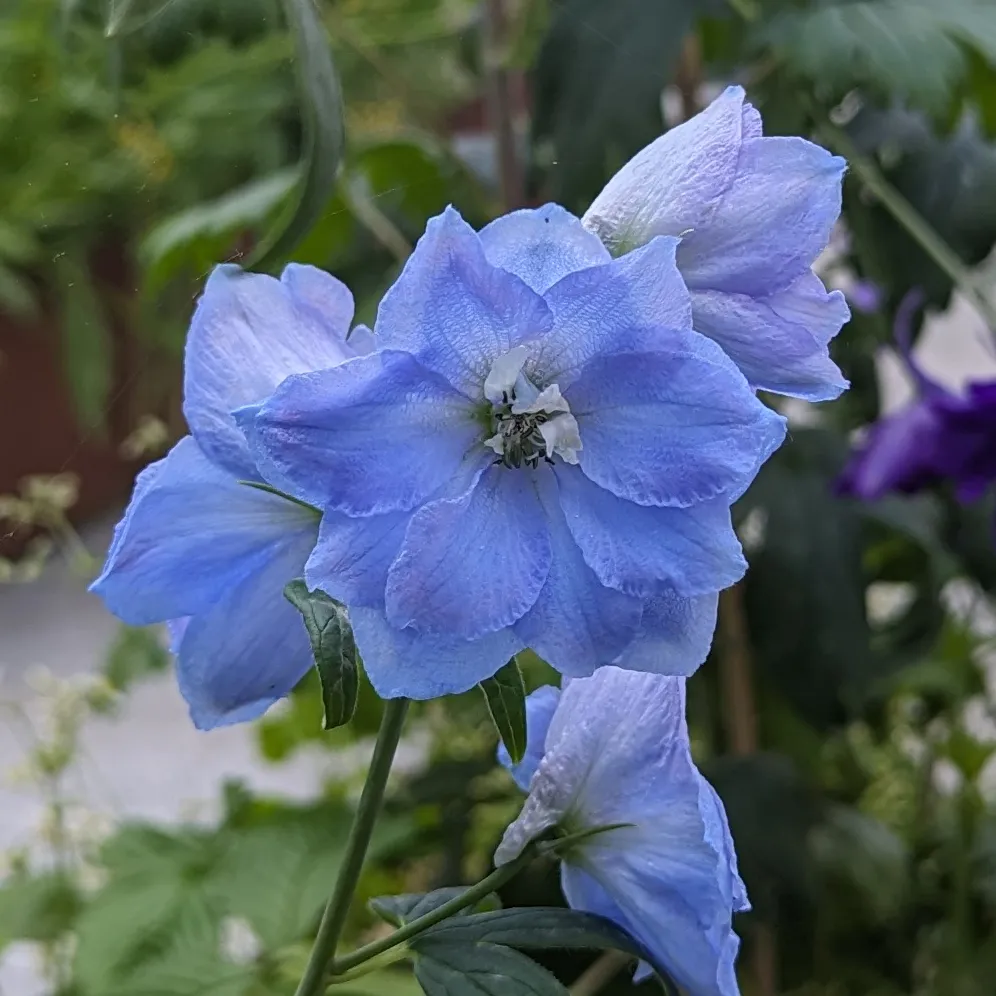
Garden Larkspur 'Magic Fountains-Sky Blue, White Bee' (Delphinium cultorum) seeds
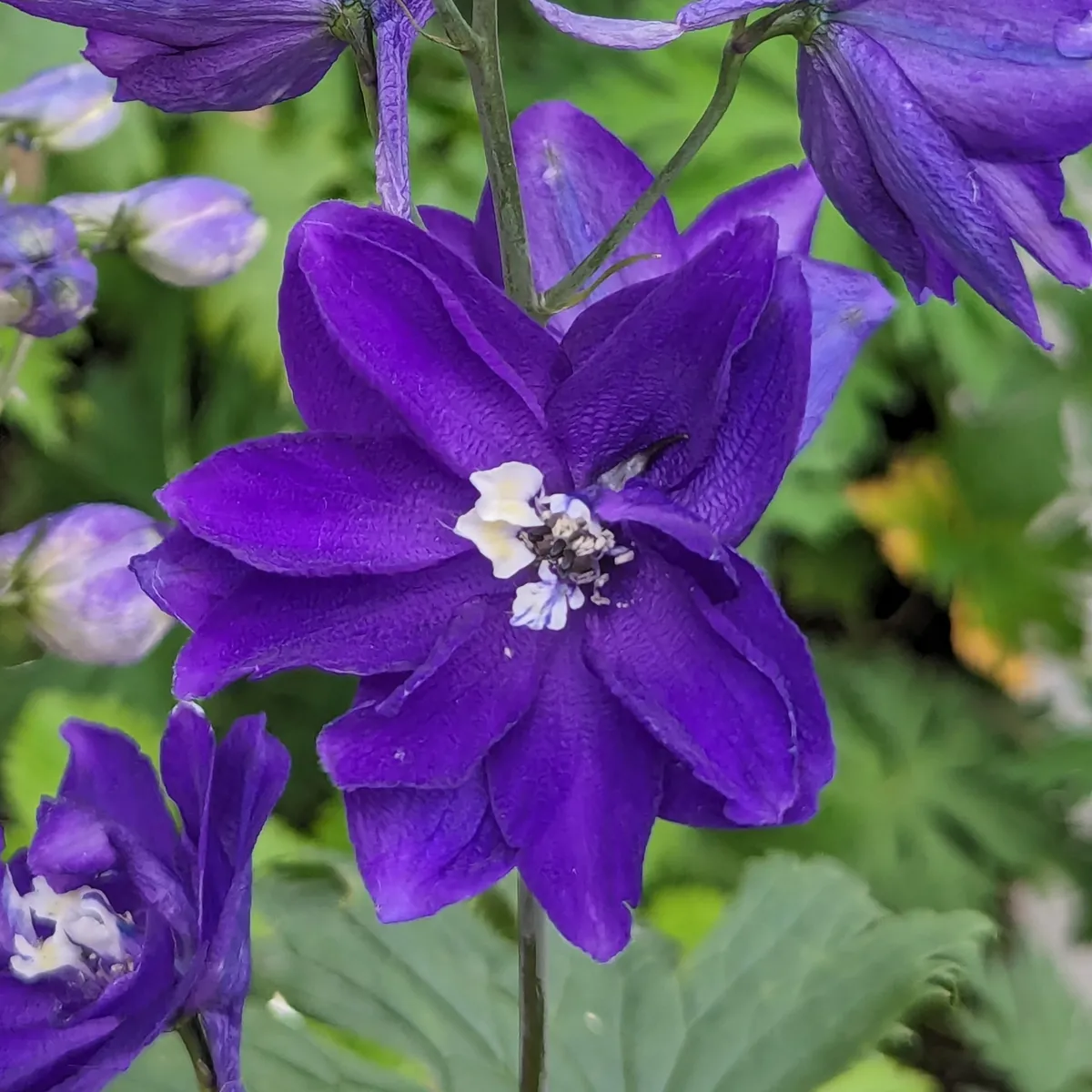
Garden Larkspur 'Magic Fountains-Dark Blue Dark Bee' (Delphinium cultorum) seeds
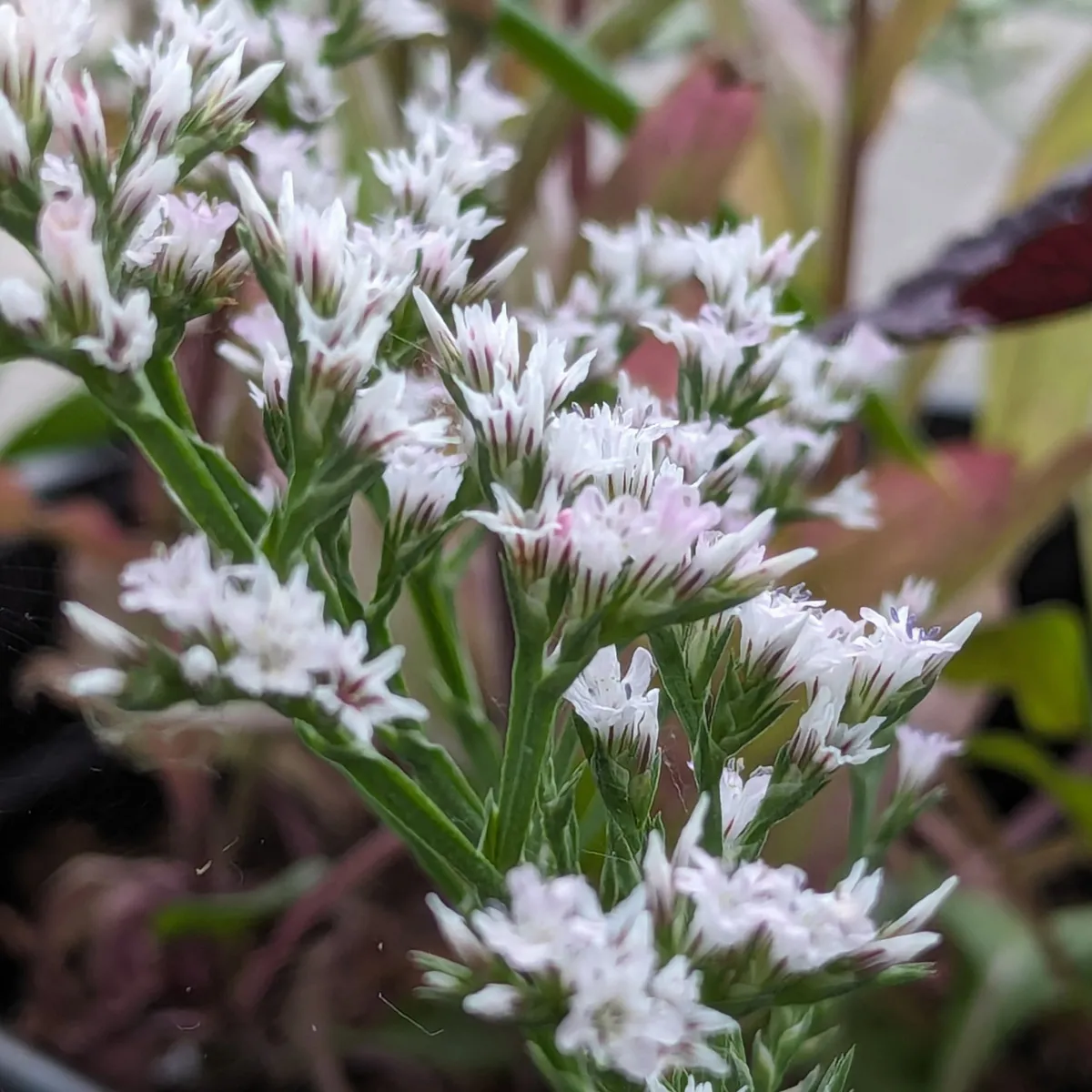
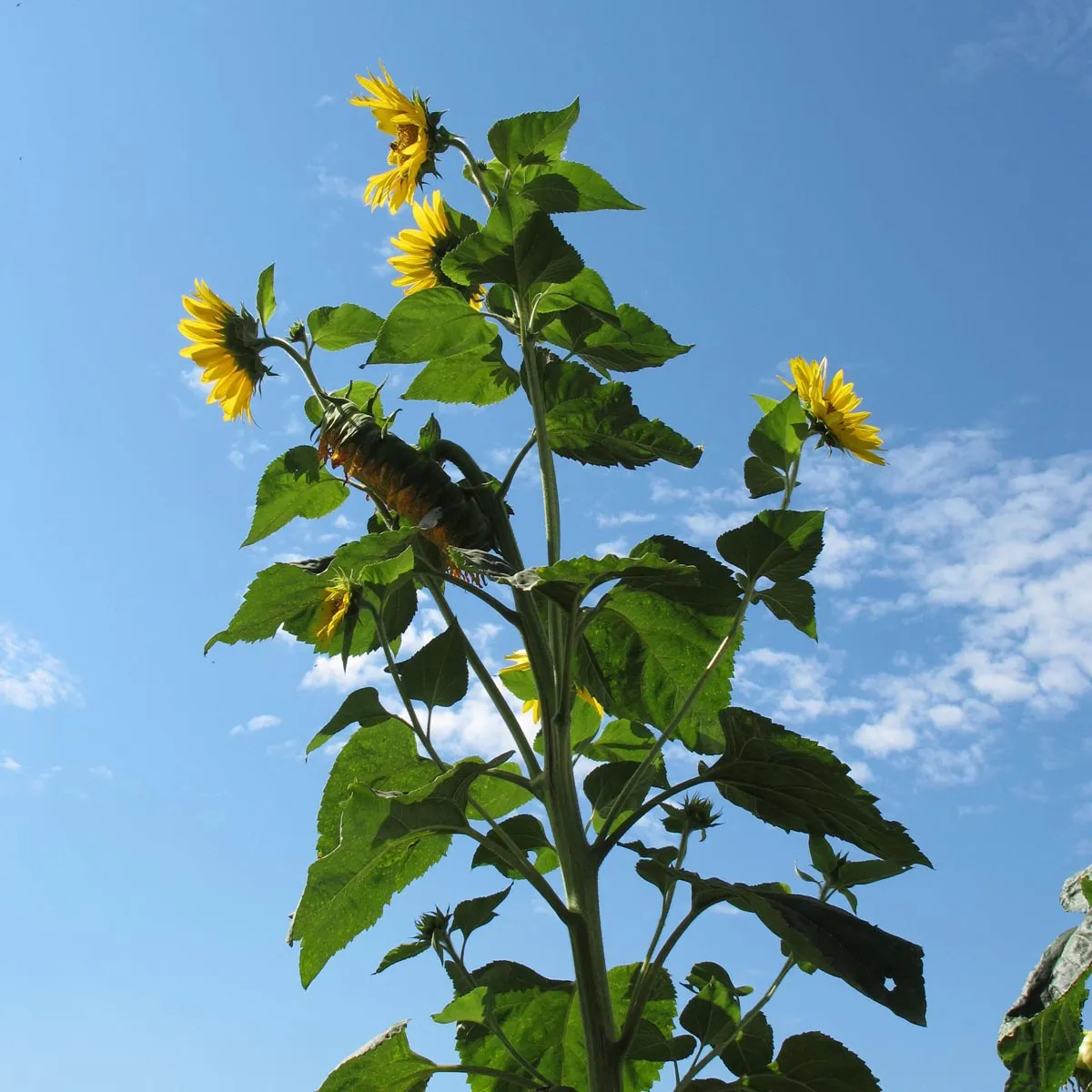
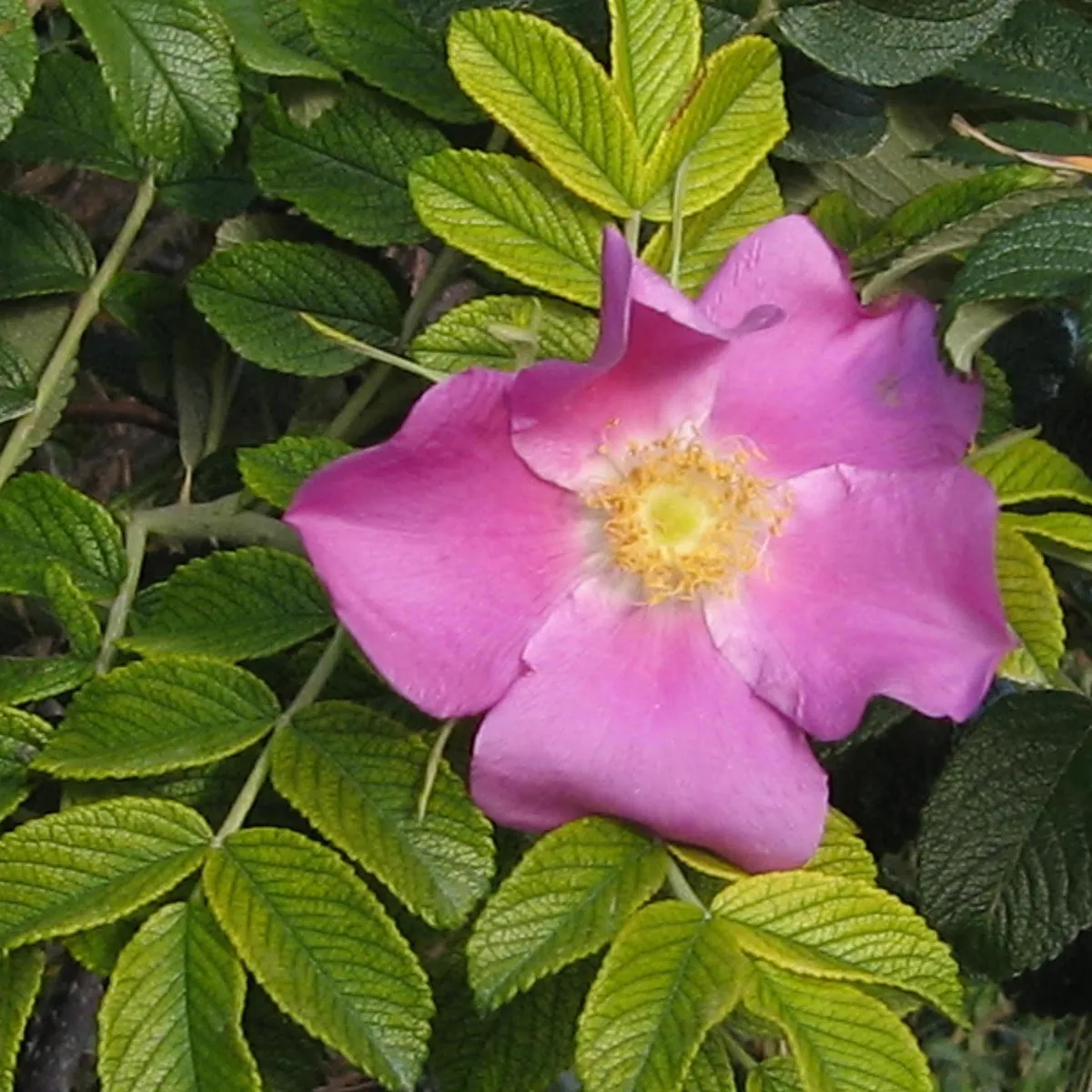
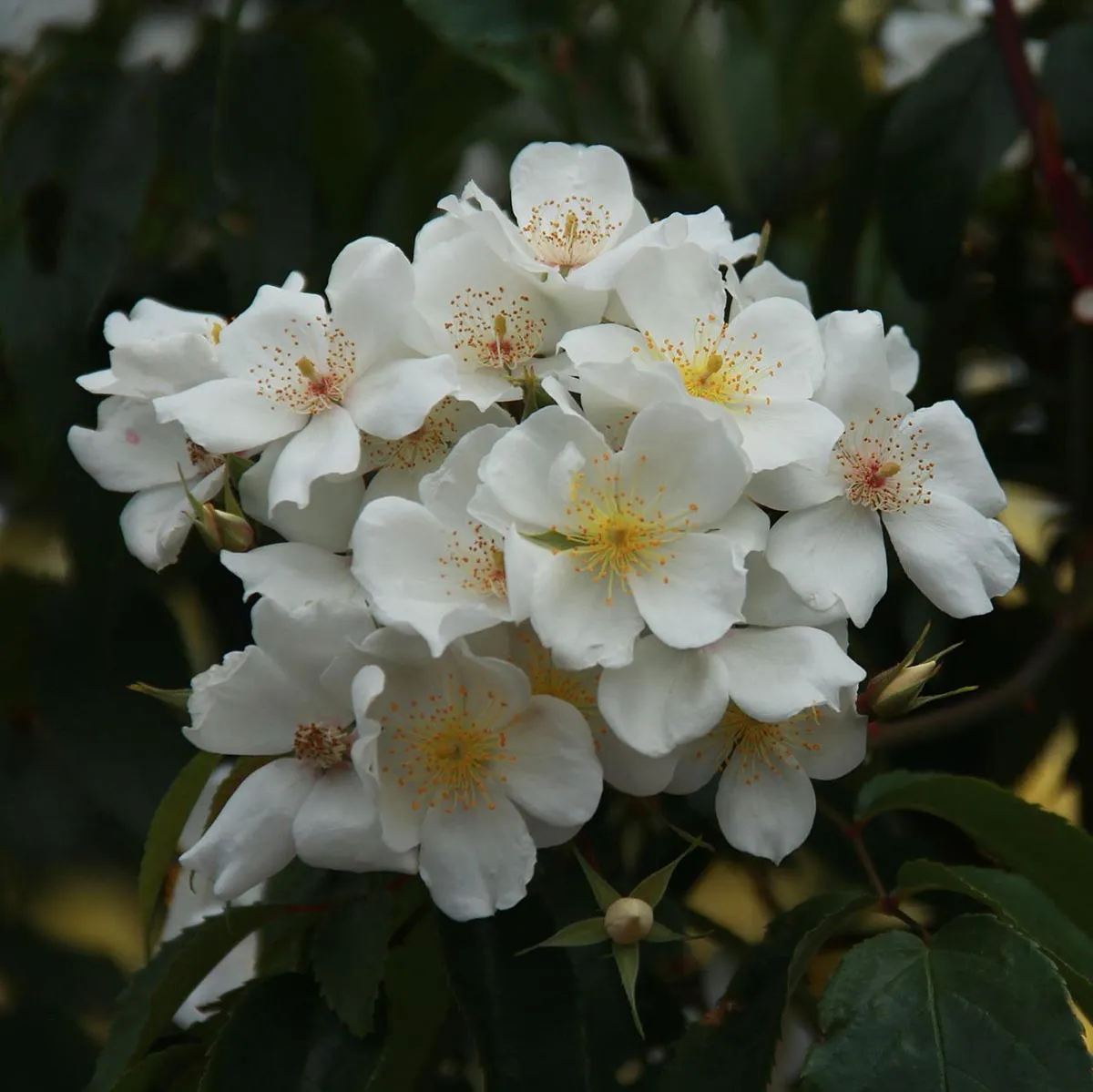
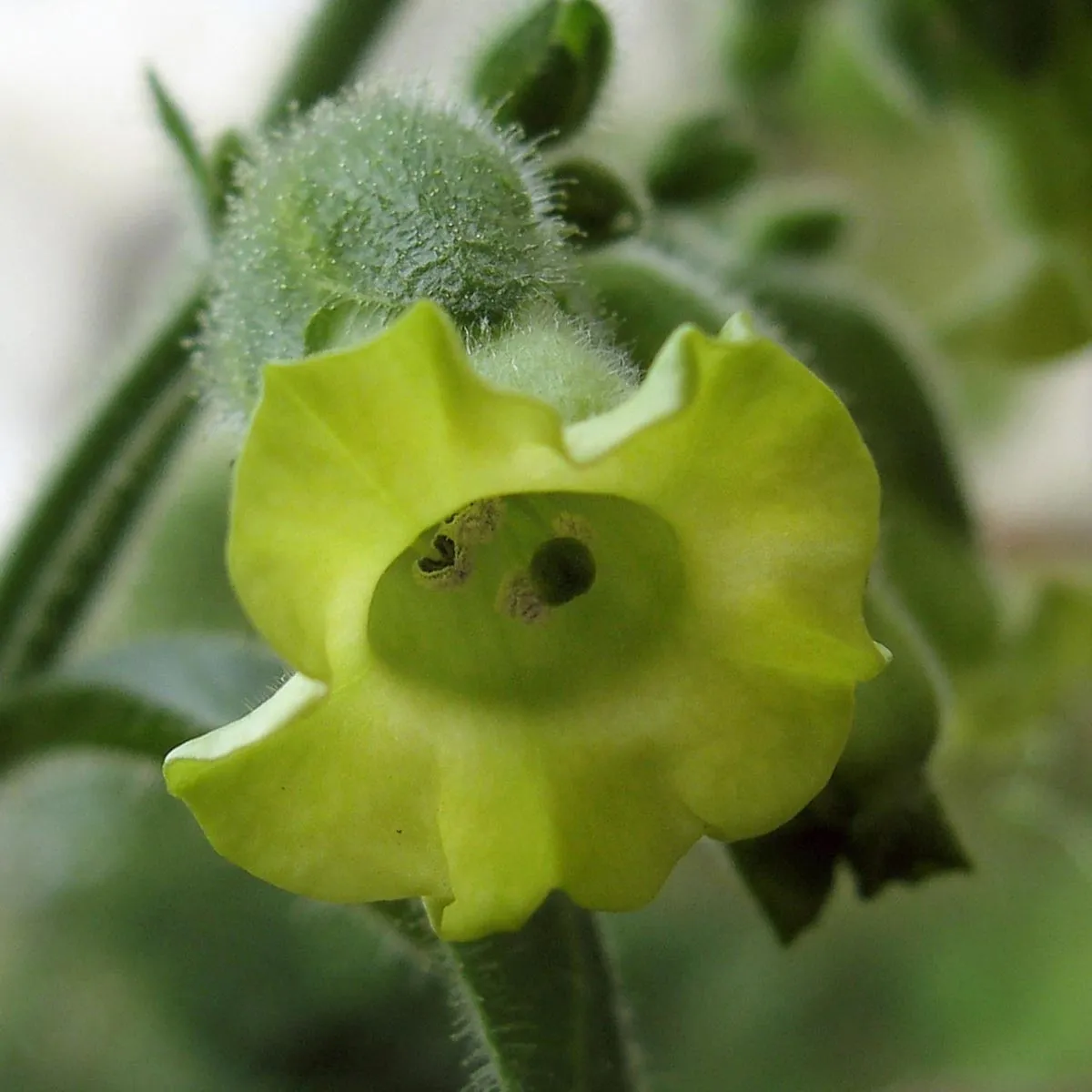
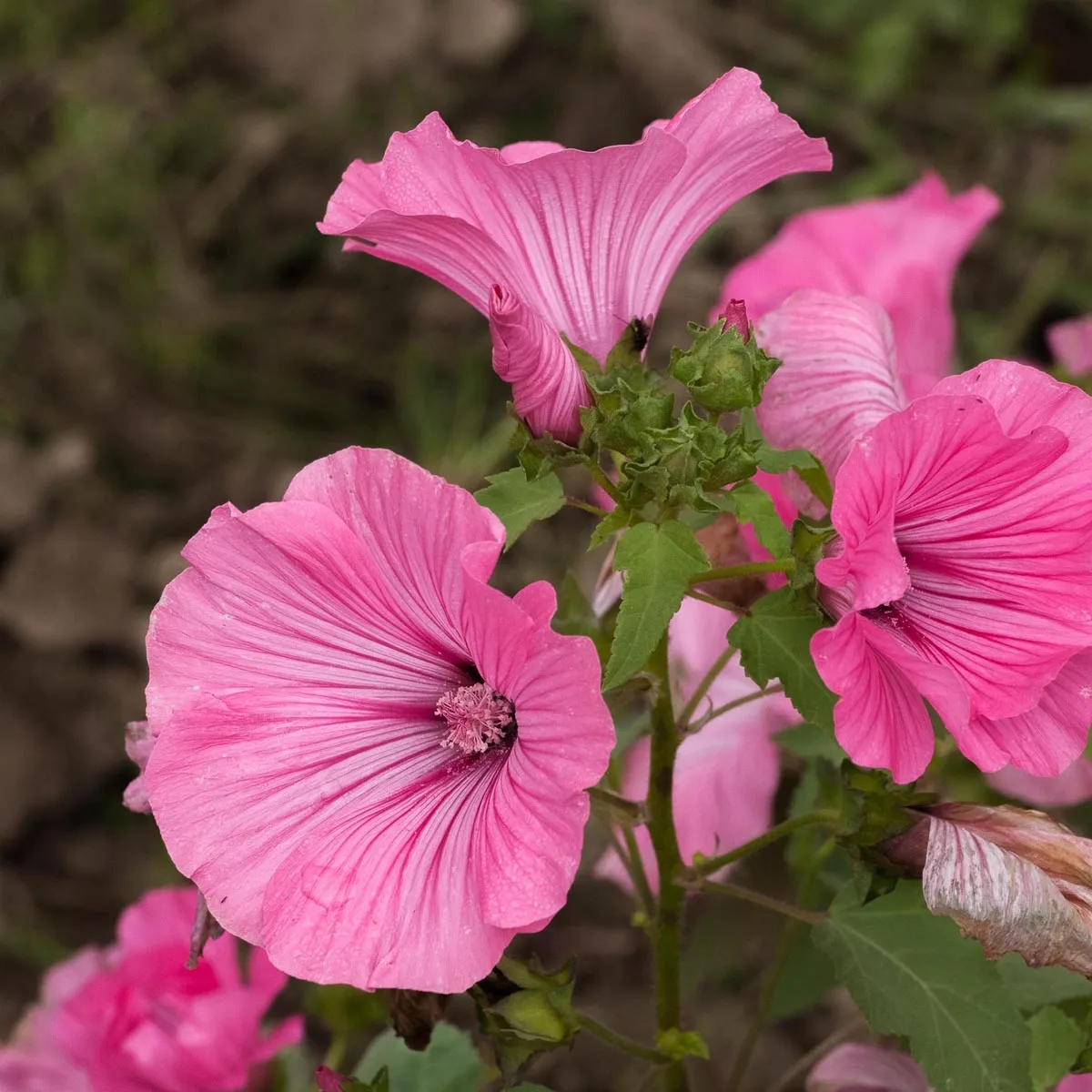
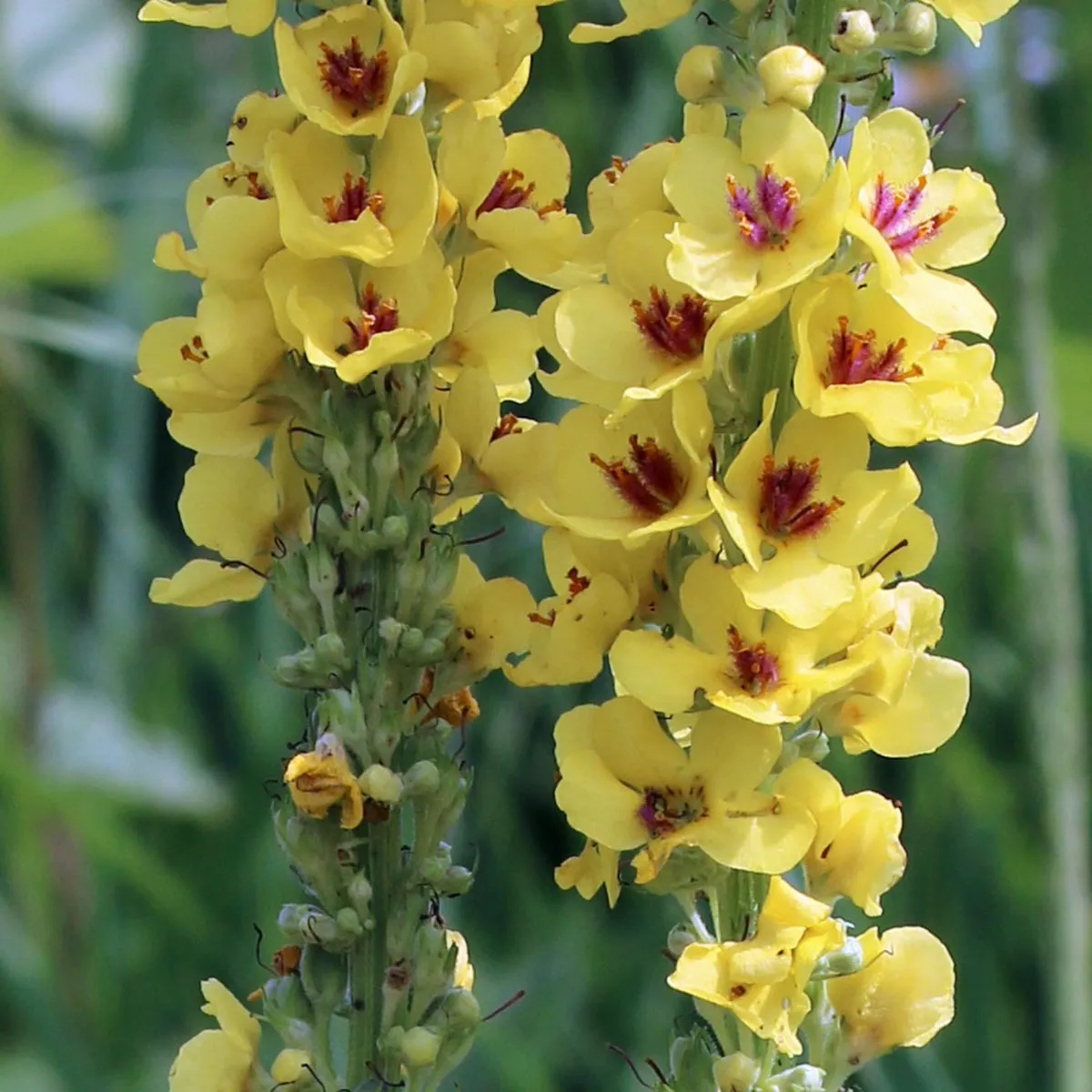
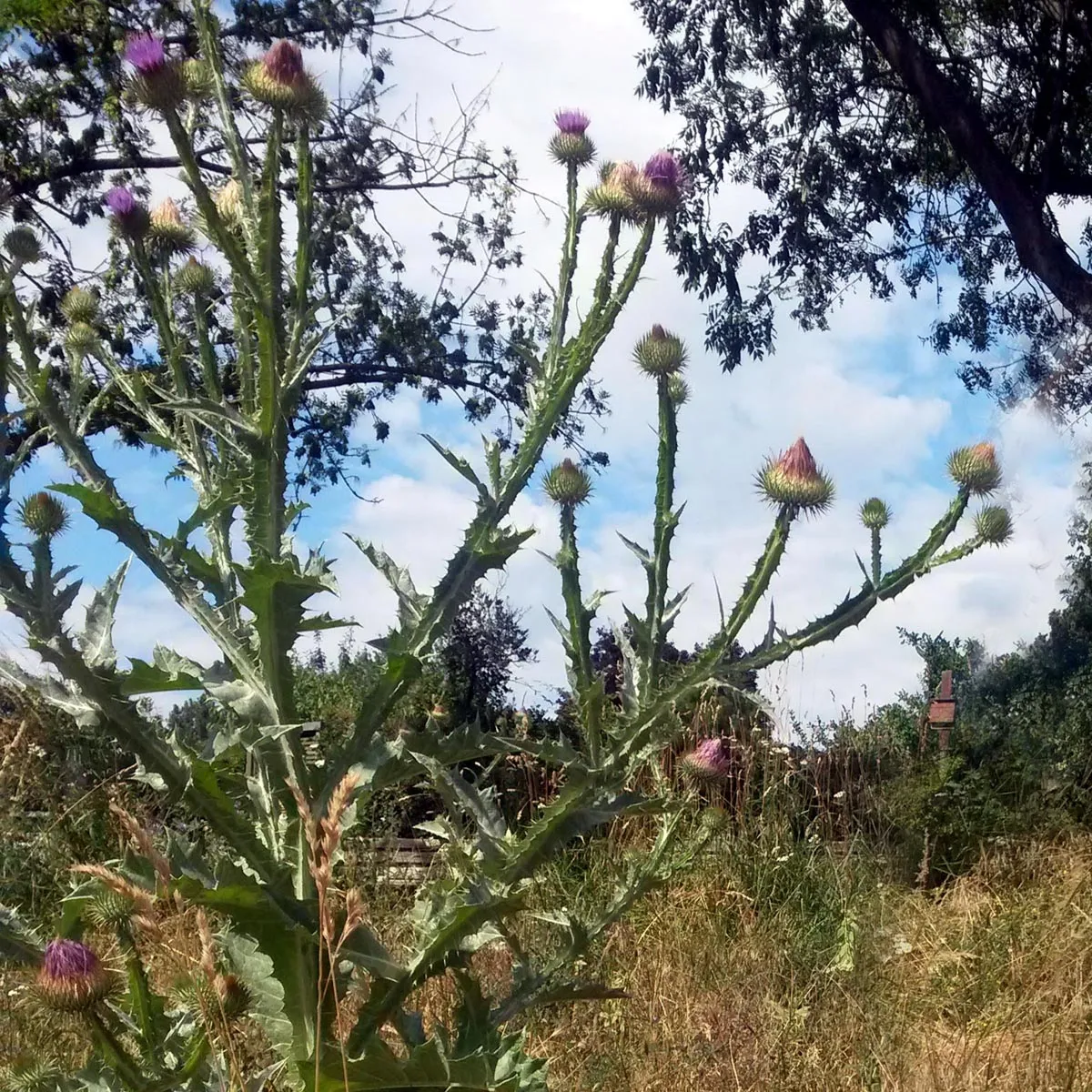

Insect-friendly Flower Mixture (10g suitable for approx. 5 m² area) organic
Content: 0.01 Kilogramme (€499.00 / 1 Kilogramme)
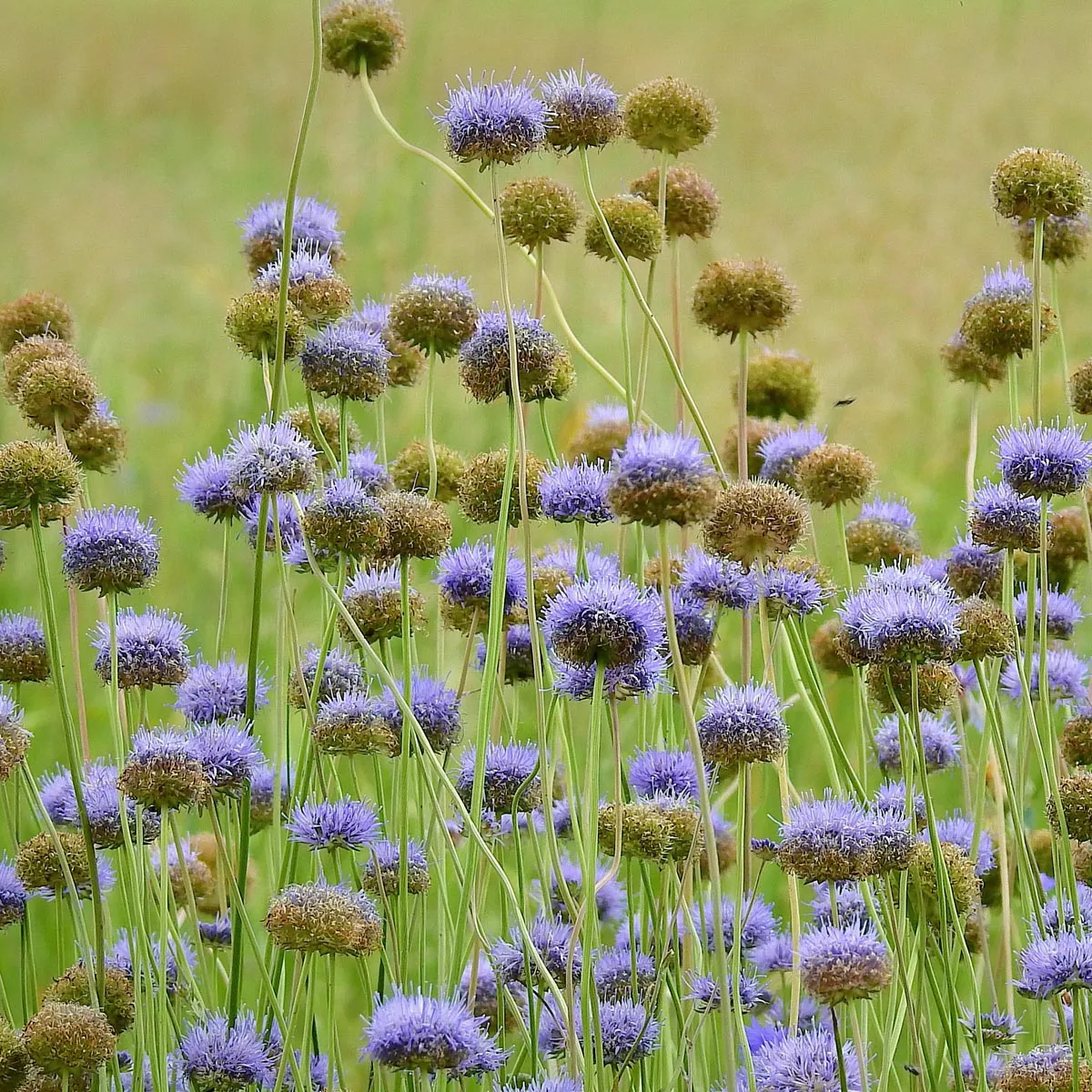
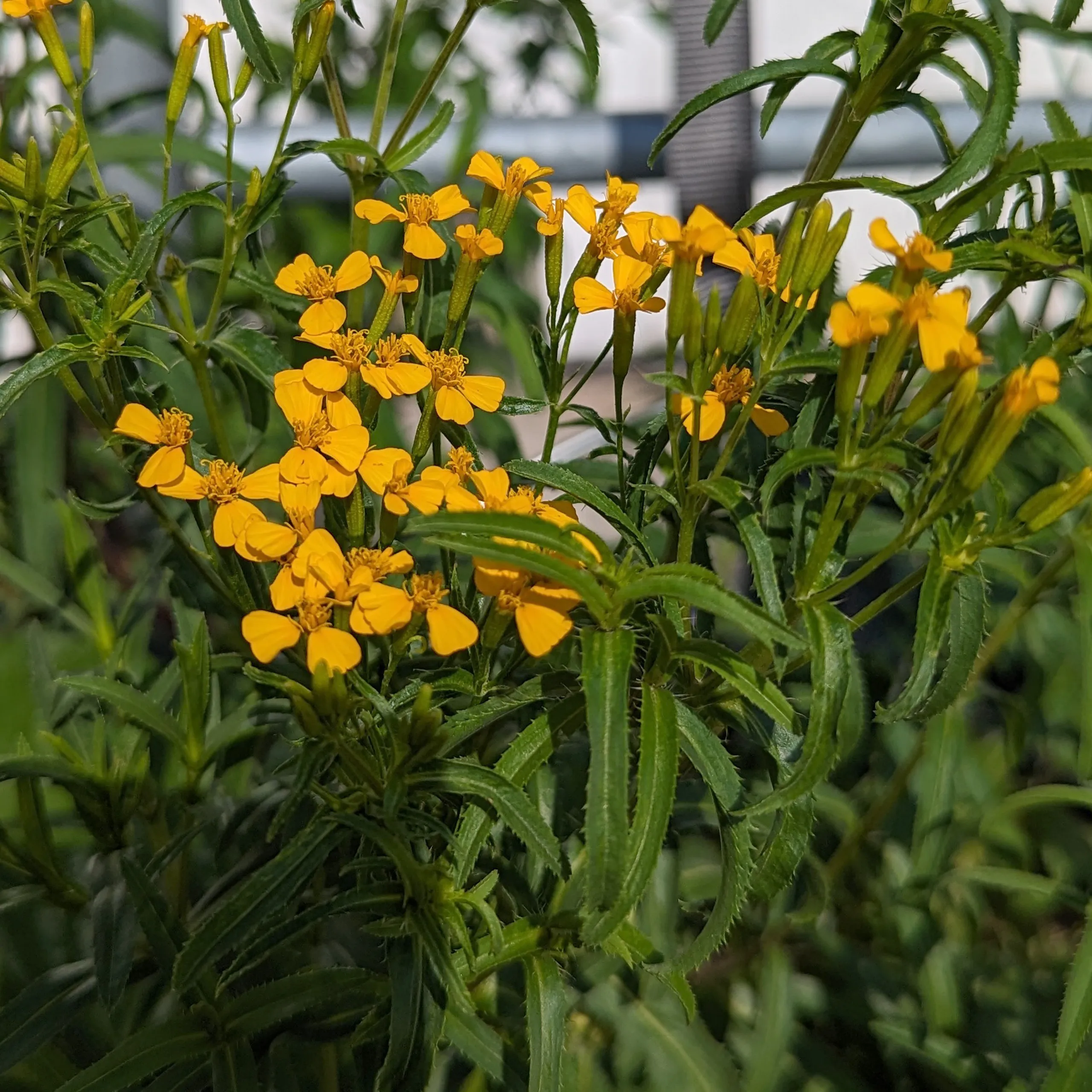
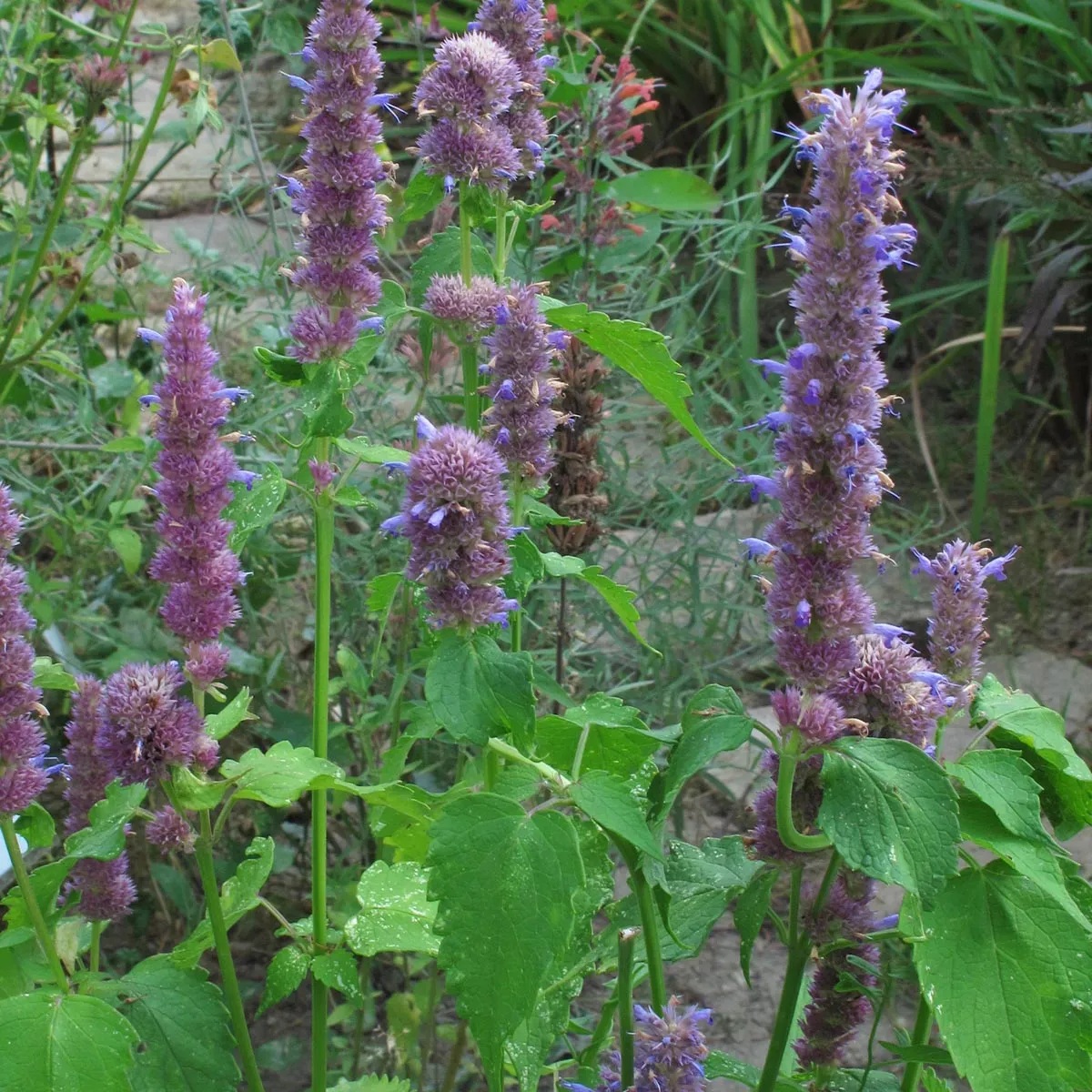
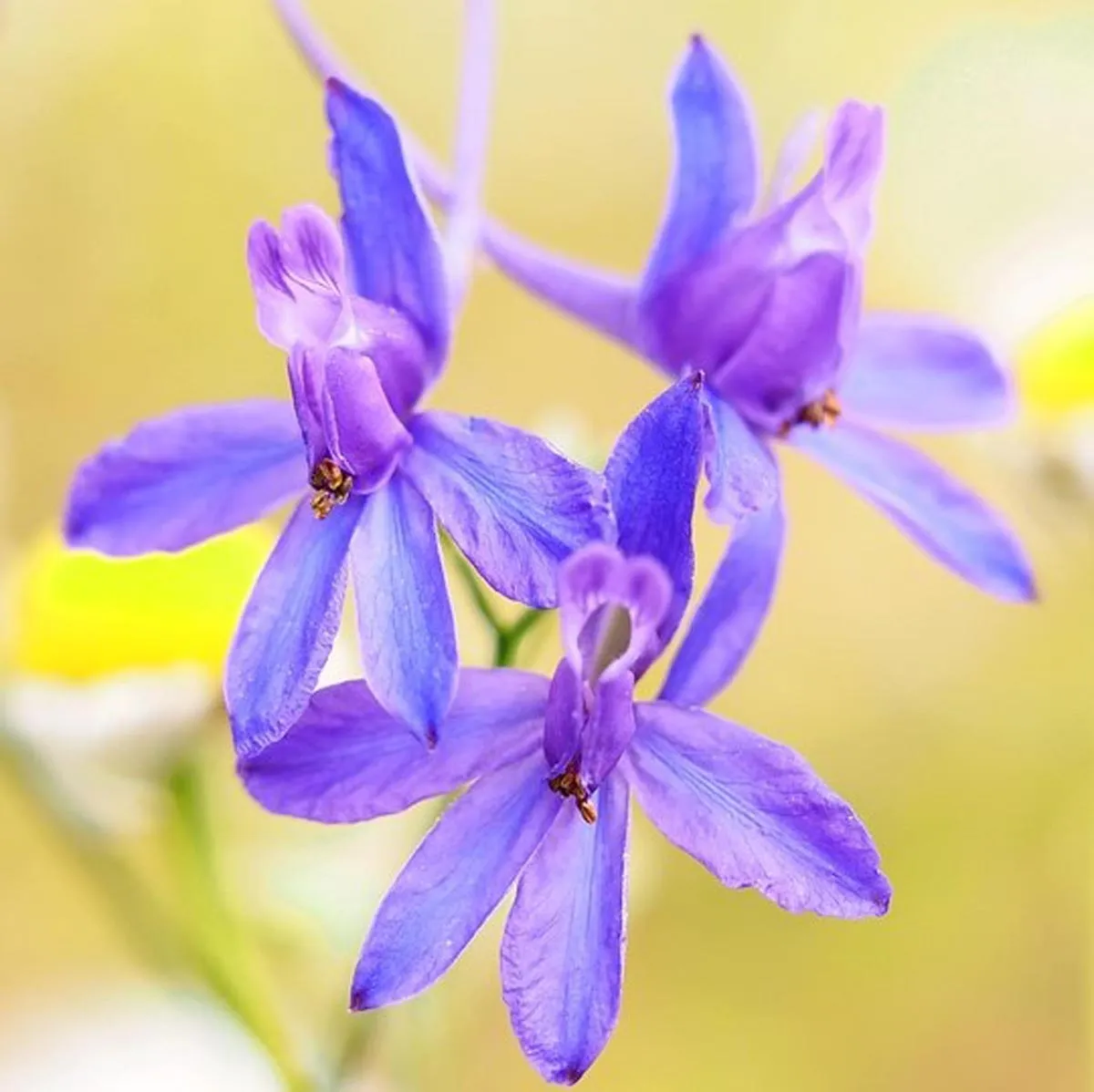
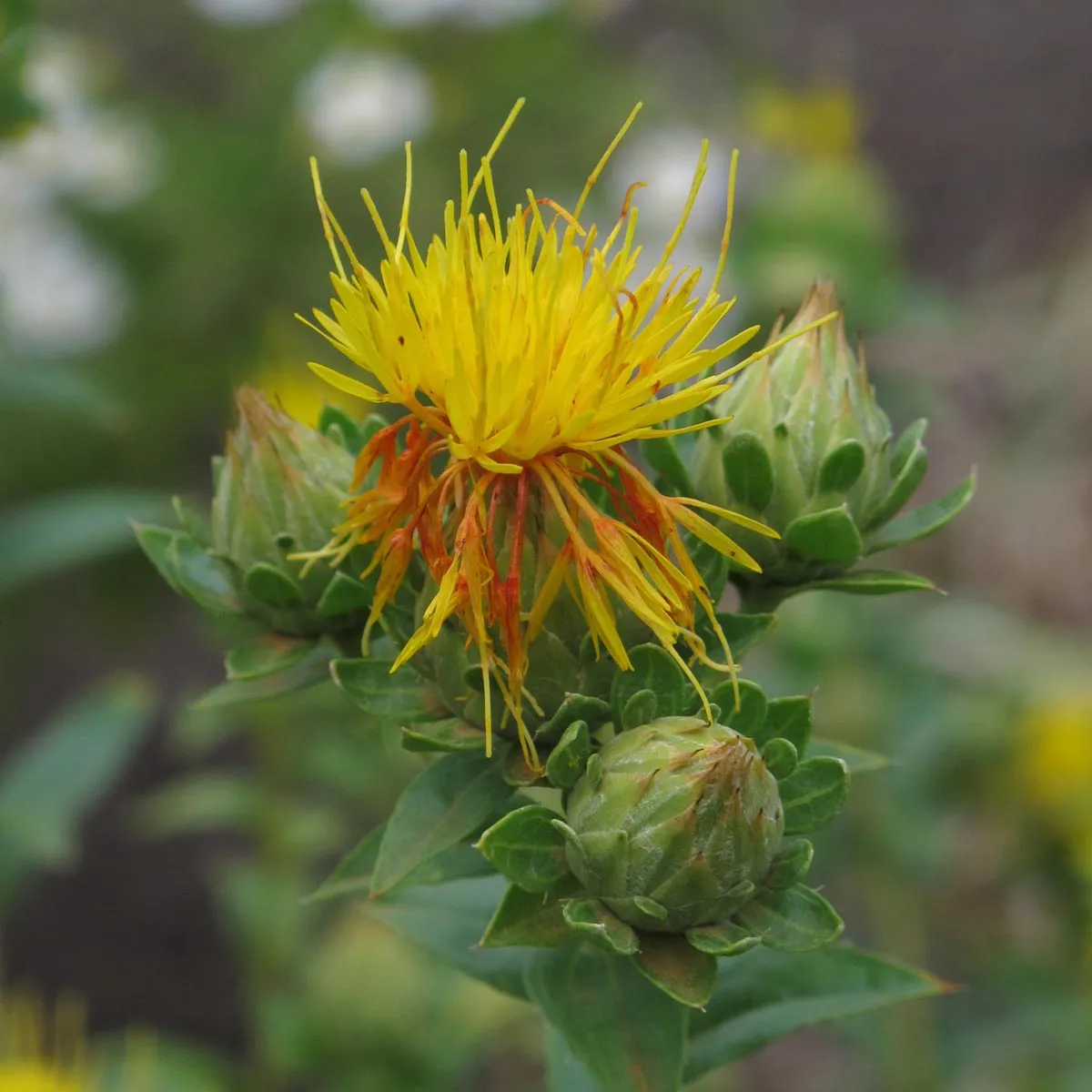
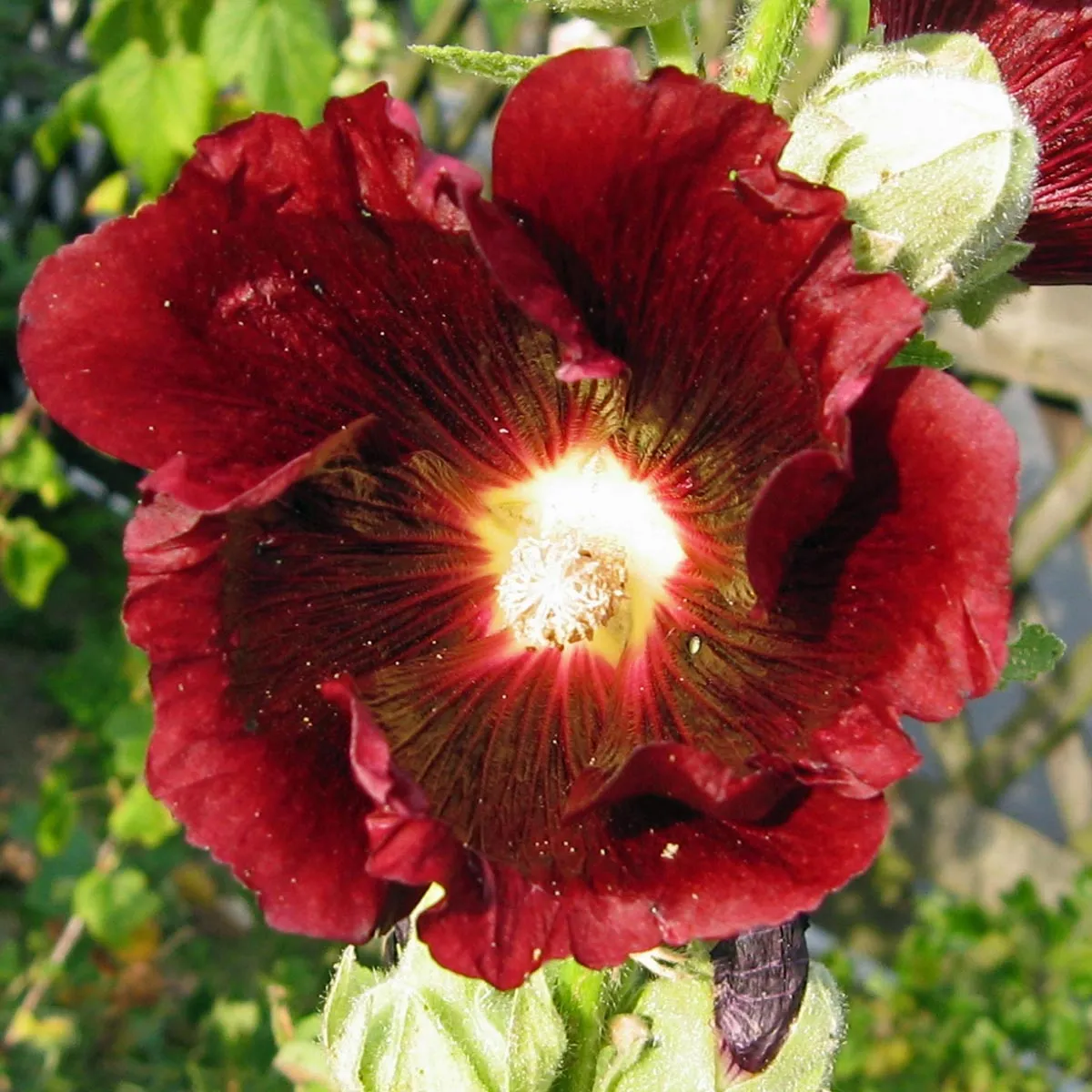
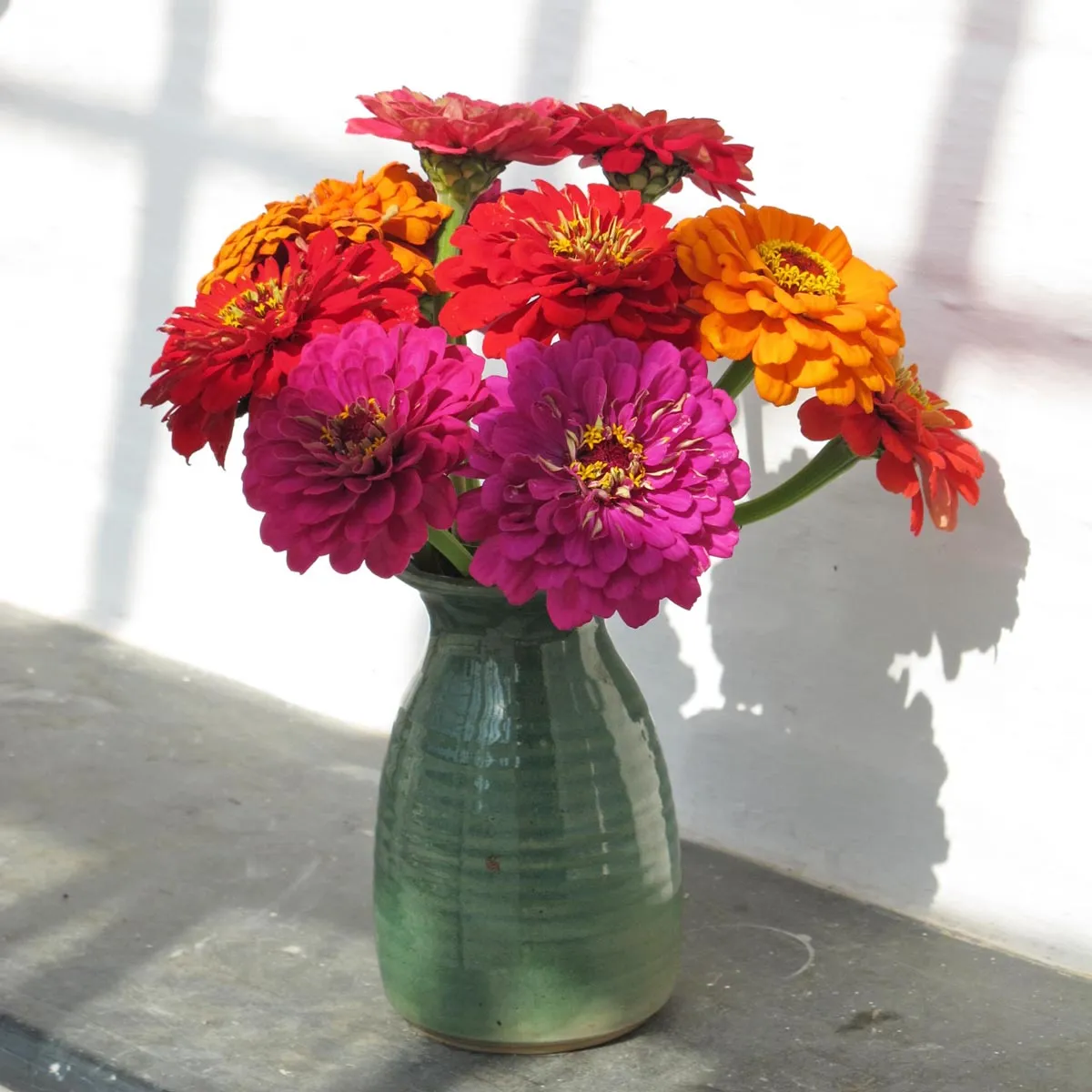
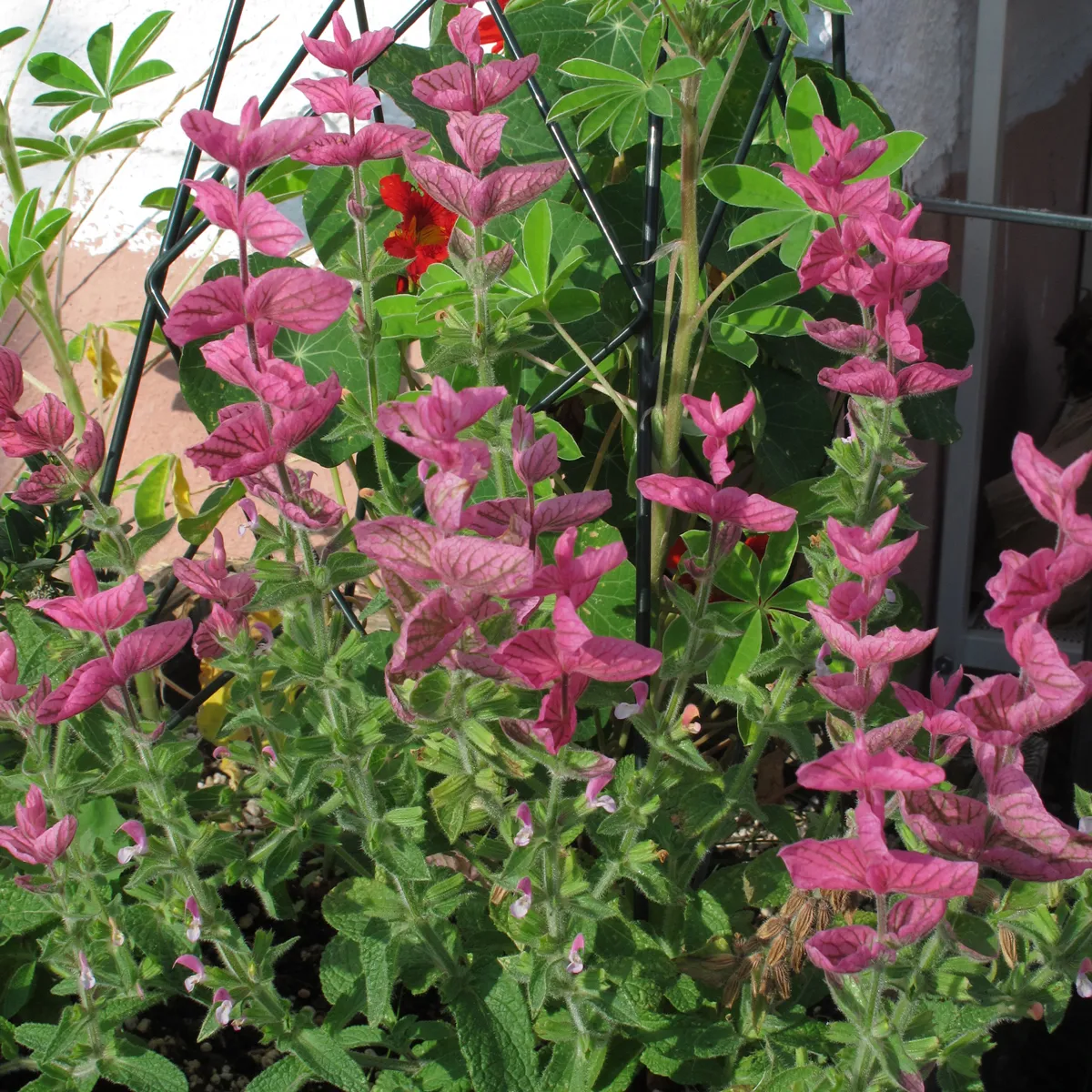
Sowing flower seeds for sunny locations
Many annual summer flowers, such as cornflowers and pot marigolds, can be sown directly outdoors from March to May. Warmth loving, frost sensitive species such as zinnias and cosmos can be started indoors on a windowsill from March or April, or sown directly into flower beds from mid May.
Biennial flowers such as mulleins and hollyhocks are often best sown between May and July. They usually form a rosette of leaves in their first year and flower the following summer. Depending on the species, perennial plants can be sown in spring, late summer or autumn. Some native wildflower perennials need a natural period of cold to trigger germination and are preferably sown in autumn or winter.
Prepare the seedbed carefully by loosening the soil, removing unwanted vegetation and creating a fine, crumbly surface. Seeds that need light to germinate should be sown on the surface and gently pressed down. Always follow the individual requirements of each plant species regarding sowing depth and germination conditions.
In sunny locations, the soil surface can dry out particularly quickly. Keep it evenly moist throughout the germination period and use a watering can with a fine rose. Even sun loving and drought tolerant flowers need sufficient water while young, until they have developed a strong root system.
By combining flowers with different heights, life cycles and flowering periods, you can gradually create a varied flower bed that produces fresh blooms again and again from spring into autumn.
FAQ about flower seeds for sunny locations
What is the difference between a sunny location and a position in full sun?
These terms are not used entirely consistently in horticulture. A sunny location generally receives at least around six hours of direct sunlight per day. A position in full sun receives direct sunlight for most of the day and is often exposed to intense midday sun as well.
Which flowers for sunny locations have particularly long flowering periods?
Native wildflowers with particularly long flowering periods include dyer's chamomile, small scabious, common yarrow and musk mallow. Annual summer flowers such as zinnias, cosmos, pot marigolds and various marigold species can also produce new blooms repeatedly over several months. With good care, some frost sensitive summer flowers continue blooming until the first frost.
How can I create a sunny flower bed that blooms from spring to autumn?
The best approach is to combine plants with different flowering periods. Spring pheasant's eye and pasqueflowers can open the early flowering season, followed by meadow clary, columbines and various pinks. In midsummer, yarrow, wild marjoram, sunflowers and cosmos provide colour. Later flowering species such as sneezeweed, coneflowers and autumn asters extend the flowering season into autumn. When choosing plants, make sure they have similar soil and moisture requirements.
Which hardy perennials are suitable for sunny locations?
A wide range of hardy perennials can be grown from seed. Examples include meadow clary, small scabious, brown knapweed, wild marjoram, musk mallow, purple coneflower and various species of sneezeweed. Most perennial plants reach their full flowering potential only in their second or third year after planting.
Which flowers are suitable for sunny locations with moist soil?
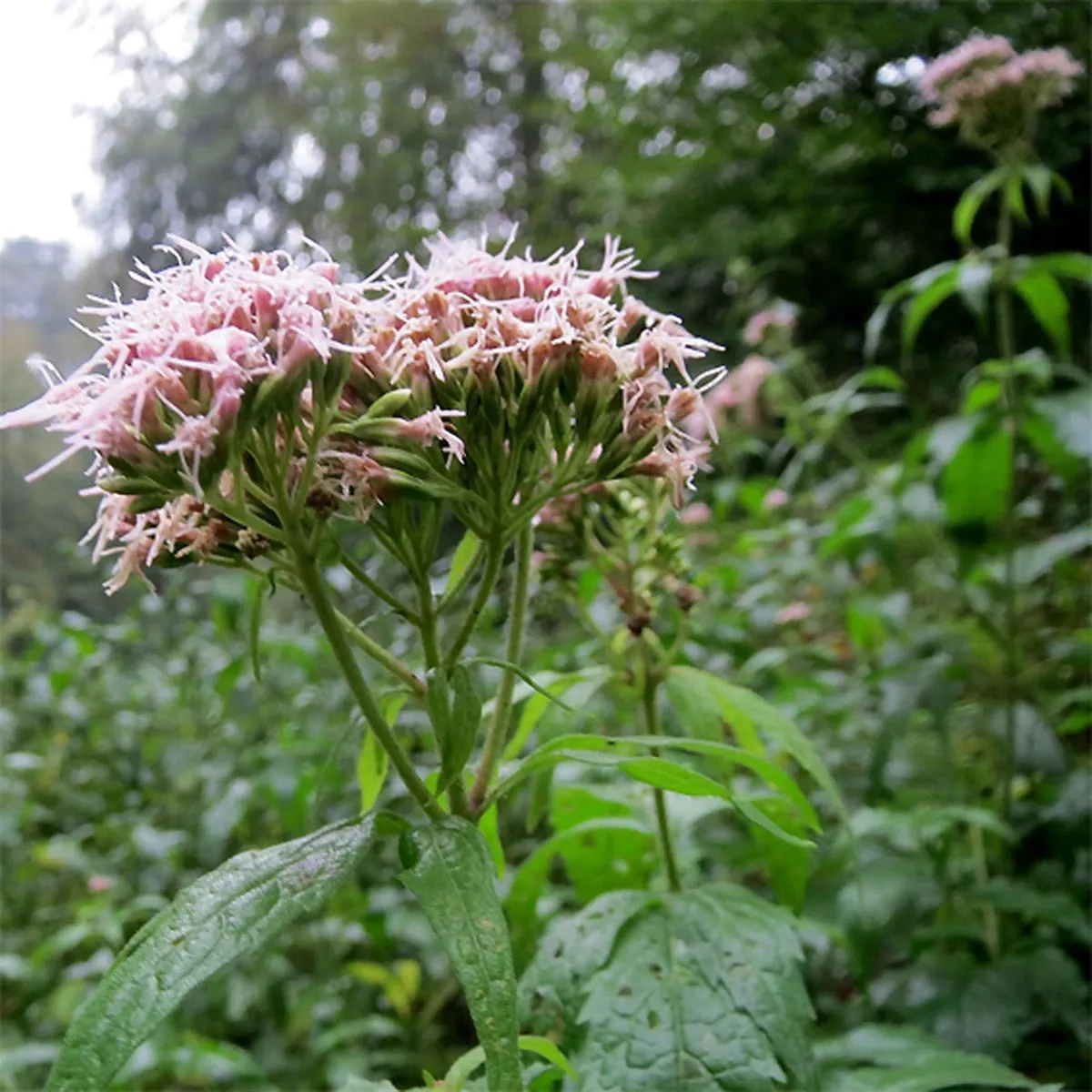
There are also many suitable flowering plants for sunny areas with a good water supply. Purple loosestrife, hemp agrimony, meadowsweet, Siberian iris and various species of sneezeweed thrive in soils that remain moderately to consistently moist. Plants specifically adapted to very dry conditions are generally less suitable for these locations.
Which flower seeds are suitable for a sunny south facing balcony?
Compact zinnias, pot marigolds, nasturtiums, moss roses, French and African marigolds and low growing sunflower varieties are suitable for window boxes and containers. Besides sunlight, the size of the container is important. The smaller the volume of compost, the faster it heats up and the more frequently it needs watering.
Are sun loving flowers automatically heat tolerant?
No. A high light requirement does not necessarily mean that a plant can tolerate extreme temperatures. Plants from cooler mountain regions, in particular, may need plenty of sunlight but still be sensitive to intense heat. Light requirements, heat tolerance and water requirements are separate plant characteristics.
How can I extend the flowering period of summer flowers and perennials?
For many annual summer flowers, regularly removing faded blooms encourages the formation of new buds. Some perennials, such as meadow clary, can flower a second time after being cut back following their first flush. With suitable annual species, successive sowings can also extend the flowering season. If you want to collect your own seeds or provide food for birds in winter, leave some seed heads to mature.
Which sun loving flowers are particularly valuable for insects?
Native wildflowers such as viper's bugloss, meadow clary, dyer's chamomile, wild marjoram, small scabious and various knapweeds provide food for numerous wild bees and butterflies. Many non-native garden flowers with single, easily accessible blooms rich in nectar or pollen can also supplement their food sources. A diverse planting scheme with an almost continuous succession of flowers from early spring into autumn is particularly valuable.
Do flowers for sunny locations need nutrient poor soils?
That depends on the species. Many native wildflower perennials from sunny, nutrient poor grasslands and dry habitats prefer soils with low nutrient levels. Vigorous summer flowers such as sunflowers and zinnias, however, often benefit from a better supply of nutrients. It therefore makes sense to grow plants with similar requirements together in the same flower bed.