
Flower seeds for dry soils - drought tolerant flowers
Dry areas of the garden need not be barren or lacking in flowers. Whether on sandy soils, sunny slopes, beneath trees or in the rain shadow of buildings, many flowers are naturally adapted to growing with limited water.
Our flower seeds for dry soils include native wildflowers, hardy perennials and annual summer flowers that cope well with little water. By choosing plants suited to the conditions, even dry garden areas can become varied, colourful and rich in flowers, while requiring less watering in the long term.
Drought tolerant flowers for sun and shade
Dry soils are not limited to hot, sunny locations. Water shortages can also occur beneath trees and shrubs, where roots absorb moisture from the soil and the canopy intercepts some of the rainfall.
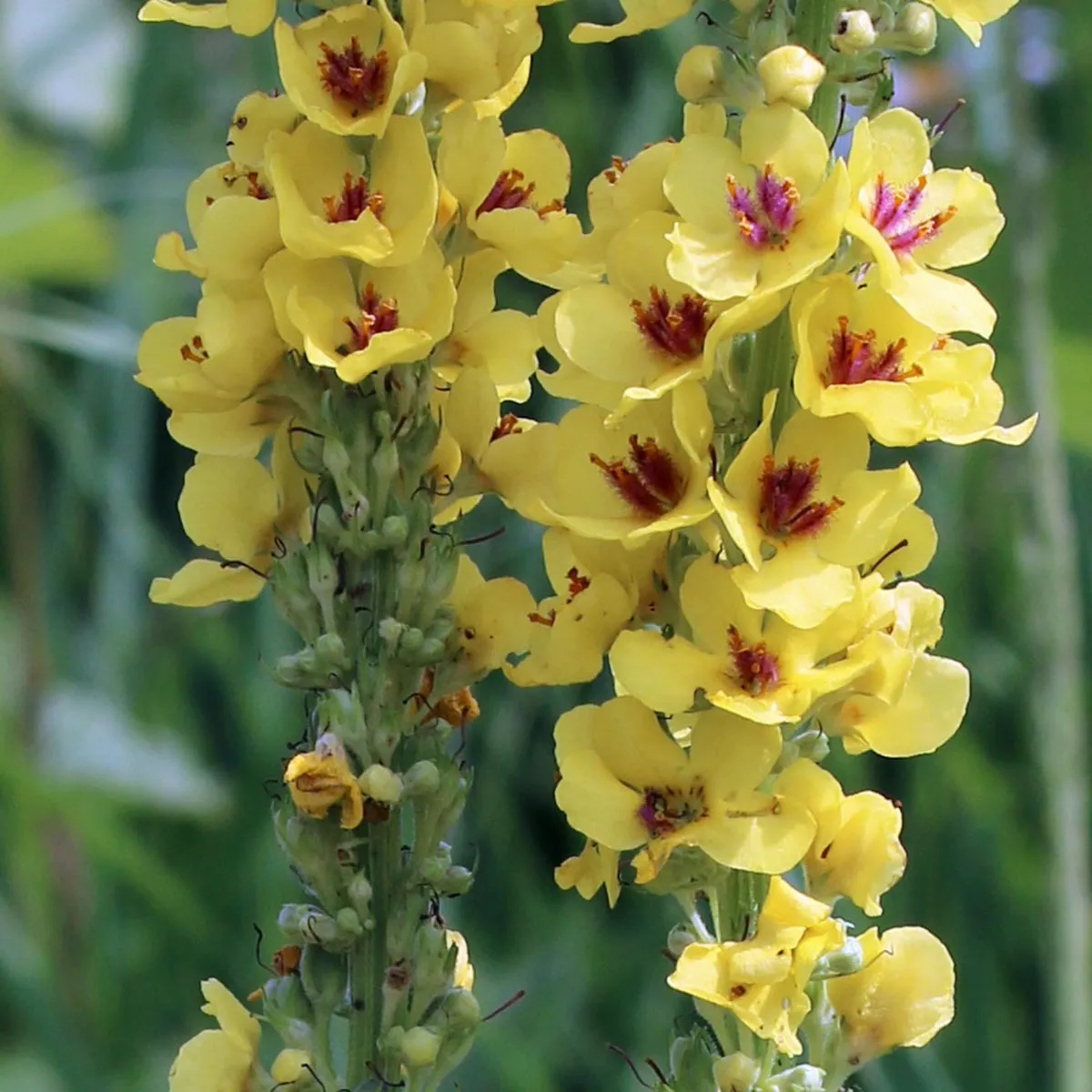
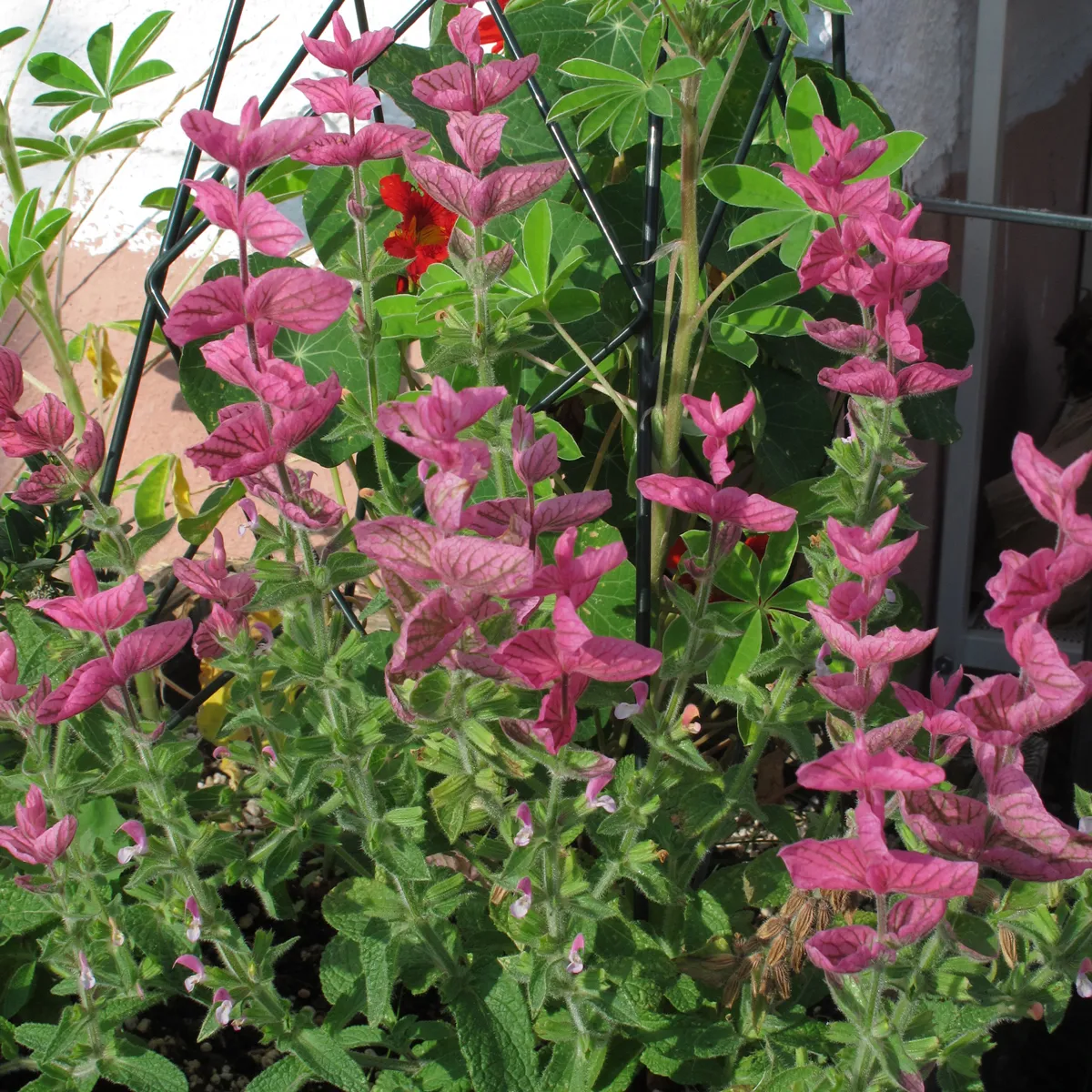
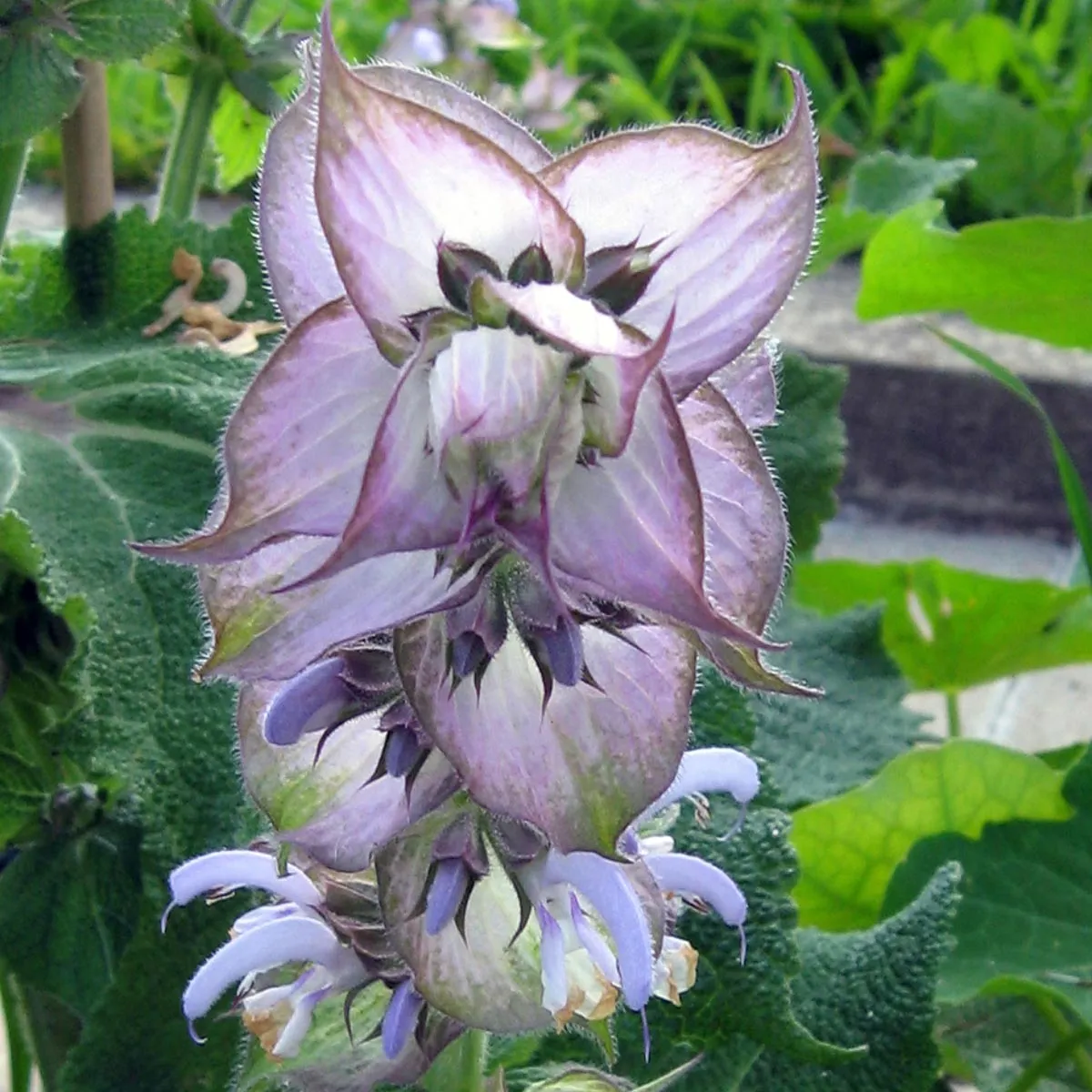
While meadow clary, viper's bugloss, dyer's chamomile and lavender thrive in sunny, dry locations, certain bellflowers, hardy geraniums and stinking hellebore are also suitable for dry areas in partial shade. The combination of light levels and soil moisture is therefore always important.
How plants survive with little water
Plants from dry habitats have developed fascinating strategies for coping with water shortages. Those particularly well adapted to drought are known as xerophytes. Deep roots, small or hairy leaves, protective waxy coatings and water storing plant tissues are among their natural adaptations.
Some annual wildflowers and summer flowers are also exceptionally well adapted to dry habitats. They make use of wetter seasons to grow, flower and produce seeds, surviving unfavourable periods as dormant seeds in the soil.
Flower filled gardens in a changing climate
As heatwaves become more frequent and dry spells last longer, drought tolerant plants are becoming increasingly important in ordinary gardens. Native wildflowers adapted to dry habitats can make a valuable contribution to biodiversity while providing food for numerous insects.
Rather than trying to change dry areas of the garden through constant watering, it is worth using their natural conditions as the starting point for a thriving garden designed to suit its environment.

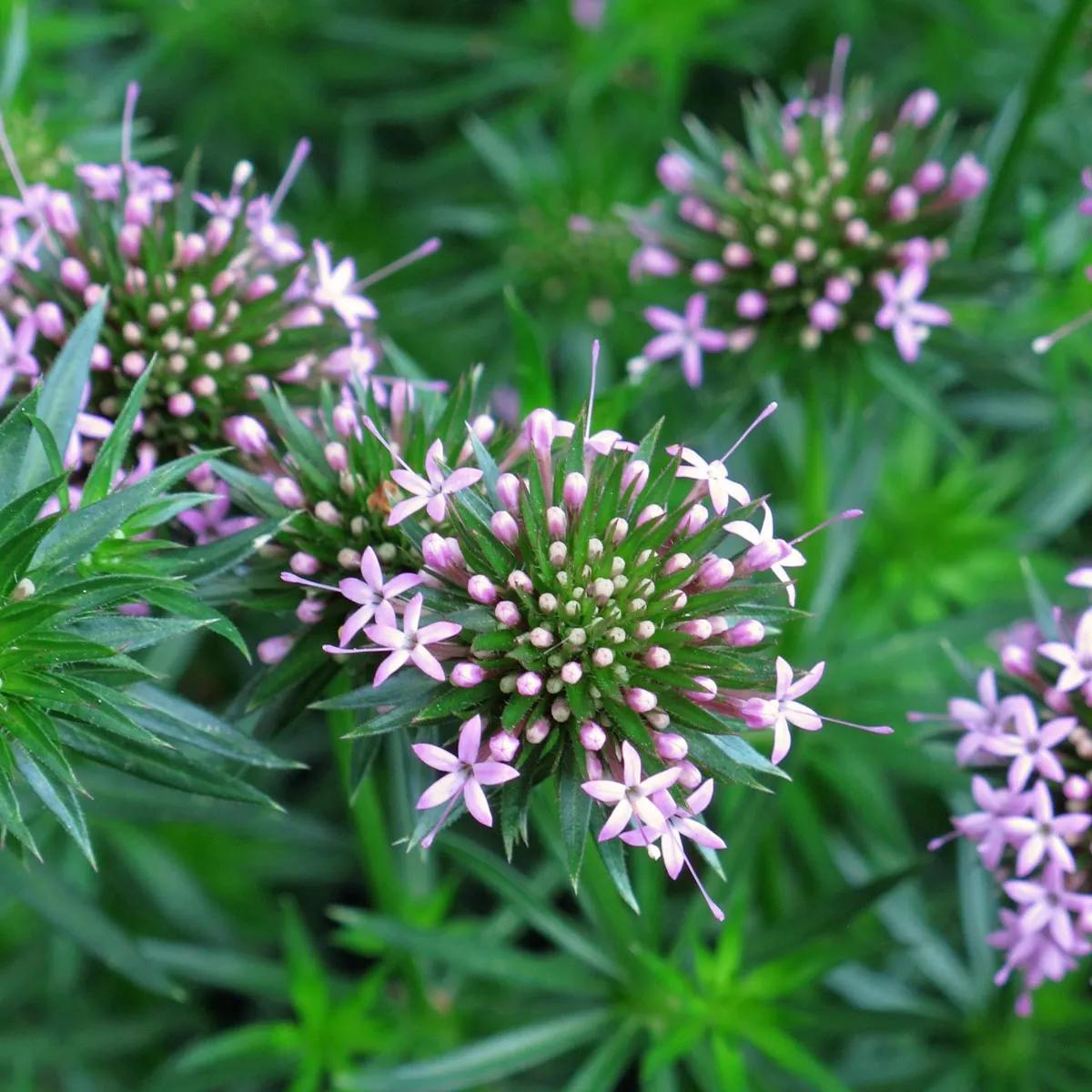
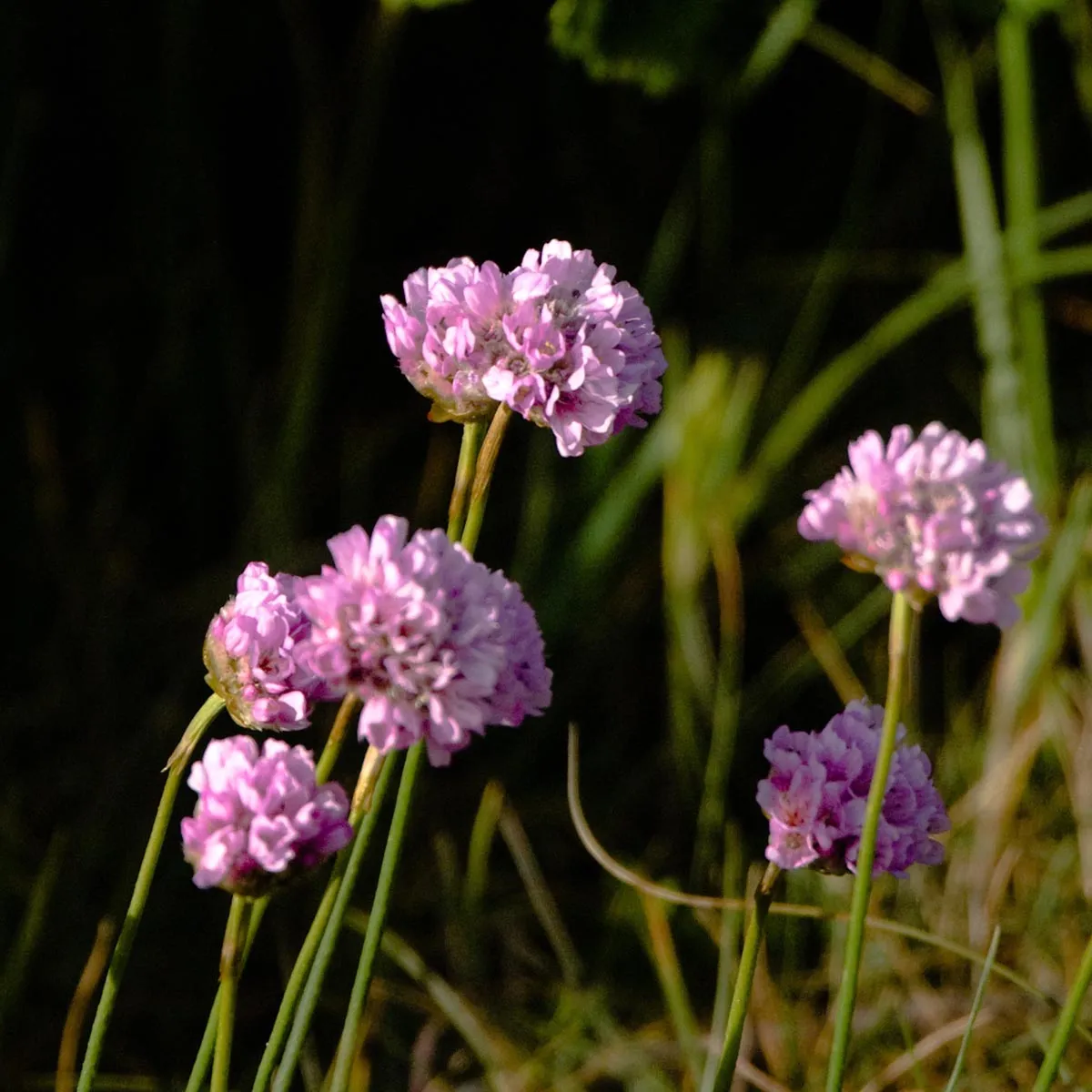
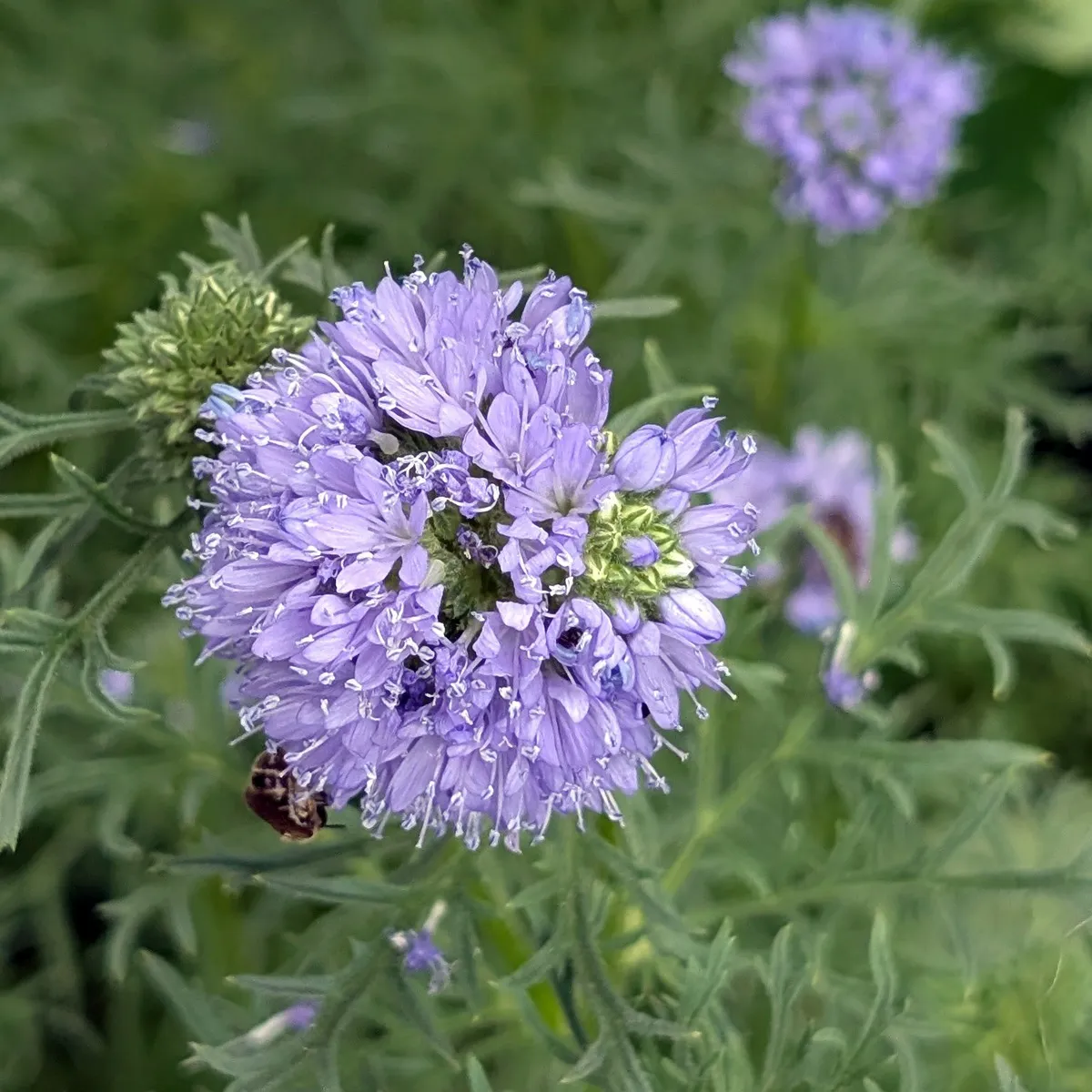
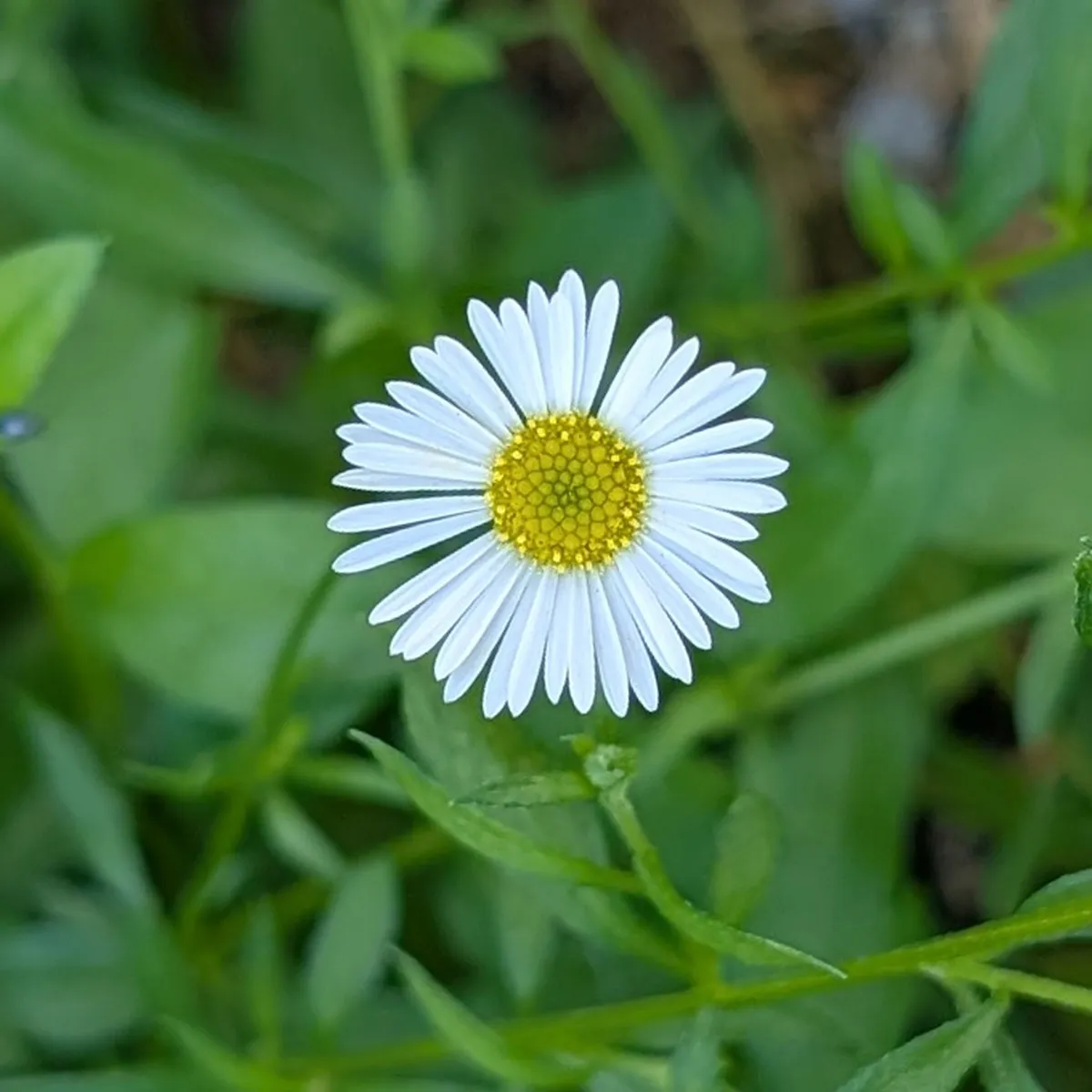
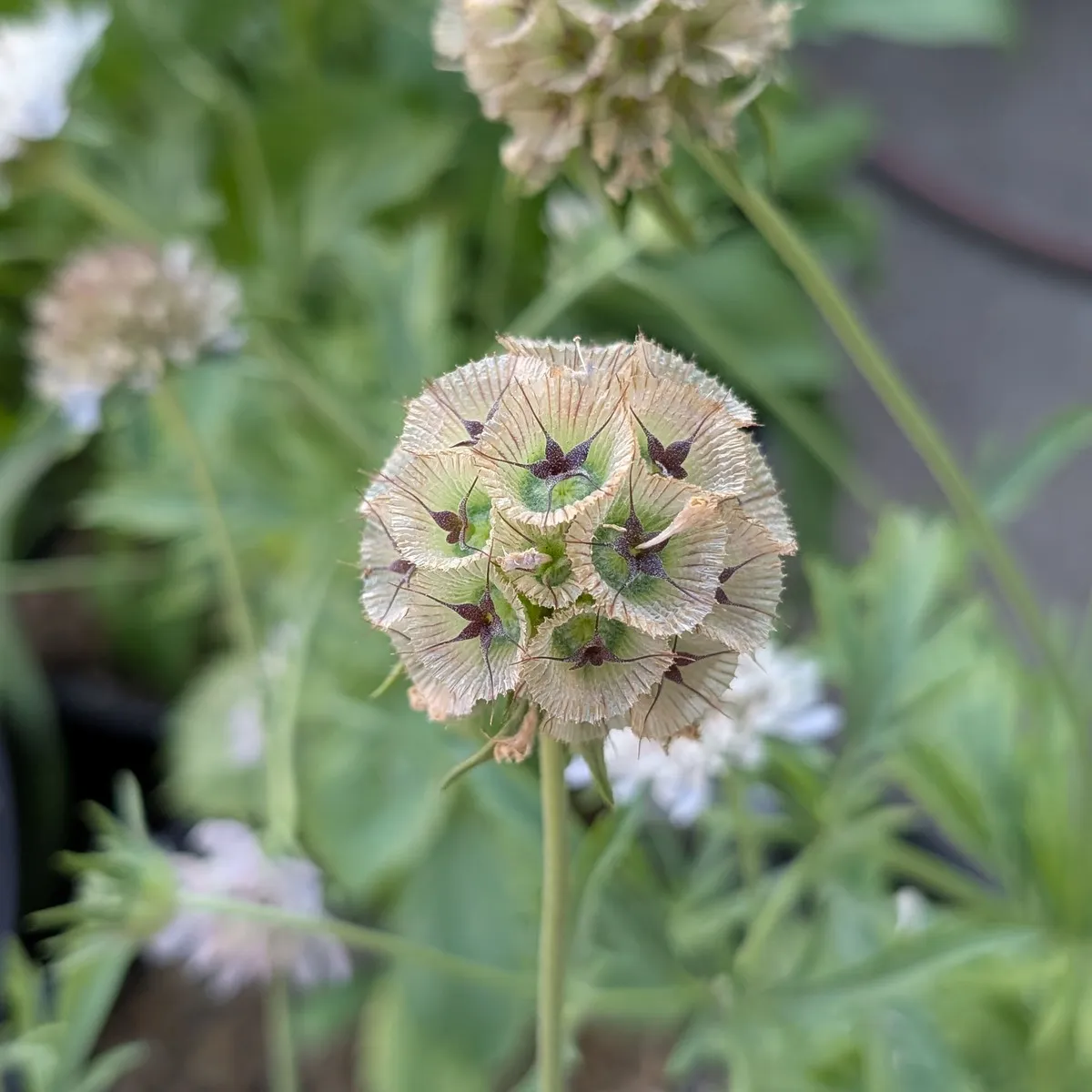
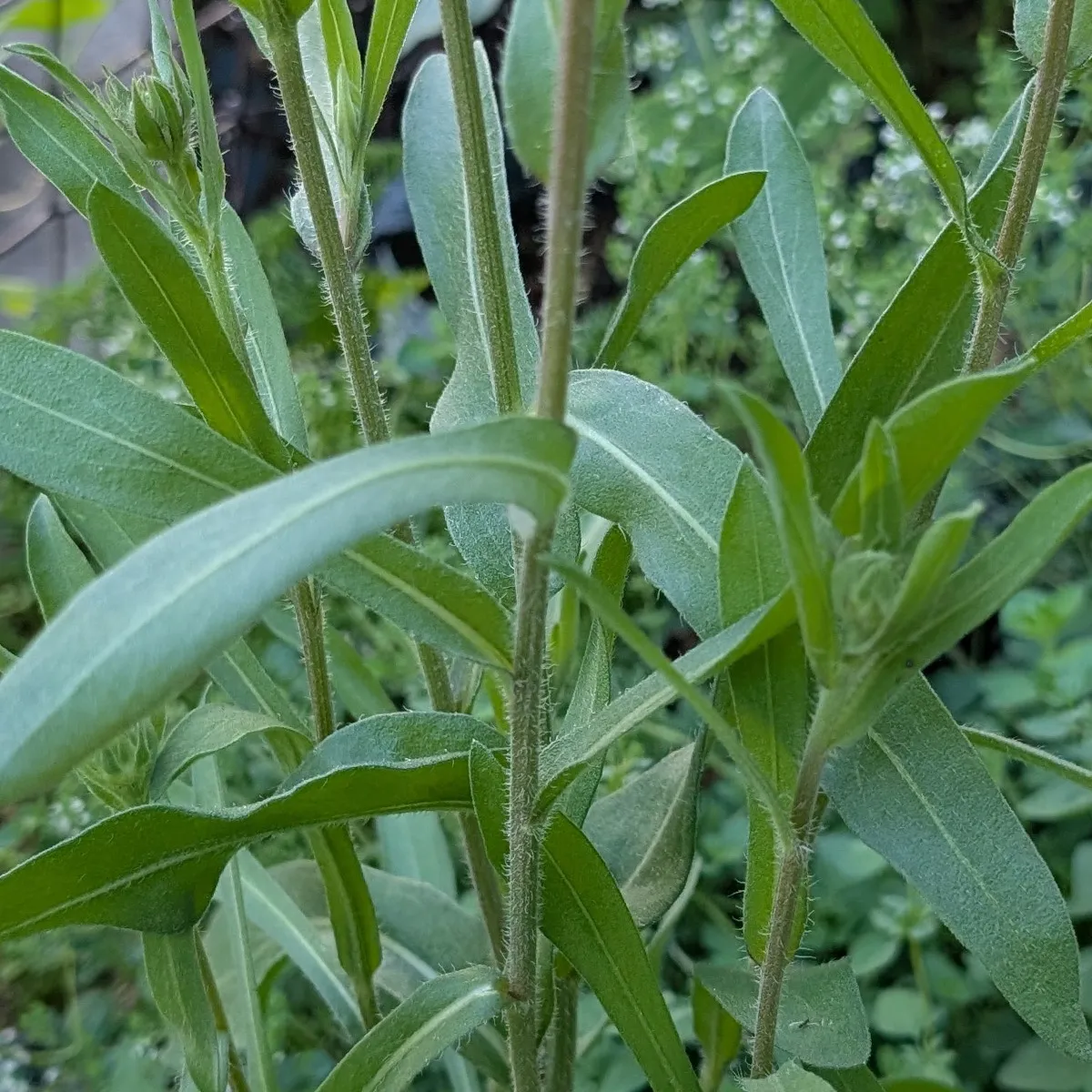
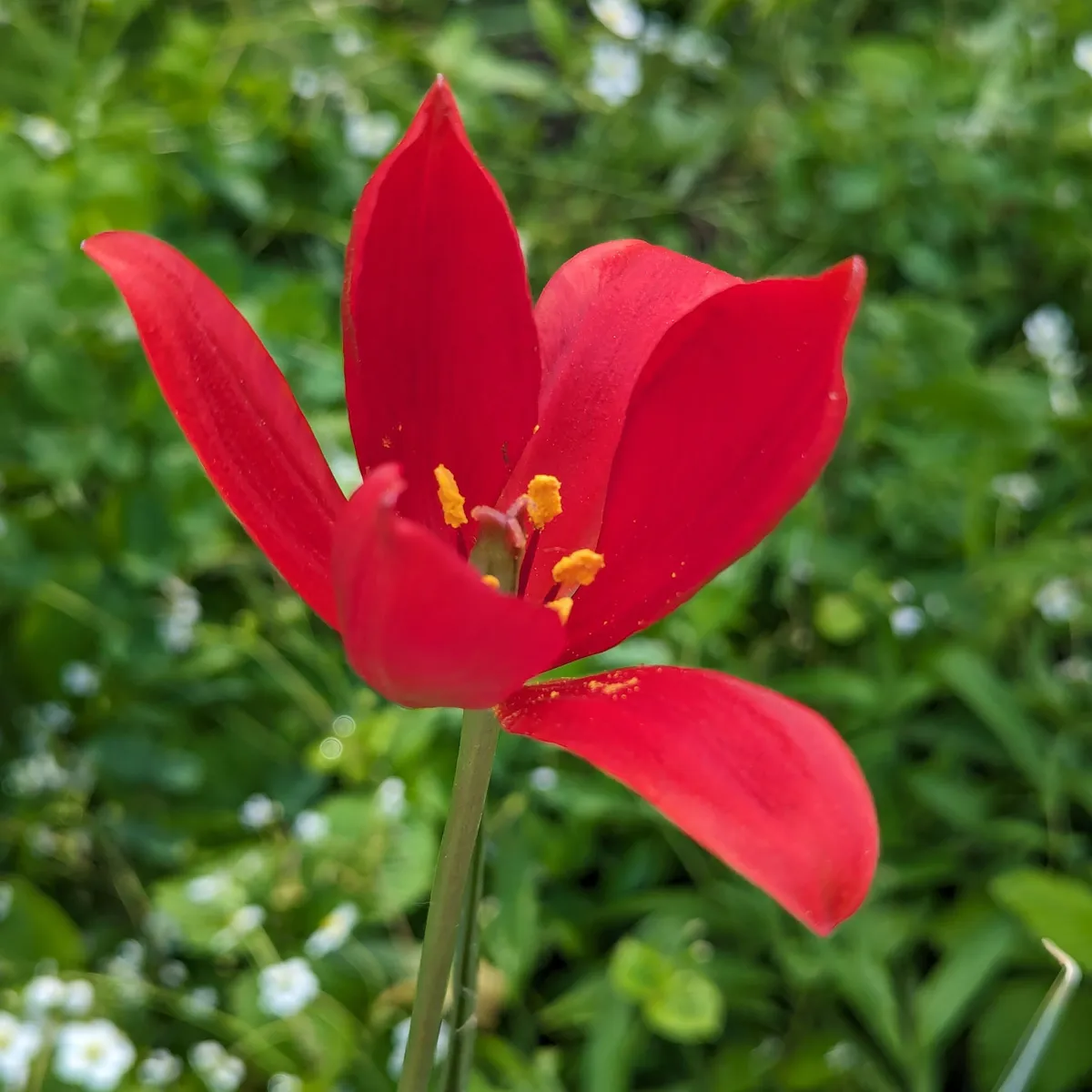
Sowing flower seeds for dry soils
Many drought tolerant flowers can be sown directly outdoors from March to May. For numerous species, seeds can be started indoors as early as February or March. Some native wildflowers and perennials, however, need a period of cold conditions to germinate and are best sown in autumn or winter. Exact sowing times and germination requirements depend on the species.
Before sowing, prepare the soil to a loose, fine tilth and remove as many weeds as possible. Seeds that need light to germinate should be surface sown and gently pressed down. Even plants that thrive in very dry conditions need sufficient moisture during germination. The seedbed or growing medium must therefore not dry out at this stage.
Young plants first need to develop sufficiently strong root systems before they can withstand prolonged dry spells. Appropriate watering is therefore particularly important during their first year. Their natural drought tolerance develops as they mature. Once established, plants generally benefit more from occasional thorough watering than frequent, shallow watering.
FAQ about drought tolerant flowers and dry soils
What is the difference between drought tolerant and drought loving plants?
Drought tolerant plants can survive extended periods with little water, but often also thrive in ordinary garden soils with adequate moisture. Drought loving plants naturally prefer dry conditions and may be sensitive to permanently moist or waterlogged soils.
Which native wildflowers are suitable for dry soils?
Native wildflowers for sunny, dry locations include meadow clary, Carthusian pink, viper's bugloss, small scabious, wild marjoram and greater knapweed. Many of these species also provide valuable food for wild bees, butterflies and other insects.
Which flowers grow in dry, shady areas?
Stinking hellebore, certain violet species and bigroot geranium are suitable for dry shade or partial shade. Peach-leaved bellflower also tolerates drier conditions in dappled shade. Beneath trees and shrubs, competition from roots should also be considered.
Are sandy soils always dry?
Sandy soils generally retain less water than clay or humus-rich soils and therefore tend to dry out more quickly. However, humus content, rainfall and the depth of the water table also play a role. Not every sandy soil is necessarily dry.
Can drought tolerant flowers also grow in clay soil?
Yes, provided the species can cope with the soil structure. Many drought tolerant plants also thrive in deep clay or loamy soils. However, heavy, compacted soils that occasionally become waterlogged are less suitable for specialists of dry, rocky habitats.
Are drought tolerant flowers automatically heat tolerant?
No. Drought tolerance describes a plant's ability to cope with water shortages, while heat tolerance refers to its resistance to high temperatures. Some plants tolerate dry soils very well but still prefer cooler or partially shaded locations.
Is mulching beneficial for drought tolerant plants?
Mulch can reduce evaporation and help prevent the soil from drying out. Many sun loving perennials and plants of dry, mineral soils benefit from a covering of gravel, grit or lava chippings. In dry shade beneath trees and shrubs, a loose layer of leaf mulch is often the more natural choice.
Do flowers for dry soils need fertiliser?
That depends on the species. Many wildflowers and perennials from dry habitats are adapted to nutrient poor soils and need little additional feeding. Excess nutrients can encourage soft, weak growth that is less able to support itself. However, dry soils are not necessarily low in nutrients.
Are drought tolerant flowers also suitable for balconies and patios?
Many compact, drought tolerant species grow very well in pots, containers and window boxes. However, the limited volume of compost in containers dries out much faster than natural garden soil. Even undemanding plants therefore need more frequent watering when grown in pots.