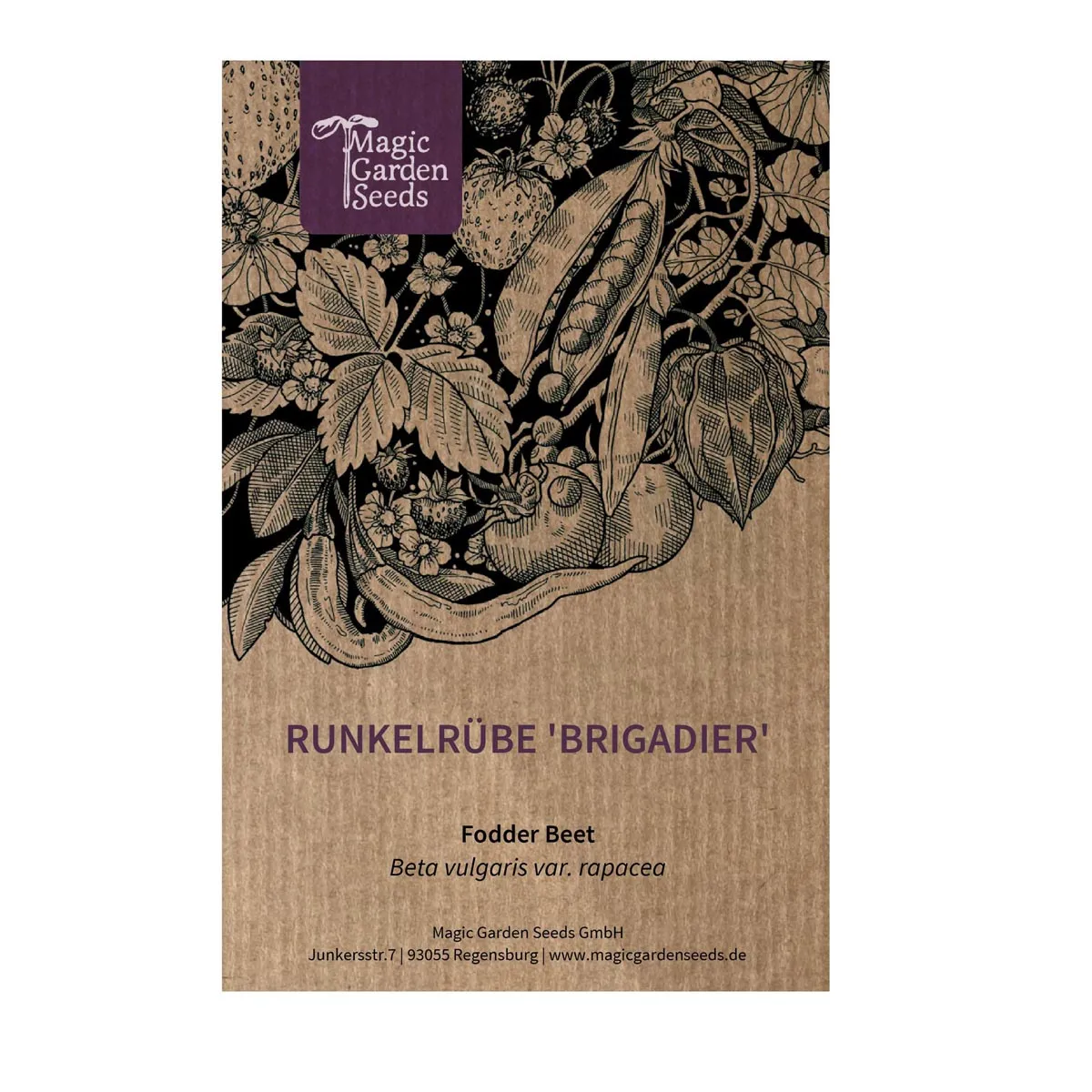
Fodder Beet 'Brigadier' (Beta vulgaris) seeds
- Contents: Approx. 100 seeds
- Open-pollinated variety, seed tested regularly
Regular price:
€2.39
Product number: BET11 GTIN: 4251420519115
Description
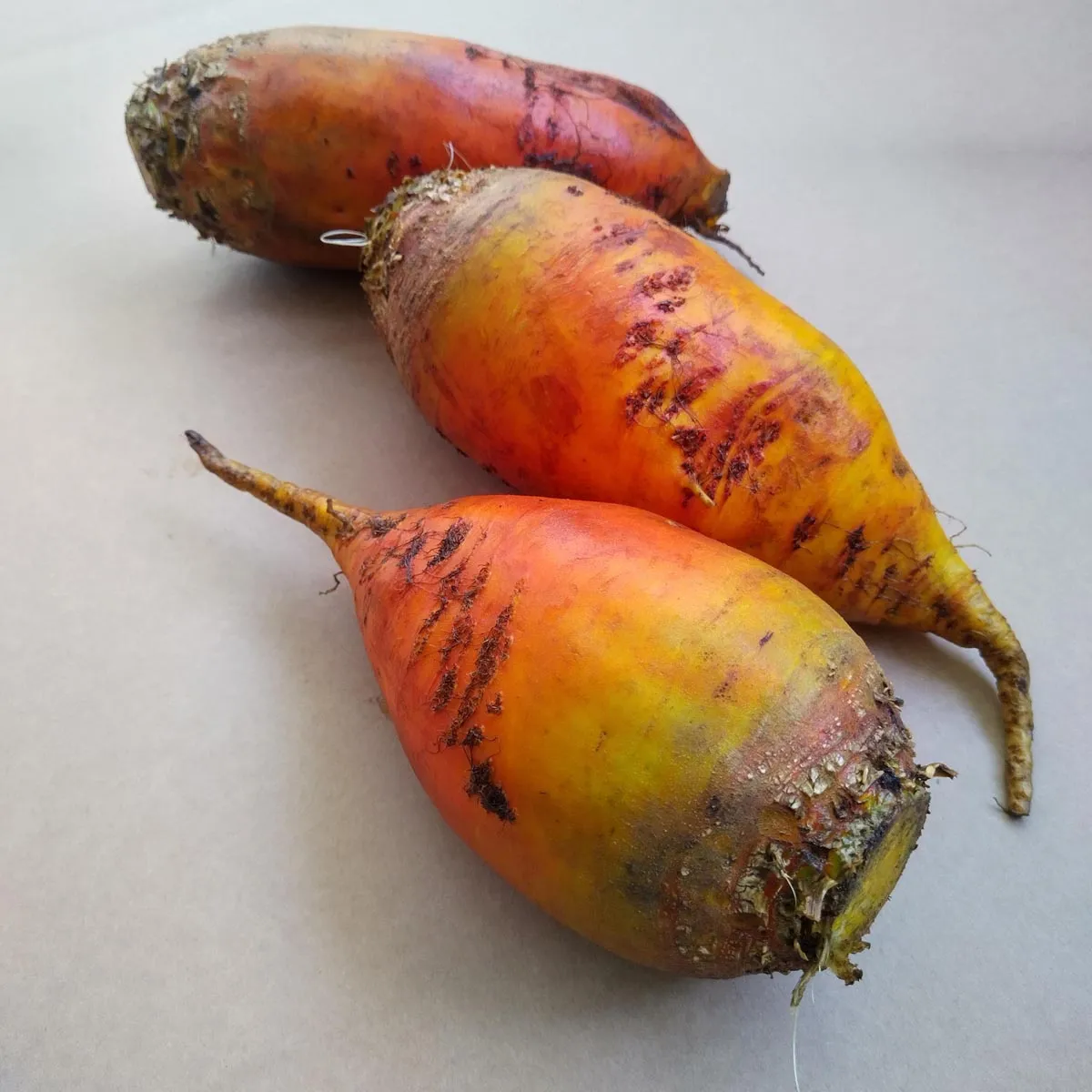
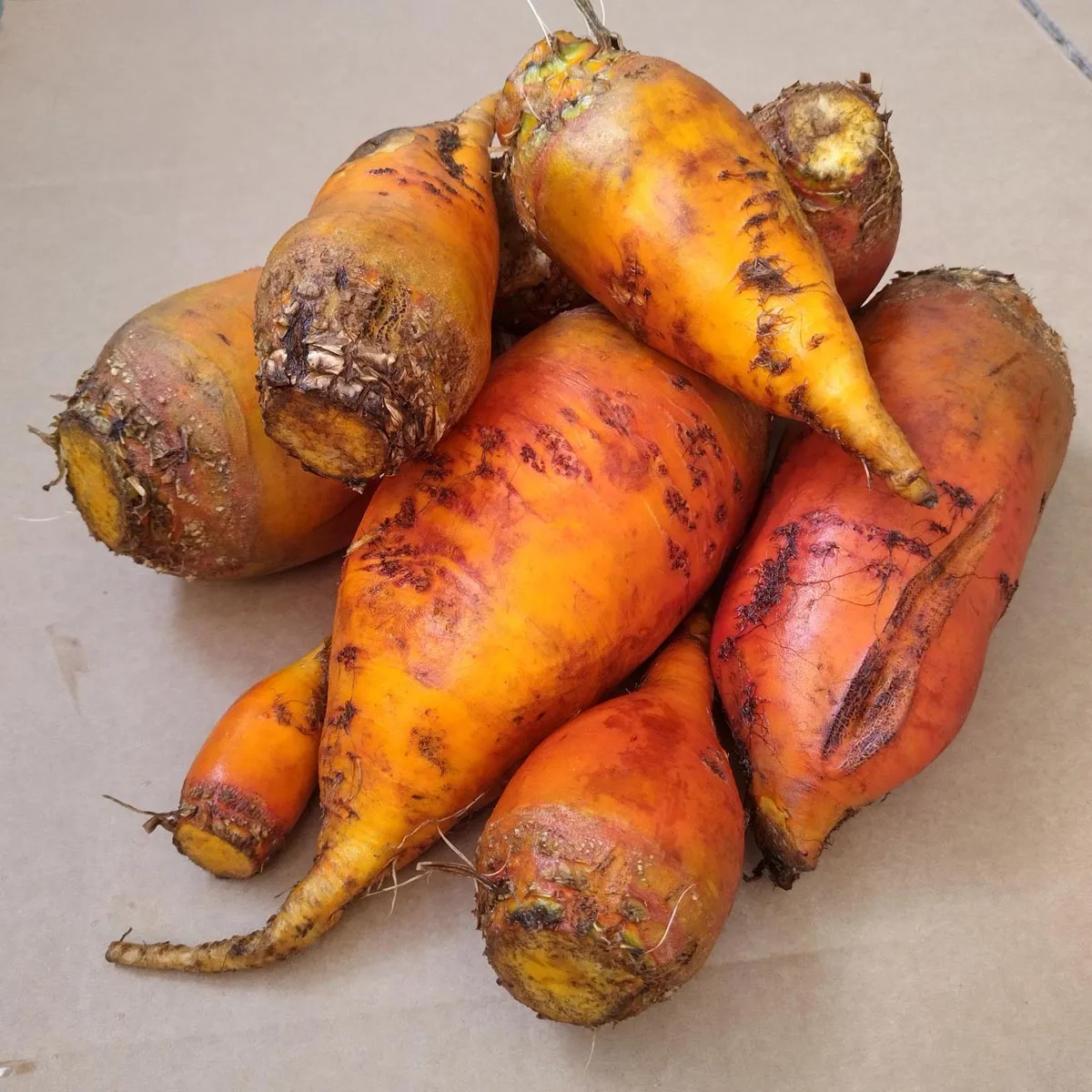
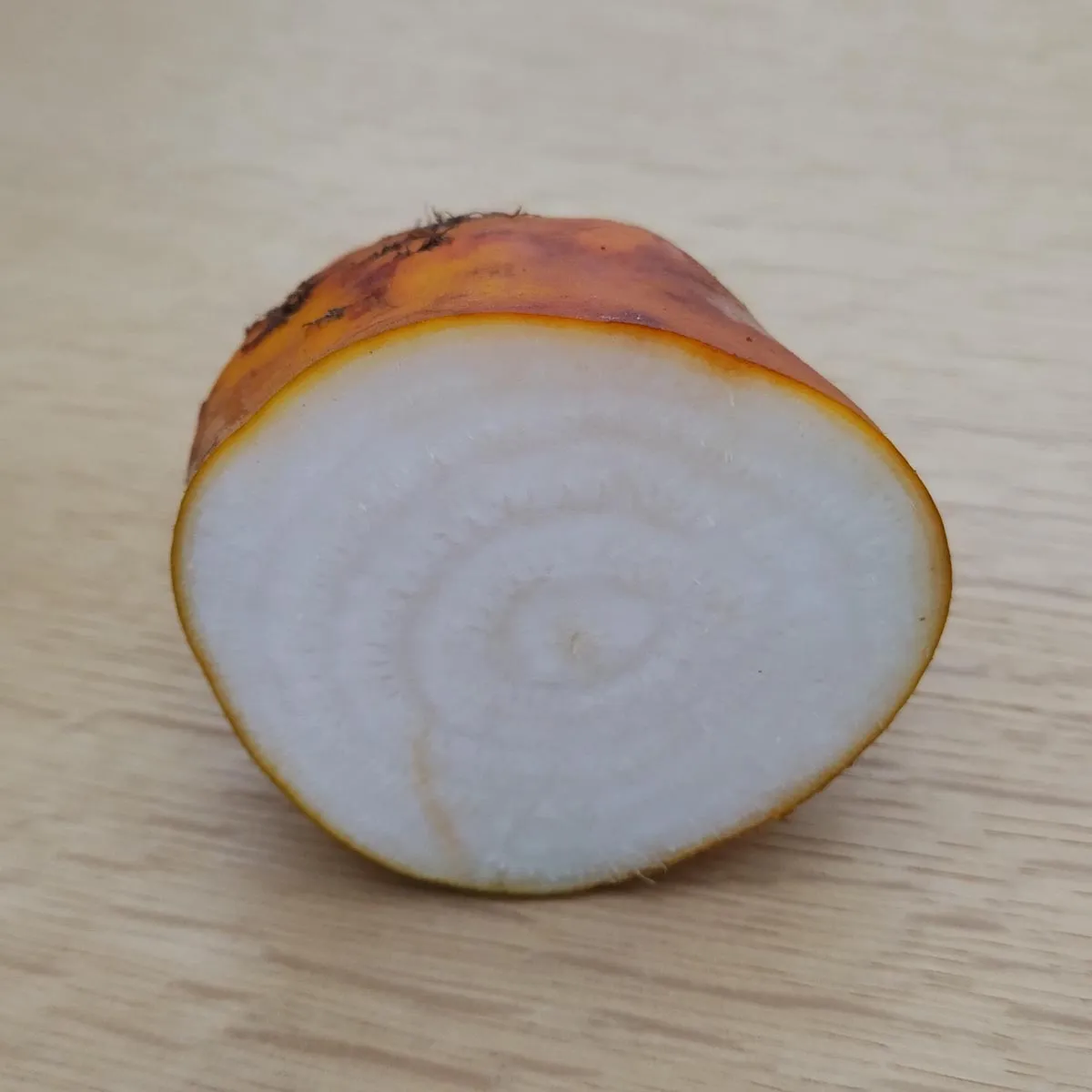
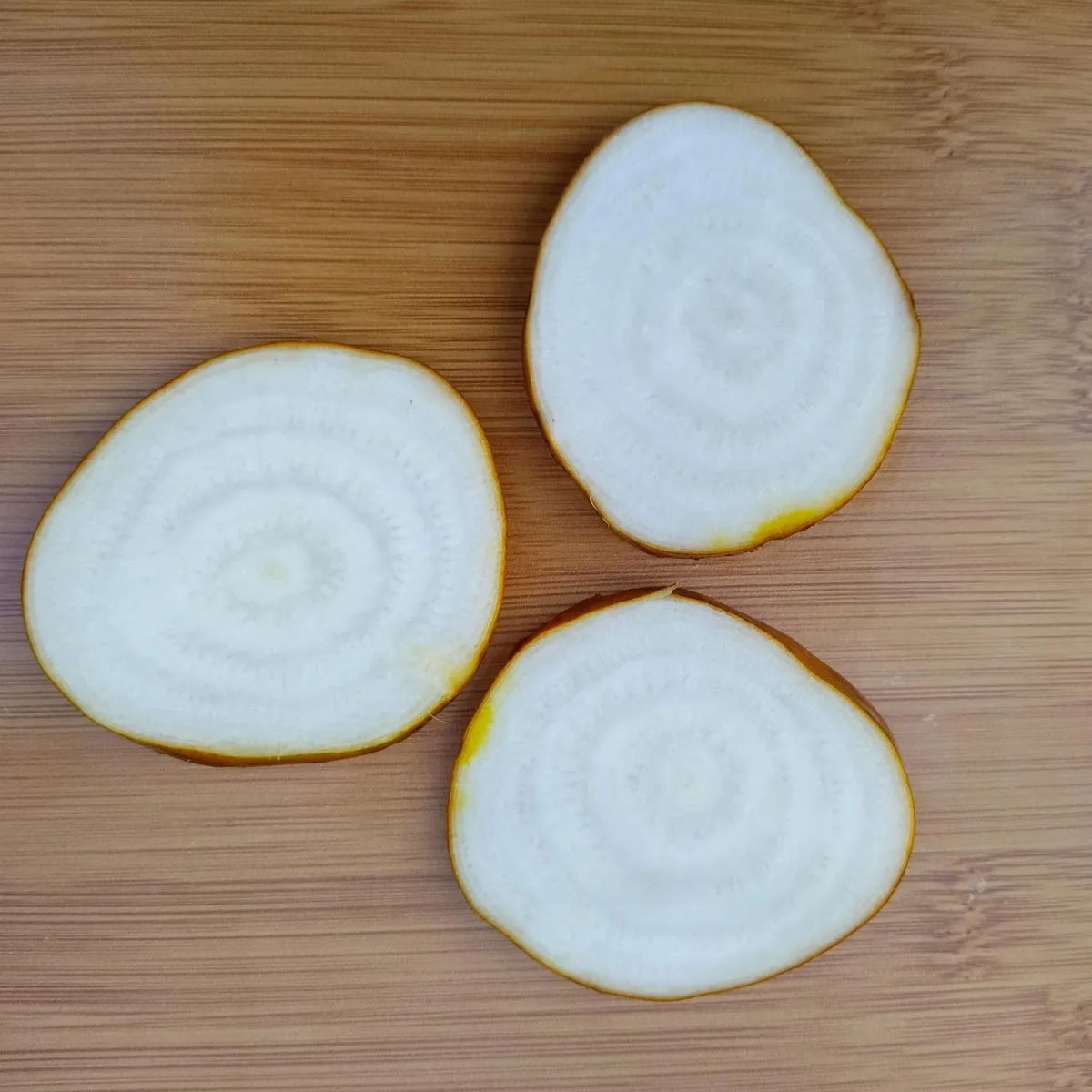
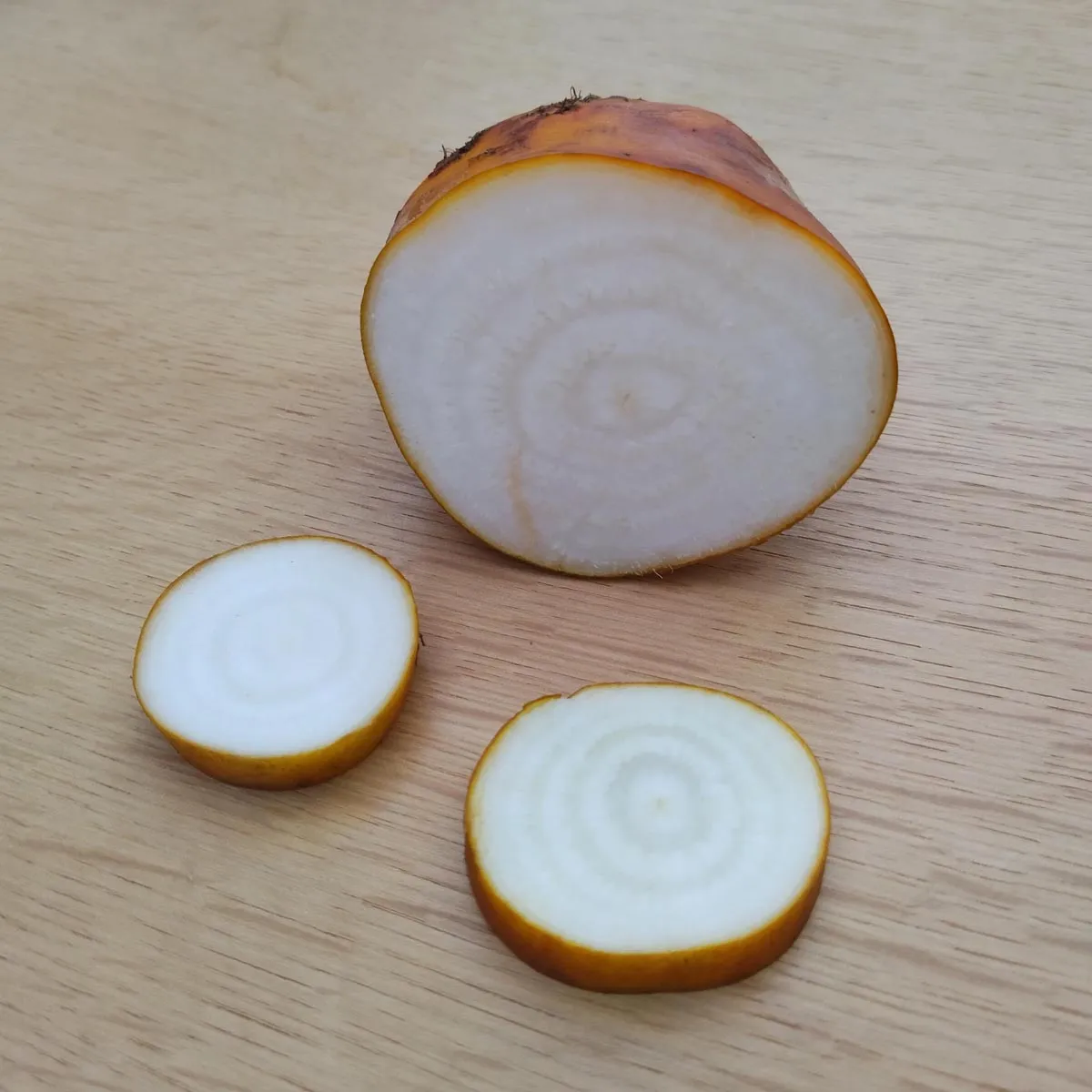
'Brigadier' is a large, robust yellow fodder beet. Traditionally the beets and leaves are used as fresh fodder for cattle and sheep. In fact the distinction between fodder beets and table beets was only introduced in the 18th century and fodder beets are also perfectly good for eating. In the kitchen the beets are used to make traditional, hearty beet stews and the leaves can also be used, in the same way as chard.
In North-Western Germany beet juice has traditionally been used as a home remedy for coughs. The beet is hollowed out and filled to the brim with with brown rock sugar (a German speciality) then covered and left to infuse. After just 12 hours the first batch of beet juice will be ready to pour – and should be administered to the invalid in shot-sized doses three to four times a day.
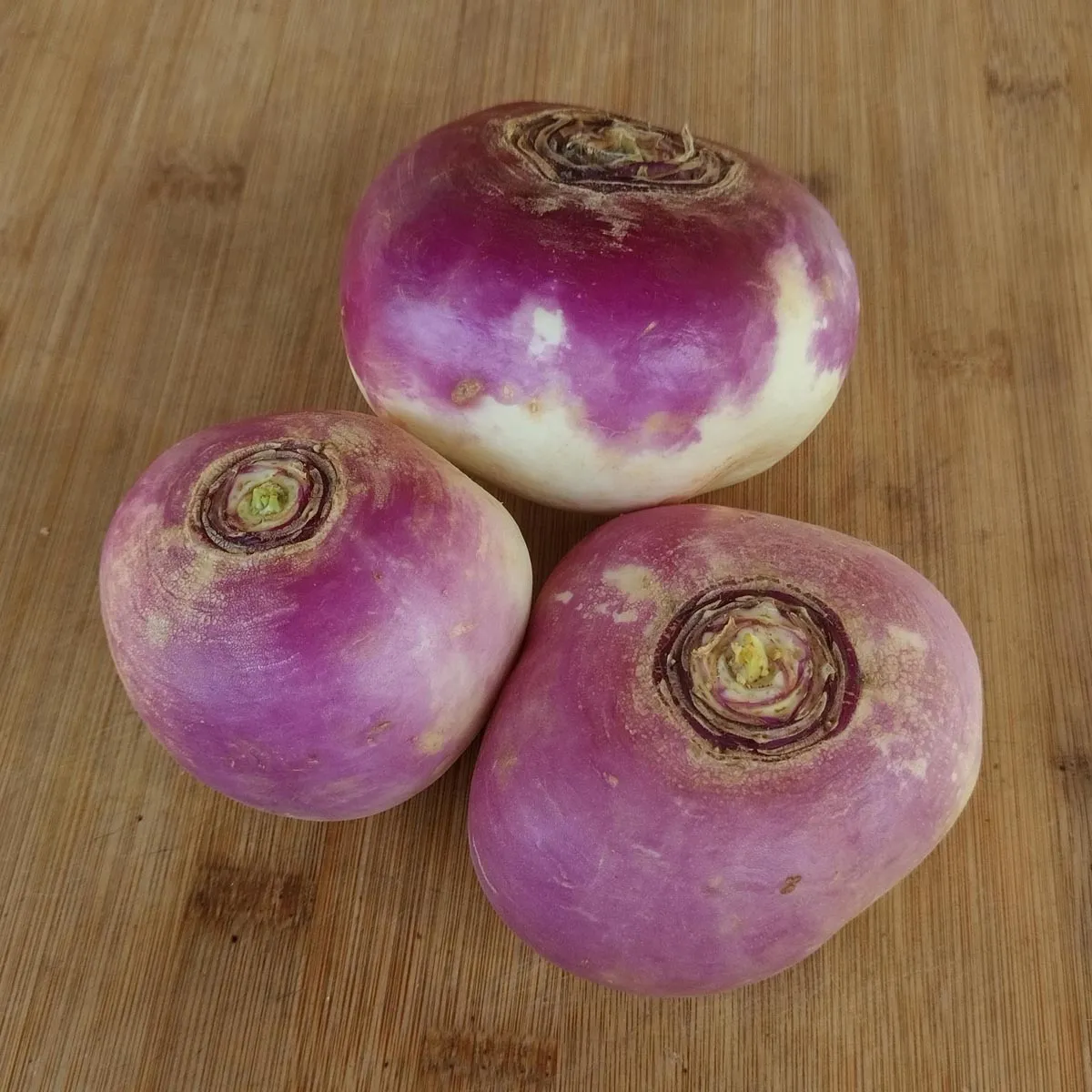
In Ireland, beets and turnips rather than pumpkins were hollowed and given grinning faces for Halloween – though in fact these “Jack-o-lanterns” are a folk tradition dating back much further than our present-day Halloween customs.
Plant profile
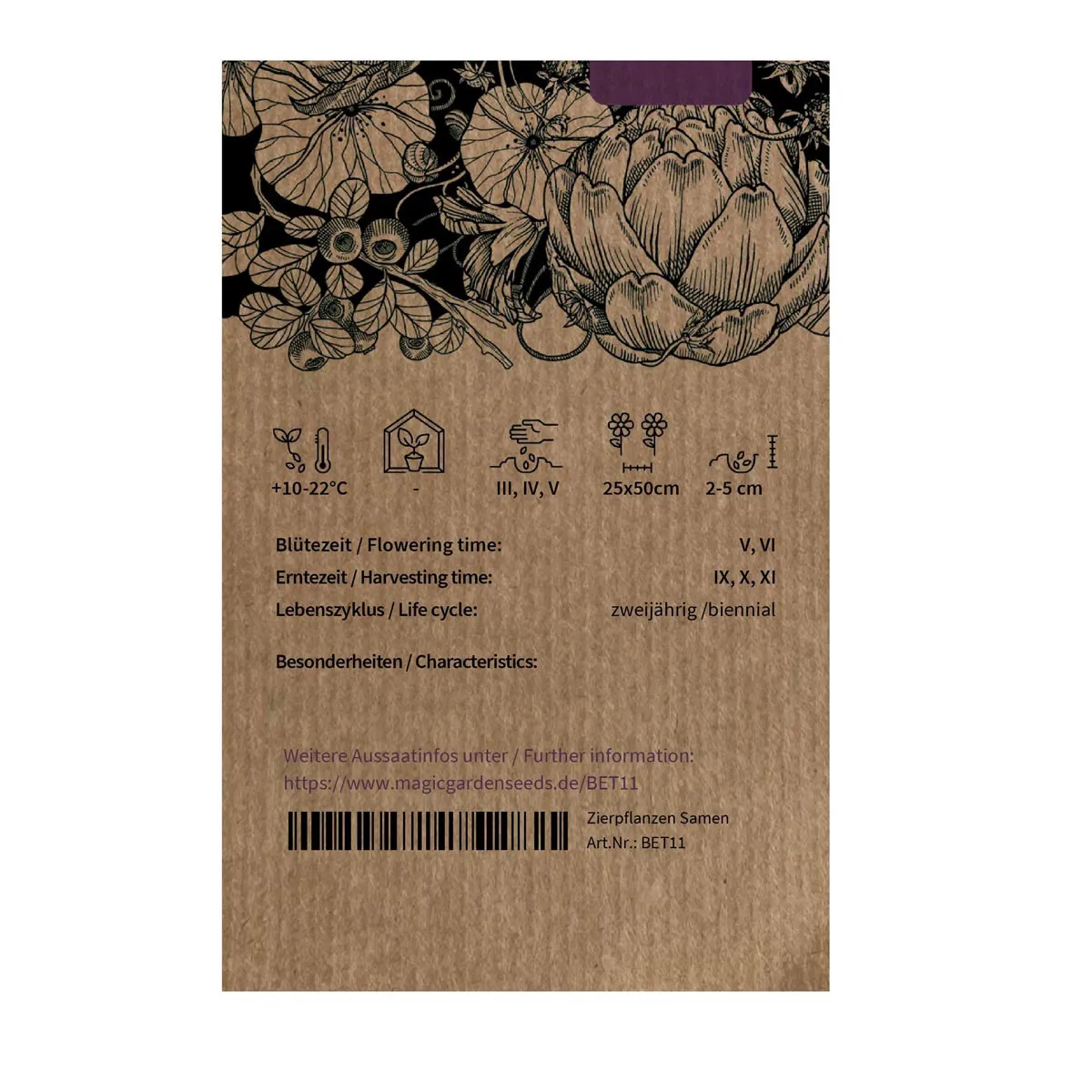
| Use | Edible plant, Medicinal plant, Useful plant, Vegetable |
|---|---|
| Lifecycle | Biennial |
| Species | Amaranthaceae |
| Seed propagation | konventionell |
| Eventual height | 40-80 cm |
| Flowering months | June, May |
| Main harvest | November, October, September |
| Root system | Taproot |
Growing instructions
| When to sow outdoors | April, March, May |
|---|---|
| Sowing depth | 2-5 cm |
| Germination temperature | 10-18°C |
| Germination time | 2-3 weeks |
| Climate | Temperate |
| Soil type | Deep, Free-draining, Fresh, Moist, Nutrient-rich |
| Sunlight | Full sun |
| Water requirement | Medium |
| Planting distance | 25 cm |
| Row spacing | 50 cm |
Sowing and care
The biennial fodder beet is traditionally grown as an annual. We recommend direct sowing outdoors, from mid-March to May. Sowing depth: 2-4 cm. Spacing: 25 cm between plants in a row and 40-50 cm between rows. At temperatures of 10-20°C the seed will germinate straightforwardly in 14 to 21 days. The plants prefer a sunny location and moderately heavy, moist soil.
Plant care: a steady water supply and regular weeding will boost growth. Fodder Beets need high nutrient levels, so they should be fed regularly, although too much nitrogen will impair their storability.
Plant care: a steady water supply and regular weeding will boost growth. Fodder Beets need high nutrient levels, so they should be fed regularly, although too much nitrogen will impair their storability.
Other names
Botanical name: Beta vulgaris var. rapacea
German: Runkelrübe, Futterrübe
English: Fodder Beet
Reviews
Login
No reviews yet. Will you write the first one?