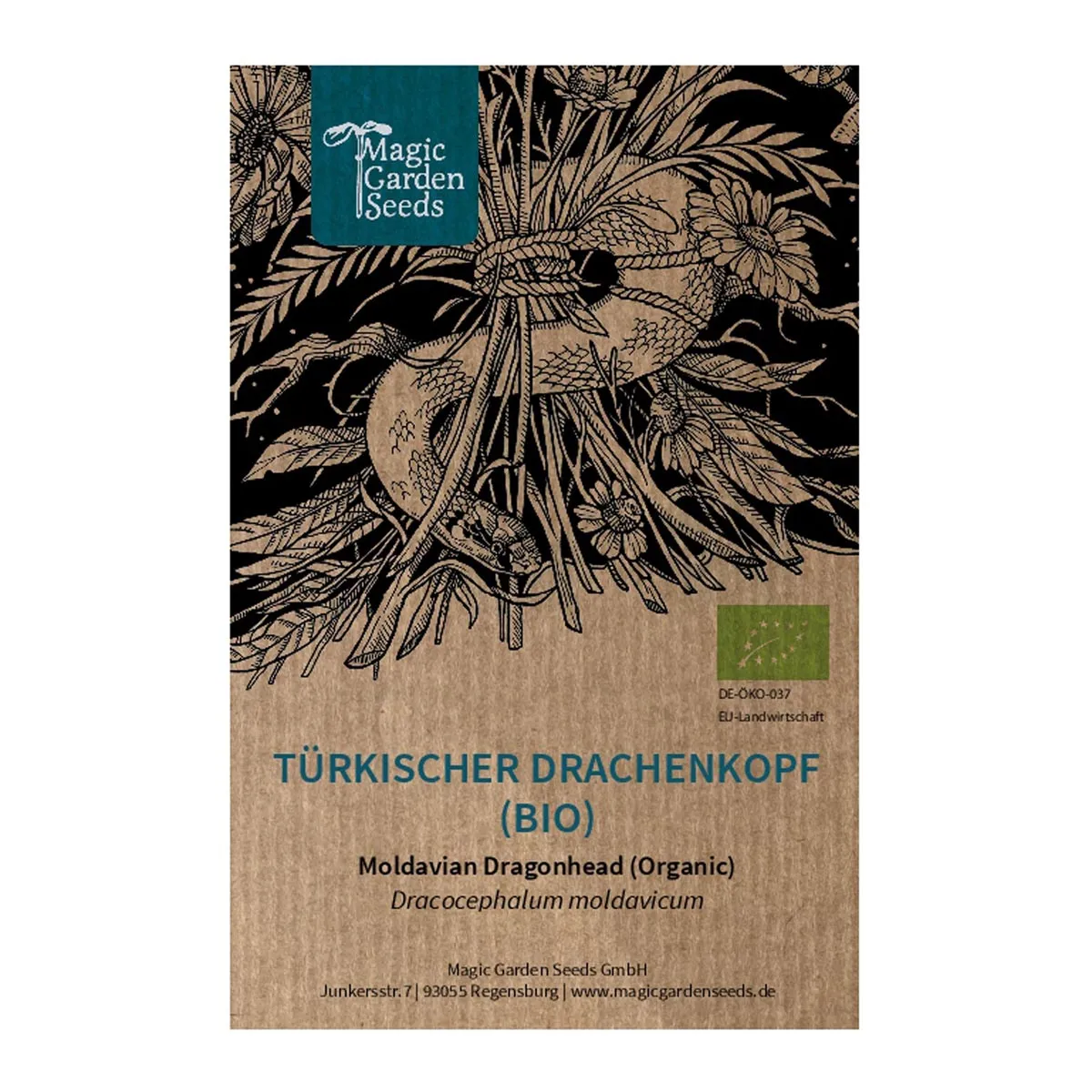
Moldavian dragonhead (Dracocephalum moldavica) organic seeds
- Insect-friendly scented and tea plant.
- Contents: Approx. 100 seeds
- Open-pollinated variety, seed tested regularly
Regular price:
€2.49
Content: 100 Single seed
Product number: DRA01-BIO GTIN: 4251420504784
Description
A very aromatic, beautiful annual medicinal and spice plant with a wonderful citrus aroma. The flowers and leaves, fresh and dried, are very suitable for preparing a fresh herbal tea, lemonade or iced tea. This plant can also be used as a spice for desserts, salads and fish dishes. As it is said to have digestive and liver stimulating properties, it is also suitable for the preparation of herbal liqueurs.
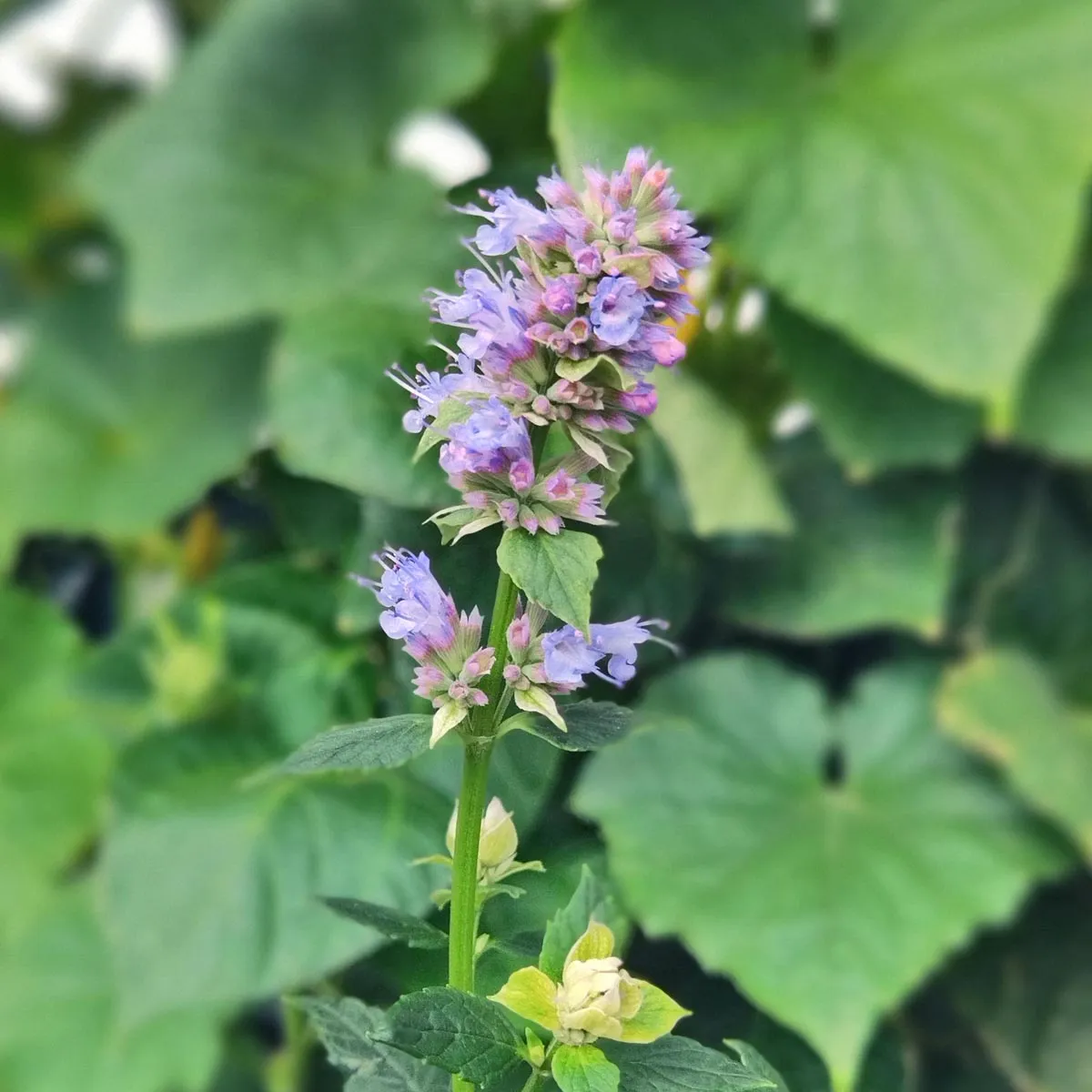
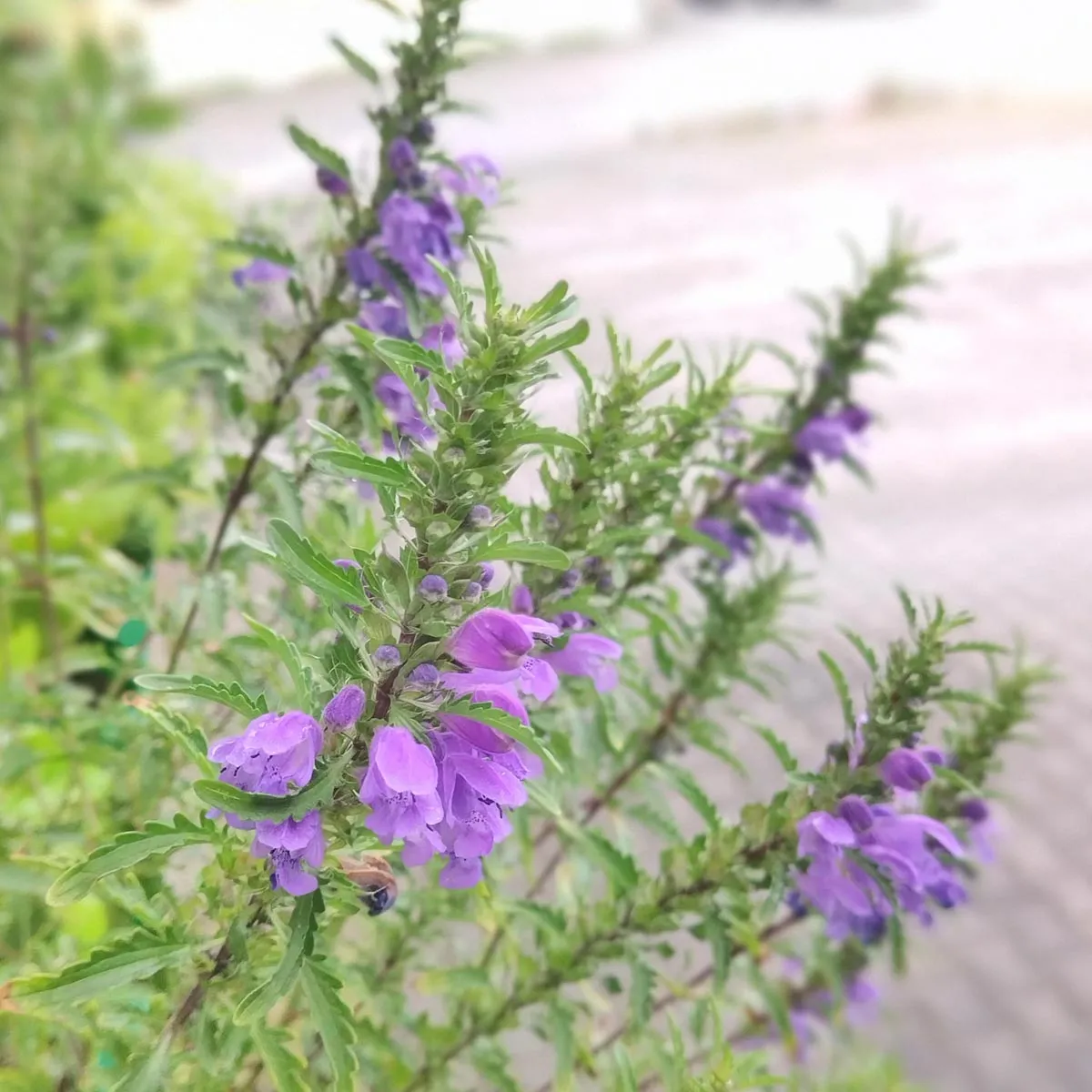
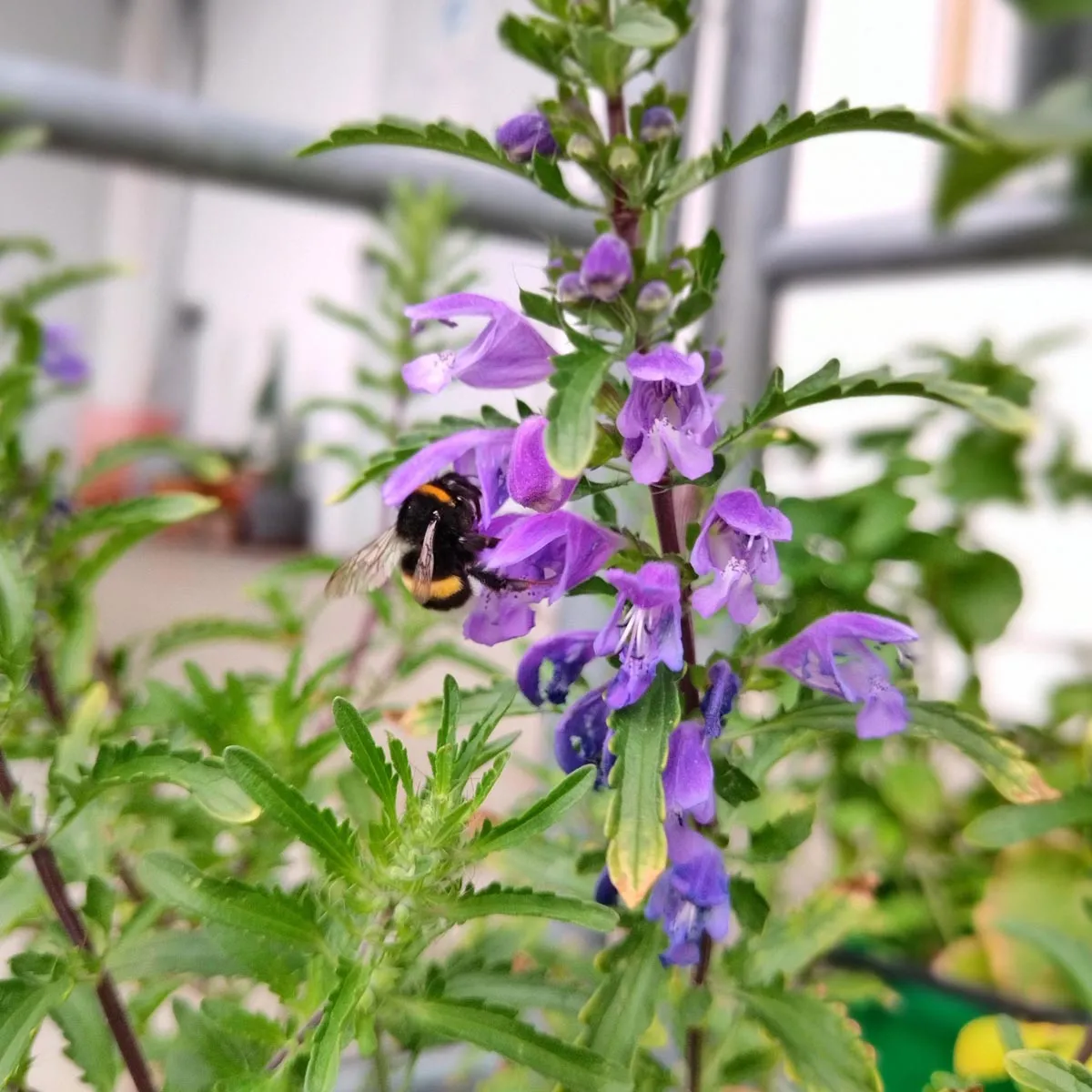
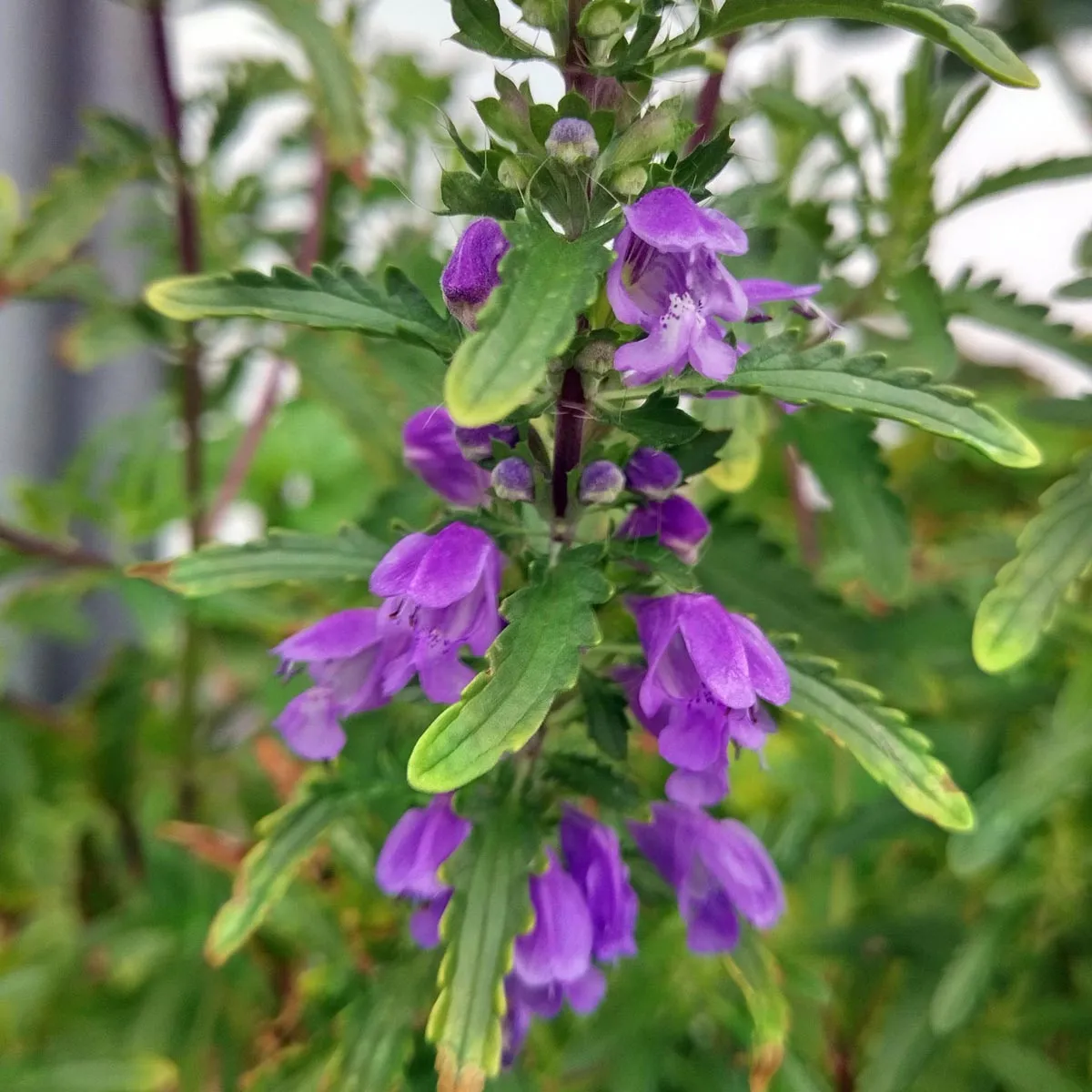
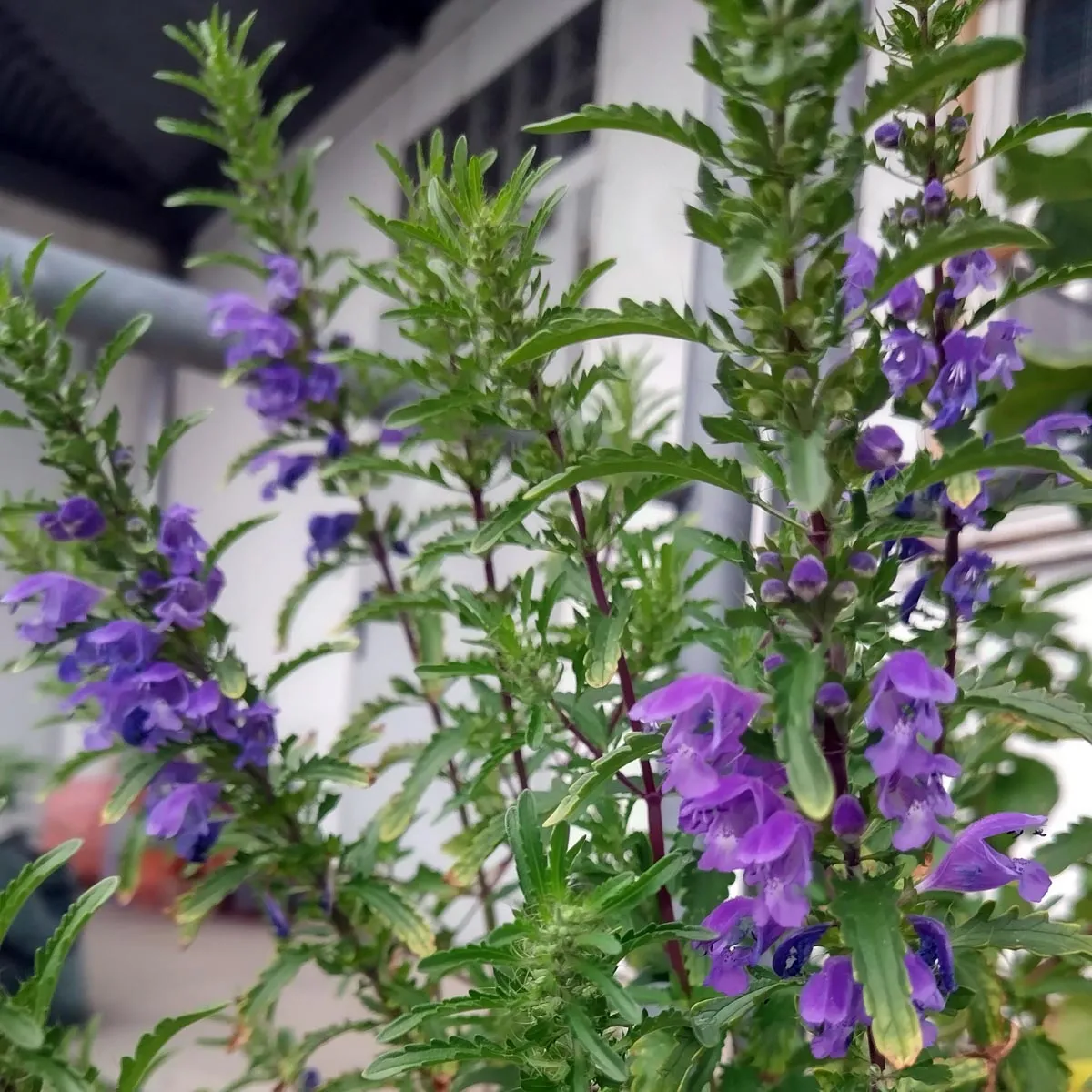
In addition, the Moldavian dragonhead is a beautiful, very nectar-rich flowering plant that enriches every flower bed. The blue-violet and sometimes white blossoms look like a dragon's mouth about to spit fire immediately. They are constantly visited by bees and other insects, which is why dracocephalum is said to be an even better and more productive melliferou plant than phacelia.
In addition, the Moldavian dragonhead is a beautiful, very nectar-rich flowering plant that enriches every flower bed. The blue-violet and sometimes white blossoms look like a dragon's mouth about to spit fire immediately. They are constantly visited by bees and other insects, which is why dracocephalum is said to be an even better and more productive melliferou plant than phacelia.
Plant profile
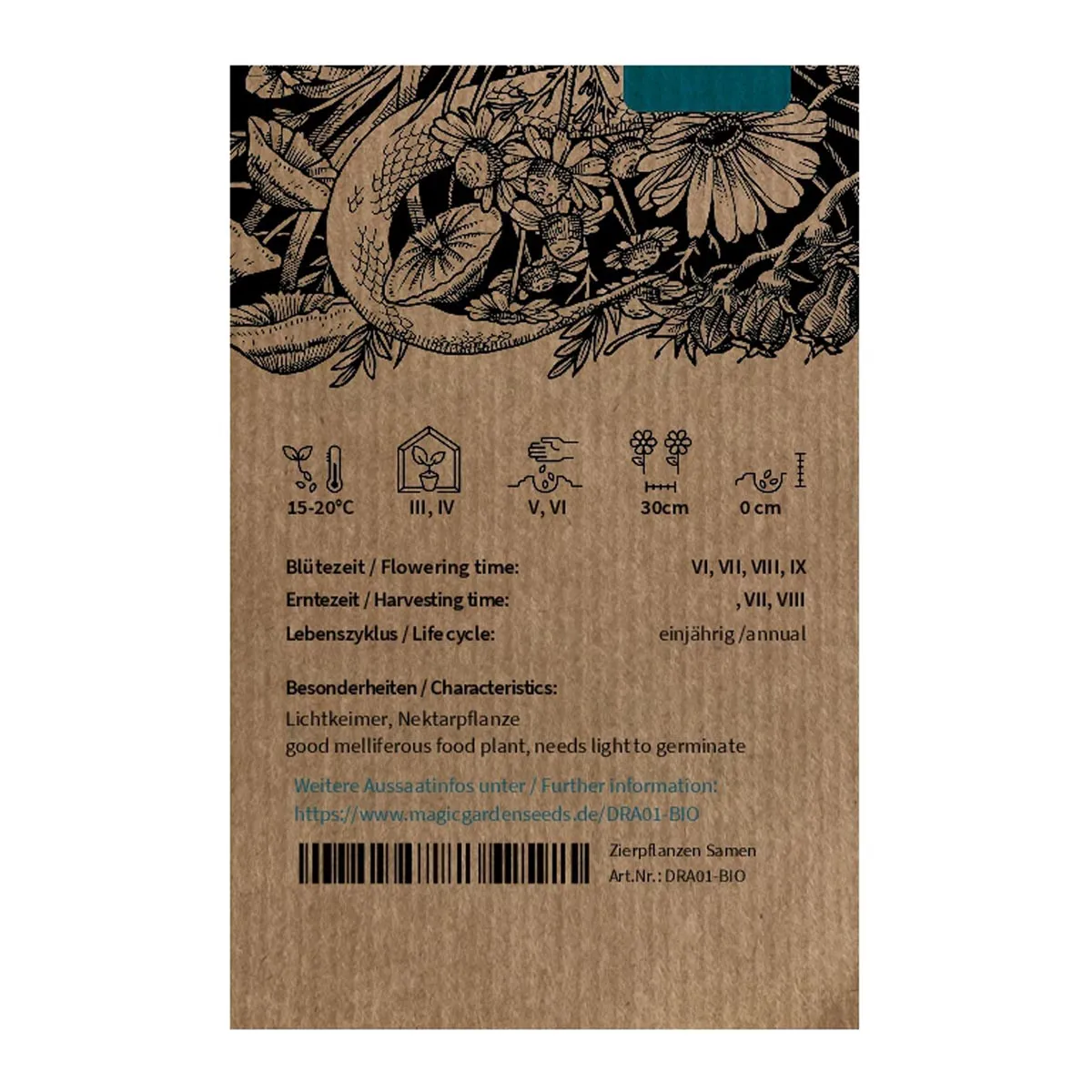
| Plant type | Herbaceous plant |
|---|---|
| Lifecycle | Annual |
| Species | Lamiaceae |
| Region of origin | Asia, China, India, Iran, Russia |
| Characteristics | Food for bees, Needs light to germinate, Very resistant to slugs and snails |
| Eventual height | 20-60 cm |
| Flower colour | Blue |
| Flowering months | August, July, June, September |
| Main harvest | August, July, Während der Blüte |
Growing instructions
| When to sow outdoors | June, May |
|---|---|
| Sowing depth | 0 cm |
| Germination temperature | 15-20°C |
| Germination time | 1-2 weeks, irregular |
| Climate | Dry, Temperate |
| Soil type | Free-draining, Fresh, Humus-rich |
| Sunlight | Full sun |
| Water requirement | Medium |
| Planting distance | 30 cm |
Sowing and care
Annual plant. Pre-culture from March indoors or direct sowing outdoors from mid-May after the last frosts. Light germinator: Sprinkle seeds only on the soil and press lightly. Germinates well at +15-20°C. Planting distance approx. 40 cm. Likes to sow itself.
Other names
Botanical name: Dracocephalum moldavica
German: Moldawische Melisse, Moldawien-Drachenkopf, Türkisch Boalsen, türkische Melisse
English: Moldavian dragonhead
French: Mélisse de Moldavie, Tête de dragon, Thé des jardins
Italian: Melissa moldavica
Spanish: Moldávica, Torongil de Turquía
Reviews
Login
No reviews yet. Will you write the first one?