
Rock Garden Seeds - Alpine Plants & Flowers for Sunny Spots
Rock gardens provide ideal conditions for plants that thrive in shallow soil, plenty of sunshine and well drained conditions. Many traditional rock garden plants originate from mountain regions, rocky scree slopes, dry grasslands or stony steppes and are particularly well adapted to poor soils and exposed sites.
Our rock garden seeds include alpine plants, alpine flowers and other compact species for rock gardens, dry stone walls, troughs and beds with mineral rich soils. The key is not so much providing as little water as possible, but ensuring loose, exceptionally well drained soil.
Alpine plants are specialists of mountain environments
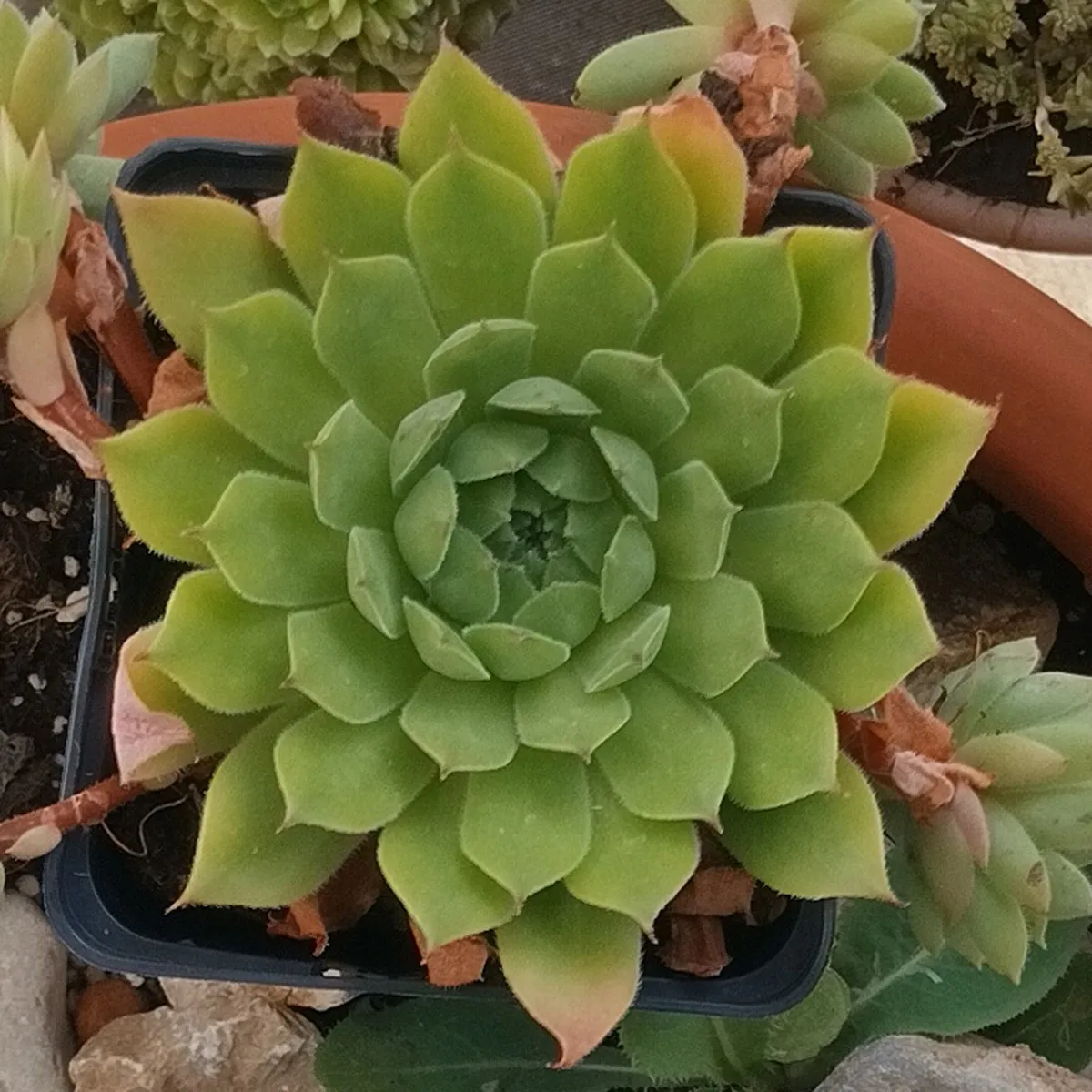
Alpine plants are species adapted to mountain habitats at or above the treeline. Here, intense sunlight, wind, extreme temperature fluctuations and short growing seasons combine with shallow, stony soils. Many alpine flowers have adapted by developing low, cushion shaped growth, small or hairy leaves and strong root systems.
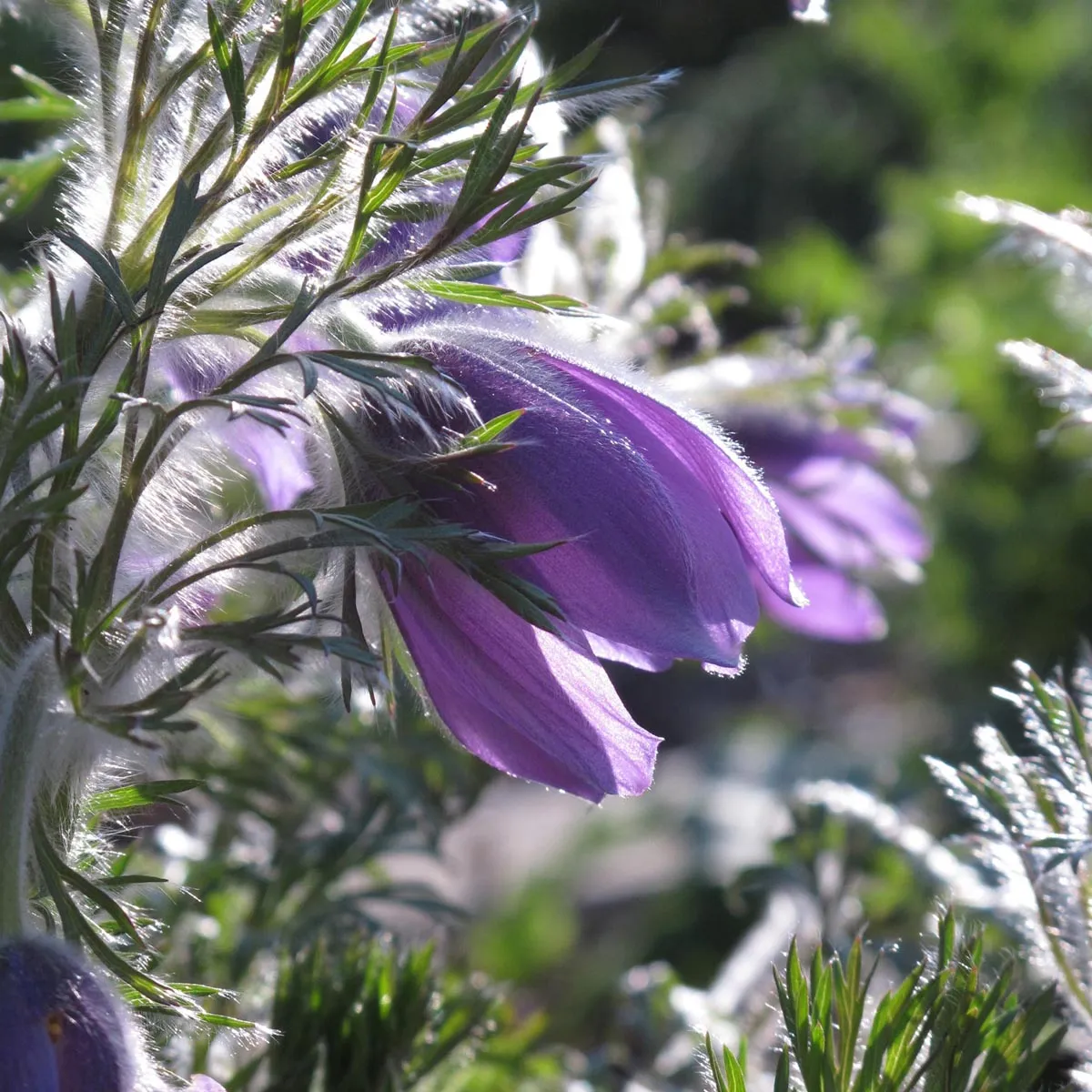
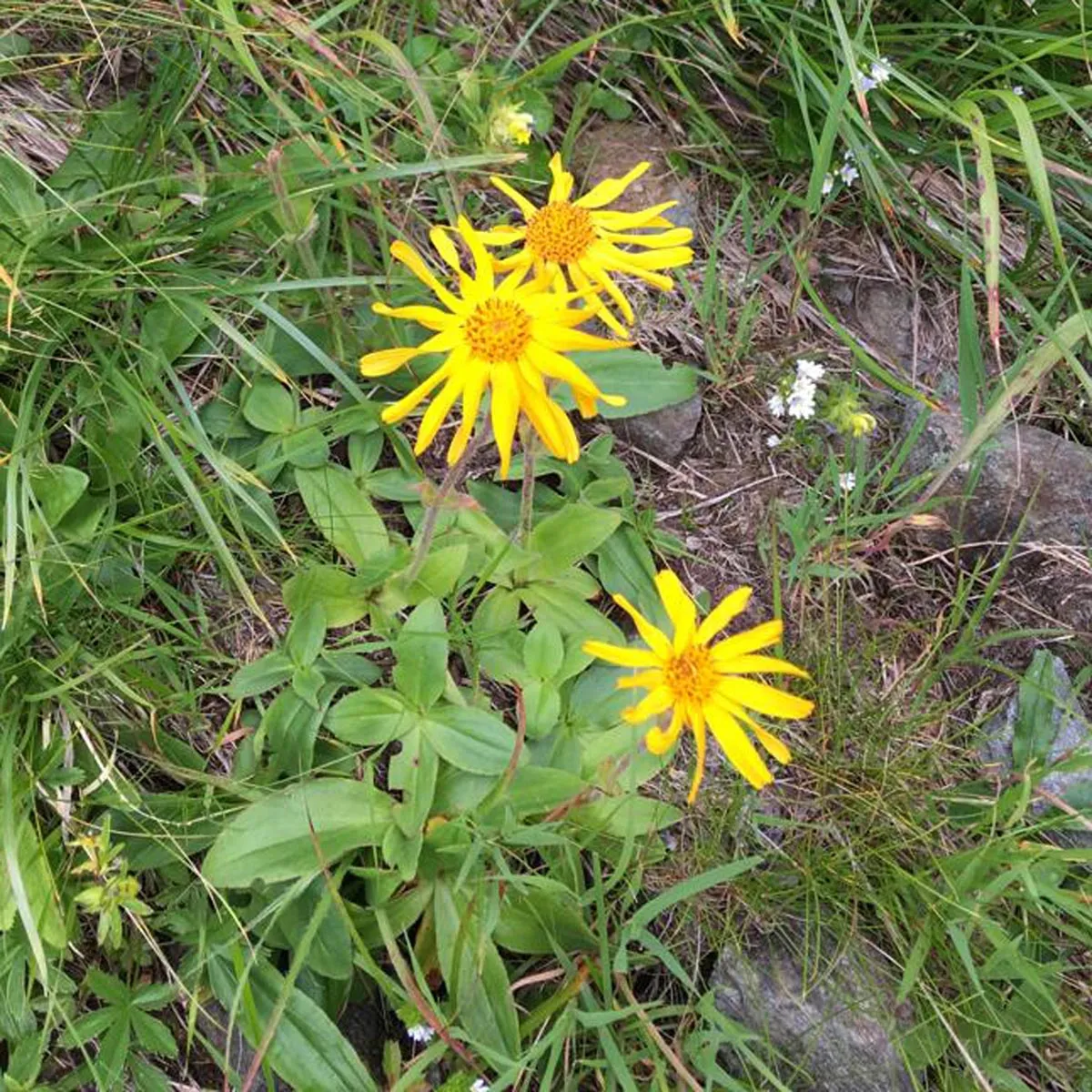
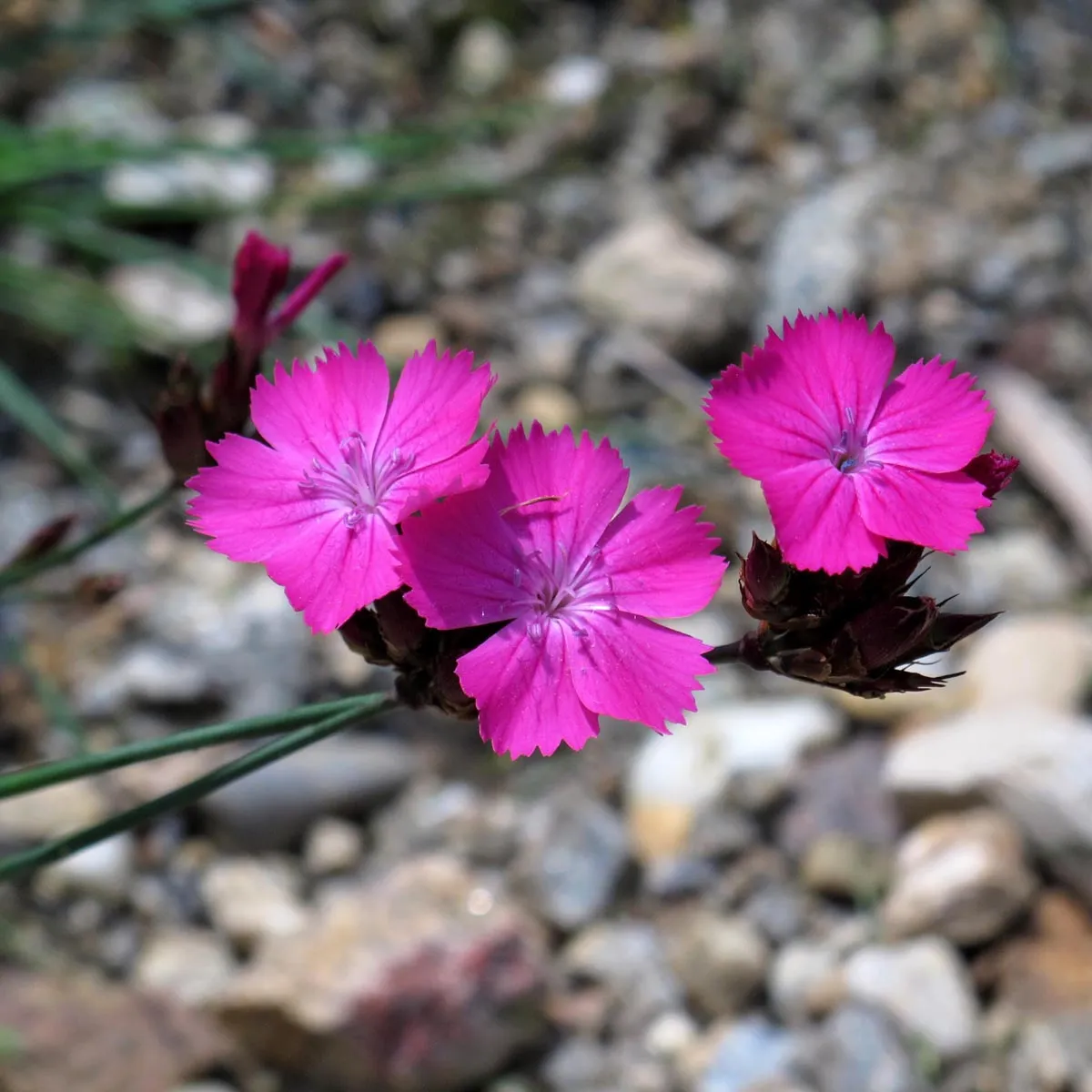
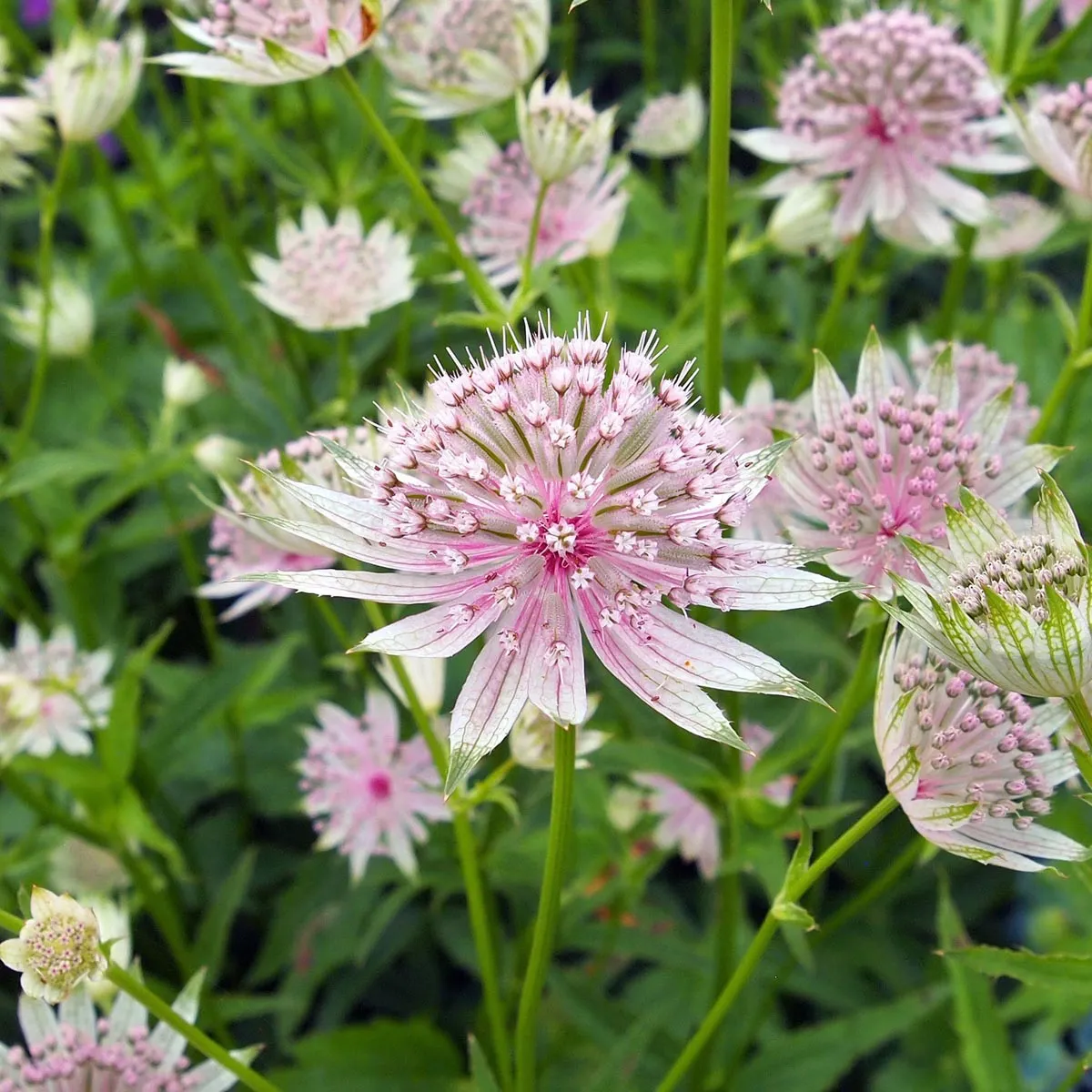
Well known examples include edelweiss, alpine asters, saxifrages, alpine bellflowers, gentians and various pinks. Many plants from other mountain ranges around the world are also grown as alpine plants in gardens.
Rock garden plants do not have to come from the Alps
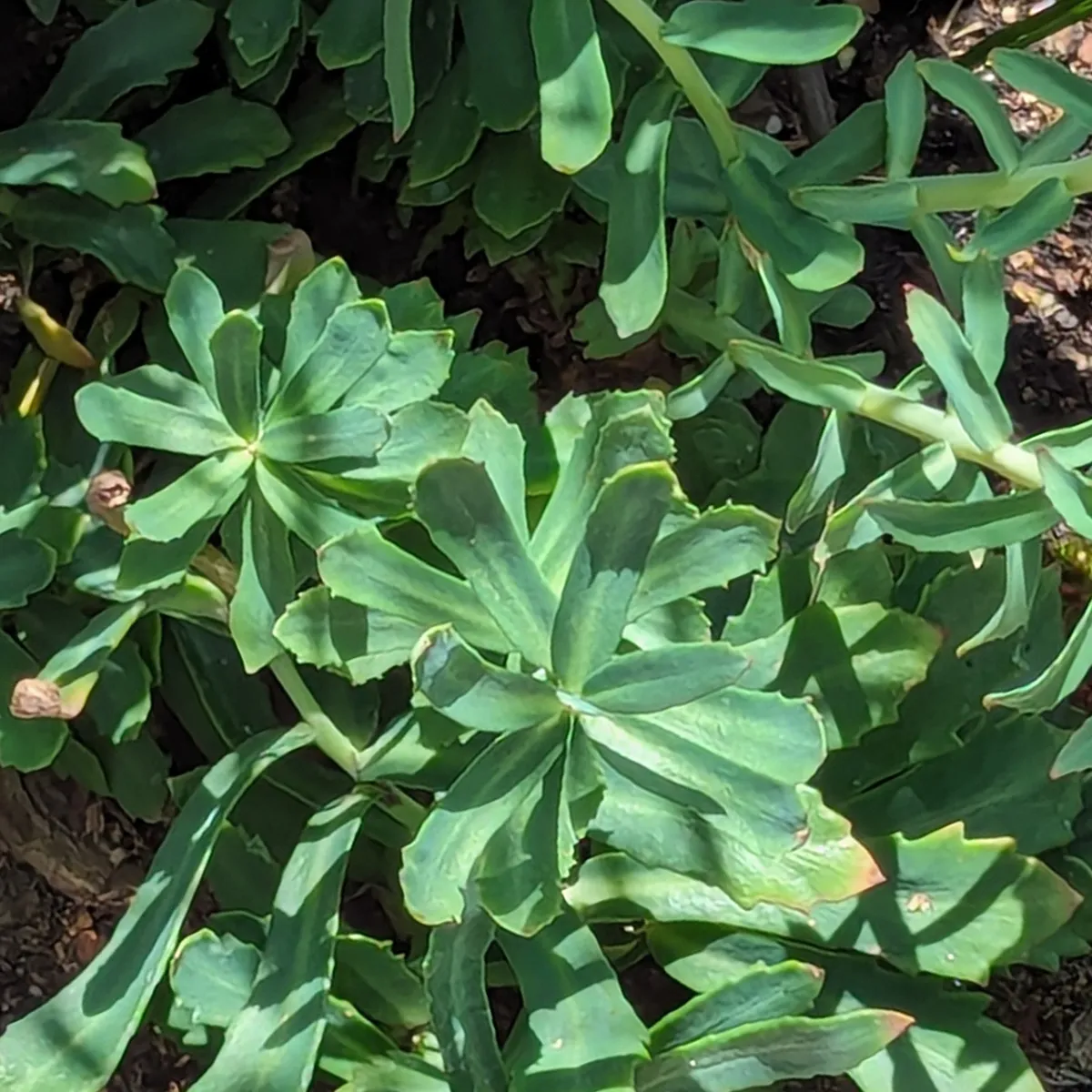
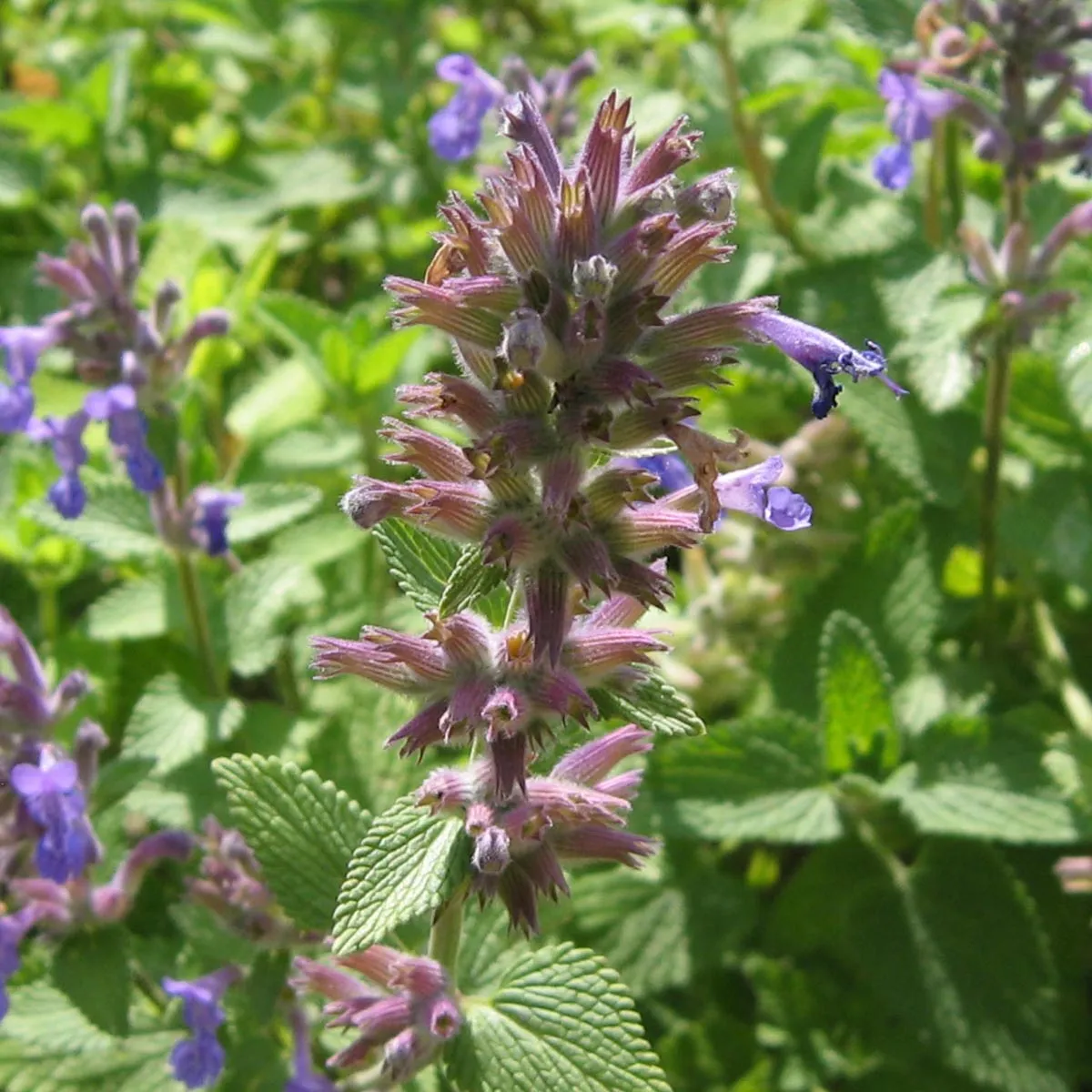
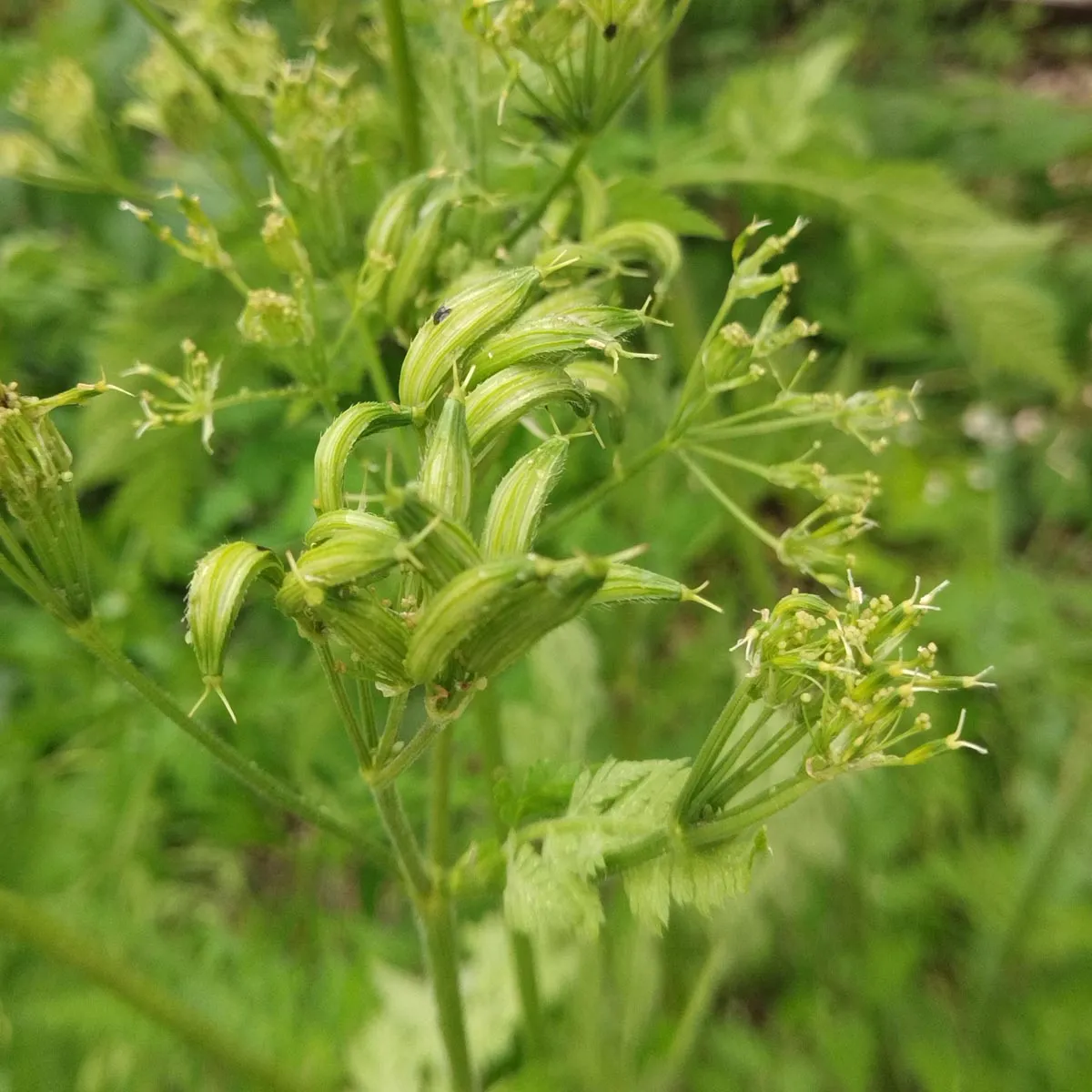
The term rock garden plants covers a much wider range of species. Drought tolerant wild perennials, cushion forming plants and species from rocky steppes can also thrive in rock gardens. What matters most is their preference for particular soil, light and moisture conditions, rather than their geographical origin alone.
Many of these plants grow particularly well between stones, in crevices or on slightly raised areas where excess water can drain away quickly. Good drainage is especially important in winter, as many alpine species tolerate frost much better than permanently wet roots.
For rock gardens, troughs and dry stone walls
Rock garden plants are not limited to traditional rockeries. Planting troughs, dry stone walls, gravel beds and other garden areas with predominantly mineral soils also offer suitable growing conditions. Low growing cushion plants can spread into joints and gaps, while compact perennials provide structure and flowers between larger stones.

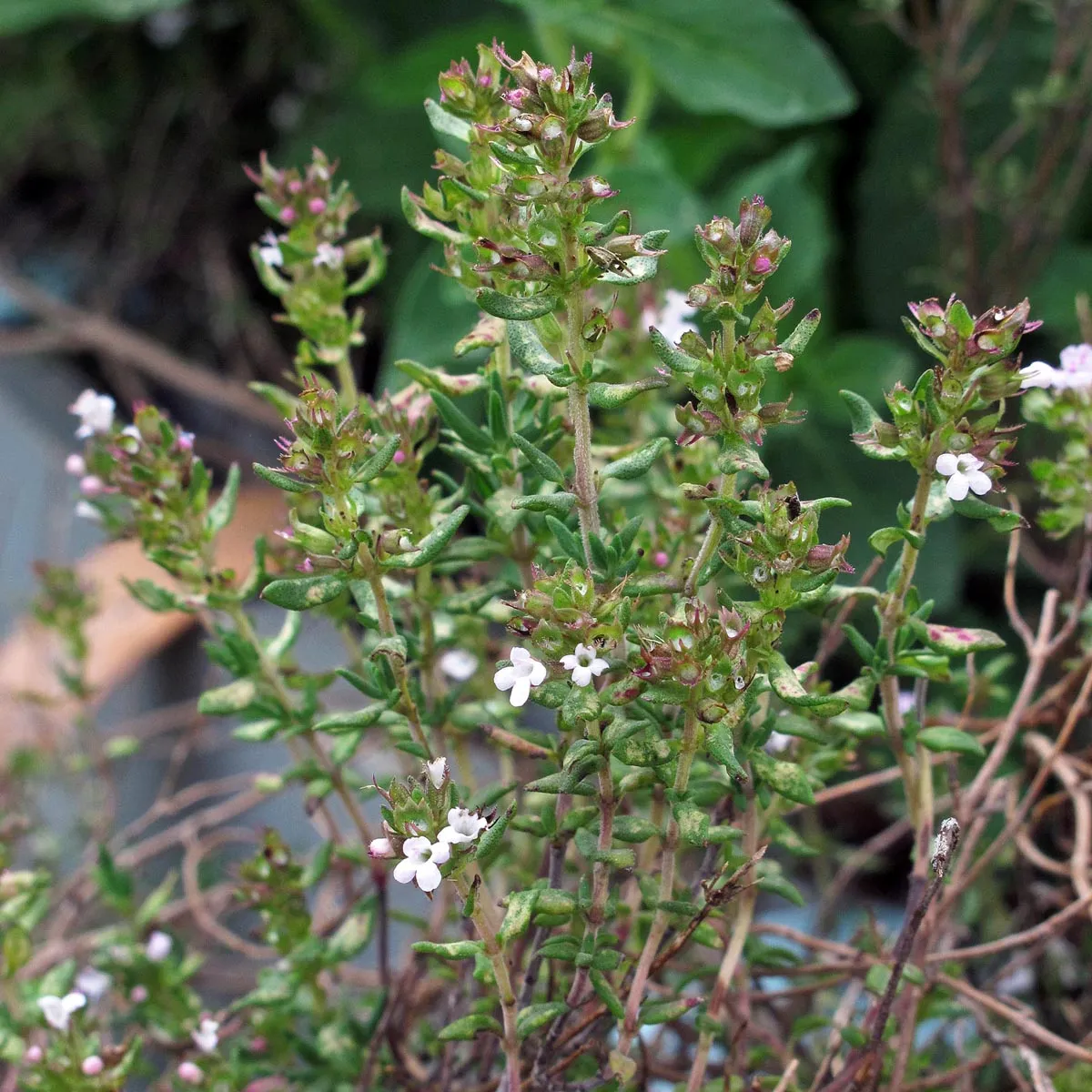
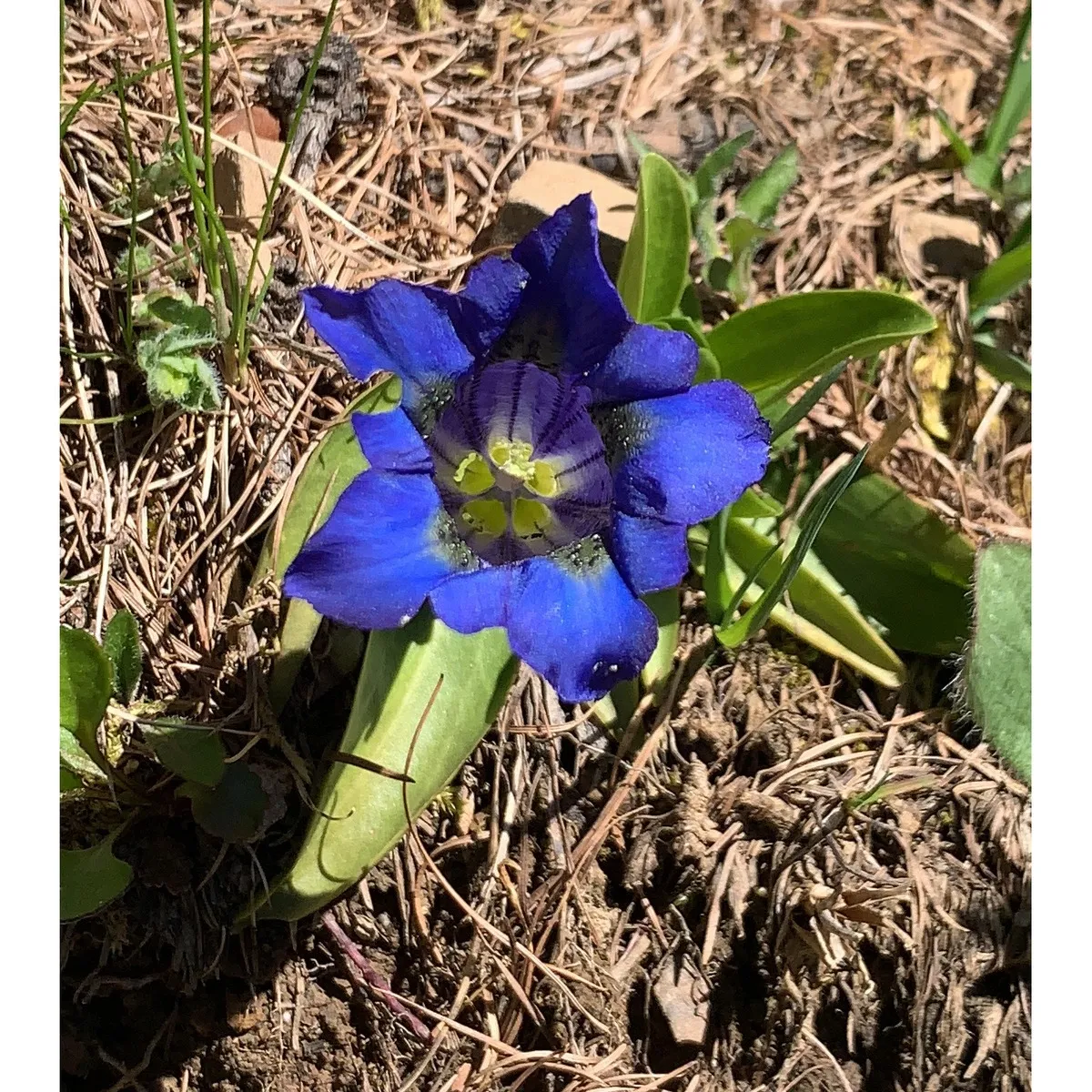
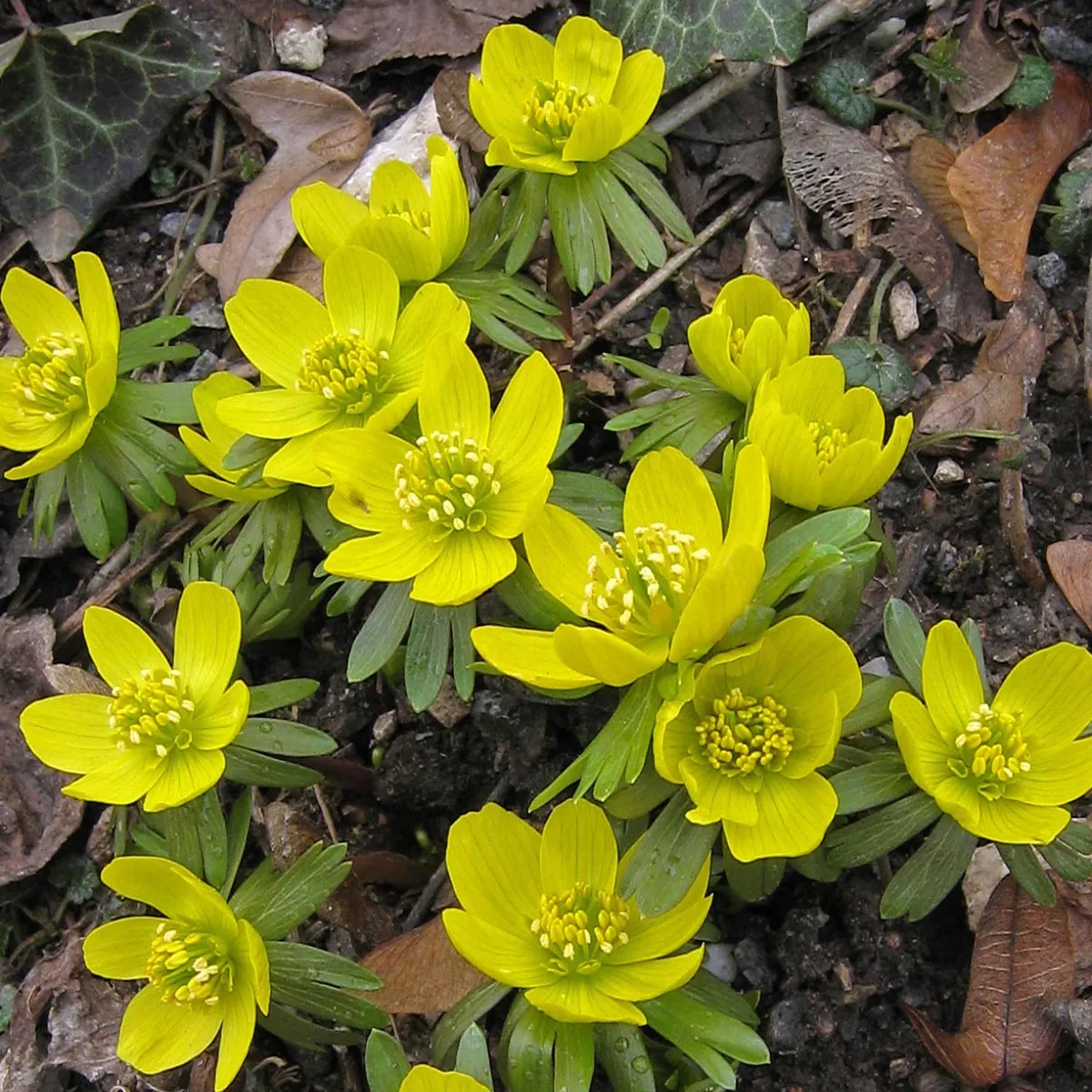
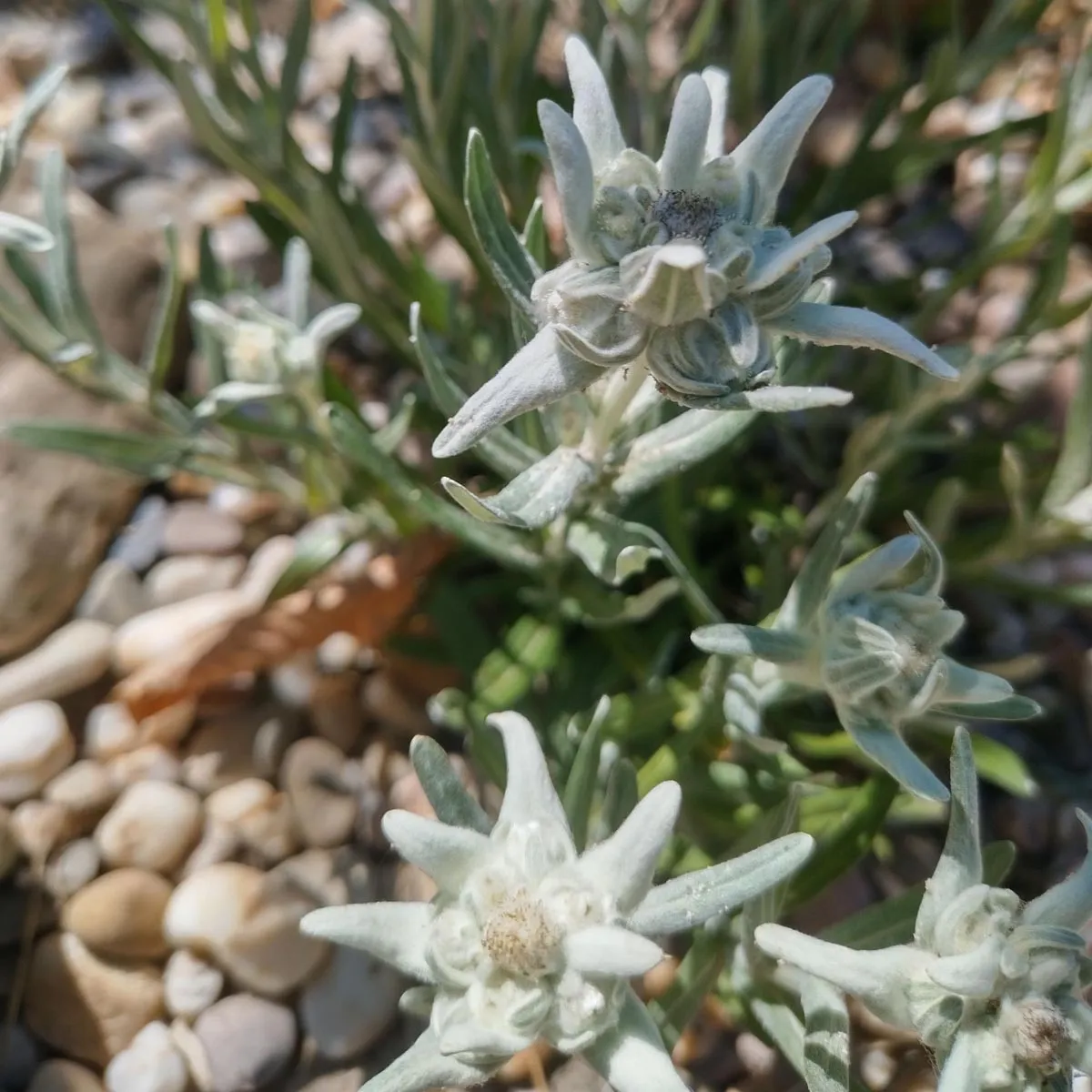
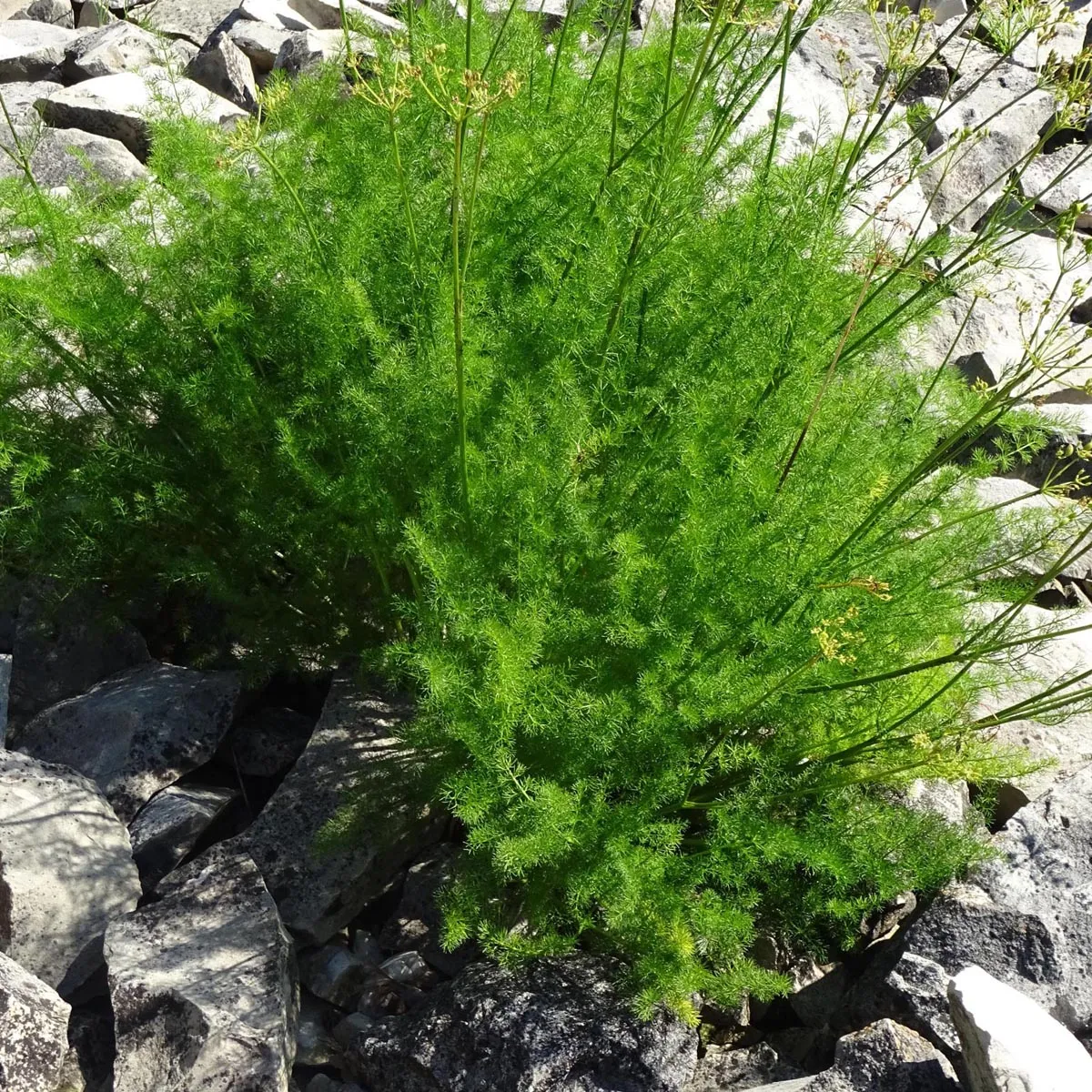
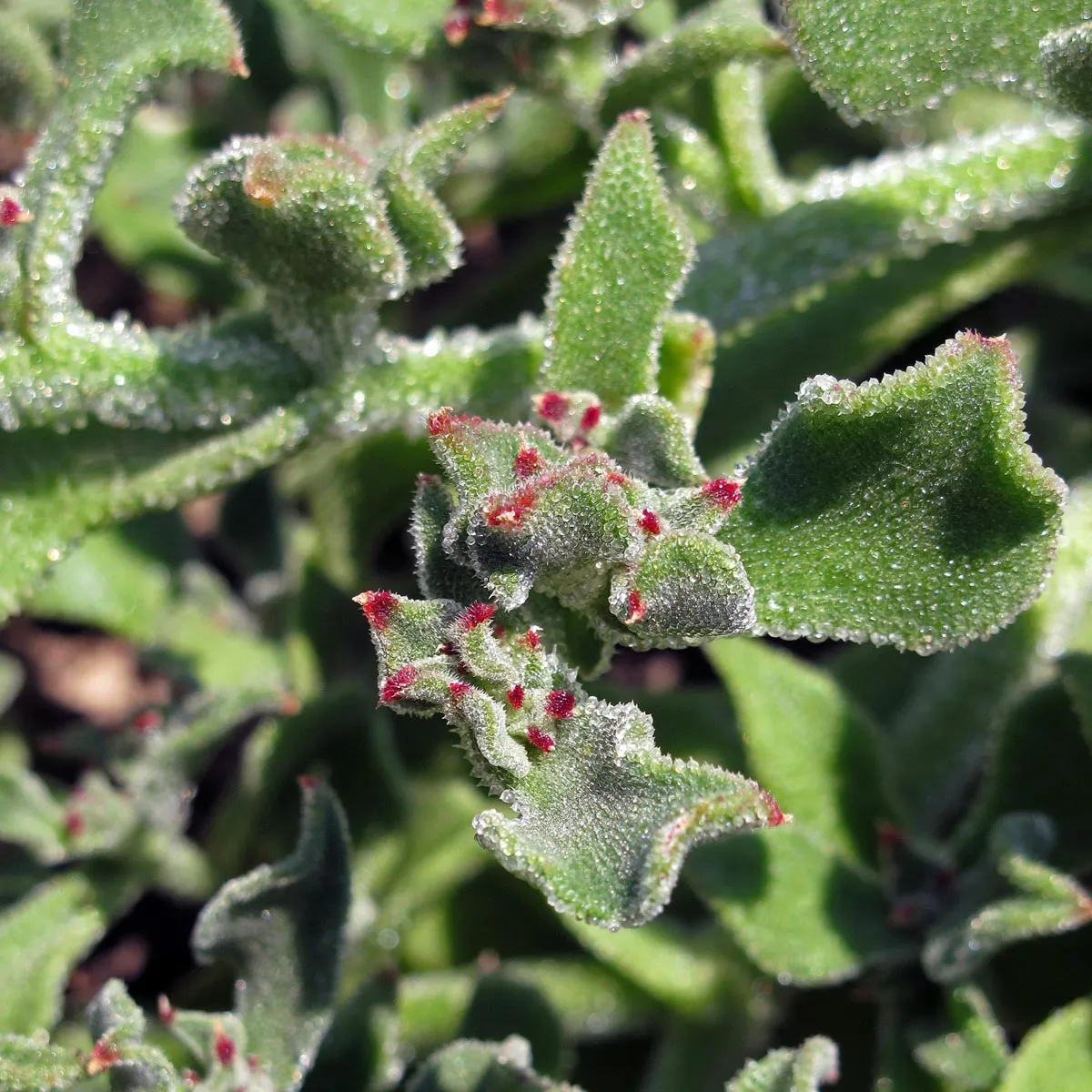
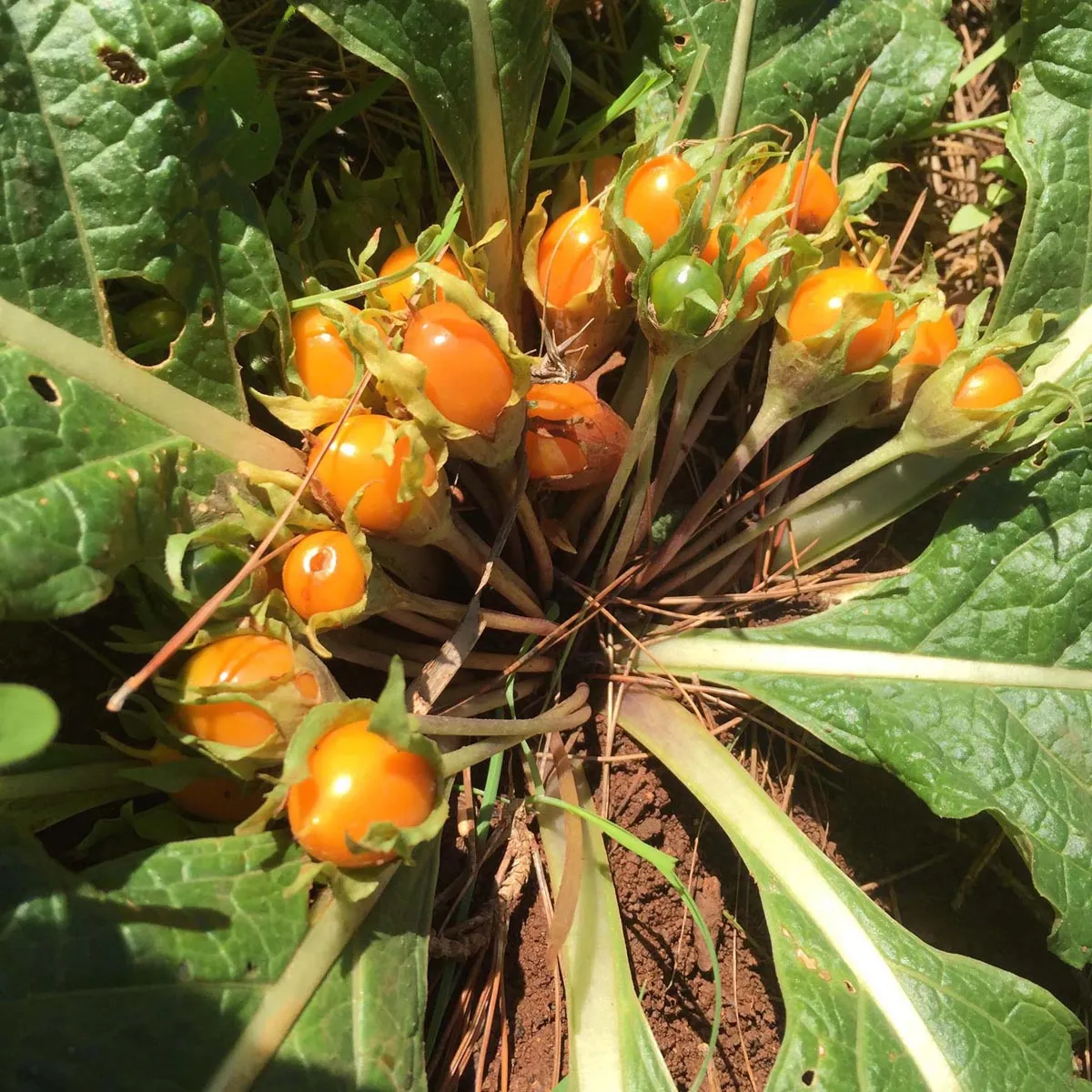
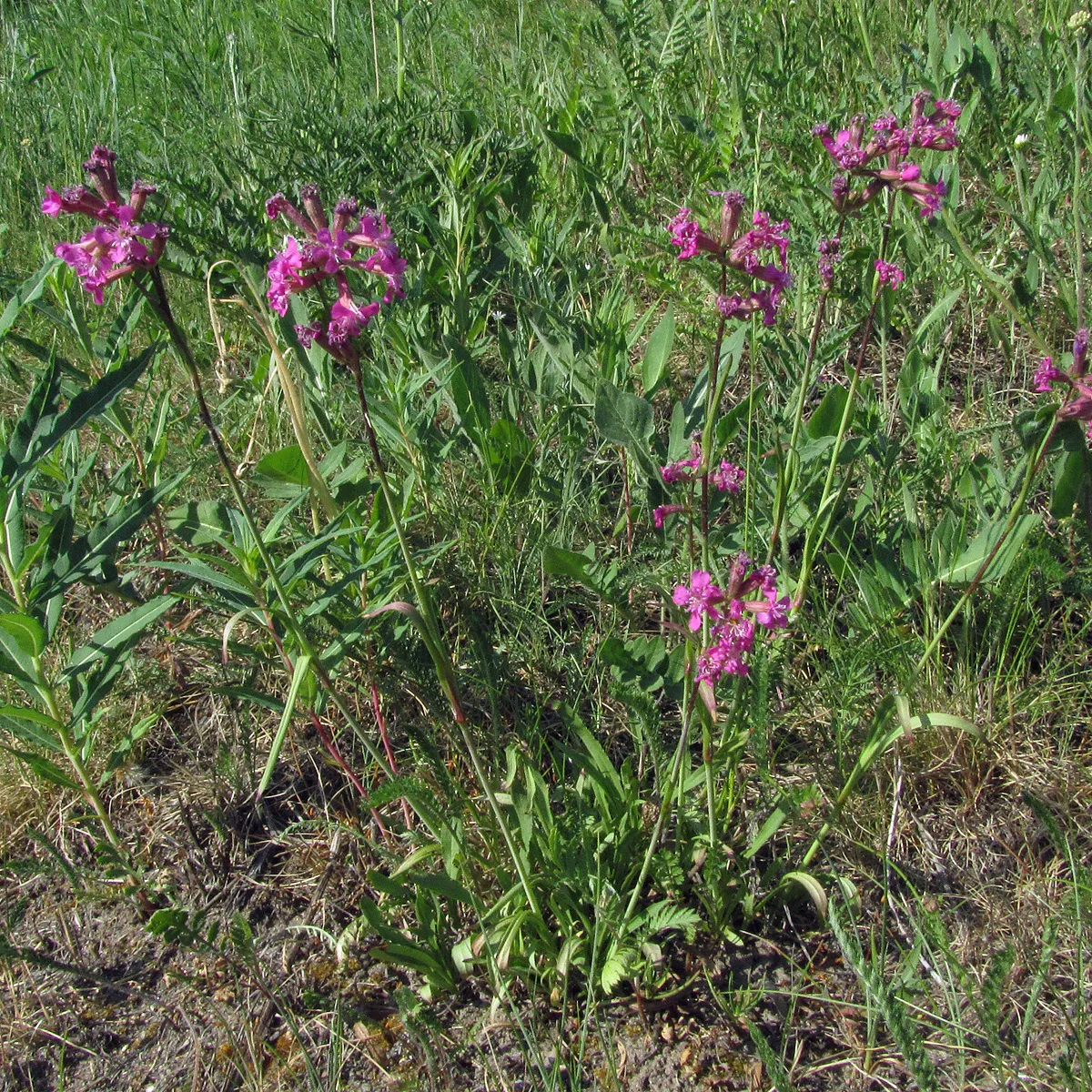
Sowing rock garden seeds
Germination requirements vary considerably between alpine plants and rock garden flowers. Many seeds benefit from a period of cool, moist conditions and are therefore particularly suitable for sowing in autumn or winter. Alternatively, cold stratification in the fridge may be helpful. Other species germinate without cold treatment and can be sown in spring.
Loose, very well drained seed compost is essential. Many alpine seeds should only be covered with a thin layer of soil or sown on the surface, as light can help germination. Keep the compost evenly moist during germination, but never waterlogged.
Once the seedlings emerge, continue growing them in a sheltered environment before gradually acclimatising them to their final position. Many rock garden plants thrive in sunny spots with mineral rich, relatively poor soil and excellent drainage. Particularly sensitive species should be protected from persistently wet soil in winter.
FAQ about rock garden seeds and alpine plants
What is the difference between alpine plants and rock garden plants?
Alpine plants originate from high mountain regions and are adapted to short growing seasons, intense sunlight, wind and stony soils. Rock garden plants are a broader group that also includes species from dry grasslands, rocky steppes and other dry or mineral habitats.
Do alpine plants always need full sun?
Many alpine species prefer bright positions or full sun. However, some grow in rock crevices, on north facing slopes or in light shade. It is therefore important to consider the specific requirements of each species, not just the amount of sunlight.
Why is drainage so important for rock garden plants?
Many alpine and rock dwelling plants naturally grow in soils where water drains away very quickly. In gardens, the main priority is therefore not simply keeping the soil dry, but preventing roots from remaining constantly wet. Waterlogging can be more damaging than frost, particularly in winter.
What type of soil is suitable for alpine plants?
Many species thrive in loose, mineral based compost containing plenty of gravel, grit or coarse sand. Ordinary potting compost that retains too much water is often too dense. However, the ideal mixture also depends on the natural habitat of each species.
Are all rock garden plants drought tolerant?
No. Although many species cope well with drought, alpine plants can have very different moisture requirements. Species from snowbeds or cool mountain regions, for example, need more moisture than typical plants of dry grasslands or steppes.
Why do alpine plants often grow so low to the ground?
Their compact, cushion shaped growth is an adaptation to wind, cold and short growing seasons. Low growing plants remain close to the ground, where the microclimate is more sheltered. Their compact form also reduces water loss and protects delicate plant tissues.
Can rock garden plants also be grown in pots or troughs?
Yes. Troughs, shallow containers and other pots are ideal provided they have sufficient drainage holes and are filled with free draining compost. Particularly sensitive alpine species are often easier to protect from winter wet in containers.
Are rock garden plants suitable for dry stone walls?
Many compact and cushion forming species are excellent for planting in joints and crevices between stones. The important factors are having enough growing medium and allowing excess water to drain away quickly.
Are rock garden seeds suitable for beginners?
Yes, although there are considerable differences between species. Hardy rock garden plants such as alpine asters, various bellflowers, pinks and easy to grow saxifrages are generally simpler to cultivate than delicate mountain specialists with very specific germination and growing requirements.