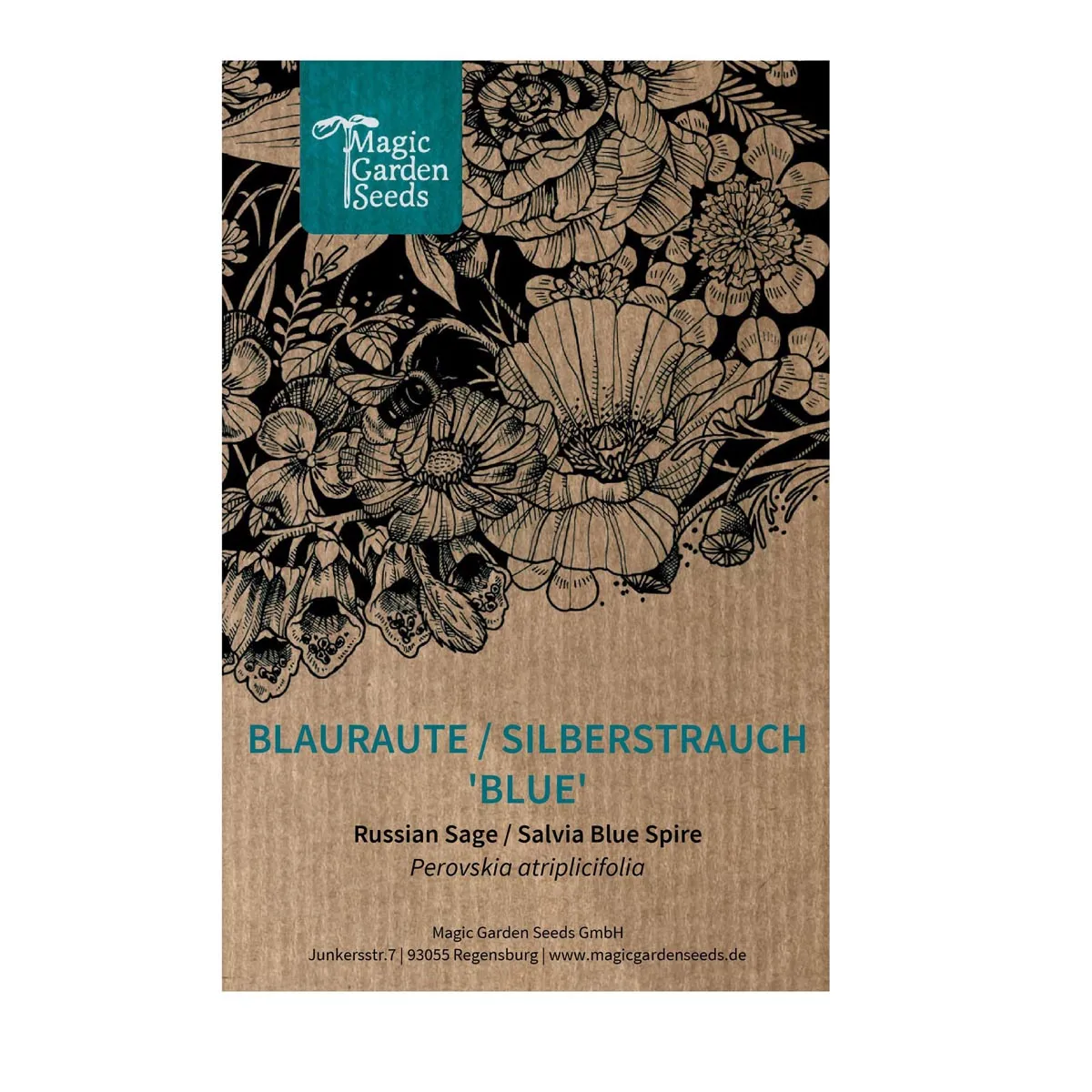
Russian Sage / Salvia Blue Spire (Perovskia atriplicifolia) seeds
- Da er bis in den Oktober hinein blüht, ist der Silberstrauch eine ganz wichtige späte Nahrungsquelle und natürlich ein wunderbarer und ungewöhnlicher Farbtupfen im herbstlichen Blumenbeet.
- Contents: Approx. 10 seeds
- Open-pollinated variety, seed tested regularly
Regular price:
€6.49
Product number: PER03 GTIN: 4251420519214
Description
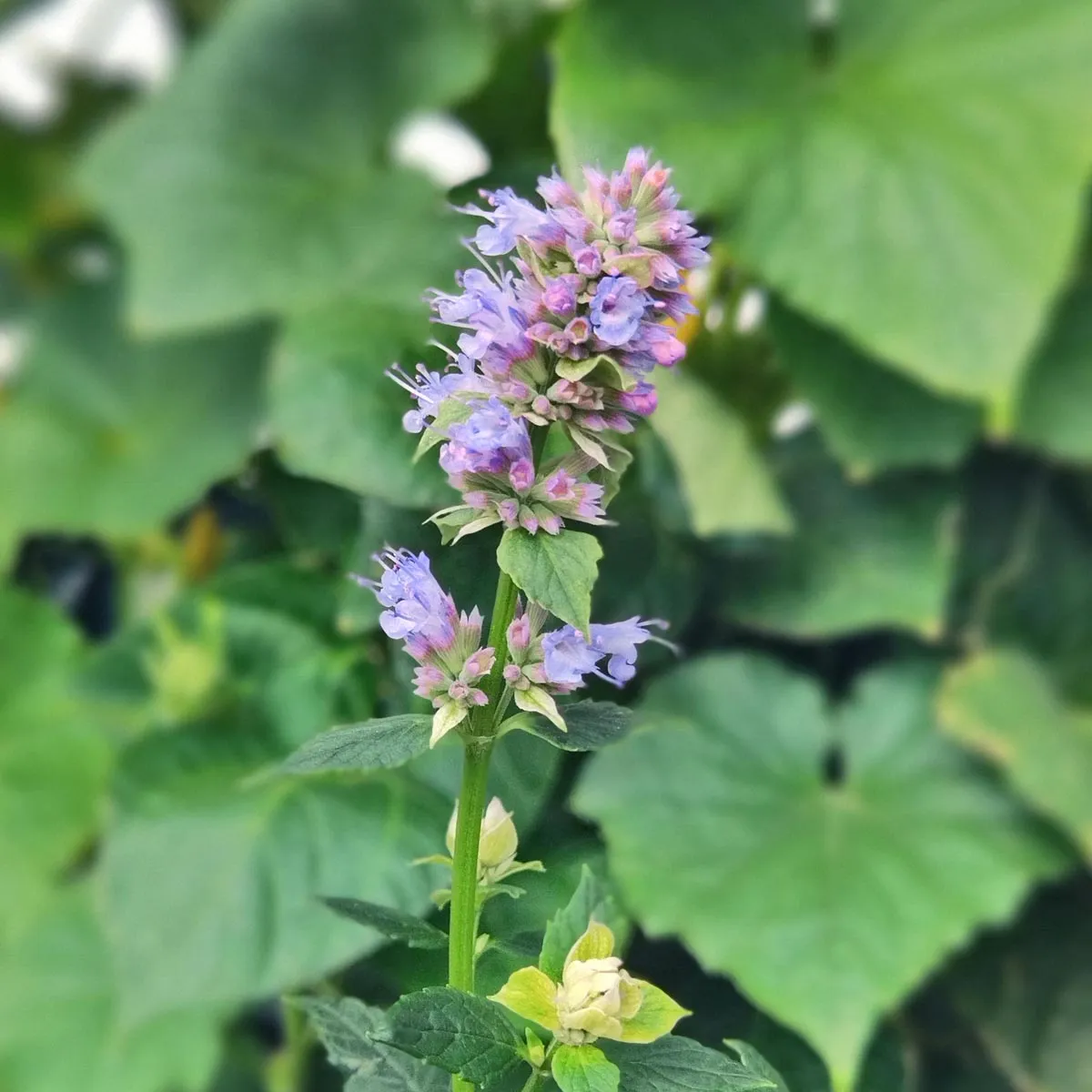
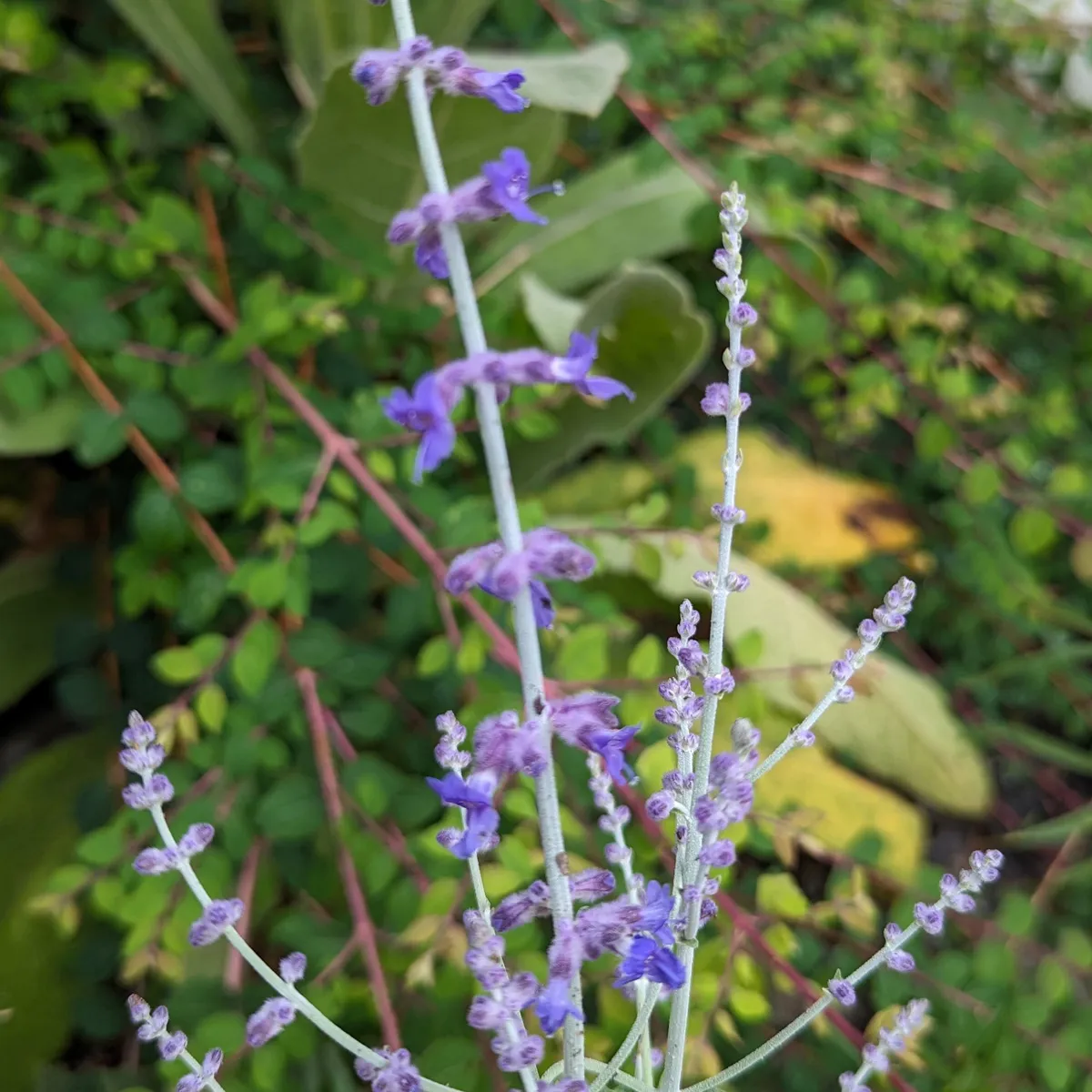
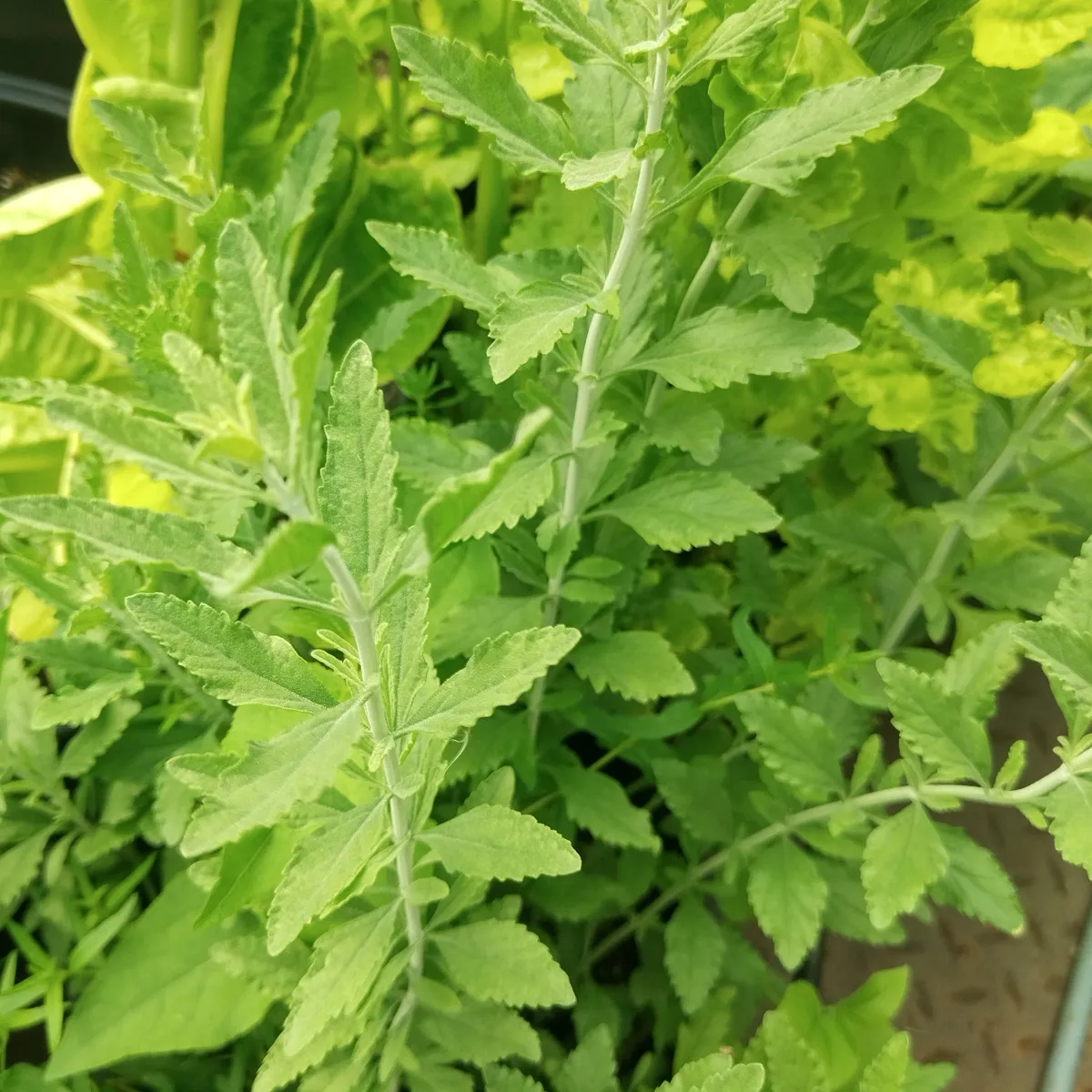
Sage or salvia ‚Blue spire‘ originally comes from the grasslands and dry forests of the Himalayas, Tibet, and Afghanistan. From a distance, its appearance resembles that of lavender, and indeed, the two plant species share many similarities.
The flowers appear in masses only in August in a beautiful lavender blue. The abundance of flowers is truly overwhelming. From a distance, the shrub looks like a blue cloud and is usually surrounded by many beneficial insects. As it blooms until October, Russian sage (as it is also known) is a very important late food source for insects and, of course, a wonderful and unusual splash of color in the autumn flower bed.
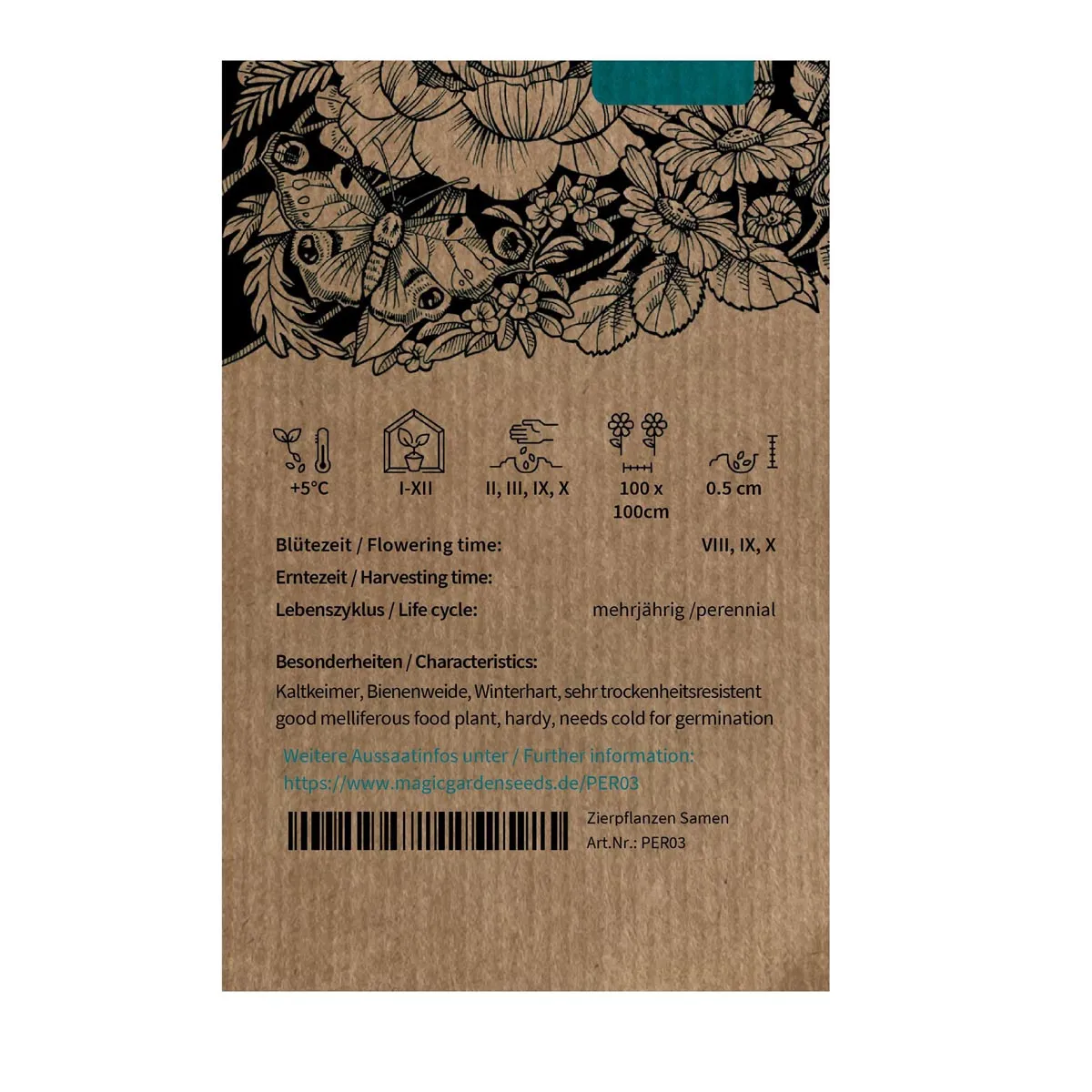
The shrub is extremely low-maintenance once it has found the right spot. It prefers lean, well-drained soils, requires no fertilization, and only needs watering during extreme dry periods. It cannot tolerate waterlogging at all. The blue spire is hardy down to about -20°C. A hard pruning of the dried shoots should only be done in the spring, as they provide good winter protection.
Plant profile
| Plant type | Herbaceous plant |
|---|---|
| Use | Container plant, Good insect food plant, Ornamental plant |
| Lifecycle | Perennial |
| Species | Lamiaceae |
| Seed propagation | konventionell |
| Region of origin | Afghanistan, Himalayas, Tibet |
| Characteristics | Drought tolerant, Food for bees, Needs cold to germinate, Very resistant to slugs and snails, Winter-hardy |
| Eventual height | 100-150 cm |
| Flower colour | Blue, Lilac |
| Flowering months | August, October, September |
| Winter hardiness zones | 6 (-23 bis -18 °C) |
Growing instructions
| When to sow outdoors | February, March, October, September |
|---|---|
| Sowing depth | 0.5 cm |
| Germination temperature | 3-5°C |
| Germination time | 1-3 months, 2-6 weeks |
| Climate | Dry, Temperate |
| Soil type | Chalky, Dry, Free-draining, Low nutrient levels, No waterlogging, Poor |
| Sunlight | Full sun |
| Water requirement | Low |
| Planting distance | 100 cm |
| Row spacing | 100 cm |
Sowing and care
Mehrjähriger Halbstrauch für sonnige, windgeschützte Standorte. Kaltkeimer: Aussaatzeit im Freiland zu Beginn des Frühlings oder im Herbst. Ersatzweise ist eine künstliche Stratifikation möglich. Mischen Sie die Samen mit feuchtem Sand in einem Plastikbeutel. Der Beutel muss in den ersten 2-4 Wochen warm und feucht (ca. +20°C) gehalten und danach in den Kühlschrank gelegt werden, wo er bei einer Temperatur von +5°C für 5-6 Wochen bleiben sollte. Danach nehmen Sie den Plastikbeutel heraus und beobachten Sie bei Raumtemperatur regelmäßig, ob die Samen keimen. Die Sämlinge dann in Töpfe pikieren und nach den letzten Frösten Mitte Mai auspflanzen.
Other names
Botanical name: Perovskia atriplicifolia
German: Blauraute, Silberstrauch, Silberbusch, Silber-Perowskie
English: Russian Sage, Salvia Blue Spire
Reviews
Login
No reviews yet. Will you write the first one?