News

In old weather lore, and especially in continental Europe, mid-May brings a key annual landmark for gardeners known as the ‘Ice Saints’. This is the time, so it’s said, when you might see the last cold snap in spring – and after which even your tender plants can finally go outdoors. It’s when the long winter wait finally comes to an end!

The Three Sisters is one of the best-known traditional companion planting techniques. It involves growing sweetcorn, beans and squashes together in the same area. Which may sound like there’s nothing much to it – but in fact this is a sophisticated growing system that evolved over many years using three crops that complement each other in functional ways. The sweetcorn grows tall, providing a climbing support for the beans. The beans fix nitrogen in the soil via symbiosis in their root system, providing extra nutrients. The squashes spread across the ground, shading the soil and helping to retain moisture. The result is a plant system that protects the soil, uses space efficiently, and yields several crops at once.

Ethnobotany sees plants not just as useful objects but as humanity’s companions – as food, medicine, fragrance, protection, symbol and memory.

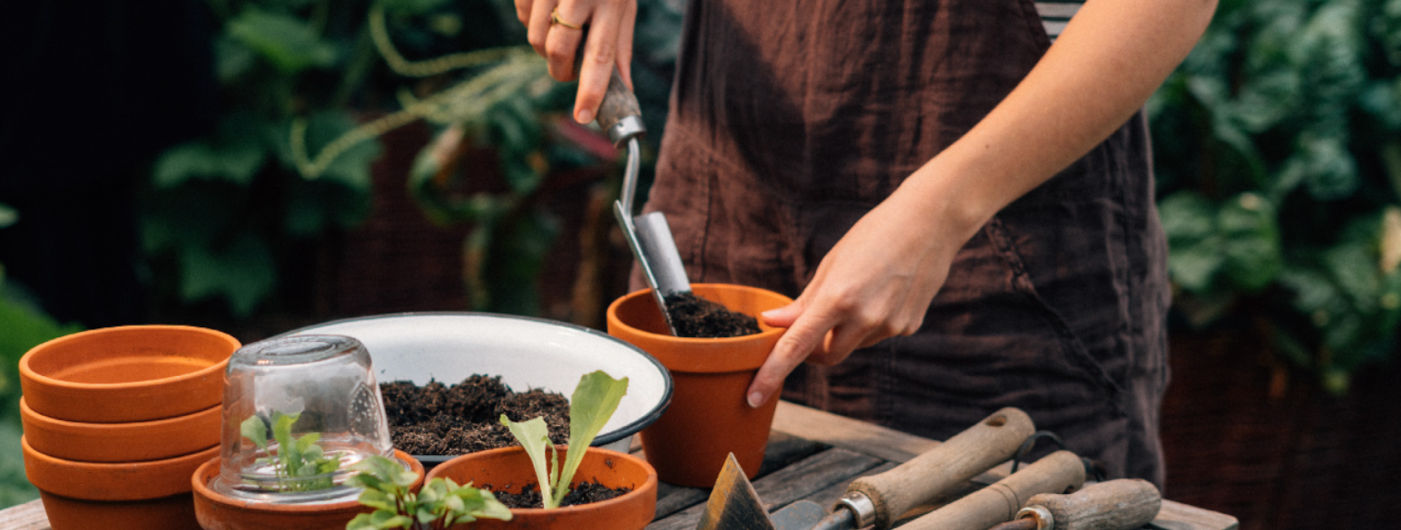
Traditionally seeds are sown quite densely in seed trays and then transplanted into small pots or modular planting trays after they have germinated. This process is called ‘pricking out’