Passionflower seeds - tropical climbing plants with spectacular flowers

Passionflowers are among the most striking climbing plants of the tropics and subtropics. Their flowers look almost like small works of art: finely structured petals, a distinctive corona and unusually shaped stamens and carpels make many Passiflora species unmistakable. Anyone who sows passionflower seeds therefore brings not only an exotic climbing plant into the home or garden, but also a plant genus with great botanical and cultural diversity.

Read more

Passiflora - a large genus from warm regions

The genus Passiflora comprises several hundred species. Its main centre of distribution lies in the tropical and subtropical regions of Central and South America, although passionflowers also occur in other warm regions of the world. Most species grow as perennial climbing plants and hold on to their surroundings with tendrils.

Depending on the species, they differ greatly in growth habit, leaf shape, flower colour and fruit formation. Some passionflowers remain relatively compact, while others develop long shoots and, over time, need a stable climbing support.

Flowers with unmistakable architecture

The most striking feature of passionflowers is their unusual flower. Particularly characteristic is the often strongly contrasting corona made up of numerous fine filaments, which gives the flower its almost ornamental appearance.

This special flower form also gave rise to the name passionflower. In Christian symbolism, individual parts of the flower were associated with the Passion of Christ. Thus, a botanically extraordinary flower also became a plant with a special cultural history.

From blue passionflower to maracuja

One of the best-known species is the blue passionflower, Passiflora caerulea, which is often cultivated as an ornamental plant because of its striking blue and white flowers. Equally well known is Passiflora edulis, whose fruits we know as maracuja or passion fruit.

This connection is especially fascinating: what we encounter in everyday life as fruit juice, dessert or exotic fruit comes from a climbing plant with exceptionally spectacular flowers. In addition, there are numerous other Passiflora species with their own flower forms and fruit characteristics.

Not every passionflower is equally sensitive

Many passionflowers come from warm climate zones and are best cultivated here in containers, conservatories or greenhouses. However, there are also comparatively robust species that tolerate significantly lower temperatures.

How hardy a passionflower actually is depends strongly on the species, location, soil moisture and winter protection. Particularly sheltered positions may therefore make outdoor cultivation possible for some species, while others must be kept frost-free all year round.

Passion fruits full of seeds

After successful pollination, many Passiflora species form rounded to elongated fruits with numerous seeds. These seeds are usually surrounded by a juicy aril, which in the well-known fruit species forms the aromatic part of the passion fruit.

The seeds themselves also differ depending on the species in size, shape and surface structure. For sowing, the freshness of the seed is especially important, as germination behaviour can vary considerably from one species to another.

Experience passionflowers from seed yourself

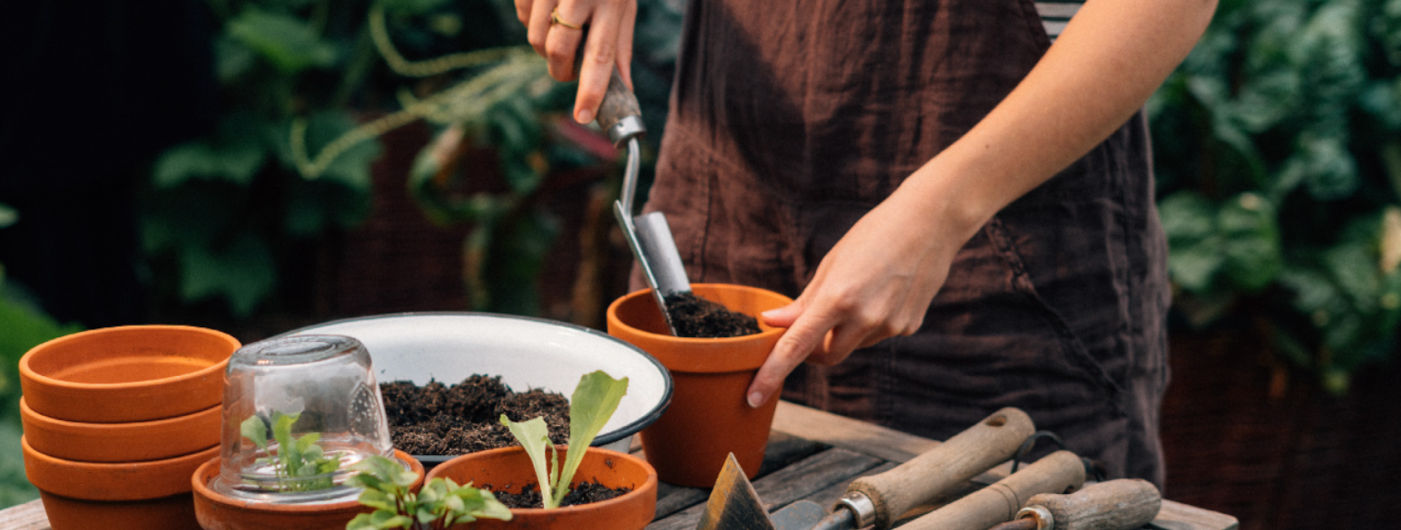
Sowing offers the opportunity to accompany Passiflora from the very beginning. First small seedlings appear, later the first tendrils develop and finally the characteristic leaves of the respective species. Under good conditions, many passionflowers grow vigorously and quickly use climbing supports for their further ascent.

Especially with rare Passiflora species, growing them from seed has a very special appeal. With a little patience, an inconspicuous seed develops into an exotic climbing plant whose flowers belong to the most extraordinary forms in the plant world.


Items 1 - 3 of 3