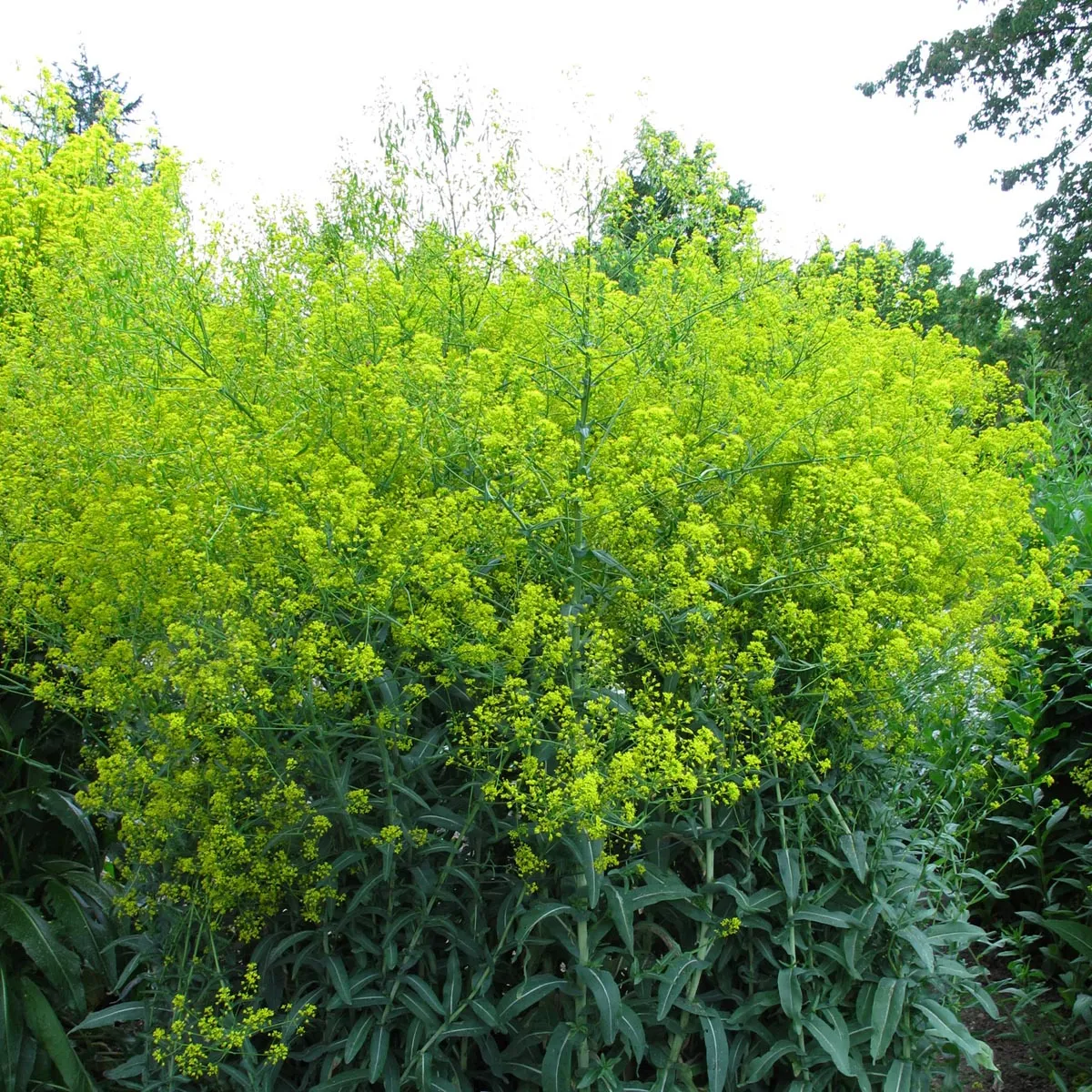
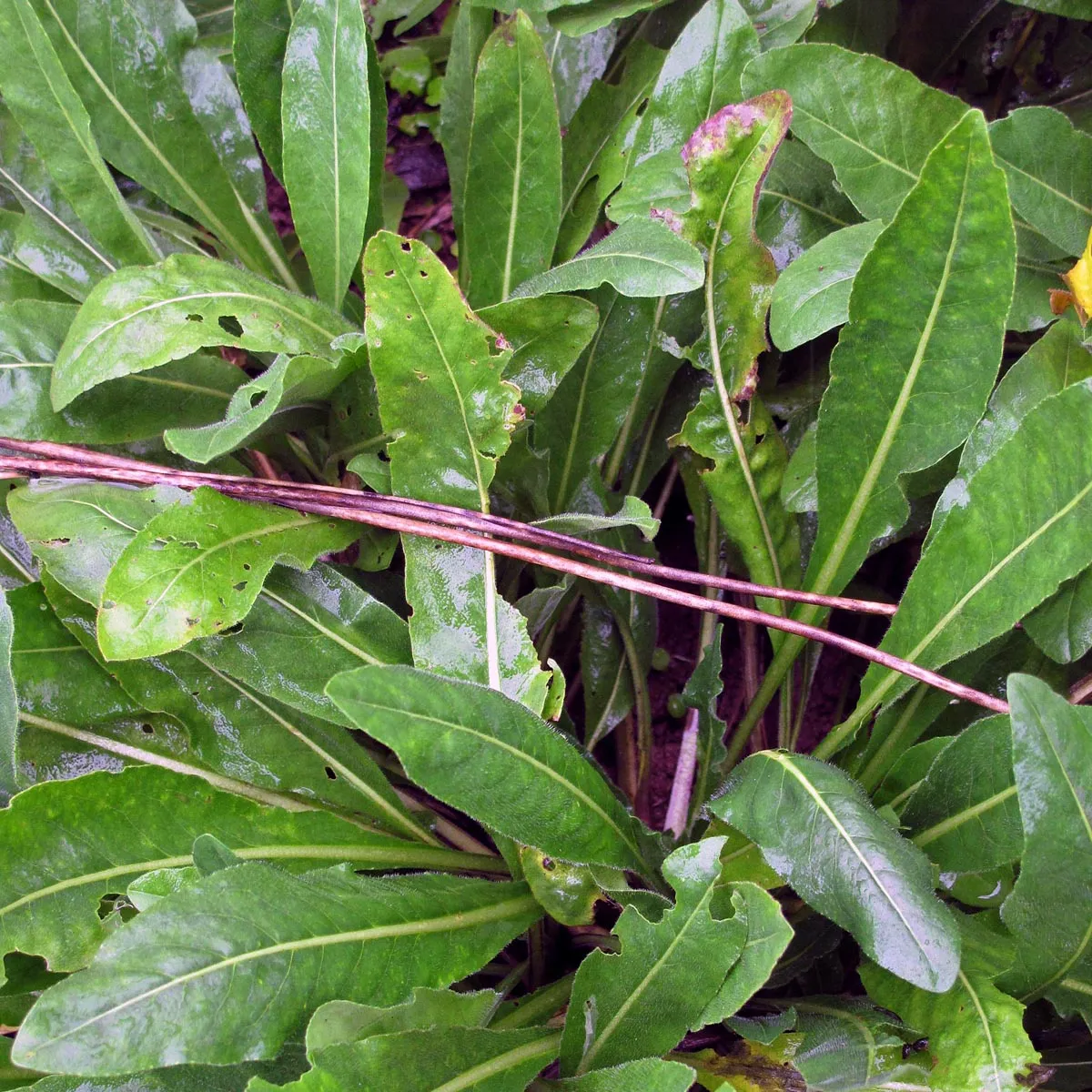
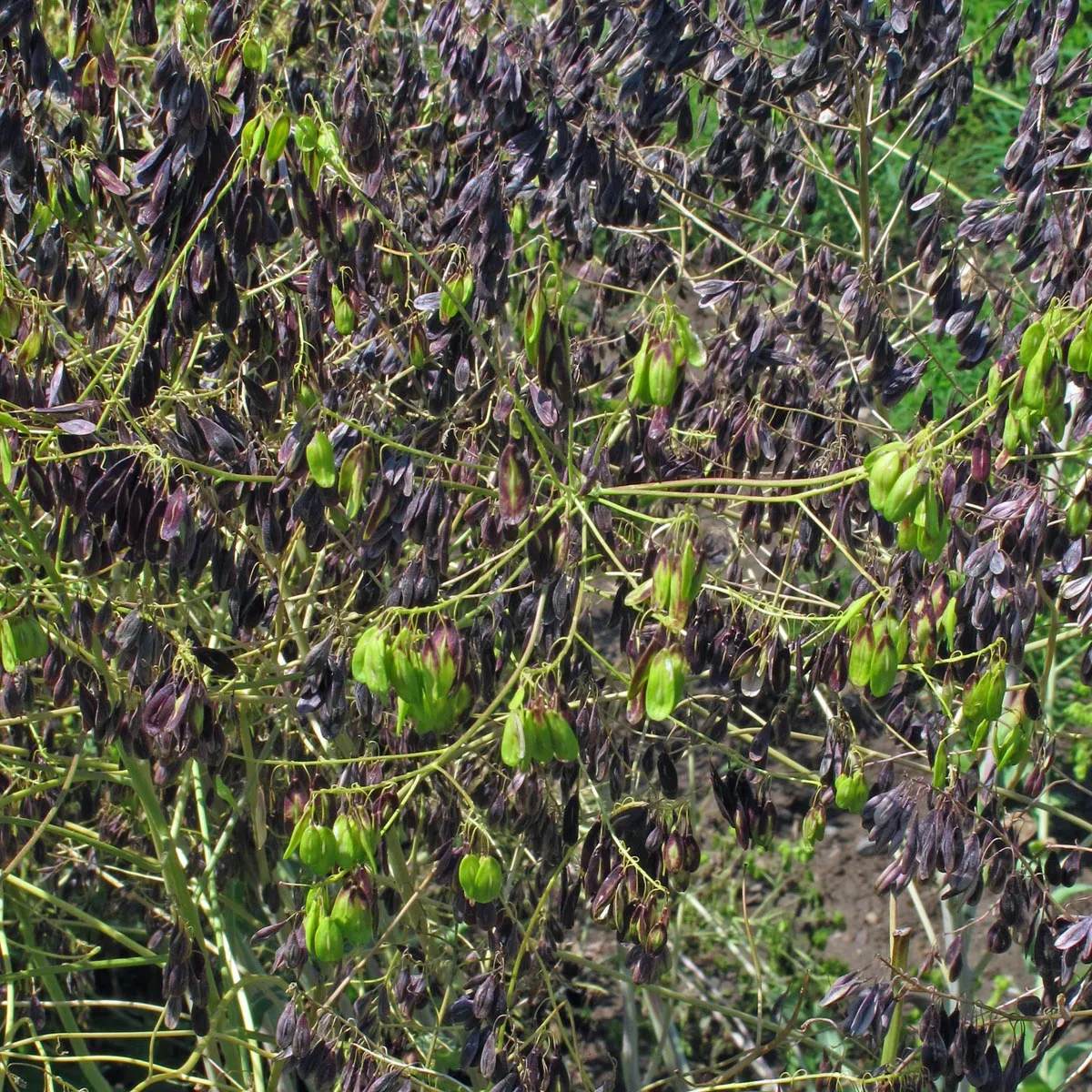
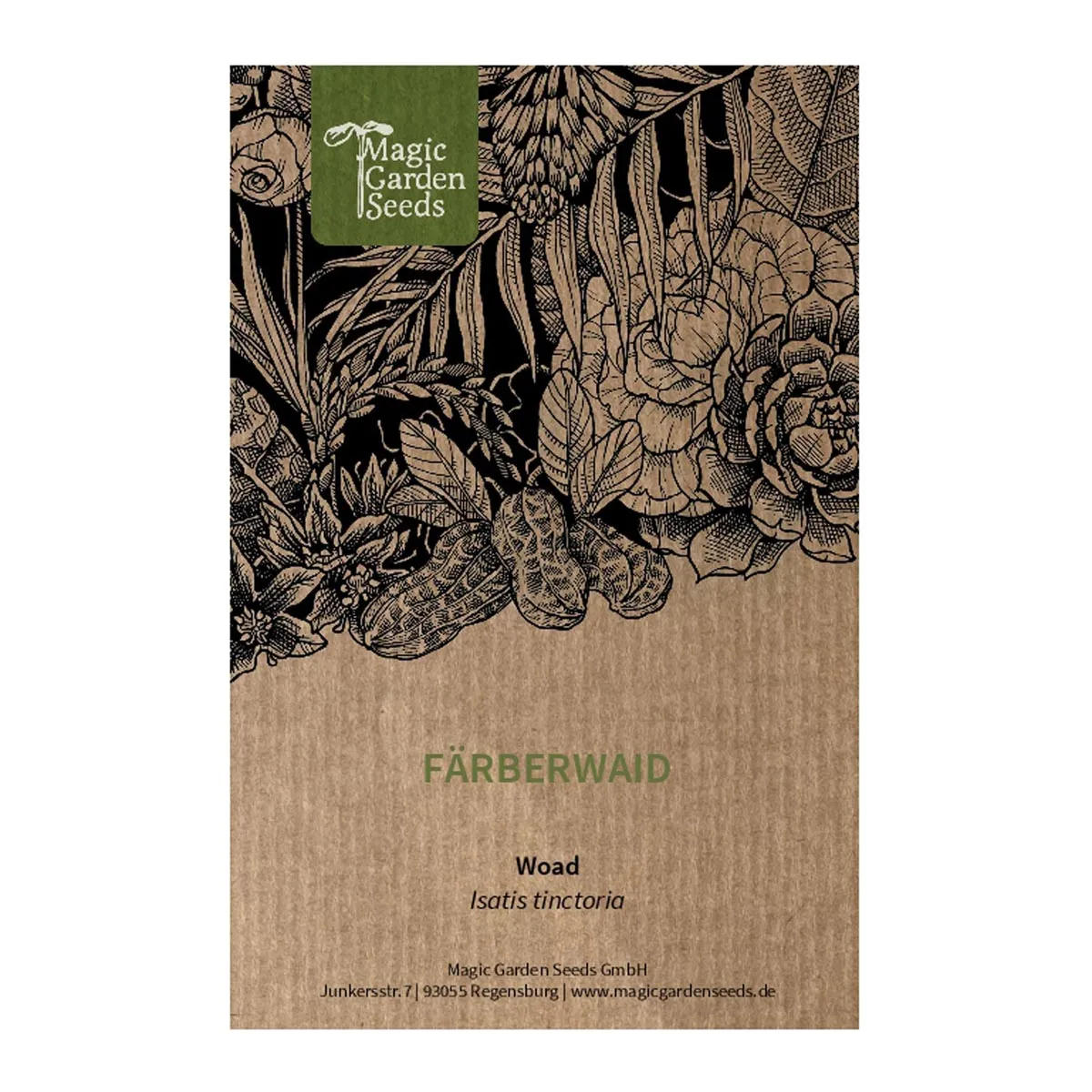
Woad (Isatis tinctoria) seeds
- Glastum is an old dye plant. In former days, indigo blue was gained from it.
- Contents: Approx. 100 seeds
- Open-pollinated variety, seed tested regularly
Regular price:
€2.99
Content: 100 Single seed
Product number: 1115 GTIN: 4250601202747
Description
Woad is a historical dye plant from which the so-called "Erfurter Blau" was gained. Also, British warriors are said to have rubbed their faces with the dye of the plant at the time of Caesar to obtain a fearsome appearance when they were fighting the Romans. In colonial times, woad was supplanted by the stronger indigo blue. It, however, continues to play a role in Chinese medicine, which uses ground woad rhizomes prepared as an infusion or as flu medicine.
More recent medical research has also shown that woad could potentially play an important role in cancer prevention, as it can produce very high concentrations of the glucosinolate glucobrassicin which is also found in broccoli and cabbage.
More recent medical research has also shown that woad could potentially play an important role in cancer prevention, as it can produce very high concentrations of the glucosinolate glucobrassicin which is also found in broccoli and cabbage.
Plant profile
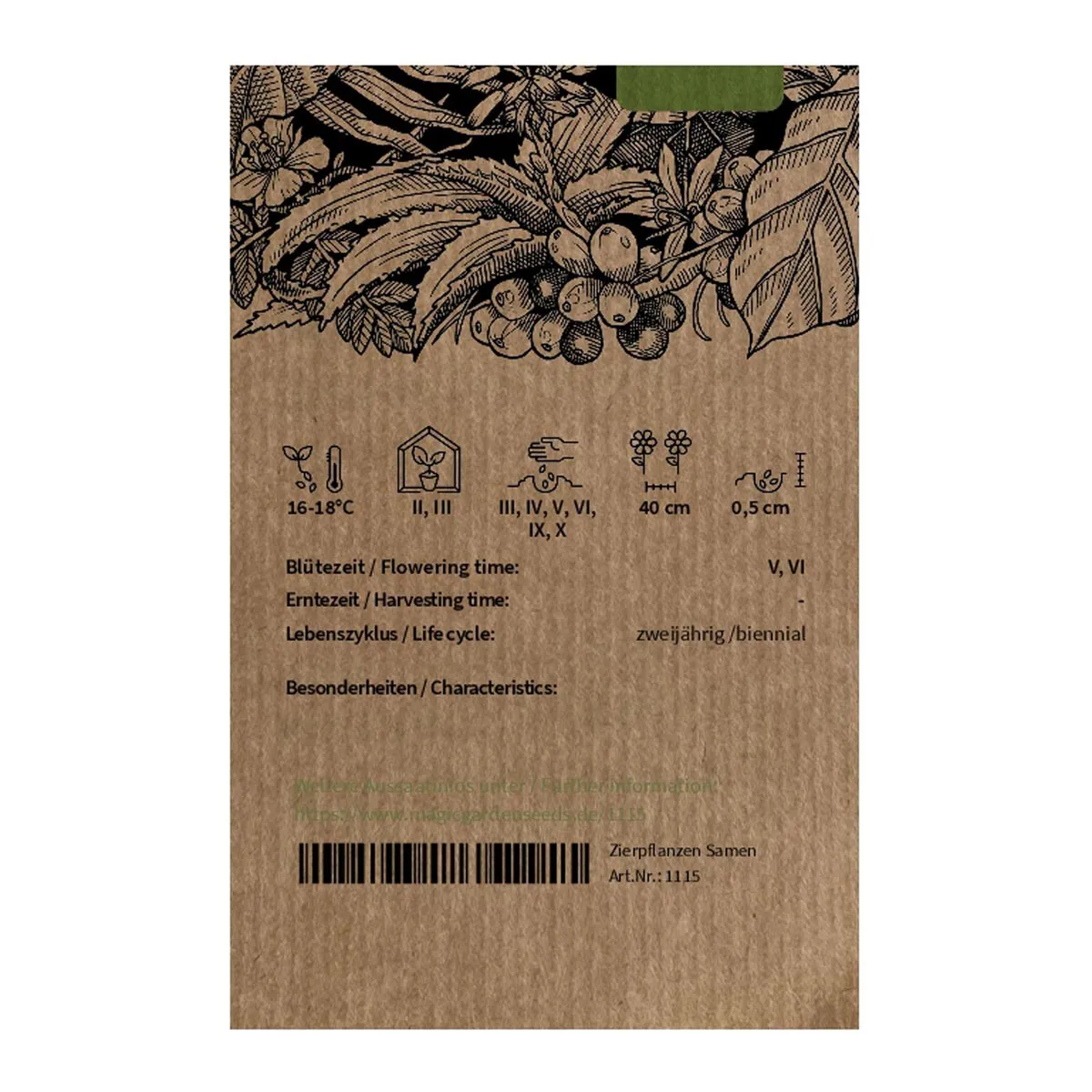
| Lifecycle | Biennial |
|---|---|
| Species | Brassicaceae |
| Eventual height | 30-150 cm |
| Flower colour | Yellow |
| Flowering months | June, May |
| Root system | Runners, Taproot |
Growing instructions
| When to sow outdoors | April, June, March, May, October, September |
|---|---|
| Sowing depth | 0.5 cm |
| Germination temperature | 15-20°C |
| Sunlight | Full sun |
| Planting distance | 40 cm |
Sowing and care
Woad is a biennial, hardy plant. Directly sow outdoors from March to June. Preculture is also possible. The plant grows up to 1 m high and loves sunny locations.
Other names
Botanical name: Isatis tinctoria, Isatis indigotica
English: woad, dyer's woad
Reviews
Login
No reviews yet. Will you write the first one?