Seven sage species between Mediterranean culinary herbs and old incense traditions
The plant genus sage (Salvia) belongs to the mint family and includes around 850 to more than 900 species worldwide. Among them are annual herbs, perennial plants and woody subshrubs. Many sage species are distinguished by aromatic leaves, a high content of essential oils and striking lipped flowers. Depending on the species, they are used as culinary and tea herbs, traditional medicinal plants, incense plants or decorative flowering plants.
One of the best-known representatives is common sage, which originally comes from the Mediterranean region. As early as the Middle Ages, it reached areas north of the Alps and was cultivated in monastery and cottage gardens as a valued culinary and medicinal herb. Other sage species developed in the dry landscapes of North America, in Mediterranean meadows or in Central America. This sage collection brings together seven species with different fragrances, flower forms, usage traditions and site requirements.
Seven aromatic and flower-rich sage species
Common sage (Salvia officinalis)
The classic culinary and garden sage originates from the Mediterranean region. Its strongly aromatic leaves are suitable for seasoning meat, fish, vegetables and Mediterranean dishes. Its spicy, herbaceous aroma is almost indispensable for traditional saltimbocca. In addition, common sage has been used for centuries as a tea and medicinal plant.
Spanish sage (Salvia lavandulifolia)
Spanish sage, also known as lavender-leaved sage, forms narrow, grey-green leaves and violet-blue flowers reminiscent of lavender. Its strong aroma has a resinous note, slightly reminiscent of rosemary. This Mediterranean species can be used as a culinary herb and, traditionally, also as an incense plant.
Clary sage (Salvia sclarea)
The stately clary sage impresses with large, richly branched flower spikes and an intense, warm, resinous-spicy scent. This aromatic plant has long been cultivated for the extraction of essential oil as well as a fragrant, incense and traditional medicinal plant. Its distinctive scent is also noticed with striking interest by some cats.
Purple annual clary (Salvia viridis)
In annual clary, it is above all the strongly violet-coloured bracts that create a long-lasting decorative effect. This annual species originates from the Mediterranean region and is suitable as a colourful gap filler for flower beds, herb plantings and natural-style borders. The small flowers are readily visited by bees and other insects.
Mexican chia (Salvia hispanica)
Chia is an annual sage species from Mexico and Central America. It develops tall flower spikes with numerous small lipped flowers. The plant is best known for its edible seeds, which were already used by pre-Columbian cultures as a valuable food and are now valued as a versatile superfood.
White sage (Salvia apiana)
White sage originates from the dry regions of southwestern North America. Its silvery-white, strongly aromatic leaves release an intense, resinous scent. For various Indigenous cultures of North America, the plant has special ceremonial significance and is traditionally used as an incense plant.
Meadow sage (Salvia pratensis)
The native meadow sage forms striking violet-blue flowers and is a valuable nectar source for bumblebees, bees and other pollinators. Its young leaves can be used sparingly as a mild culinary herb, for example with fish dishes. The flowers are also edible and suitable as colourful decoration for salads and other dishes.
Aromatic diversity for garden, kitchen and incense
The seven species show how diverse the genus Salvia is. Some varieties provide intensely aromatic leaves for the kitchen, while others are valued as tea, fragrant or incense plants. Chia adds an old useful plant with edible seeds to the collection, while meadow sage and annual clary are especially convincing with their decorative, insect-friendly flowers.
Sage flowers have a special pollination mechanism: when bumblebees or bees visit the flower, they trigger a small lever mechanism in the stamens, which places the pollen precisely on their backs. This close adaptation makes flowering sage species fascinating plants to observe in natural-style gardens.
Sowing and care of the sage collection
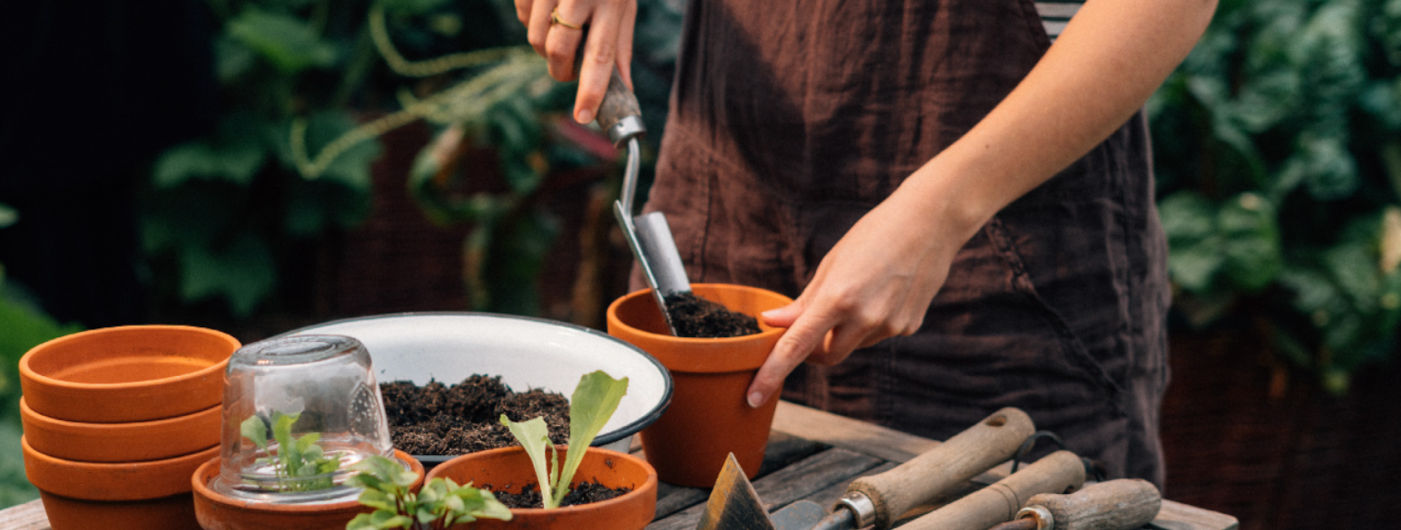
The sage species included differ in life cycle, germination behaviour and winter hardiness. Protected pre-cultivation is therefore recommended for most species. Depending on the species, the seeds are sown from late winter or spring in loose, nutrient-poor seed compost and covered only thinly with substrate. Keep the seeds evenly moist during germination, but never wet.
After germination, the young plants need plenty of light and good air circulation. Once no more severe frosts are expected, they can gradually be accustomed to outdoor conditions and planted in their final location. Most sage species prefer sunny, warm places with loose and well-drained soil. Waterlogging should be avoided at all costs.
Meadow sage is hardy in Central Europe. Common sage can also be grown as a perennial in sheltered, dry locations, but in cold regions it should be protected from winter wet and severe frosts. Spanish sage and clary sage also need well-drained soils and, depending on the region, light winter protection. Chia and annual clary are generally grown here as annuals. White sage is only moderately frost-tolerant and should be overwintered frost-free or resown each year.
Seven seed packets in a decorative gift package
The seed set contains one seed packet each of common sage, Spanish sage, clary sage, purple annual clary, Mexican chia, white sage and meadow sage. The seven seed packets are supplied together with detailed sowing instructions in German and English in a decorative gift package.
The sage collection is a sustainable gift for herb lovers, plant enthusiasts and adventurous gardeners. It invites you to sow the remarkable diversity of the sage genus yourself and discover its different fragrances, flowers and uses.