
Flower Seeds for Shade - Flowering Plants for Shady Spots
Even shady areas of the garden can be surprisingly full of flowers. With the right flower seeds, you can bring colour to spaces beneath trees, alongside walls and hedges, or on the north side of the house. The key is not just how little sunlight a spot receives, but also whether the soil tends to be dry or stays consistently moist.
Our flower seeds for shade and partial shade include species that thrive with less direct sunlight. These range from typical woodland and woodland edge plants to hardy garden flowers that prefer dappled shade or sheltered spots.
Not all shade is the same
A spot beneath an open tree canopy is quite different from deep shade beside a north facing wall. Dappled shade and partial shade offer a particularly wide choice of flowering plants. Beneath densely leafed trees and shrubs, however, dry soil and competition from roots can create additional challenges. These areas need species that tolerate not only low light levels but also these demanding soil conditions.
Flowers for woodland areas, woodland edges and shady gardens
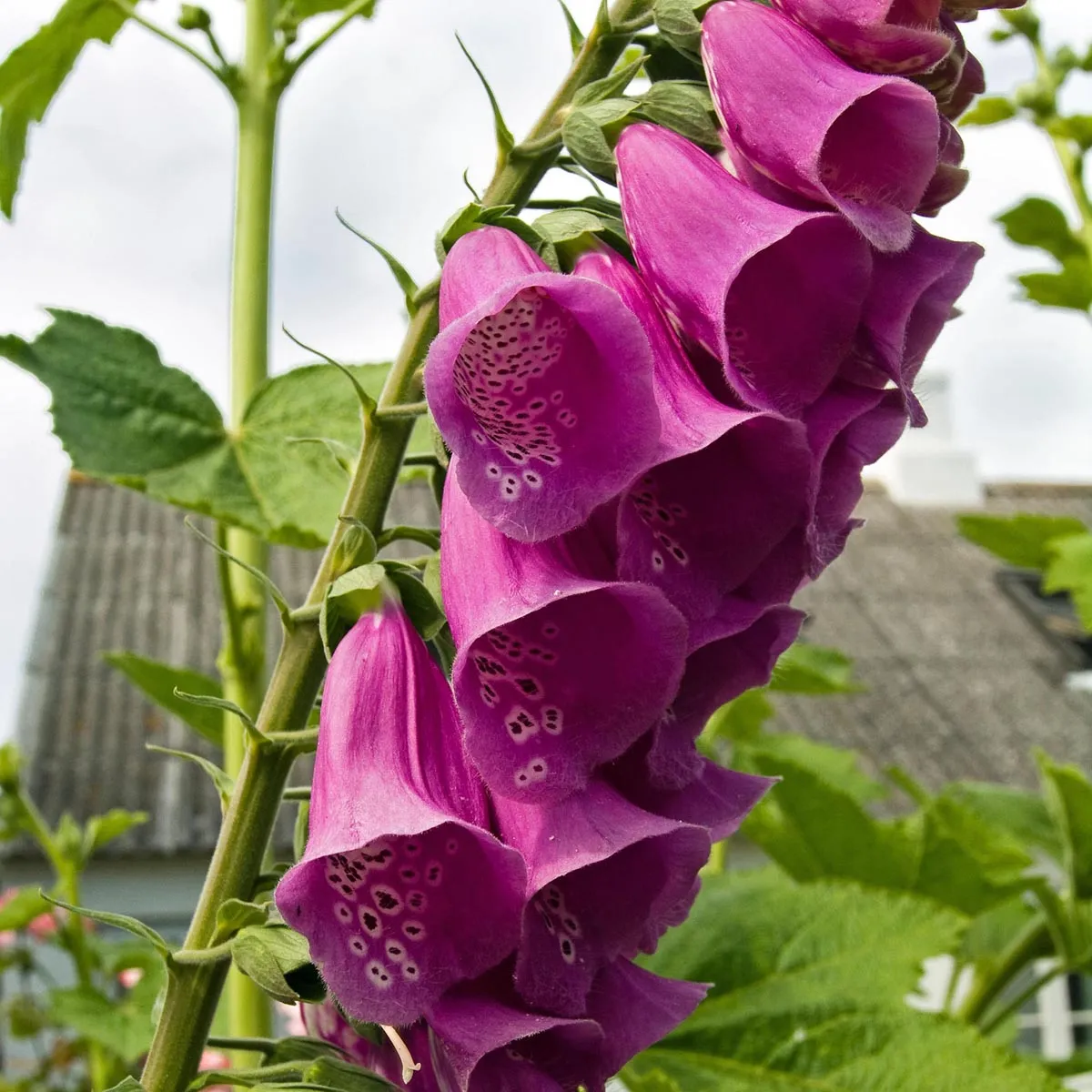
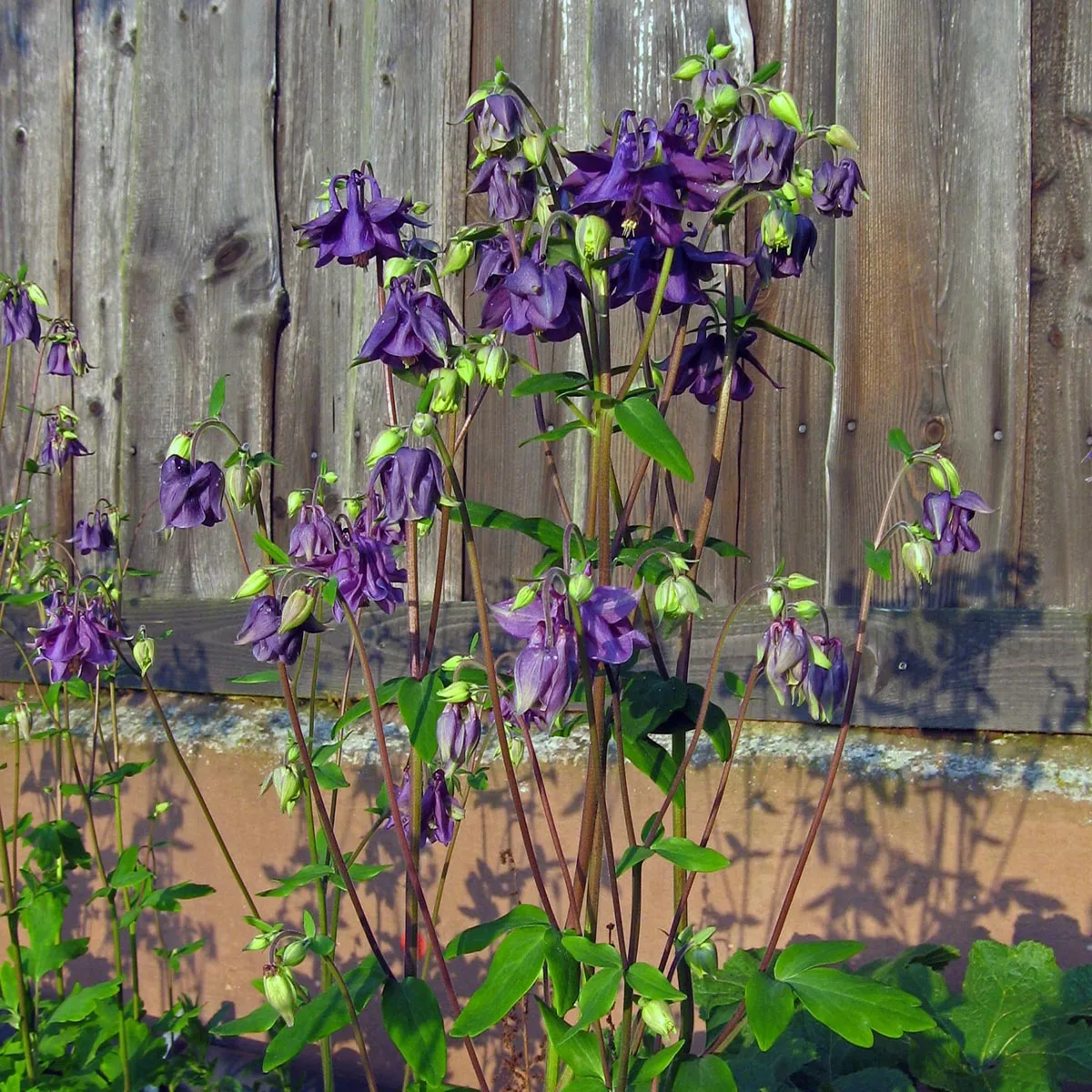
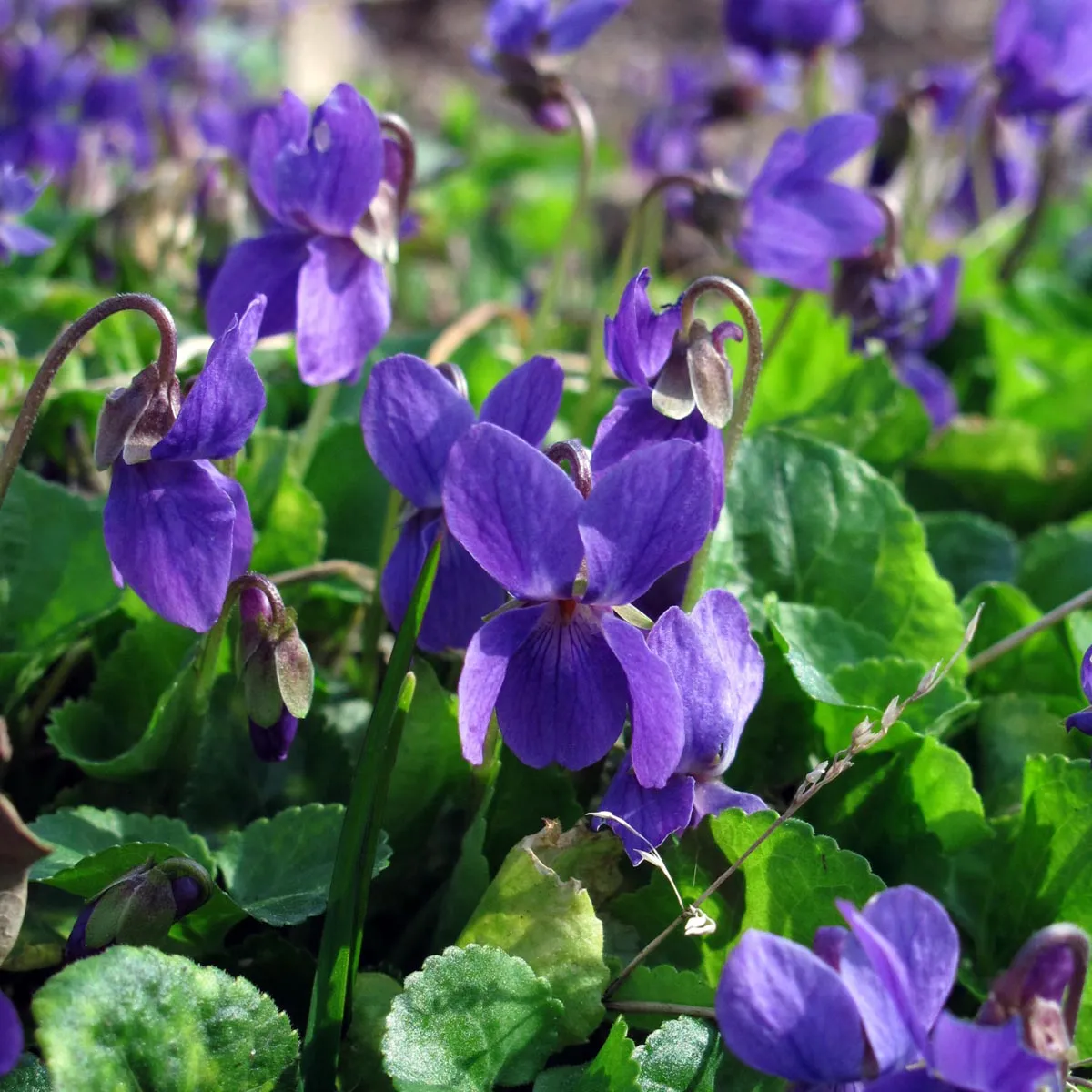
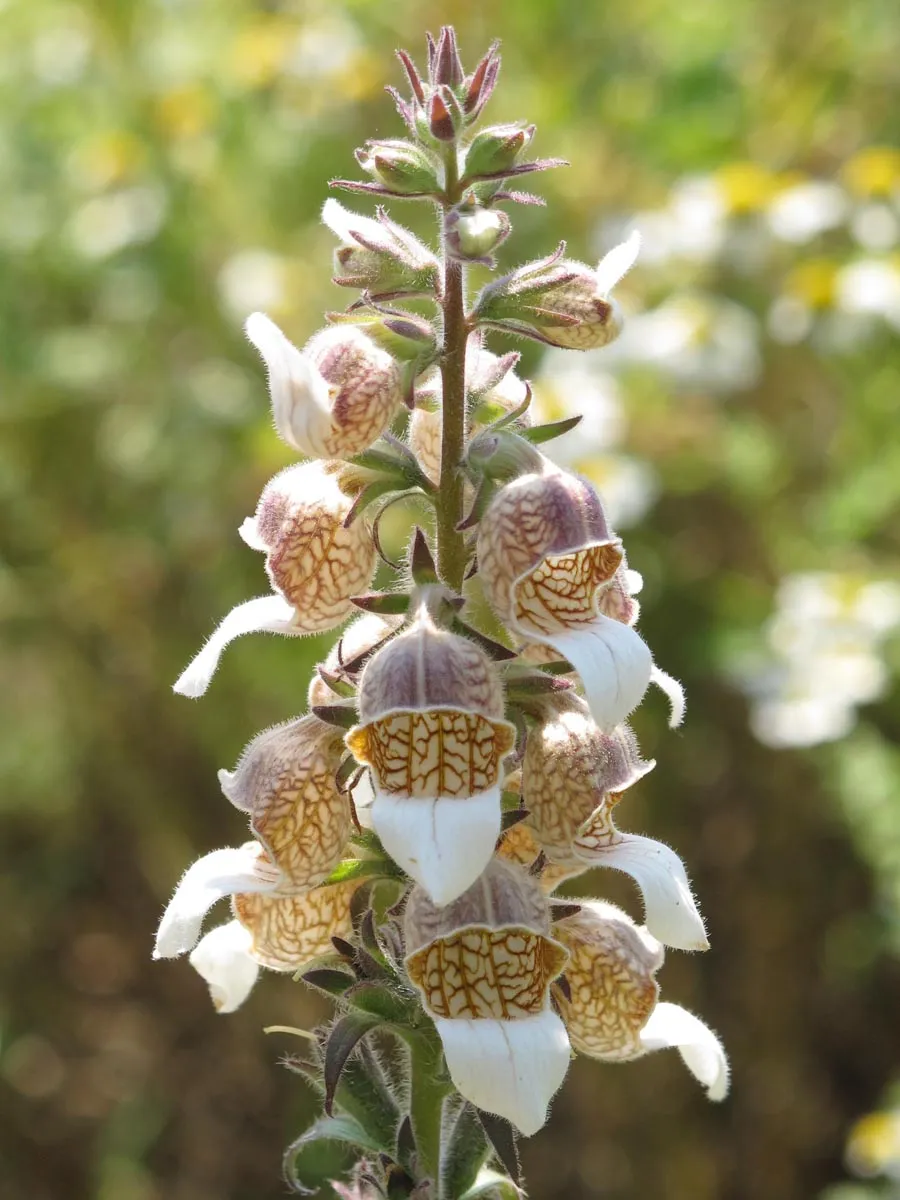
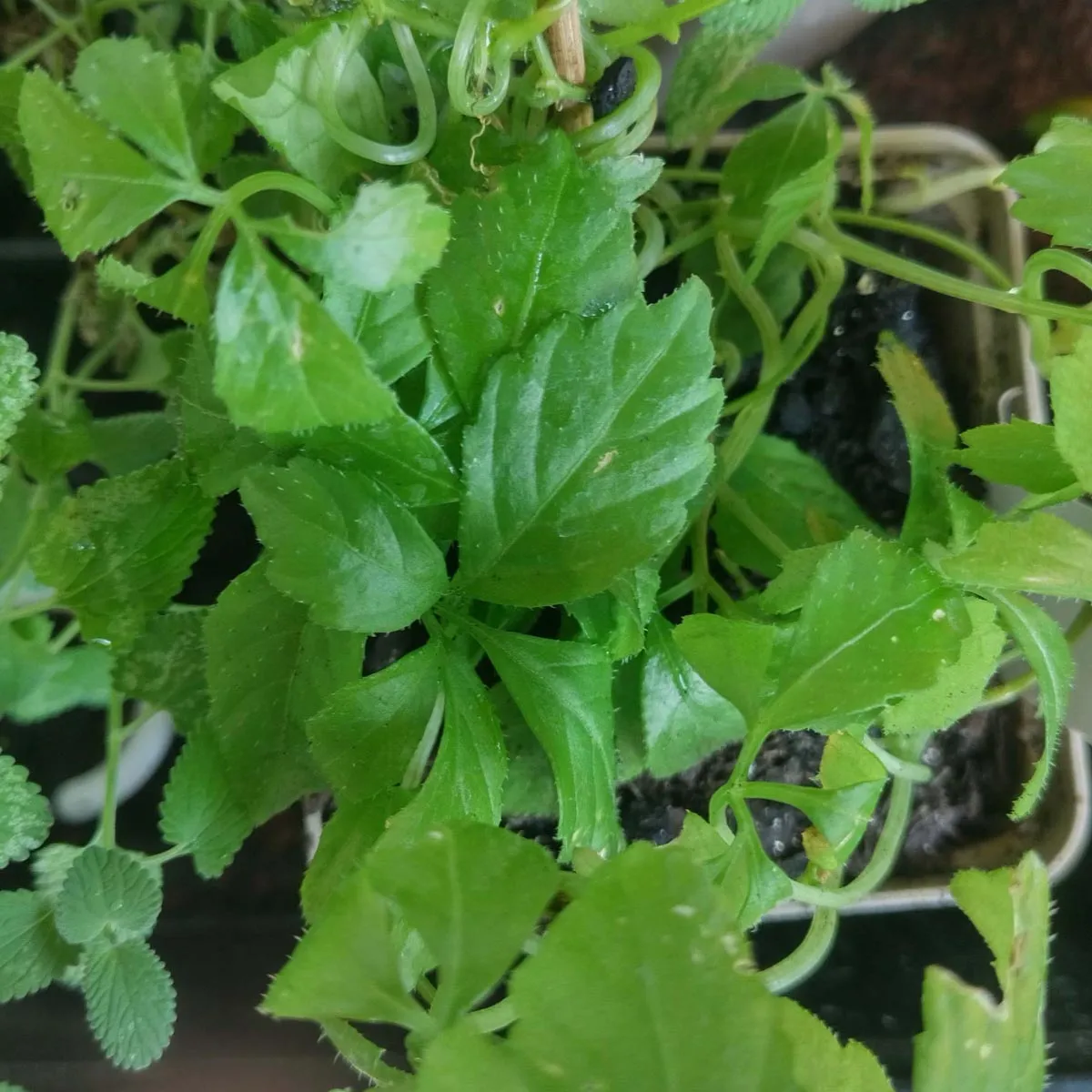
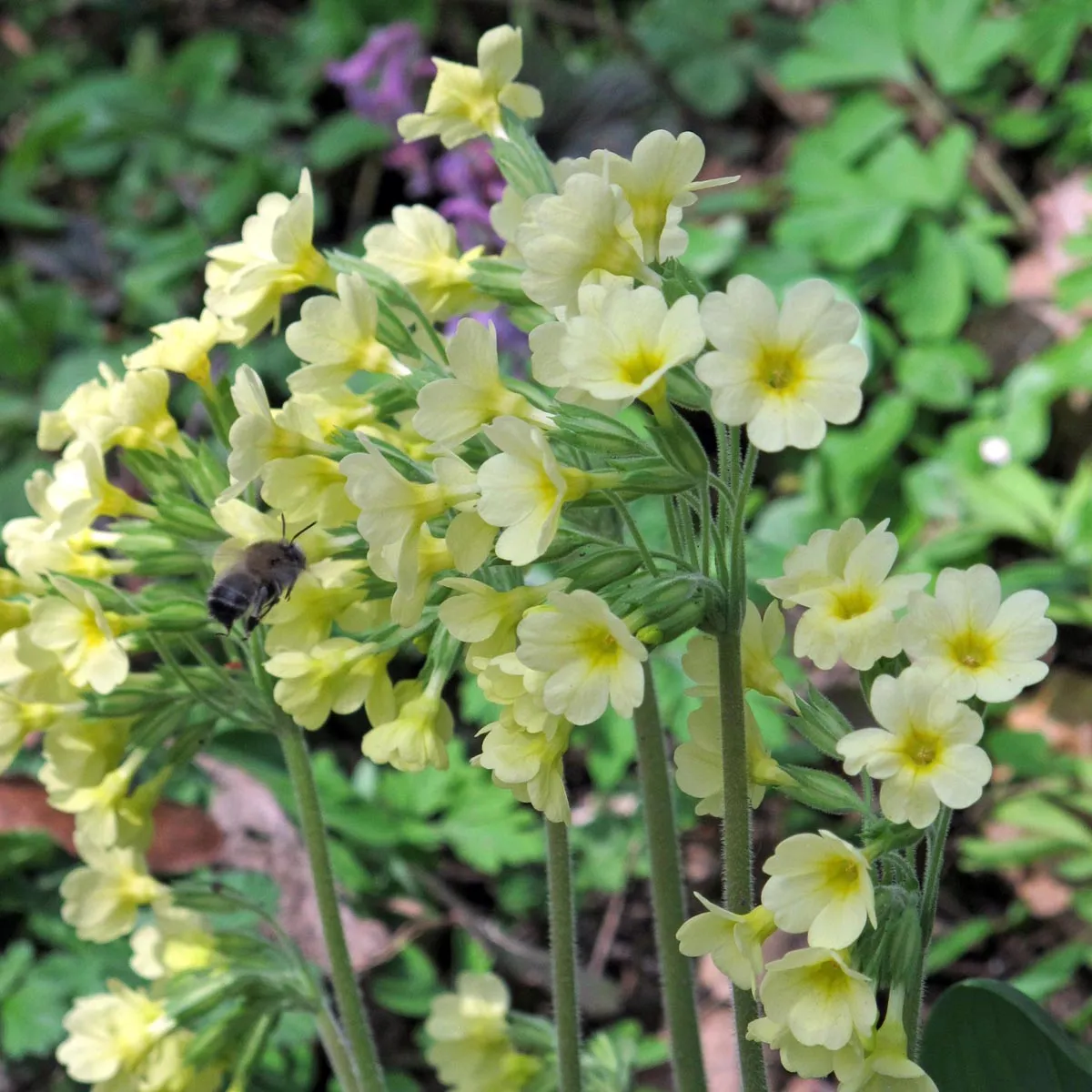
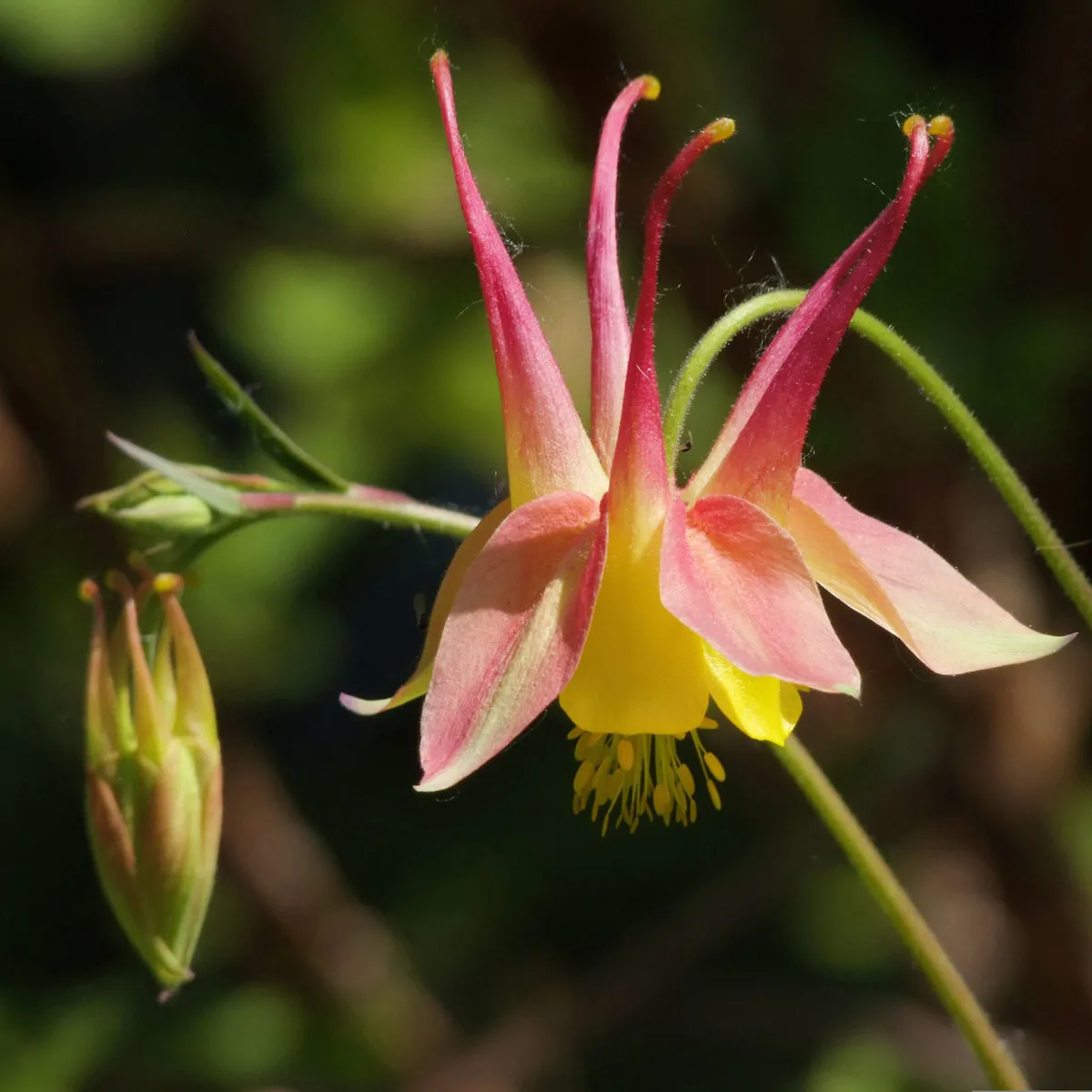
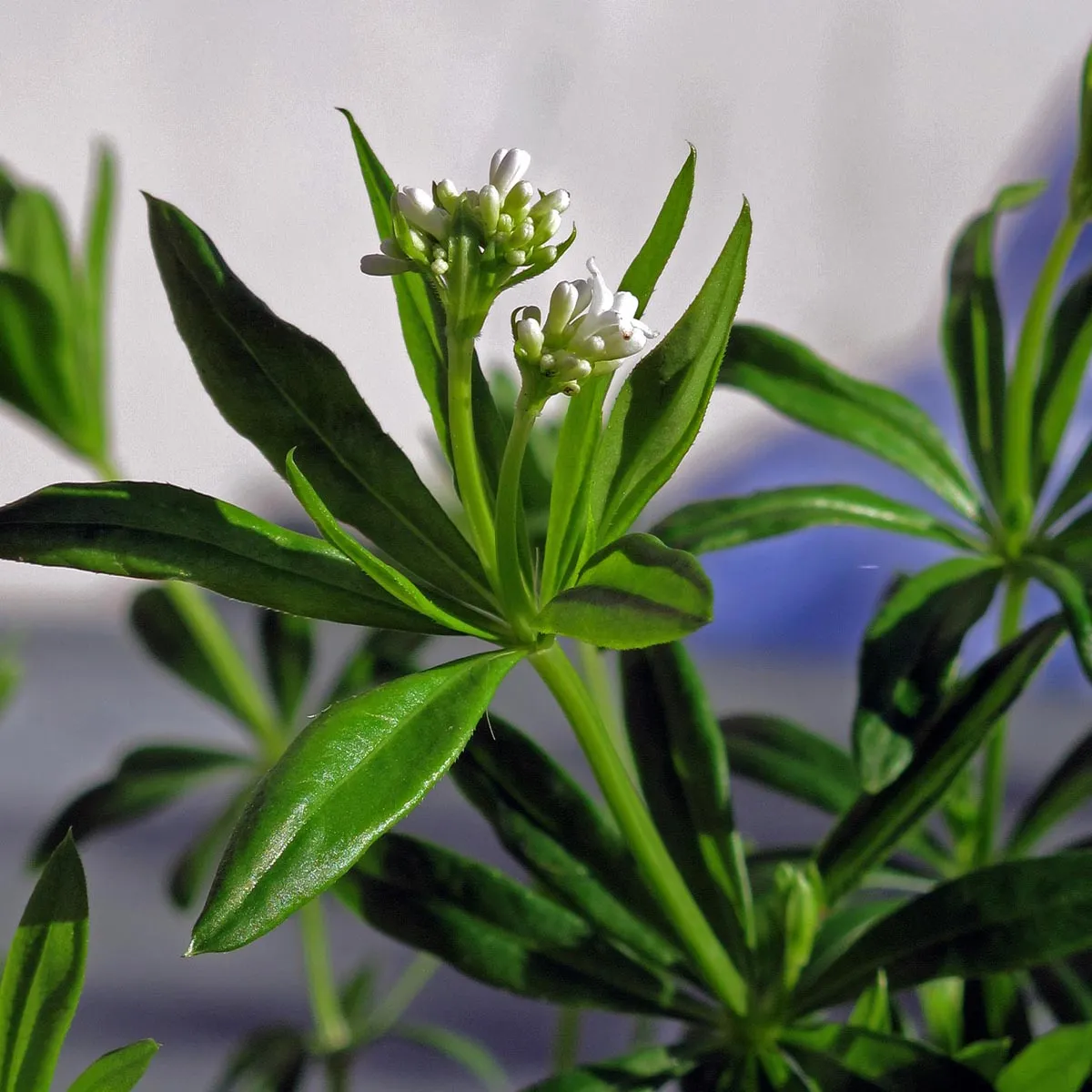
Many classic shade loving flowers originate from woodlands or woodland edges. Columbines, foxgloves, sweet woodruff, violets and various woodland perennials show that a shady garden need not be limited to green foliage. Naturalistic shade borders can provide interest for many months while creating valuable habitats for wildlife.
Choosing the right growing conditions
For successful planting, it is worth looking closely at both light levels and soil moisture. Moist, humus-rich shade offers different possibilities from dry shade beneath mature trees. Choosing flower seeds suited to these conditions provides the best foundation for healthy, long lasting plants that thrive in their surroundings.

Sowing flower seeds for shade
There is no single sowing method that works for all shade loving flowers. Some species, such as foxgloves, need light to germinate and should be surface sown, while others require a thin covering of soil. Sweet woodruff and other typical woodland perennials benefit from a period of cool, moist conditions to trigger germination. Always follow the specific sowing instructions for each species.
For direct sowing, prepare loose soil that is as free from weeds as possible. Beneath trees, competition from roots is another factor to consider. Young plants need a consistent supply of water, particularly during germination and their first year, as even shady spots beneath trees and shrubs can be surprisingly dry.
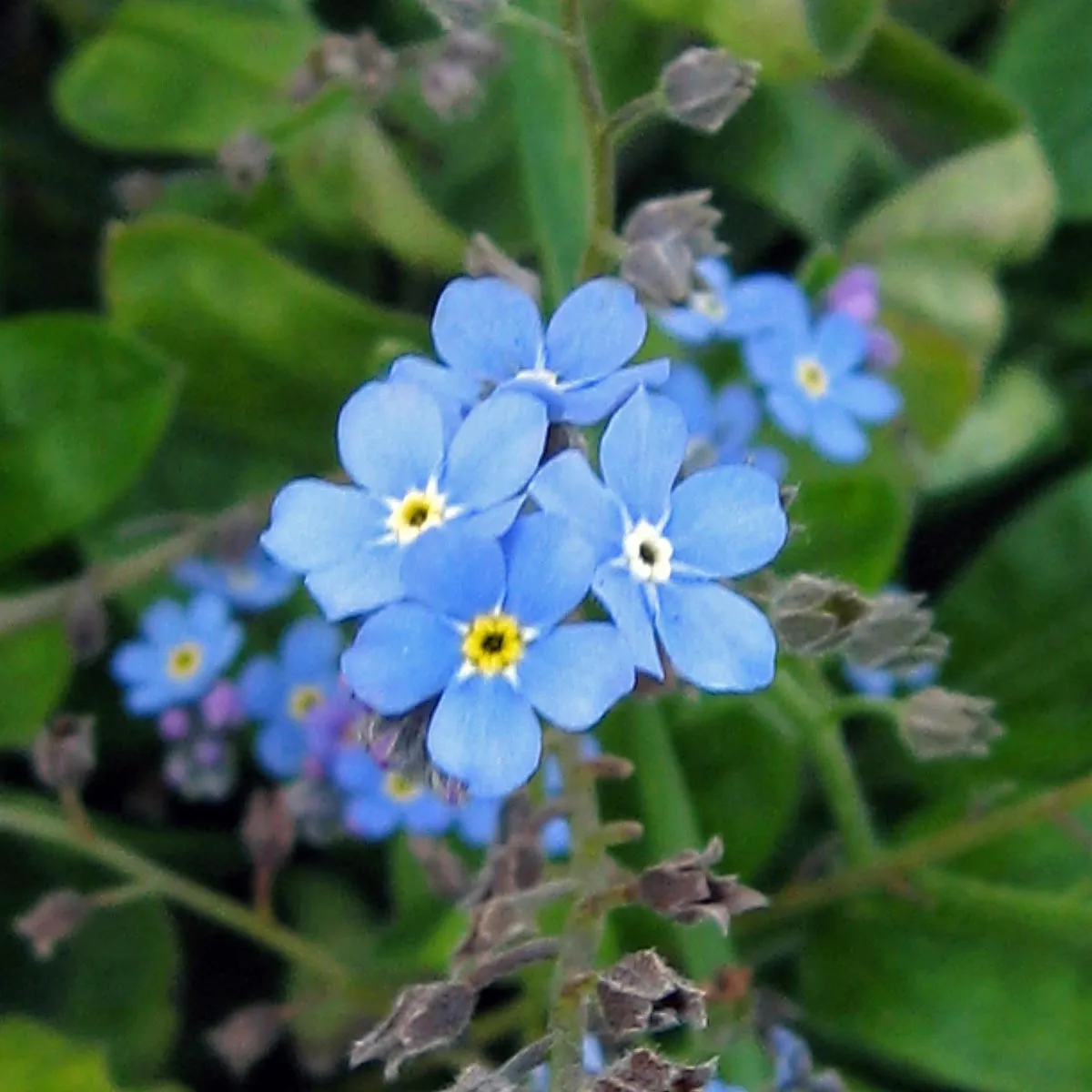
Many perennial shade plants grow rather slowly from seed and do not flower until their second year. Species such as columbines, foxgloves, forget-me-nots and lady's mantle are relatively easy to grow from seed and may also self seed once established in suitable conditions.
FAQ about flower seeds for shade
Which flowers grow in shade?
Popular flowering plants for shady or partially shaded areas include columbines, foxgloves, sweet woodruff, forget-me-nots, lungwort and various hardy geraniums. The best choice also depends on soil moisture and competition from tree roots.
What is the difference between shade and partial shade?
A partially shaded spot receives direct sunlight for part of the day, while a shady spot receives little or no direct sun. Dappled shade beneath an open tree canopy generally provides better conditions for flowering plants than permanent deep shade.
Why is the soil beneath trees often so dry?
Trees and large shrubs absorb considerable amounts of water through their roots. Their foliage also intercepts some of the rainfall before it reaches the ground. As a result, shady areas beneath trees can be much drier than open flower beds.
Which flowers are suitable for dry shade?
Dry shade calls for hardy species that tolerate both low light levels and competition from roots. Depending on the conditions, suitable plants include sweet woodruff, violets, certain hardy geraniums and other typical woodland plants.
Do shade plants produce fewer flowers than sun loving plants?
Not necessarily. Although fewer species flower abundantly in deep shade, many plants are naturally adapted to lower light levels. Dappled shade and partial shade offer a surprisingly wide choice of flowering species.
Can shade flowers self seed?
Yes. Species such as columbines, foxgloves and forget-me-nots can self seed in suitable locations. Over time, they may form natural looking groups of plants whose exact composition changes from year to year.
Which is better for shady areas: direct sowing or starting seeds indoors?
Both methods are possible. Species that germinate quickly and reliably can be sown directly where they are to grow. For very fine seeds or slow germinating perennials, starting seeds in pots or trays often makes germination easier to monitor and seedlings easier to care for.