
Flower seeds by habitat - the right flowers for every garden location
Not every flower thrives equally well in every part of the garden. Sun or shade, dry or moist soil, and whether the site is a border, beneath woody plants or among stones all influence which plants will establish and grow well over time.
Our habitat categories help you choose flower seeds to suit the site. This makes it easier to find species for sunny open areas, shady garden spots, woodland edges, traditional borders, dry rock gardens or moister locations.
Choose the habitat that most closely matches your garden site and discover flowers whose natural requirements suit the conditions there.
What does “habitat” mean for garden plants?
The habitat system groups plants according to the conditions in which they naturally grow particularly well. The most important factors include light, soil moisture, soil structure and the surrounding vegetation. A site beneath trees and shrubs, for example, presents very different conditions from a sunny open area or a dry rock garden.
The system was originally developed for the use of perennial plants, but its underlying principle can also be applied very effectively to choosing flower seeds. Instead of selecting plants solely by flower colour or height, the first question becomes: what kind of garden site needs planting?
The right flower for the right place
Plants that suit their location can establish more successfully, are often more resilient and generally require less support over time. Taking into account whether a site is sunny, shady, dry or moist when choosing flower seeds creates good conditions for stable and long-lasting plantings.
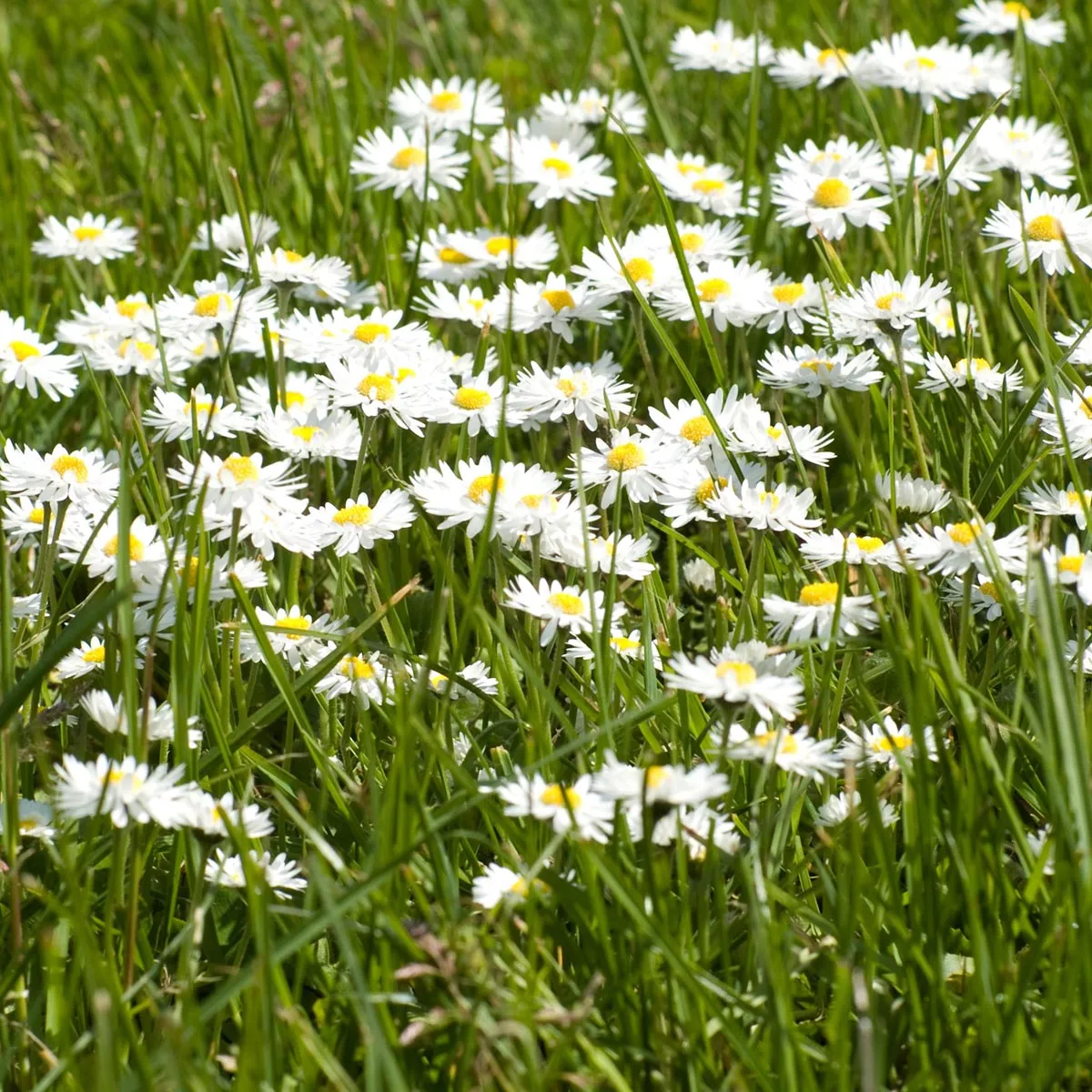
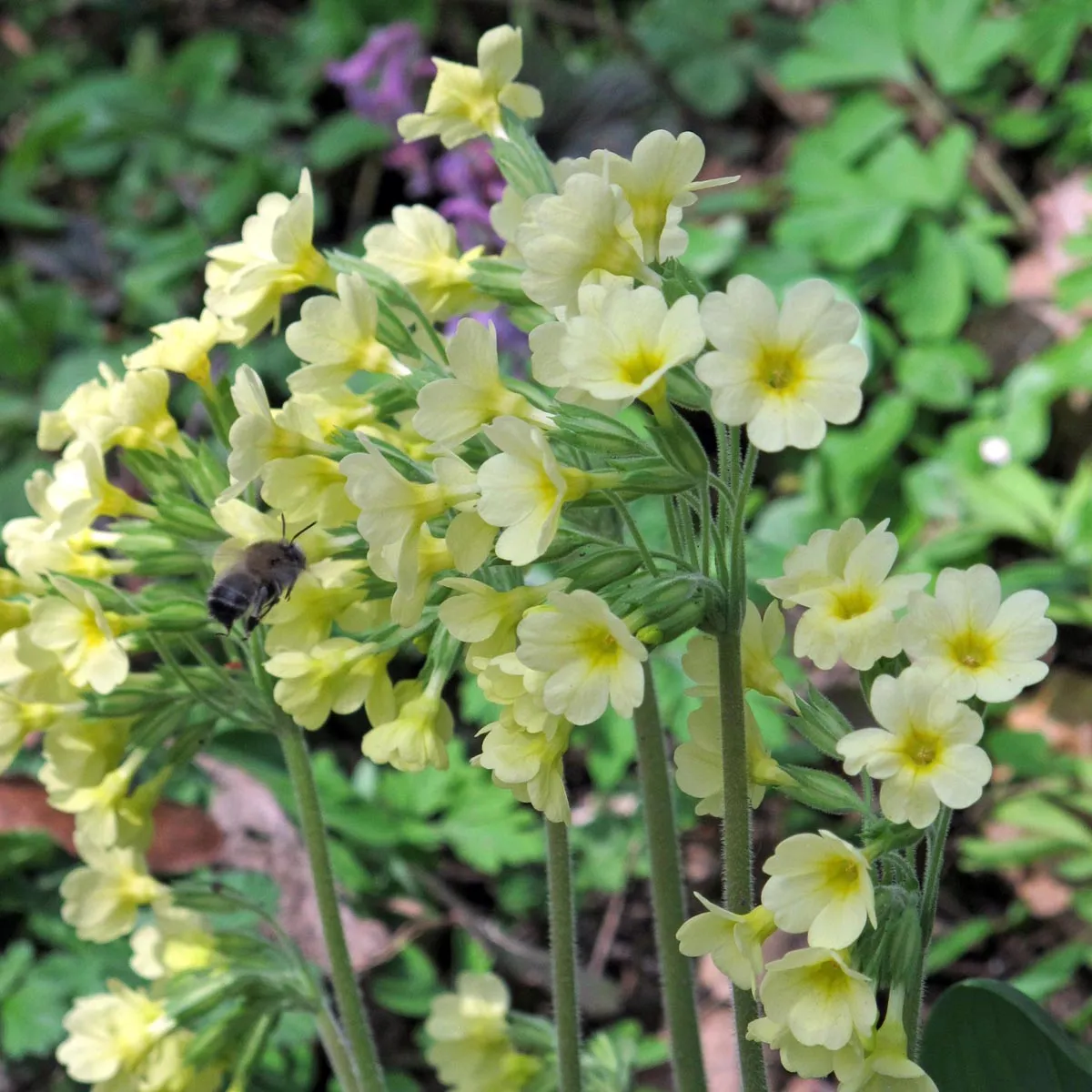
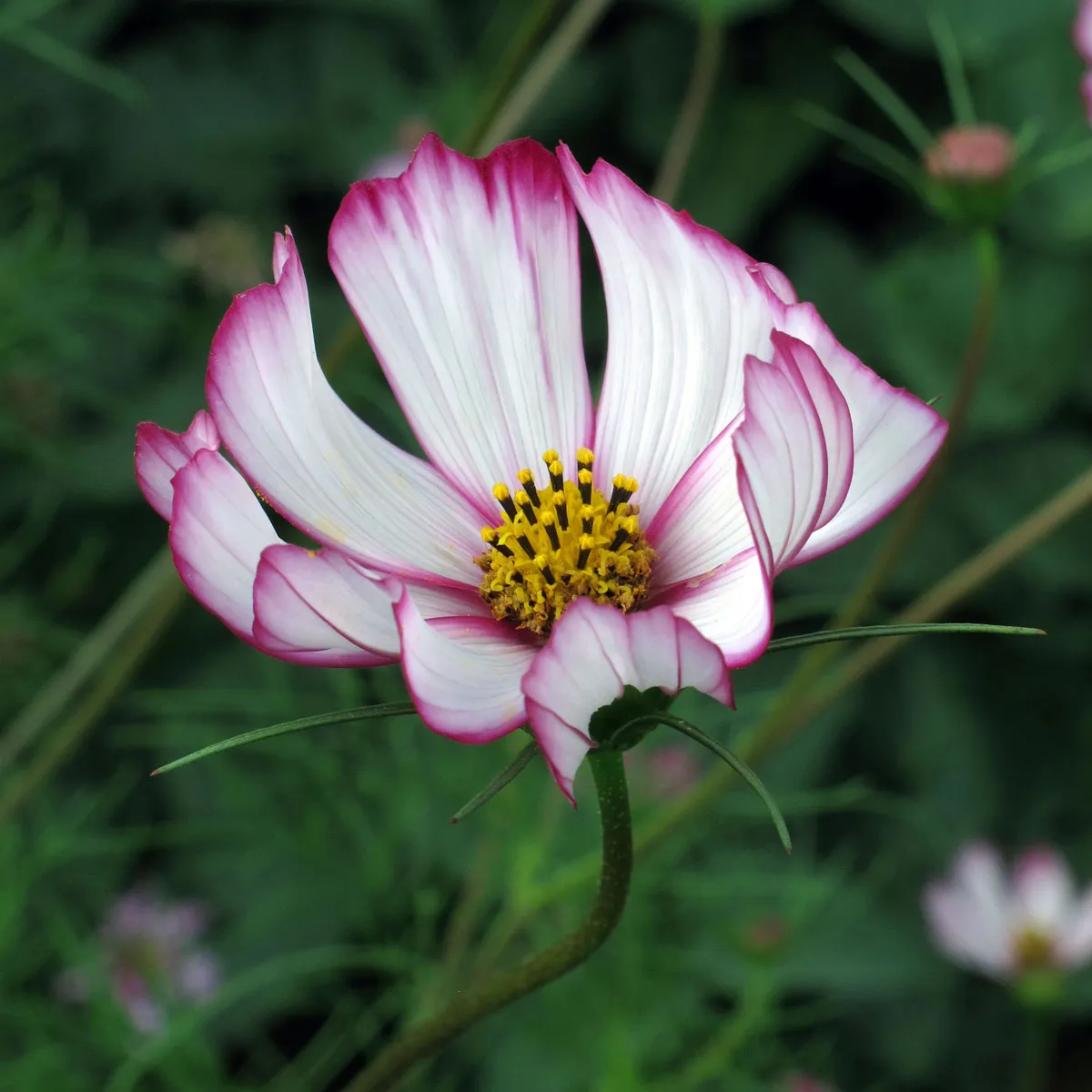
The classic habitat categories include woodland, woodland edge, open ground, rock garden, border and waterside. Within these habitats, light levels and soil moisture can further define the conditions of a particular site.
Choosing flower seeds by garden location
A sunny, dry position needs different plants from a humus-rich area beneath trees. Woodland edges, traditional garden borders and sites near ponds each create their own growing conditions as well. This is where the habitat system becomes particularly useful: it makes plant selection easier and connects horticultural knowledge with one simple practical question - what grows well here?
This allows you to choose flower seeds specifically for the conditions in your garden and gradually create plantings that are well matched to their location.
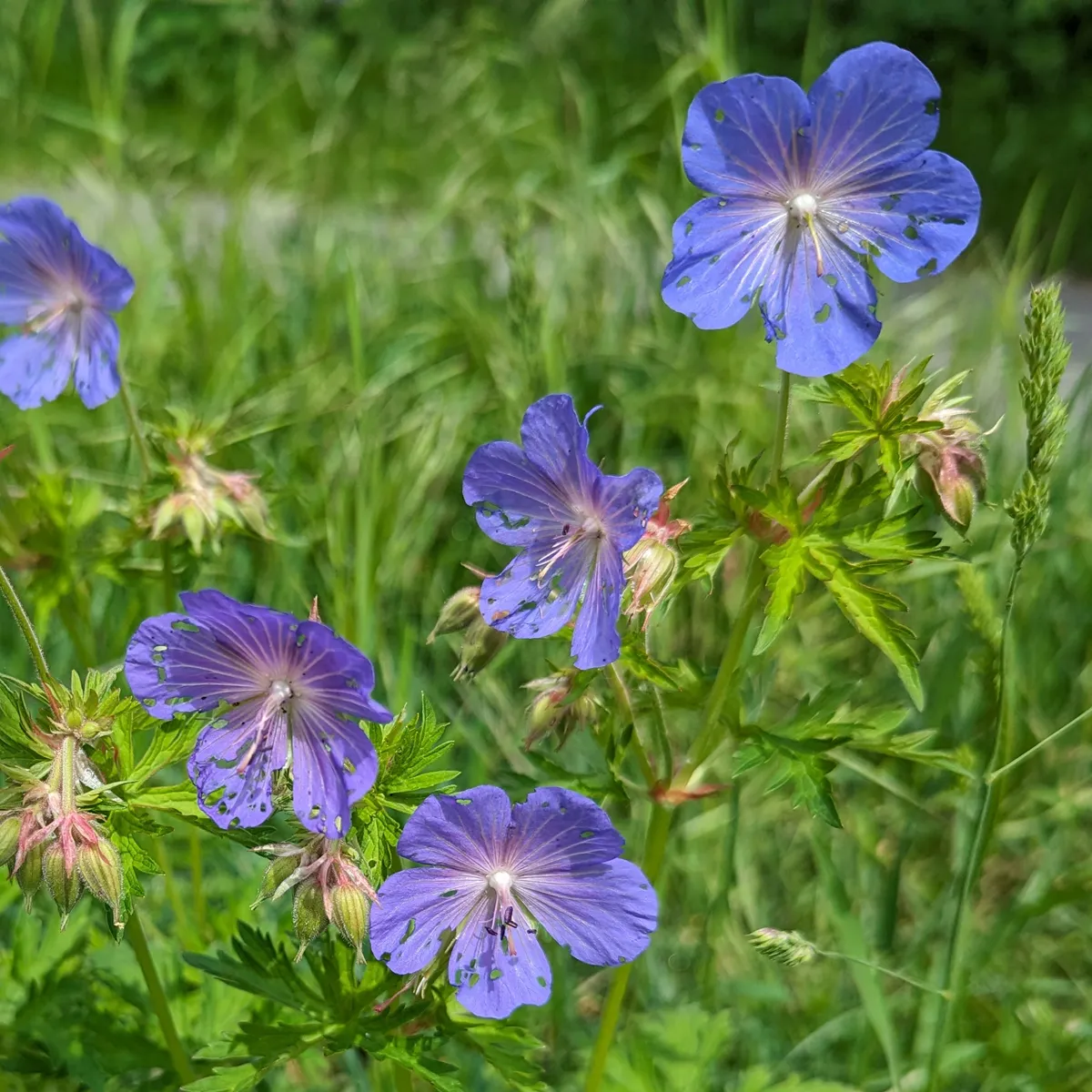

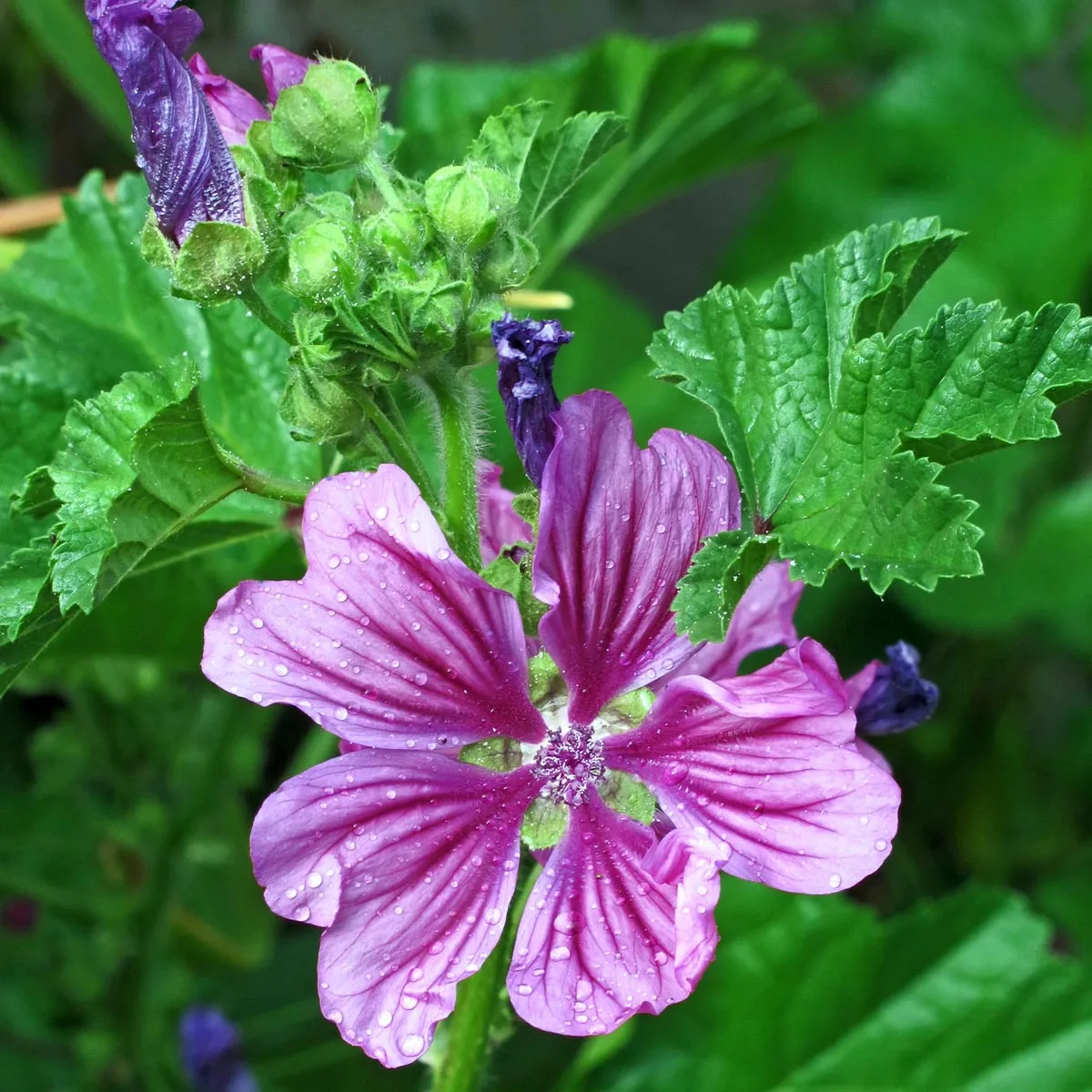
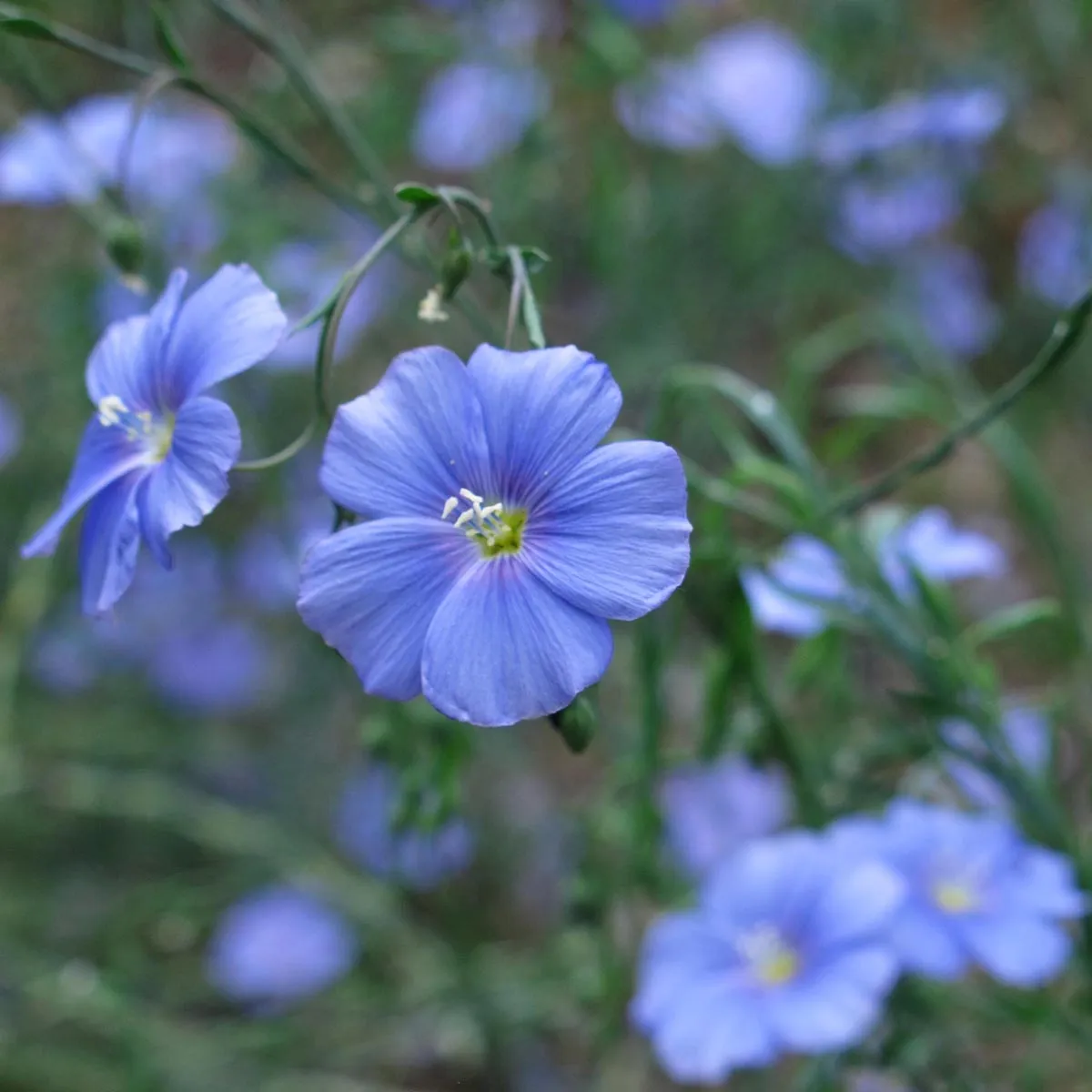
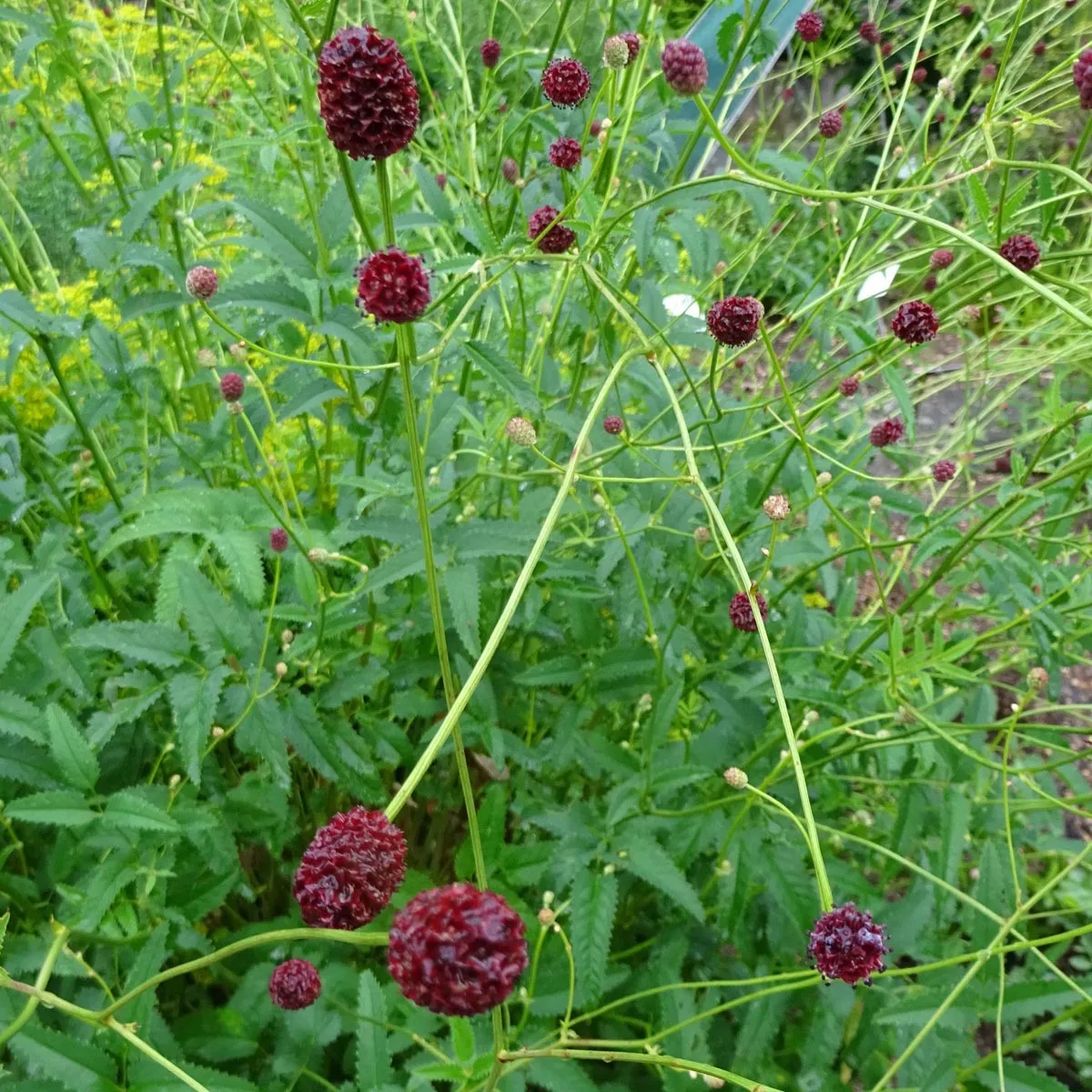
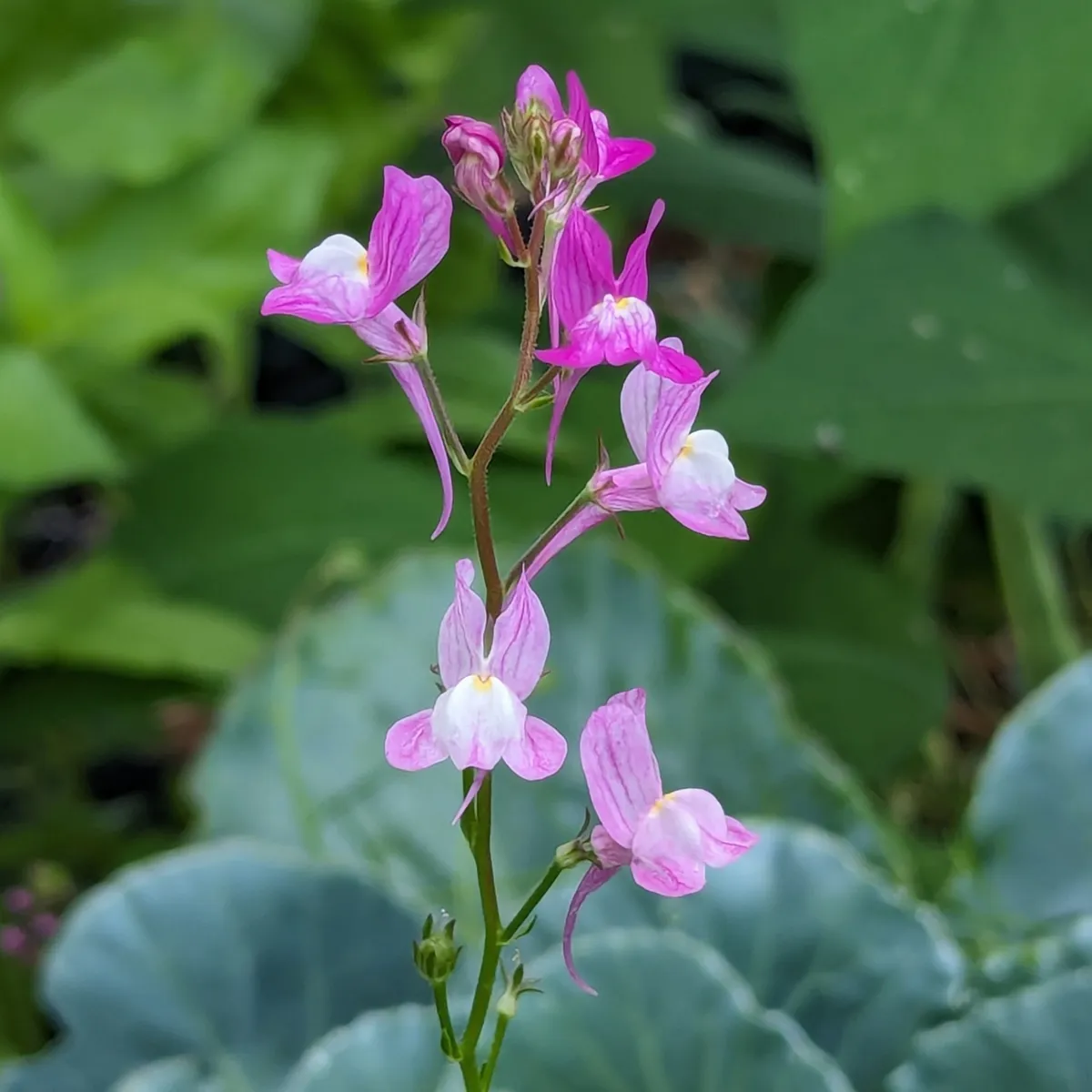
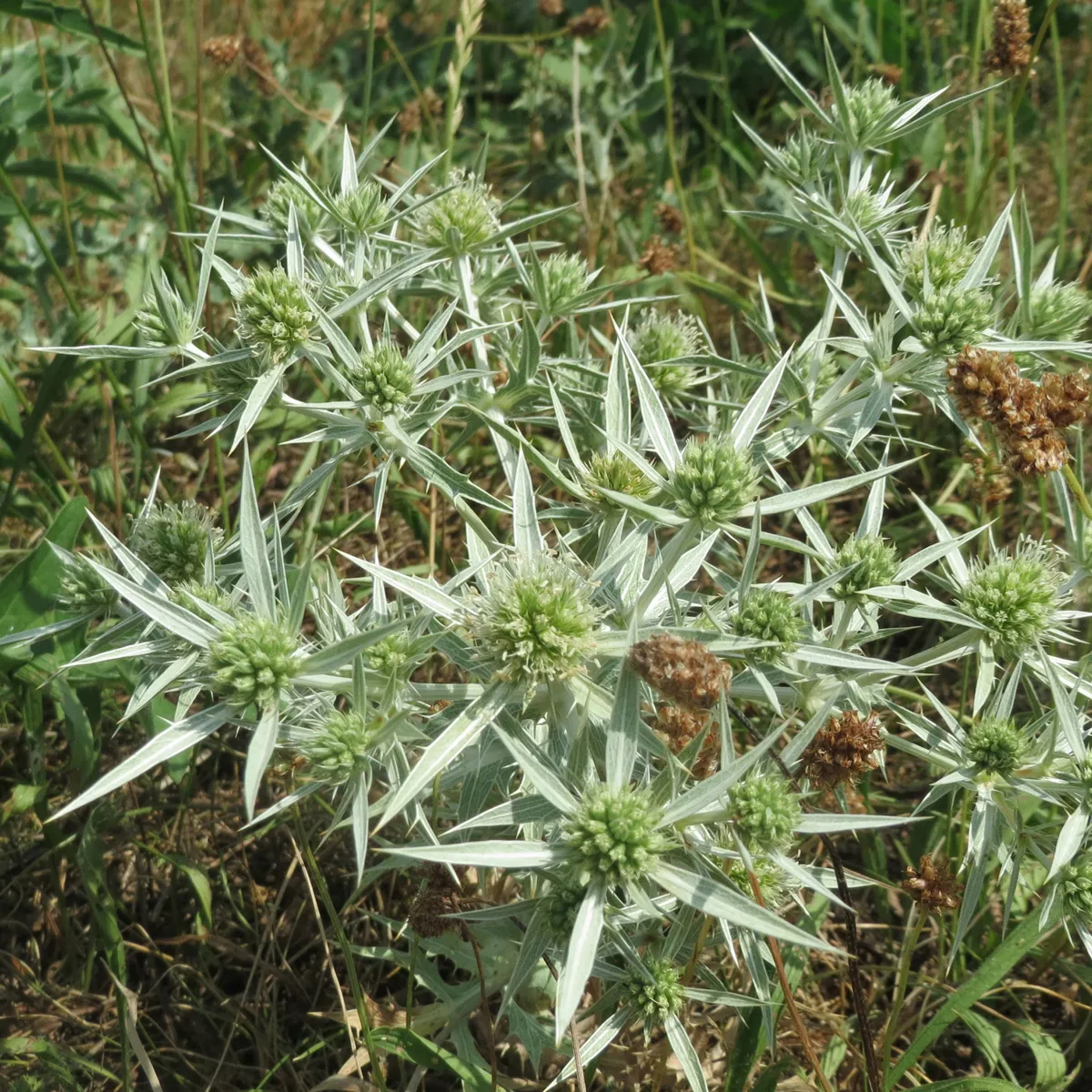
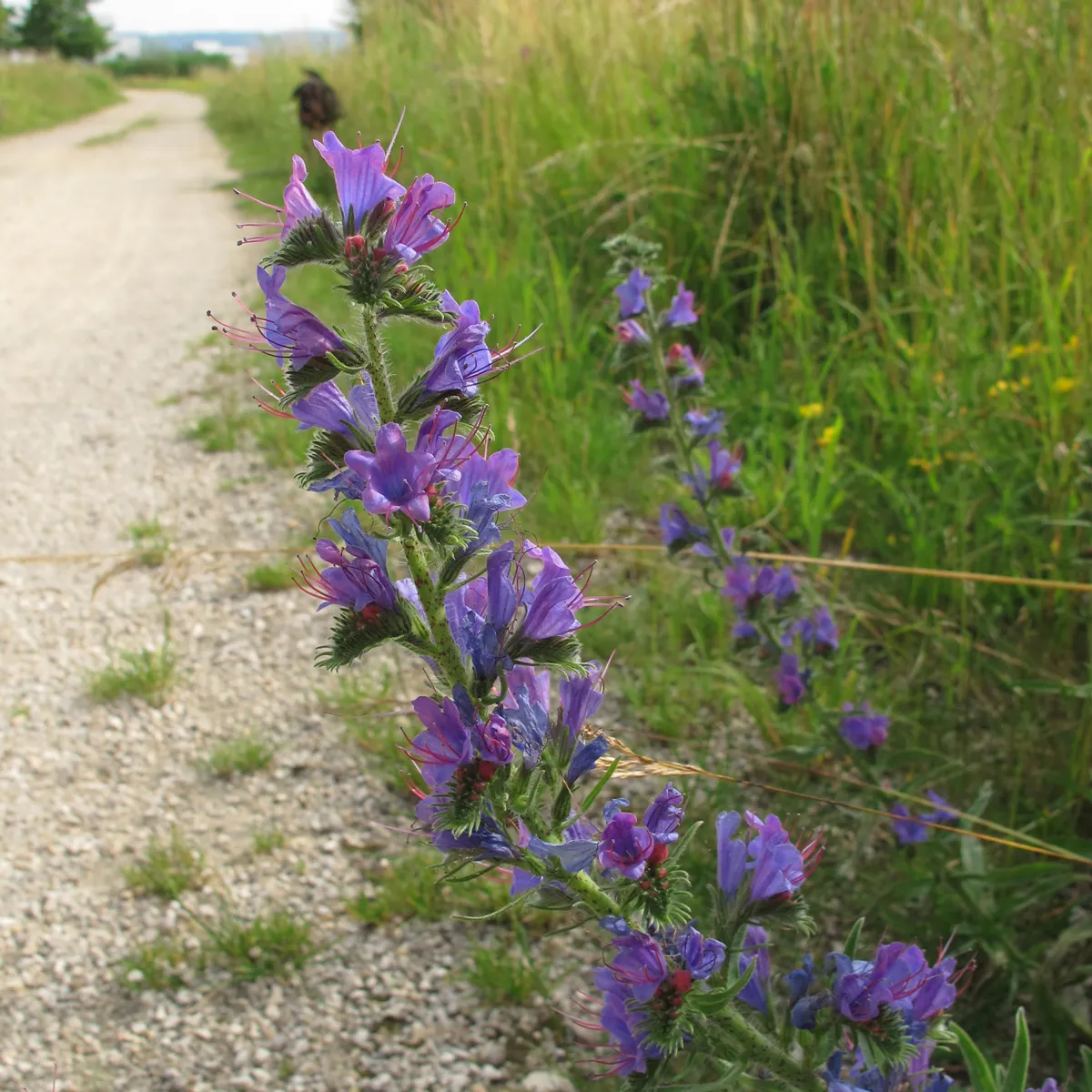
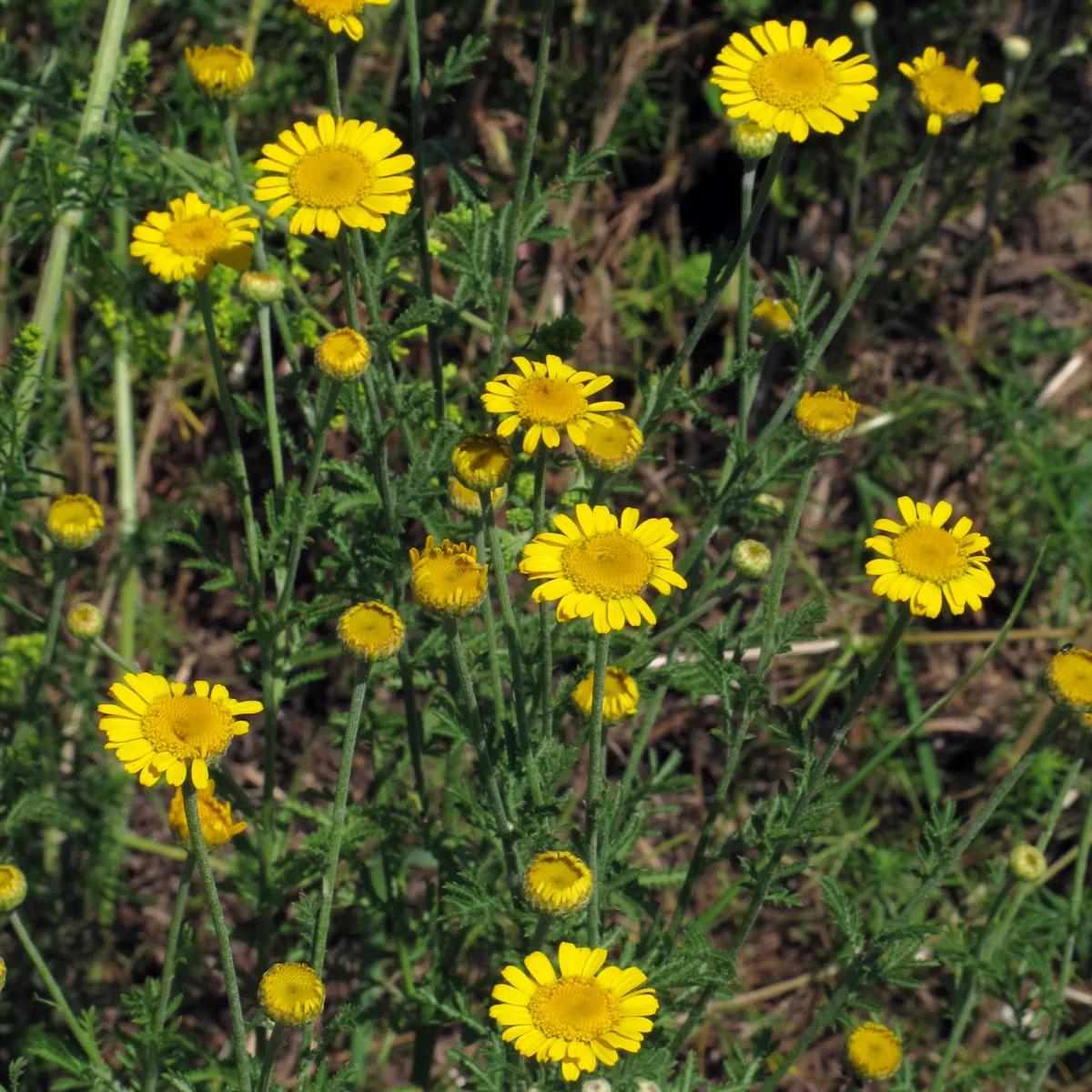
FAQ about flowers by site
Why is the site so important when choosing flower seeds?
Young plants already develop better when light, soil and moisture match their natural requirements. Plants suited to the site often need less additional care and can establish more successfully over the long term.
What does “fresh soil” mean?
Fresh soil is neither dry nor permanently wet. It retains moisture well while remaining sufficiently well drained and does not stay waterlogged for long periods.
What is the difference between woodland and woodland edge?
The woodland habitat mainly includes areas beneath trees and shrubs, which are often more shaded and affected by root competition. Woodland edges are usually brighter and form a transition between shaded areas beneath woody plants and more open parts of the garden.
Can a flower species suit more than one habitat?
Yes. Many plants tolerate a range of conditions and can thrive in different habitats. Some species can therefore grow both at woodland edges and in open areas, or both in borders and rock gardens.
Do I need to analyse my soil precisely?
A laboratory analysis is usually not necessary for choosing suitable plants. Often it is enough to observe the site over time: How quickly does the soil dry out? Does water remain after rain? Is the soil loose or heavy? Together with the light conditions, these observations usually provide a good basis for assessing the site.